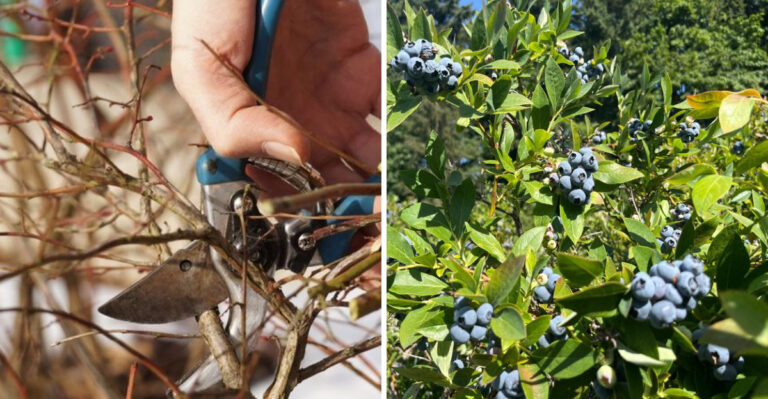
8 Georgia Plants That Benefit From January Pruning (And 3 That Don’t)
January pruning in Georgia can be a powerful tool, but only when it’s used on the right plants at the right time.
Warm spells mixed with cold snaps make winter cuts far more impactful here than many gardeners expect.
Some plants respond to January pruning with stronger growth, better shape, and healthier structure once spring arrives.
Others quietly lose their best blooms or struggle all season because they were cut at the wrong moment. What makes this tricky is that many plants look dormant even when next season’s growth is already set.
Georgia’s climate rewards informed timing rather than blanket pruning habits. Knowing when to step in and when to step back makes all the difference.
The benefits of winter pruning can be dramatic when done correctly.
Understanding which plants thrive after January cuts and which ones should be left alone helps avoid mistakes that can’t be undone later.
1. Crape Myrtle
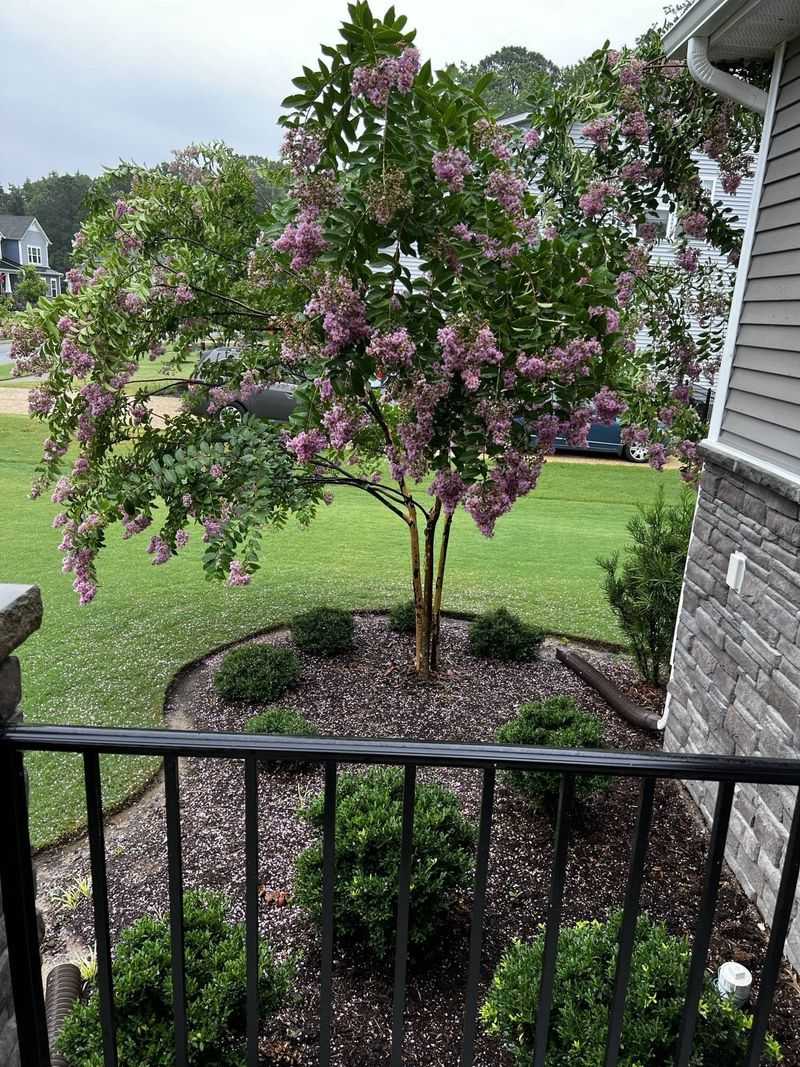
Winter months bring a perfect opportunity to shape one of the South’s most beloved flowering trees. Crape myrtles stand bare and exposed in January, making it easy to see their natural structure and identify which branches need attention.
Georgia gardeners have long relied on this timing to keep their landscapes looking sharp.
Most experts agree that late winter is ideal because the plant is fully dormant. You won’t risk disrupting new growth or stressing the tree during its active season.
Instead, you’re setting the stage for a spectacular summer display.
Focus on removing suckers that sprout from the base and any crossing branches that rub together. These spots can create wounds that invite pests and disease.
Thinning the canopy also improves air circulation, which helps prevent fungal problems.
Many people in Georgia make the mistake of topping their crape myrtles, cutting them back to thick stubs. This practice, often called crape murder, weakens the tree and produces ugly, knobby growth.
A better approach is to selectively prune branches back to a side shoot or the trunk.
Healthy crape myrtles reward you with vibrant blooms and attractive bark. January pruning keeps them looking their best year after year without causing harm.
2. Roses
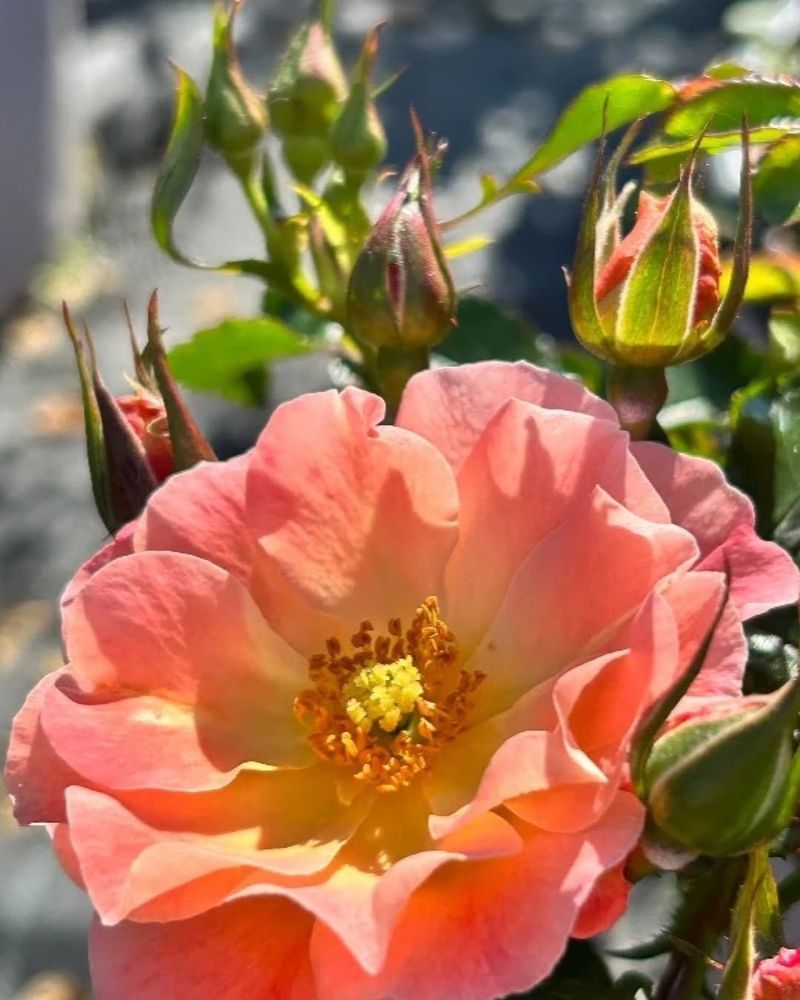
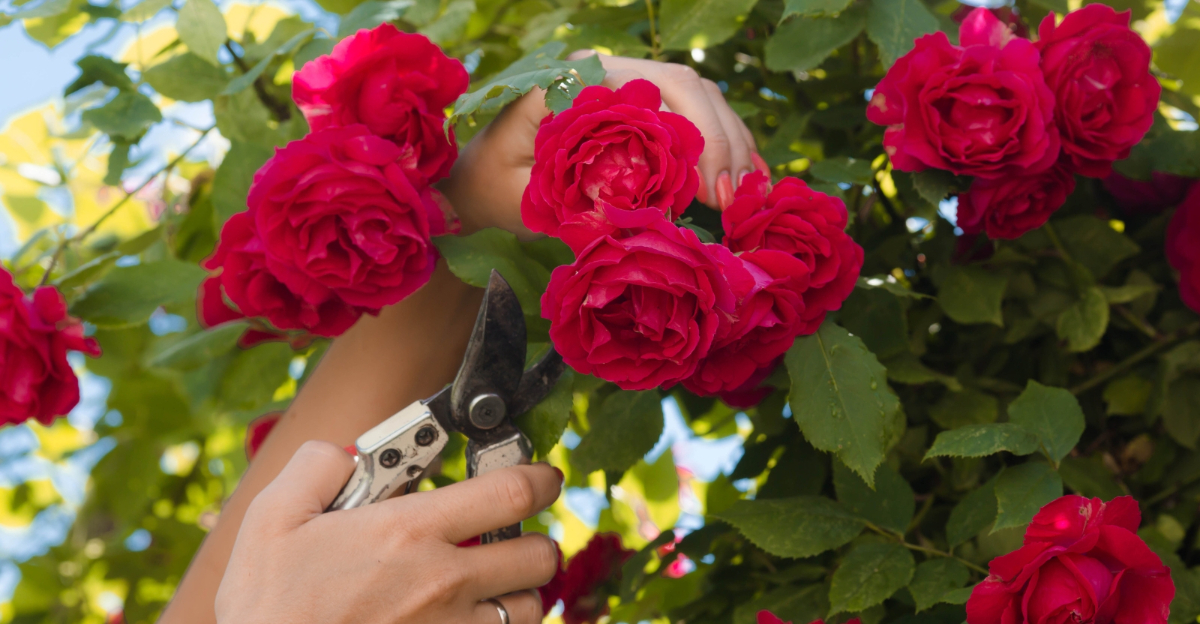
Pruning roses might sound intimidating, but January offers the best window for this essential task. Roses respond beautifully to a good trim during dormancy, and Georgia’s mild winters make this the perfect month.
You’ll notice stronger canes, more blooms, and better overall health when you prune at the right time.
Start by clearing away any damaged or diseased wood. Look for canes that appear black, shriveled, or discolored, and cut them back to healthy tissue.
Removing this material prevents problems from spreading as temperatures warm up.
Next, thin out the center of the plant to open up airflow. Crowded canes create a humid environment where fungal diseases thrive.
By spacing things out, you reduce the risk of blackspot and powdery mildew, common issues in Georgia gardens.
Hybrid tea roses benefit from more aggressive pruning, often cut back to about 12 to 18 inches. Shrub roses need less intervention, typically just shaping and cleaning up.
Your Georgia Garden Changes Every Week. Your Plan Should Too.
Gardening in Georgia changes quickly throughout the season. Every Friday you’ll receive a simple weekly plan showing exactly what to plant, prune, fertilize, harvest, and protect so you never miss the right timing.
Always make your cuts at a 45-degree angle just above an outward-facing bud.
January pruning prepares roses for a vigorous spring flush. You’ll enjoy more flowers and healthier plants throughout the growing season.
3. Hydrangea (Panicle And Smooth Types)
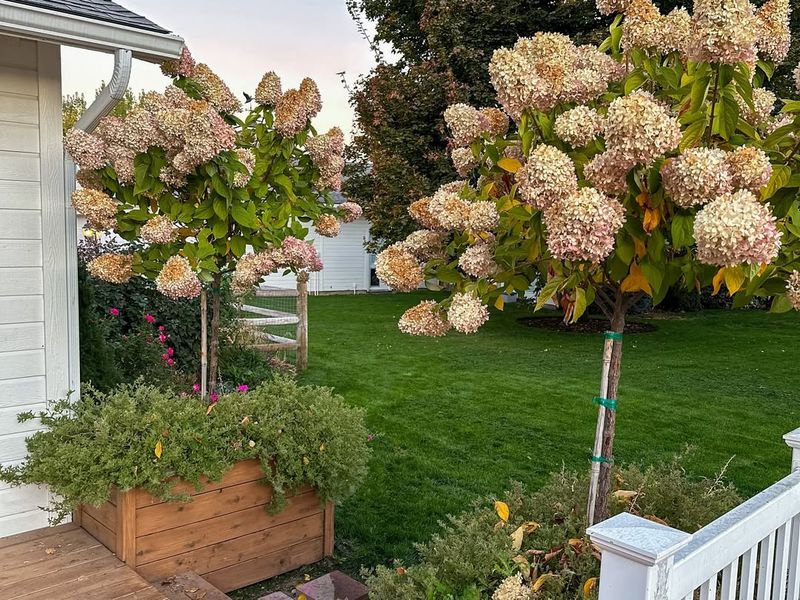
Not all hydrangeas should be pruned in winter, but panicle and smooth varieties actually need it. These types bloom on new wood, meaning they produce flowers on the current season’s growth.
Cutting them back in January encourages fresh, vigorous stems that will be loaded with blooms by summer.
Smooth hydrangeas, like the popular Annabelle, can be cut back quite hard. Many Georgia gardeners trim them down to about 12 inches from the ground.
This might seem drastic, but these plants bounce back quickly and reward you with large, showy flower heads.
Panicle hydrangeas, including the well-known PeeGee, also bloom on new wood but benefit from a lighter touch. Remove about one-third of the oldest stems to keep the plant looking fresh.
You can also shape the plant and remove any weak or crossing branches.
Timing matters because pruning too late can reduce flowering. January gives the plant plenty of time to develop new growth before the blooming season arrives.
Georgia’s climate supports this schedule perfectly.
Always use clean, sharp tools to make smooth cuts. Ragged edges take longer to heal and can invite disease.
A little care now leads to stunning hydrangea displays later in the year.
4. Fig Trees
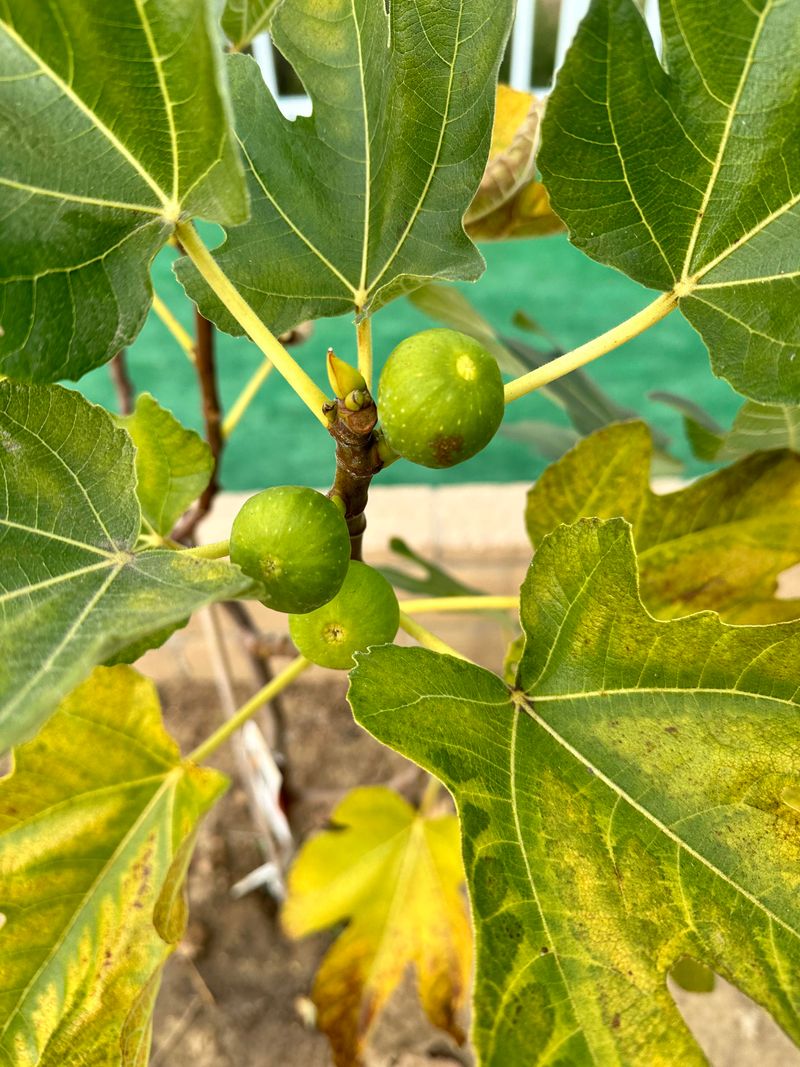
That Mediterranean charm and sweet harvest make this tree a favorite in Georgia gardens, and January is the right time to prune it.
Dormancy during winter reduces sap flow, making cuts less stressful.
Thoughtful pruning now helps keep growth manageable and supports stronger fruit production later in the season.
Start by removing any branches that are damaged, diseased, or rubbing against each other. Fig trees can become dense and tangled if left unpruned, which reduces air circulation and sunlight penetration.
Opening up the canopy helps the tree stay healthy and productive.
Many gardeners in Georgia prefer to keep their fig trees relatively small for easier harvesting. You can control the size by cutting back long branches to a lateral shoot.
This encourages the tree to put energy into fruiting rather than excessive vegetative growth.
Figs produce fruit on new wood, so don’t worry about cutting off next season’s crop. In fact, pruning stimulates fresh growth that will bear fruit later in the year.
Focus on creating a balanced shape with an open center.
Avoid heavy pruning on young trees, as they need time to establish a strong framework. Older trees can handle more aggressive trimming.
January’s cool weather makes the job comfortable and gives the tree time to recover before spring.
5. Butterfly Bush
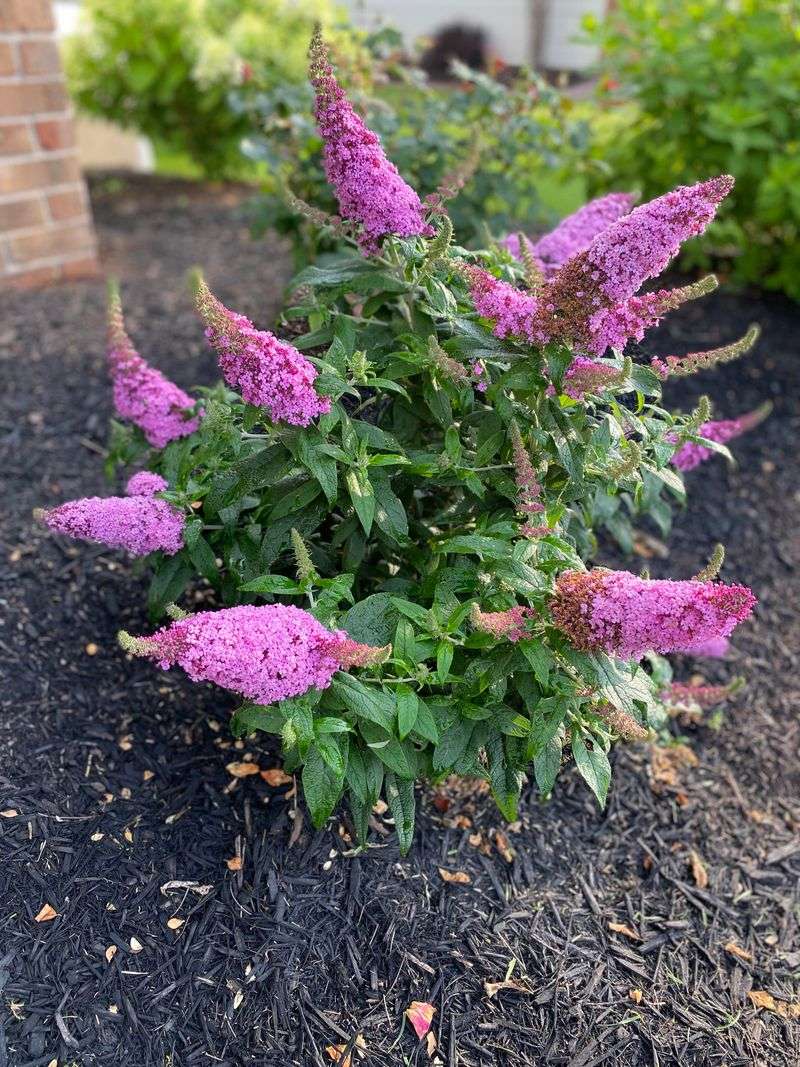
Known for drawing in pollinators, this shrub adds vibrant color to Georgia gardens throughout the summer.
These fast-growing shrubs benefit from hard pruning in January, which might seem counterintuitive but actually leads to stronger plants and more flowers. Cutting them back encourages compact growth and prevents the plant from becoming leggy.
Most butterfly bushes can be pruned down to about 12 to 24 inches from the ground. This drastic reduction might look severe, but these plants grow vigorously and will quickly fill out once warm weather arrives.
The new growth will be sturdy and covered with blooms.
Removing old wood also helps prevent the plant from becoming woody and unproductive over time. Butterfly bushes bloom on new wood, so you won’t sacrifice any flowers by pruning in winter.
Instead, you’re setting the stage for a spectacular display.
Georgia’s climate is ideal for butterfly bushes, but they can spread aggressively in some areas. Pruning helps keep them under control and prevents them from taking over your garden.
Always dispose of cuttings responsibly to avoid unintended spreading.
Use sharp loppers or pruning saws for thicker stems. Clean cuts heal faster and reduce the risk of disease.
January pruning keeps butterfly bushes healthy, attractive, and full of blooms throughout the growing season.
6. Knock Out Roses
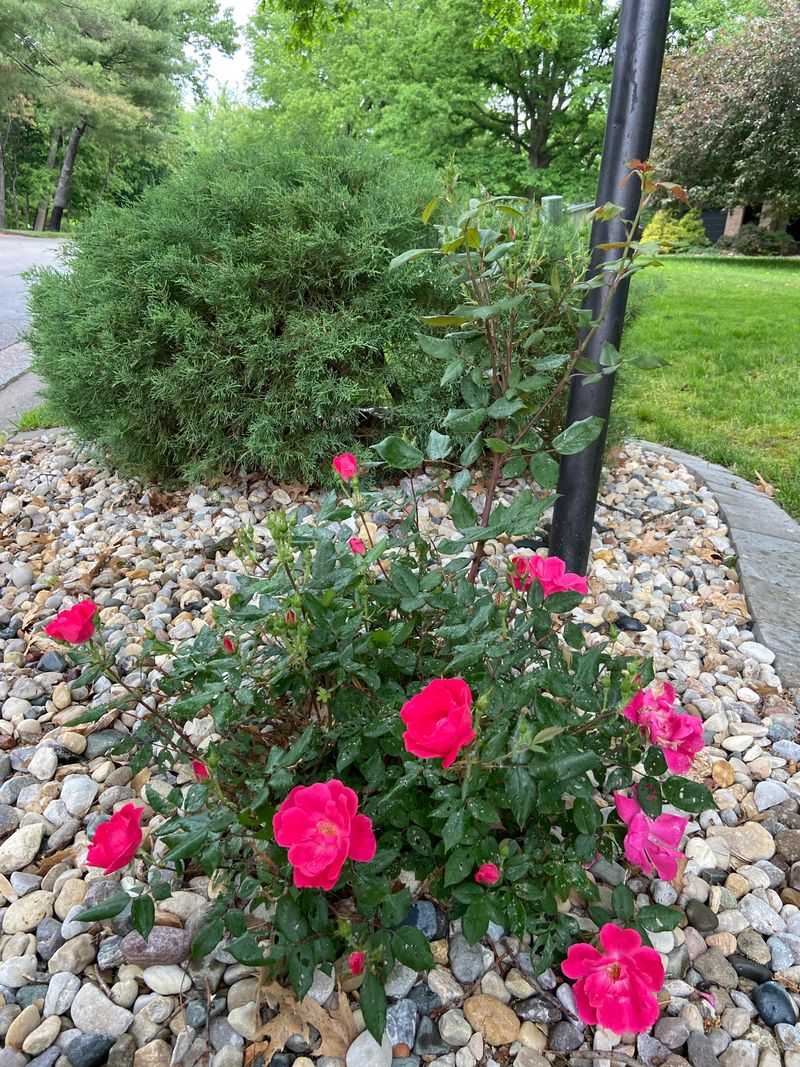
Thanks to strong disease resistance and steady blooming, this rose has become a staple in Georgia landscapes.
These tough shrubs still benefit from annual pruning, and January is the perfect time to tackle this task. Pruning keeps them compact, encourages fresh growth, and ensures a heavy flush of blooms in spring.
Unlike traditional roses, Knock Outs are incredibly forgiving. You can prune them back by about one-third to one-half their height without worrying about making mistakes.
The goal is to remove old, woody stems and shape the plant into a rounded form.
Start by cutting out any stems that are damaged, diseased, or growing inward toward the center. Opening up the middle of the plant improves air circulation and reduces the risk of fungal problems.
Georgia’s humid summers can be tough on roses, so good airflow is essential.
Many gardeners in Georgia simply use hedge shears to trim Knock Outs into a neat mound. While this method works, taking a bit more time to selectively prune individual canes produces better results.
You’ll end up with a healthier plant and more flowers.
January pruning also makes it easier to see the plant’s structure. Without leaves in the way, you can identify which stems need attention.
A little effort now pays off with months of beautiful blooms.
7. PeeGee Hydrangea
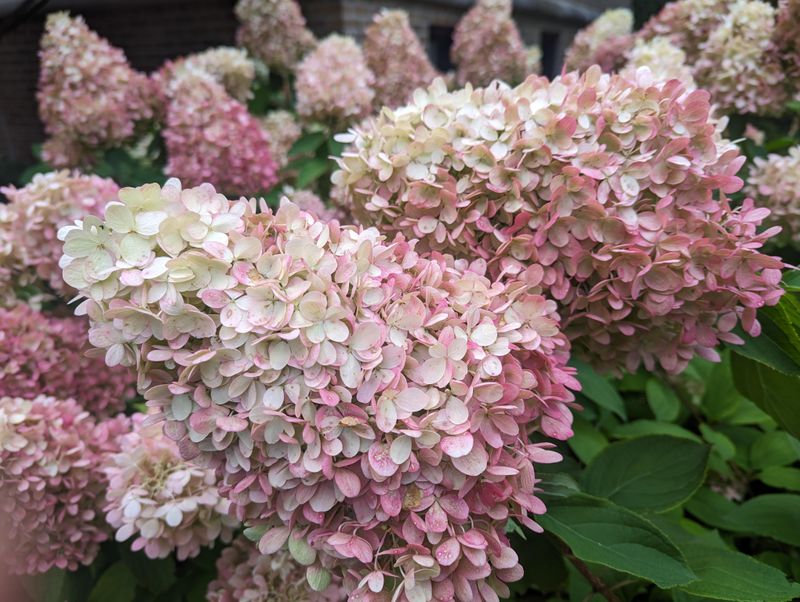
Known for dramatic cone-shaped blooms, these shrubs open white and gradually shift to soft pink as the season progresses.
These reliable shrubs bloom on new wood, making January the ideal time to prune them in Georgia. Proper pruning encourages vigorous growth and ensures a spectacular floral display by midsummer.
PeeGee hydrangeas can grow quite large if left unpruned, sometimes reaching heights of 15 feet or more. Most gardeners prefer to keep them more manageable by cutting them back annually.
You can prune them as shrubs or train them into small trees, depending on your landscape needs.
For a shrub form, remove about one-third of the oldest stems each year. This keeps the plant looking fresh and prevents it from becoming too dense.
You can also shape the plant by trimming back long branches to a side shoot or bud.
If you’re training a PeeGee as a tree, focus on maintaining a single trunk and removing any suckers that sprout from the base. Trim the canopy to create a balanced shape, and thin out crowded branches to improve airflow.
Georgia’s climate suits PeeGee hydrangeas perfectly, and they tolerate both heat and cold well. January pruning gives them a head start on the growing season.
By the time summer arrives, you’ll have a lush, blooming plant that’s the envy of the neighborhood.
8. Wisteria
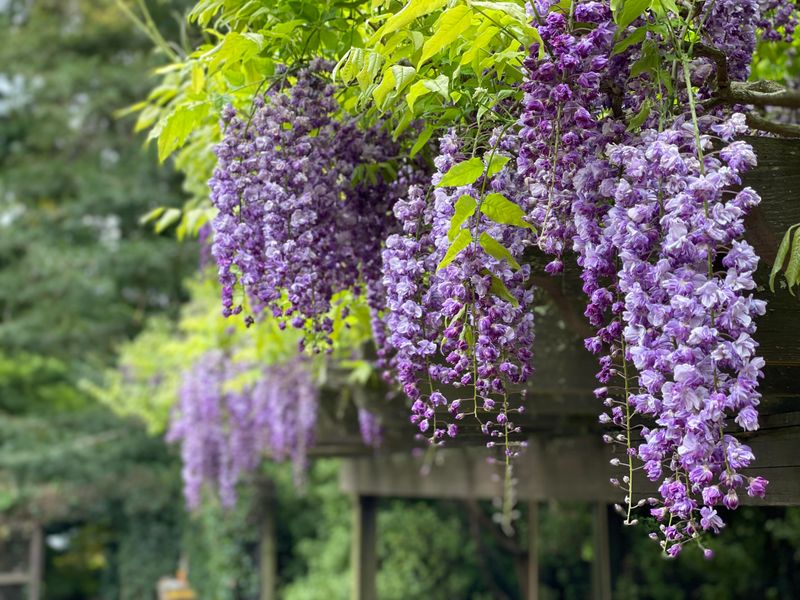
Famous for cascading purple blooms and a sweet fragrance, this vine can quickly become unruly without regular pruning.
January is an excellent time to tackle this task in Georgia because the plant is dormant and the structure is easy to see. Pruning now helps control growth and encourages better flowering.
Wisteria blooms on short spurs that grow from older wood. Your goal is to shorten long, whippy shoots back to a few buds from the main framework.
This concentrates the plant’s energy into producing flowers rather than excessive foliage.
Many wisteria vines in Georgia become overgrown and produce more leaves than blooms. This often happens when the plant is allowed to grow unchecked.
Regular January pruning, combined with a summer trim, keeps the vine in check and encourages heavy flowering.
Remove any shoots that are growing in unwanted directions or threatening to take over nearby structures. Wisteria is a vigorous grower and can damage gutters, roofs, and other plants if not controlled.
Keep the vine confined to its support structure.
Use sharp pruning shears for smaller stems and a pruning saw for thicker growth. Make clean cuts just above a bud or lateral branch.
With consistent January pruning, your wisteria will reward you with breathtaking blooms and a manageable size.
9. Azaleas
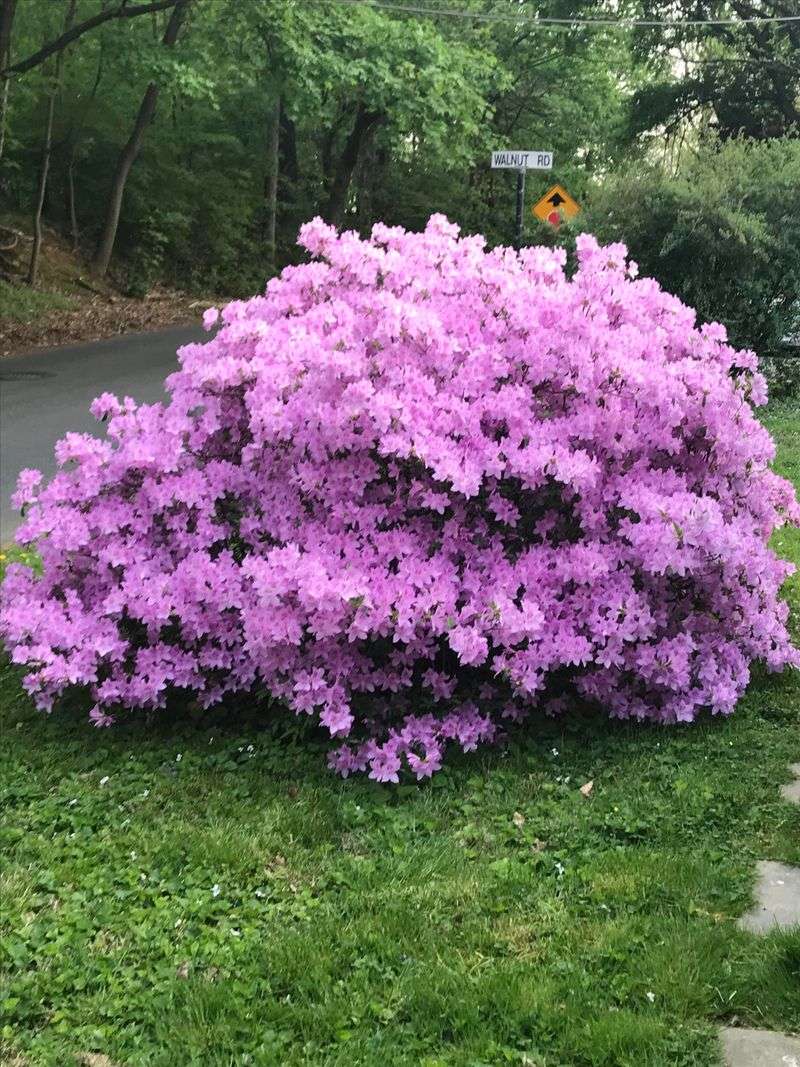
Spring color is a major highlight in many Georgia landscapes, but January is the wrong time for pruning. Flower buds are set months earlier, usually during summer and early fall, and by winter the blooms for spring are already locked in.
Pruning azaleas in January almost always removes those buds, which leads to sparse or missing flowers in spring. The plant itself may stay healthy, but the visual payoff gardeners expect simply doesn’t happen.
Georgia’s mild winters can make azaleas look inactive, but they are quietly preparing for their bloom cycle. Cutting them back during dormancy interrupts that process and resets the plant in the worst possible way.
If shaping is needed, the safest window is right after flowering ends in spring.
That timing allows azaleas to recover and still set buds for the following year.
In January, it’s best to leave azaleas alone aside from removing broken branches caused by storms.
Let them rest, and they’ll reward you with full, vibrant blooms when spring arrives.
Heavy winter pruning can also stress azaleas just as temperatures begin to fluctuate, which slows their recovery once spring warmth arrives.
In Georgia’s humid climate, fresh cuts made too early can take longer to seal, increasing the chance of disease issues later on.
Patience in January pays off, because untouched azaleas consistently perform better and look fuller once blooming season begins.
10. Camellias
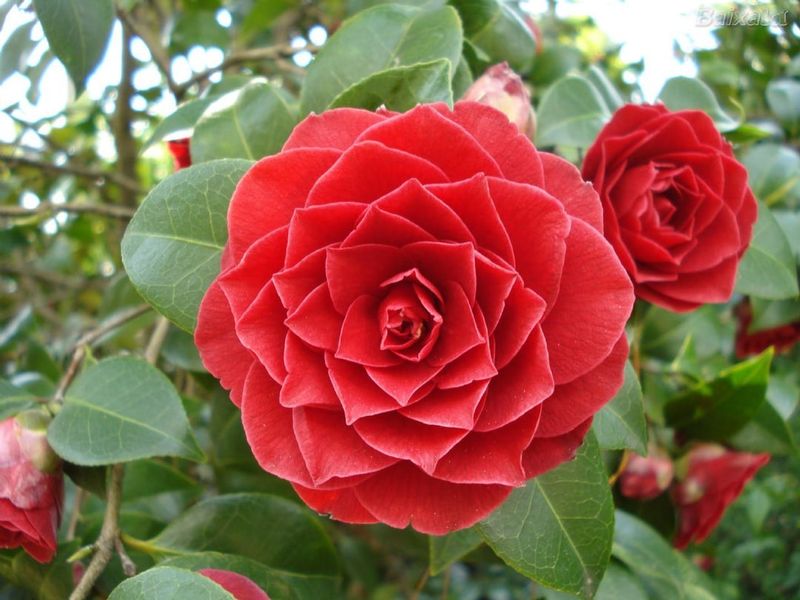
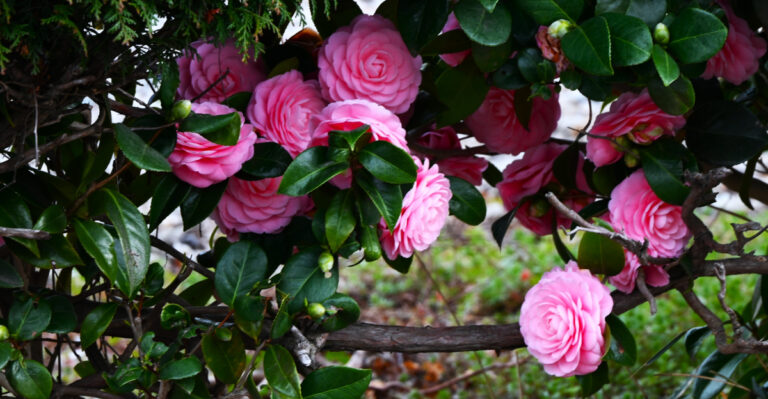
These evergreen shrubs look great in Georgia winters, yet January pruning often leads to disappointment.
Their flower buds form months earlier, usually by late summer, and remain on the plant through fall and winter waiting for bloom season.
Cutting them back in January removes those fully formed buds, which means fewer flowers or none at all when bloom time arrives. The plant itself may stay healthy, but the visual impact gardeners expect is quietly lost.
Because these shrubs bloom in late winter or early spring, they are already close to flowering by January.
Pruning at this stage interrupts the final development of blooms that are nearly ready to open. The safest time to prune is right after flowering finishes.
That timing allows new growth to harden off and set buds for the following year without sacrificing the current season’s display.
In Georgia’s fluctuating winter weather, early cuts can also take longer to heal.
Leaving these shrubs untouched through January protects both their structure and their signature blooms.
Winter pruning can also expose tender growth to sudden cold snaps, which can further reduce flowering later in the season.
Allowing these shrubs to remain undisturbed through January gives them the stability they need to bloom fully and reliably when spring arrives.
11. Oakleaf Hydrangea
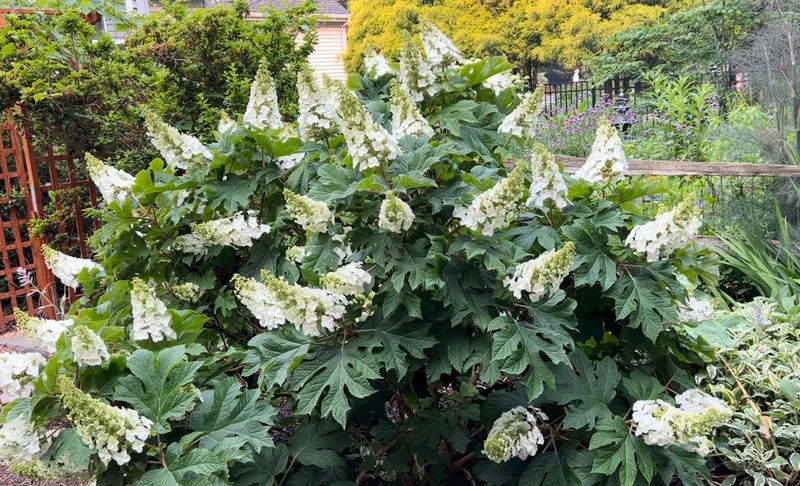
This native shrub brings bold foliage and dramatic flowers to Georgia landscapes, with January pruning almost always removing the season’s blooms.
Its flower buds form on older growth, meaning everything needed for spring flowering is already in place by winter. Cutting it back in January strips away those buds before they ever have a chance to open.
The plant may grow plenty of new leaves later, but the large cone-shaped flowers many gardeners expect never appear. Because this shrub blooms in late spring to early summer, winter pruning disrupts a process that started months earlier.
By January, the plant is simply waiting for warmer weather to finish what it already prepared.
The safest time to prune is right after flowering ends, once blooms begin to fade.
That timing allows shaping without interfering with next year’s flower production. Georgia’s winter temperature swings can also slow healing on fresh cuts.
Leaving this shrub alone through January helps preserve both its structure and its standout seasonal display.