One Small January Yard Tidy-Up In California That Prevents Extra Spring Work
A yard can look calm in winter while quietly collecting the mess that turns spring into a scramble, especially in California where mild weather lets debris pile up instead of breaking down.
Leaves, twigs, and leftover plant material slowly settle into beds and corners, creating hidden layers that interfere with new growth long before they’re noticed.
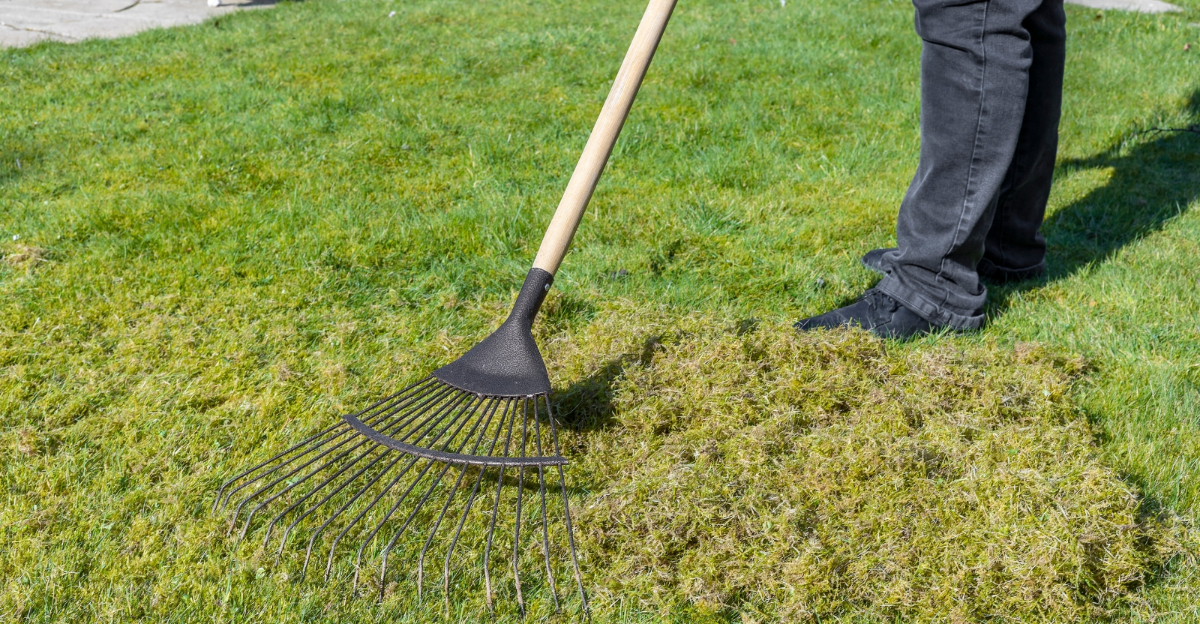
The tidy-up that makes the biggest difference is simply raking out winter debris before it compacts, traps moisture, and blocks light at soil level.
This quick reset clears space where roots, shoots, and soil need room to breathe, and it takes far less effort now than when everything starts growing at once.
California’s early warm spells push plants into motion fast, and debris left behind quickly turns into an obstacle instead of harmless clutter.
This is where spring frustration quietly builds, because timing matters far more than it seems when growth accelerates all at once. Moist pockets under old leaves create problems that quietly spread once temperatures rise.
Clean beds make watering, mulching, and spotting weeds easier instead of feeling like damage control.
Air moves more freely, soil dries evenly, and plants start the season without fighting through last season’s leftovers.
What feels like a small task now prevents beds from looking overgrown weeks earlier than expected.
Handled early, this simple raking chore keeps spring focused on planting and growth instead of catching up on avoidable mess.
1. Raking Out Winter Debris In January Keeps California Yards From Backing Up In Spring
Even though California yards don’t experience the heavy snowfall common in other states, they still collect plenty of fallen leaves, broken twigs, and scattered plant material during winter months.
Mild temperatures encourage ongoing plant activity, which means shedding continues even when other regions freeze solid. Garden beds slowly fill with organic matter that settles into layers if left alone.
Raking everything out in January prevents those layers from compacting and smothering emerging growth. California’s spring can arrive early, sometimes by late February, and plants start pushing new shoots faster than expected.
When old debris blocks sunlight and traps excess moisture, young growth struggles to break through cleanly.
Clearing beds now gives roots and shoots a clear path upward. It also makes it easier to spot any early weeds that germinate during warm spells.
Removing clutter early means less scrambling when bloom season kicks in.
January cleanup sets the stage for healthier plants and fewer surprises. California gardeners who rake now save themselves from fighting tangled messes later.
A tidy yard in winter translates to smoother maintenance all spring long.
It also improves air circulation at the soil surface, which helps reduce lingering moisture after winter rains. Exposed soil warms more evenly once daylight increases, giving plants a steadier start as temperatures rise.
Taking care of this task early keeps garden beds responsive instead of sluggish when spring growth accelerates.
2. Why California’s Mild Winters Make This Chore Easy To Ignore
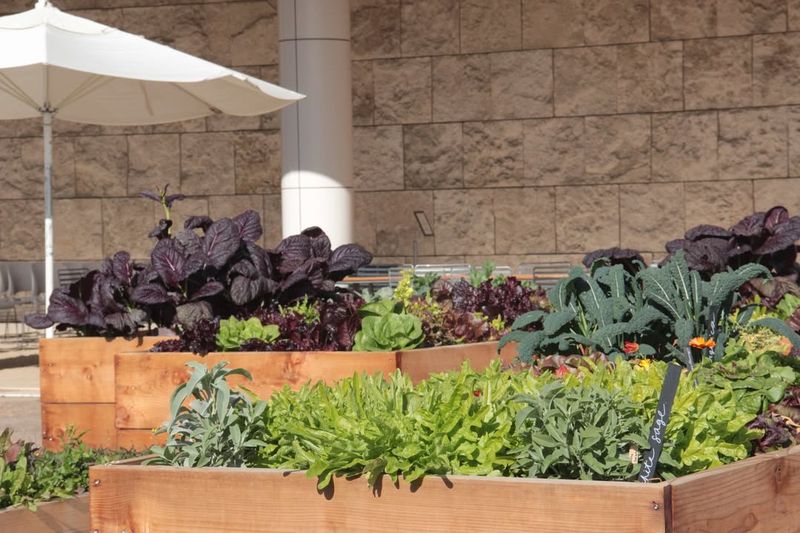
Many California homeowners skip winter yard work because the weather stays comfortable and plants keep growing. Unlike colder climates where everything freezes and forces a seasonal pause, California landscapes remain active year-round.
Your California Garden Changes Every Week. Your Plan Should Too.
Gardening in California changes quickly throughout the season. Every Friday you’ll receive a simple weekly plan showing exactly what to plant, prune, fertilize, harvest, and protect so you never miss the right timing.
This ongoing activity creates a false sense that cleanup can wait since nothing looks truly dormant.
Warm afternoons and occasional rain showers keep soil moist and plants semi-active. Grass might slow down but rarely stops completely, and shrubs continue dropping older leaves even as new ones form.
Because the yard never looks completely shut down, it’s tempting to assume debris will decompose naturally without intervention.
However, California’s mild conditions also mean decomposition happens slower than expected. Dry spells interrupt the breakdown process, leaving layers of material sitting in place for weeks.
Without freezing temperatures to halt pest activity, insects and slugs find cozy homes in those piles.
Ignoring the mess now means dealing with compacted, soggy clumps come spring. California’s early growing season doesn’t allow much time to catch up once plants start pushing new growth.
Taking advantage of January’s mild weather makes the task easier and prevents a rushed cleanup later.
Clearing debris now also helps soil drain more evenly after winter rains instead of staying waterlogged. It reduces hiding spots for pests before populations start increasing as temperatures climb.
3. What Builds Up Around Plants When This Is Put Off
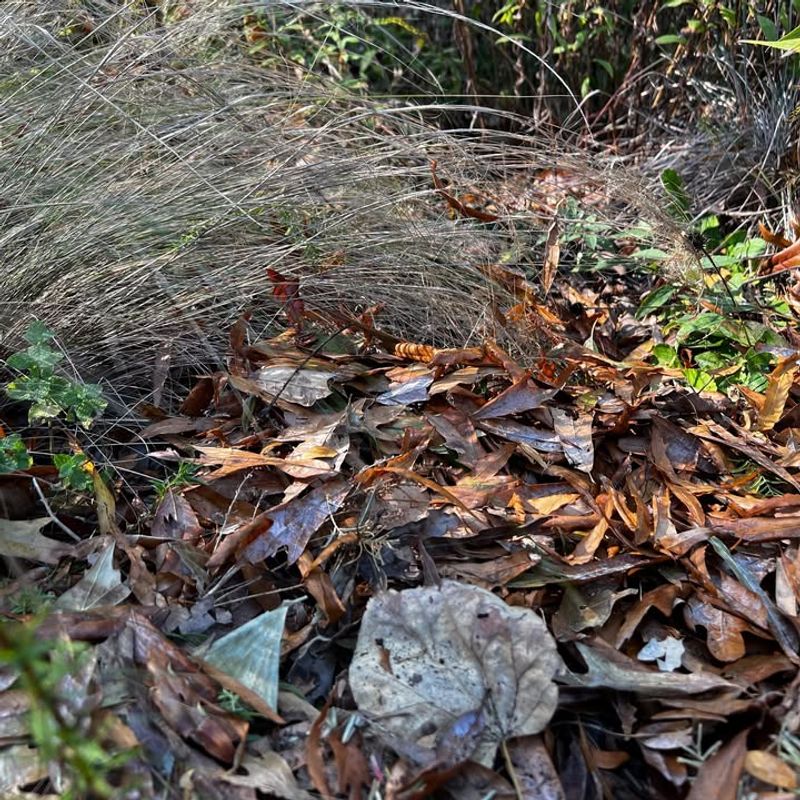
Fallen leaves settle around the base of shrubs and perennials, creating thick mats that block light and trap moisture against stems. California’s winter rains soak these layers, turning them into heavy, soggy blankets that press down on emerging growth.
Twigs, seed pods, and spent flower heads add to the clutter, making beds look messy and unkempt.
When debris piles up, it creates hiding spots for slugs, snails, and other pests that thrive in damp, shaded conditions. These critters munch on tender new shoots as soon as they appear, damaging plants before they fully emerge.
Fungal spores also settle into wet leaf litter, spreading diseases that weaken plant health over time.
Organic matter that sits too long can form a water-resistant crust, preventing rain from reaching roots effectively. California’s dry summers make efficient water absorption critical, and compacted debris interferes with that process.
Mulch underneath the mess loses its effectiveness and needs replacing sooner than necessary.
Clearing everything away in January removes these problems before they escalate. Plants get better access to sunlight, air, and moisture, which supports stronger spring growth.
California yards benefit from this simple reset, ensuring beds stay healthier and more productive throughout the year.
4. How January Cleanup Improves Airflow And Soil Conditions
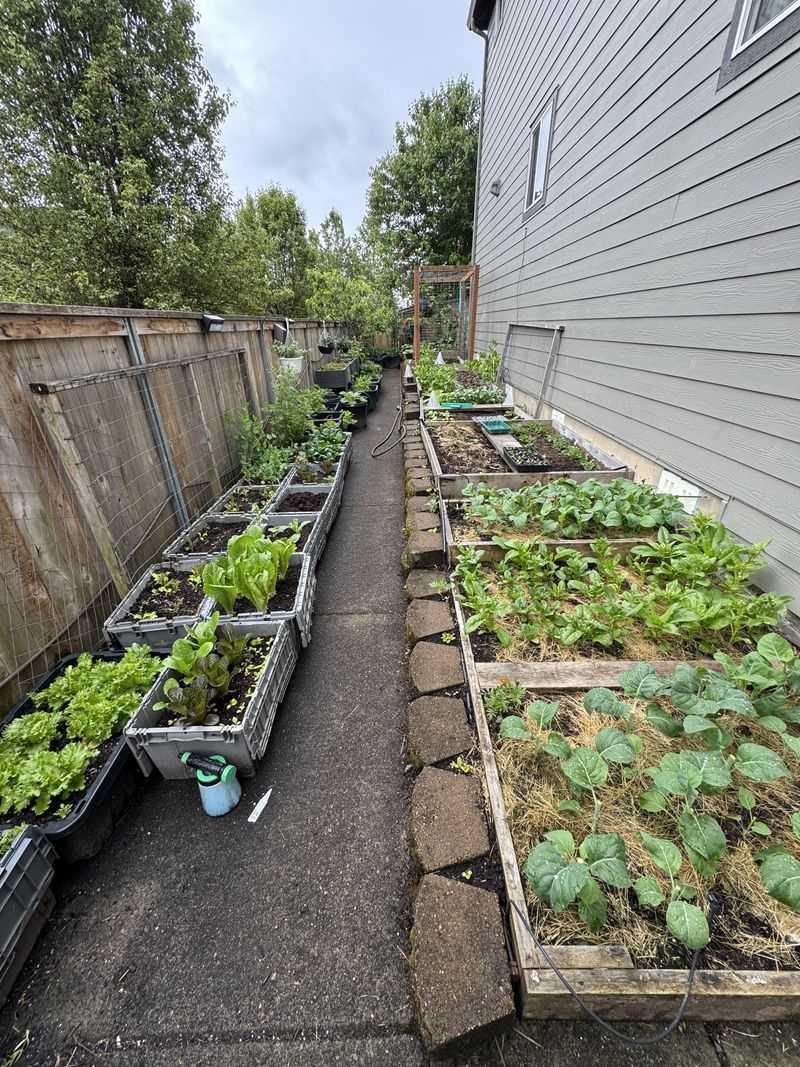
Removing accumulated debris opens up space around plant crowns and stems, allowing fresh air to circulate freely. California’s winter humidity can linger in shaded areas, and stagnant air encourages mold and mildew to develop on damp surfaces.
Better airflow reduces these risks and keeps foliage drier, which discourages fungal infections from taking hold.
Raking away leaves and twigs also exposes the soil surface, letting it breathe and dry out between rain showers. Compacted organic matter creates a barrier that traps excess moisture, leading to waterlogged conditions that harm root systems.
Exposing the soil helps it maintain a healthier balance of moisture and oxygen.
January cleanup makes it easier to assess soil quality and add amendments if needed. California soils often benefit from compost or organic matter worked into the top layer, and clearing debris first ensures those additions integrate properly.
Fresh amendments settle in better when they’re not competing with layers of old leaves.
Improved soil conditions support stronger root development as temperatures warm. Plants establish faster and show more vigorous growth when their roots can access nutrients and water efficiently.
California gardens respond well to this early attention, producing healthier blooms and foliage throughout the season.
This early reset also makes irrigation more effective once watering schedules increase.
Water reaches the root zone evenly instead of being absorbed by leftover debris on the surface.
5. Which Parts Of California Yards Collect The Most Winter Mess
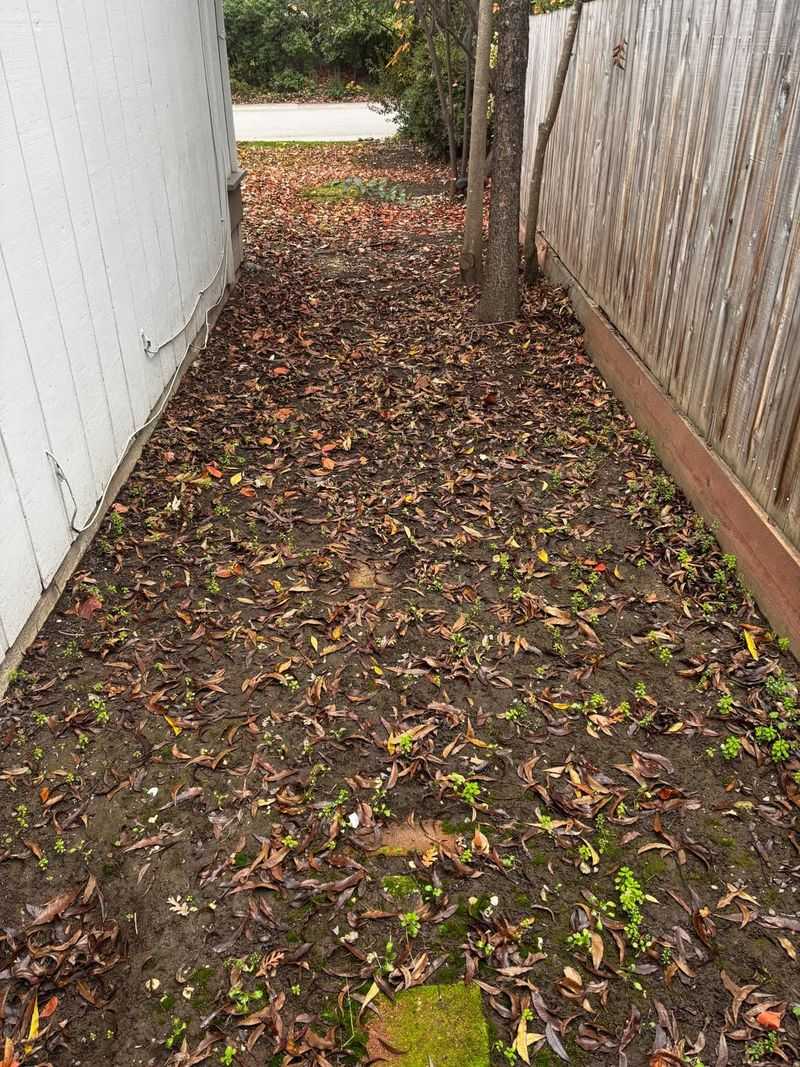
Areas beneath deciduous trees and large shrubs tend to accumulate the heaviest layers of fallen leaves and twigs. California landscapes often include a mix of native and ornamental plants, and many shed foliage throughout winter even if they don’t go fully dormant.
Wind blows debris into corners, along fences, and around foundation plantings where it settles into dense piles.
Flower beds and vegetable gardens also collect surprising amounts of material, especially if they’re located near trees or hedges. Spent annuals, collapsed stems, and scattered mulch add to the clutter, making beds look untidy and overcrowded.
Rain washes smaller bits of debris into low spots, creating concentrated messes that need extra attention.
Pathways and patios often gather windblown leaves that get tracked into other areas if not cleared promptly. California’s outdoor living spaces see year-round use, and keeping them clean prevents debris from spreading back into garden beds.
Gutters and drains also collect leaves, which can cause overflow problems during heavy winter rains.
Focusing cleanup efforts on these high-mess zones makes the job more efficient. California yards benefit from a systematic approach, starting with the areas that collect the most debris and working outward.
Clearing these spots first prevents material from migrating elsewhere and simplifies the overall task.
6. Why Clearing Now Prevents Moisture Problems Later
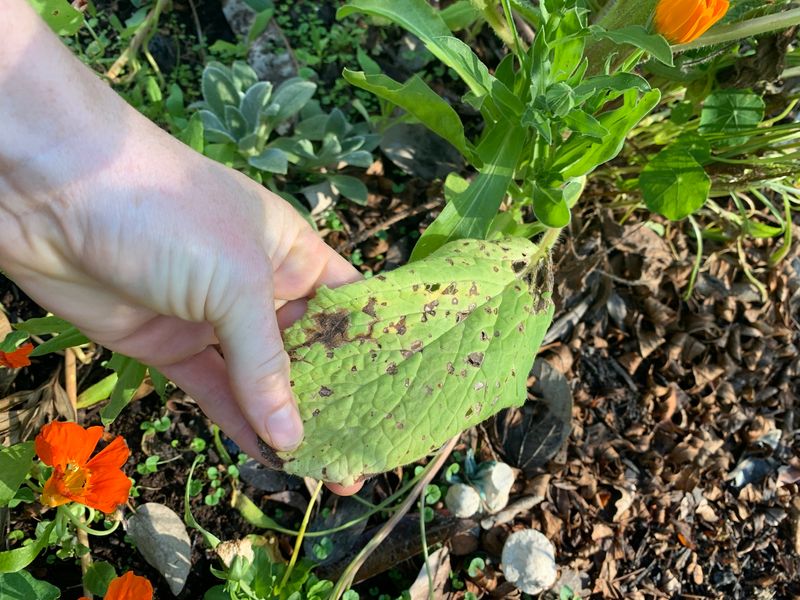
Layers of wet leaves and organic debris hold moisture against plant stems and soil surfaces longer than necessary. California’s winter rains provide plenty of water, but when debris traps that moisture, it creates conditions that encourage rot and fungal diseases.
Stems sitting in constant dampness soften and become vulnerable to infection, weakening plants before spring growth begins.
Removing debris allows soil to drain properly and prevents water from pooling around root zones. California clay soils, common in many regions, already struggle with drainage, and adding layers of soggy leaves makes the problem worse.
Proper drainage keeps roots healthy and prevents waterlogging that stunts growth.
Clearing beds now also reduces the risk of mold and mildew spreading to new growth. Fungal spores thrive in damp, dark conditions, and compacted leaf litter provides an ideal environment for them to multiply.
Once spring arrives and plants start growing, those spores can quickly infect fresh foliage and flowers.
California’s dry summers depend on plants entering the season with strong, healthy root systems. Preventing moisture problems in winter sets the stage for better drought tolerance later.
A simple January cleanup protects plants from winter damage and helps them thrive when temperatures rise.
It also limits places where pests overwinter, reducing pressure once warm weather returns.
Addressing moisture issues early gives plants a cleaner, healthier start before the growing season ramps up.
7. How This Simple Reset Keeps Beds From Looking Overgrown Too Fast

Starting spring with clean, tidy beds makes ongoing maintenance much easier to manage. California’s growing season begins early and progresses quickly, and plants can look overgrown within weeks if beds start out cluttered.
Clearing debris in January gives you a fresh baseline, making it simpler to spot new weeds and trim back growth before it gets out of hand.
Tidy beds also make it easier to apply mulch evenly and effectively. California landscapes benefit from a fresh layer of mulch in late winter, and that layer settles better when it’s not competing with old leaves and twigs.
Even mulch distribution helps retain moisture and suppress weeds, reducing the need for frequent intervention.
When beds look neat from the start, it’s easier to stay motivated to keep them that way. California homeowners often juggle busy schedules, and a well-organized yard requires less time and effort to maintain.
Small, regular tasks prevent the overwhelming feeling that comes with tackling a neglected space.
Plants also grow more uniformly when they’re not competing with debris for light and space. California gardens that receive early cleanup show more balanced growth and fewer leggy, stretched stems.
This simple reset creates a more attractive, manageable landscape that stays under control throughout the season.
8. What Changes Once Growth Picks Up After A Clean Start

Plants respond to January cleanup with stronger, more vigorous growth as temperatures warm. California’s early spring brings a burst of activity, and plants that start the season in clean, well-aerated beds establish faster and show better overall health.
Roots spread more easily through loose, debris-free soil, and stems grow straighter without having to push through compacted layers.
Flower production improves when plants aren’t stressed by competing with old debris or fighting fungal infections. California gardens that receive winter cleanup often show earlier blooms and more abundant color throughout the season.
Healthy plants also resist pests and diseases better, reducing the need for chemical interventions.
Vegetable gardens benefit especially from a clean start, producing higher yields and better-quality crops. California’s long growing season allows for multiple plantings, and starting with tidy beds makes succession planting much easier to manage.
Clear space allows for proper spacing and reduces crowding that leads to poor air circulation.
Overall yard appearance improves dramatically once growth picks up in clean beds. California landscapes look more polished and intentional when plants grow evenly and beds stay organized.
The small effort invested in January pays off with a more beautiful, productive yard that requires less work to maintain as the year progresses.