How To Grow Fresh Salad Greens In California This January
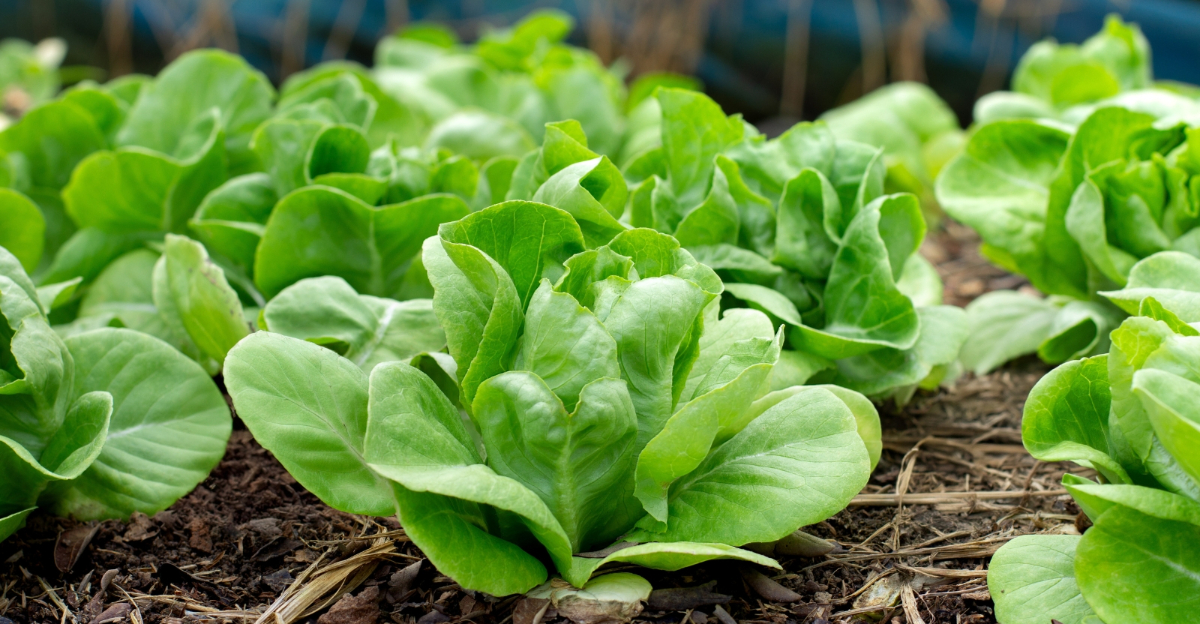
Cool-season greens respond better to California’s mild winters than most gardeners realize. If you start them now, the steady temperatures and short daylight hours help build sweeter flavor and softer texture.
Salad greens don’t need deep soil or warm weather to thrive, and January’s cool air keeps them crisp as they grow.
Raised beds, shallow containers, or even small garden patches are enough to get a steady supply going.
Lettuce, arugula, and spinach sprout quickly and stay tender when planted early in the year.
Instead of rushing later when temperatures spike, you’ll already be harvesting fresh leaves while everyone else is still prepping beds.
Moisture sticks around longer this time of year too, so seeds don’t dry out before they sprout.
Pests and diseases that plague greens in spring are far less active now, making this window even easier to manage.
One light row cover or cloche is often enough to protect seedlings from chilly nights. The earlier you plant, the more rounds of fresh salad you’ll enjoy before the heat shuts things down.
California’s January weather may feel quiet, but it’s exactly what greens are waiting for.
1. Choose Greens That Handle Cool California Nights
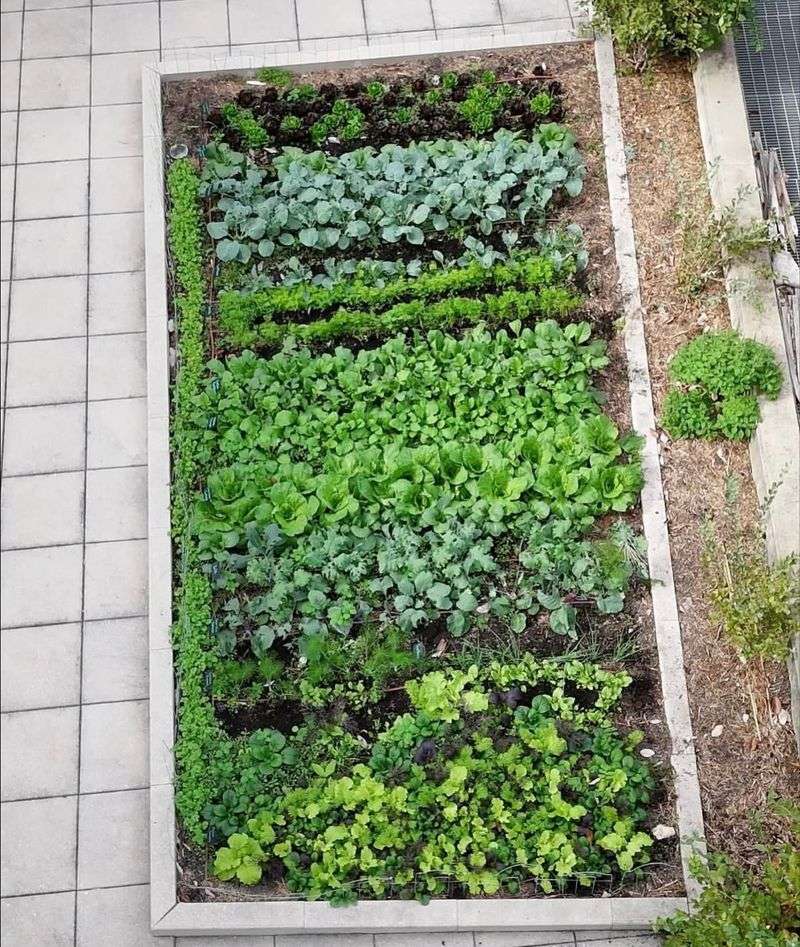
Picking the right varieties makes all the difference when temperatures dip after sunset. Arugula thrives in cooler conditions and actually tastes sweeter when grown during California’s winter months.
Spinach handles frost like a champion and keeps producing leaves even when mornings feel chilly.
Lettuce comes in dozens of types, but loose-leaf varieties recover faster from cold snaps than head lettuce. Mâche, sometimes called corn salad, laughs at temperatures that would stress tomatoes or peppers.
Kale gets more tender and flavorful after experiencing a light frost, making it ideal for January gardens across the state.
Asian greens like mizuna and tatsoi bring interesting flavors to your salad bowl while tolerating nighttime lows without complaint. Claytonia, also known as miner’s lettuce, is a California native that evolved to grow during the rainy season.
Endive and escarole add bitter notes to salads and stand up to cold better than most people realize.
Avoid heat-loving greens like New Zealand spinach or amaranth until spring arrives. Your success rate jumps dramatically when you work with plants that naturally enjoy California’s January climate instead of fighting against their preferences.
Sowing these cold-tolerant greens now gives you a steady supply of fresh leaves before warmer weather arrives.
Working with varieties suited to winter conditions also reduces the need for extra protection or constant monitoring.
2. Use Morning Sun To Warm Soil Faster In January
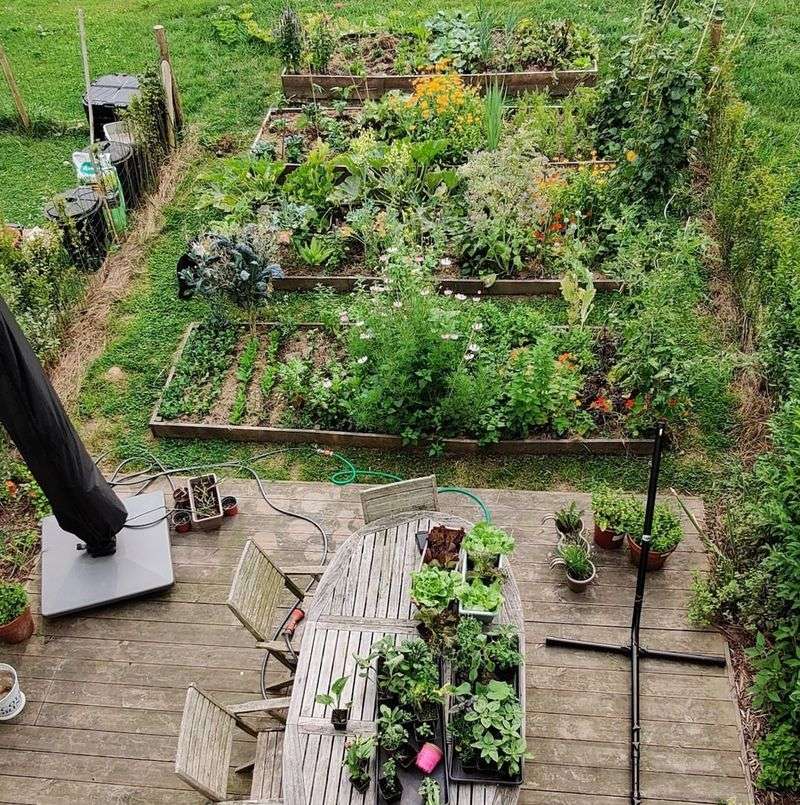
Positioning your planting beds where they catch early sunlight helps soil temperatures rise several degrees faster. East-facing locations receive those first warming rays that chase away the chill from overnight.
South-facing spots work even better because they get steady sunshine throughout the short winter day.
Cold soil slows seed germination dramatically, sometimes delaying sprouts by a week or more. Placing your greens where morning light hits them directly can speed up growth by warming the root zone earlier each day.
Your California Garden Changes Every Week. Your Plan Should Too.
Gardening in California changes quickly throughout the season. Every Friday you’ll receive a simple weekly plan showing exactly what to plant, prune, fertilize, harvest, and protect so you never miss the right timing.
California’s low winter sun angle means shadows from fences or buildings stretch much farther than they do in summer.
Check your garden at 8 AM to see which areas get lit up first. Those sunny pockets become prime real estate for January salad plantings.
Even a difference of two or three feet can mean the difference between soil that warms quickly and soil that stays cold until noon.
Reflective surfaces like light-colored walls or white stones can bounce extra sunlight onto your greens. This passive solar heating costs nothing but delivers measurable benefits.
Avoid planting on the north side of structures where shade lingers most of the day across California gardens during winter months.
Using sunny spots also helps reduce lingering frost on leaves, giving young seedlings a better chance to thrive.
Warmer soil encourages faster germination and stronger root development, so plants get a healthy start before the brief winter days end.
3. Plant In Loose, Fast-Draining Soil After Winter Rains
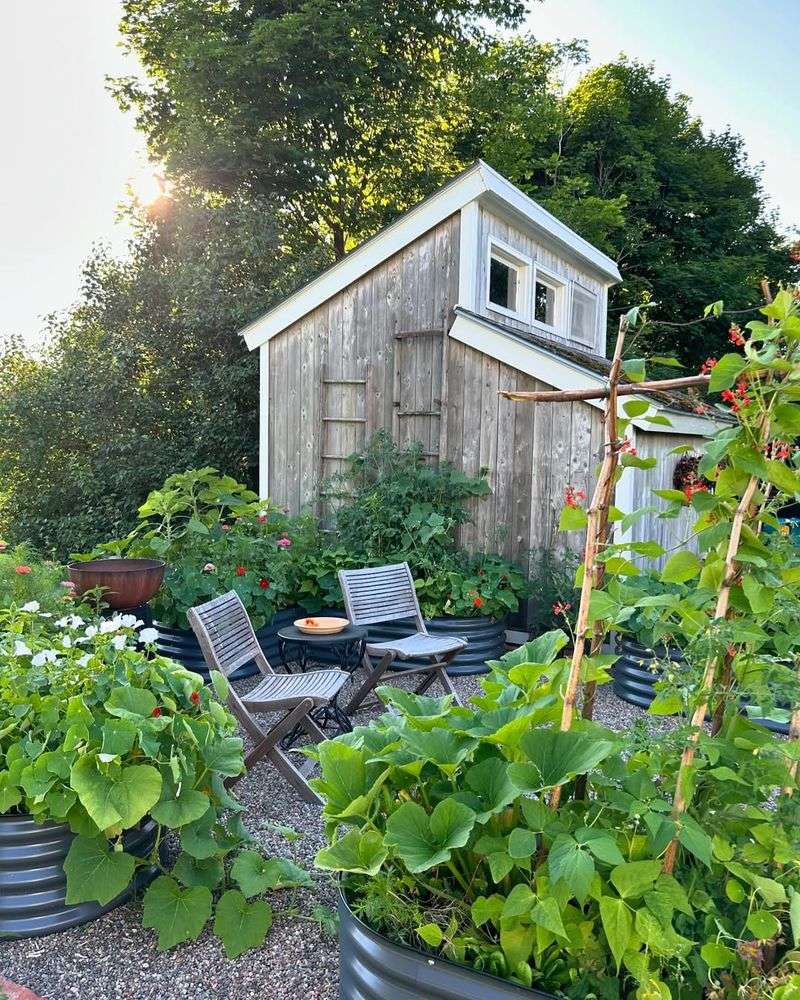
California’s winter rains can turn clay-heavy soil into something resembling concrete when it dries. Greens need air around their roots just as much as they need moisture and nutrients.
Amending your beds with compost creates spaces between soil particles where oxygen can reach underground plant parts.
Perlite or coarse sand mixed into clay improves drainage without costing a fortune. Raised beds naturally drain better than ground-level plots, making them especially valuable after heavy January storms.
Salad greens develop shallow root systems that suffer quickly in waterlogged conditions.
Working the soil when it’s too wet creates clumps that stay hard for months. Wait until a handful of dirt crumbles easily before you start digging or tilling.
Adding aged manure or worm castings feeds your plants while improving soil structure at the same time.
Test drainage by digging a hole six inches deep and filling it with water. If it takes more than an hour to drain, your greens will struggle.
Building up planting areas even just four inches higher than surrounding ground solves many drainage problems common in California’s heavier soils during the rainy season.
Incorporating organic matter early also helps the soil retain just enough moisture without becoming soggy, giving roots a healthier environment.
Properly prepared soil encourages stronger, more resilient greens that can handle winter rains and still grow vigorously.
4. Water Lightly But Consistently To Avoid Cold, Soggy Roots
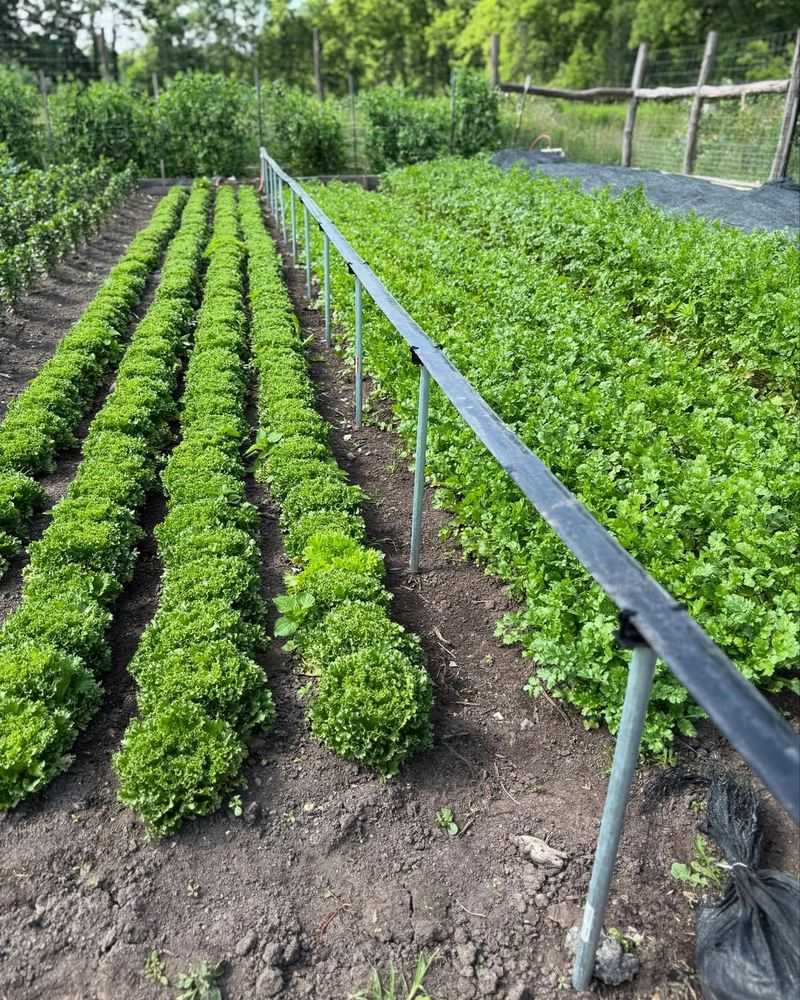
Overwatering ranks as the top mistake January gardeners make with salad greens. Cool air means plants lose less moisture through their leaves compared to summer months.
Soil also dries out much slower when the sun hangs low and days stay short.
Checking soil moisture with your finger before watering prevents most problems. Push down an inch or two, and if it feels damp, skip the watering can for another day.
California’s winter humidity often provides enough moisture that plants need water only once or twice a week.
Morning watering gives leaves time to dry before nightfall, reducing disease risks. Cold, wet roots become perfect breeding grounds for fungal issues that can wipe out an entire planting.
Light, frequent watering works better than heavy soaking during January’s cooler temperatures.
Drip irrigation or soaker hoses deliver moisture directly to the root zone without wetting foliage. Mulching around plants helps maintain even soil moisture between waterings.
Containers dry out faster than garden beds, so potted greens might need attention more often even during California’s rainy season when ground plantings stay naturally moist.
5. Protect Young Greens From Sudden Temperature Swings
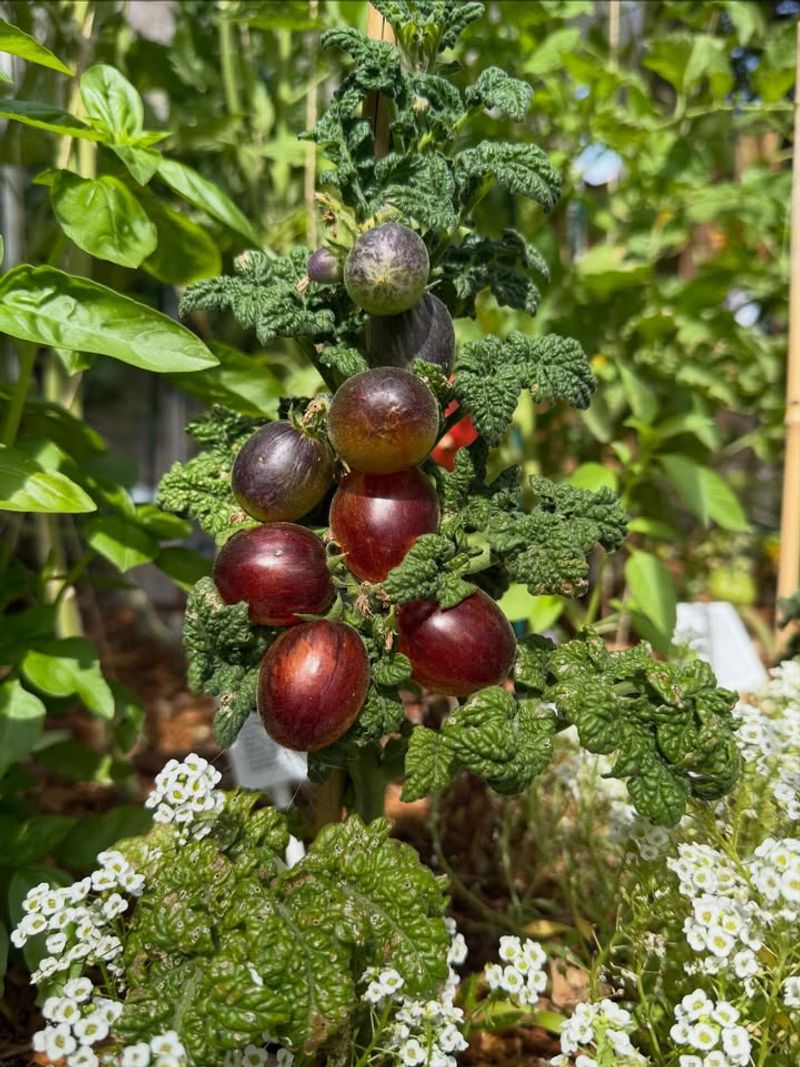
California weather can surprise you with a warm afternoon followed by a frosty night. Young seedlings haven’t developed the toughness that mature plants possess.
Row covers made from lightweight fabric trap heat around plants while still letting in light and rain.
Cloches fashioned from plastic milk jugs with the bottoms cut off create mini-greenhouses for individual plants. Floating row covers rest directly on plants without crushing them, providing several degrees of frost protection.
Wall-of-water devices surround seedlings with tubes of water that release stored heat overnight.
Transplants suffer more from temperature swings than direct-seeded greens because their roots got disturbed. Hardening off seedlings gradually before planting them outside prevents shock.
Even cold-hardy varieties appreciate protection during their first week in the ground.
Watch weather forecasts and cover plants before temperatures drop rather than scrambling at midnight. Old bedsheets work in a pinch but don’t provide as much insulation as proper garden fabric.
Remove covers during warm days so plants don’t overheat, then replace them before sunset when temperatures start falling across California’s inland valleys and coastal regions alike.
Consistent protection during cold snaps helps seedlings establish roots more quickly and reduces stress on young leaves.
Using covers strategically ensures your greens stay healthy without interfering with air circulation or light exposure.
6. Grow In Containers When Ground Soil Stays Too Cold
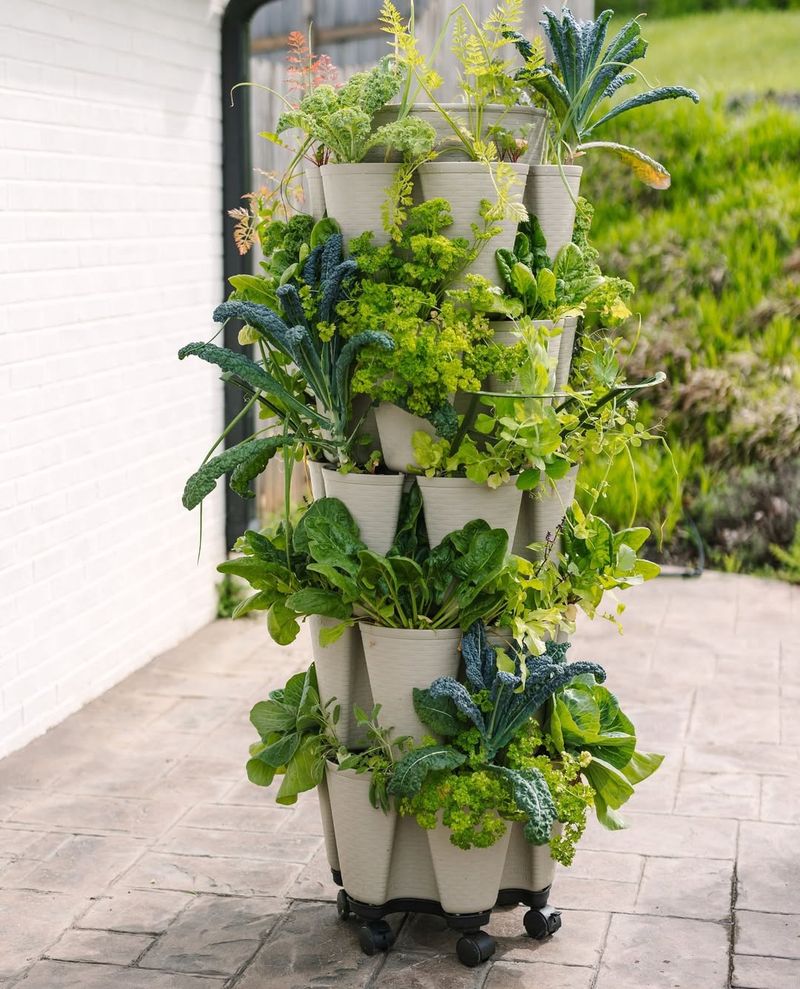
Pots and planters warm up faster than garden beds because they have less mass to heat. Dark-colored containers absorb more solar energy than light-colored ones, giving roots extra warmth.
Placing pots on pavement or decking keeps them warmer than setting them on cold ground.
Container growing lets you move plants to sunny spots during the day and sheltered locations at night. Five-gallon buckets with drainage holes drilled in the bottom cost almost nothing and work perfectly for greens.
Window boxes mounted on south-facing walls benefit from heat radiating off the building.
Quality potting mix drains better than garden soil and contains fewer disease organisms. Containers need more frequent watering than ground beds, but you can control moisture levels precisely.
Grouping pots together creates a microclimate where plants shelter each other from wind and cold.
Salad greens don’t need deep containers since their roots stay near the surface. Six to eight inches of soil depth provides plenty of room for lettuce, spinach, and arugula.
Containers also keep slugs and soil-dwelling pests away from your greens, which becomes especially valuable after January rains sweep across California bringing out all sorts of hungry garden visitors.
7. Harvest Outer Leaves Early To Keep Plants Productive
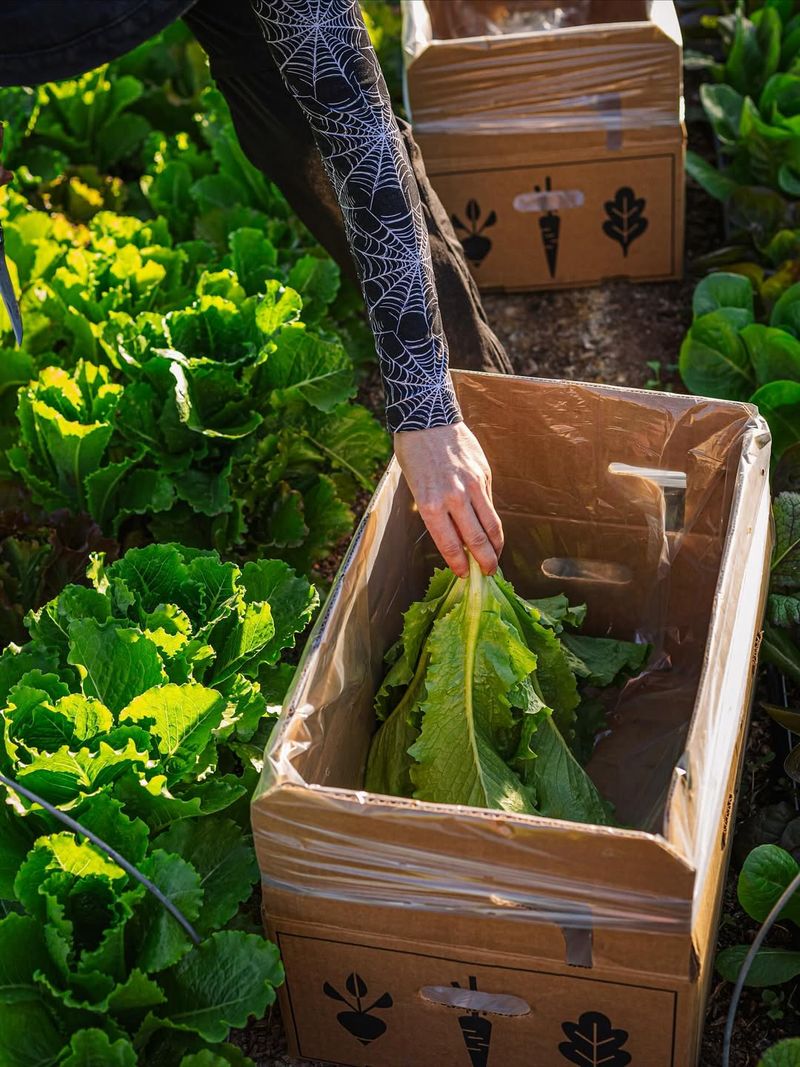
Cut-and-come-again harvesting extends your salad supply for weeks longer than pulling whole plants. Taking just the outer leaves allows the center to keep growing and producing.
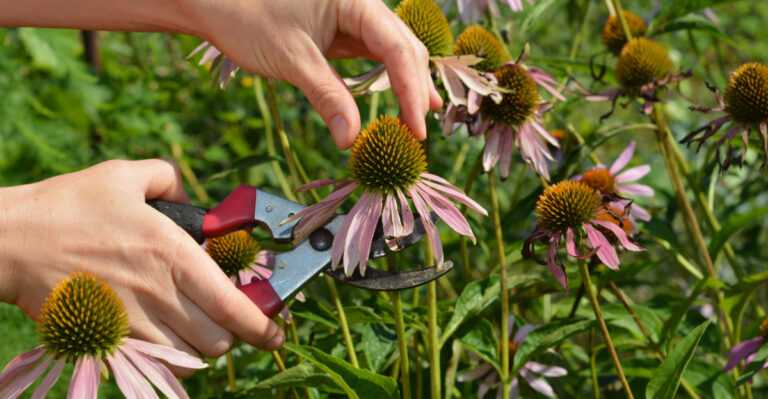
Sharp scissors or a knife make cleaner cuts than tearing leaves with your fingers.
Harvest in the morning after dew dries but before afternoon heat wilts leaves for the crispest greens. Removing outer leaves actually encourages plants to produce more foliage from the center.
Most salad greens can be harvested this way three or four times before they start declining.
Leave at least half the leaves on each plant so it can continue photosynthesizing. Baby greens taste sweeter and more tender than full-sized leaves, so don’t wait too long.
Regular harvesting prevents plants from bolting to seed, especially important as days start lengthening later in the month.
Rinse harvested leaves in cool water and spin them dry for storage. Greens keep longer in the refrigerator when stored slightly damp in sealed containers.
Picking a little bit every few days gives you fresh salads without overwhelming your kitchen with more greens than you can eat, a common situation for California gardeners who discover just how productive winter greens can be.
8. Watch For Slugs And Snails After January Rainfall
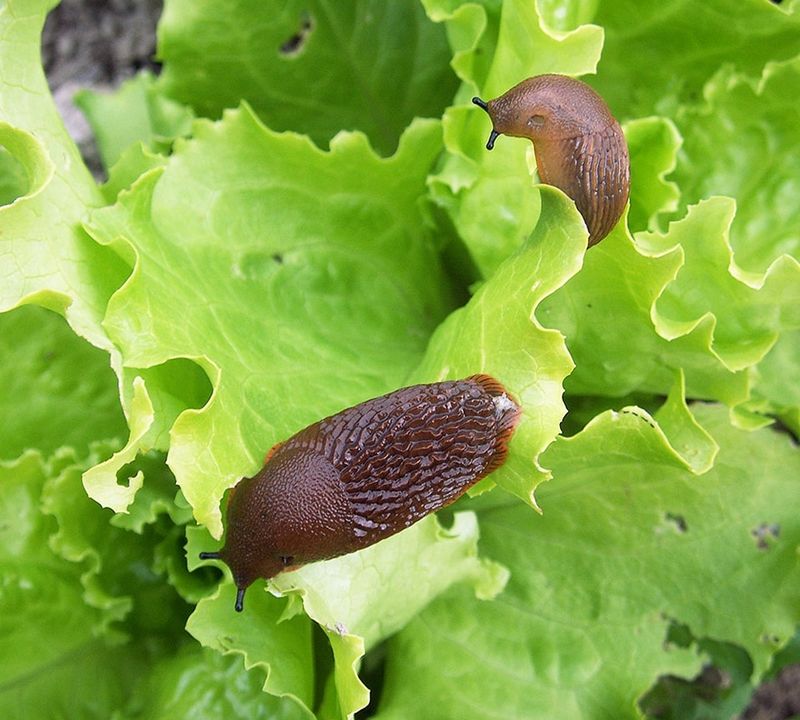
Wet weather brings these slimy pests out in force across California gardens. Slugs and snails can demolish a bed of tender greens in a single night.
They hide during the day under boards, pots, or mulch, then emerge after dark to feast.
Hand-picking after sunset with a flashlight works surprisingly well for small gardens. Crushed eggshells are sometimes used as a deterrent, though results vary.
Copper tape attached to container edges gives them a small shock that turns them away.
Beer traps sink flush with the soil attract slugs that fall in and drown. Diatomaceous earth sprinkled around plants cuts their soft bodies, but it needs reapplication after rain.
Removing hiding spots like boards and dense mulch reduces their daytime shelter options.
Ducks and chickens love eating slugs if you have space for poultry. Encouraging ground beetles and other predators creates natural pest control.
Check your greens every morning for the telltale slime trails and irregular holes that signal slug damage. Early detection means you can address problems before losing your entire crop to these persistent pests that thrive in the moist conditions common throughout California during winter months.
9. Stagger Small Plantings For Ongoing Fresh Salads
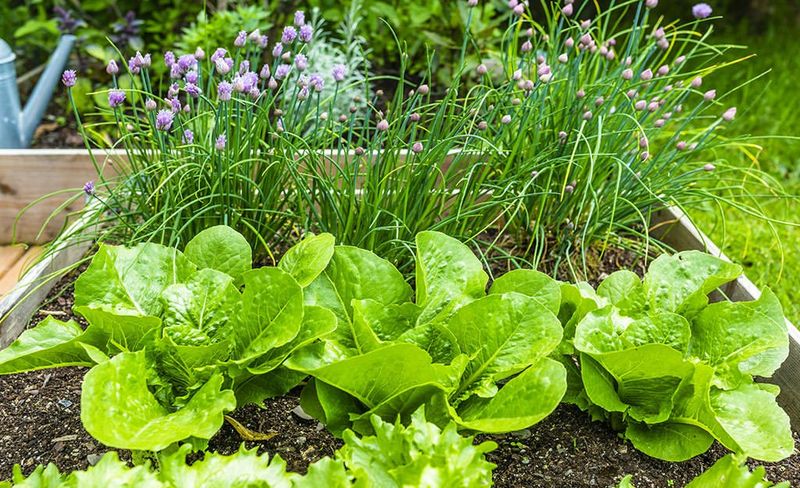
Planting all your greens at once leads to feast-or-famine harvests. Sowing a new row or container every week spreads out your harvest over months.
Small successions mean you always have plants at the perfect eating stage.
Mark your calendar to remind yourself when to plant the next batch. A single packet of seeds can provide multiple plantings throughout January and into February.
Different varieties mature at different rates, so mixing fast growers like arugula with slower spinach extends your harvest window.
Succession planting also protects you against crop failure from pests or weather. If one planting struggles, others coming along behind it will fill the gap.
Container growing makes succession planting easier because you can start new pots without disturbing existing ones.
Keep a simple garden journal noting what you planted and when it became ready to harvest. This information helps you fine-tune timing for future seasons.
Small, regular plantings match better with how most families actually eat salads rather than trying to use up huge amounts all at once. California’s mild January weather makes succession planting practical since you can keep sowing throughout the month without worrying about hard freezes stopping germination.