Where Montana Homeowners Go Wrong When Dealing With Spurge Weed
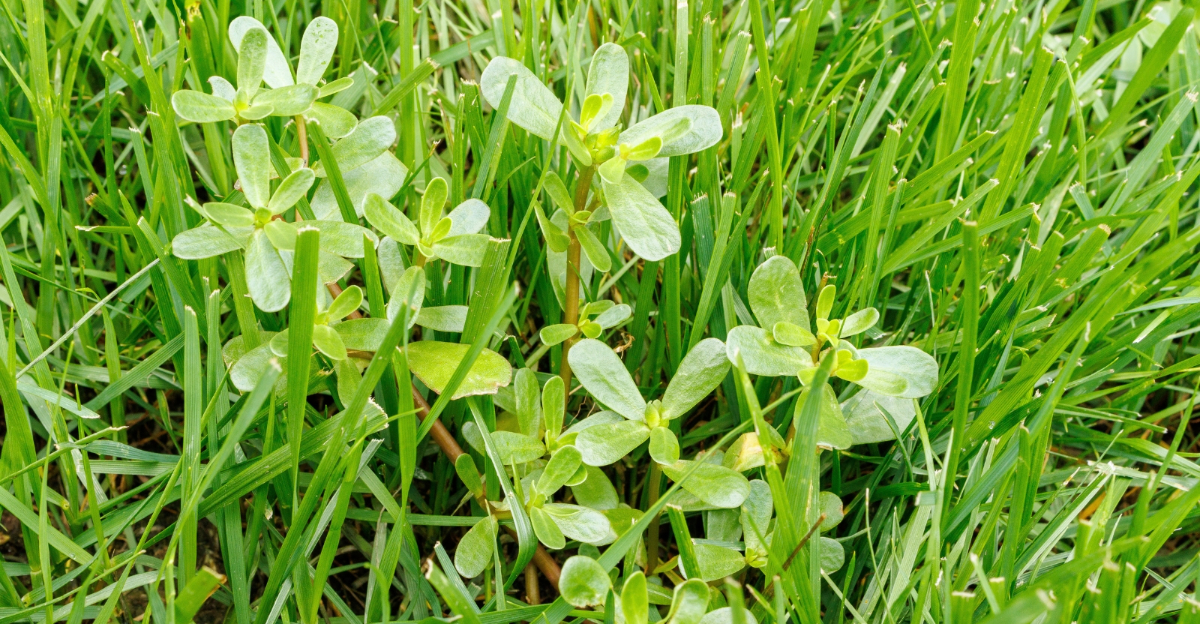
Spurge weed often slips into Montana yards unnoticed, spreading close to the ground while blending in with grass and bare soil.
Many homeowners assume it is just another seasonal weed and put off dealing with it until it suddenly takes over entire patches.
The biggest mistakes usually happen early, when small decisions quietly give spurge the upper hand. Pulling it at the wrong time or cutting it back without understanding its growth habit often triggers even more spread.
Montana’s dry summers and compacted soils create conditions where spurge thrives if it is not handled correctly.
Chemical treatments are also frequently misused, either applied too late or without addressing the root system that keeps the weed coming back.
What feels like a simple lawn problem can quickly turn into a long fight when these errors stack up.
Understanding where homeowners go wrong is the first step toward stopping spurge before it fully claims the yard.
1. Waiting Too Long To Identify Spurge Weed In The Yard
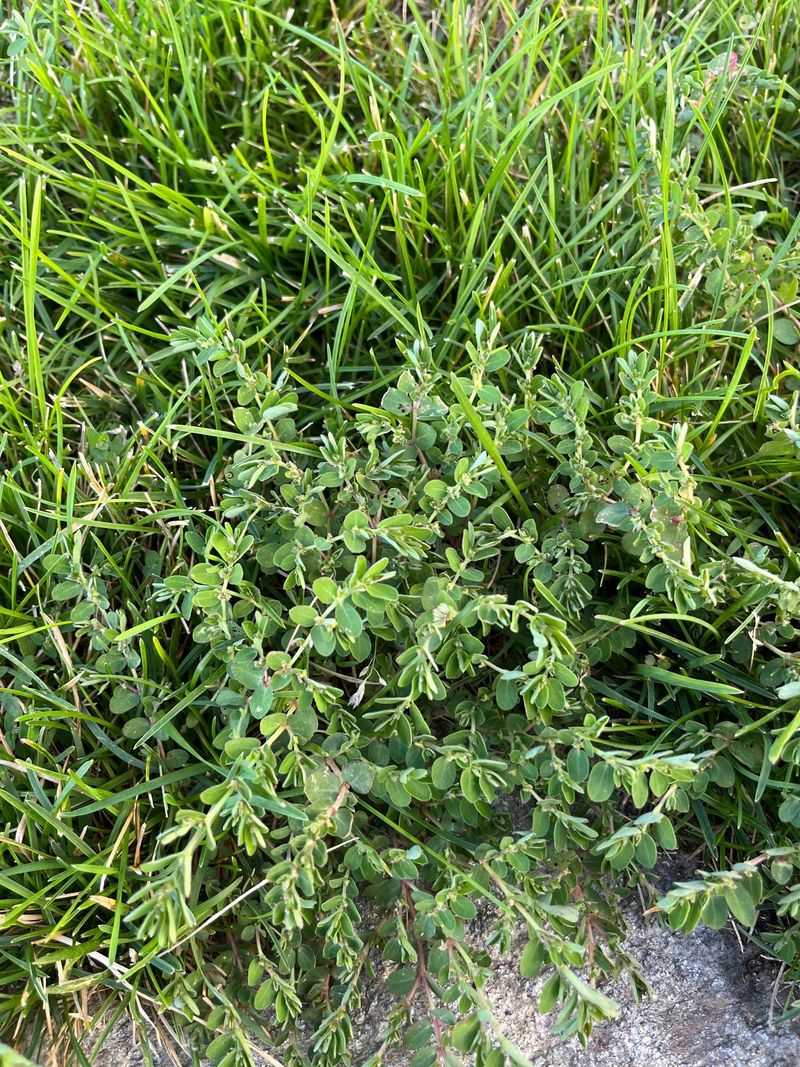
Most people walk past spurge for weeks before realizing what it actually is. By the time recognition happens, the plant has already started spreading seeds and forming thick mats across the ground.
Early identification makes a huge difference in how much effort you’ll need later.
Spurge starts small, with reddish stems and tiny oval leaves that look harmless at first glance. Many Montana homeowners mistake it for a different type of ground cover or assume it’s just another harmless weed.
That delay gives spurge the perfect chance to establish deep roots and spread rapidly.
Learning to spot spurge early means checking your lawn regularly during spring and early summer. Look for plants with milky sap that oozes out when stems break.
The leaves often have a small red or purple spot in the center, which is a key identifying feature.
Once you know what spurge looks like, you can take action before it becomes a major problem. Montana’s dry summers actually help spurge thrive because it tolerates heat and drought better than many other plants.
Spotting it early gives you the upper hand.
Ignoring those first few plants because they seem insignificant is a mistake many people regret later. Spurge can produce thousands of seeds from just one mature plant.
Those seeds sit in the soil waiting for the right conditions to sprout.
Taking photos of unknown weeds and comparing them to online guides can help with identification. Local extension offices in Montana also offer resources and expert advice.
Getting a positive identification quickly means you can start managing the problem right away.
Waiting too long turns a small issue into a yard-wide infestation. Spurge spreads faster than most people expect, especially in neglected areas.
Early action saves time, effort, and frustration down the road.
2. Pulling Spurge Without Addressing The Root System
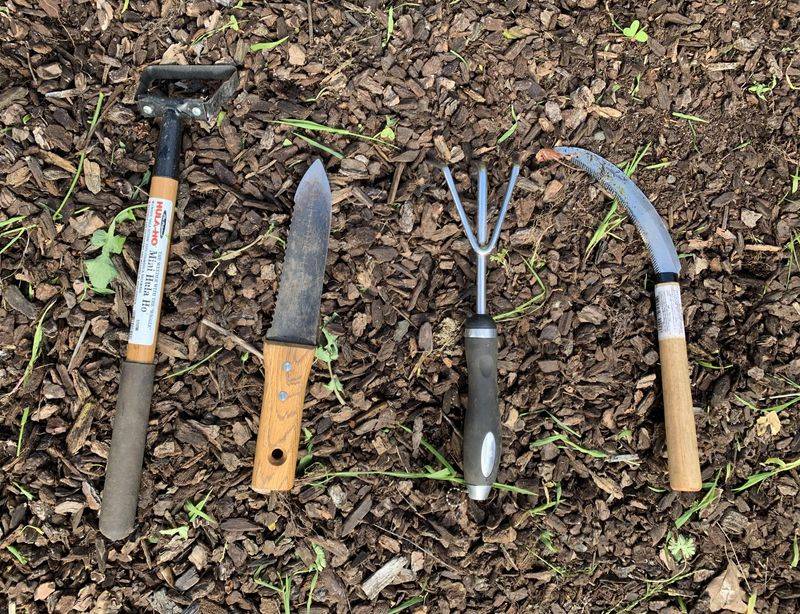
Grabbing spurge by the stem and yanking it out might feel productive, but it rarely solves the problem. The roots often break off and stay buried in the soil, ready to regrow within days.
Surface-level removal just gives spurge a temporary setback.
Spurge develops a taproot that goes surprisingly deep for such a small plant. When you pull without loosening the soil first, the root snaps off underground.
That hidden piece continues to draw nutrients and sends up new shoots quickly.
Using a weeding tool to get under the root makes a big difference in Montana yards. A narrow trowel or a specialized weeder can help you lift the entire plant, root and all.
Moist soil makes this process much easier because roots slide out more cleanly.
Dry, compacted ground makes it nearly impossible to remove roots completely by hand. Watering the area lightly the day before weeding softens the soil and improves your chances of success.
Even a small piece of root left behind can regenerate the plant.
Many homeowners pull spurge repeatedly from the same spot without understanding why it keeps coming back. The answer lies underground, where broken roots keep sprouting.
Addressing the root system properly stops that cycle.
Chemical options exist, but they work best when paired with proper removal techniques. Spot treatments can help weaken roots that are too deep to pull.
Montana’s climate means spurge grows vigorously during warm months, so thorough removal is essential.
Taking the time to remove roots completely might seem tedious, but it prevents endless repetition. Spurge that regrows from leftover roots spreads even faster the second time.
Doing it right the first time saves effort in the long run.
3. Letting Spurge Set Seed Before Taking Action
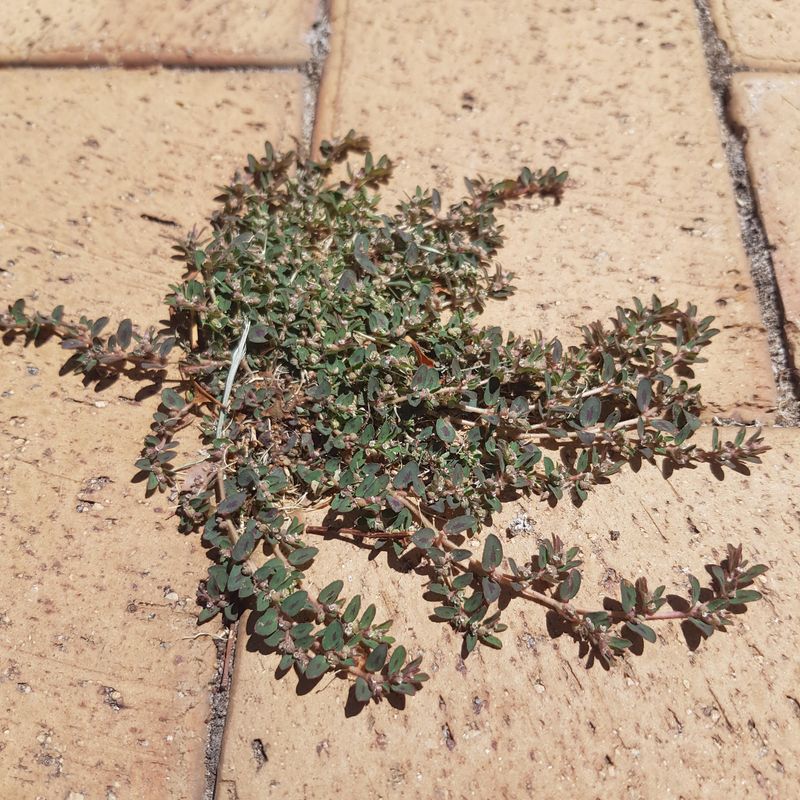
Spurge produces seeds at an alarming rate, and each plant can create thousands of them in a single growing season. Once those seeds scatter, you’re dealing with a much bigger problem the following year.
Prevention starts with stopping seed production before it happens.
The small flowers on spurge are easy to overlook because they blend in with the foliage. By the time you notice seed capsules forming, it’s often too late to prevent spreading.
Those capsules burst open and fling seeds several feet away from the parent plant.
Montana homeowners who wait until late summer to address spurge often find their yards covered the next spring. Seeds remain viable in the soil for years, waiting for the right conditions to sprout.
Each season of seed production multiplies the infestation exponentially.
Removing spurge before it flowers should be a top priority in any management plan. Regular monitoring during early summer helps you catch plants before they reach reproductive maturity.
Even a few days can make a difference when spurge is actively flowering.
Some people assume that mowing will prevent seed production, but spurge grows low to the ground and often escapes mower blades. The plant can flower and set seed at heights well below typical mowing levels.
Hand removal or targeted treatments work much better.
Bagging and disposing of spurge plants that have already flowered prevents seeds from spreading further. Don’t compost these plants, as many home compost piles don’t get hot enough to destroy seeds.
Montana’s climate allows spurge to set multiple rounds of seed in one season if left unchecked.
Stopping seed production breaks the cycle of infestation. Each generation of spurge that sets seed makes your job harder for years to come.
Acting early protects your yard from future invasions.
4. Relying On Mowing Alone To Control Spread
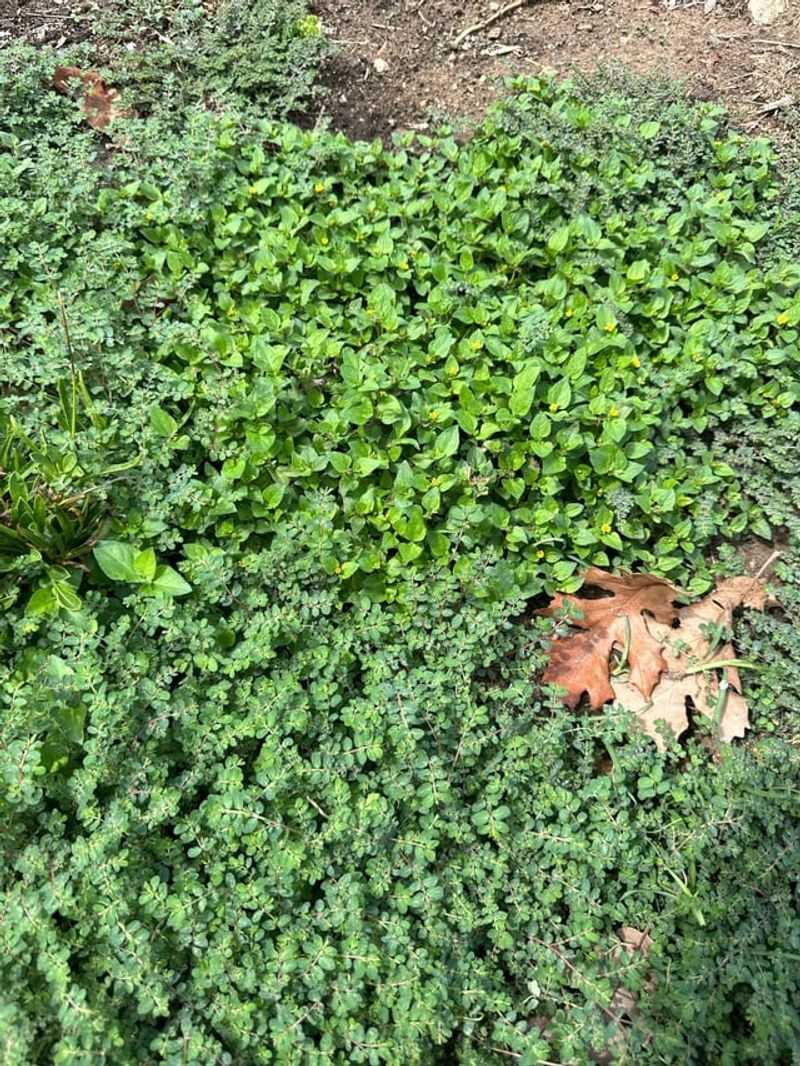
Running the mower over spurge might make your lawn look tidier, but it does almost nothing to control the weed. Spurge grows in a low, spreading mat that stays well below mower blade height.
Most of the plant remains untouched after mowing.
The flat growth habit of spurge is one of its survival strategies. While taller weeds get cut back by regular mowing, spurge continues to spread horizontally.
It can flower, set seed, and expand its territory without ever being affected by your lawn care routine.
Many Montana homeowners assume that a well-mowed lawn will naturally suppress weeds like spurge. Unfortunately, spurge thrives in mowed areas because it faces less competition from taller plants.
Mowing actually gives spurge an advantage over other vegetation.
Even if mower blades do catch some spurge, the plant often regrows from the roots within days. The stress of mowing can even stimulate spurge to produce more seeds as a survival response.
Relying solely on mowing creates a false sense of control.
Spurge also spreads into areas where mowers can’t reach, like flowerbeds, along fences, and in sidewalk cracks. These spots become seed reservoirs that continually reinfest your lawn.
Mowing does nothing to address these source areas.
Combining mowing with other control methods makes sense, but mowing alone will never eliminate spurge. Hand pulling, mulching, and targeted treatments need to be part of your strategy.
Montana’s dry climate means spurge can quickly recover from mowing stress.
Adjusting your expectations about mowing helps you develop a more effective plan. Mowing maintains appearance but doesn’t solve the underlying problem.
Spurge requires direct, targeted action to manage successfully.
5. Ignoring Bare Soil Where Spurge Easily Returns
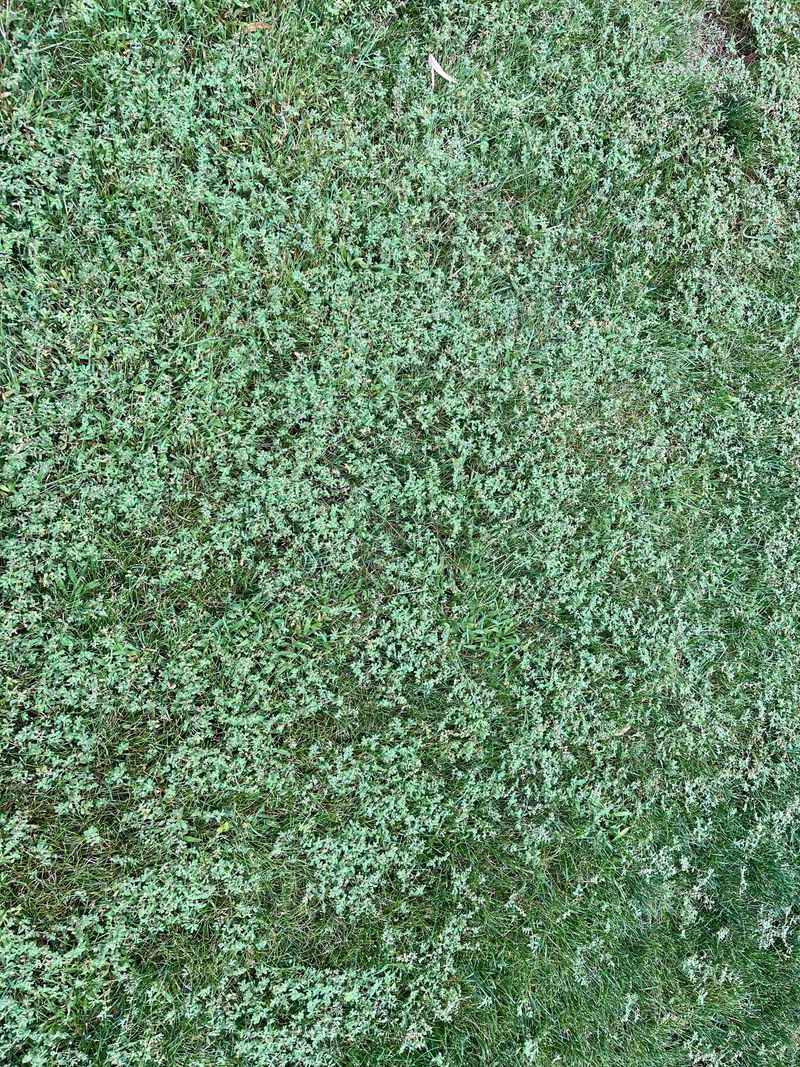
Bare patches in your yard are like welcome signs for spurge weed. Without competition from other plants, spurge seeds sprout quickly and establish themselves before you notice.
Filling those empty spaces is one of the most effective prevention strategies.
Spurge loves disturbed, open soil where nothing else is growing. Construction areas, worn pathways, and neglected garden beds all provide perfect conditions.
Montana’s variable weather can create bare spots after harsh winters or dry spells, giving spurge an opening.
Many homeowners focus on removing spurge but forget to address the conditions that allowed it to grow in the first place. Pulling weeds from bare soil just creates more bare soil.
Without a follow-up plan, spurge returns within weeks.
Planting grass seed, spreading mulch, or establishing ground covers all help prevent spurge from reclaiming bare areas. Dense, healthy vegetation shades the soil and makes it harder for spurge seeds to germinate.
Competition from desirable plants keeps spurge in check.
Mulching bare spots in flowerbeds and around trees provides immediate protection. A layer of organic mulch blocks light and creates a barrier that spurge seedlings struggle to penetrate.
Montana gardeners often use wood chips, straw, or shredded bark for this purpose.
Reseeding thin areas of lawn prevents spurge from filling in naturally. Grass that grows thick and healthy crowds out weeds and reduces the need for constant removal.
Choosing grass varieties suited to Montana’s climate improves your chances of success.
Ignoring bare soil means you’ll be fighting spurge repeatedly in the same spots. Prevention through coverage saves time and effort compared to endless weeding.
Healthy, filled-in landscapes resist spurge invasions much more effectively than patchy, neglected ones.
6. Using Treatments At The Wrong Time Of Year
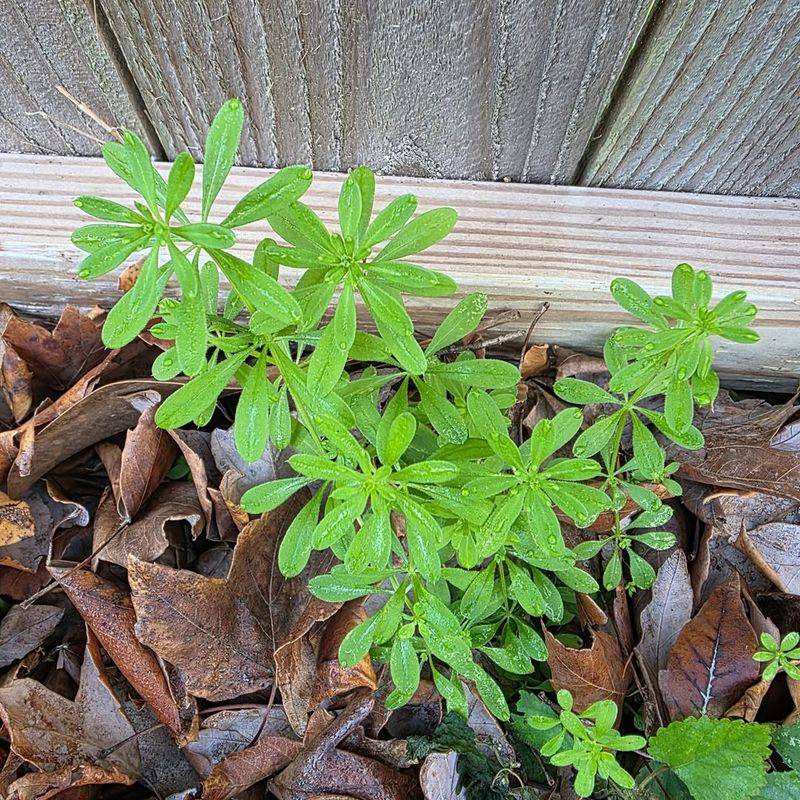
Timing matters tremendously when you’re trying to control spurge weed. Applying treatments during the wrong season can waste time, money, and effort with little to show for it.
Understanding spurge’s growth cycle helps you choose the most effective timing.
Spurge germinates in spring when soil temperatures warm up, typically late April through June in Montana. Young plants are most vulnerable to treatments during this early growth phase.
Waiting until mid-summer means you’re dealing with mature, well-established plants that resist control efforts.
Pre-emergent treatments work best when applied before spurge seeds sprout. These products create a barrier in the soil that prevents germination.
Applying them too late, after spurge has already emerged, makes them nearly useless.
Post-emergent treatments target actively growing spurge, but they work best on young plants. Mature spurge with thick stems and deep roots can survive treatments that would eliminate younger plants.
Montana’s short growing season means you have a limited window for effective action.
Some homeowners apply treatments in fall, hoping to prevent next year’s growth. While this can help reduce seed production, most spurge has already set seed by late summer.
Spring and early summer applications provide better overall results.
Temperature also affects treatment success. Products applied during extreme heat or cold often don’t work as well.
Following label instructions for temperature ranges ensures you’re treating under optimal conditions.
Treating spurge during Montana’s dry spells can reduce effectiveness because the plant isn’t actively growing. Applying treatments after rain or irrigation, when spurge is actively taking up nutrients, improves results.
Timing your efforts with the plant’s biology makes a significant difference in outcomes.
7. Assuming One Attempt Will Solve The Problem
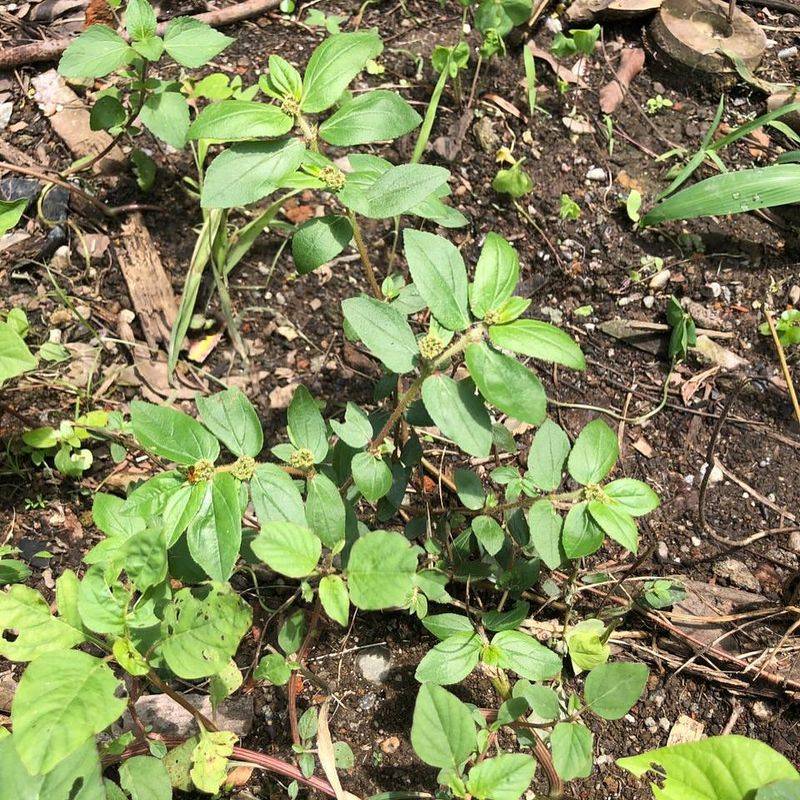
Spurge is persistent, and expecting a single treatment or removal session to eliminate it completely sets you up for disappointment. This weed requires ongoing effort and multiple interventions to bring under control.
Patience and consistency are more important than any single action.
Seeds sitting dormant in the soil can sprout for several years after the last mature plant is removed. Even if you successfully clear all visible spurge, new plants will likely appear the following season.
Montana’s soil can hold spurge seeds that remain viable for three to five years.
Many homeowners feel defeated when spurge returns after they’ve spent hours removing it. Understanding that this is normal helps you stay motivated and persistent.
Each round of removal reduces the overall seed bank and weakens the infestation over time.
Follow-up treatments and regular monitoring are essential parts of any successful spurge management plan. Checking your yard every few weeks during the growing season helps you catch new sprouts early.
Small, repeated efforts work better than one massive cleanup followed by neglect.
Chemical treatments rarely provide complete control with a single application. Multiple treatments spaced according to label directions improve results significantly.
Combining different control methods also increases your chances of long-term success.
Setting realistic expectations helps you develop a sustainable management routine. Spurge control is a multi-year project, not a one-time task.
Montana gardeners who accept this reality and plan accordingly see much better results over time.
Celebrating small victories, like reducing spurge coverage by half, helps maintain motivation. Complete elimination might take several seasons, but steady progress is still progress.
Persistence pays off when dealing with stubborn weeds like spurge.
8. Overlooking How Spurge Spreads From Nearby Areas
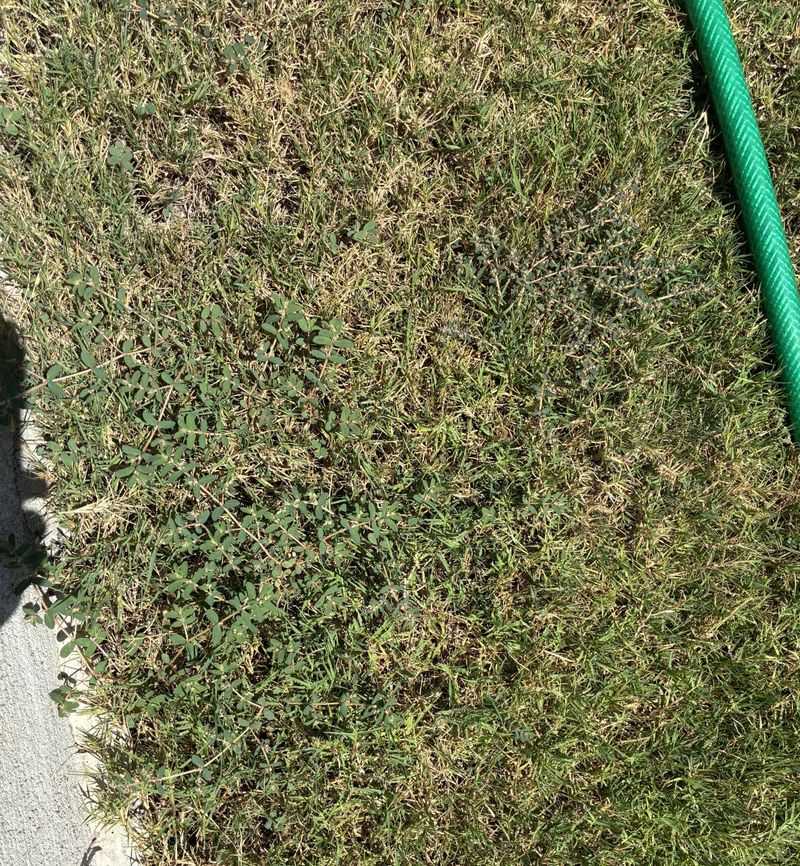
Your yard doesn’t exist in isolation, and spurge seeds can travel from neighboring properties, roadsides, and vacant lots. Focusing only on your own landscape while ignoring surrounding areas limits your success.
Understanding how spurge spreads helps you develop better prevention strategies.
Wind, water, animals, and even lawn equipment can carry spurge seeds into your yard. A pristine lawn next to an infested alley will constantly receive new seeds.
Montana’s open landscapes and frequent winds make this problem especially common.
Some homeowners work hard to clear their yards only to see spurge return from the neighbor’s neglected garden. While you can’t control what others do with their property, you can create barriers and stay vigilant.
Regular monitoring along property boundaries helps you catch new infestations early.
Mowers and string trimmers can spread spurge seeds if you cut infested areas and then move to clean areas. Cleaning equipment between uses, especially when working in different parts of the yard, reduces this risk.
Simple precautions prevent you from becoming your own worst enemy.
Roadside ditches and vacant lots in Montana often harbor large spurge populations that serve as seed sources. Seeds from these areas blow into nearby yards constantly during summer.
Awareness of these sources helps you understand why spurge keeps appearing despite your efforts.
Creating thick, healthy borders along property lines makes it harder for incoming seeds to establish. Dense plantings act as a buffer zone that catches and outcompetes spurge before it spreads.
Mulched areas along fences and edges provide similar protection.
Communicating with neighbors about spurge problems can sometimes lead to cooperative management efforts. When everyone in an area works together, overall control improves significantly.
Montana’s sense of community often makes these conversations easier and more productive.
9. Skipping Follow-Up Checks After Initial Removal

Removing spurge and then forgetting about it is one of the easiest ways to let the problem return. Seeds already in the soil will continue sprouting for weeks and months after you clear visible plants.
Regular follow-up checks catch new growth before it matures and produces more seeds.
Most people feel relieved after a major weeding session and want to move on to other tasks. That relief is understandable, but it often leads to complacency.
Spurge takes advantage of this gap in attention and quickly reestablishes itself.
Setting a reminder to check treated areas every two to three weeks during Montana’s growing season helps you stay on top of new sprouts. Young spurge plants are much easier to remove than mature ones.
A few minutes of checking can save hours of work later.
Follow-up checks also let you evaluate whether your initial efforts were successful. If spurge keeps appearing in the same spot, you might need to adjust your approach.
Maybe roots weren’t removed completely, or maybe seeds are blowing in from elsewhere.
Keeping a simple log or taking photos helps you track progress over time. You’ll be able to see whether the infestation is shrinking or if new strategies are needed.
Montana’s variable weather can affect spurge growth patterns, so documentation provides valuable insights.
Many homeowners only notice spurge again when it becomes obvious and widespread. By then, the weed has already set seed and spread significantly.
Regular checks prevent that cycle from repeating.
Building follow-up checks into your regular yard maintenance routine makes them easier to remember. Checking for spurge while you mow or water takes minimal extra effort.
Consistent attention keeps spurge under control and prevents major re-infestations.