These 9 Shade Trees Help Arizona Homes Stay Cooler Without Root Trouble
Finding the right shade trees in Arizona feels like a game of balance, because you want cooling canopy overhead without dealing with roots that crack sidewalks or threaten foundations.
Many homeowners discover too late that fast-growing trees come with hidden risks, especially in a climate where water scarcity forces roots to search aggressively for moisture.
The good news is that several dependable species provide wide, refreshing shade while keeping their root systems well-behaved in tight residential spaces.
These trees create cooler pockets around patios and south-facing windows, and they do it without lifting gravel paths or pushing into irrigation lines.
Arizona’s harsh sun makes every bit of shade feel like relief, so choosing trees that grow safely and predictably can change how comfortable your yard feels all summer.
Some of the best options stay upright and controlled. They send their roots downward instead of outward, which prevents the structural headaches many desert homeowners dread.
Once these trees settle in, they cast steady shade that cools surrounding areas and supports understory plants that normally struggle in intense heat.
For families trying to reduce cooling bills and still keep their landscape low-maintenance, these nine trees offer one of the most reliable ways to improve comfort without creating root problems later.
1. Desert Museum Palo Verde
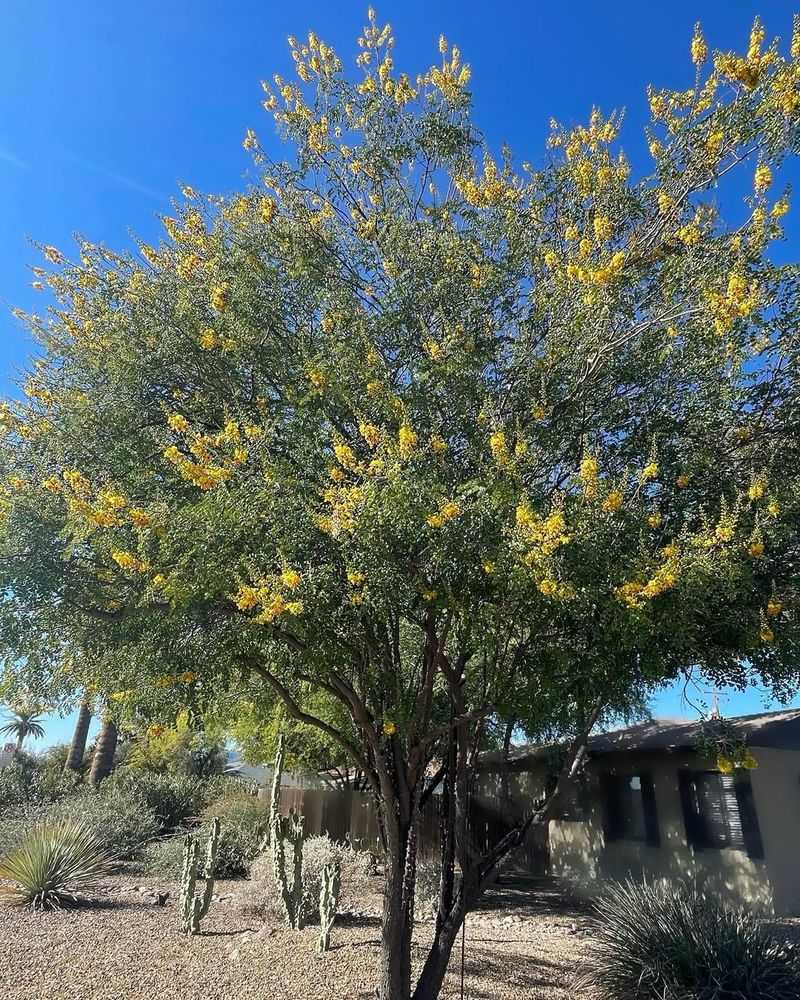
A hybrid beauty born from careful selection, this palo verde was designed specifically for Arizona yards. Landscape professionals love its thornless branches and clean appearance.
Homeowners appreciate how it drops far fewer seed pods than wild relatives.
Roots spread wide but stay shallow, making them less likely to buckle concrete or invade pipes. The tree reaches about 25 feet tall with a similar spread, perfect for medium-sized properties.
Its lime-green bark photosynthesizes year-round, giving it an advantage in the harsh desert climate.
Bright yellow blooms cover the canopy each spring, creating a stunning display that lasts several weeks. This flowering period attracts bees and hummingbirds, adding life to your outdoor space.
Once established, it requires minimal water, thriving on Arizona’s natural rainfall patterns with occasional deep soaking.
Fast growth means you’ll enjoy shade within just a few years of planting. The canopy provides dappled sunlight rather than dense cover, allowing grass or ground cover to grow beneath.
This makes it easier to landscape around the tree without fighting for light.
Pruning needs are minimal compared to other desert species. The tree naturally develops a pleasing shape without constant trimming.
Its adaptability to different soil types across Arizona makes it a reliable choice from Phoenix to Tucson.
Heat tolerance is exceptional, with the tree thriving even during record-breaking summers. Cold hardiness down to about 25 degrees Fahrenheit protects it during occasional winter freezes.
This combination of traits explains why landscape designers recommend it so often for residential properties throughout the state.
2. Thornless Mesquite Varieties
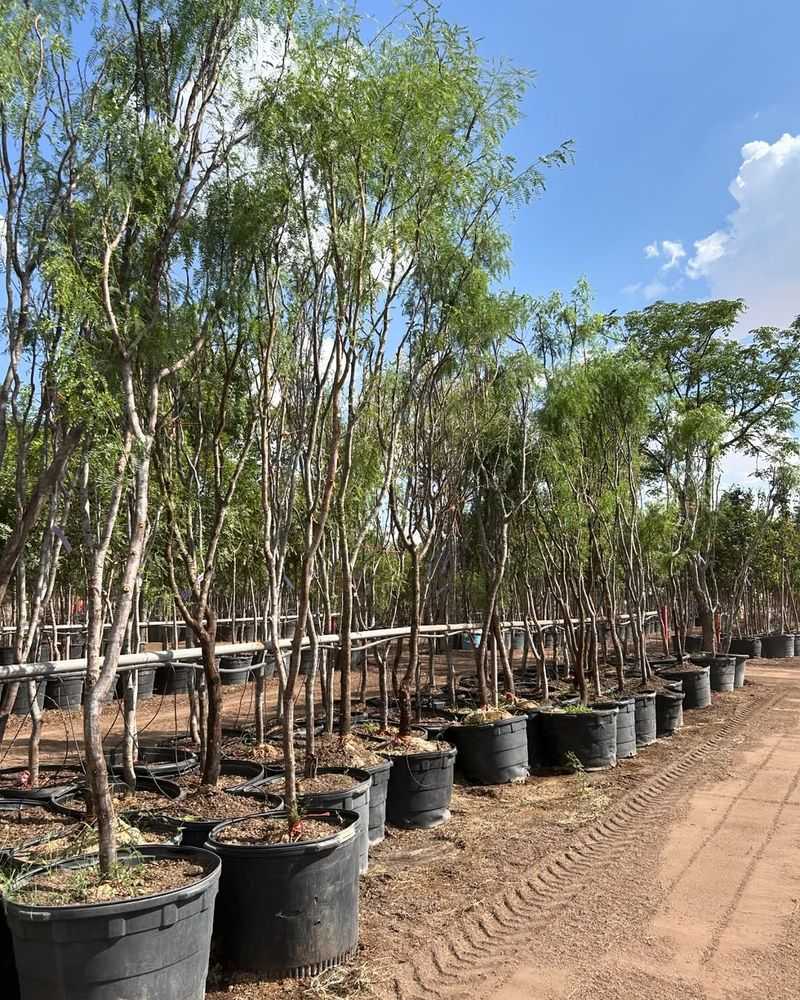
Mesquite trees have fed and sheltered desert dwellers for thousands of years, but wild types can be messy and aggressive. Thornless cultivars offer all the benefits without the painful spikes or invasive tendencies.
Your Arizona Garden Changes Every Week. Your Plan Should Too.
Gardening in Arizona changes quickly throughout the season. Every Friday you’ll receive a simple weekly plan showing exactly what to plant, prune, fertilize, harvest, and protect so you never miss the right timing.
Several varieties have been developed specifically for urban landscapes across Arizona.
Chilean mesquite stands out for its rapid growth and massive canopy that can span 30 feet or more. The deep green foliage stays lush through summer when other trees look stressed.
Unlike native mesquites, its roots tend to grow deeper rather than spreading horizontally toward water sources.
Argentine mesquite provides similar shade with slightly slower growth and even better manners around foundations and pipes. Both varieties produce small seed pods that wildlife enjoy but don’t create the cleanup nightmare of some desert trees.
The filtered shade they cast keeps patios comfortable without making them feel dark or enclosed.
Drought tolerance is legendary once these trees establish their root systems. They can survive on rainfall alone in many parts of Arizona, though occasional deep watering promotes faster growth and denser foliage.
Their nitrogen-fixing ability actually improves soil quality over time, benefiting surrounding plants.
Heat reflection from their light-colored bark helps keep nearby surfaces cooler than darker-barked species. This makes them especially valuable when planted on the west or south side of homes.
The canopy structure allows breezes to flow through while still blocking intense afternoon sun, creating comfortable outdoor spaces even in July and August.
3. Chinese Elm (Lacebark Elm)
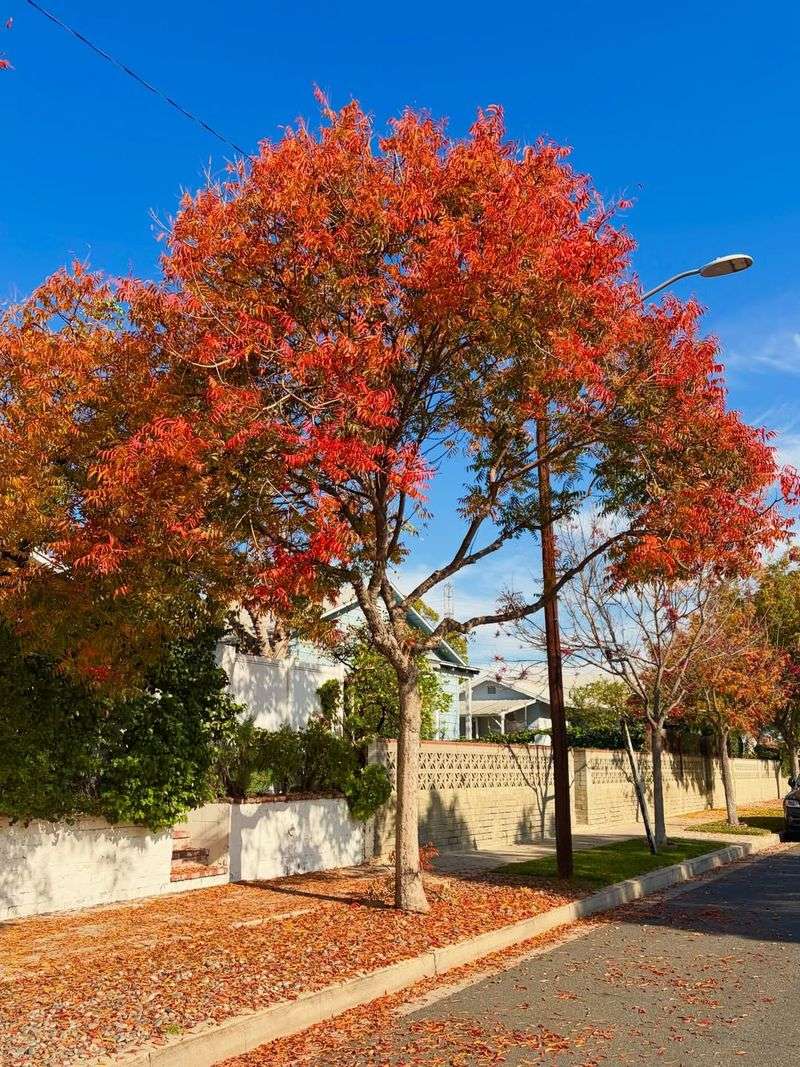
Bringing an unexpected touch of elegance to Arizona landscapes, this elm adapts remarkably well to desert conditions. Its multi-colored bark peels in patches, revealing shades of cream, gray, and rust that create year-round visual interest.
Small glossy leaves create dense shade while remaining manageable during fall cleanup.
Root systems develop in a compact, non-invasive pattern that respects sidewalks and underground utilities. This makes Chinese elm a favorite for front yards and parkways throughout Arizona neighborhoods.
The tree typically reaches 40 to 50 feet tall with a rounded, spreading crown that provides substantial cooling.
Semi-evergreen behavior means it holds most leaves through mild Arizona winters, dropping them only during colder snaps. This extended canopy period maximizes shade benefits and maintains privacy longer than fully deciduous options.
New leaves emerge quickly in spring, so bare periods are brief even after occasional freezes.
Pest resistance is notably strong compared to other elm species, avoiding the Dutch elm disease problems that plague American elms. The tree handles both reflected heat from pavement and alkaline soil conditions common across the state.
Moderate water needs make it more demanding than native species but still reasonable for established desert landscapes.
Growth rate sits in a sweet spot between fast-growing messy trees and slow-growing specimens that take decades to provide shade. You’ll have meaningful coverage within five to seven years while enjoying a tree that lives for many decades.
The graceful branching pattern creates an attractive silhouette that enhances property value and curb appeal throughout Arizona communities.
4. Arizona Cypress
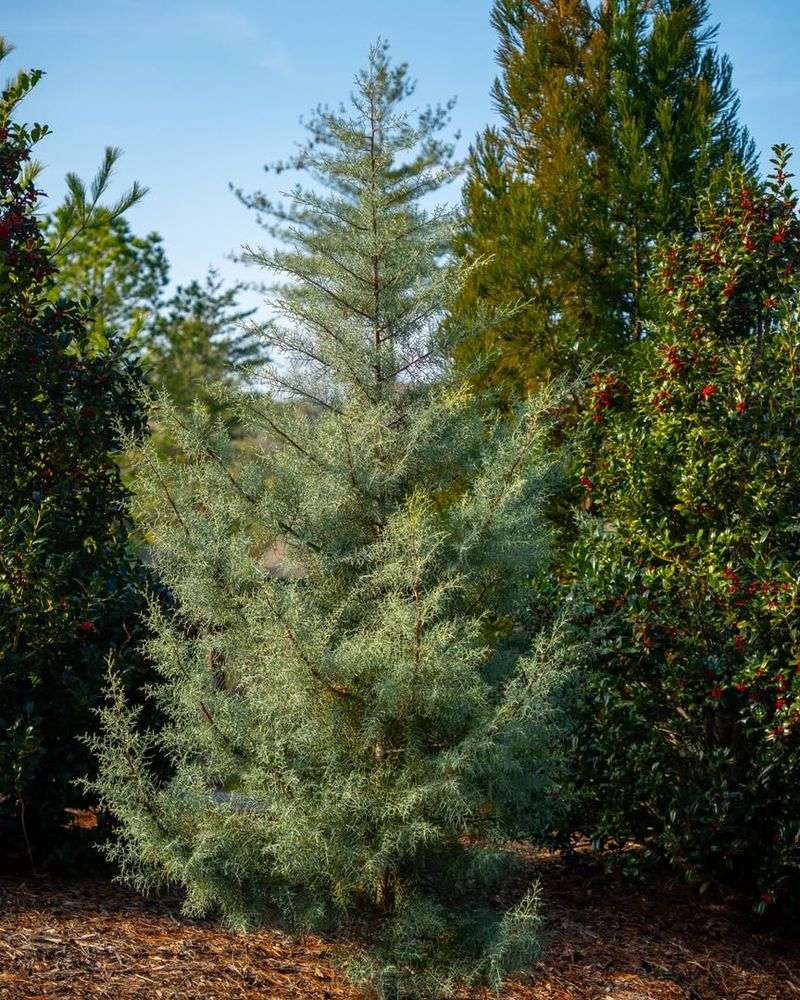
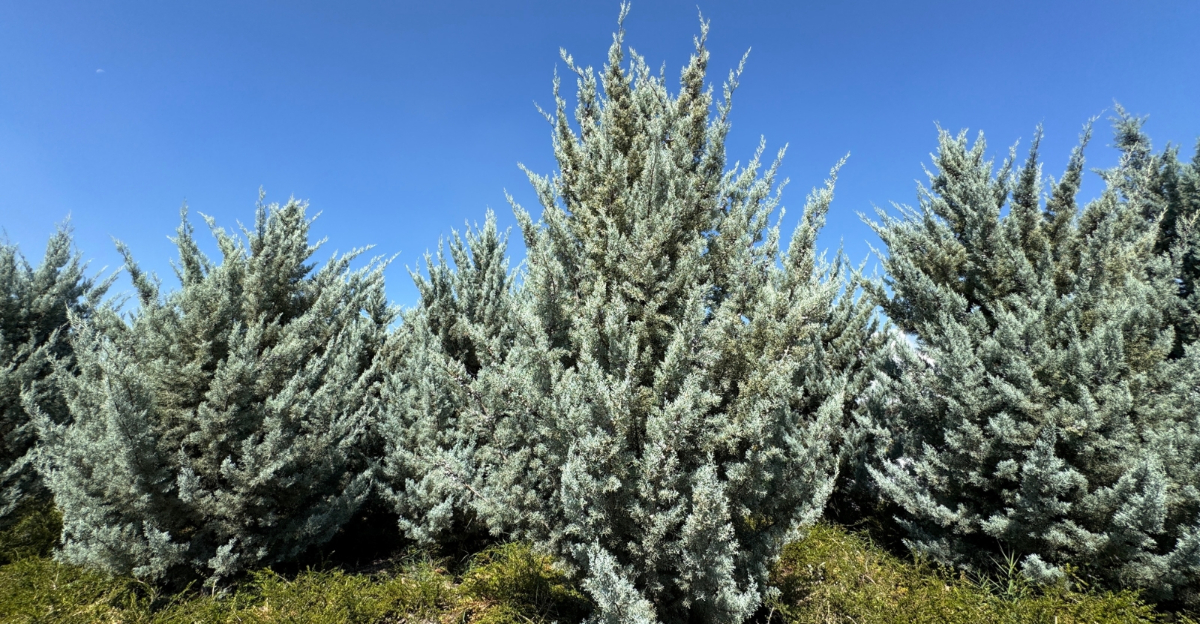
Evergreen options for Arizona yards often get overlooked, but this native cypress delivers year-round beauty and function. Its conical shape and silvery-blue foliage create a striking contrast to the browns and greens dominating desert landscapes.
Aromatic foliage releases a pleasant cedar-like scent, especially after rain or when brushed against.
Vertical growth habit means it takes up less horizontal space than spreading shade trees, making it ideal for narrow side yards or property lines. Mature specimens can reach 40 feet tall while staying relatively narrow, around 15 to 20 feet wide.
This growth pattern provides shade during morning and afternoon hours without overwhelming smaller lots common in Arizona subdivisions.
Root systems grow straight down rather than spreading aggressively, making cypress safe near foundations and hardscaping. The tree thrives in rocky, poor soil that challenges many ornamental species.
Its drought tolerance improves dramatically after the first two years, eventually requiring only occasional deep watering during extreme heat.
Wildlife benefits include shelter for birds and small mammals seeking refuge from predators and harsh weather. The dense foliage blocks wind effectively, creating protected microclimates on the north side of homes during winter months.
This windbreak function also reduces dust infiltration into outdoor living spaces.
Maintenance requirements stay low once established, with minimal pruning needed to maintain shape. The tree rarely drops branches or creates significant litter, keeping yards tidy year-round.
Its adaptability to elevation changes across Arizona means it performs well from low desert areas to higher, cooler regions, making it versatile for homeowners throughout the state.
5. Willow Acacia
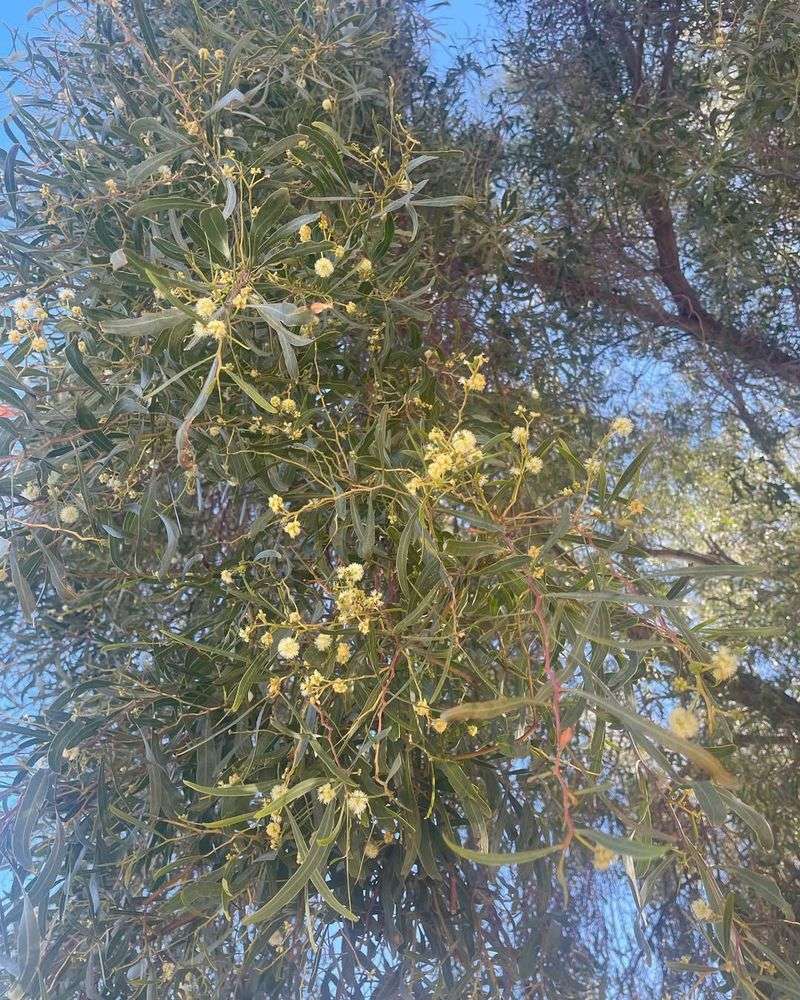
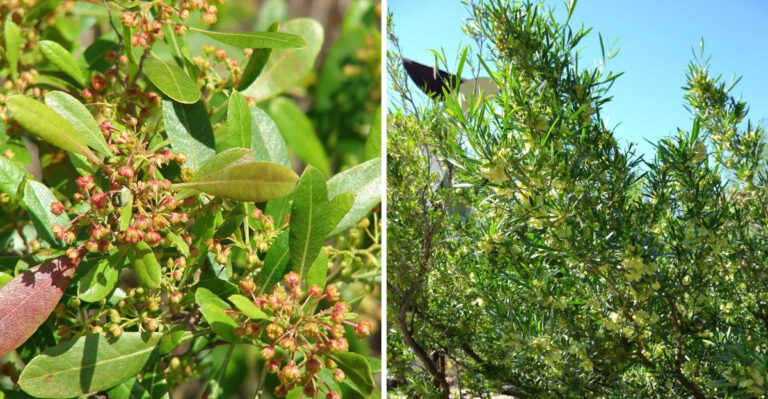
Graceful weeping branches give this Australian native an almost tropical appearance despite its desert toughness. Long, narrow leaves flutter in the slightest breeze, creating movement and sound that adds sensory appeal to Arizona yards.
Creamy white puffball flowers appear in spring, attracting beneficial pollinators while adding subtle fragrance.
Compact root systems make willow acacia one of the safest choices near pools, patios, and underground irrigation lines. The tree grows quickly to about 20 feet tall with a similar spread, providing substantial shade within three to four years.
Its smaller mature size fits well in courtyards and smaller yards where larger trees would overwhelm the space.
Filtered light passes through the fine-textured canopy, creating comfortable shade without the cave-like darkness of denser trees. This allows you to grow shade-tolerant plants underneath while still enjoying significant cooling benefits.
The tree’s airy appearance keeps landscapes feeling open and spacious rather than crowded or claustrophobic.
Water requirements are moderate, more than native desert trees but far less than most ornamentals from temperate climates. Once established, it handles Arizona heat with ease, maintaining its fresh appearance through the most brutal summer weeks.
The tree occasionally self-seeds but not aggressively, and volunteers are easy to remove if they appear where you don’t want them.
Pruning helps maintain a single trunk and prevents the multi-trunk habit that can make the tree look messy. Regular trimming of lower branches keeps clearance for walking underneath and improves air circulation.
Its ability to thrive in reflected heat from walls and pavement makes it valuable for tight spaces around Arizona homes where other trees struggle.
6. Tipu Tree
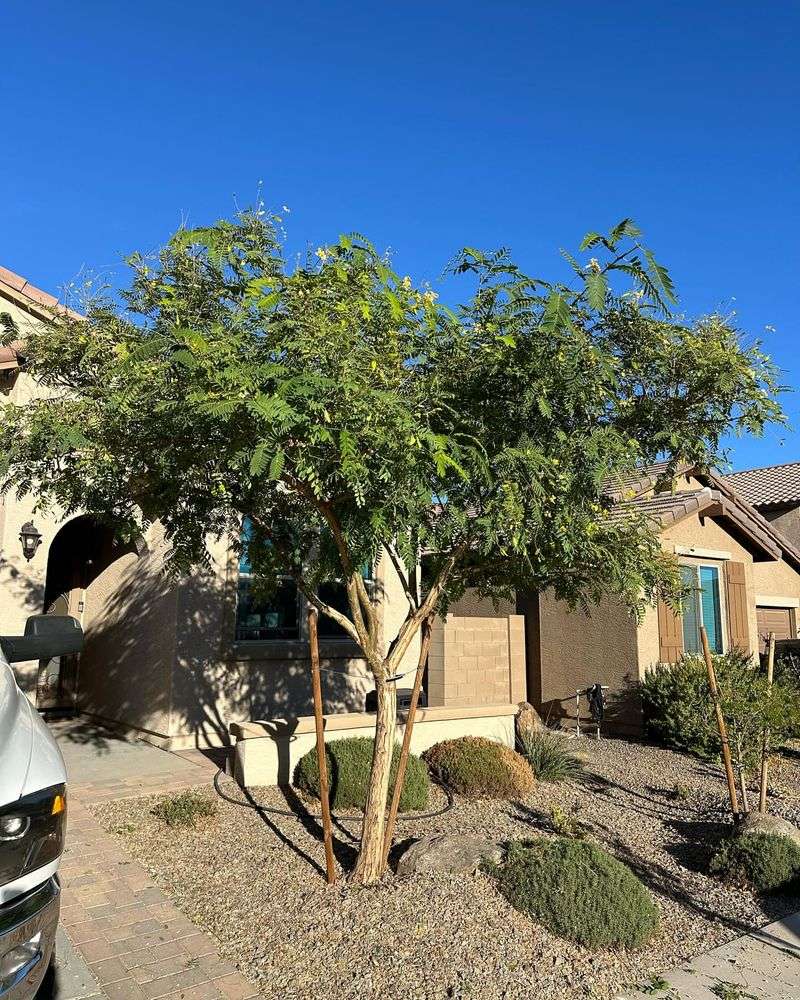
South American origins give this tree a lush, almost tropical appearance that seems impossible in Arizona’s harsh climate. Yet tipu thrives in desert heat, producing masses of yellow-orange flowers in late spring that create a spectacular display.
The semi-evergreen canopy provides year-round shade, dropping leaves briefly in late winter before quickly re-leafing.
Broad, spreading growth creates an umbrella-like canopy perfect for covering large patios or multiple parking spaces. Mature trees can reach 35 feet tall with canopies spreading 40 feet or more, making them suitable for spacious yards.
The dense foliage blocks intense summer sun effectively, reducing temperatures beneath by 15 to 20 degrees.
Root behavior tends toward surface spreading in compacted soil, so proper planting techniques and soil preparation are important. When planted correctly with adequate root space, the tree develops deeper roots that stay away from foundations and pipes.
Its tolerance for alkaline soil and reflected heat makes it well-suited to Arizona’s urban environments.
Fast growth is both an advantage and a consideration, providing shade quickly but requiring regular pruning to maintain clearance and shape. The tree responds well to trimming, allowing you to control its size and form.
Dropping flowers and leaves create some cleanup work, but the cooling benefits usually outweigh this minor maintenance.
Cold sensitivity means tipu works best in warmer parts of Arizona, particularly low desert regions around Phoenix and Yuma. Occasional freezes can damage foliage, though the tree typically recovers quickly once temperatures warm.
Its ability to create comfortable outdoor spaces during scorching summers makes it a favorite among homeowners seeking maximum shade with personality and visual appeal throughout the state’s hottest areas.
7. Arizona Rosewood
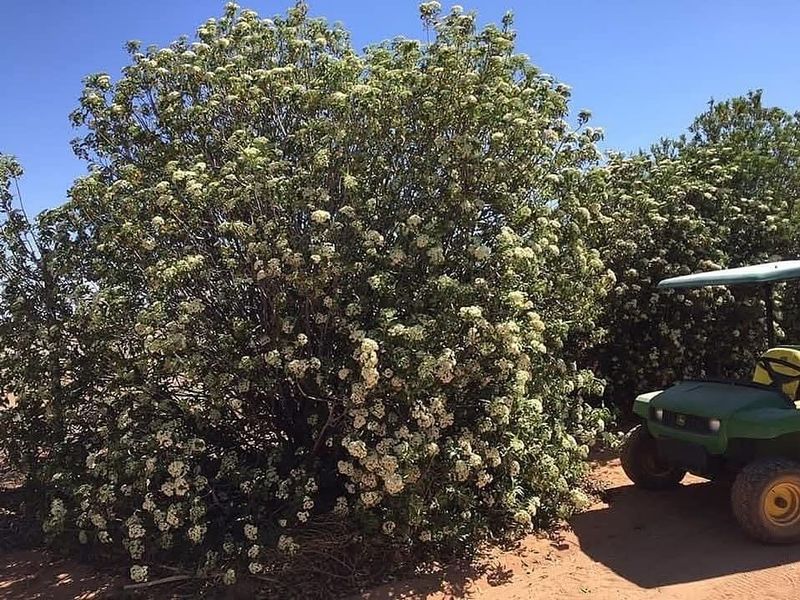
Native beauty meets practical function in this underappreciated Arizona treasure. Clusters of purple-pink flowers appear in spring before leaves emerge, creating a stunning early-season display.
The compound leaves provide moderate shade through summer and turn golden-yellow in fall, offering rare autumn color in the desert.
Slow to moderate growth means patience is required, but the payoff is a tough, long-lived tree that rarely needs attention. Mature specimens reach about 25 feet tall with an irregular, picturesque branching pattern.
This natural character adds visual interest without requiring the formal pruning that many ornamental trees demand.
Root systems develop deep taproots that anchor the tree against strong winds while avoiding surface problems. This makes Arizona rosewood excellent near walkways, driveways, and foundations throughout the state.
The tree’s ability to fix nitrogen improves soil fertility, benefiting surrounding plants and reducing fertilizer needs.
Drought tolerance is exceptional once established, with mature trees surviving on rainfall alone in many Arizona locations. Young trees need regular watering for the first two years, but this investment pays off with decades of low-maintenance beauty.
The tree handles extreme heat, cold, and poor soil with equal ease.
Wildlife value is significant, with flowers attracting bees and butterflies while seeds feed birds and small mammals. The moderate canopy density provides habitat without creating the oppressive shade that prevents understory planting.
Its smaller mature size makes it appropriate for courtyards, side yards, and areas where space is limited but shade is still desired across Arizona properties.
8. Mexican Blue Oak
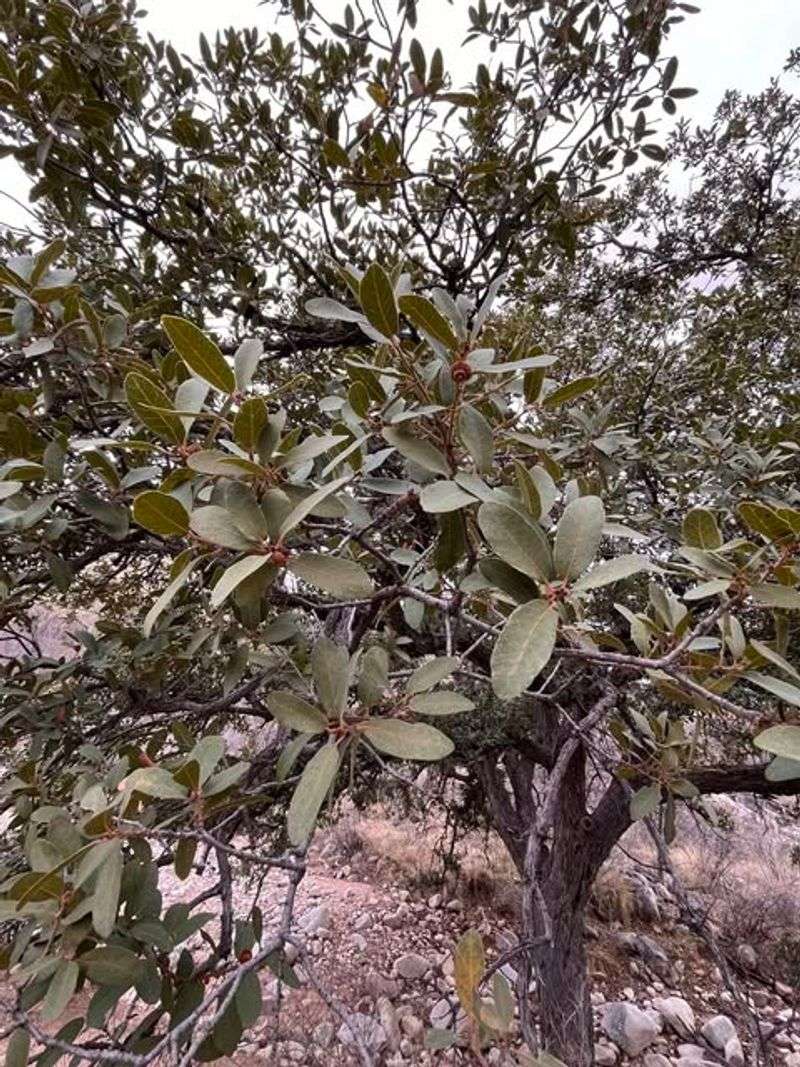
Bringing classic oak character to Arizona landscapes, this southwestern native offers year-round beauty with its blue-gray foliage. Semi-evergreen behavior means it holds most leaves through winter, dropping them briefly in spring before new growth appears.
The tree develops a broad, rounded canopy that provides substantial cooling for Arizona homes.
Moderate growth rate produces a substantial tree within 10 to 15 years, reaching 30 to 40 feet tall with similar spread. Root systems develop in a balanced pattern that rarely causes problems with hardscaping or utilities.
The tree’s native origin means it’s perfectly adapted to Arizona’s soil, climate, and water availability.
Acorns feed wildlife including jays, woodpeckers, and squirrels, adding entertainment value to your yard. The nuts are small enough that they don’t create major cleanup issues like some oak species.
Tough, leathery leaves resist wind damage and hold up well through intense summer sun and heat.
Water needs are low to moderate, with established trees surviving on natural rainfall in many parts of Arizona. Occasional deep watering during extended dry periods promotes better growth and denser foliage.
The tree handles both full sun and partial shade, though it performs best with maximum light exposure.
Cold hardiness is excellent, making Mexican blue oak suitable for higher elevation areas across Arizona where many desert trees struggle. It tolerates temperatures well below freezing without damage.
The combination of shade production, low maintenance, and climate adaptability makes it an increasingly popular choice for homeowners seeking reliable, attractive trees that respect property infrastructure while providing substantial cooling benefits throughout the state.
9. Arizona White Oak
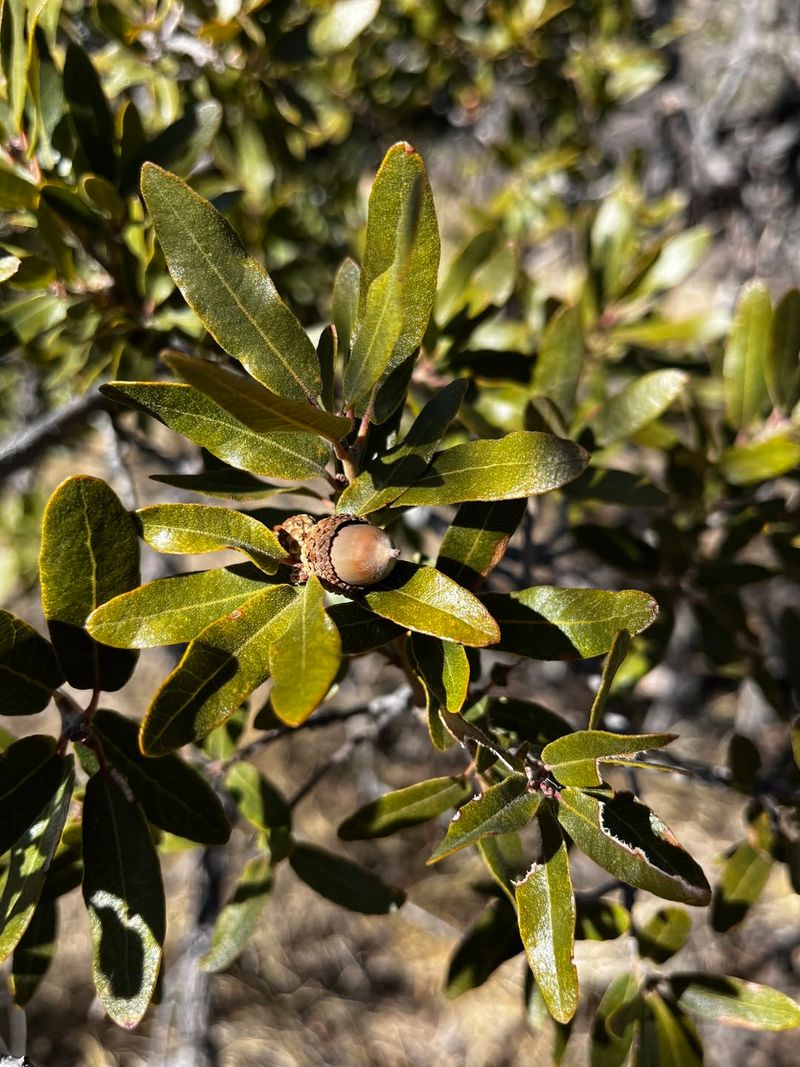
Majestic presence and reliable performance make this native oak a standout choice for Arizona properties. Deciduous habit means it drops leaves in fall, allowing winter sun to warm your home while summer shade keeps it cool.
The thick canopy blocks intense sunlight effectively, reducing air conditioning costs during the hottest months.
Slow but steady growth produces a tree that can live for centuries, becoming a legacy feature on your property. Mature specimens reach 40 to 50 feet tall with massive, spreading branches that create cathedral-like shade.
The investment in patience pays off with a tree that future generations will enjoy.
Deep root systems anchor the tree firmly while avoiding surface problems that plague shallow-rooted species. This makes Arizona white oak safe near foundations, sidewalks, and underground utilities.
The tree thrives in rocky, alkaline soil common throughout the state, requiring no soil amendments or special preparation.
Acorn production feeds wildlife and connects your yard to the natural ecosystem. The tree’s substantial size provides nesting sites for birds and shelter for various creatures.
Thick bark resists damage from sun, wind, and occasional wildlife browsing.
Water requirements are minimal once established, with the tree surviving on rainfall alone in most Arizona locations. Young trees need regular watering for the first three years to establish deep roots.
The tree handles temperature extremes from below freezing to well over 100 degrees without stress, making it reliable across the state’s diverse climate zones from mountains to valleys.