These Yellow Perennials Bring Lasting Color To Michigan Gardens
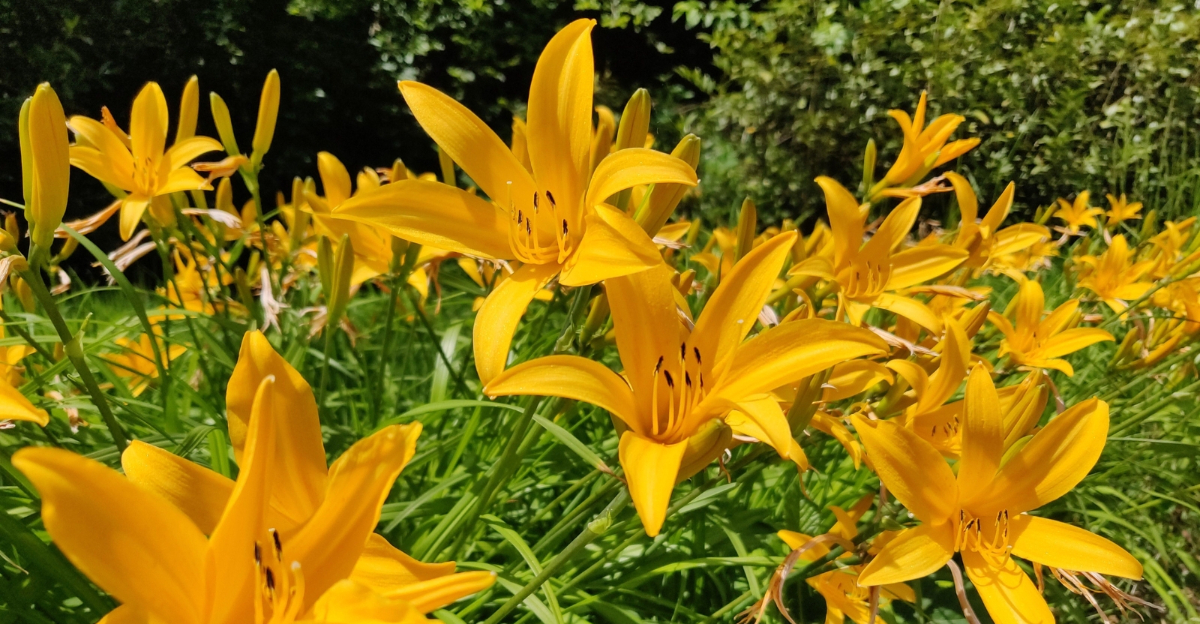
Yellow perennials have a way of lifting Michigan gardens with steady color that holds on long after early blooms have faded.
Michigan’s cool springs, warm summers, and shifting moisture levels can cause some yellow flowers to thrive while others struggle to keep their brightness.
Many gardeners plant yellow blooms expecting long lasting color, only to see plants fade or thin out sooner than expected.
Michigan gardens respond best to perennials that handle temperature swings and variable soil moisture without constant care. Choosing the right ones early keeps color consistent through the season.
Some yellow perennials settle in quickly and return each year with fuller growth and stronger flowering.
Others peak briefly and decline once heat or excess moisture sets in.
Selecting varieties suited to local conditions reduces replanting and keeps beds looking lively longer.
The right yellow perennials create a warm, reliable backdrop that carries Michigan gardens from spring well into late summer.
1. Black-Eyed Susan
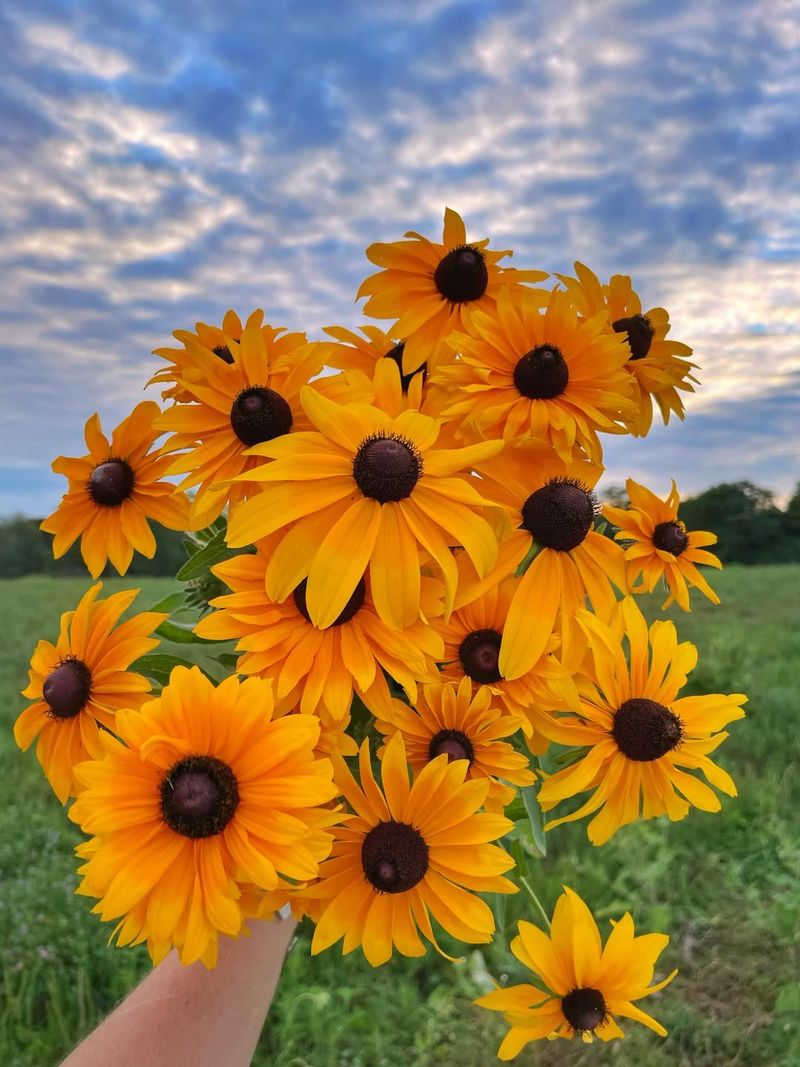
Bright golden petals surround dark centers on this classic American wildflower that seems to thrive everywhere. Gardens across Michigan benefit from this cheerful bloomer that starts showing off in mid-summer and keeps going until the first frost arrives.
You’ll find butterflies and bees visiting constantly, making your yard feel alive with activity.
Planting them in full sun gives the best results, though they tolerate partial shade without much complaint. The flowers grow on sturdy stems that rarely need staking, even during Michigan’s occasional summer storms.
Deadheading spent blooms encourages more flowers, but leaving some seed heads provides winter food for goldfinches and other songbirds.
Drought rarely bothers established plants, which makes them perfect for gardeners who don’t want to fuss with constant watering. They spread slowly over time, filling in gaps without becoming aggressive or invasive.
Poor soil doesn’t discourage them either, as they adapt to clay, sand, or loam with equal enthusiasm.
Dividing clumps every few years keeps them vigorous and prevents overcrowding. Michigan winters don’t phase these tough perennials, as they reliably return each spring with fresh green foliage.
Pairing them with purple coneflowers or ornamental grasses creates stunning combinations that look natural and effortless.
Deer usually leave them alone, which is a bonus for gardeners dealing with wildlife pressure. Their long blooming season means you’ll enjoy color from July through September without any extra effort.
Few perennials offer this much visual impact for so little work, making them a favorite across the state.
2. Coreopsis
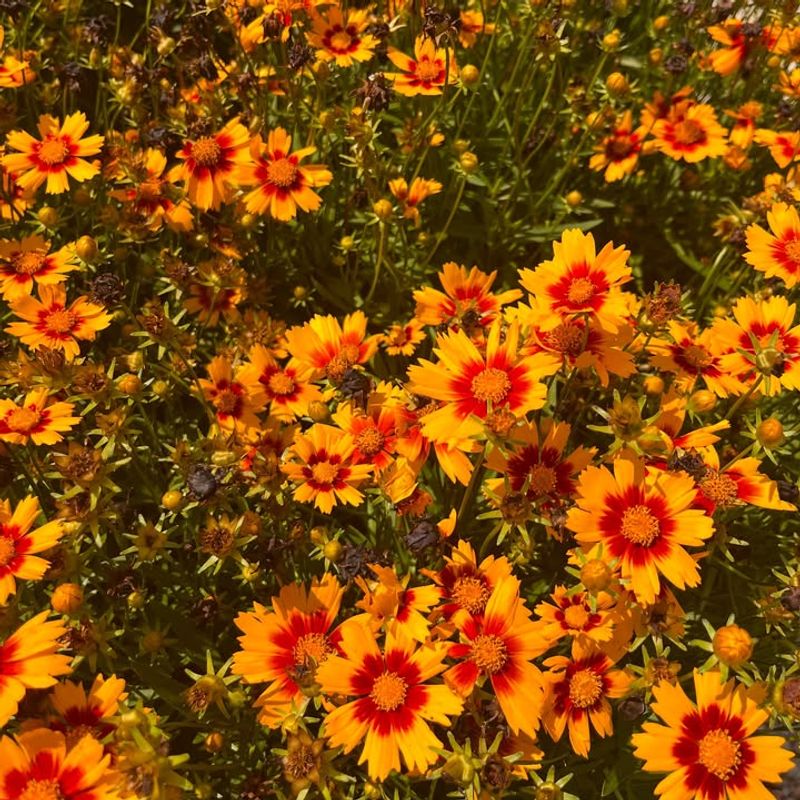
Delicate daisy-like blooms cover this plant from early summer until autumn, creating a wave of golden color that never seems to quit. Michigan gardeners appreciate how little attention it requires once established in the garden.
The fine-textured foliage provides an airy, soft backdrop that complements bolder plants beautifully.
Full sun is where this perennial truly shines, producing the most abundant flowers throughout the growing season. Well-drained soil is important, as soggy conditions can weaken the roots over time.
Once settled in, it tolerates dry spells remarkably well, making it ideal for areas that don’t get regular irrigation.
Your Michigan Garden Changes Every Week. Your Plan Should Too.
Gardening in Michigan changes quickly throughout the season. Every Friday you’ll receive a simple weekly plan showing exactly what to plant, prune, fertilize, harvest, and protect so you never miss the right timing.
Cutting back the first flush of flowers encourages a second round of blooms that extends the display well into fall. The compact varieties work perfectly in containers or along pathway edges where you want tidy, low-growing color.
Taller types make excellent cut flowers that last for days in a vase.
Pests and diseases rarely cause problems, which means less spraying and more enjoying. Michigan’s winter cold doesn’t harm these hardy plants, and they emerge reliably each spring with renewed vigor.
Mixing different cultivars creates layers of bloom times and heights for added interest.
Butterflies and native bees visit constantly, drawn by the abundant nectar and pollen. Dividing clumps every three years prevents overcrowding and keeps the plants blooming heavily.
Few perennials deliver this much color with such minimal maintenance requirements throughout the season.
3. Daylily
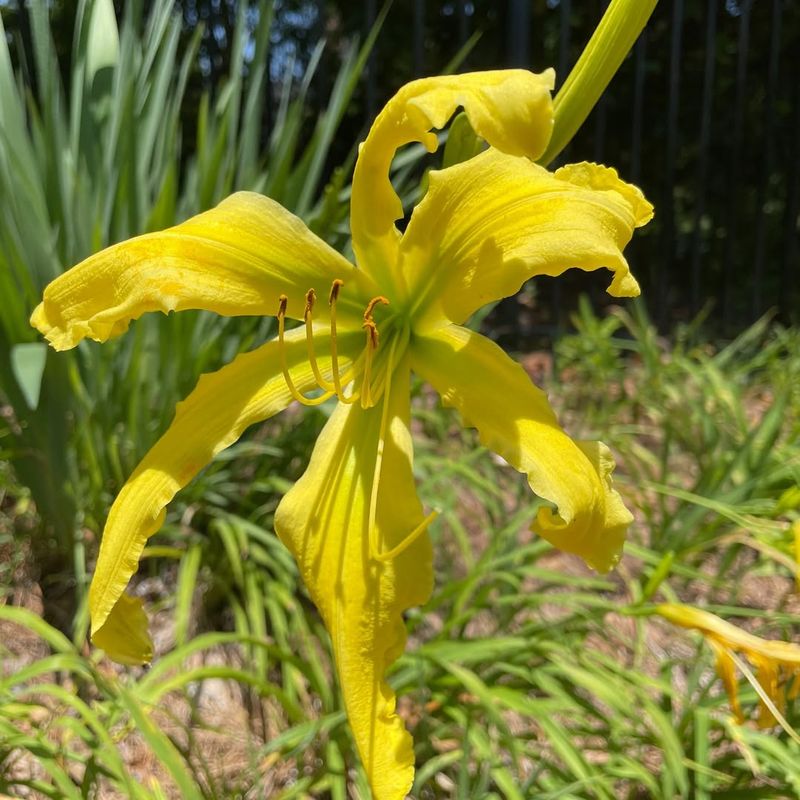
Each bloom lasts just one day, but new buds open continuously for weeks, ensuring constant color in Michigan landscapes. The trumpet-shaped flowers come in shades from pale lemon to deep gold, offering choices for every garden palette.
Arching foliage remains attractive even when flowers aren’t present, providing structure and texture throughout the season.
Adaptable to almost any soil type, these perennials forgive beginner mistakes and reward experienced gardeners with reliable performance. They grow well in full sun or partial shade, making them versatile for different garden locations.
Established clumps tolerate drought surprisingly well, though occasional watering during dry spells encourages heavier blooming.
Dividing crowded clumps every few years rejuvenates the plants and gives you extras to share or spread around the yard. Michigan winters don’t damage the hardy roots, which send up fresh growth as soon as spring temperatures warm.
Removing spent flower stalks keeps the plants looking neat and directs energy toward new bud formation.
Deer occasionally nibble the buds, but the plants usually produce enough flowers to share without significant damage. Pairing yellow varieties with purple salvia or blue veronica creates eye-catching color combinations that draw attention.
The clumping growth habit prevents them from spreading aggressively, so they stay where you plant them.
Early, mid, and late-season varieties can be combined to extend the bloom period from June through August. Few perennials offer this much variety in flower form, from ruffled edges to spider-shaped petals.
Their reliability and low maintenance make them essential for Michigan gardens seeking lasting color.
4. Yarrow
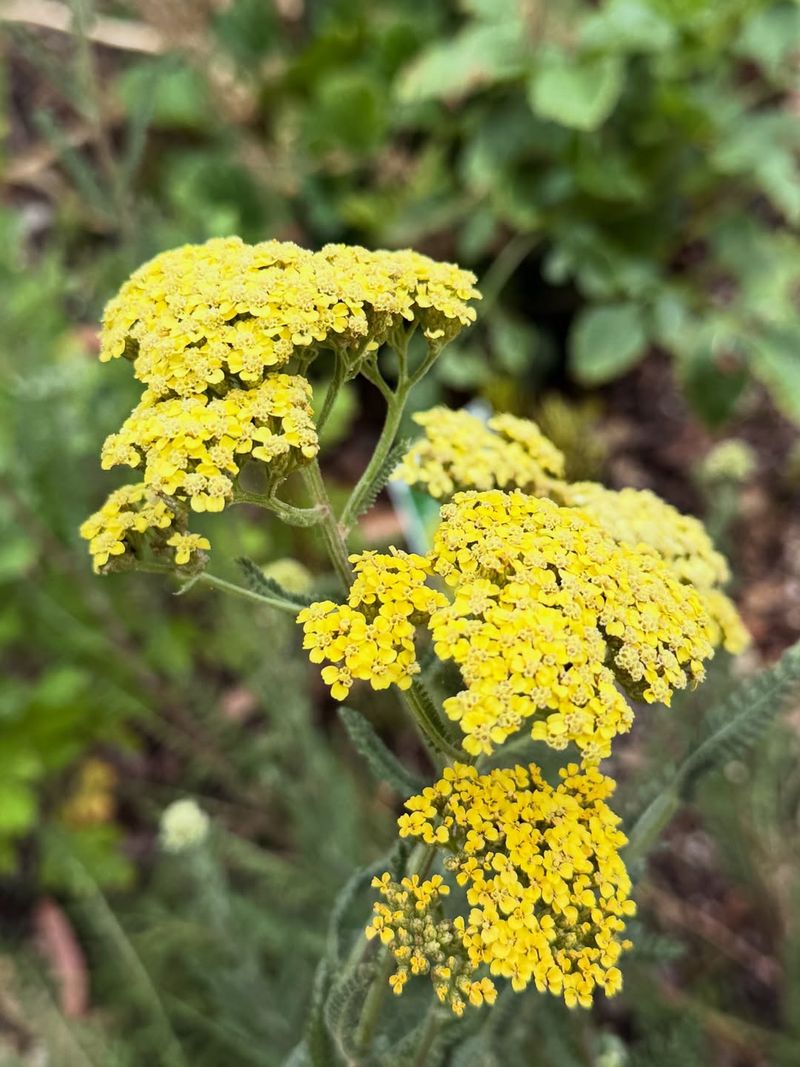
Flat-topped flower clusters sit atop sturdy stems that rarely flop, even during Michigan’s windiest summer days. The feathery foliage releases a pleasant herbal scent when brushed, adding another sensory dimension to the garden.
Butterflies and beneficial insects flock to the blooms, making your yard a haven for pollinators.
Drought tolerance is one of this plant’s best features, as established clumps thrive with minimal watering. Poor soil doesn’t discourage it either, as it actually prefers lean conditions over rich, heavily amended ground.
Full sun produces the most flowers, though it tolerates light shade without significant reduction in blooming.
Cutting flowers for fresh or dried arrangements is easy, and the blooms hold their color beautifully when dried. Deadheading encourages additional flower production, but leaving some seed heads provides winter interest and food for birds.
The plants spread gradually through rhizomes, filling in bare spots without becoming invasive.
Michigan’s cold winters pose no threat to these hardy perennials, which return vigorously each spring. Dividing clumps every three to four years prevents overcrowding and maintains strong blooming.
Mixing yarrow with ornamental grasses or Russian sage creates naturalistic plantings that look effortlessly beautiful.
Deer and rabbits usually avoid the aromatic foliage, making it a good choice for gardens with wildlife pressure. The long bloom period from June through August ensures consistent color throughout the summer months.
Few perennials combine such toughness with such delicate beauty in Michigan landscapes.
5. Goldenrod
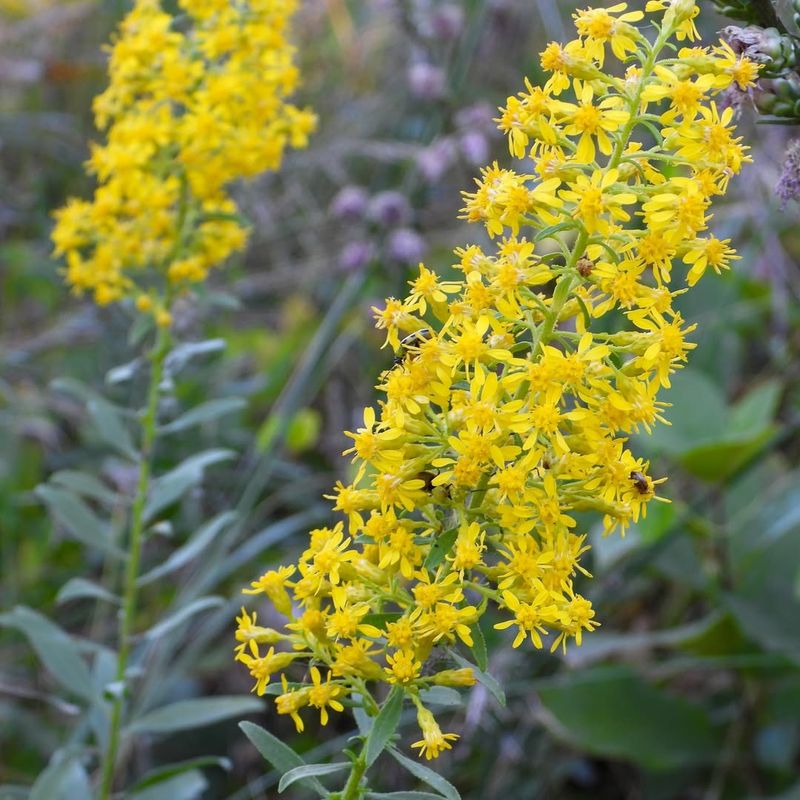
Tall plumes of tiny golden flowers signal the arrival of late summer across Michigan’s natural areas and cultivated gardens. Despite its unfair reputation, this native plant doesn’t cause hay fever, as its pollen is too heavy to become airborne.
Monarch butterflies and other migrating insects depend on its nectar-rich blooms to fuel their journeys south.
Full sun and average soil are all this tough perennial needs to thrive in Michigan landscapes. It tolerates clay, sand, and rocky ground with equal enthusiasm, making it suitable for challenging garden spots.
Once established, drought rarely slows it down, and it continues blooming even during dry spells.
The upright growth habit adds vertical interest to borders and meadow plantings without requiring staking. Cutting back plants in early summer by one-third results in shorter, bushier growth that’s less likely to flop.
Pairing goldenrod with asters creates classic fall combinations that echo natural prairie plantings.
Michigan winters don’t harm these native perennials, which return reliably each spring with vigorous new growth. Some varieties spread through rhizomes, so choose clump-forming cultivars if you want contained growth.
The seed heads provide food for finches and sparrows throughout the winter months.
Deer occasionally browse the foliage but rarely cause significant damage to established plants. The long bloom period from August through October extends color into the fall when many other perennials have finished.
Few native plants offer this much late-season beauty combined with such easy care in Michigan gardens.
6. Heliopsis (False Sunflower)
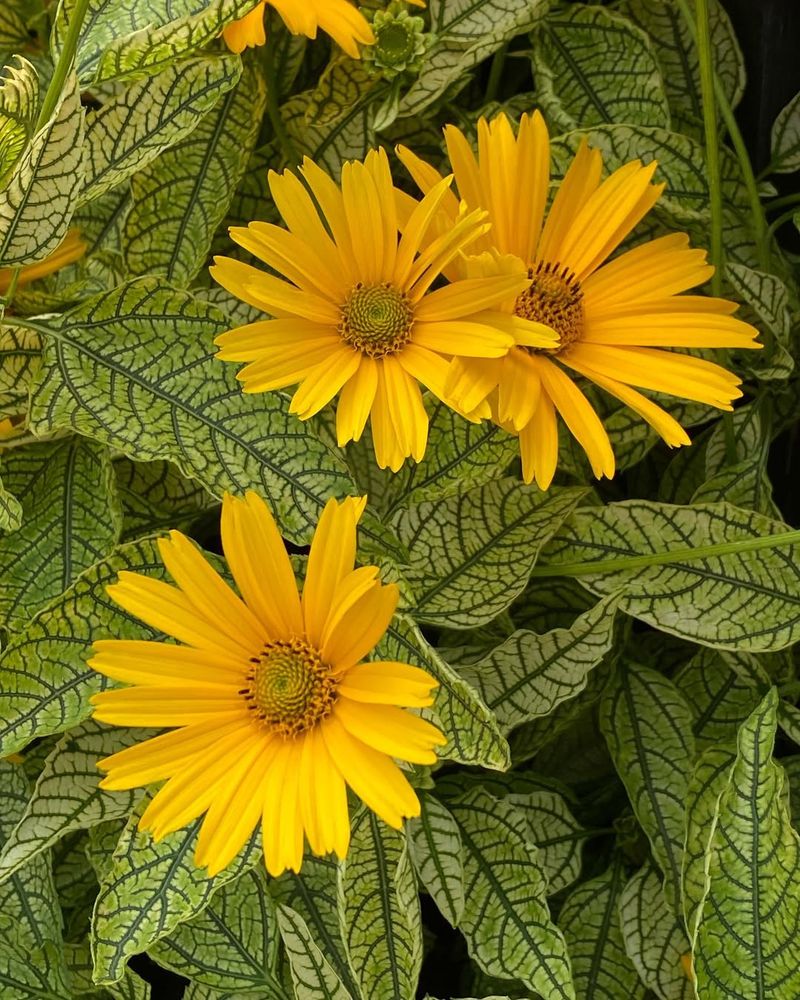
Cheerful daisy-like blooms resemble small sunflowers, bringing sunny warmth to Michigan gardens from midsummer through early fall. The sturdy stems hold flowers high above the foliage, creating a bright display that’s visible from across the yard.
Pollinators visit constantly, attracted by the abundant nectar and pollen these flowers provide.
Full sun and well-drained soil are ideal, though this adaptable perennial tolerates less-than-perfect conditions without complaint. Once established, it handles drought well, making it suitable for low-maintenance landscapes.
The clumping growth habit keeps it well-behaved, so it won’t spread aggressively through your garden beds.
Deadheading extends the bloom season and keeps plants looking fresh, though it’s not strictly necessary for continued flowering. The flowers make excellent additions to cut flower arrangements, lasting up to a week in a vase.
Pairing this perennial with purple coneflowers or blue salvia creates striking color contrasts that enhance both plants.
Michigan’s cold winters don’t damage these hardy plants, which emerge reliably each spring with vigorous new growth. Dividing clumps every three to four years maintains strong blooming and prevents overcrowding.
The plants rarely suffer from pests or diseases, reducing the need for chemical interventions.
Deer occasionally sample the foliage but typically leave established plants alone. The long blooming period from July through September provides consistent color when many spring bloomers have faded.
Few perennials combine such cheerful flowers with such easy care requirements in Michigan landscapes.
7. Yellow Coneflower
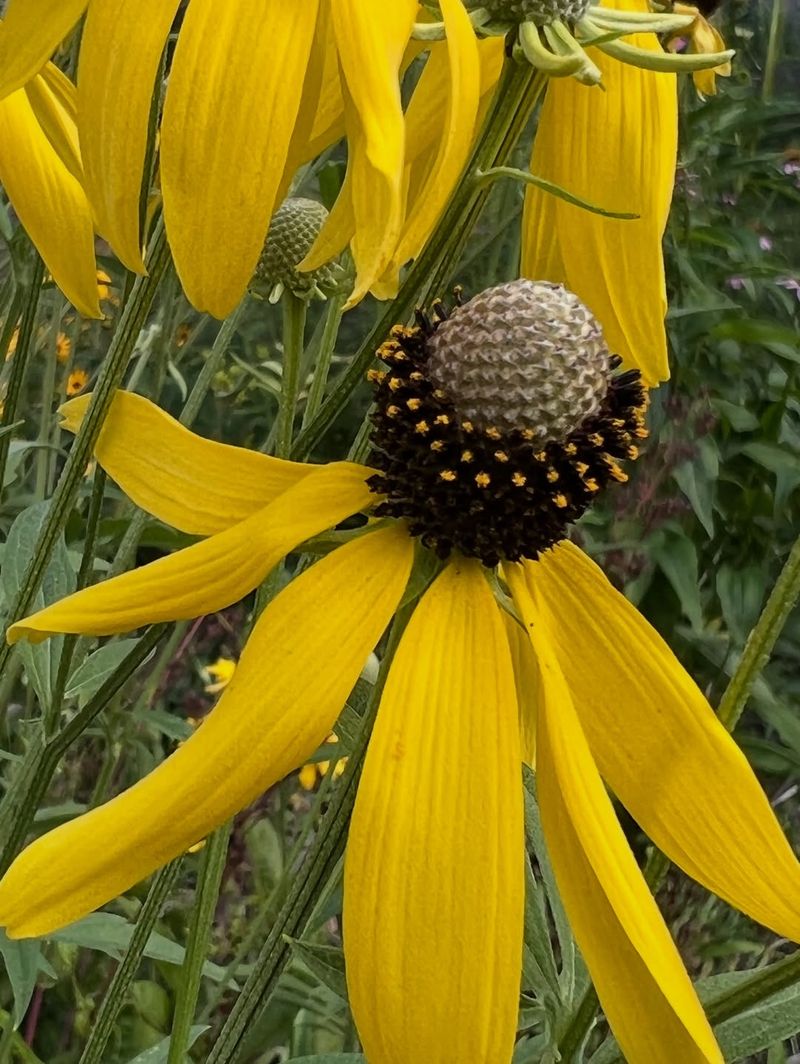
Drooping petals surround prominent green centers on this unique prairie native that adds architectural interest to Michigan gardens. The flowers age to a lighter shade, creating a subtle color variation within the same plant.
Goldfinches love the seed heads, often perching on the sturdy stems to feast during late summer and fall.
Full sun and well-drained soil produce the healthiest plants, though partial shade is tolerated in hotter locations. Established specimens handle drought remarkably well, continuing to bloom even during dry periods.
The deep taproot makes transplanting challenging, so choose the planting location carefully from the start.
Allowing seed heads to remain through winter provides food for birds and adds structural interest to the dormant garden. The plants self-sow moderately, producing seedlings that can be transplanted or left to naturalize.
Michigan winters pose no threat to these hardy natives, which return vigorously each spring.
Pairing yellow coneflower with grasses like little bluestem creates naturalistic plantings that echo prairie landscapes. The tall stature makes them excellent background plants in mixed borders where height is needed.
Cutting flowers for arrangements is possible, though they’re often more striking left in the garden.
Deer and rabbits usually avoid the coarse foliage, making it suitable for gardens with wildlife pressure. The bloom period from July through September provides consistent color during the peak of summer.
Few perennials offer such distinctive flowers combined with such low maintenance requirements in Michigan landscapes.
8. Ligularia
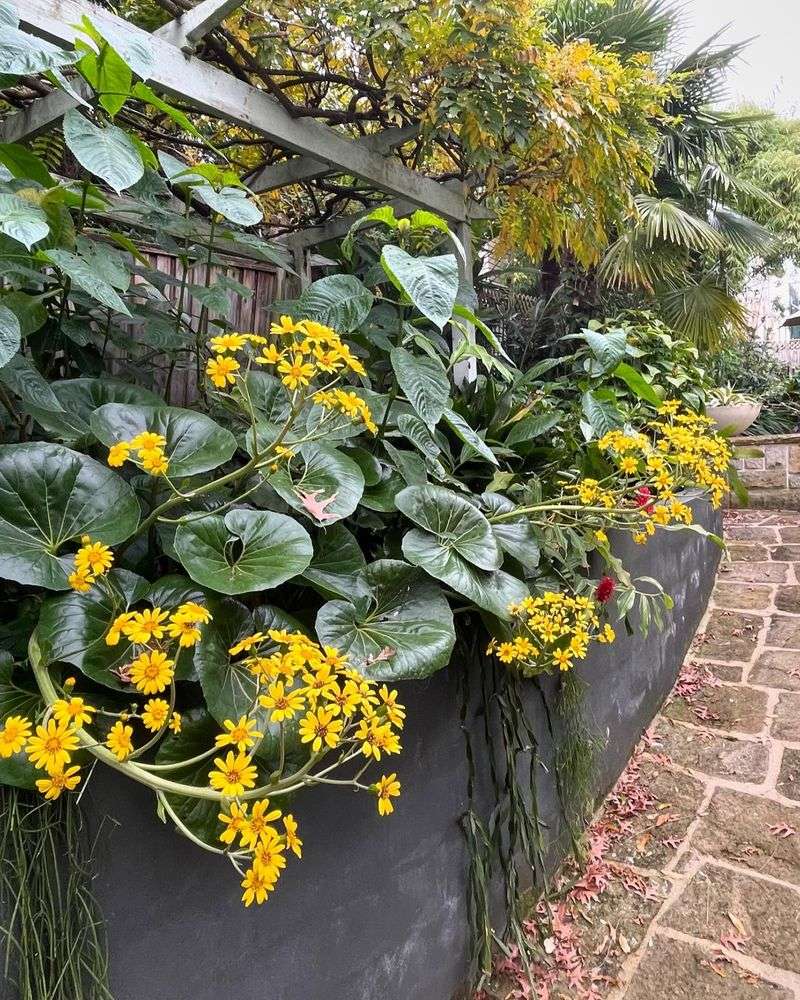
Bold foliage steals the show even before the tall flower spikes emerge in midsummer across Michigan’s shadier gardens. The large leaves create dramatic texture that contrasts beautifully with finer-leaved companions like ferns or astilbe.
Bright yellow blooms rise above the foliage on sturdy stalks, adding vertical interest to shaded areas.
Partial to full shade is essential, as hot afternoon sun can cause the leaves to wilt temporarily. Moist, rich soil is ideal, making this perennial perfect for areas near downspouts or naturally damp spots.
Mulching around the base helps retain moisture and keeps the roots cool during Michigan’s warmer summer days.
The plants recover quickly from temporary wilting once temperatures cool in the evening. Removing spent flower stalks keeps the plants looking tidy and directs energy toward foliage production.
Pairing ligularia with hostas or Japanese forest grass creates lush, layered plantings that feel like woodland retreats.
Michigan winters don’t harm these cold-hardy perennials, which emerge reliably each spring with fresh foliage. Slugs occasionally nibble the leaves, but damage is usually cosmetic rather than harmful.
Dividing large clumps every four to five years maintains vigor and provides extras to expand plantings.
Deer typically avoid the coarse foliage, making it a good choice for shaded areas with wildlife pressure. The bold texture adds drama to areas where most plants would struggle with limited light.
Few shade perennials offer such striking foliage combined with showy flowers in Michigan gardens.
9. Baptisia (Yellow False Indigo)
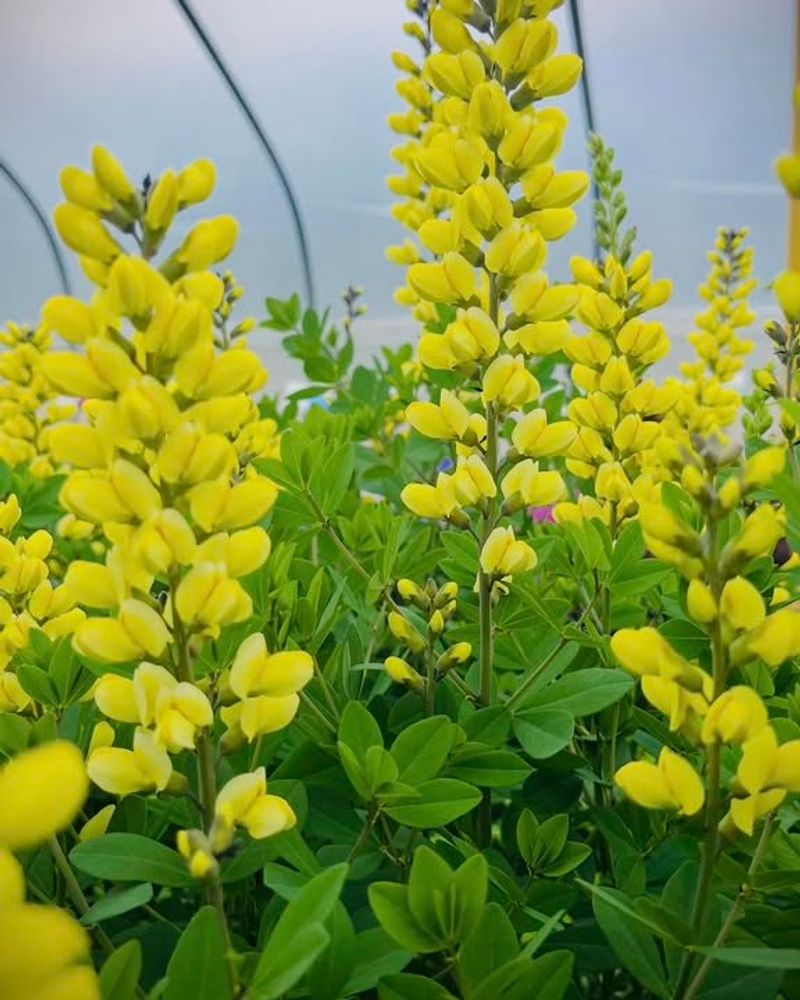
Lupine-like flower spikes emerge in late spring, covering the shrub-sized plants with cheerful yellow blooms that brighten Michigan gardens. The blue-green foliage remains attractive throughout the season, providing structure and texture long after flowers fade.
Dark seed pods develop in late summer, adding autumn interest and rattling pleasantly in the breeze.
Full sun and well-drained soil are ideal, though established plants tolerate partial shade and occasional drought. The deep taproot makes transplanting difficult, so select the planting location carefully from the beginning.
Young plants take a few years to reach full size, but patience is rewarded with decades of reliable performance.
Michigan winters don’t damage these native perennials, which return vigorously each spring without fail. The plants rarely need dividing, as they maintain strong growth without becoming overcrowded.
Cutting the seed pods for dried arrangements is popular, as they add interesting texture to fall and winter displays.
Deer and rabbits avoid the foliage, making it suitable for gardens with wildlife challenges. The clumping growth habit keeps plants well-behaved without spreading or self-sowing aggressively.
Pairing baptisia with ornamental grasses or Russian sage creates low-maintenance combinations that look beautiful for months.
The flowers attract bumblebees and other native pollinators that depend on early-season nectar sources. Few perennials offer such long-lived, trouble-free performance in Michigan landscapes.
The combination of beautiful flowers, attractive foliage, and interesting seed pods makes it a four-season garden asset.