9 Types Of Lilies That Belong In North Carolina Gardens
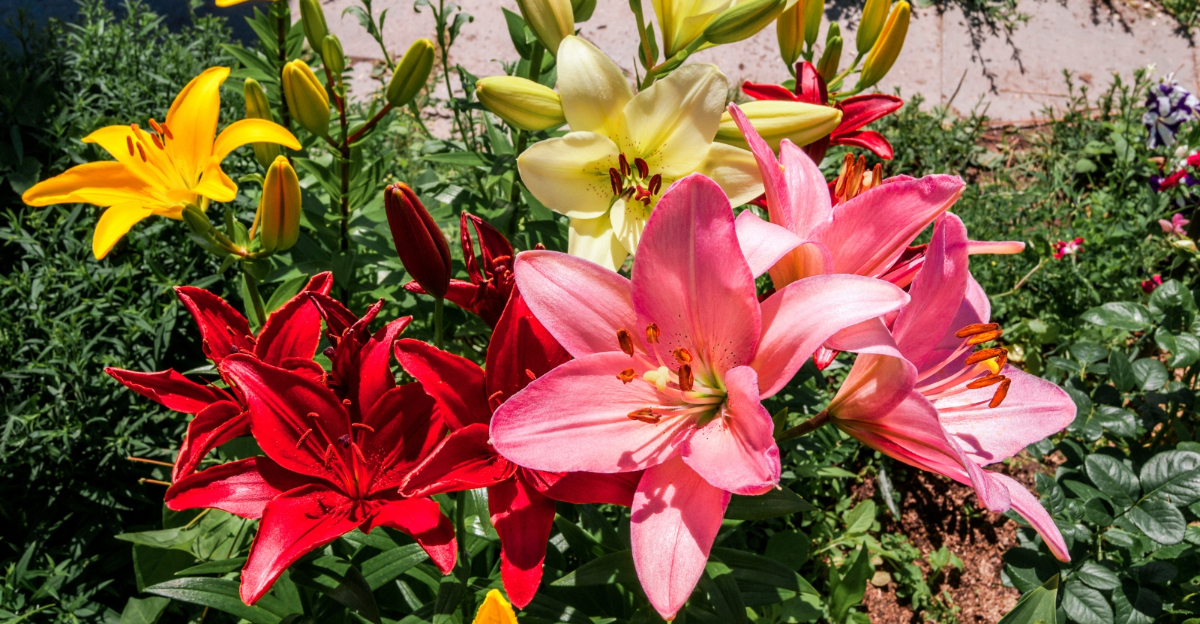
Lilies have a striking presence in North Carolina gardens, bringing tall stems and bold blooms that stand out without overwhelming surrounding plants or looking out of place in the landscape.
The state’s warm summers, heavy humidity, and shifting seasonal conditions mean some lily types thrive effortlessly while others quietly struggle or fade after the first year.
Many gardeners choose lilies based on appearance alone, only to realize later that certain varieties are not built to handle North Carolina’s climate as well as expected.
North Carolina gardens reward lilies that tolerate heat, moisture, and temperature swings without demanding constant attention or corrective care. Choosing the right types early makes a clear difference in how strong and dependable those blooms become.
Some lilies settle in easily, develop sturdy growth, and return each season with fuller flowers and better structure.
Others require extra work, frequent adjustments, or slowly decline once summer stress begins to build.
Planting varieties that match local conditions helps avoid wasted effort and repeated replanting year after year.
The right lilies give North Carolina gardens a confident, balanced look that holds up through the season instead of peaking briefly and fading too soon.
1. Asiatic Lilies
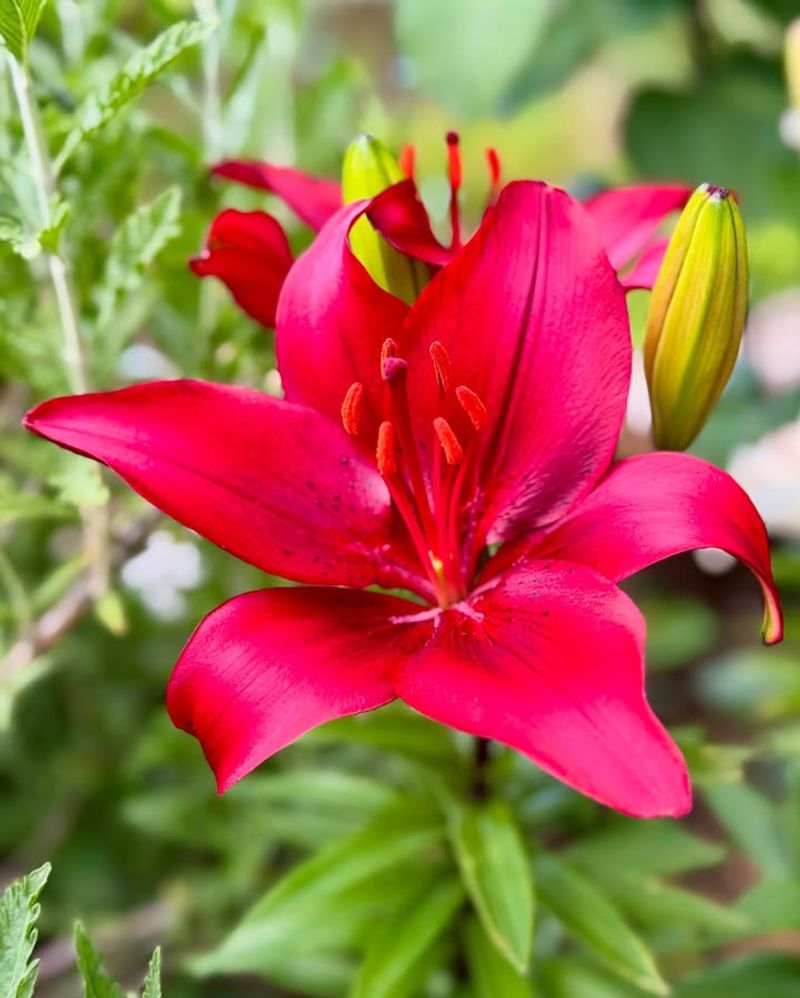
Bright colors and early blooms make these flowers a favorite among North Carolina gardeners who want to start the season with a bang.
Unlike some fussier varieties, they adapt well to different soil types and don’t require constant attention.
Most gardeners plant them in fall or early spring, giving the bulbs time to establish strong roots before warm weather arrives. They prefer spots with morning sun and afternoon shade, which protects them from the intense North Carolina summer heat.
Blooms appear in late May through June, displaying shades of orange, yellow, pink, red, and white.
Their upward-facing flowers create striking visual impact when planted in clusters of five or more bulbs.
These lilies grow between two and four feet tall, making them perfect for mid-border placements.
They also work beautifully in containers on patios or decks where drainage is excellent.
Deer tend to avoid them, which is a huge bonus for rural North Carolina properties.
Their stems are sturdy enough to withstand spring storms without staking.
After blooming ends, let the foliage remain until it turns yellow naturally. This allows the bulbs to store energy for next year’s display.
They multiply readily over time, forming larger clumps that can be divided every three to four years. Sharing extras with neighbors is common practice among North Carolina gardening communities.
Watering needs are moderate once established, though consistent moisture during bud formation improves bloom quality. Mulching around the base helps retain soil moisture during dry spells.
Few pests bother them, making maintenance straightforward for busy gardeners. Their reliability and vibrant colors explain why they remain so popular across the state.
2. Oriental Lilies
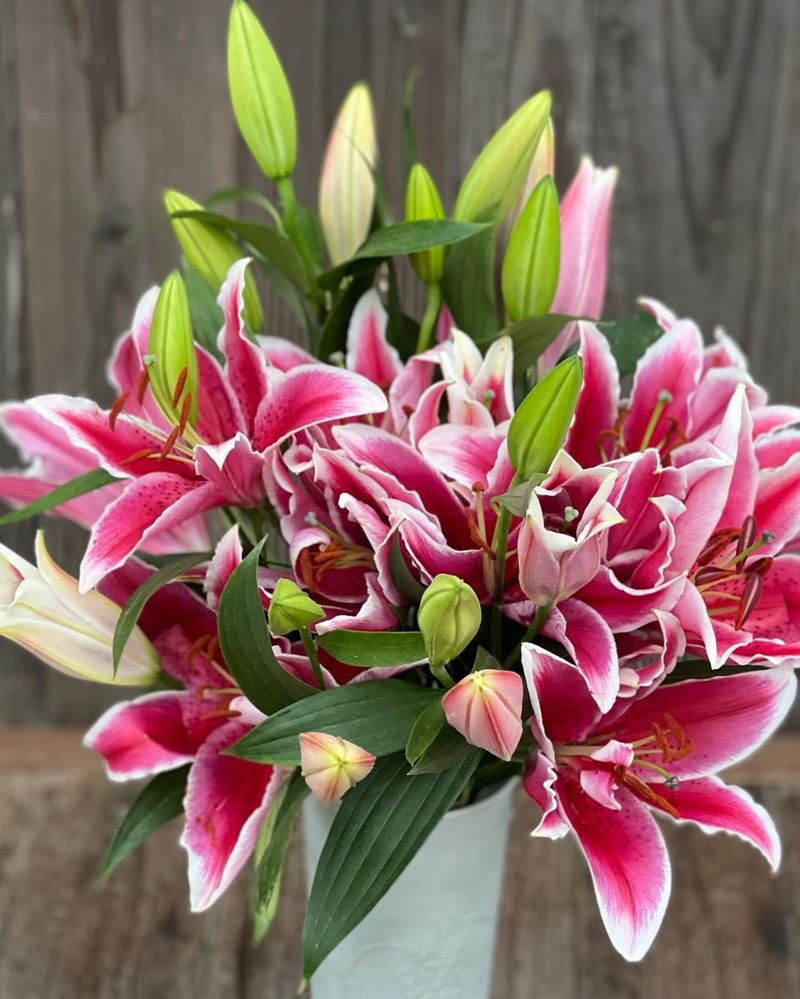
Fragrance lovers appreciate these stunning bloomers that perfume entire North Carolina yards with their sweet, intoxicating scent. Their large flowers command attention, often measuring six to eight inches across when fully open.
Your North Carolina Garden Changes Every Week. Your Plan Should Too.
Gardening in North Carolina changes quickly throughout the season. Every Friday you’ll receive a simple weekly plan showing exactly what to plant, prune, fertilize, harvest, and protect so you never miss the right timing.
Bloom time arrives later than most varieties, typically appearing in July and August when many other flowers have faded. This extended season keeps gardens interesting well into summer.
Colors range from pure white to deep pink, often featuring speckled centers and recurved petals.
Their dramatic appearance makes them excellent cut flowers that last over a week in arrangements.
Growing them in North Carolina requires slightly acidic soil with plenty of organic matter mixed in.
Adding compost or aged pine bark helps create the ideal growing environment.
They reach heights of three to six feet, so placing them toward the back of borders works best.
Taller varieties benefit from discreet staking to prevent wind damage during afternoon thunderstorms.
Unlike some lilies, these prefer consistent moisture throughout the growing season. Drip irrigation or soaker hoses deliver water efficiently without wetting the foliage.
Part shade during the hottest part of the day helps prevent petal scorching in North Carolina’s humid climate. Morning sun combined with dappled afternoon light produces the healthiest plants.
Their root systems appreciate cool soil temperatures, so maintaining a three-inch mulch layer proves beneficial. Wood chips or shredded leaves work equally well for this purpose.
Bulbs should be planted deeper than Asiatic types, at least six to eight inches below the surface. This protects them from temperature fluctuations and provides better stability for tall stems.
Their stunning beauty and unforgettable fragrance make them worth the extra care they require in North Carolina gardens.
3. Trumpet Lilies
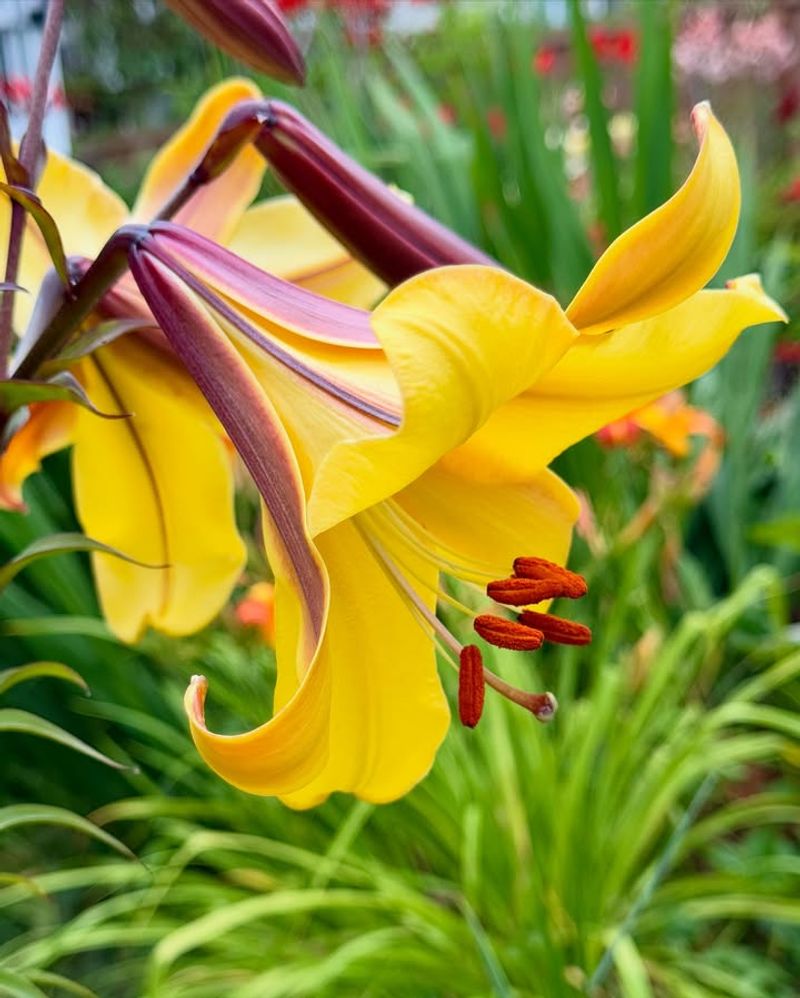
Elegant trumpet-shaped blooms nod gracefully from sturdy stems, creating an almost regal presence in North Carolina landscapes.
Their classic form has been admired in gardens for centuries.
Peak flowering occurs in mid-summer, bridging the gap between early Asiatic varieties and late-blooming Orientals.
This timing helps maintain continuous color throughout the growing season.
Colors include white, cream, yellow, and soft pink, with many featuring contrasting throats. The tubular flowers can reach six inches long, releasing sweet fragrance during evening hours.
Height ranges from four to six feet, making them impressive focal points in perennial beds. Their vertical growth habit suits narrow spaces between shrubs or along fence lines.
North Carolina’s warm climate suits them perfectly, though they appreciate afternoon shade during the hottest months.
Morning sun provides enough light for strong growth without excessive heat stress.
Planting depth should be generous, with bulbs positioned eight inches below soil level. This anchors the tall stems and protects bulbs from temperature swings.
Their stems produce roots above the bulb, so deep planting allows these additional roots to develop properly. This unique characteristic contributes to their impressive height and stability.
Fertilizing in early spring with a balanced formula encourages robust growth. Avoid high-nitrogen products that promote foliage at the expense of flowers.
They naturalize well in North Carolina gardens, returning reliably year after year with minimal intervention. Mature clumps become more spectacular as they age.
Cutting stems for indoor arrangements is possible, but leave at least one-third of the stem to nourish the bulb. Their elegant form elevates any bouquet or floral display throughout the state.
4. Orienpet (OT Hybrid) Lilies
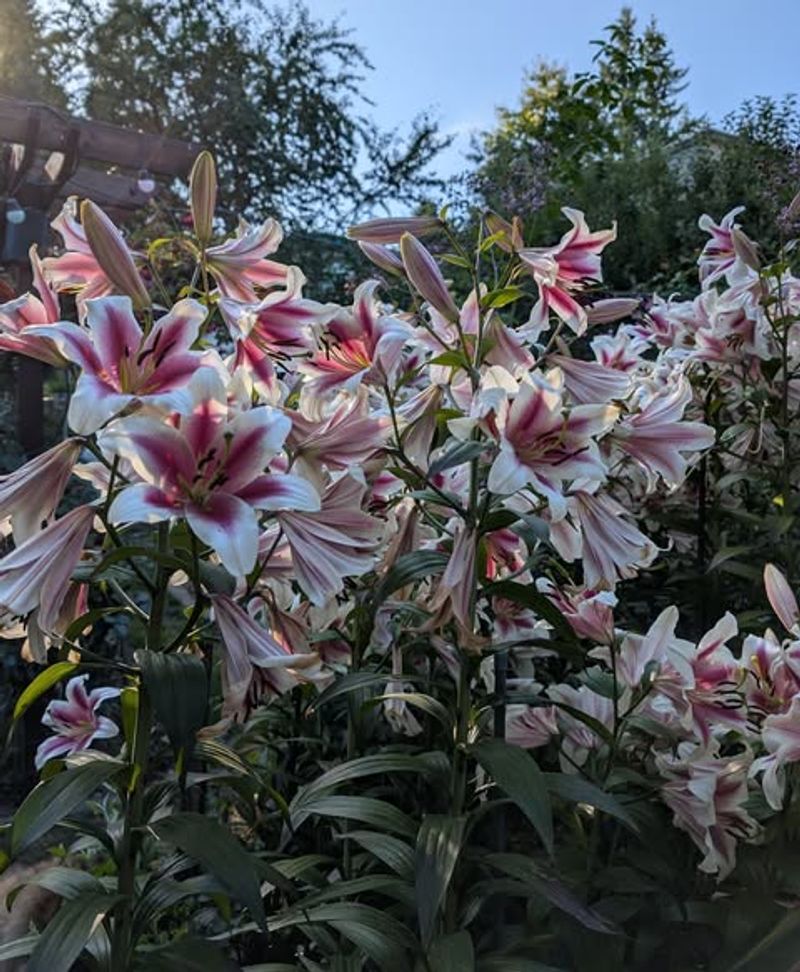
Combining the best traits of Oriental and Trumpet types, these hybrids deliver massive flowers with incredible fragrance. North Carolina gardeners appreciate their vigor and disease resistance.
Bloom size can be truly impressive, with some flowers reaching ten inches across. Their substantial petals hold up well in summer rain and wind.
Colors span from white and cream to burgundy, often featuring bold stripes or contrasting edges. The visual impact of a single stem in full bloom rivals an entire bouquet.
They tower over most garden plants, commonly reaching six to eight feet tall.
This dramatic height makes them perfect for creating vertical interest in North Carolina landscapes.
Despite their size, stems are remarkably strong and rarely require staking.
Their robust constitution handles summer storms better than many shorter varieties.
Planting them in fall gives bulbs time to establish before winter dormancy.
North Carolina’s mild winters rarely damage properly planted bulbs.
They prefer full sun to partial shade, adapting to various light conditions throughout the state. More sun typically produces more flowers, though afternoon shade prevents stress.
Soil should drain well but retain some moisture during active growth. Amending clay soils with compost improves both drainage and water retention.
Their long bloom period extends from July into August, providing color when many perennials take a break. Each stem produces multiple flowers that open sequentially.
Fragrance intensifies during evening hours, making them perfect near patios or outdoor seating areas. Their scent carries on the breeze throughout North Carolina summer nights, creating a magical garden atmosphere.
5. Tiger Lilies
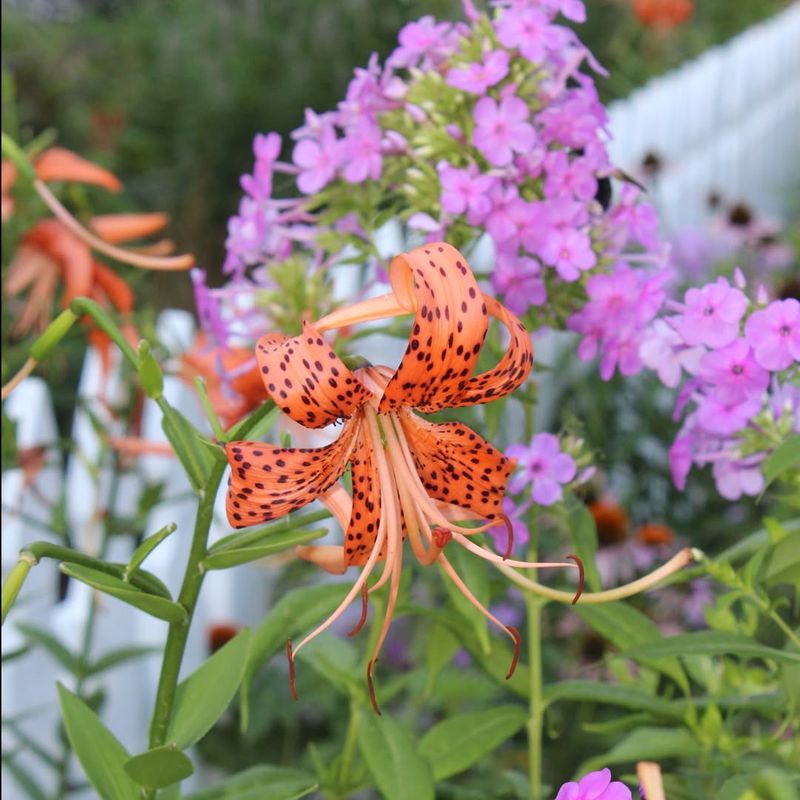
Orange petals covered with dark spots create an unmistakable look that’s been gracing North Carolina gardens for generations. Their wild appearance adds a cottage garden charm that formal varieties can’t match.
Recurved petals curve backward dramatically, fully exposing the prominent stamens.
This distinctive form makes them instantly recognizable even from a distance.
They spread enthusiastically through underground bulbils and small aerial bulbils that form along stems. This vigorous nature means they’ll multiply quickly in favorable North Carolina conditions.
Blooming occurs in mid to late summer, with multiple flowers opening on each stem.
A single established clump can produce dozens of blooms in peak years.
Height typically reaches four to five feet, creating substantial presence without overwhelming smaller companions.
They mix beautifully with purple coneflowers and black-eyed Susans in naturalistic plantings.
Deer rarely bother them, making them ideal for North Carolina properties where wildlife browsing is common.
Their tough constitution handles neglect better than most garden plants.
They tolerate various soil types, from sandy loam to heavier clay. Adaptability explains why they’ve naturalized along roadsides and in old homestead gardens throughout the state.
Dividing clumps every few years prevents overcrowding and maintains flower quality. Excess bulbs transplant easily or make wonderful gifts for fellow gardeners.
Their nostalgic appeal connects modern North Carolina gardens to historic landscapes. Many older residents remember them from childhood, making them sentimental favorites.
Combining them with other summer bloomers creates vibrant, low-maintenance displays. Their reliability and carefree nature suit busy gardeners who want beauty without constant fussing.
6. Martagon Lilies
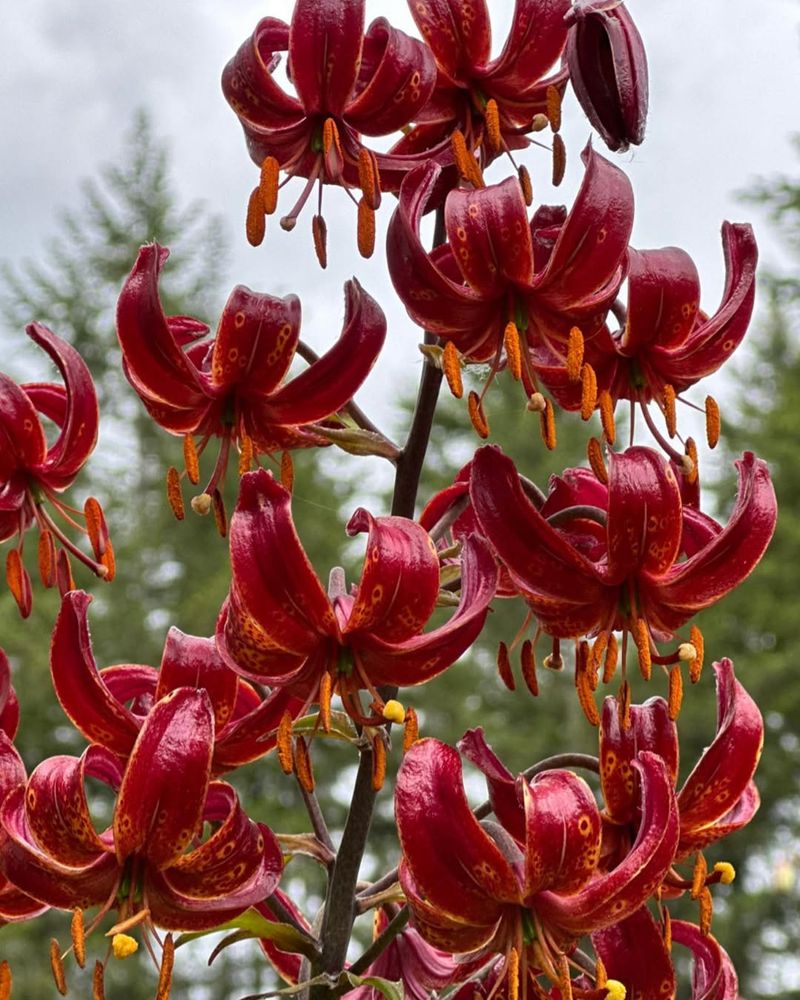
Woodland charm defines these unique lilies with their distinctive downward-facing flowers.
North Carolina gardeners seeking something different find them absolutely captivating.
Blooms appear in early summer, featuring tightly recurved petals in shades of pink, purple, white, or maroon. Each stem carries numerous flowers arranged in whorls, creating a chandelier effect.
They prefer shadier conditions than most lily types, making them perfect for North Carolina gardens with mature trees. Dappled light throughout the day suits them beautifully.
Establishing them requires patience, as they may take two or three years to bloom after planting.
Once settled, however, they return reliably for decades with minimal care.
Their foliage grows in distinctive whorls around the stem, adding architectural interest even before flowers appear. This unique leaf arrangement helps identify them easily.
Cool, moist soil with plenty of leaf mold or compost creates ideal growing conditions.
Mimicking their native woodland habitat produces the healthiest plants in North Carolina gardens.
Height ranges from three to six feet depending on variety and growing conditions.
Taller types create stunning vertical accents in shaded borders.
They rarely suffer from common lily diseases, showing impressive resistance to botrytis and other fungal problems. This natural toughness makes them valuable for organic gardeners.
Their subtle beauty suits naturalistic garden styles better than formal landscapes. Pairing them with ferns, hostas, and native woodland wildflowers creates harmonious combinations.
North Carolina gardeners willing to provide proper conditions will be rewarded with years of enchanting blooms. Their unusual appearance never fails to generate conversation and admiration from visitors.
7. Madonna Lilies
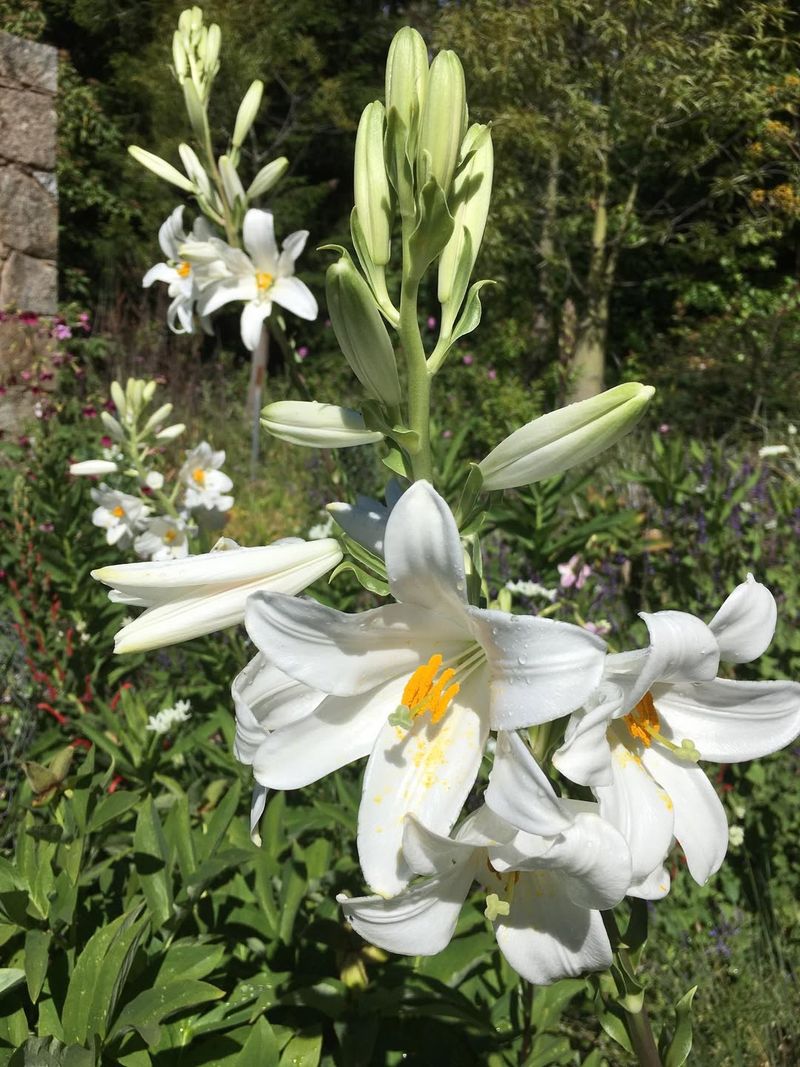
Pure white trumpets have symbolized purity and grace for thousands of years, appearing in religious art and ancient gardens.
North Carolina gardeners continue this tradition by including them in their landscapes.
Bloom time arrives earlier than most varieties, typically in late May or early June.
Their pristine flowers appear before summer heat becomes intense.
Unlike other lilies, they produce basal foliage in fall that persists through winter. This unusual growth pattern requires different planting timing, with late summer being ideal.
Fragrance is powerful and sweet, perfuming entire garden areas during their bloom period.
A small grouping provides enough scent to enjoy from considerable distance.
They prefer alkaline to neutral soil, which differs from most lily preferences.
Adding lime to acidic North Carolina soils helps them thrive.
Full sun exposure produces the strongest stems and most abundant flowers.
They tolerate heat better than their delicate appearance might suggest.
Height reaches three to four feet, making them suitable for mid-border positions. Their elegant white flowers stand out beautifully against dark green backgrounds.
They resent disturbance once established, so choose planting locations carefully. Moving them often results in several years without blooms.
Historical significance adds special meaning to North Carolina gardens with heritage themes. They connect modern landscapes to centuries of gardening tradition.
Combining them with blue delphiniums or purple salvias creates classic color schemes. Their timeless beauty elevates any planting combination throughout the state.
8. Woodland Lilies (Native Types)
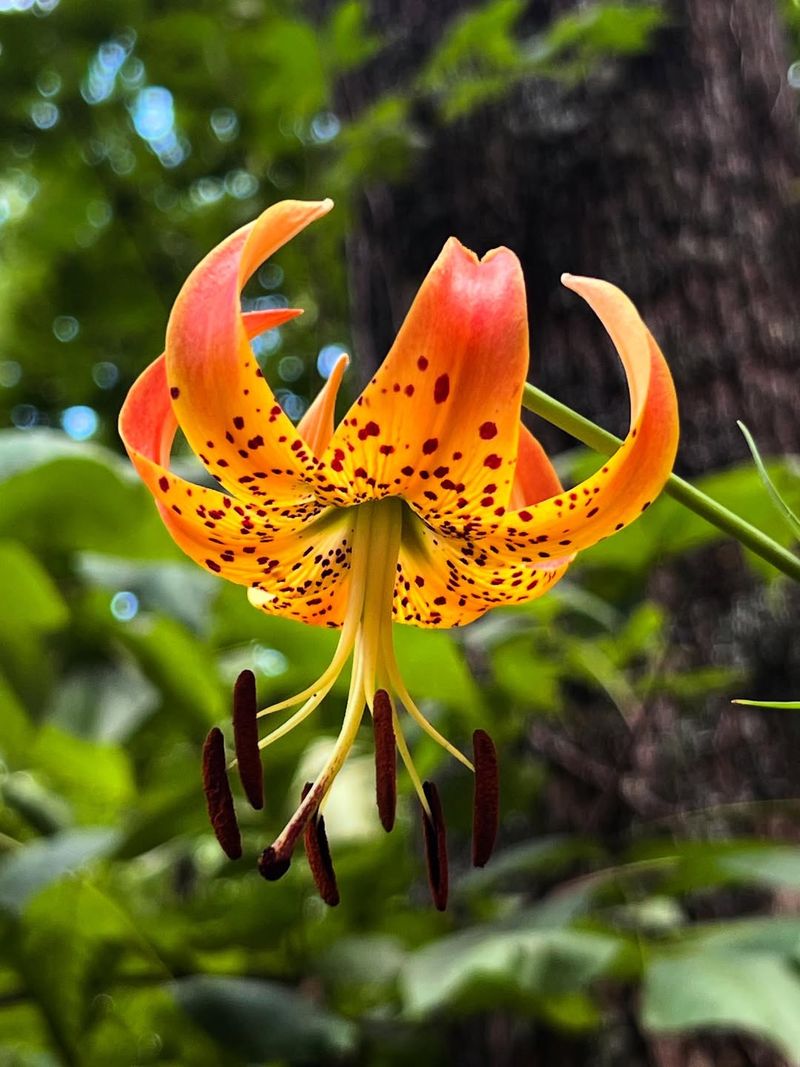
North Carolina’s native species bring ecological value along with natural beauty to gardens throughout the state.
Supporting local ecosystems while creating stunning displays makes them doubly rewarding.
Carolina lily grows wild in mountain meadows and along woodland edges, featuring orange-red flowers with recurved petals.
Its adaptability to regional conditions makes establishment straightforward.
Turk’s cap lily thrives in moist areas, producing nodding orange blooms spotted with brown. It naturalizes beautifully along stream banks or in rain garden settings.
Gray’s lily, a rare native species, deserves protection and cultivation in appropriate North Carolina gardens. Its reddish flowers with yellow centers are truly special.
These natives support pollinators, including native bees and butterflies that evolved alongside them. Creating habitat for beneficial insects benefits entire garden ecosystems.
They require less intervention than hybrid varieties, having adapted to regional climate and soil conditions over millennia.
This natural fitness translates to easier maintenance.
Propagating them from seed takes patience but helps increase populations of rare species. Sharing seedlings with other North Carolina gardeners supports conservation efforts.
Combining native lilies with other indigenous plants creates authentic regional landscapes. Bloodroot, trillium, and wild ginger make excellent companions.
Their seasonal cycle perfectly matches North Carolina’s climate patterns.
They emerge, bloom, and go dormant in sync with natural weather rhythms.
Purchasing from reputable nurseries that propagate rather than wild-collect ensures ethical sourcing. Never remove plants from wild populations.
Celebrating North Carolina’s botanical heritage through native lily cultivation connects gardens to the broader natural landscape. Their understated beauty reflects the authentic character of regional ecosystems.
9. LA Hybrid Lilies
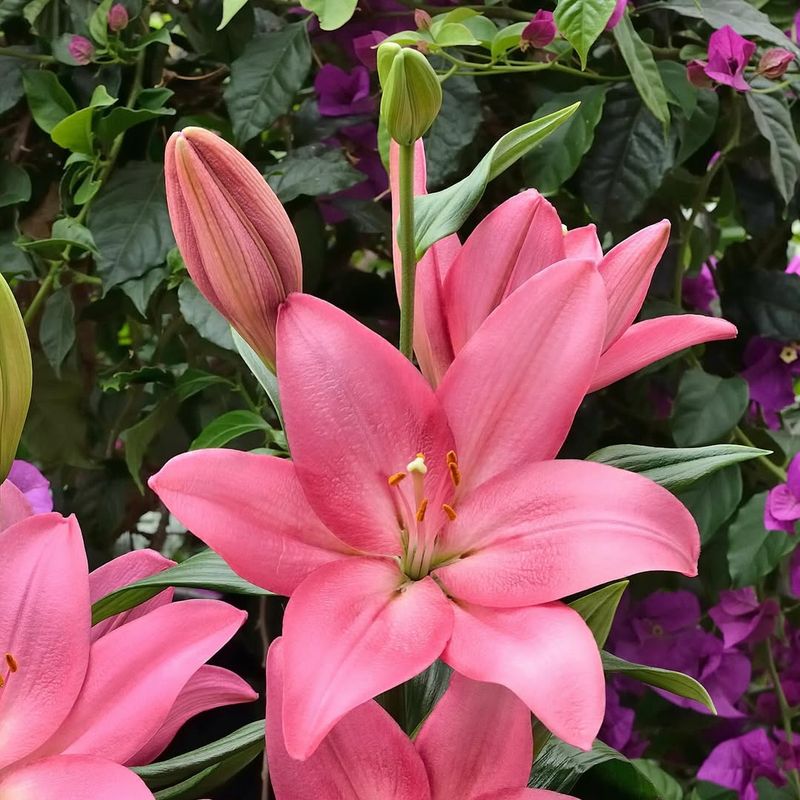
Crossing Longiflorum and Asiatic types produced these versatile performers that excel in North Carolina gardens. Their hybrid vigor results in strong plants with abundant flowers.
Blooms appear in early to mid-summer, featuring upward-facing flowers in bold colors.
Shades include vibrant red, orange, yellow, pink, and white, often with contrasting centers.
Flower size is notably larger than standard Asiatic varieties, creating more visual impact. Individual blooms can reach six inches across when growing conditions are optimal.
They handle North Carolina’s heat and humidity better than many lily types.
Their resilience makes them excellent choices for beginning gardeners building confidence.
Stems grow three to four feet tall, perfect for middle positions in mixed borders.
They also perform beautifully in large containers on sunny patios.
Their growth rate is impressive, with bulbs often producing multiple stems in their second year.
This quick establishment provides faster results than slower varieties.
Cut flower production is exceptional, with long-lasting stems perfect for arrangements. Commercial growers throughout North Carolina appreciate their vase life and shipping durability.
They multiply steadily without becoming invasive, gradually forming attractive clumps. Dividing every four to five years maintains vigor and flower quality.
Disease resistance is notably strong, with good tolerance for common fungal issues. This natural toughness reduces the need for chemical interventions.
Pairing them with ornamental grasses or purple perennials creates dynamic color contrasts. Their bright blooms energize any North Carolina garden composition with reliable summer color.