Oregon Gardeners: Here’s How To Grow Sweet, Juicy Blueberries
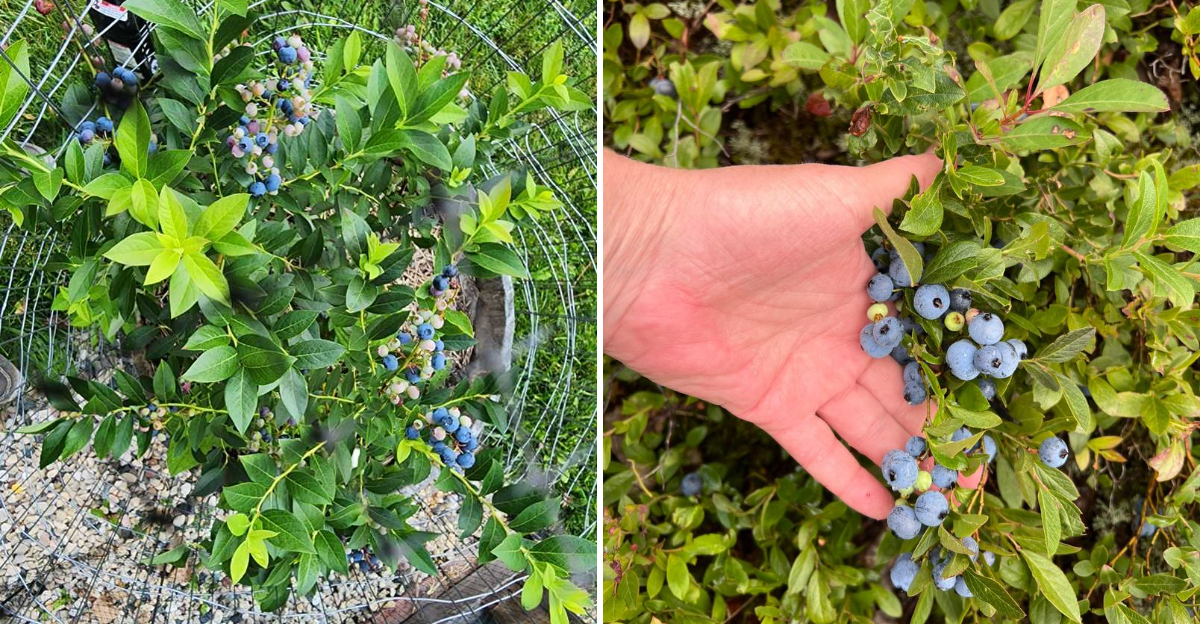
Blueberries are a favorite for Oregon gardeners, and it’s easy to see why. There’s nothing quite like stepping into your yard and picking sweet, juicy berries straight from the bush.
With the right care, these plants can reward you with bountiful harvests year after year.
Oregon’s climate is ideal for blueberries. Our mild winters, moderate summers, and acidic soils create perfect conditions for these plants to thrive.
Even if you’ve never grown blueberries before, they’re surprisingly forgiving and can flourish in both small yards and larger gardens.
Success comes down to a few key factors: choosing the right varieties, planting in the right spot, and giving your bushes consistent care. With a little attention to soil, watering, and pruning, you can enjoy plump berries that taste better than anything from the store.
Whether you’re planting your first blueberry bush or expanding your existing patch, knowing the basics makes all the difference.
With the right approach, your yard can become a little berry paradise, ready to harvest from spring through summer.
Choosing Blueberry Varieties That Love Oregon’s Climate
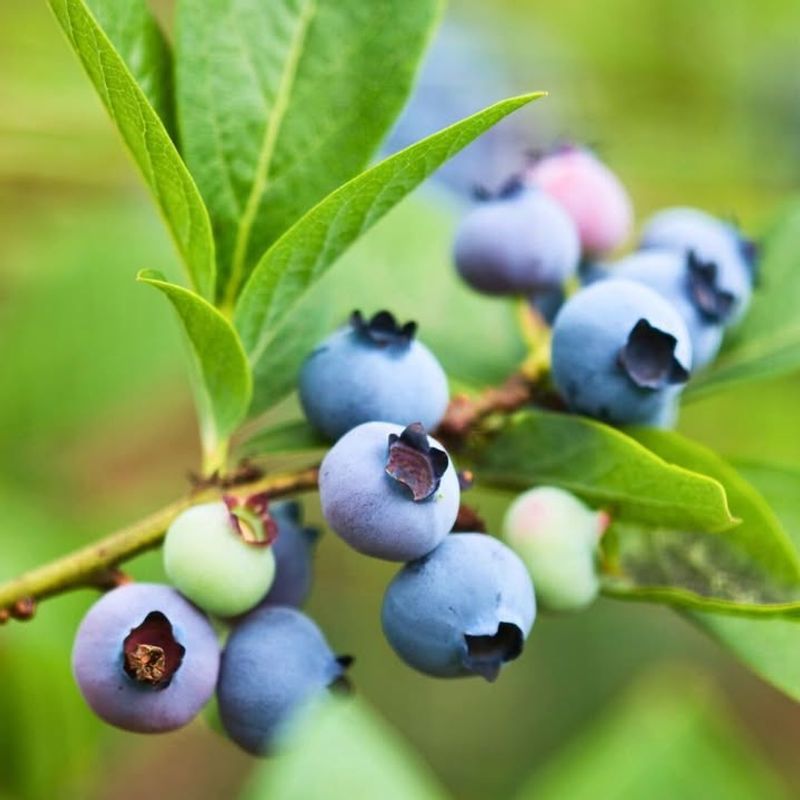
Walking through a local nursery in spring, you’ll notice dozens of blueberry varieties with names like Duke, Bluecrop, and Legacy. Not all of them are created equal for our cool Pacific Northwest springs and mild summers.
Selecting varieties that match Oregon’s climate zones ensures your plants establish quickly and produce abundant, flavorful fruit year after year.
Northern highbush varieties are your best bet across most of Oregon because they handle our chilly winters and don’t require extreme summer heat to ripen properly.
Early-season types like Duke and Patriot start producing in late June, while mid-season varieties such as Bluecrop and Legacy extend your harvest into August.
Planting at least two different varieties improves cross-pollination, which leads to larger berries and heavier yields.
Consider your specific microclimate when choosing plants. If you garden in the Willamette Valley, you have more flexibility with variety selection than gardeners in higher elevations or coastal areas.
Coastal growers should focus on varieties that tolerate more moisture and cooler summer temperatures. Inland gardeners can experiment with slightly heat-tolerant types but should still prioritize northern highbush genetics.
Matching variety to location isn’t just about survival; it directly impacts sweetness and juice content.
When plants thrive in conditions they’re bred for, they channel energy into fruit quality rather than stress responses, giving you those plump, sweet berries you’re after.
Preparing Acidic Soil The Right Way
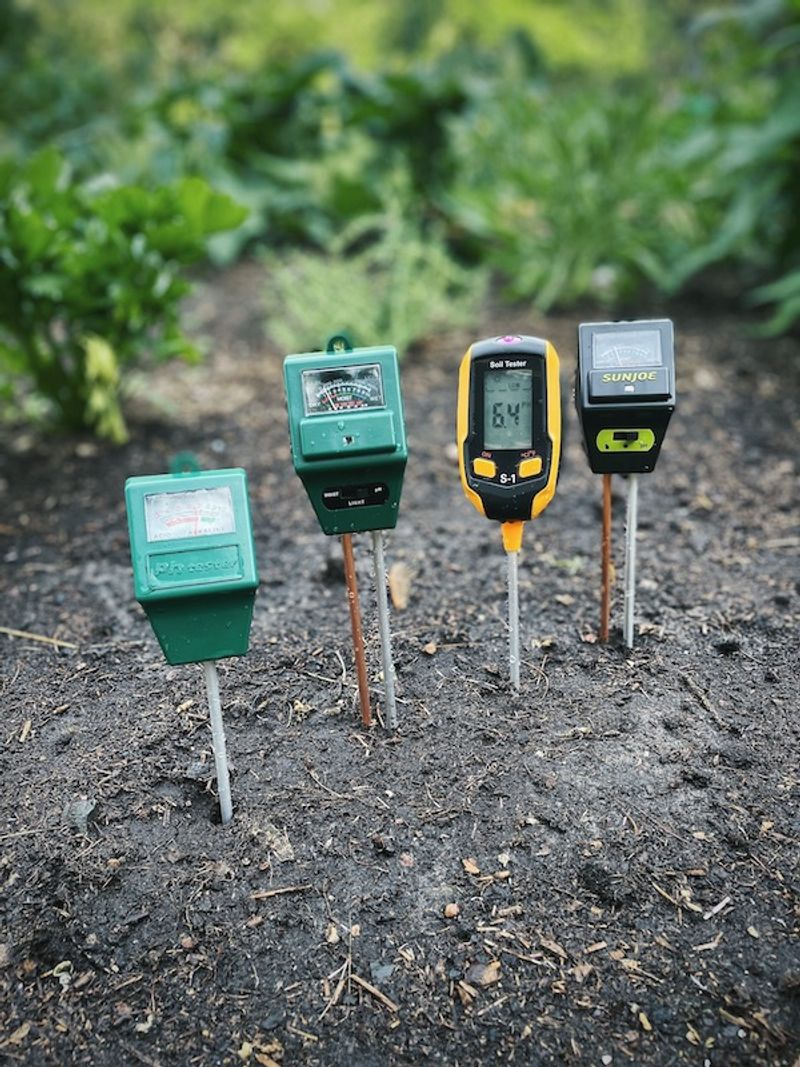
One of the biggest mistakes new berry growers make is assuming all Oregon soil is automatically perfect for acid-loving plants.
While many areas have naturally acidic conditions, urban fill dirt, amended garden beds, and certain regions can have neutral or even alkaline pH levels.
Testing your soil before planting saves you months of frustration and weak growth.
Blueberries need soil pH between 4.5 and 5.5 to absorb nutrients properly, especially iron. When pH climbs above 6.0, plants develop chlorosis, which shows up as yellowing leaves with green veins, and fruit production drops significantly.
Your Oregon Garden Changes Every Week. Your Plan Should Too.
Gardening in Oregon changes quickly throughout the season. Every Friday you’ll receive a simple weekly plan showing exactly what to plant, prune, fertilize, harvest, and protect so you never miss the right timing.
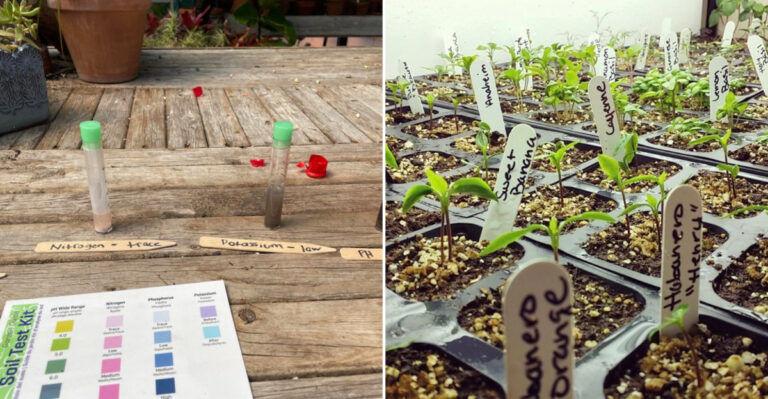
You can pick up an inexpensive soil test kit at any garden center or send a sample to Oregon State University’s soil lab for detailed analysis.
If your pH is too high, work in elemental sulfur several months before planting to gradually lower it. Adding peat moss, composted pine bark, or conifer sawdust also helps acidify soil while improving drainage and organic matter content.
Mix amendments thoroughly into the top 12 inches of soil where feeder roots will grow.
For gardeners dealing with heavy clay or poor drainage, building raised beds filled with custom acidic mix is often easier than amending native soil.
A blend of half peat moss and half aged bark or compost creates ideal conditions right from the start, letting your plants establish strong root systems that support sweeter, juicier berries.
Planting Location That Boosts Fruit Quality
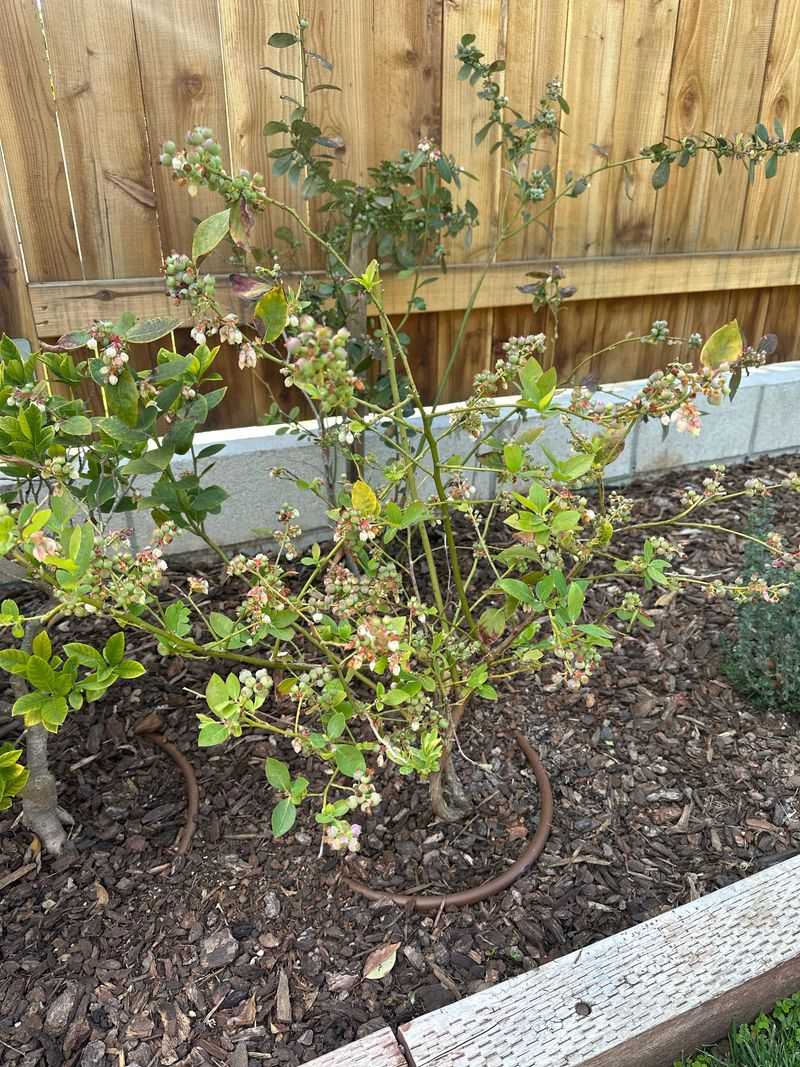
You might think any sunny spot in your yard will work for berry bushes, but location affects everything from ripening speed to final sugar content.
Full sun exposure is critical for developing the sweetest fruit because photosynthesis drives sugar production in developing berries.
Aim for at least six to eight hours of direct sunlight daily, especially during the growing season from April through August.
Avoid planting in low-lying areas where cold air settles on frosty spring mornings. Late frosts can damage blossoms and reduce your harvest significantly, even in mild Oregon springs.
Slightly elevated spots or gentle slopes provide better air drainage and protect tender flowers during those unpredictable April cold snaps.
Wind protection matters more than most gardeners realize. Strong winds dry out plants quickly and can damage delicate new growth and flowers.
Planting near a fence, hedge, or building on the north side offers shelter without creating too much shade. Just make sure air can still circulate to prevent fungal issues common in our damp climate.
Good drainage is non-negotiable for blueberries. Roots sitting in waterlogged soil develop root rot, which weakens plants and ruins fruit quality.
If your site holds water after heavy rain, either build raised beds or choose a different location. Proper drainage combined with full sun creates the foundation for plants that produce consistently sweet, juicy berries year after year.
Watering For Consistent Sweetness
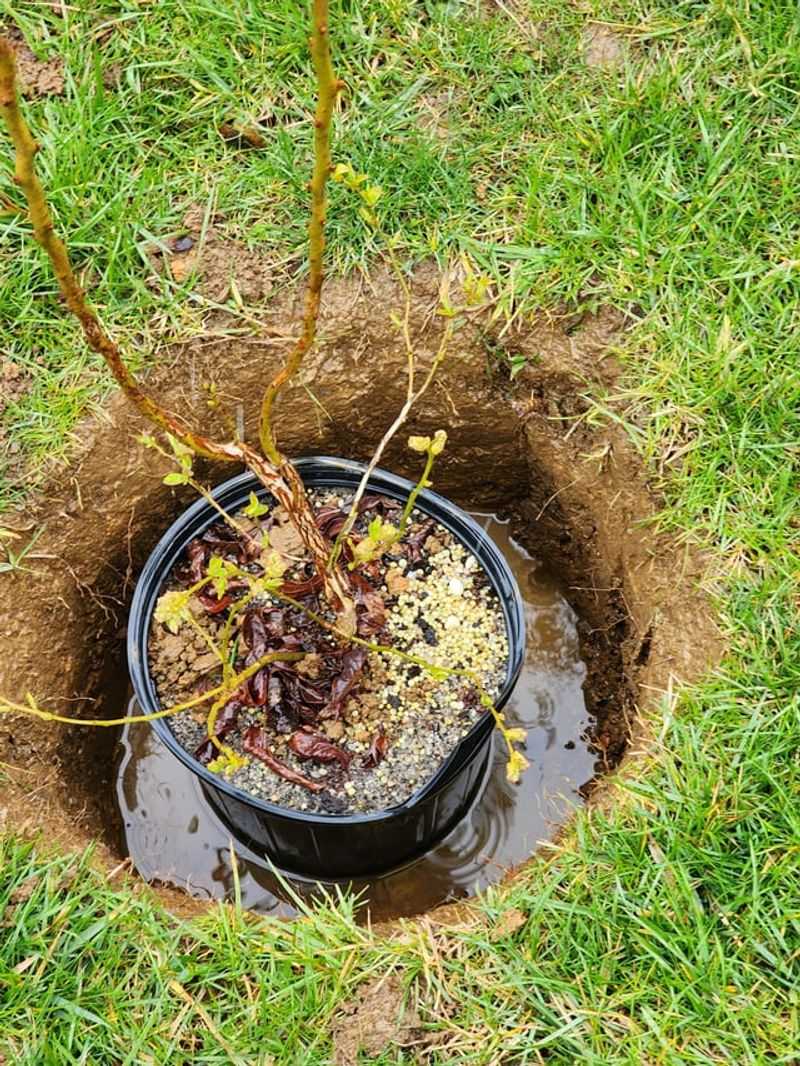
Summer watering practices have a direct impact on how sweet and juicy your harvest tastes.
Many Oregon gardeners assume our rainy climate means berries don’t need supplemental water, but summer drought stress is one of the main reasons berries turn out small, tart, and disappointing.
Consistent moisture during fruit development is essential for plump, flavorful berries.
Blueberry roots are shallow and fibrous, concentrated in the top 12 inches of soil. This makes them vulnerable to drying out quickly during our typically dry summers.
From bloom through harvest, plants need about one to two inches of water per week, either from rain or irrigation. During hot spells, you may need to water twice weekly to maintain even soil moisture.
Drip irrigation or soaker hoses work beautifully for berry patches because they deliver water directly to the root zone without wetting foliage. Overhead watering can promote fungal diseases in our humid mornings, so ground-level watering is safer and more efficient.
Mulch helps retain moisture and reduces watering frequency, which we’ll cover in the next section.
Pay attention to your plants during fruit ripening. If berries start to shrivel or plants wilt slightly during the day, you’re not watering enough.
Stressed plants produce smaller berries with less juice and more acidity. Keeping soil consistently moist but not soggy lets plants focus energy on sugar production, giving you that sweet, juicy flavor that makes homegrown blueberries so special.
Mulching To Protect Roots And Moisture
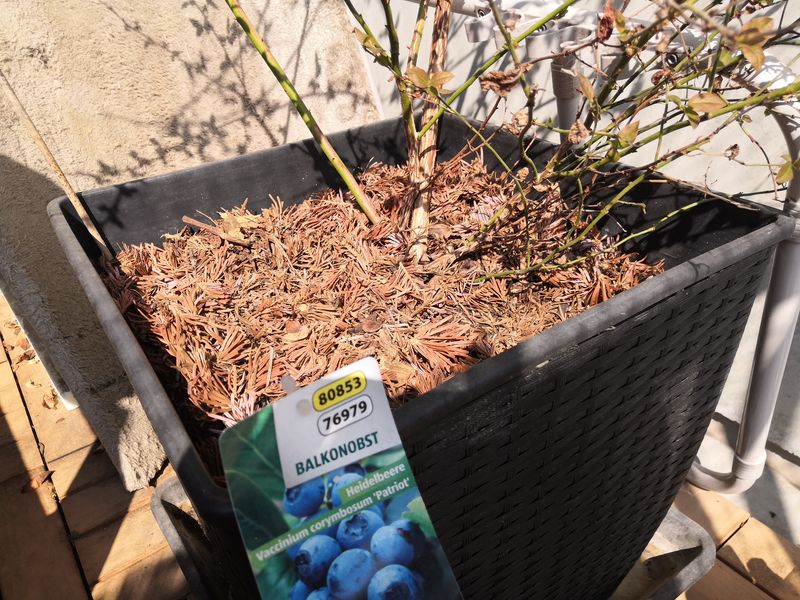
Mulch is one of the simplest yet most effective tools for growing healthier, more productive berry bushes.
A thick layer of organic mulch mimics the natural forest floor conditions where wild blueberries thrive, keeping roots cool, moist, and protected from temperature swings.
It also suppresses weeds that compete for water and nutrients during the growing season.
Wood chips, aged bark, pine needles, or composted sawdust all work well as blueberry mulch. These materials gradually break down and add organic matter to the soil while maintaining acidity.
Apply a 3- to 4-inch layer around plants, starting a few inches from the main stem and extending out to the drip line or beyond. Refresh mulch annually as it decomposes.
Mulching dramatically reduces summer watering needs by slowing evaporation from the soil surface. This is especially helpful during July and August when rainfall is scarce and temperatures peak.
Consistent soil moisture under mulch translates directly to better berry size and sweetness because plants never experience drought stress during critical fruit development stages.
In winter, mulch insulates roots from hard freezes, protecting the shallow root system from damage. While blueberries are hardy in Oregon, extreme cold snaps can injure roots in exposed soil.
A good mulch layer provides year-round benefits that improve plant health and fruit quality with minimal effort on your part.
Feeding Blueberries Without Overdoing It
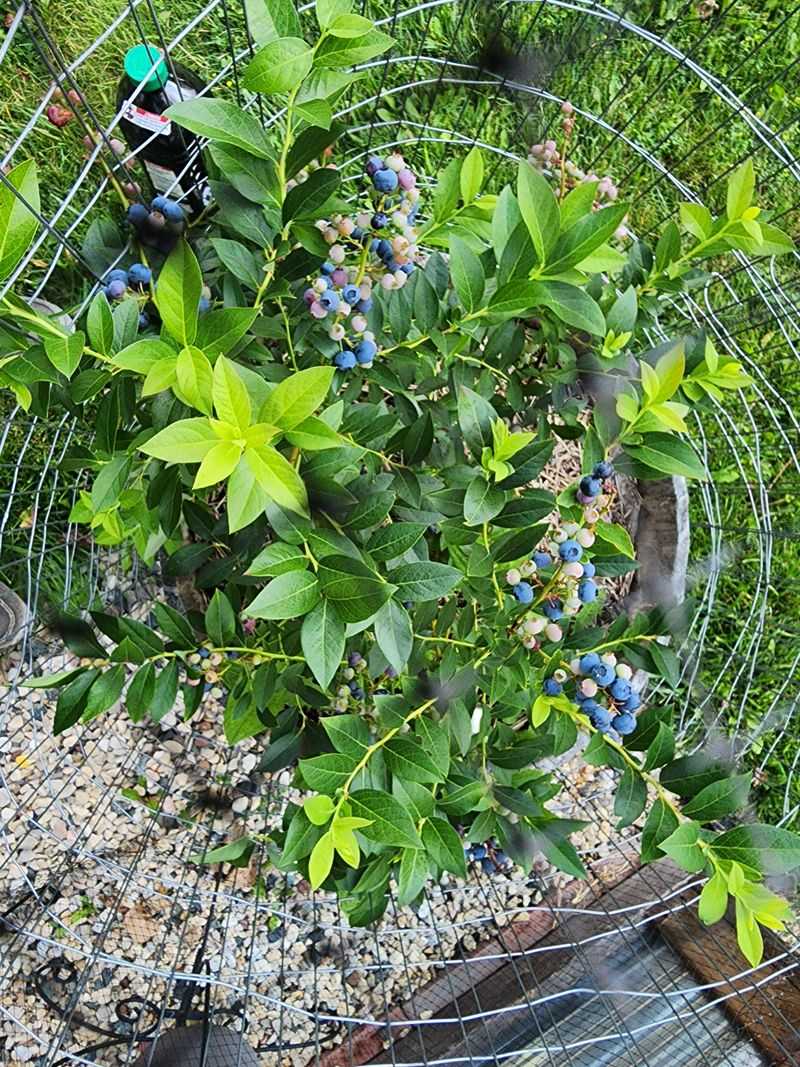
Fertilizing berry bushes seems straightforward until you realize that over-feeding causes more problems than under-feeding. Excessive nitrogen produces lush, dark green foliage at the expense of fruit production and can even burn sensitive roots.
Light, targeted feeding with the right type of fertilizer supports steady growth and sweeter berries without pushing plants too hard.
Use a fertilizer formulated specifically for acid-loving plants, such as azalea, rhododendron, or blueberry food. These products contain the right nutrient ratios and often include sulfur to help maintain low soil pH.
Apply fertilizer in early spring as new growth begins, and consider a second light application in late May if plants seem to need a boost.
Young plants need less fertilizer than mature, established bushes. For the first two years, use about half the recommended rate to avoid overwhelming developing root systems.
Mature plants can handle full-strength feeding, but always follow package directions and avoid fertilizing after mid-summer. Late-season nitrogen encourages tender new growth that won’t harden off before winter, making plants vulnerable to frost damage.
Watch your plants for signs of nutrient deficiency or excess. Pale green leaves may indicate nitrogen deficiency, while yellowing with green veins suggests iron chlorosis from pH issues.
Dark green, overly vigorous growth with few berries means you’re feeding too much. Balanced nutrition supports healthy plants that channel energy into producing those plump, sweet berries you’re growing them for.
Pruning For Bigger Harvests
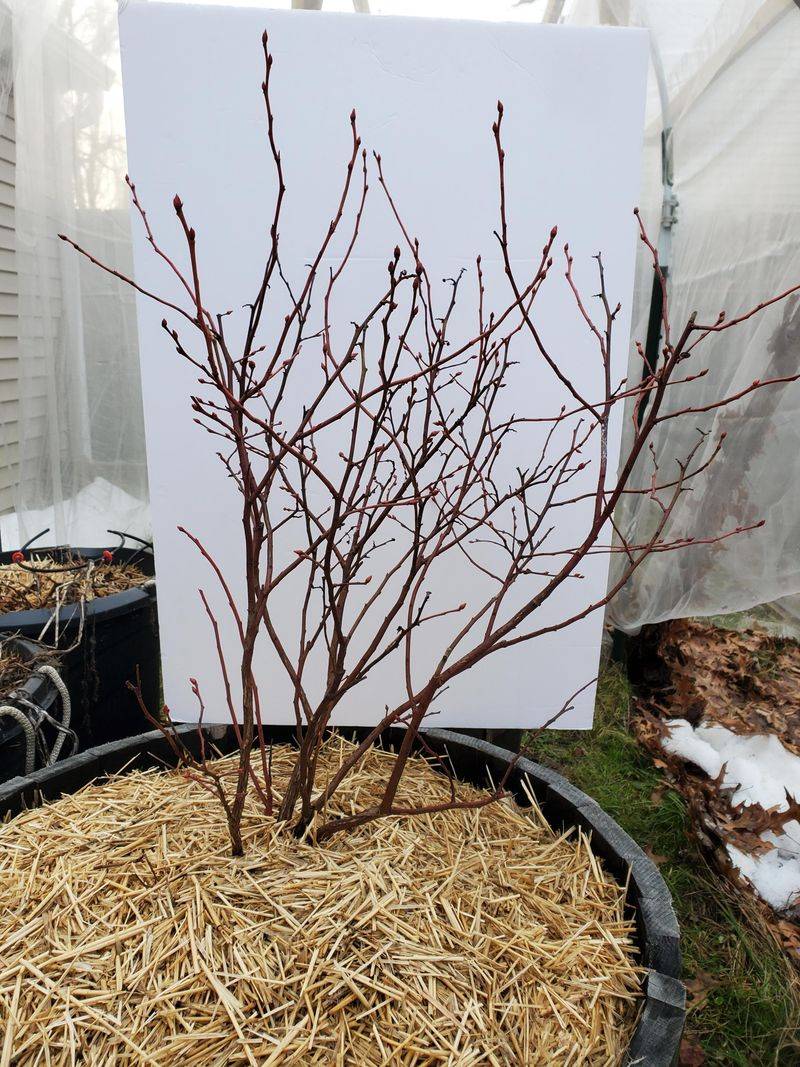
Pruning intimidates many gardeners, but it’s one of the most important practices for maintaining productive, healthy berry bushes. Unpruned plants become crowded with old, weak wood that produces small, sparse fruit.
Strategic pruning opens up the canopy, improves air circulation, and directs plant energy into fewer, larger, sweeter berries instead of masses of tiny ones.
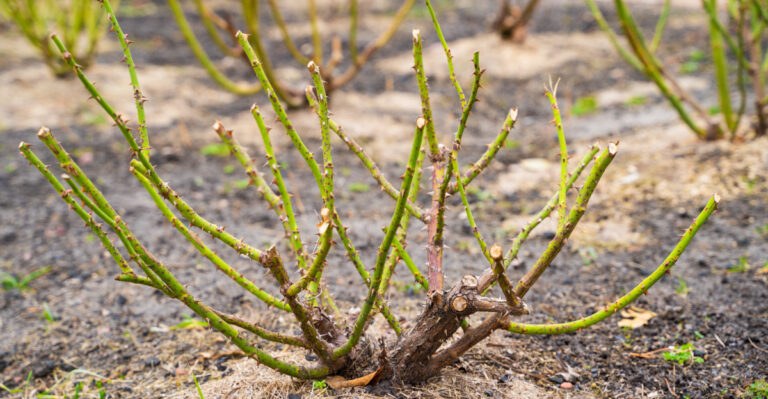
The best time to prune in Oregon is late winter or early spring, from February through early March, before buds break. Start by removing any dead, damaged, or diseased wood.
Then cut out the oldest, thickest canes at ground level, especially those more than six years old. Older wood produces smaller fruit and is more prone to disease.
Aim to maintain four to six healthy canes of varying ages on mature bushes. This creates a cycle where you’re constantly renewing the plant with vigorous young wood while removing unproductive old growth.
Also remove any weak, twiggy growth and low branches that touch the ground, which can harbor pests and disease.
Don’t be afraid to prune hard on established plants. Blueberries respond well to renewal pruning and will reward you with larger, higher-quality berries.
Young plants need minimal pruning for the first three years; just remove any flowers the first year to encourage root and branch development. Once established, annual pruning keeps plants productive and manageable, giving you consistently sweet, juicy harvests year after year.
Protecting Berries From Birds And Wildlife
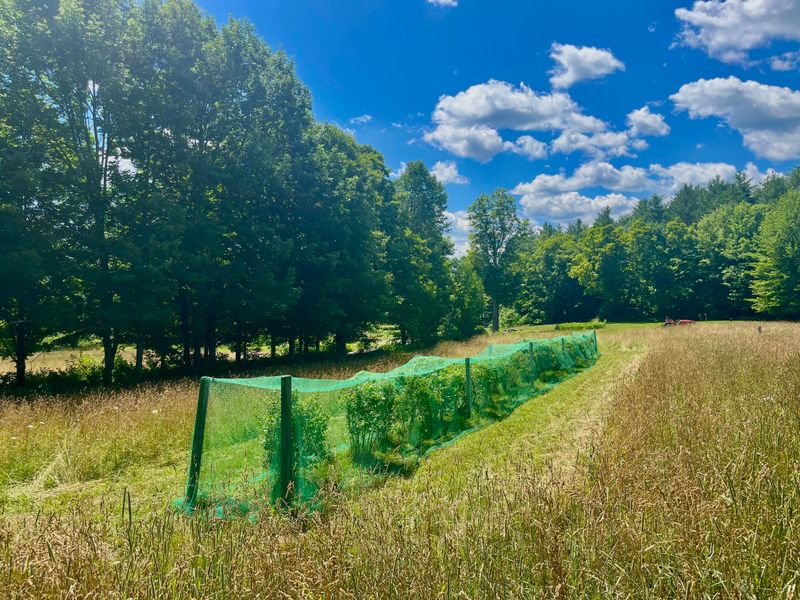
Just as your berries start to ripen and turn that perfect deep blue, you’ll notice you’re not the only one excited about harvest time. Birds, especially robins, starlings, and jays, can strip a bush clean in a matter of hours if you don’t take protective measures.
Deer and raccoons also enjoy ripe berries, making wildlife management a critical part of successful berry growing in Oregon.
Bird netting is the most effective protection method for backyard growers. Drape lightweight netting over bushes or build a simple PVC frame to hold netting above plants, creating a physical barrier birds can’t penetrate.
Secure the bottom edges with landscape staples or weights so birds can’t sneak underneath. Install netting as berries begin to color but before they’re fully ripe.
Scare tactics like reflective tape, fake owls, or motion-activated sprinklers work temporarily but lose effectiveness as birds become accustomed to them. Combining multiple deterrents increases success, but netting remains the gold standard.
Make sure netting has small enough mesh that birds can’t get tangled, which can injure or kill them.
For gardeners dealing with deer, fencing is necessary. A seven-foot fence around your berry patch keeps deer out reliably.
Raccoons are trickier since they climb, but electric fencing or netting secured at the top can deter them. Protecting your crop ensures you get to enjoy the sweet, juicy berries you’ve worked so hard to grow instead of feeding the neighborhood wildlife.
Timing Harvest For Peak Flavor
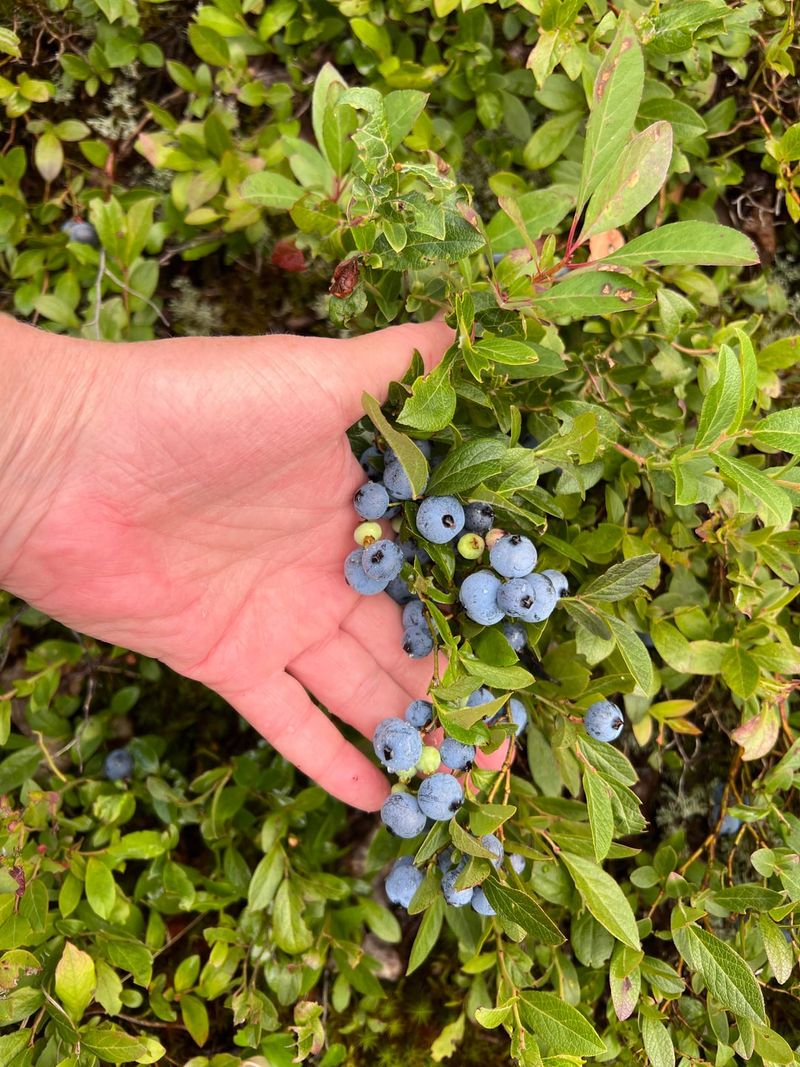
Patience during harvest time makes all the difference between good berries and exceptional ones. Many gardeners pick berries as soon as they turn blue, but color change is just the beginning of the ripening process.
Berries need several more days on the bush after turning blue to develop full sweetness and that juicy, complex flavor that makes homegrown blueberries so much better than store-bought.
Wait at least five to seven days after berries turn blue before harvesting. During this time, sugars continue to concentrate and acids mellow, creating that perfect sweet-tart balance.
Ripe berries will come off the stem easily with a gentle roll of your thumb. If you have to tug, they’re not ready yet.
Harvest every few days during peak season since berries don’t all ripen at once. This regular picking also encourages plants to keep producing.
Pick in the cool morning hours when berries are firmest and most flavorful. Avoid harvesting when berries are wet from rain or dew, as moisture promotes mold during storage.
Taste-test berries from different parts of the bush to gauge ripeness. Berries in full sun typically ripen first, while those in shade take longer.
Each variety has a slightly different flavor profile when fully ripe, so get to know your plants. Proper harvest timing ensures you experience the full sweetness and juice that perfectly ripe, homegrown Oregon blueberries deliver.
Managing Spring Frost Risks
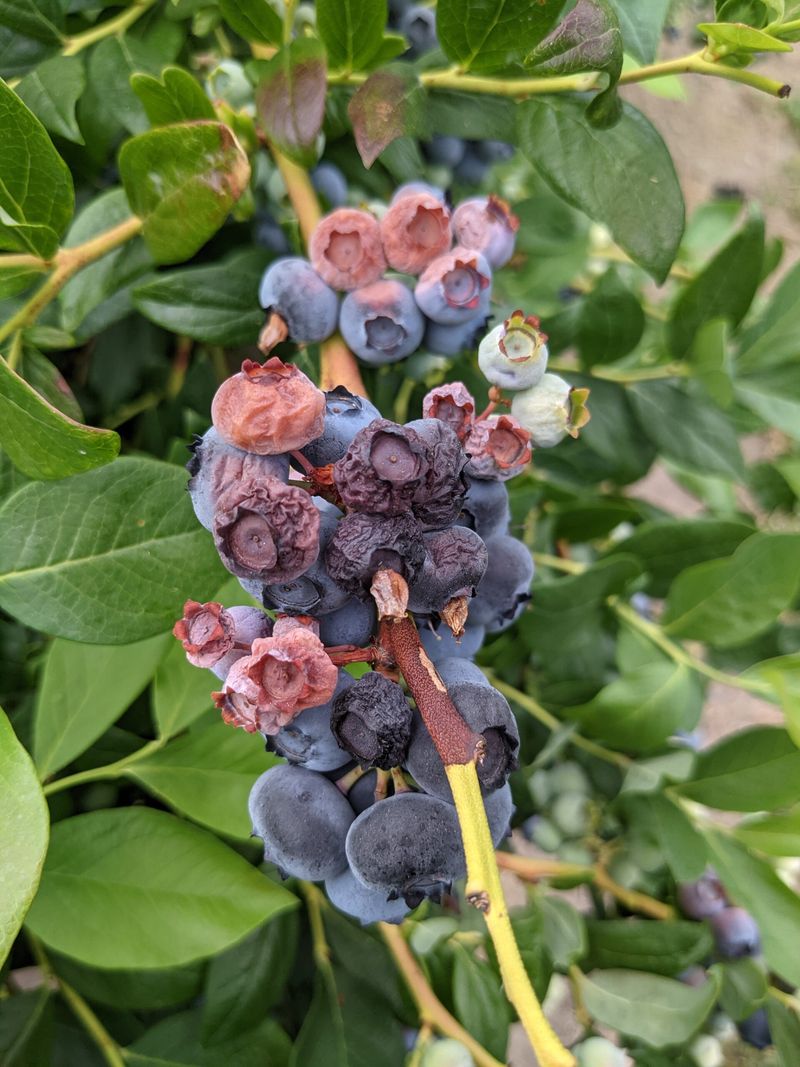
Oregon springs are beautiful but unpredictable, with warm stretches that coax blueberry flowers open followed by sudden cold snaps that threaten blooms. Frost damage during flowering can devastate your crop since damaged flowers won’t develop into berries.
Learning to recognize frost risk and taking simple protective measures can save your harvest in those critical weeks from late March through April.
Blueberry flowers can tolerate light frosts down to about 28°F, but temperatures below that damage the delicate reproductive parts inside the blooms. Open flowers are most vulnerable; tight buds have more cold tolerance.
Watch weather forecasts carefully during bloom time and be ready to act when freezing temperatures are predicted overnight.
For small plantings, covering bushes with frost blankets, old sheets, or even large cardboard boxes provides several degrees of protection. Drape covers over plants in late afternoon and remove them the next morning once temperatures rise above freezing.
Make sure covers reach the ground to trap heat radiating from the soil. Avoid using plastic directly on plants, as it conducts cold and can cause more damage.
Overhead irrigation is another frost protection method used by commercial growers. Running sprinklers during freezing temperatures creates an ice coating that actually insulates flowers at 32°F.
This technique requires precise timing and equipment, so it’s less practical for home gardeners. Site selection remains your best long-term defense; planting in frost-free locations prevents most problems naturally.