Top 10 Apple Trees That Thrive In Oregon Backyards
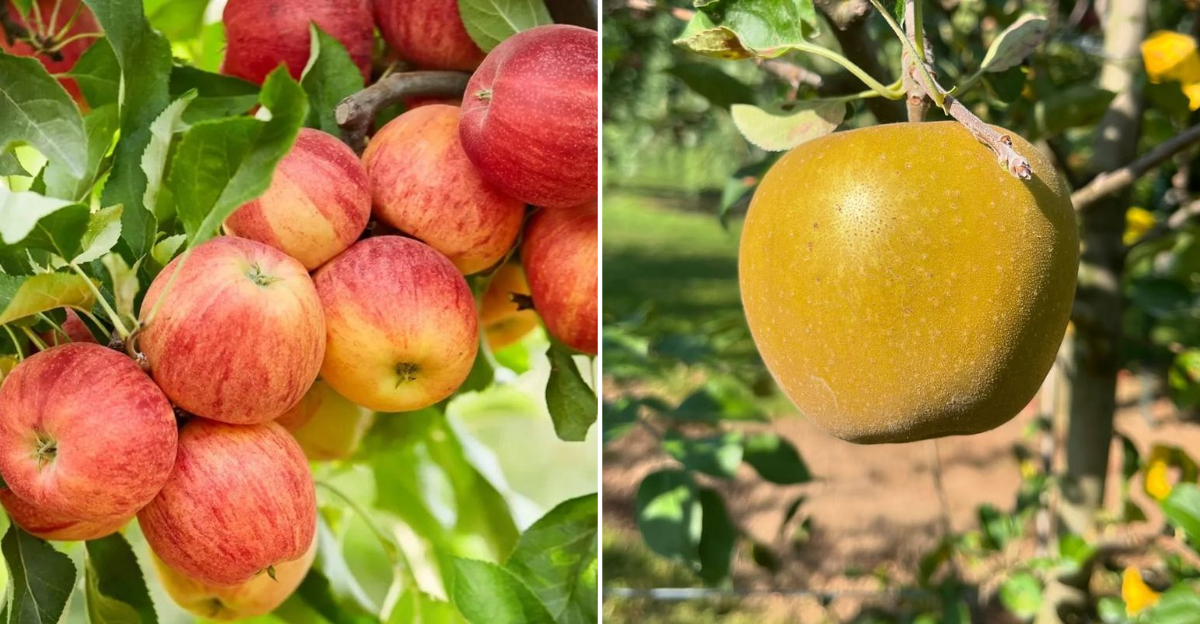
Apple trees can be a beautiful and productive addition to any Oregon backyard. With the right varieties, you can enjoy homegrown apples that are crisp, flavorful, and perfect for snacking, baking, or sharing with friends and family.
Oregon’s climate is especially favorable for apple trees, with mild winters, ample rainfall, and sunny growing seasons that help them thrive.
Even if your yard isn’t huge, there are plenty of compact or dwarf apple tree varieties that fit perfectly into smaller spaces. Choosing the right tree for your soil, sunlight, and space can make all the difference in how well it grows and how many apples you harvest.
Success also comes down to proper planting, care, and maintenance, including watering, pruning, and pest management.
With a little attention, apple trees can produce bountiful crops year after year, giving your garden both beauty and delicious rewards.
Let’s take a look at the top ten apple trees that flourish in Oregon backyards.
Whether you’re starting your first fruit trees or adding to an existing orchard, these varieties are proven performers that make growing your own apples easier, more enjoyable, and especially tasty.
1. Honeycrisp
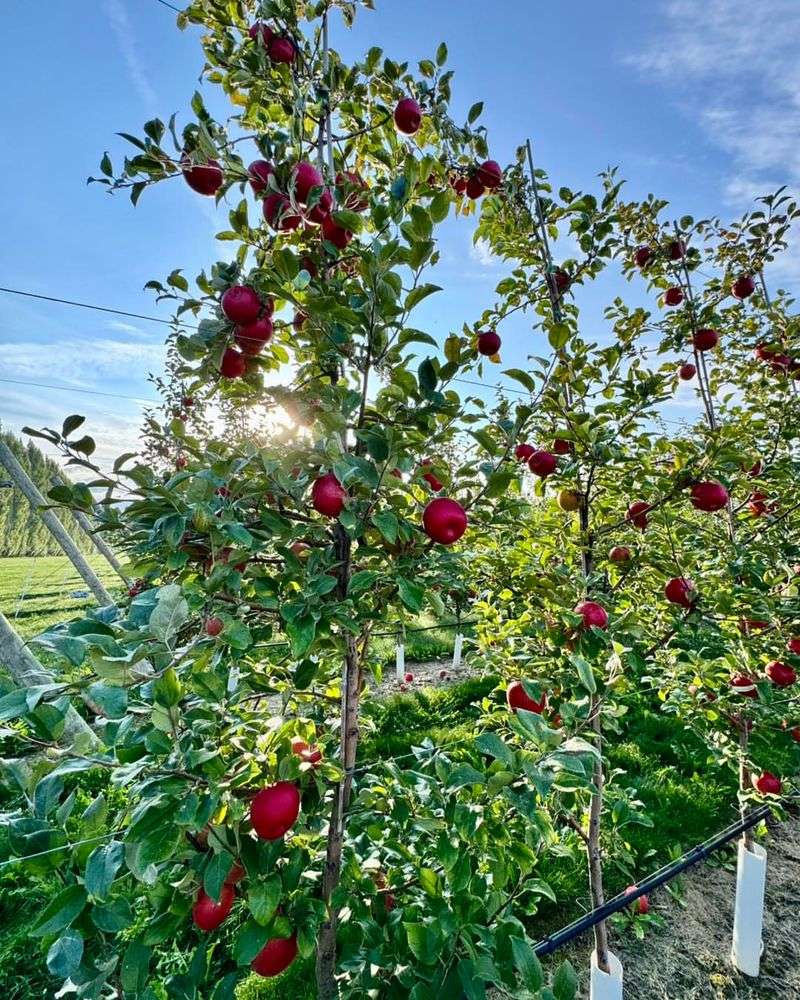
Picture biting into an apple so crisp it practically explodes with juice, and you will understand why backyards across Oregon are planting this variety.
Honeycrisp has become a backyard favorite because it delivers that perfect balance of sweetness and tartness that makes fresh eating irresistible.
Homeowners love watching these apples develop their signature red-and-yellow skin as summer turns to fall.
This variety needs around 800 to 1,000 chill hours, which Oregon provides easily during our cool winter months. It performs especially well in the Willamette Valley and similar regions where temperatures stay moderate.
You will want to plant a pollinator nearby, such as Gala or Fuji, since Honeycrisp needs a partner to set fruit reliably.
Expect your tree to reach about 12 to 15 feet at maturity if you choose a semi-dwarf rootstock, making it manageable for most backyards. Honeycrisp apples ripen in late September and store well in a cool garage or basement for weeks.
The trees do require consistent watering and benefit from annual pruning to keep the canopy open and healthy.
Disease pressure can be moderate, so keeping an eye out for scab and mildew during wet springs is important. Many Oregon growers find that a little extra care pays off when harvest time arrives and bins fill with these coveted apples.
2. Gala
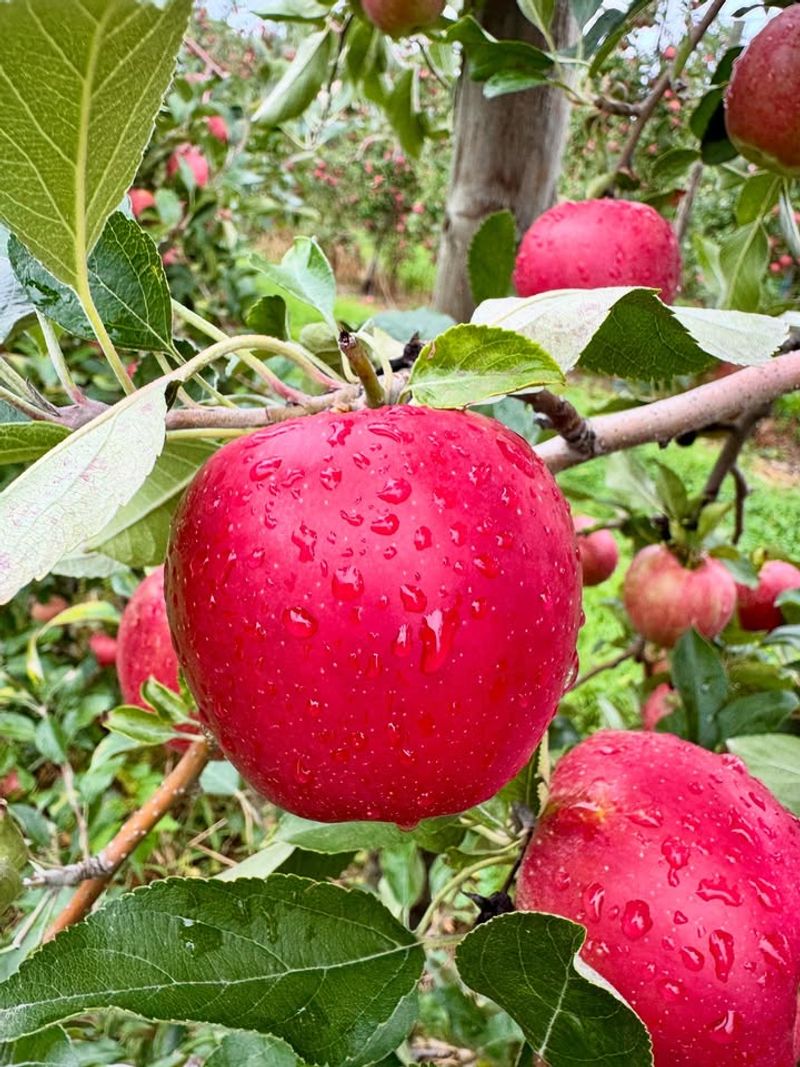
Walk through any Oregon farmers market in early fall and you will see bins of these cheerful red-striped apples drawing crowds.
Gala trees have earned their reputation as one of the most reliable producers for backyard orchards because they adapt beautifully to our climate and rarely disappoint.
Homeowners appreciate how quickly these trees begin bearing fruit, often within just two to three years after planting.
With a chill requirement of about 600 to 800 hours, Gala fits perfectly into Oregon’s winter patterns and thrives in both valley and foothill locations.
The apples ripen in late August to early September, giving you an earlier harvest than many other varieties.
Your Oregon Garden Changes Every Week. Your Plan Should Too.
Gardening in Oregon changes quickly throughout the season. Every Friday you’ll receive a simple weekly plan showing exactly what to plant, prune, fertilize, harvest, and protect so you never miss the right timing.
Their sweet, mild flavor makes them perfect for lunchboxes, salads, and snacking straight from the tree.
Gala trees grow to a moderate size of around 10 to 14 feet on semi-dwarf rootstock, so they work well even in smaller yards. They need a pollinator such as Fuji, Honeycrisp, or Golden Delicious to produce well.
Regular pruning keeps the tree productive and prevents overcrowding of branches.
These trees show good resistance to many common diseases, though you should still watch for fire blight during warm, wet springs.
Gala apples store reasonably well for a few weeks, but their best flavor comes when eaten fresh off the tree during those warm September afternoons.
3. Fuji
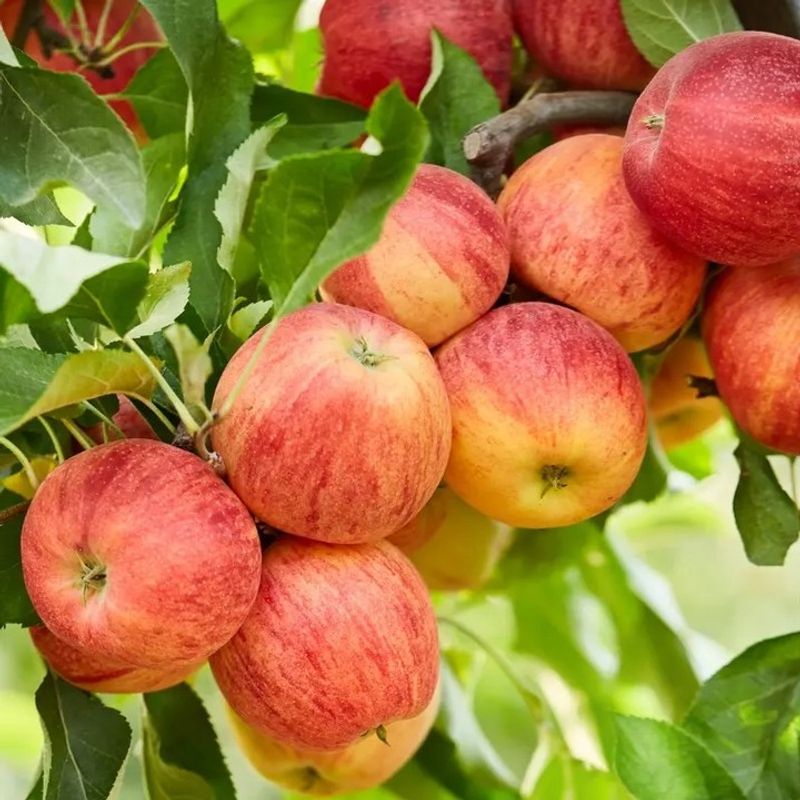
Imagine apples so sweet and crunchy they taste more like candy than fruit, and you have captured what makes this variety a backyard treasure.
Fuji apples have become wildly popular with Oregon homeowners who want a long-lasting harvest that stores beautifully through winter.
These trees produce heavy crops of large, firm apples that develop their best flavor after a few weeks in storage.
Fuji needs about 400 to 500 chill hours, making it one of the lower-chill varieties that still performs exceptionally well in Oregon. This flexibility means it thrives in warmer microclimates and cooler valley areas alike.
The apples ripen late, usually in mid to late October, giving you fresh fruit well into autumn.
Expect a semi-dwarf Fuji tree to reach 12 to 15 feet tall, and plan to provide a pollinator like Gala, Honeycrisp, or Granny Smith. The trees have a spreading growth habit, so annual pruning helps maintain good structure and airflow.
Fuji apples store for months in a cool, dark place, often lasting until spring if kept properly.
These trees show moderate disease resistance, but you should monitor for scab and mildew during Oregon’s wet spring weather.
Homeowners love how Fuji apples hold their texture in baking and salads, and kids adore their super-sweet flavor that never tastes tart or bitter.
4. Gravenstein
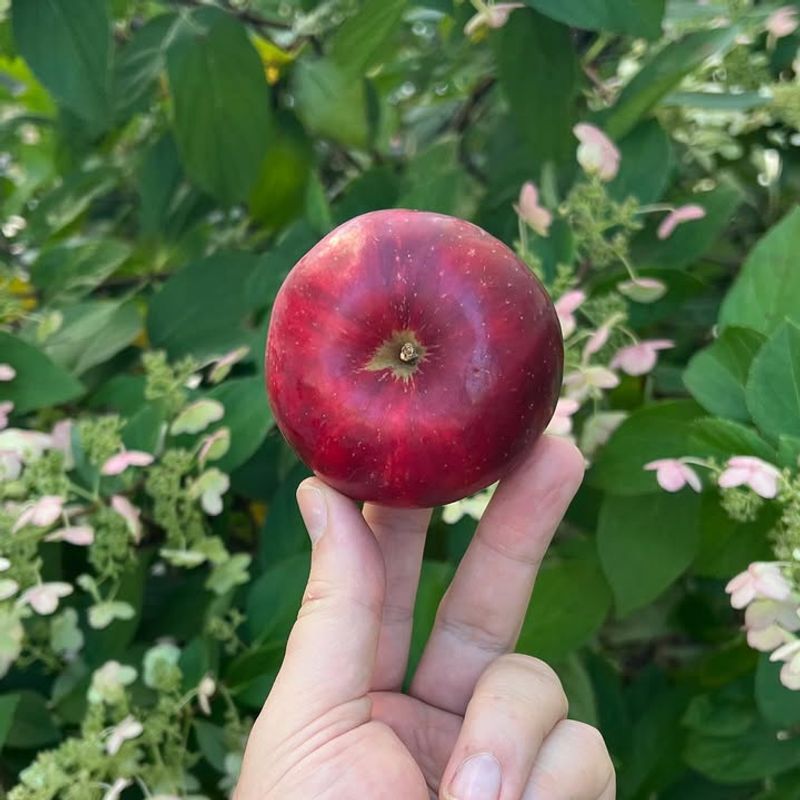
Few apples capture the essence of old-fashioned backyard orchards quite like this heirloom variety that has been growing in Oregon for generations.
Gravenstein produces large, greenish-yellow apples with red stripes that ripen surprisingly early, often by late July or early August.
Homeowners who plant this tree enjoy the earliest apple harvest in the neighborhood, perfect for making pies and applesauce when summer is still in full swing.
This variety needs around 700 to 800 chill hours, which Oregon winters provide without trouble. Gravenstein thrives in the Willamette Valley and coastal regions where cool, moist conditions suit its growth habits.
The apples have a tart, complex flavor that mellows slightly as they ripen, making them ideal for cooking and baking.
Gravenstein trees grow vigorously and can reach 15 to 20 feet on standard rootstock, so choosing a semi-dwarf rootstock helps keep them backyard-sized. You will need a pollinator, and varieties like Gala or Fuji work well.
These apples do not store long, usually lasting only a few weeks, so plan to use them fresh or preserve them quickly.
The trees show moderate disease resistance, and regular pruning keeps the canopy open and productive.
Many Oregon families treasure Gravenstein for its nostalgic flavor and the way it signals the start of apple season each year, filling kitchens with the scent of fresh-baked pies long before other varieties ripen.
5. Liberty
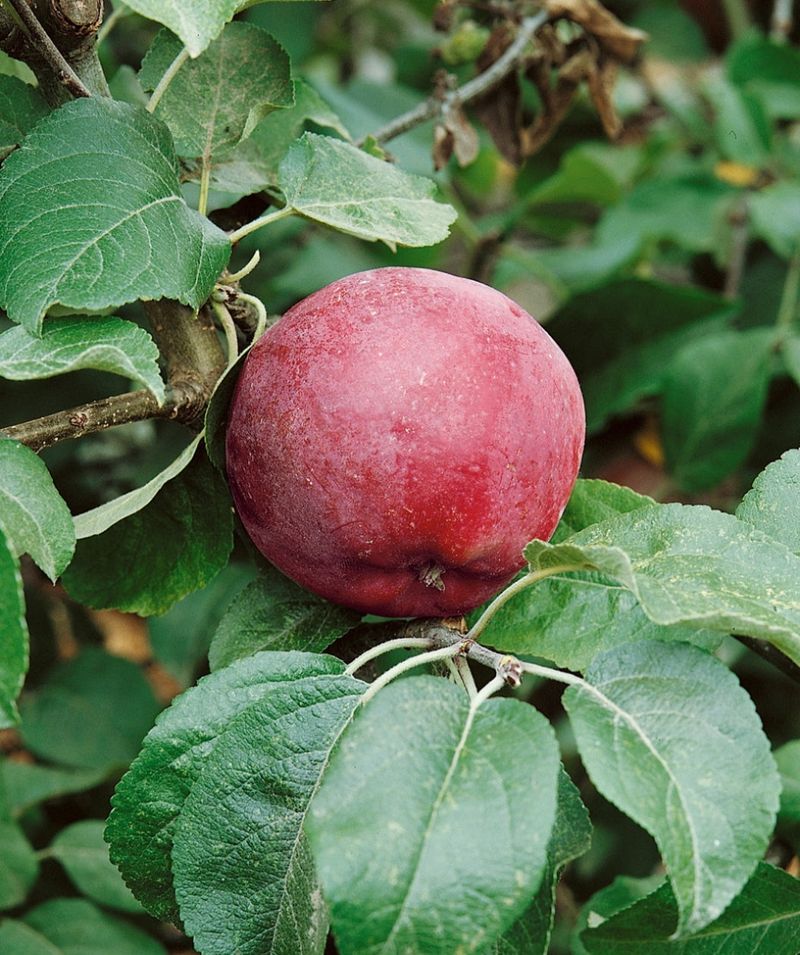
Homeowners who want great apples without battling constant disease problems often turn to this remarkably resilient variety.
Liberty was bred specifically for disease resistance, and it shows outstanding tolerance to scab, mildew, and fire blight, making it a low-maintenance choice for Oregon backyards.
The apples are medium-sized with deep red skin and a sweet-tart flavor that works beautifully for fresh eating and cooking.
Liberty needs about 800 to 900 chill hours, perfectly suited to Oregon’s climate zones. The apples ripen in mid to late September, giving you a reliable fall harvest.
Because of its strong disease resistance, this tree requires less spraying and fussing than many other varieties, which appeals to organic growers and busy families alike.
A semi-dwarf Liberty tree typically grows to 12 to 15 feet tall and benefits from a pollinator such as Honeycrisp, Gala, or Fuji. The trees have a naturally upright growth habit, so pruning focuses on opening the center and removing crossing branches.
Liberty apples store well for several weeks in a cool place, maintaining their crisp texture and flavor.
Homeowners appreciate how Liberty trees produce consistent crops year after year without the drama that comes with more finicky varieties. The apples may not be as flashy as Honeycrisp, but their reliability and disease resistance make them a smart choice for anyone wanting homegrown fruit without constant orchard chores and chemical interventions.
6. Golden Delicious
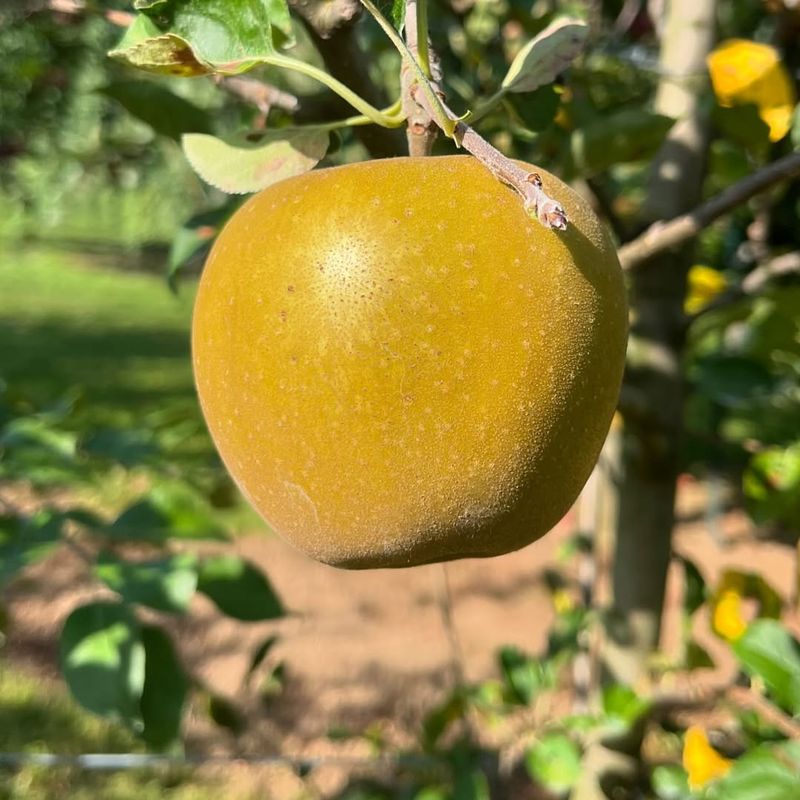
There is something wonderfully dependable about a tree that produces sweet, golden apples year after year without demanding constant attention. Golden Delicious has been a backyard staple for decades because it adapts easily to Oregon’s climate and produces heavy crops of versatile apples.
Homeowners love how these apples work equally well for fresh eating, baking, and making applesauce that needs little added sugar.
This variety needs around 700 to 800 chill hours, fitting comfortably into Oregon’s winter climate. The apples ripen in late September to early October and develop their best sweetness after hanging on the tree for a few extra days.
Golden Delicious also serves as an excellent pollinator for many other apple varieties, making it a valuable addition to any backyard orchard.
Expect a semi-dwarf tree to reach about 12 to 15 feet tall, and plan to provide moderate spacing for good airflow. While Golden Delicious can self-pollinate to some degree, planting a partner like Gala or Fuji increases yields significantly.
The apples store well for several weeks and maintain their sweet flavor and firm texture.
These trees show moderate disease resistance, though scab can be an issue during wet Oregon springs. Regular pruning keeps the tree productive and prevents overcrowding.
Many Oregon families consider Golden Delicious a must-have variety because of its reliability, sweetness, and the way it enhances pollination for other trees in the yard.
7. Braeburn
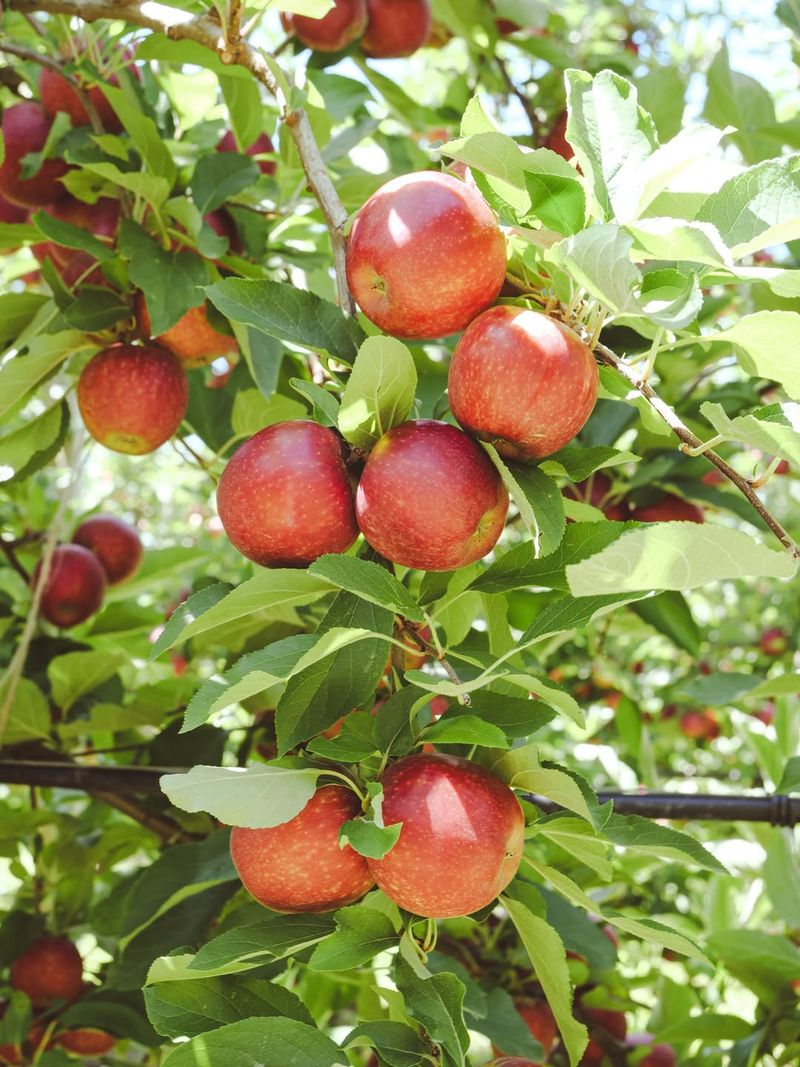
When you want an apple with bold flavor that stands up to cooking and tastes incredible fresh, this New Zealand variety delivers consistently in Oregon backyards.
Braeburn apples have a distinctive sweet-tart flavor with spicy undertones that make them a favorite for pies, crisps, and eating out of hand.
Homeowners appreciate how the apples develop rich red and orange coloring as they ripen in the cool fall air.
Braeburn needs about 800 to 900 chill hours, which Oregon provides reliably. The apples ripen late, usually in mid to late October, and they benefit from staying on the tree as long as possible to develop full flavor.
This variety performs especially well in the Willamette Valley and other regions with warm, sunny fall days that enhance color and sweetness.
A semi-dwarf Braeburn tree grows to around 12 to 15 feet tall and needs a pollinator such as Gala, Fuji, or Granny Smith. The trees have a spreading growth habit, so annual pruning helps maintain structure and encourages productive fruiting wood.
Braeburn apples store exceptionally well, often lasting several months in a cool, dark place without losing their crisp texture.
These trees show moderate disease resistance, and you should watch for scab during wet spring weather.
Homeowners love how Braeburn apples hold their shape when baked and add complex flavor to fresh cider blends, making them a versatile and rewarding choice for Oregon orchards.
8. Jonagold
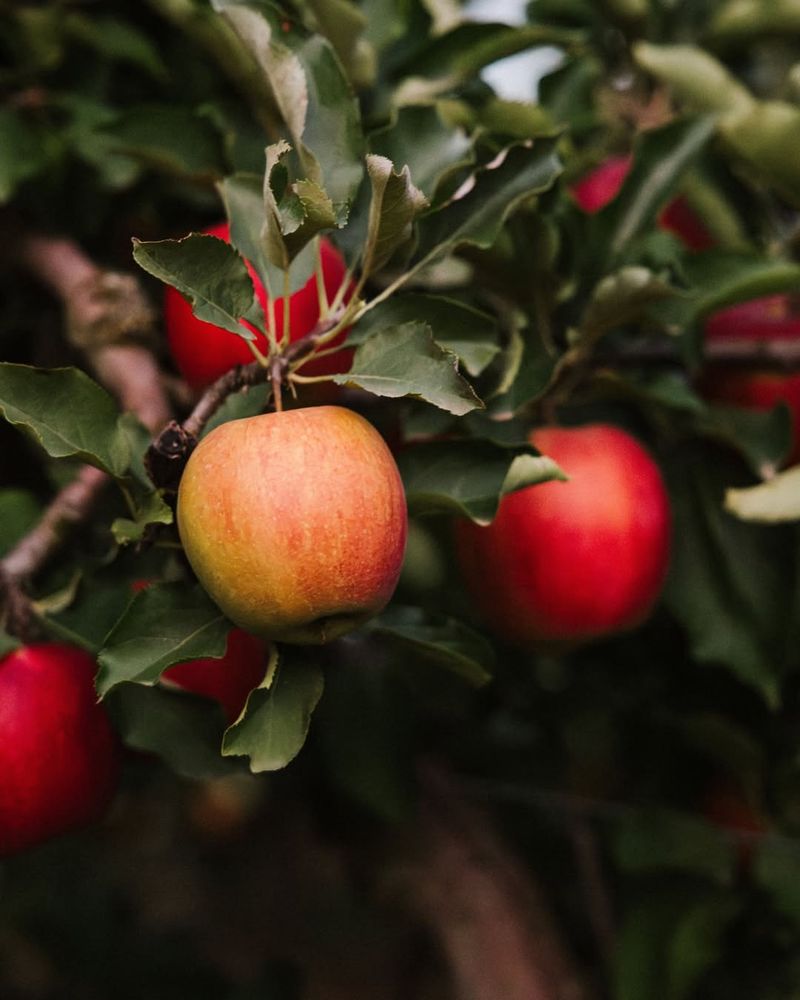
If you could cross the best qualities of two legendary apples, you would get this outstanding variety that combines Jonathan’s tartness with Golden Delicious sweetness.
Jonagold produces large, beautiful apples with yellow skin blushed with red that ripen in late September.
Homeowners rave about the balanced flavor that makes these apples perfect for everything from fresh snacking to baking pies that taste like autumn itself.
Jonagold needs around 700 to 800 chill hours, making it well-suited to Oregon’s climate. The apples grow large, often reaching impressive sizes that make you proud to share with neighbors.
This variety performs best in areas with warm, sunny fall days that help develop full color and sweetness.
Expect a semi-dwarf Jonagold tree to reach 12 to 15 feet tall, and provide a pollinator like Gala, Fuji, or Honeycrisp since Jonagold produces sterile pollen and cannot pollinate other trees.
The trees have a vigorous growth habit, so regular pruning keeps them manageable and productive.
Jonagold apples store well for several weeks in cool conditions and maintain their excellent texture.
These trees show moderate disease resistance, though scab and mildew can appear during wet Oregon springs. Homeowners love how Jonagold apples make outstanding applesauce and cider, and the large fruit size means fewer apples to peel when baking.
This variety rewards you with consistent crops and flavor that never disappoints when fall harvest arrives.
9. Akane
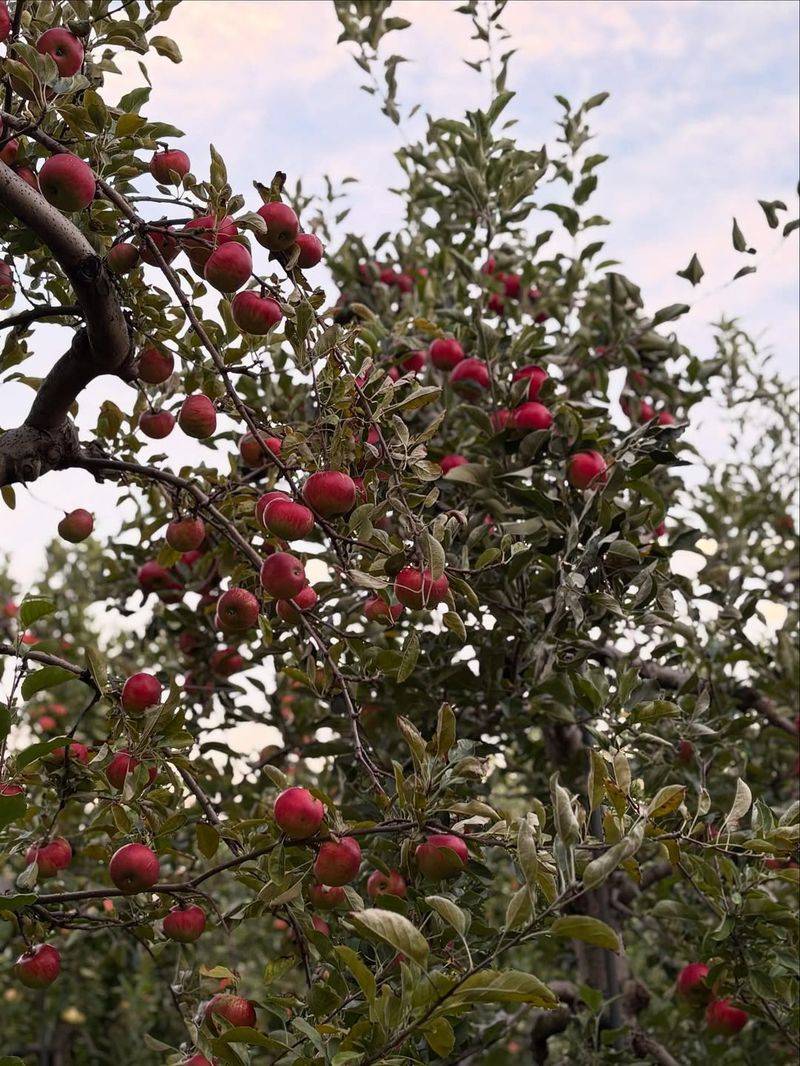
Early apples bring a special excitement to backyard orchards, and this Japanese variety delivers ripe fruit when most other trees are still developing green apples.
Akane produces medium-sized red apples that ripen in late August to early September, giving Oregon homeowners an early taste of fall.
The apples have a sweet-tart flavor with crisp, white flesh that tastes refreshing during those last warm days of summer.
Akane needs only about 500 to 600 chill hours, making it adaptable to various Oregon microclimates including warmer areas. The early ripening means you can enjoy homegrown apples weeks before most other varieties are ready.
This characteristic makes Akane especially appealing for families eager to start their harvest season early.
A semi-dwarf Akane tree typically reaches 10 to 12 feet tall, fitting nicely into smaller backyard spaces. You will need a pollinator such as Gala or Golden Delicious to ensure good fruit set.
The apples do not store long, usually lasting only a few weeks, so plan to eat them fresh or use them quickly for sauce and baking.
These trees show good disease resistance, particularly to scab, which is valuable during Oregon’s wet springs. Homeowners appreciate how Akane trees produce reliable crops without excessive fussing.
The early harvest timing means you can enjoy fresh apples while other varieties are still maturing, extending your overall harvest season and bringing that first taste of autumn to your table sooner.
10. Pink Lady (Cripps Pink)
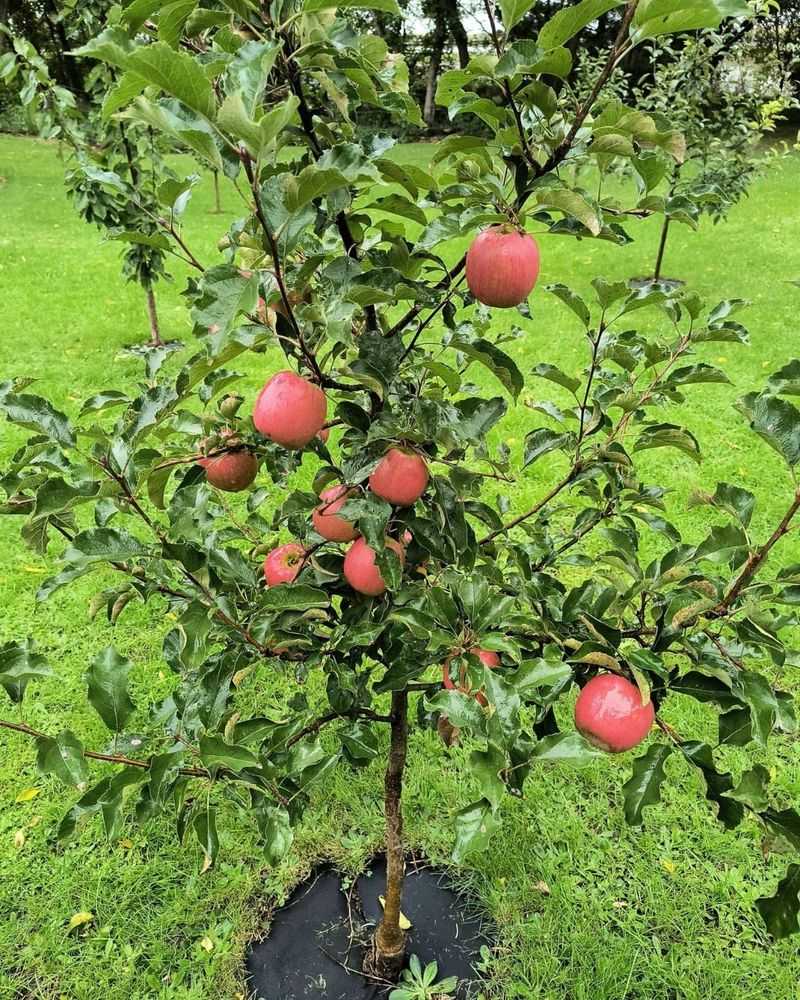
Few apples generate as much excitement as these gorgeous pink-blushed fruits that ripen late and store longer than almost any other variety.
Pink Lady apples have become a backyard favorite because they offer exceptional flavor, beautiful appearance, and storage ability that extends your harvest well into winter.
Homeowners love the sweet-tart taste with a hint of fizz that makes these apples unforgettable for fresh eating.
Pink Lady needs about 600 to 800 chill hours and performs beautifully in Oregon’s climate. The apples ripen very late, usually in late October or early November, and they need a long, warm growing season to develop their signature flavor.
This variety works best in warmer valley locations where fall temperatures stay mild long enough for full ripening.
Expect a semi-dwarf Pink Lady tree to reach 12 to 15 feet tall, and provide a pollinator like Gala, Fuji, or Golden Delicious. The trees have a spreading habit and benefit from annual pruning to maintain structure.
Pink Lady apples store exceptionally well, often lasting four to five months in proper cool storage without losing crispness.
These trees show moderate disease resistance, and you should monitor for common issues during wet spring weather.
Homeowners treasure Pink Lady for its ability to provide fresh, crisp apples long after other varieties have been eaten or lost their quality, making it a perfect choice for extending your homegrown apple season deep into winter months.