These 11 Indoor Plants Can Make The Air In Illinois Homes Healthier For People With Asthma
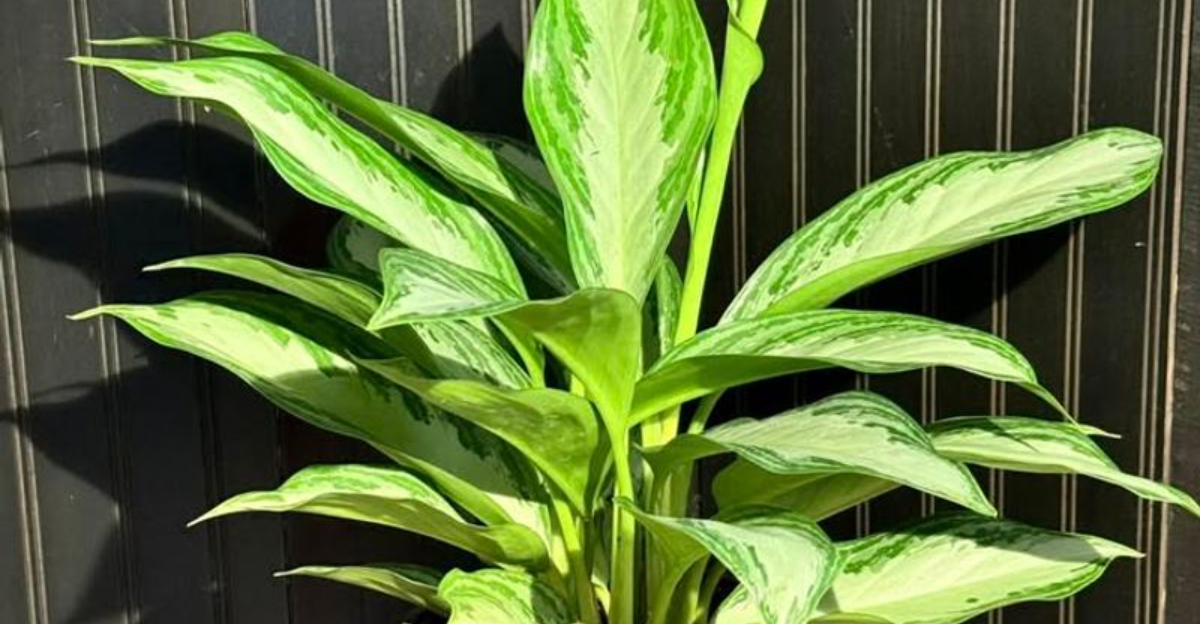
Indoor air quality is especially important for Illinois homeowners managing asthma. Certain houseplants naturally filter toxins, improve humidity, and increase oxygen levels, making indoor spaces healthier and more comfortable.
Breathe easier and enjoy lush greenery at the same time. These plants, including spider plants, peace lilies, snake plants, and Boston ferns, are effective at reducing common indoor pollutants like formaldehyde and benzene.
They thrive in typical indoor conditions, require minimal care, and provide both aesthetic appeal and health benefits.
Proper placement, watering, and light ensure they grow strong and maximize air-purifying effects. Healthy plants can improve indoor air and support respiratory wellness.
Illinois homeowners who incorporate these plants can enjoy cleaner air, reduced allergens, and a more vibrant home environment. Enhance your indoor air quality and bring greenery into your home.
1. Spider Plant (Chlorophytum Comosum)
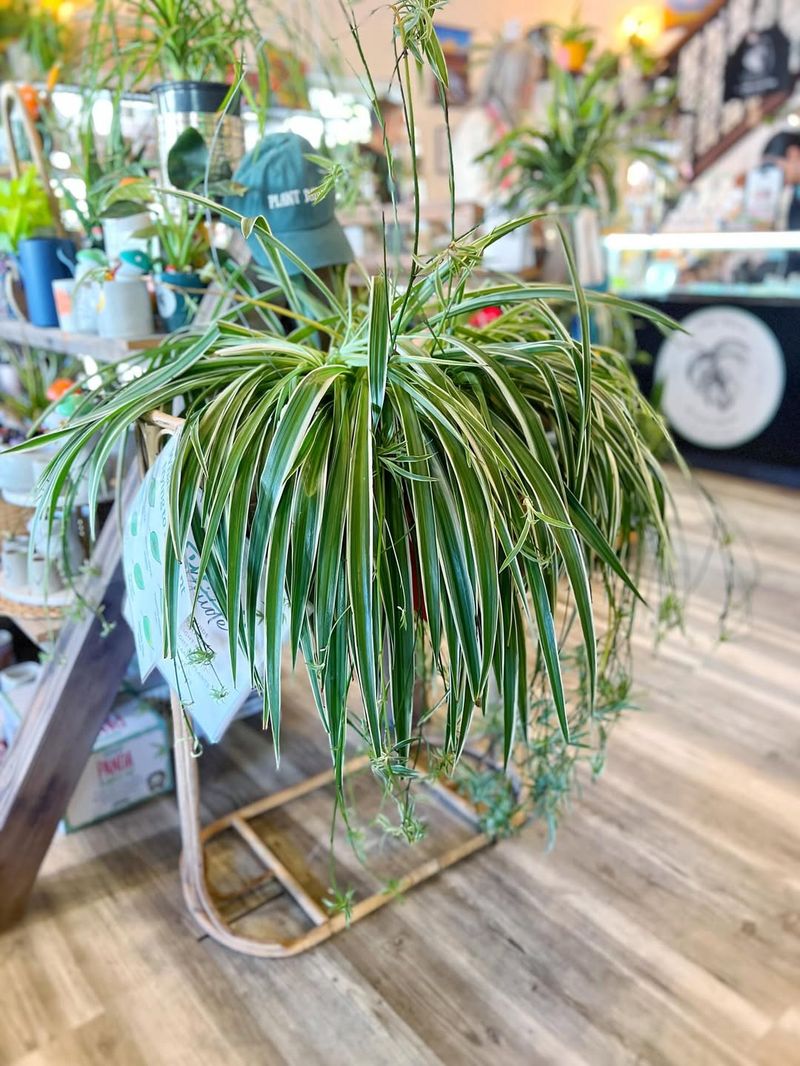
Spider plants are champions when it comes to releasing moisture into the air through a natural process called transpiration. Each long, arching leaf acts like a tiny humidifier, pulling water from the soil and releasing it into your living space.
This helps counteract the bone-dry air that Illinois heating systems create during those frigid winter months.
What makes spider plants particularly valuable for Illinois homes is their incredible tolerance for less-than-perfect conditions. They thrive in low light situations, which is perfect for apartments and homes that don’t get much winter sunlight.
Even when indoor temperatures fluctuate because you’re adjusting the thermostat or opening windows on milder days, spider plants keep growing steadily without complaint.
Their cascading foliage creates visual interest whether you hang them in baskets or place them on shelves. The baby plantlets that dangle from mature plants add charm while also contributing to air moisture levels.
Spider plants require minimal fuss, just occasional watering and they’ll reward you with lush growth that helps maintain comfortable humidity levels throughout the year, making breathing easier for everyone in your household.
2. Peace Lily (Spathiphyllum)
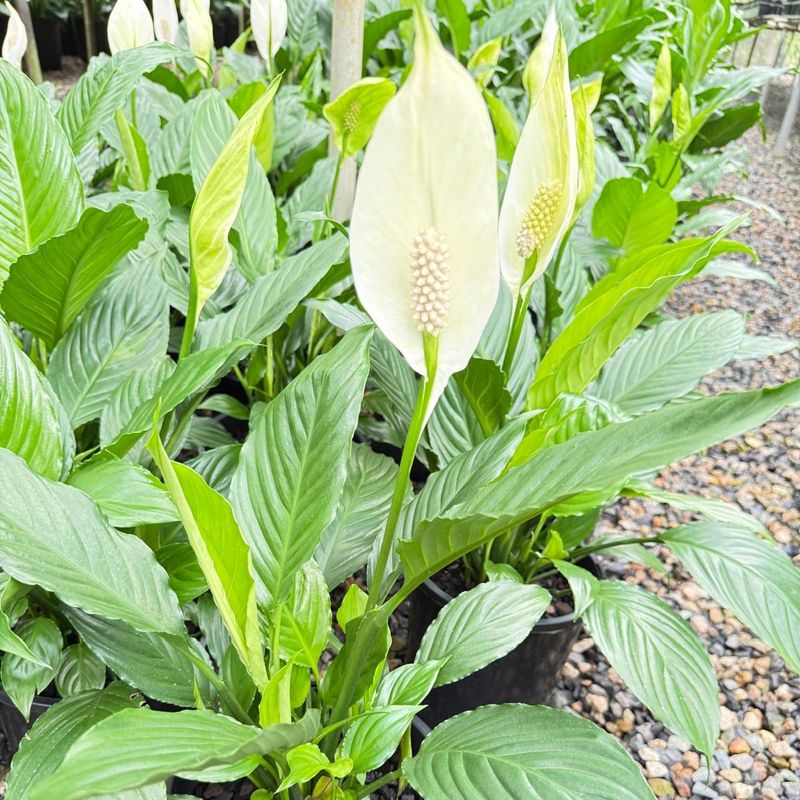
With its elegant white blooms and glossy dark green leaves, the peace lily brings both beauty and functionality to Illinois homes.
This plant excels at releasing moisture into dry indoor air, creating a more comfortable breathing environment during winter when heating systems strip humidity from every room.
The broad leaves work continuously to transpire water, acting as a gentle, natural humidifier that operates silently in the background.
Placement matters significantly for peace lilies, especially during Illinois winters when cold drafts sneak through window frames. Keep your peace lily away from chilly windowsills and doorways where temperature drops could stress the plant and slow its growth.
Instead, choose a spot with moderate, indirect light where temperatures remain fairly consistent throughout the day and night.
Peace lilies communicate their needs clearly by drooping slightly when thirsty, then perking up beautifully after watering. This makes them forgiving companions for busy households.
Their ability to thrive in medium light conditions means you can place them in bedrooms, bathrooms, or offices where they’ll continue supporting indoor air moisture levels without demanding constant attention or perfect growing conditions.
Your Illinois Garden Changes Every Week. Your Plan Should Too.
Gardening in Illinois changes quickly throughout the season. Every Friday you’ll receive a simple weekly plan showing exactly what to plant, prune, fertilize, harvest, and protect so you never miss the right timing.
3. Areca Palm (Dypsis Lutescens)
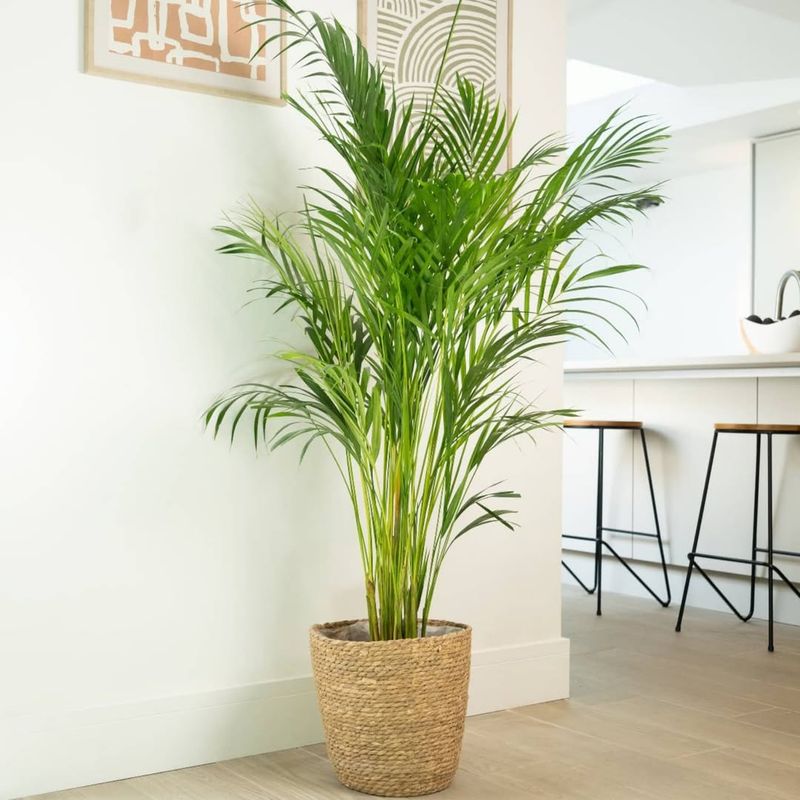
Areca palms have earned their reputation as one of nature’s most effective indoor humidifiers, with their feathery fronds constantly releasing moisture into surrounding air.
A single mature areca palm can transpire up to a liter of water daily, making it particularly valuable during Illinois winters when forced-air heating creates desert-like conditions inside homes.
The numerous leaflets on each frond multiply the surface area available for moisture release, maximizing the humidity benefit.
These tropical beauties prefer bright, indirect light and appreciate being placed away from heating vents that blow hot, dry air directly onto their delicate foliage.
Give your areca palm enough space for air to circulate freely around its graceful fronds, which prevents moisture from becoming trapped and encourages healthy growth patterns. Proper spacing also allows the plant to function more efficiently as a natural humidifier throughout your living area.
Regular misting and consistent watering help areca palms maintain their lush appearance while maximizing their air-moisturizing capabilities.
Their elegant, upright growth habit makes them excellent floor plants for corners or spaces beside furniture where they can grow tall without crowding walkways, all while working steadily to improve indoor air comfort for asthma sufferers.
4. Boston Fern (Nephrolepis Exaltata)
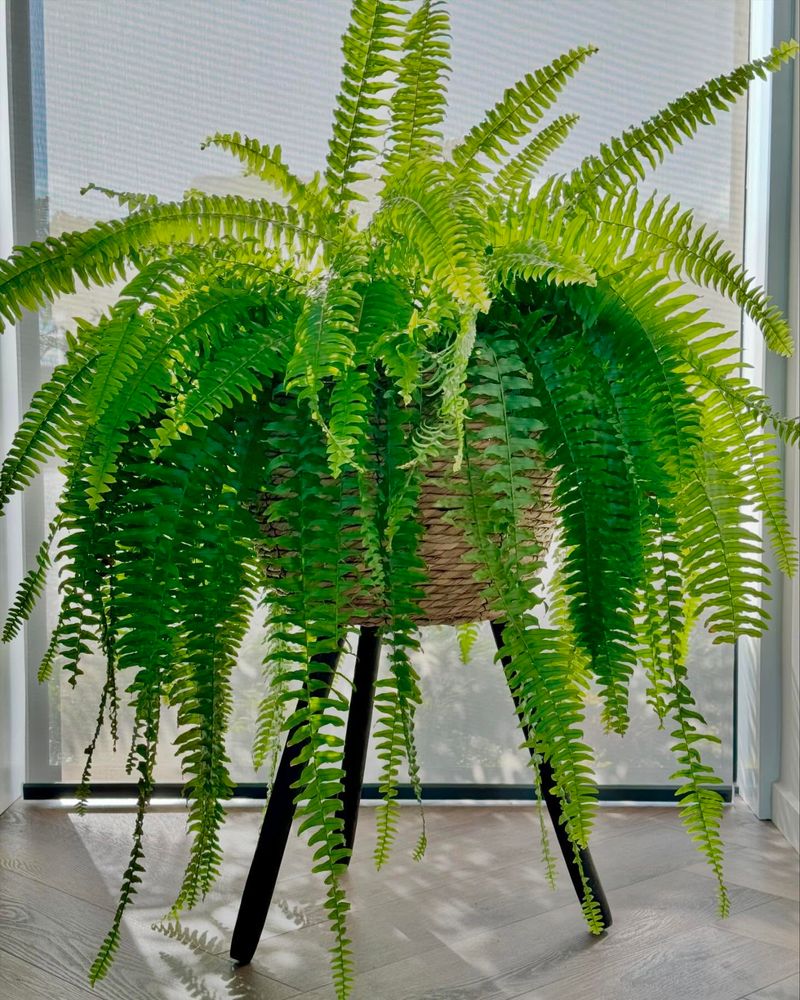
Boston ferns are humidity powerhouses, transpiring more moisture than almost any other common houseplant. Their delicate, feathery fronds contain thousands of tiny leaflets that work together to release water vapor into your home’s air.
For Illinois residents dealing with dry winter conditions that can trigger asthma symptoms, a healthy Boston fern provides significant relief by maintaining moisture levels between 40 and 50 percent, which is ideal for respiratory comfort.
These classic beauties prefer consistent moisture in their soil and humidity in the air around them, which creates a beneficial cycle. As you water them regularly and mist their fronds, they respond by growing more vigorously and releasing even more humidity.
Position your Boston fern away from heating vents and radiators that blast hot, dry air, which can cause the delicate fronds to brown and crisp at the edges.
Bathrooms and kitchens often provide naturally higher humidity that Boston ferns appreciate, though they’ll thrive in any room with proper care.
Their graceful, cascading growth looks stunning in hanging baskets or on plant stands where their fronds can arch freely.
Regular attention to watering and occasional trimming of brown fronds keeps them looking fresh while they work continuously to improve your indoor air quality.
5. Rubber Plant (Ficus Elastica)
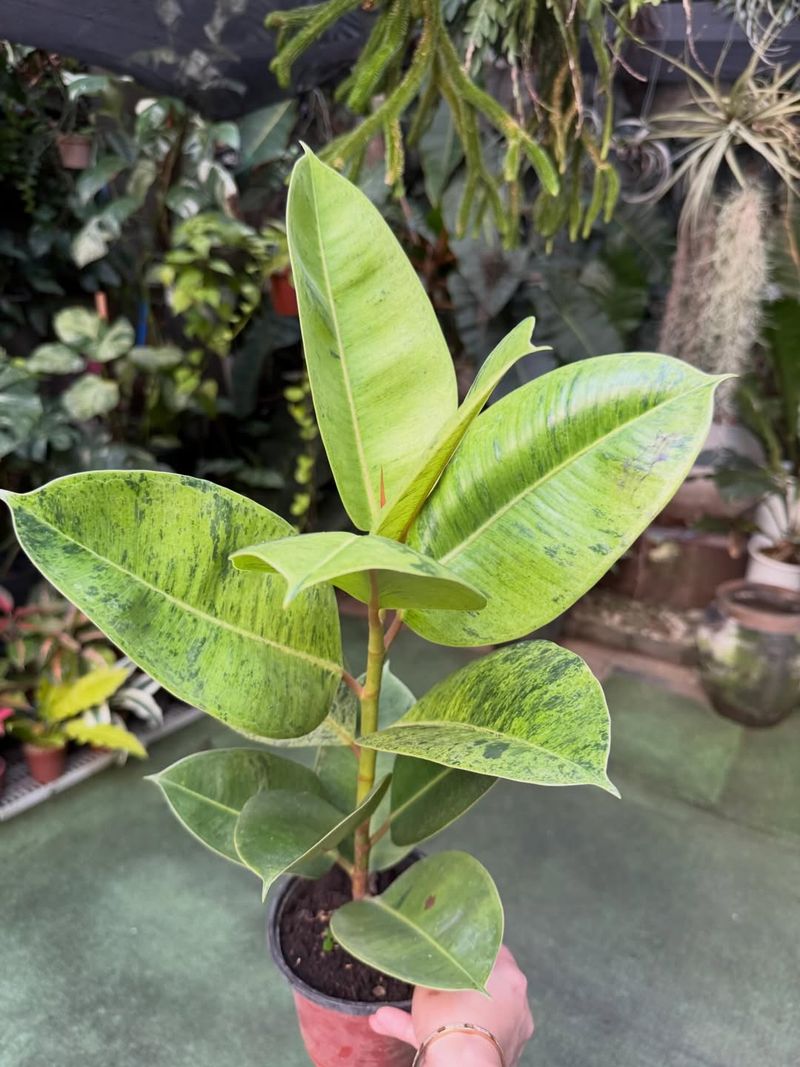
Rubber plants feature broad, glossy leaves that serve double duty in improving indoor air quality.
Their large leaf surfaces participate in moisture exchange while also acting as natural dust collectors, trapping particles that would otherwise float through the air and potentially irritate sensitive airways.
Each substantial leaf can capture surprising amounts of household dust, pollen, and other airborne particles that settle on its waxy surface.
Regular leaf cleaning becomes an important maintenance ritual that directly benefits air quality in your Illinois home.
Gently wiping down rubber plant leaves with a damp cloth every couple of weeks removes accumulated dust and allows the plant to function more efficiently.
Clean leaves photosynthesize better, which means healthier growth and improved air exchange throughout your living space.
Rubber plants tolerate a range of light conditions, from bright indirect light to medium light situations common in Illinois homes during shorter winter days.
Their upright growth habit and attractive burgundy-tinted new leaves make them striking focal points in living rooms or bedrooms.
As they mature and develop more leaves, their capacity for both dust capture and moisture exchange increases, making them increasingly valuable contributors to healthier indoor air quality over time.
6. Snake Plant (Dracaena Trifasciata)
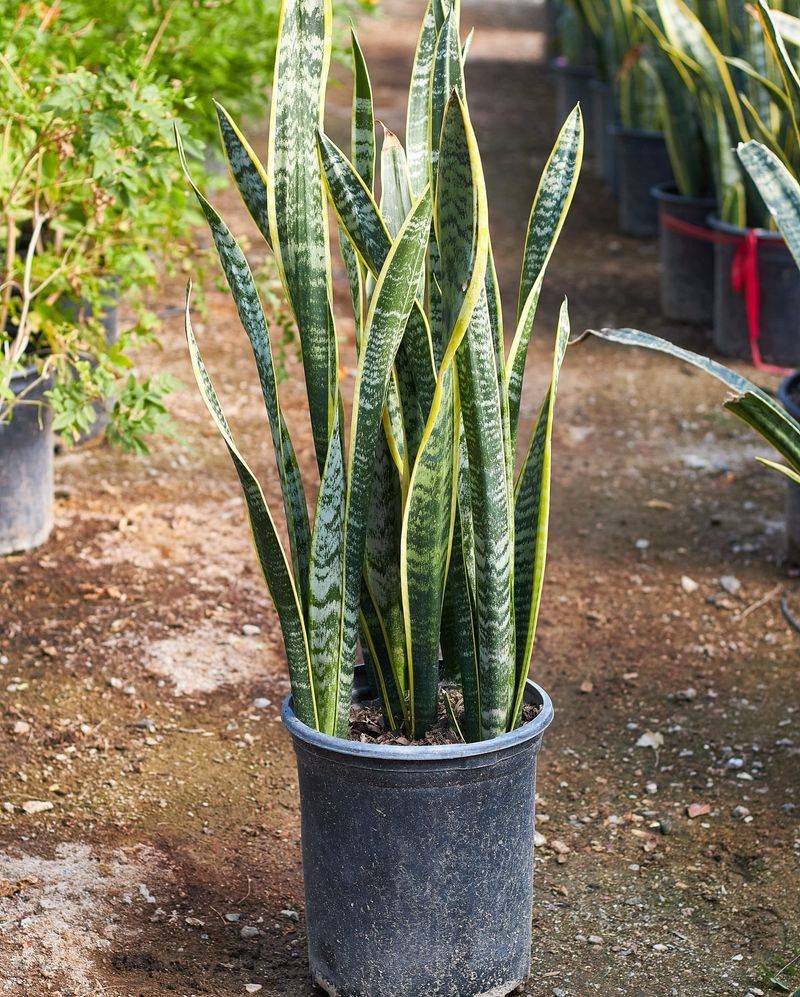
Snake plants are incredibly forgiving companions that tolerate the challenging conditions common in Illinois homes during winter months.
Low light levels from short days and overcast skies don’t faze these sturdy plants, nor do the temperature fluctuations that happen when you adjust heating or crack windows for fresh air.
Their thick, upright leaves store water efficiently, allowing them to maintain steady growth even when conditions aren’t perfect.
This reliability translates into consistent contributions to indoor air balance without demanding constant attention or specialized care.
Snake plants continue functioning effectively whether you remember to water them weekly or occasionally forget for a couple of weeks.
Their low-maintenance nature makes them ideal for busy households, college students in apartments, or anyone who wants air quality benefits without becoming a dedicated plant parent.
The architectural quality of snake plant leaves adds modern style to any room while the plant works quietly to support healthier indoor air. Place them in bedrooms, home offices, or living areas where their vertical growth won’t take up much floor space.
Their tolerance for neglect and ability to thrive in various light conditions means you can position them wherever you need air quality support without worrying about whether they’ll survive in that particular spot.
7. Pothos (Epipremnum Aureum)
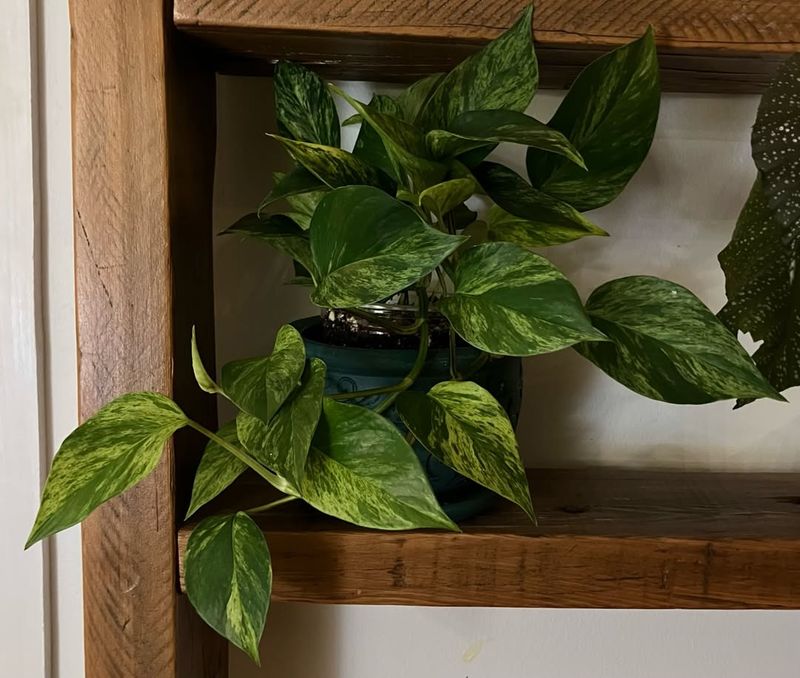
Pothos vines adapt beautifully to the limited winter light that Illinois apartments and homes receive during the coldest months.
Their heart-shaped leaves continue growing in conditions that would discourage many other plants, trailing gracefully from shelves, hanging baskets, or climbing up moss poles.
This adaptability makes pothos perfect for renters and homeowners alike who want greenery in spaces without ideal lighting.
As pothos vines grow longer and develop more leaves, they create increasingly effective dust-catching surfaces throughout your living space.
The trailing foliage intercepts airborne particles as they settle, keeping them from accumulating on furniture, floors, and other surfaces where they might get stirred back into the air you breathe.
Each leaf acts like a natural filter, quietly improving air quality while adding lush greenery to your decor.
Pothos plants require minimal care beyond occasional watering when the soil feels dry and periodic pruning to control their enthusiastic growth.
Their vining habit allows creative placement options, from bathroom shelves where they benefit from shower humidity to kitchen windowsills where they can trail along cabinets.
The variegated varieties with splashes of yellow or white add visual interest while performing the same air-quality-supporting functions as their solid green cousins.
8. Bamboo Palm (Chamaedorea Seifrizii)
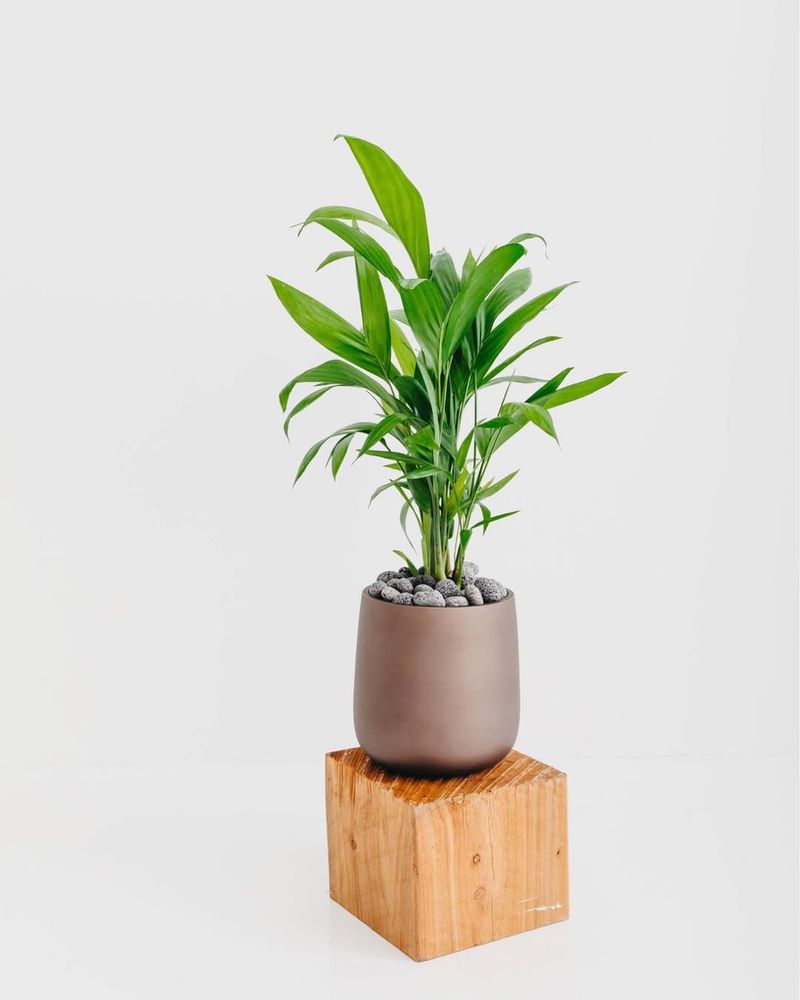
Bamboo palms bring tropical elegance to Illinois homes while functioning as excellent natural humidifiers during dry winter months.
Their clusters of slender stems topped with graceful fronds create a lush appearance that transforms corners and empty spaces into green retreats.
The numerous leaflets on each frond maximize surface area for moisture release, helping to counteract the drying effects of forced-air heating systems that run constantly during cold weather.
Living rooms and bedrooms benefit particularly from bamboo palm placement, as these are spaces where people spend significant time and where improved humidity can make breathing more comfortable.
Keep your bamboo palm away from cold drafts near windows and exterior doors, as sudden temperature changes can stress the plant and slow its growth.
Instead, choose locations with stable temperatures and bright, indirect light where the palm can thrive year-round.
These palms prefer consistently moist soil without becoming waterlogged, which supports their continuous moisture release into surrounding air.
Their moderate growth rate means they won’t quickly outgrow their space, while their mature size makes them substantial enough to have a noticeable impact on room humidity levels.
The gentle rustling of bamboo palm fronds when air moves through them adds a peaceful, natural element to your indoor environment.
9. Chinese Evergreen (Aglaonema)
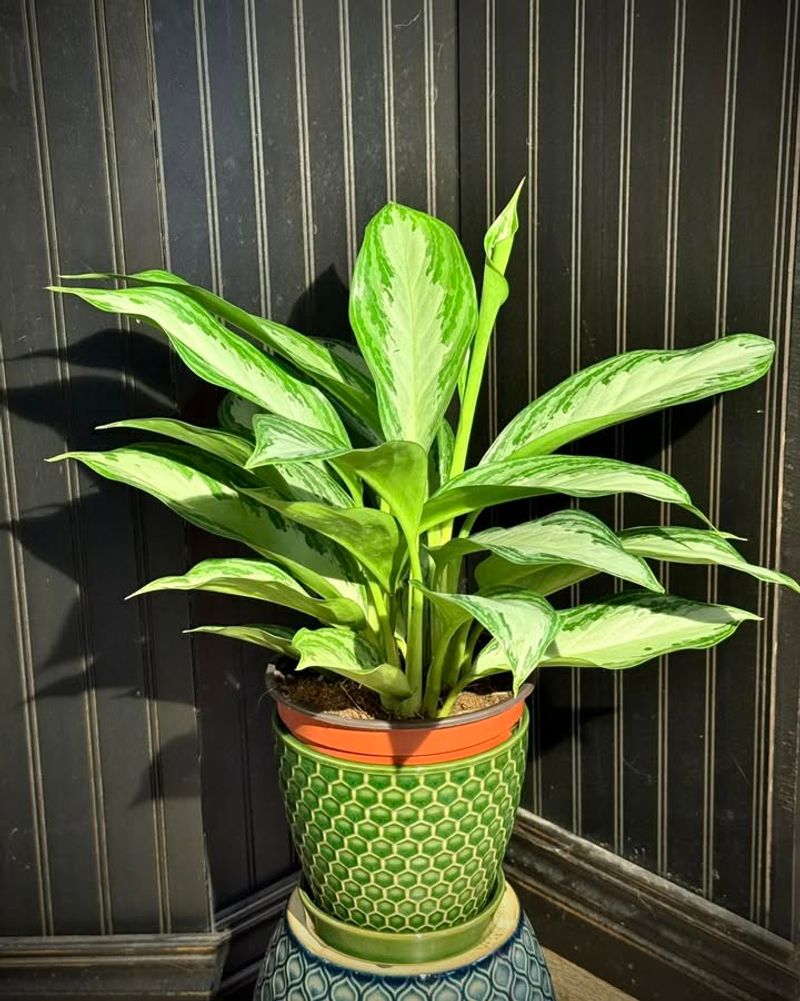
Chinese evergreens thrive in the moderate light conditions that characterize many Illinois homes during winter when sunshine is scarce and days are short.
Their attractive patterned leaves, splashed with silver, pink, or red markings depending on the variety, brighten dim corners while the plant works steadily to support indoor air quality.
This combination of beauty and function makes Chinese evergreens popular choices for bedrooms, offices, and other spaces without abundant natural light.
Stable indoor temperatures suit Chinese evergreens perfectly, as they prefer consistency over dramatic fluctuations. The relatively steady environment inside heated Illinois homes during winter provides ideal conditions for these tropical natives to maintain healthy growth.
Unlike some plants that struggle when moved or exposed to temperature changes, Chinese evergreens settle into their spots and continue growing reliably throughout the year.
Their compact growth habit and moderate size make Chinese evergreens suitable for smaller spaces like apartments and condos where floor space is limited. Place them on tables, desks, or plant stands where their colorful foliage can be appreciated up close.
Chinese evergreens require only occasional watering and tolerate some neglect, making them excellent choices for people new to houseplants or those with busy schedules who want air quality benefits without intensive plant care requirements.
10. English Ivy (Hedera Helix, Indoor Use Only)
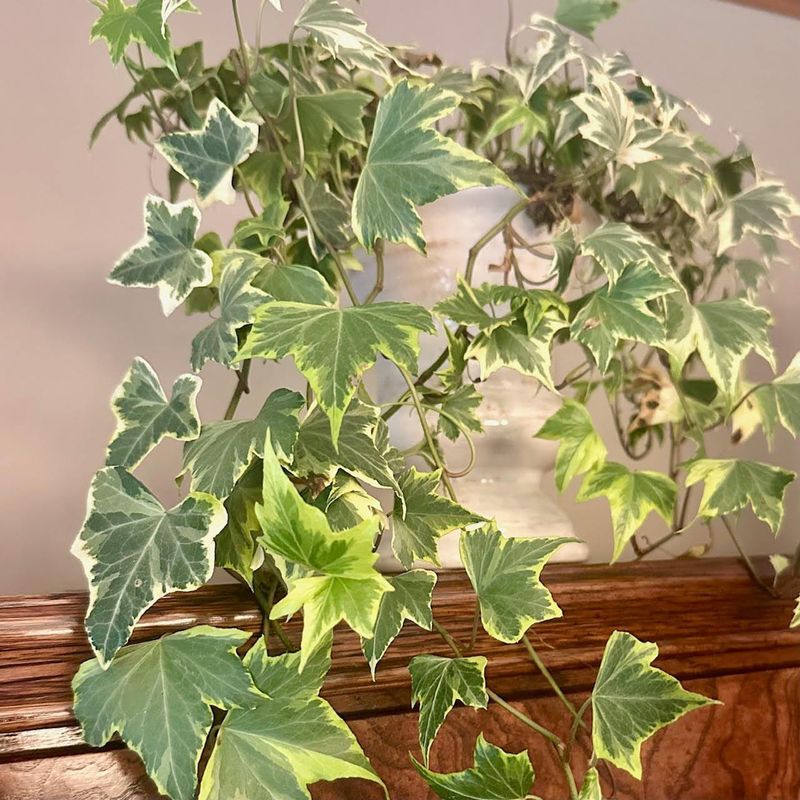
English ivy’s small, densely packed leaves create extensive surface area for trapping airborne particles that would otherwise circulate through your Illinois home.
As air moves past the trailing vines, dust, pollen, and other microscopic particles stick to the leaf surfaces, effectively removing them from the air you breathe. This natural filtration happens continuously as long as the plant remains healthy and actively growing.
Indoor cultivation of English ivy requires attention to placement, particularly keeping it away from heating vents that blast hot, dry air directly onto the delicate foliage.
These conditions can stress the plant and cause leaves to brown and drop, reducing its air-cleaning effectiveness. Instead, choose locations with moderate temperatures and good air circulation that allows the plant to thrive without exposure to extreme conditions.
Regular pruning keeps English ivy growing vigorously while preventing it from becoming too leggy or sparse. Trimming encourages branching, which creates more leaves and thus more surface area for particle capture.
The pruned stems root easily in water, allowing you to propagate new plants to expand your indoor air quality support system throughout different rooms.
Remember that English ivy should remain strictly indoors in Illinois, as it can become invasive if planted outside in many areas.
11. Aloe Vera
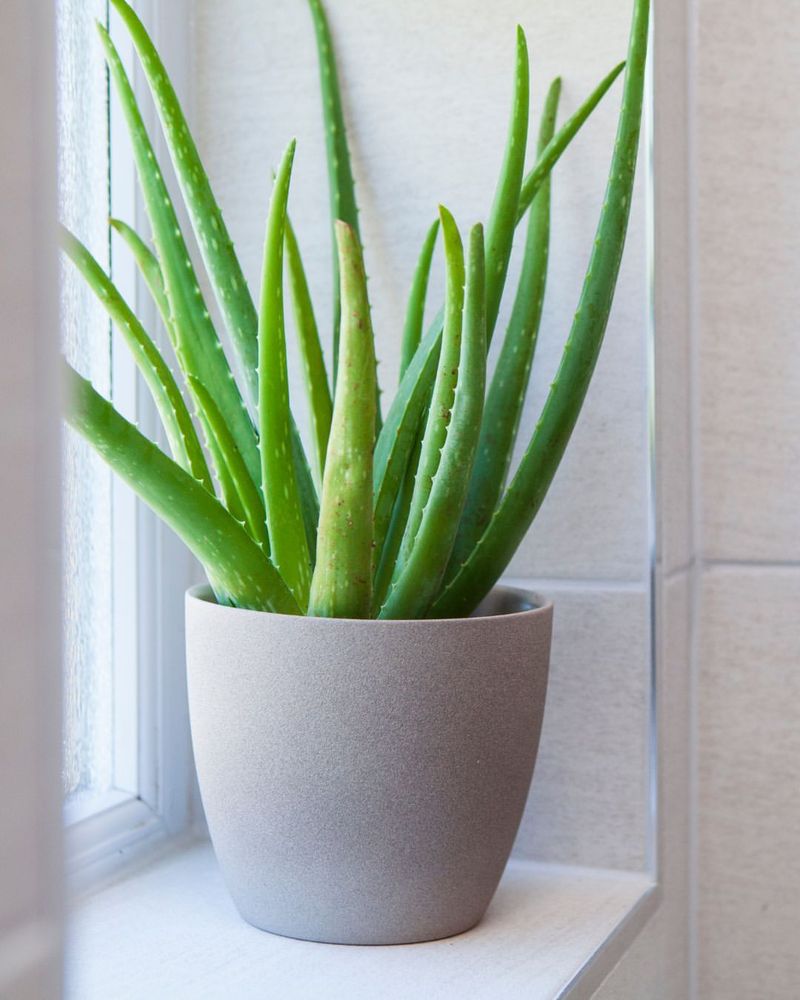
Aloe vera plants embrace the dry indoor air that challenges many other houseplants, making them perfect companions for Illinois homes where winter heating systems create desert-like conditions.
Their thick, succulent leaves store water efficiently, allowing them to thrive with minimal watering and tolerate the low humidity that can make breathing uncomfortable for people with asthma.
This drought tolerance means less maintenance while still contributing to a healthier indoor environment.
Sunny windowsills provide ideal growing conditions for aloe vera, as these sun-loving plants appreciate the bright light that streams through south or west-facing windows.
Even during winter when daylight hours are limited, positioning aloe near windows maximizes the light exposure they need to maintain healthy growth.
Their compact size makes them perfect for apartments and smaller homes where space is at a premium but air quality support is still important.
Beyond their air quality contributions, aloe plants offer the bonus of having gel-filled leaves that can soothe minor burns and skin irritations. Their sculptural rosette form and blue-green coloring add architectural interest to windowsills, desks, or bathroom counters.
Aloe requires watering only when the soil becomes completely dry, making it ideal for forgetful plant parents or anyone who travels frequently and can’t maintain demanding watering schedules for more finicky plants.