How To Save Winter-Stressed Houseplants In Washington Homes
Winter can be tough on houseplants in Washington homes. Shorter days, lower light, dry indoor air, and cooler temperatures can leave plants looking droopy, discolored, or weak.
With the right care, gardeners can revive stressed plants and restore health. Bring your winter-weary houseplants back to life with simple care steps.
Key strategies include adjusting light exposure, checking soil moisture, avoiding overwatering, increasing humidity, and trimming damaged leaves. Fertilizing lightly and repotting if needed can also help plants recover.
Observing plant signals and responding promptly ensures faster recovery and prevents long-term damage. Understanding your plant’s needs is the first step to recovery.
Washington homeowners who follow these steps can revive winter-stressed plants, keeping them lush, vibrant, and thriving until spring. Save your houseplants and enjoy healthy indoor greenery year-round.
Move Plants Closer To Natural Light Sources
Washington winters come with noticeably shorter days and weaker sunlight, which means your houseplants receive far less energy than they do during spring and summer.
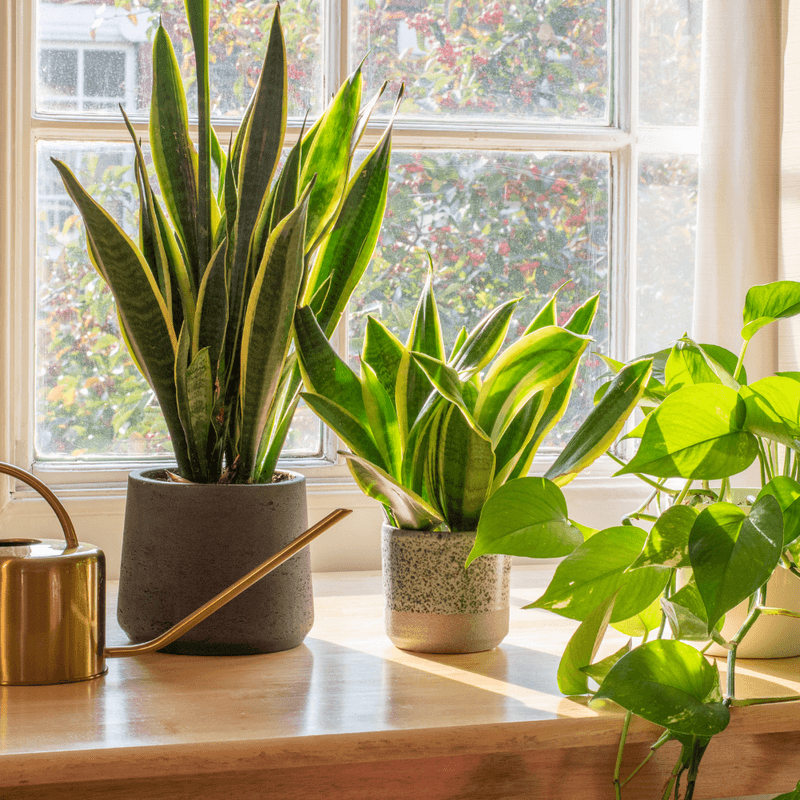
Relocating your green friends closer to south-facing or west-facing windows can make a huge difference in their ability to photosynthesize and maintain healthy growth.
South-facing windows typically offer the most consistent and brightest light throughout the day, while west-facing spots provide strong afternoon sun that can boost energy production when daylight hours are limited.
When you move plants closer to windows, keep an eye on temperature fluctuations near the glass. Cold drafts can sneak through older window frames or single-pane glass, causing stress even when light levels improve.
Placing a thin curtain between the plant and the window during extremely cold nights can help buffer against sudden temperature drops without blocking too much light during the day.
Another helpful tip is to rotate your plants every few days so all sides receive equal exposure. This prevents lopsided growth and ensures that every leaf gets a fair share of the limited winter sunlight.
Observing how your plants respond over a week or two will help you fine-tune their placement for the best results.
Add Supplemental Grow Lighting When Needed
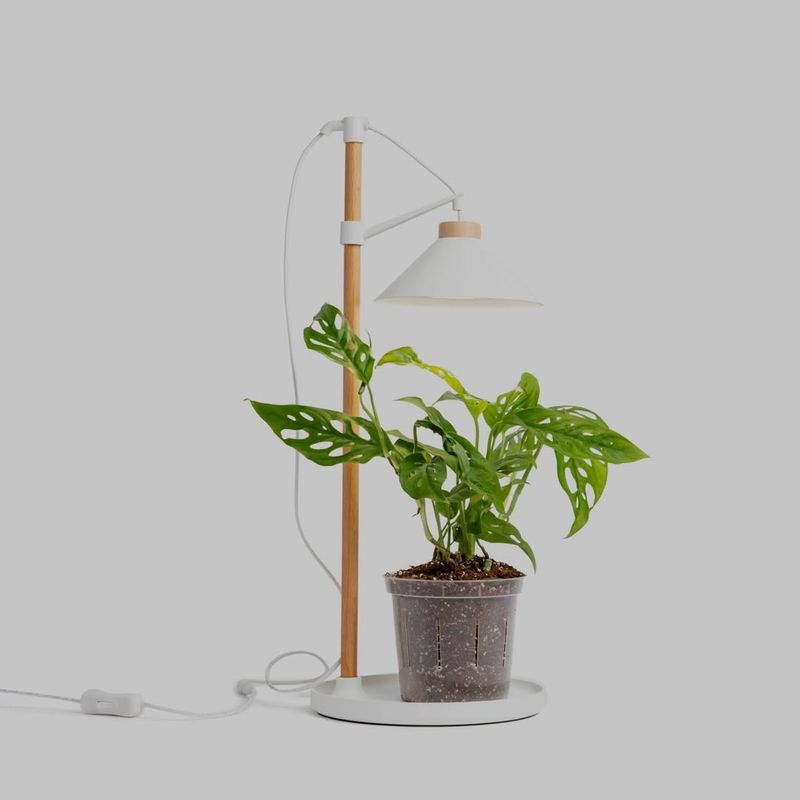
Short winter days in Washington often mean your houseplants simply cannot get enough natural light to stay vibrant and strong. LED grow lights offer an excellent solution by mimicking the spectrum of sunlight and providing consistent energy for photosynthesis.
Modern LED options are energy-efficient, produce minimal heat, and come in a variety of styles that fit seamlessly into your home decor without looking too industrial or out of place.
For most houseplants, running grow lights for 10 to 12 hours each day creates a stable routine that supports healthy growth and prevents stress symptoms like yellowing or drooping leaves.
Position the lights about 12 to 18 inches above the foliage, adjusting based on the intensity of the bulb and the specific needs of your plants. Too close can cause leaf burn, while too far reduces effectiveness and wastes energy.
Setting up grow lights safely indoors involves using timers to automate the light cycle, which takes the guesswork out of daily care and ensures your plants receive steady support.
Your Washington Garden Changes Every Week. Your Plan Should Too.
Gardening in Washington changes quickly throughout the season. Every Friday you’ll receive a simple weekly plan showing exactly what to plant, prune, fertilize, harvest, and protect so you never miss the right timing.
Make sure cords and fixtures are placed away from water sources and inspect them regularly for any signs of wear or damage to keep your home safe while your plants thrive.
Adjust Watering Frequency For Cooler Conditions
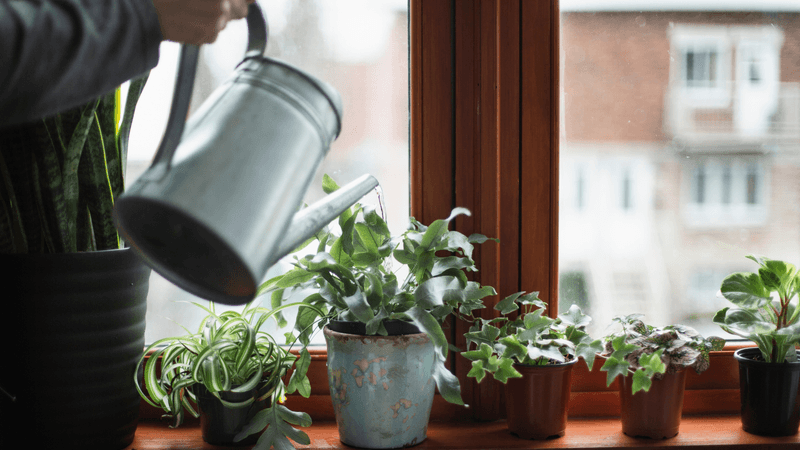
Cooler indoor temperatures and reduced light during Washington winters slow down your houseplants’ metabolic processes, which means they use water much more slowly than they do in warmer, brighter months.
Overwatering becomes a common mistake when gardeners stick to their summer schedules without considering how environmental changes affect water uptake.
Soil that stays moist for days longer than usual is a clear sign that your plants need less frequent watering to avoid root problems and stress.
Before watering, always check the top inch or two of soil with your finger to gauge moisture levels. If it still feels damp, wait a few more days and check again rather than adding more water on autopilot.
Different plant species have varying moisture preferences, so paying attention to each one individually helps you avoid both underwatering and excess moisture buildup that can lead to soggy roots.
Another useful strategy is to water less volume each time rather than drenching the soil completely. This approach encourages roots to stay healthy and active without sitting in waterlogged conditions.
Observing how quickly the soil dries out over a week or two will help you establish a winter watering rhythm that keeps your plants balanced and stress-free.
Increase Indoor Humidity Levels
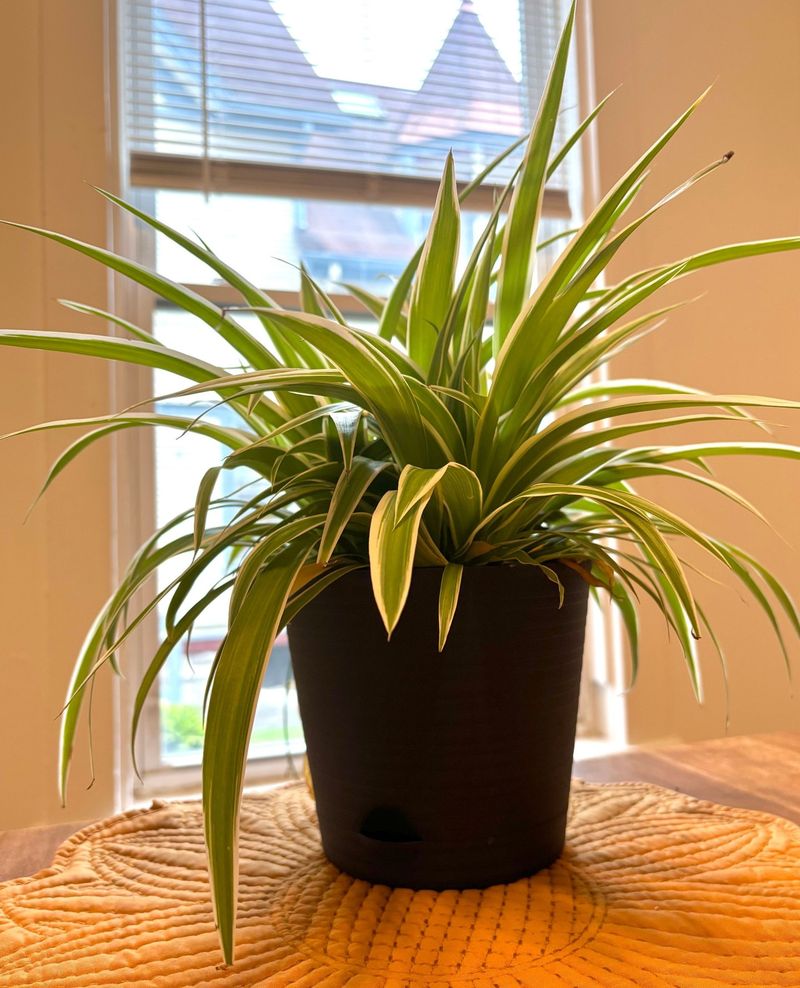
Heating systems that keep Washington homes warm during winter also strip moisture from the air, creating a dry indoor environment that can stress tropical and humidity-loving houseplants.
Low humidity often shows up as brown leaf tips, crispy edges, and slower growth, all signs that your plants are struggling to retain enough moisture through their leaves.
Raising humidity levels indoors can dramatically improve plant health and help them look lush and vibrant even when it is cold and dry outside.
One simple method is to place humidity trays filled with water and pebbles beneath your plant pots. As the water evaporates, it creates a micro-climate of moisture around the foliage without making the soil soggy.
Grouping plants together also helps because they naturally release moisture through their leaves, which benefits the whole cluster and creates a more humid zone in your home.
Room humidifiers are another effective option, especially if you have a large collection of plants or particularly moisture-sensitive species.
Choose a cool-mist model and position it near your plants without directing the mist directly onto leaves to avoid water spots or fungal issues.
Monitoring humidity with a simple hygrometer lets you track progress and adjust your methods as needed throughout the season.
Inspect Leaves And Stems For Stress Symptoms
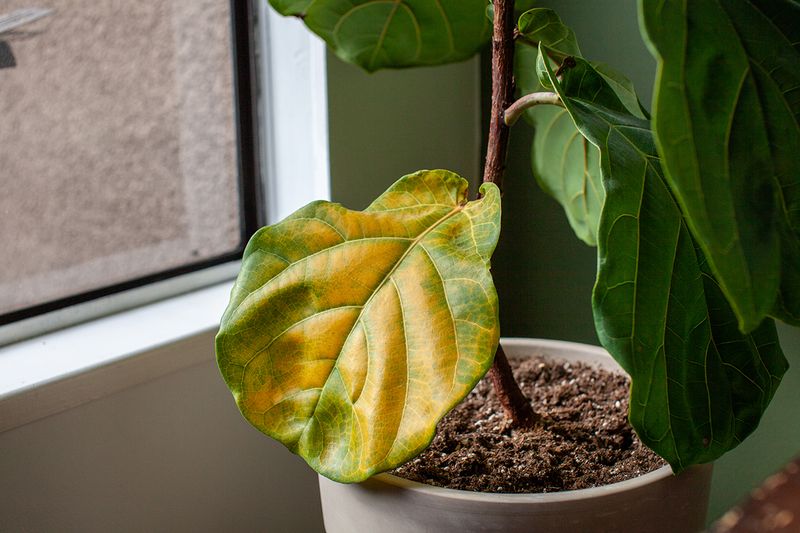
Winter conditions can bring on a variety of stress symptoms in houseplants, from subtle leaf curl to more obvious discoloration and stunted growth.
Regular inspections allow you to catch these warning signs early, giving you the chance to adjust care before small problems turn into bigger setbacks.
Looking closely at both the tops and undersides of leaves, as well as stems and new growth, helps you spot issues that might otherwise go unnoticed until they become severe.
Common winter stress indicators include yellowing or browning leaves, wilting despite adequate watering, and slowed or halted growth. Leaf curl often signals low humidity or inconsistent watering, while pale or faded foliage can point to insufficient light.
Observing these changes in context with your care routine and environmental conditions helps you pinpoint the exact cause and make targeted corrections quickly.
Keeping a simple journal or taking weekly photos of your plants can make it easier to track changes over time and notice patterns that might not be obvious day to day.
Early observation and quick action mean you can fine-tune light, water, humidity, or temperature before your plants experience lasting damage, keeping them resilient and ready to bounce back when spring arrives.
Improve Air Circulation Without Creating Drafts
Stagnant indoor air during Washington winters can contribute to moisture buildup around plant leaves and soil surfaces, creating conditions that encourage stress and slow growth.
Good air circulation helps moisture evaporate evenly, strengthens stems, and reduces the risk of fungal issues that thrive in still, humid environments.
However, it is crucial to avoid cold drafts from doors, windows, or heating vents that can shock plants and cause sudden stress or leaf drop.
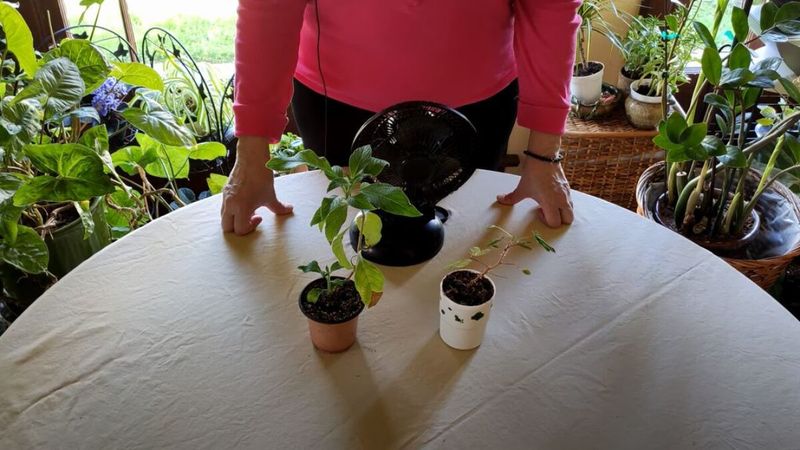
A small, oscillating fan set on low speed and positioned several feet away from your plants can create gentle airflow that mimics a natural breeze without blasting cold air directly onto delicate foliage.
Running the fan for a few hours each day is usually enough to keep air moving and prevent stagnant pockets without over-drying the leaves.
Make sure the fan is angled to circulate air throughout the room rather than focusing on one plant or spot.
Another approach is to open interior doors between rooms during the day to encourage natural air movement without exposing plants to outdoor cold.
Avoid placing plants near heating registers or exterior doors where temperature swings and drafts are most intense, and always monitor how your plants respond to changes in airflow over the first week or two.
Clean Dust From Leaves To Improve Light Absorption
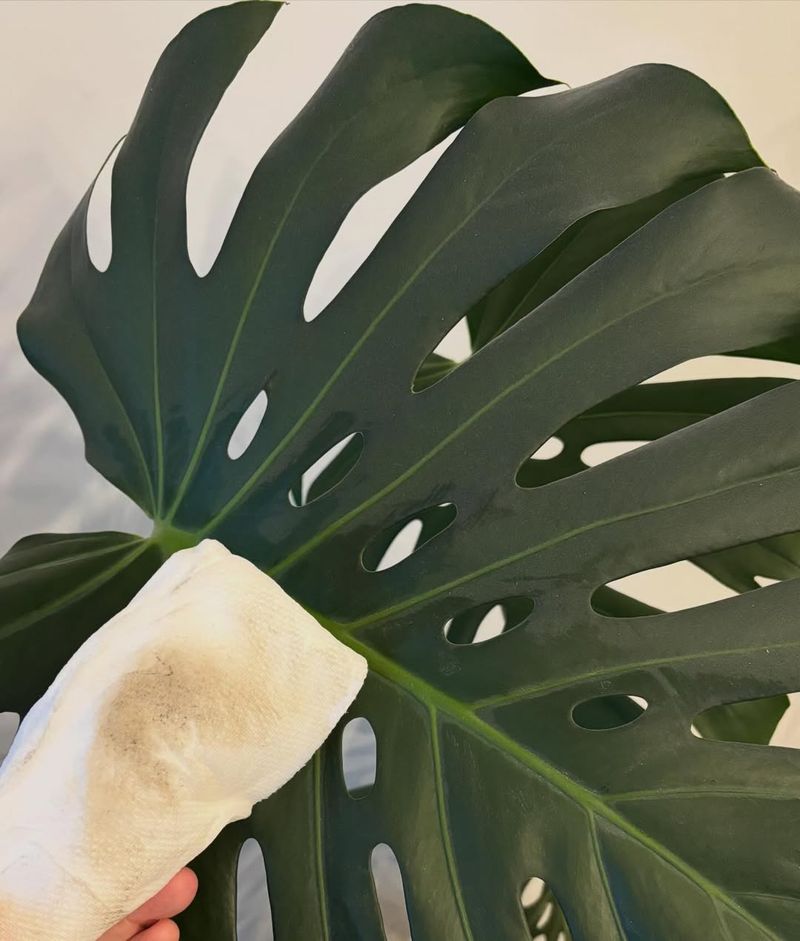
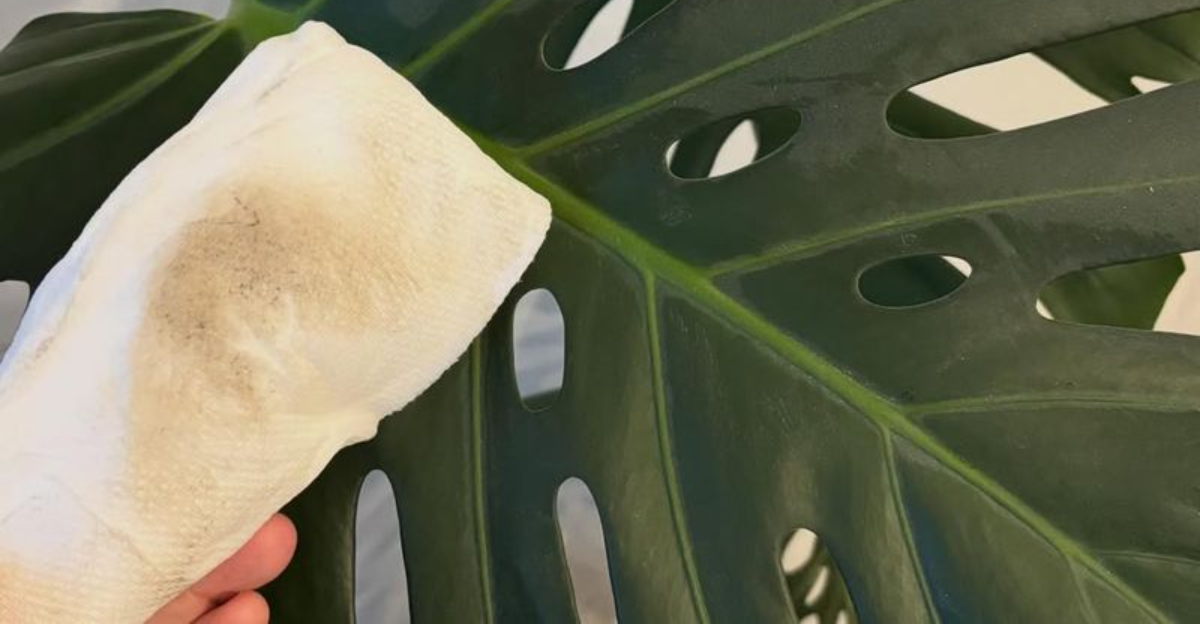
Dust accumulation on houseplant leaves is a common winter issue, especially in homes with heating systems that circulate dry air and particles throughout the space.
Even a thin layer of dust can block light from reaching the leaf surface, reducing photosynthesis efficiency and leaving your plants struggling to produce the energy they need to stay healthy.
Regular cleaning not only improves light absorption but also helps your plants look fresh and vibrant, adding to the overall beauty of your indoor space.
The safest cleaning method involves using a soft, damp cloth or sponge with lukewarm water to gently wipe each leaf, supporting the underside with your other hand to avoid tearing or bending delicate foliage.
For plants with fuzzy or textured leaves that trap dust, a soft brush or even a gentle spray of lukewarm water in the sink or shower can work wonders.
Avoid using commercial leaf shine products, which can clog pores and interfere with natural leaf functions.
Cleaning your plants every few weeks during winter keeps them performing at their best and gives you a chance to inspect closely for any early signs of stress or pests.
This simple routine takes just a few minutes per plant but makes a noticeable difference in how well your houseplants handle the challenges of the season.
Delay Heavy Feeding Until Active Growth Resumes
Fertilizing houseplants during winter when growth naturally slows can overwhelm their systems and lead to nutrient buildup in the soil, which may cause root stress or leaf burn.
Most houseplants enter a period of dormancy or semi-dormancy during Washington winters, using far less energy and nutrients than they do during active growing seasons.
Holding off on heavy feeding until you see clear signs of new growth in spring allows your plants to rest and recover without the added burden of processing excess nutrients they cannot use.
Signs that indicate your plants are ready for spring feeding include new leaves unfurling, faster growth rates, and brighter, healthier-looking foliage.
When you do resume fertilizing, start with a diluted solution at half the recommended strength to ease plants back into a regular feeding schedule without shocking them.
Gradual increases in nutrient levels support steady, healthy growth and help your plants transition smoothly from winter rest to active spring development.
If you notice any signs of nutrient deficiency during winter, such as severe yellowing or extremely pale new leaves, a very light feeding with a balanced, diluted fertilizer can help without overwhelming the plant.
Always water thoroughly before and after feeding to help distribute nutrients evenly and prevent root burn from concentrated solutions.
Repot Only If Root Crowding Is Severe
Repotting houseplants during winter is generally not recommended because plants are in a resting phase and have a harder time recovering from the stress of root disturbance and new soil adjustments.
Waiting until spring when growth naturally picks up again gives your plants the energy and resilience they need to establish themselves in fresh soil and larger containers.
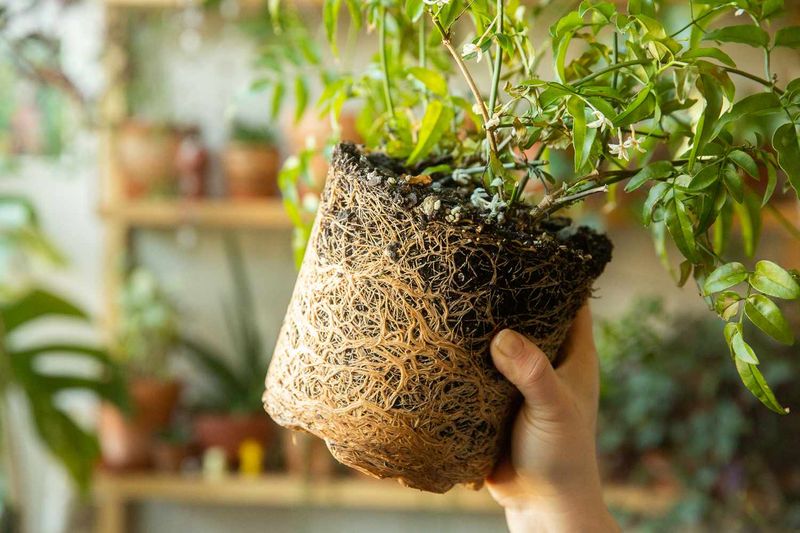
However, if you notice roots circling tightly around the soil ball, growing out of drainage holes, or the plant showing signs of severe stress due to extreme crowding, a careful winter repot may be necessary to prevent further decline.
When repotting during winter is unavoidable, choose a pot only one size larger than the current container to minimize stress and give roots just enough room to expand without overwhelming them.
Use fresh, well-draining potting mix and handle roots gently to avoid unnecessary damage. Water lightly after repotting and place the plant in a stable, warm spot with good light to support recovery without exposing it to additional environmental stressors.
Timing your repotting for late winter or early spring, rather than the coldest part of the season, can also improve outcomes and help plants bounce back more quickly.
Observing how your plants respond in the weeks following a repot lets you adjust care as needed and ensures they settle into their new homes with minimal fuss.