Think Your Virginia Garden Is Done For Winter? These 7 Jobs Are Still Important
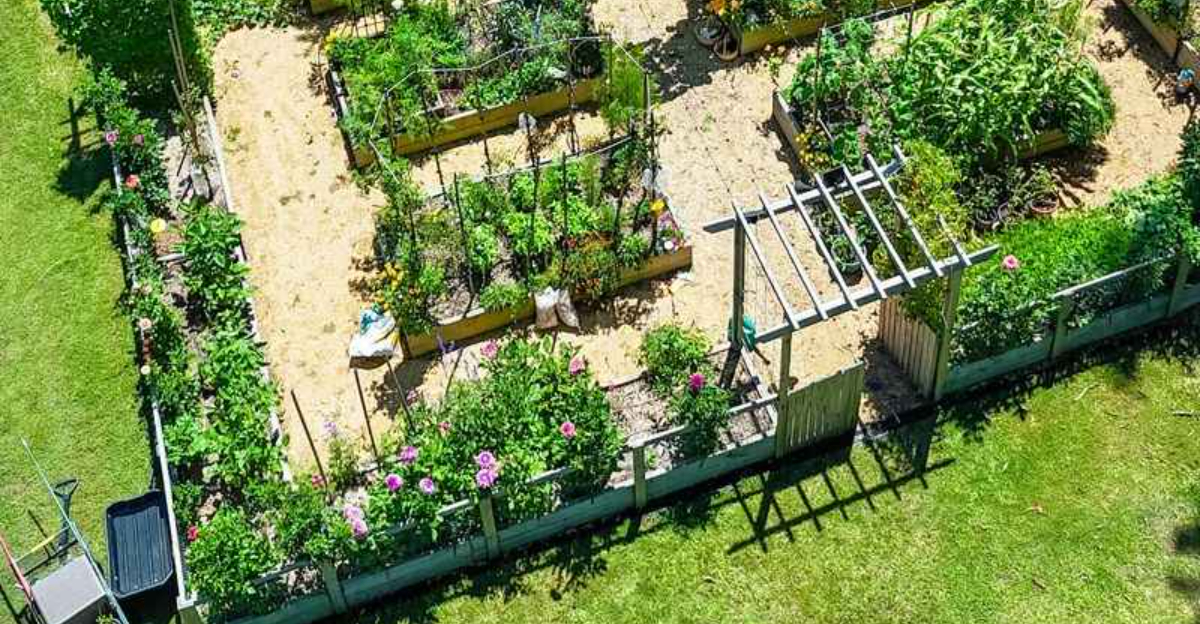
Even in the dead of winter, Virginia gardens still need attention. Completing essential tasks now prevents problems, protects plants, and sets the stage for a thriving spring landscape.
Just because it’s cold doesn’t mean your garden work is finished.
These jobs include clearing debris, checking mulch, protecting sensitive plants, pruning dormant shrubs, maintaining tools, inspecting for pests, and planning spring planting.
Addressing these tasks helps reduce disease, prevents winter damage, and ensures your garden stays healthy and ready for growth. Winter preparation now leads to stronger, more vibrant gardens later.
Virginia gardeners who stay proactive during winter enjoy smoother transitions into spring and healthier, more productive landscapes. Keep your garden in top shape even when it seems dormant.
1. Remove Diseased Plant Material And Garden Debris
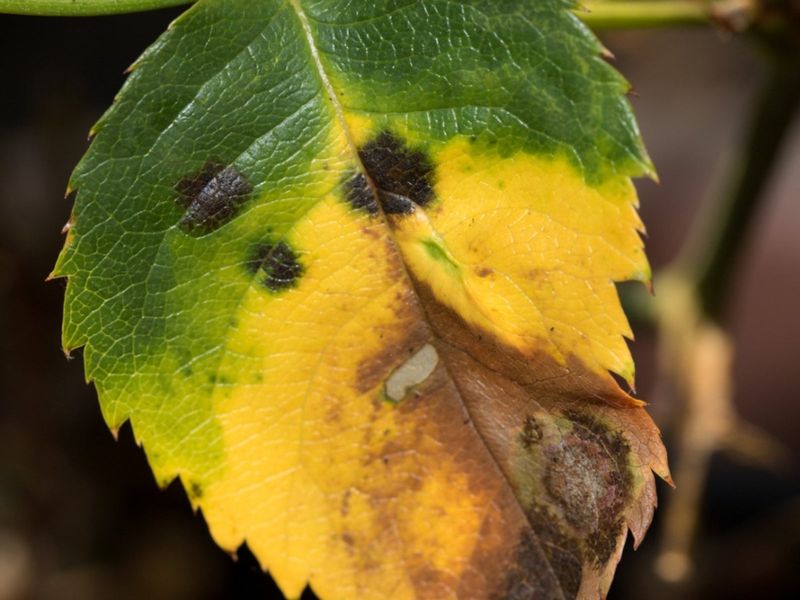
Garden cleanup might not sound glamorous, but it plays a vital role in preventing problems before they start. Leaving behind plant material that shows signs of fungal spots, powdery mildew, or insect damage creates a perfect hiding place for pests and pathogens to survive the winter.
These unwelcome guests settle into the debris, waiting patiently for warmer weather to launch their attack on your fresh spring plants.
Proper disposal makes all the difference in breaking this cycle. Never toss diseased foliage into your compost pile, as most home compost systems cannot reach temperatures high enough to eliminate harmful organisms.
Instead, bag it up and send it away with your household trash, or check if your municipality offers yard waste collection that uses commercial composting facilities.
Healthy plant debris, on the other hand, deserves a different fate. Leaves and stems free from disease or pest damage can enrich your compost pile with valuable nutrients.
Chopping them into smaller pieces speeds up decomposition and creates finished compost more quickly.
A thorough winter cleanup also gives you a clearer view of your garden beds, making it easier to plan improvements and spot any issues that need addressing before the growing season begins.
2. Apply Mulch To Protect Perennials And Soil

Mulch acts like a cozy blanket for your garden, but its benefits go far beyond simple warmth.
Virginia winters bring unpredictable temperature swings that cause soil to freeze and thaw repeatedly, which can heave plant roots right out of the ground and damage their delicate structures.
A proper layer of mulch stabilizes soil temperature, reducing these harmful fluctuations and keeping roots safely tucked beneath the surface.
The sweet spot for mulch depth sits at two to three inches. Any thinner and you lose the insulating benefit, while piling it too thick can trap excess moisture and encourage rot.
Shredded hardwood bark, pine needles, and aged leaf compost all work beautifully for Virginia gardens, each offering slightly different benefits for soil structure and aesthetics.
One critical mistake to avoid is mounding mulch directly against plant crowns or tree trunks. This creates a moist environment that invites disease and provides shelter for rodents who might nibble on bark during lean winter months.
Instead, pull mulch back a few inches from the base of each plant, creating a protective ring that extends outward. This simple technique gives you all the advantages of winter mulch while protecting your plants from potential harm.
Your Virginia Garden Changes Every Week. Your Plan Should Too.
Gardening in Virginia changes quickly throughout the season. Every Friday you’ll receive a simple weekly plan showing exactly what to plant, prune, fertilize, harvest, and protect so you never miss the right timing.
3. Water Evergreens And Newly Planted Shrubs During Dry Spells
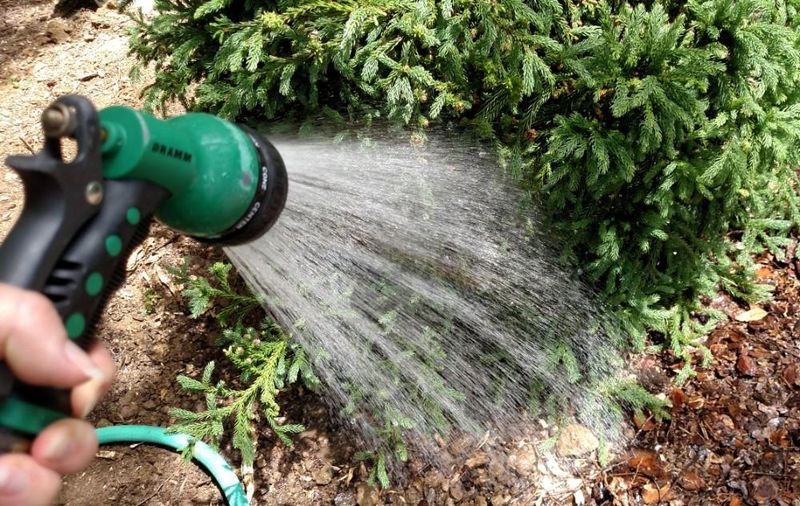
Evergreens earn their name by keeping their foliage through winter, but this beautiful characteristic comes with a hidden cost.
Unlike deciduous plants that drop their leaves and go dormant, evergreens continue losing moisture through their needles or leaves even during cold months.
When rainfall becomes scarce and the ground stays frozen, these plants cannot replace the water they lose, leading to browning foliage and weakened branches by spring.
Newly planted shrubs face similar challenges, as their root systems have not yet spread deep enough to access moisture reserves lower in the soil.
A thorough watering session before the ground freezes hard gives these vulnerable plants a reservoir to draw from during the coldest weeks. Focus your efforts on dry periods when temperatures rise above freezing and the soil can actually absorb water.
Deep watering matters more than frequent shallow drinks. Apply water slowly at the base of each plant, allowing it to soak down eight to twelve inches where roots can access it.
A soaker hose or drip irrigation system works wonderfully for this purpose, delivering moisture directly to root zones without waste. This practice significantly improves cold-season resilience and helps your evergreens emerge from winter looking vibrant and healthy.
4. Test And Amend Soil Before Spring Planting
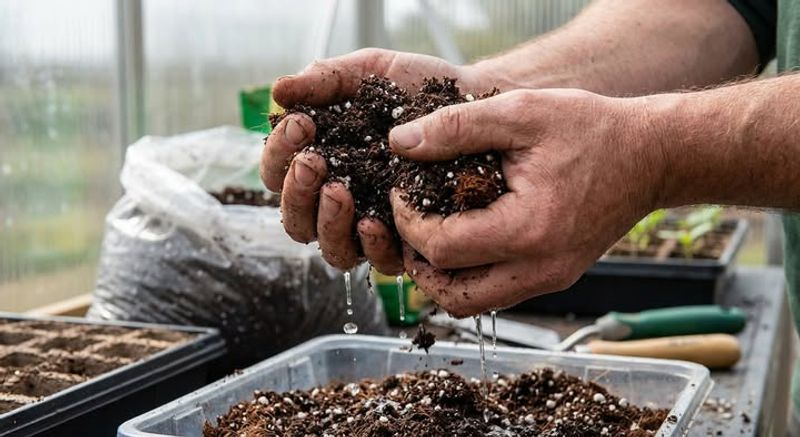
Winter offers the perfect window for soil improvement, giving amendments time to integrate fully before planting season arrives.
Soil testing reveals exactly what your garden needs rather than forcing you to guess, and the Virginia Cooperative Extension provides affordable testing services that deliver detailed results and recommendations.
Knowing your soil pH and nutrient levels takes the mystery out of plant health and helps you make informed decisions about amendments.
Most garden vegetables and flowers thrive in slightly acidic to neutral soil, typically between 6.0 and 7.0 on the pH scale. If your test results show acidity below this range, applying lime during winter allows it to gradually raise pH levels as it breaks down.
Organic matter like compost or aged manure also benefits from winter application, slowly releasing nutrients and improving soil structure through freeze-thaw cycles.
Spreading amendments now means they will be fully incorporated and ready to support vigorous plant growth when you start planting. The process saves you precious time during the spring rush when every gardener wants to get seeds and transplants into the ground.
Taking advantage of these quiet winter months to prepare your soil foundation sets the stage for a more productive and successful growing season ahead.
5. Protect Young Trees And Shrubs From Temperature Swings
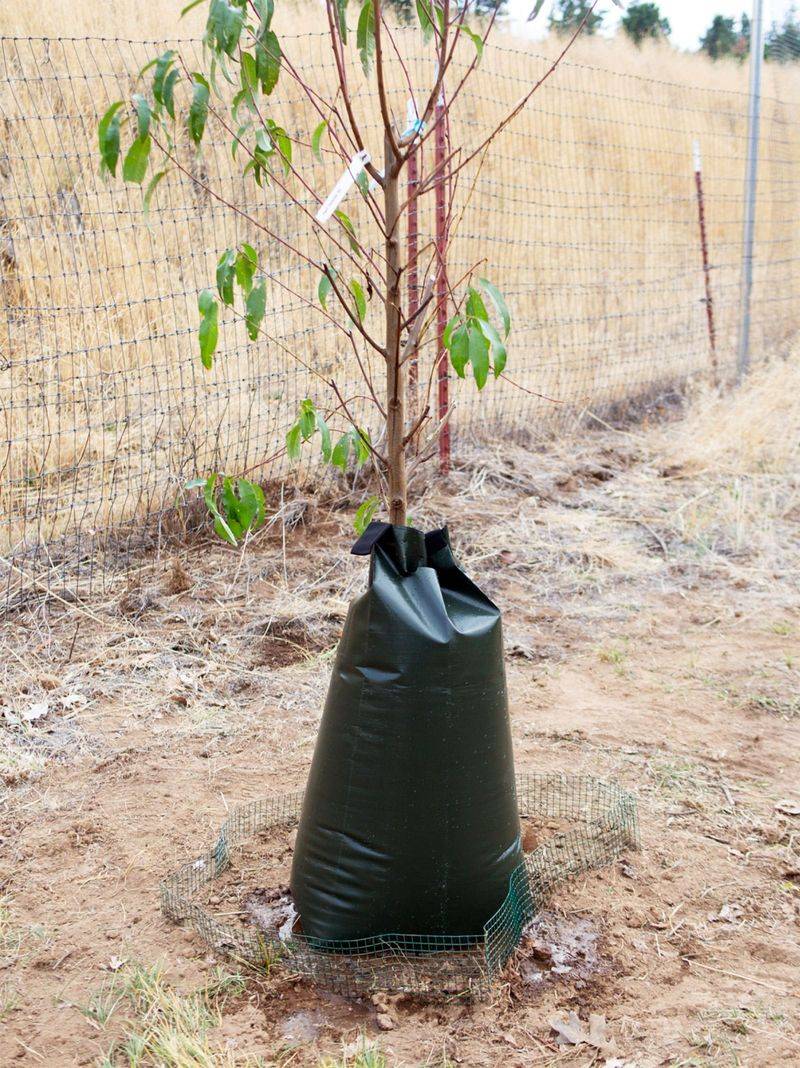
Young woody plants face special challenges during their first few winters in the ground. Their thin bark cannot defend against rapid temperature changes as effectively as mature specimens, making them vulnerable to sunscald and frost cracks.
Bright winter sun warms the bark during the day, then plummeting nighttime temperatures cause rapid contraction that splits the outer layers and creates wounds that weaken the plant.
Tree wraps provide an affordable solution for protecting trunks of newly planted trees and thin-barked species like maple, cherry, and dogwood.
Wrap the trunk from the base up to the lowest branches, overlapping each layer slightly, and remove it in early spring to prevent moisture buildup.
Wind barriers fashioned from burlap or specialized garden fabric shield evergreens from drying winter winds that strip moisture faster than roots can replace it.
Mulch rings extending two to three feet from the trunk base offer additional protection by insulating roots and moderating soil temperature fluctuations.
This combination of trunk wraps, wind protection, and mulch creates a supportive microclimate that helps vulnerable plants survive harsh conditions.
These simple protective measures significantly reduce stress and moisture loss, giving your young landscape plants the best possible start for establishing strong, healthy growth patterns.
6. Clean And Sharpen Garden Tools
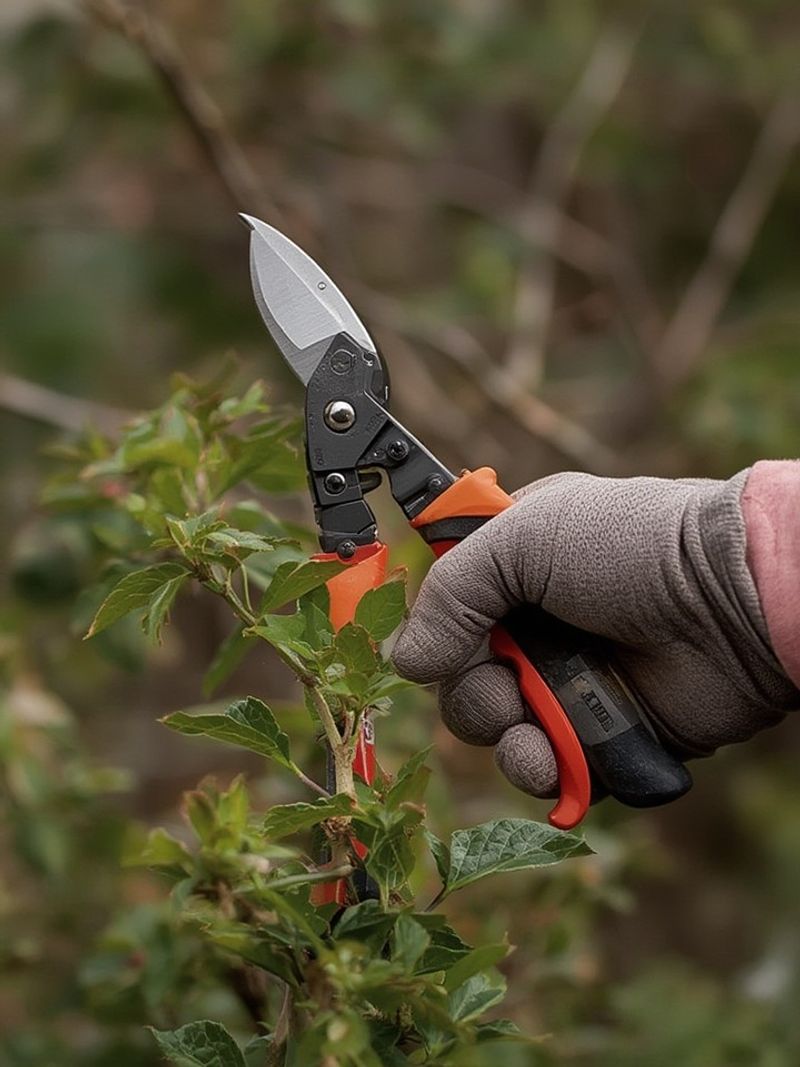
Your garden tools work hard throughout the growing season, accumulating soil, sap, and rust that compromise their effectiveness. Winter provides the ideal opportunity to give them the care they deserve, ensuring they perform beautifully when spring planting fever strikes.
Clean, sharp tools make cleaner cuts that heal faster, reducing plant stress and disease entry points while making your work easier and more enjoyable.
Start by removing dried soil and plant residue with a stiff brush and warm soapy water. Stubborn sap deposits yield to rubbing alcohol or specialized citrus-based cleaners that cut through sticky buildup without harsh chemicals.
Once your tools shine clean, inspect cutting edges for nicks, dull spots, or damage that needs attention.
Sharpening pruners, shears, and hoe blades transforms frustrating gardening tasks into smooth, satisfying work. A simple file or sharpening stone restores keen edges in just a few minutes per tool.
After sharpening, apply a light coating of oil to metal surfaces to prevent rust during storage. Wooden handles benefit from a rubdown with linseed oil to prevent cracking and splintering.
These winter maintenance rituals extend tool life considerably while improving your efficiency and plant care results when the busy season returns.
7. Plan Garden Layout And Order Seeds Early
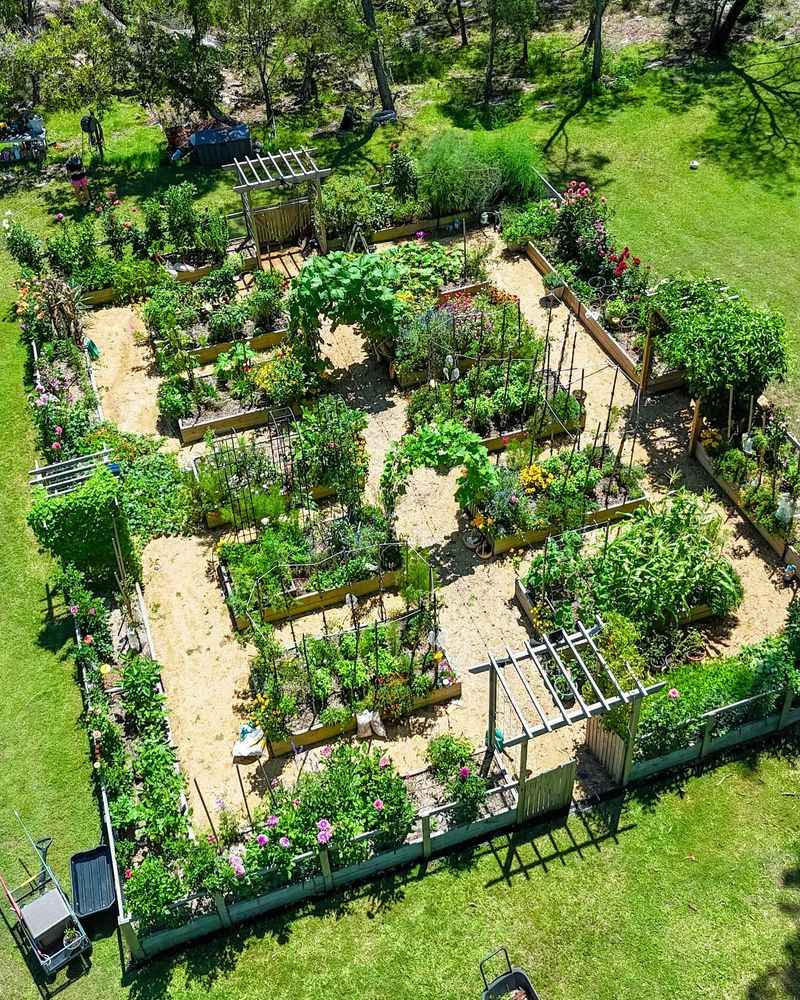
Winter evenings offer cozy opportunities to dream about your ideal garden while seed catalogs pile up on your coffee table. Planning now saves enormous amounts of time and stress when spring arrives and every gardener suddenly wants to plant at once.
Sketching out your garden layout on paper lets you experiment with different arrangements, ensuring each plant gets appropriate sun exposure and adequate space to reach its mature size.
Crop rotation deserves special attention during planning sessions, particularly for vegetable gardens. Moving plant families to different beds each year disrupts pest and disease cycles that build up when the same crops occupy the same soil year after year.
Tomatoes, peppers, and potatoes belong to one family, while squash, cucumbers, and melons form another, making rotation planning straightforward once you understand the basic groupings.
Early seed ordering prevents the disappointment of finding your favorite varieties sold out when you finally get around to purchasing. Many specialty and heirloom varieties appear in limited quantities and disappear quickly from supplier inventories.
Placing orders in January or February guarantees you get exactly what you want while giving you time to organize seeds by planting date. This proactive approach transforms spring planting from a frantic scramble into a calm, organized process.