7 Signs It’s Time To Remove That Old Tree Stump In Washington Yards
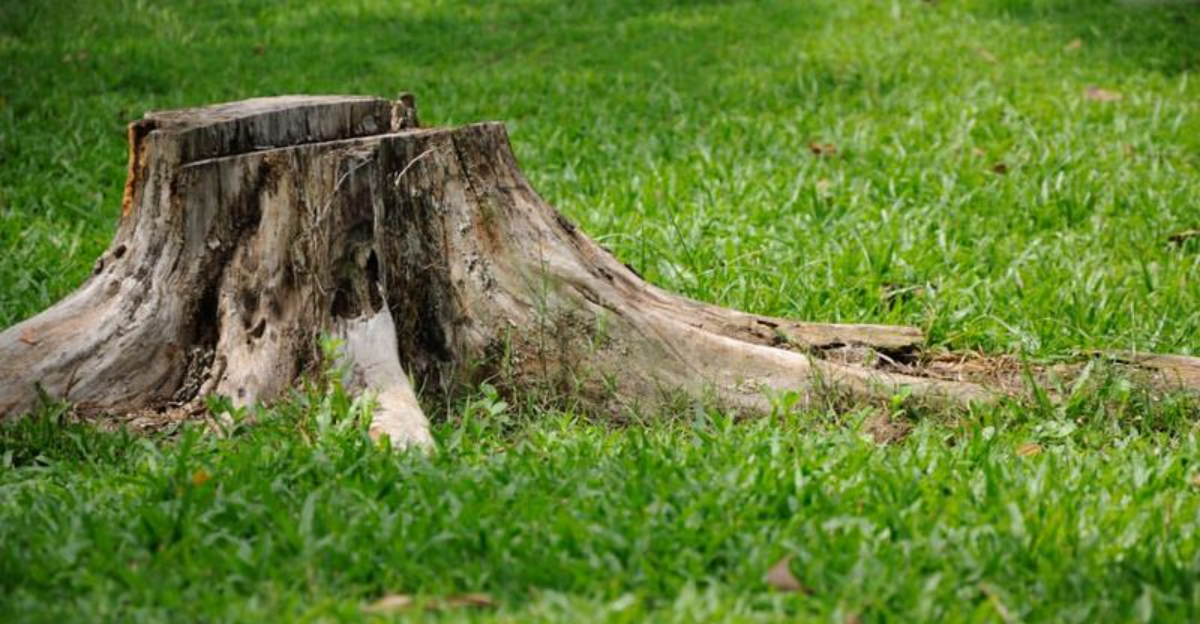
Old tree stumps in Washington yards may seem harmless, but they can cause problems if left too long. They attract pests, create tripping hazards, and take up valuable space in your garden.
Recognizing when it’s time to remove a stump keeps your yard safe and functional. Don’t let an old stump slow down your yard’s potential.
These seven signs include new sprouting from the stump, insect infestations, fungal growth, decay, uneven ground, difficulty mowing, and interference with landscaping plans.
Removing stumps promptly prevents further damage, improves aesthetics, and makes room for new plantings or hardscaping projects. Knowing when to act saves time, money, and frustration later.
Washington homeowners who address old stumps promptly enjoy safer, more attractive, and more versatile yards. Remove old stumps at the right time and reclaim your garden space.
1. New Shoots Keep Sprouting Around The Stump
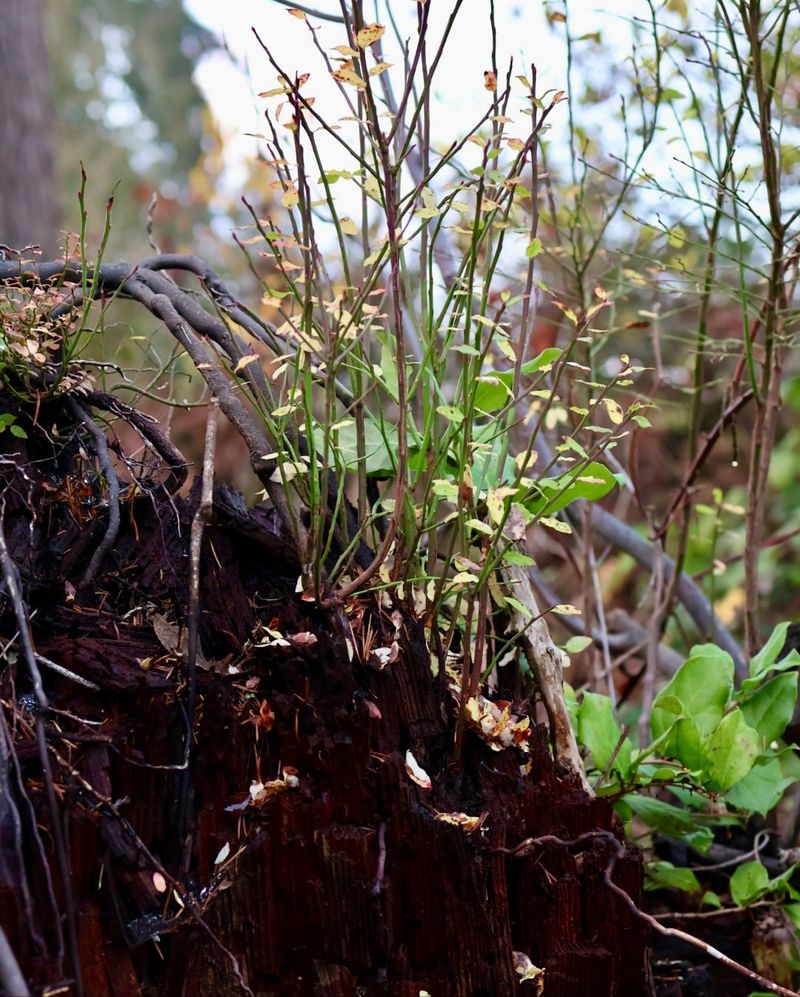
When you notice fresh green growth popping up around your old stump, the tree is trying its hardest to come back to life through its remaining root network.
Species like alder, maple, and poplar are particularly stubborn about sending up these shoots, sometimes producing dozens of them throughout the growing season.
This regrowth isn’t just an eyesore but a clear signal that the root system below ground is still very much alive and actively drawing nutrients from your soil.
These persistent shoots require constant trimming and maintenance, turning what should be a simple lawn care routine into an ongoing battle.
Each time you cut them back, the roots respond by sending up even more growth, creating a cycle that wastes your time and energy. The roots are essentially stealing water and nutrients that could be feeding your grass, flowers, or garden plants instead.
Removing the entire stump and its root system puts an end to this frustrating cycle once and for all. Professional stump grinding reaches deep enough to destroy the growth points where these shoots originate, preventing future regrowth.
Your yard will look cleaner, your maintenance time will decrease dramatically, and your other plants will have better access to the resources they need to thrive beautifully throughout Washington’s growing seasons.
2. Mushrooms Or Fungal Growth Appear On Or Around The Stump
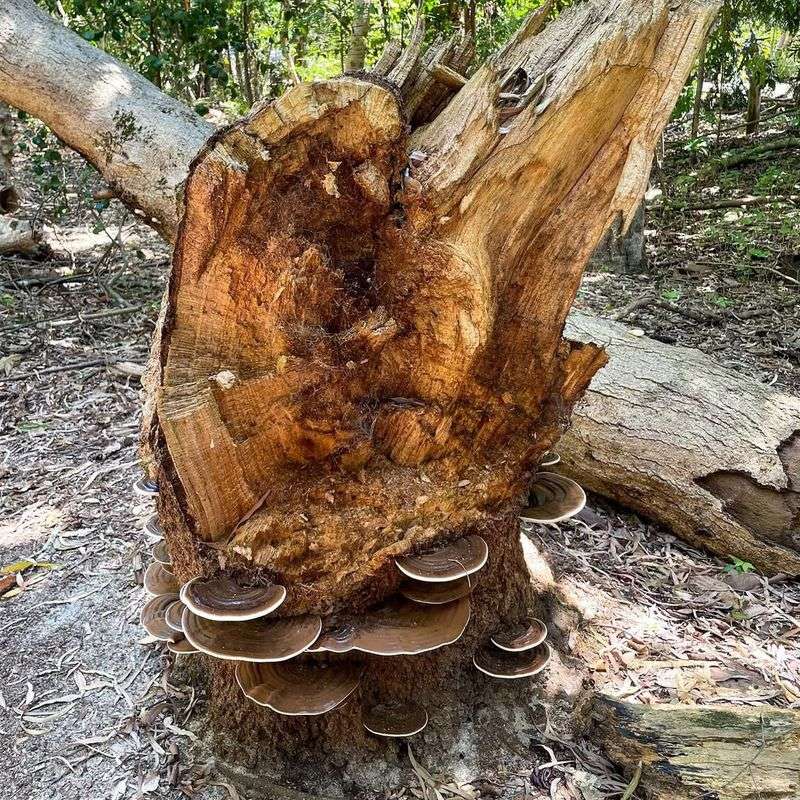
Spotting mushrooms or other fungi growing on your stump is nature’s way of telling you that serious decomposition is happening inside the wood.
Washington’s naturally damp climate creates perfect conditions for wood-decaying fungi to flourish, especially during the rainy months that dominate much of the year.
These organisms break down the woody tissue from the inside out, turning solid wood into soft, crumbly material that can harbor additional problems.
The concern goes beyond just the unsightly appearance of mushrooms dotting your landscape. Many wood-decay fungi produce spores that can spread to nearby healthy trees, shrubs, or wooden structures like fences and decks.
Once established, these fungal networks can extend surprisingly far underground through the soil, potentially affecting plants several feet away from the original stump.
Some mushroom varieties that grow on stumps can also be toxic to curious pets or young children who might touch or taste them. Removing the stump eliminates the food source these fungi depend on, stopping their spread before they become a bigger issue.
Your Washington Garden Changes Every Week. Your Plan Should Too.
Gardening in Washington changes quickly throughout the season. Every Friday you’ll receive a simple weekly plan showing exactly what to plant, prune, fertilize, harvest, and protect so you never miss the right timing.
Professional removal ensures that both the visible stump and the underground root system are addressed, giving your yard a fresh start free from fungal contamination and protecting the health of your surrounding landscape investments.
3. The Stump Is Becoming Soft Or Crumbly
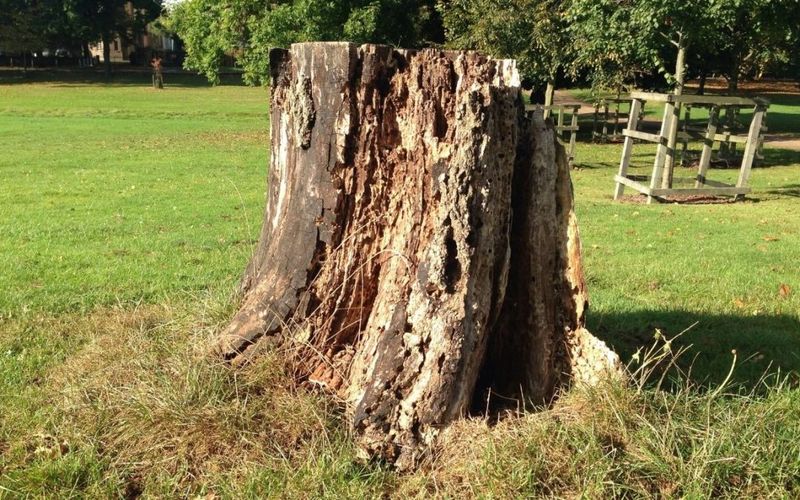
Pressing on your stump and feeling it give way under pressure indicates advanced wood deterioration from prolonged moisture exposure.
Washington’s frequent rainfall accelerates this breakdown process, saturating the wood and allowing it to rot from the inside out much faster than it would in drier climates.
What once was solid and sturdy gradually transforms into a spongy, unstable mass that crumbles easily when touched or stepped on.
This softening creates uneven surfaces in your yard that can be dangerous for walking and impossible to mow over properly. As the stump continues to break down, it settles and shifts, creating unexpected dips and holes that collect water and mud.
These depressions become breeding grounds for mosquitoes during warm months and make your lawn look unkempt and poorly maintained.
Moisture-loving organisms like slugs, sowbugs, and various larvae are attracted to the damp, decaying wood, using it as shelter and a food source.
The decomposition process also releases nutrients in ways that can create patchy, overgrown spots in your grass right around the stump area.
Removing the deteriorating stump before it completely falls apart is much easier and cleaner than dealing with a pile of rotted wood chunks scattered across your lawn, and it prevents the ground settling issues that develop as the wood continues to shrink and compact over time.
4. It’s Creating A Tripping Or Lawn Equipment Obstacle
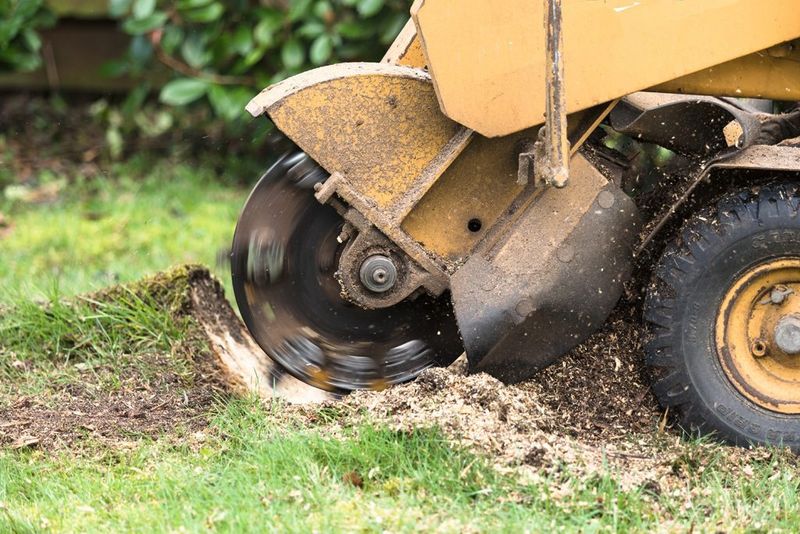
Stumps that sit partially buried or flush with the ground become invisible hazards when grass grows over them, catching unsuspecting feet and causing painful trips and falls.
Children playing tag or adults carrying garden supplies can easily stumble over these hidden obstacles, leading to twisted ankles or worse injuries.
Even when you know exactly where the stump is located, it’s easy to forget in the moment and take a tumble, especially during evening hours when visibility decreases.
Lawn mowers and string trimmers suffer serious damage when they encounter hidden stumps, with blades dulling instantly or breaking completely upon impact.
The jarring collision can also damage the mower deck, bend the blade shaft, or cause the engine to stall unexpectedly.
Trying to navigate around the stump every single time you mow wastes time and leaves awkward patches of uncut grass that make your whole lawn look sloppy.
For families who use their yards for outdoor activities, stumps create unnecessary limitations on where kids can run and play safely. Setting up lawn games, placing patio furniture, or simply walking barefoot becomes risky when stumps lurk beneath the grass.
Removing these obstacles opens up your entire yard for safe, unrestricted use and eliminates the constant worry about someone getting hurt during everyday activities or social gatherings in your outdoor living space.
5. Insects Are Frequently Gathering Around The Area
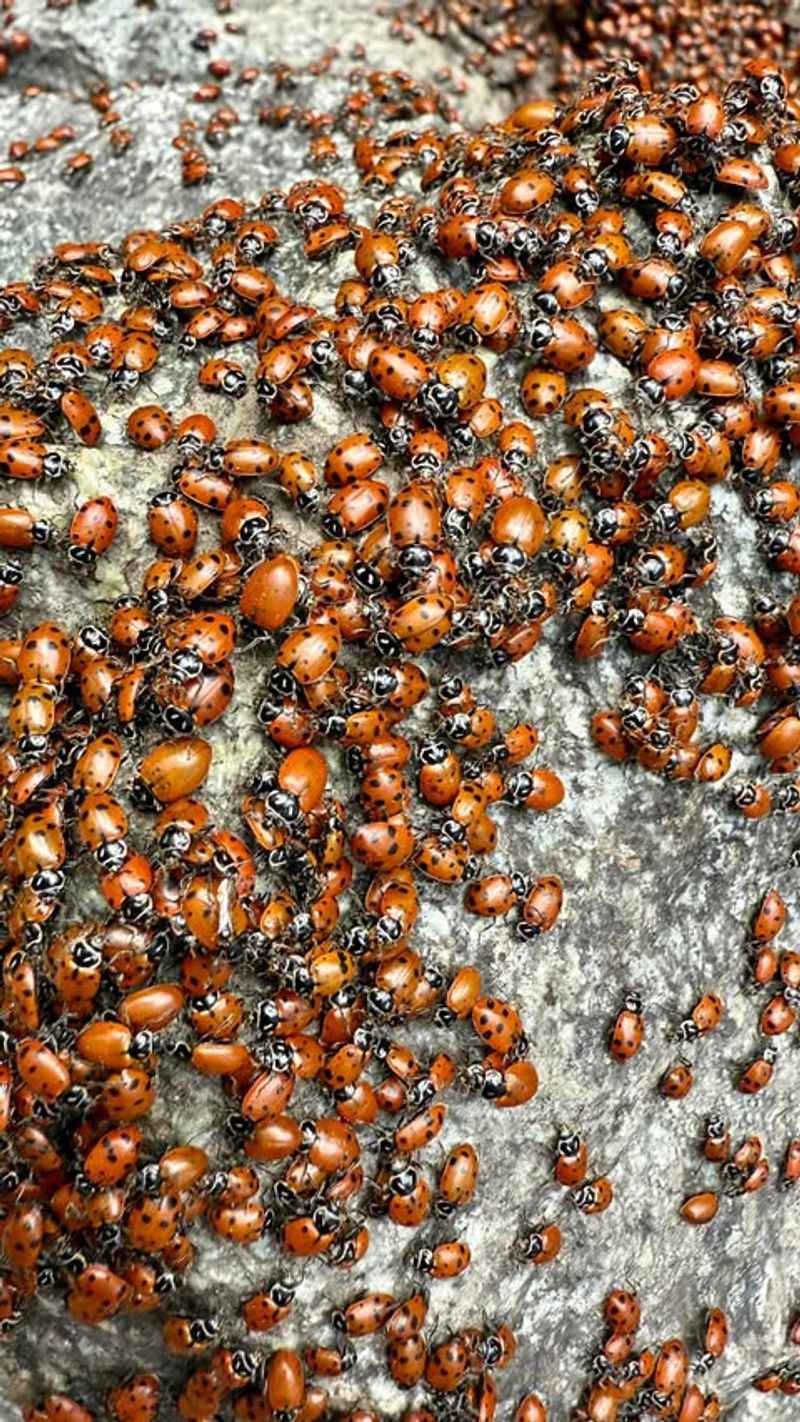
Noticing an unusual concentration of insects around your stump is a warning sign that decomposing wood has become a popular insect habitat.
Carpenter ants, wood-boring beetles, and termites find old stumps irresistible, using the softening wood as both shelter and a food source for their growing colonies.
Once established in the stump, these populations can grow rapidly and eventually look for new wooden structures to colonize, including your house, deck, or fence.
Washington’s mild winters mean that insect activity continues year-round rather than dying back during cold months like it does in harsher climates. This extended activity season allows insect populations to build up much faster and spread more widely throughout your property.
Termites are particularly concerning because they can move from stumps to nearby wooden structures through underground tunnels, often causing thousands of dollars in damage before you even realize they’re present.
Carpenter ants excavate extensive galleries inside rotting stumps, weakening the wood further and creating messy piles of sawdust around the base.
These ants can bite when disturbed and may eventually move into your home’s wooden framing if the colony grows large enough.
Removing the stump eliminates this attractive insect breeding ground before populations explode and spread to more valuable structures, protecting your property investment and giving you peace of mind that your home remains safe from wood-destroying pest invasions.
6. The Stump Is Preventing New Planting Or Landscaping Projects
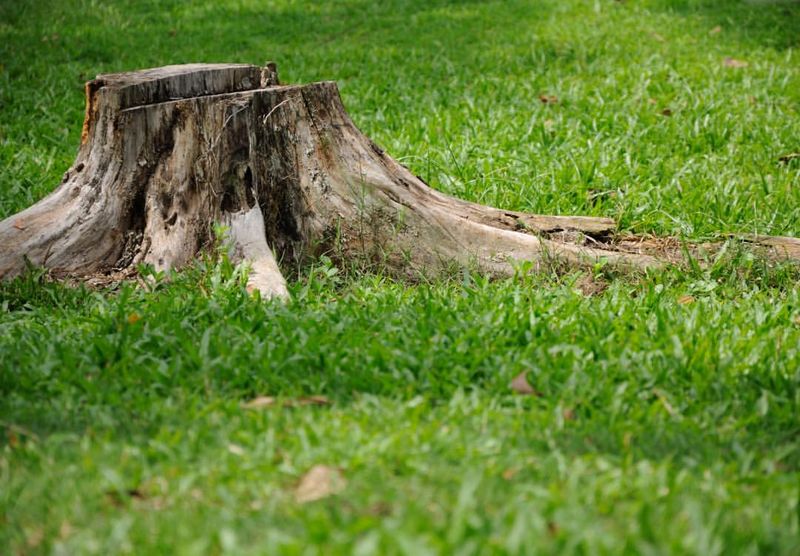
Planning a new garden bed, installing a patio, or expanding your lawn becomes frustratingly complicated when an old stump occupies prime real estate in your yard.
The visible stump is only part of the problem because the extensive root system spreading underground can extend far beyond what you see above ground.
These hidden roots block proper soil preparation, prevent adequate drainage installation, and make it nearly impossible to dig holes for new plants or posts.
Attempting to work around a stump means compromising your design vision and settling for layouts that aren’t quite what you imagined. The roots create hard, compacted zones in the soil where new plants struggle to establish healthy root systems of their own.
Even if you manage to plant around the stump, the decaying roots continue to take up valuable underground space and compete with your new plantings for water and nutrients.
Professional stump removal grinds away both the visible portion and the major root structures, leaving you with loose, workable soil perfect for any landscaping project you have in mind.
The removal process actually improves soil texture and drainage by breaking up compacted areas and creating space for water to flow naturally.
With the stump gone, you gain complete freedom to design your yard exactly how you want it, whether that means installing a fire pit, planting a vegetable garden, or creating a play area for children and pets to enjoy.
7. Yard Drainage Problems Are Forming Near The Stump
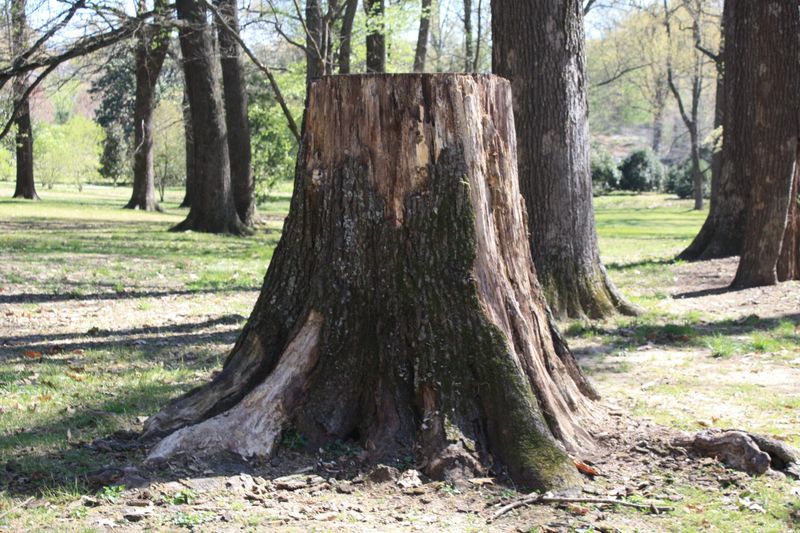
Puddles that linger for days after rainfall or soggy patches that never seem to dry out near your stump indicate serious drainage disruption.
As roots decay underground, they leave behind hollow channels and air pockets that redirect water flow in unpredictable ways, causing it to pool in areas that previously drained just fine.
The decaying stump itself acts like a sponge, absorbing and holding moisture in the surrounding soil long after the rest of your yard has dried out.
Compacted soil around old stumps develops from years of root pressure and foot traffic, creating a dense layer that water cannot penetrate easily. This forces rainfall to run across the surface rather than soaking in, leading to erosion, muddy pathways, and standing water that attracts mosquitoes.
Washington’s frequent rainfall makes these drainage issues particularly troublesome because your yard receives moisture regularly throughout much of the year.
Poor drainage around stumps stresses your lawn grass, causing it to turn yellow, develop fungal diseases, or simply rot away in the constantly wet conditions.
The excess moisture also encourages weed growth and makes the area unusable during rainy periods when you’d most like to enjoy the fresh outdoor air.
Removing the stump and addressing the compacted soil restores proper water movement through your yard, preventing future flooding issues and creating healthier growing conditions for your grass and garden plants to flourish in Washington’s naturally moist climate.