14 Houseplants That Need A Reset In Late Winter In New York Homes And How To Start
Late winter is the perfect time for New York homeowners to refresh their houseplants. Shorter days, low light, and dry indoor air can leave plants looking tired, stressed, or undernourished.
A late-winter reset helps rejuvenate them for healthy growth before spring. Give your houseplants a fresh start and watch them thrive again.
These fourteen plants, from pothos and philodendrons to snake plants and ferns, benefit from repotting, pruning, refreshing soil, cleaning leaves, and adjusting light and humidity.
Simple care steps can revive struggling plants, encourage stronger roots, and improve overall health.
With proper attention, houseplants bounce back quickly and are ready to flourish as daylight increases. A simple reset now ensures vibrant, healthy growth in the coming months.
New York homeowners who follow these tips can enjoy lush, thriving indoor greenery and a revitalized home environment. Refresh your houseplants this late winter and set them up for success.
1. Peace Lily (Spathiphyllum)
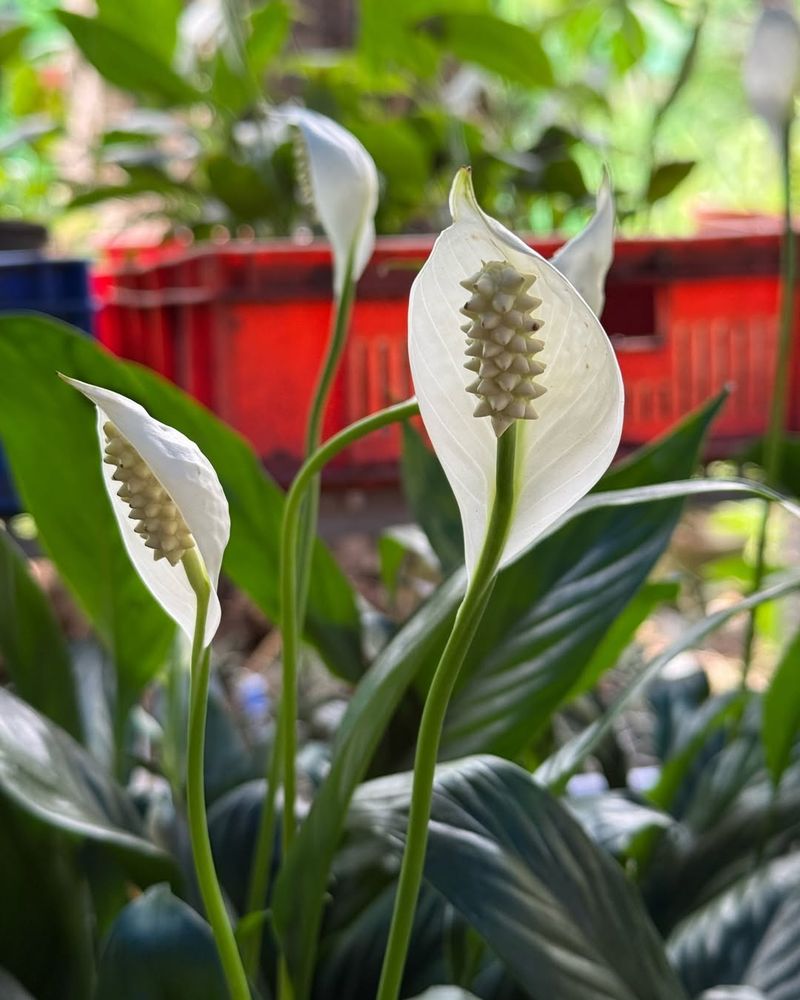
Elegant white blooms and glossy green foliage make peace lilies beloved houseplants, but winter conditions often leave them looking bedraggled and stressed. Older leaves naturally yellow and droop as the plant matures, while dry indoor air causes leaf edges to brown.
Recognizing whether your peace lily needs simple maintenance or a full repotting makes all the difference in its recovery.
Start by trimming away any yellowed or damaged foliage at the base of each stem, removing it completely from the plant. This cleanup improves appearance and prevents potential fungal issues from developing on declining tissue.
Refresh the top inch or two of soil by gently removing it and replacing it with fresh potting mix rich in organic matter.
Peace lilies are dramatic about their water needs, often drooping noticeably when thirsty, but they actually prefer consistently moist soil rather than wet conditions.
Improve humidity around your plant by misting regularly, using a humidifier, or placing the pot on a water-filled pebble tray. Higher moisture levels prevent those unsightly brown leaf edges.
Signs that indicate repotting rather than simple maintenance include roots growing through drainage holes, water running straight through without absorbing, or the plant requiring water every day or two.
If these symptoms are present, move your peace lily to a container one size larger with fresh potting soil for renewed vigor and health.
2. Pothos (Epipremnum Aureum)
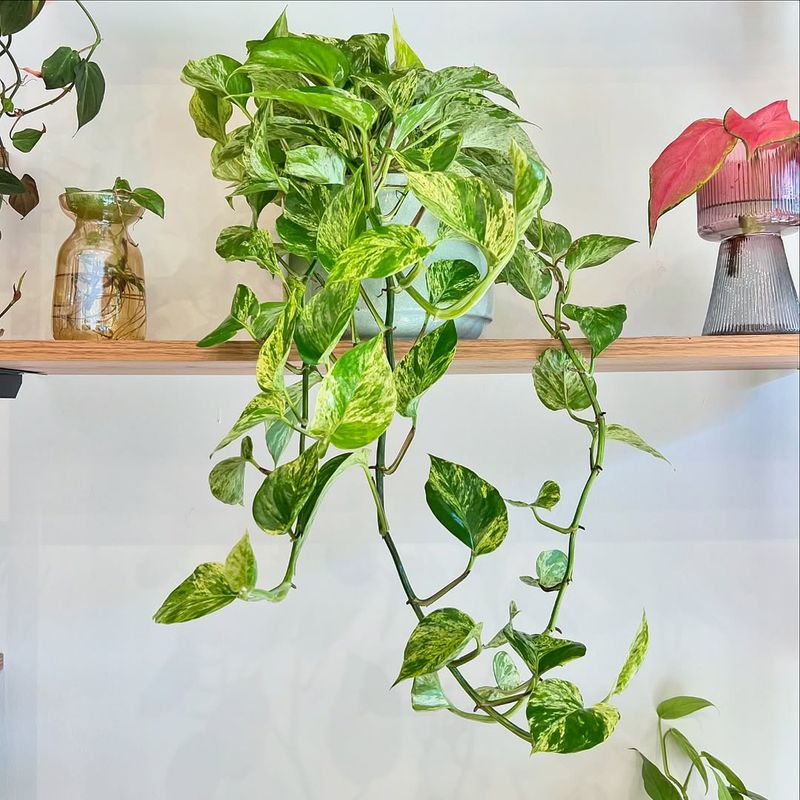
Vines that once cascaded beautifully may now look sparse and stretched after a long winter indoors. Pothos often sends out long, leafless stems searching for light during darker months, creating an unbalanced appearance that needs correction.
The good news is that this resilient plant responds wonderfully to strategic trimming, bouncing back fuller and more lush.
Start by examining each vine for nodes, which are the small brown bumps where leaves emerge along the stem. Using clean, sharp scissors, cut just below a node on any leggy or bare sections.
These cuttings can even be propagated in water if you want more plants. Dust accumulates on those heart-shaped leaves throughout winter, blocking light absorption and dulling their glossy finish.
Gently wipe each leaf with a damp cloth to restore their natural shine and improve photosynthesis.
Your New York Garden Changes Every Week. Your Plan Should Too.
Gardening in New York changes quickly throughout the season. Every Friday you’ll receive a simple weekly plan showing exactly what to plant, prune, fertilize, harvest, and protect so you never miss the right timing.
Reposition your pothos closer to a window with bright, indirect light, but avoid harsh direct sun that can scorch the foliage.
Node-based pruning encourages the plant to branch out from multiple points rather than continuing one long vine. This technique creates a bushier, more attractive plant perfect for hanging baskets or shelves.
With proper trimming and placement adjustments, your pothos will reward you with vigorous spring growth.
3. Spider Plant (Chlorophytum Comosum)
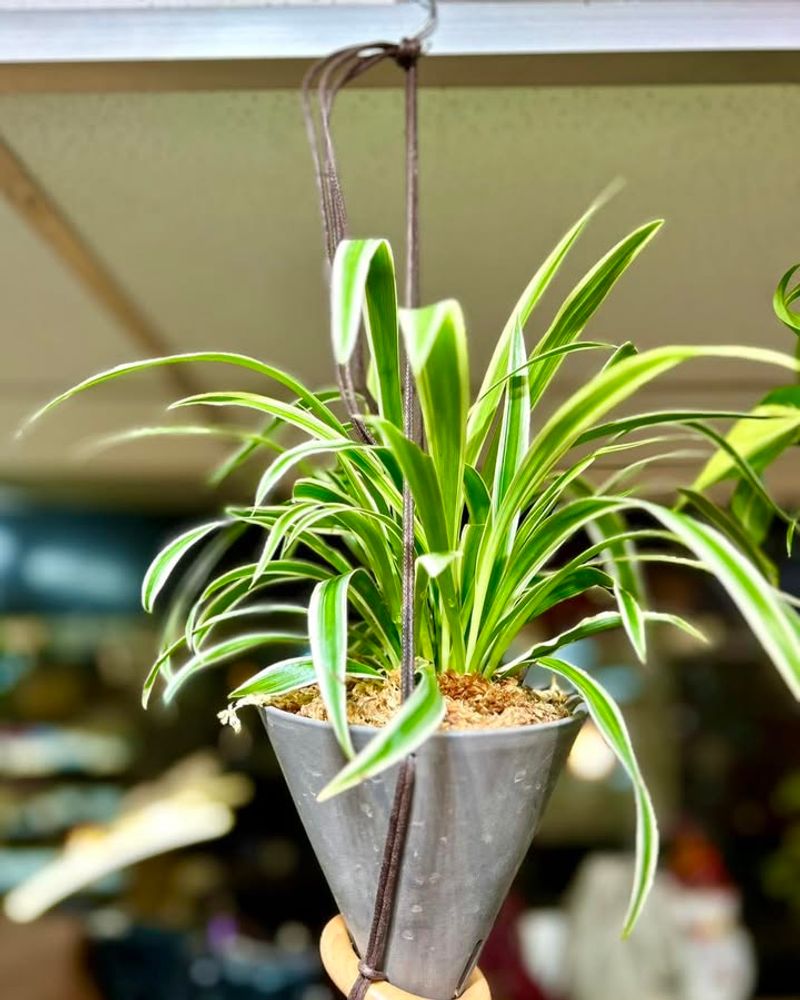
Brown, crispy leaf tips are practically a signature of spider plants living through New York winters, signaling low humidity and inconsistent watering. Those arching green and white striped leaves lose their crispness when indoor heating systems strip moisture from the air.
Addressing these issues now helps your spider plant regain its fountain-like elegance before spring arrives.
Trim away browned tips with sharp scissors, cutting at an angle to mimic the natural leaf shape rather than creating blunt edges. This cosmetic fix immediately improves appearance while removing tissue that cannot recover.
If your plant has produced numerous offsets or babies, consider separating some to reduce crowding and allow the mother plant to redirect energy.
Compacted soil often develops after months without repotting, restricting root growth and water penetration. Gently remove the plant from its container and loosen the root ball, refreshing with new potting mix if needed.
Spider plants appreciate being slightly root-bound but still need adequate drainage and nutrient access.
Boost humidity by placing your spider plant on a pebble tray filled with water or grouping it with other plants to create a microclimate. Regular misting helps but is less effective than these longer-term humidity solutions.
With renewed soil, trimmed foliage, and better moisture levels, your spider plant will thrive.
4. Snake Plant (Dracaena Trifasciata)
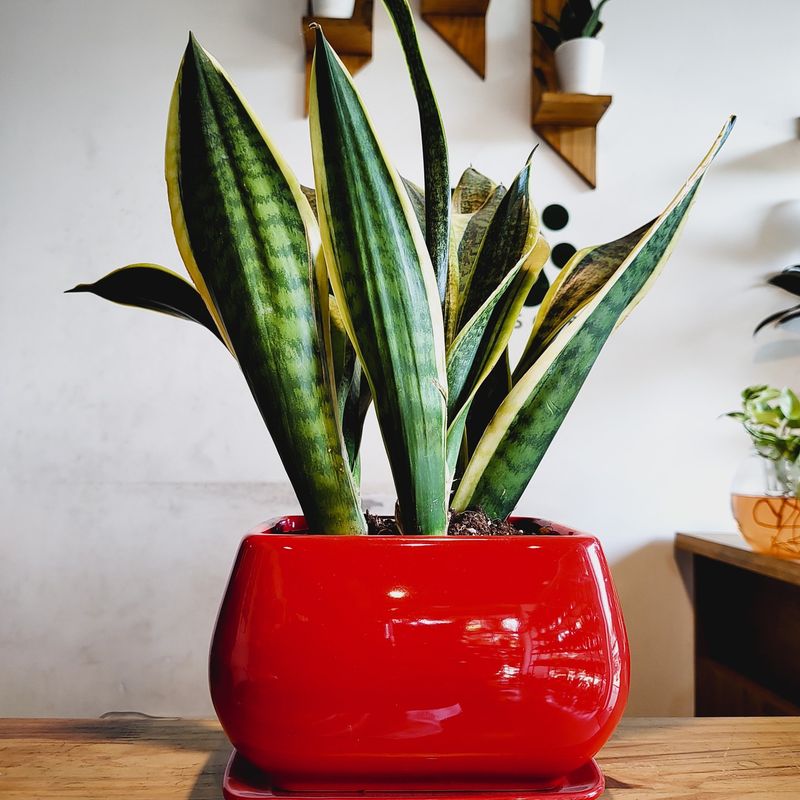
Nearly indestructible under normal conditions, snake plants can still develop issues when drainage becomes compromised or leaves sustain damage during winter months.
Those tall, upright sword-like leaves may show soft spots, discoloration, or bending if water has pooled around roots. Late winter offers the perfect opportunity to address these problems before active growth resumes.
Check your container’s drainage holes to ensure they are not blocked by compacted soil or root material. Snake plants are extremely susceptible to root rot, so water must flow freely through the pot.
Remove any damaged outer leaves by cutting them at the soil line with a clean blade, as injured foliage will not recover and only drains plant resources.
Gradually move your snake plant to a brighter location if it has been sitting in a dim corner all winter. While tolerant of low light, these plants actually prefer moderate to bright indirect light and will grow more vigorously with better illumination.
Avoid sudden changes that can shock the plant, instead repositioning it incrementally over a week or two.
Adjust your watering schedule to account for slower winter growth, allowing soil to dry completely between waterings. Overwatering during dormancy causes more problems than underwatering for this drought-tolerant species.
With improved drainage, light exposure, and careful watering, your snake plant will stand tall and healthy.
5. Rubber Plant (Ficus Elastica)
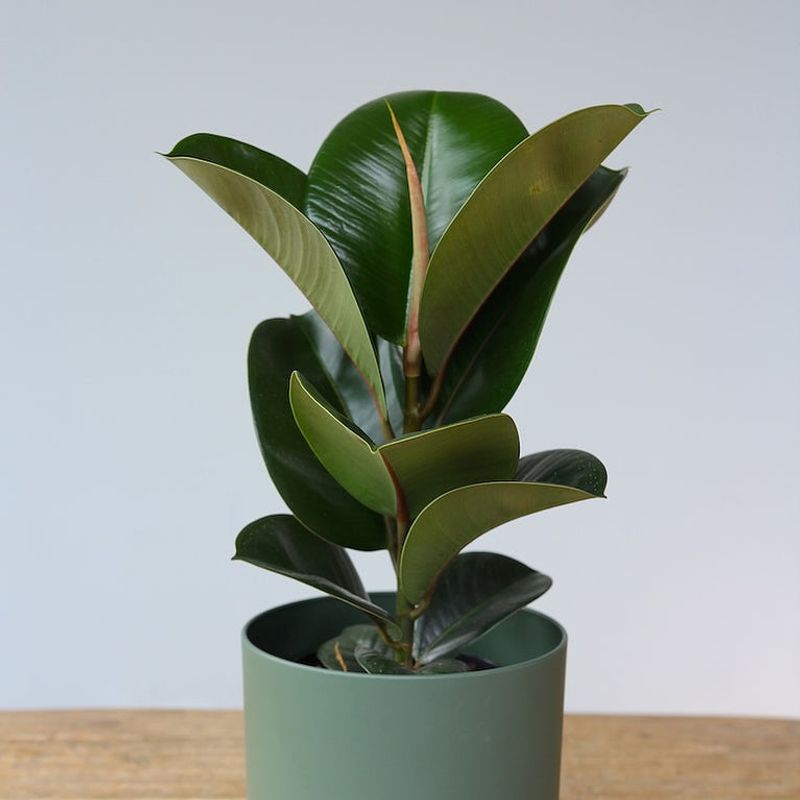
Those large, glossy leaves that give rubber plants their striking appearance also act as dust magnets throughout winter months. A thick coating of dust not only looks unappealing but actually blocks light from reaching the leaf surface, reducing photosynthesis efficiency.
Regular cleaning becomes essential maintenance for keeping your rubber plant healthy and attractive.
Wipe each leaf gently with a soft, damp cloth, supporting the underside with your other hand to avoid tearing or bending. This simple task immediately transforms the plant’s appearance, restoring the deep green shine that makes rubber plants so desirable.
Clean leaves also breathe better and are less susceptible to pest infestations. Rubber plants naturally grow toward their light source, often developing lopsided shapes if left in one position all winter.
Rotate your container a quarter turn every week or two to encourage balanced growth on all sides. This practice prevents the plant from leaning dramatically and promotes even foliage distribution.
Selective pruning helps control shape and encourages branching in rubber plants that have grown too tall or leggy. Make cuts just above a leaf node using clean, sharp pruners, and the plant will send out new growth from that point.
Be aware that rubber plants produce a milky latex sap when cut, so wear gloves if you have sensitive skin and wipe away any drips promptly to avoid stains.
6. Monstera (Monstera Deliciosa)
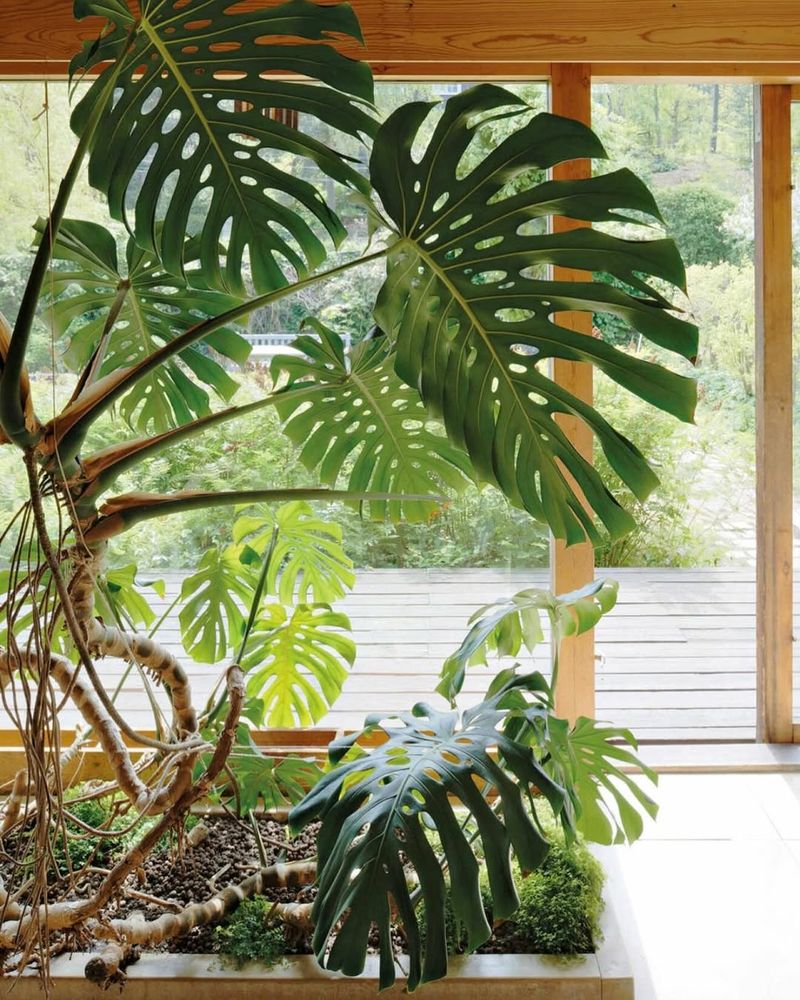
Few houseplants make as bold a statement as a monstera with its dramatic split leaves and tropical presence. Winter can be rough on these jungle natives, causing leaf damage, root crowding, and weak growth that needs attention.
Those iconic fenestrations look their best when the plant receives proper care and support. Inspect your monstera for any leaves with extensive browning, yellowing, or mechanical damage, removing them completely at the base of the stem.
This cleanup redirects the plant’s energy toward healthy foliage and new growth. Check the root situation by gently lifting the plant slightly in its pot; if roots are circling densely or growing through drainage holes, repotting is needed.
Monsteras are climbing plants in their natural habitat, using aerial roots to attach to trees and grow upward. Provide support with a moss pole, wooden stake, or trellis to encourage larger leaves and more pronounced splits.
Secure stems gently with soft ties, allowing room for growth while guiding the plant’s direction.
Position your monstera near bright, indirect light during late winter, as stronger illumination promotes better leaf development and those characteristic splits. Avoid direct sun, which can scorch the large leaves and cause unsightly brown patches.
With proper support, adequate light, and removal of damaged foliage, your monstera will produce impressive new growth as spring approaches and become a stunning focal point in any room.
7. ZZ Plant (Zamioculcas Zamiifolia)
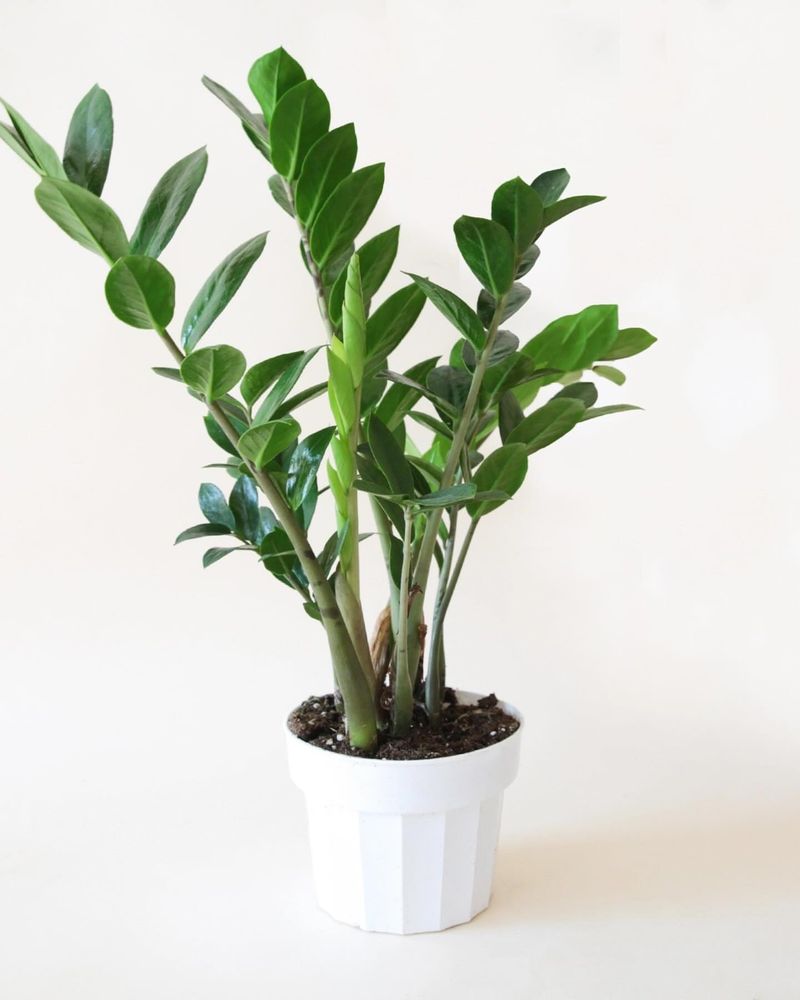
Shiny, dark green leaflets arranged along upright stems give ZZ plants their distinctive architectural appeal.
These tough plants tolerate neglect better than most, but even they benefit from late winter maintenance, especially if they have been growing in the same pot for several years. Crowded rhizomes and compacted soil eventually limit growth potential.
Carefully remove your ZZ plant from its container to examine the rhizome structure beneath the soil surface. These potato-like storage organs multiply over time, sometimes becoming so crowded that they push against the pot walls.
If severely crowded, consider division by gently separating rhizomes with roots attached, creating multiple plants from one.
Refresh the soil structure even if not dividing, as old potting mix becomes compacted and loses its ability to drain properly.
ZZ plants prefer well-draining soil that allows water to pass through quickly, preventing the rhizome rot that can occur with waterlogged conditions. Mix in perlite or coarse sand to improve drainage if needed.
Adjust your watering schedule during low-light winter months, allowing soil to dry completely between waterings. ZZ plants store water in their rhizomes and can go weeks without additional moisture, making them perfect for forgetful plant owners.
Overwatering causes more problems than underwatering for this species. With refreshed soil, appropriate spacing, and careful watering, your ZZ plant will continue its slow but steady growth pattern, eventually producing new stems from the rhizomes.
8. Heartleaf Philodendron (Philodendron Hederaceum)
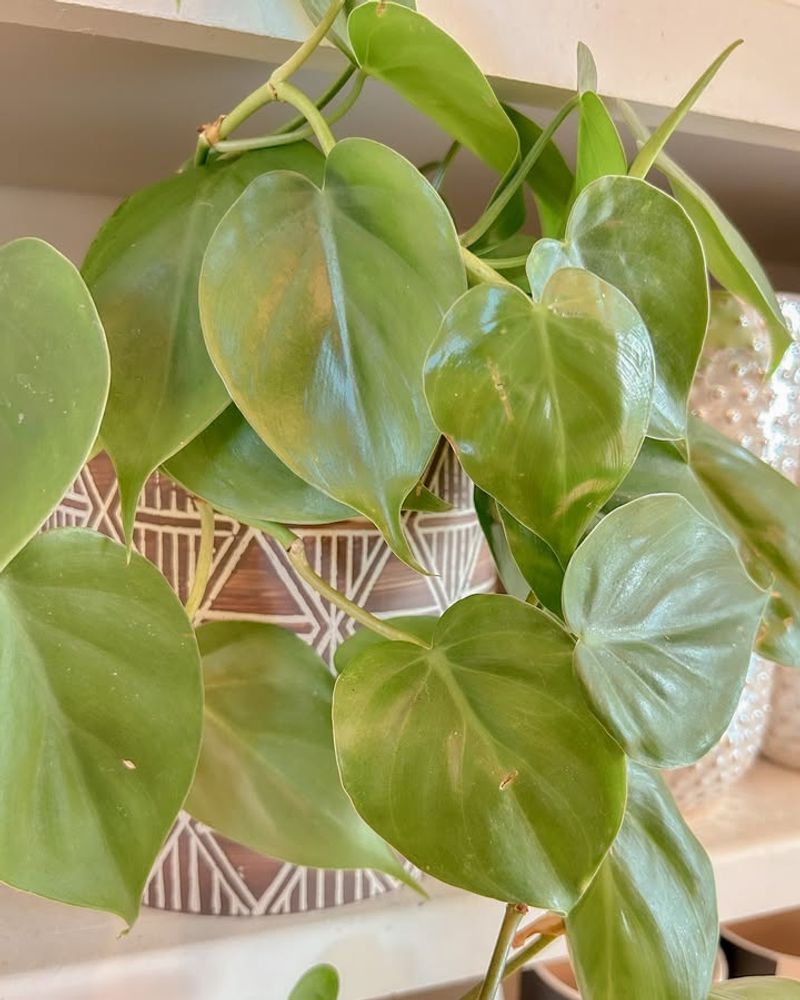
Trailing vines covered in heart-shaped leaves make this philodendron a favorite for hanging baskets and high shelves. Winter’s low light often causes stems to stretch out with large gaps between leaves, creating a sparse, leggy appearance.
Strategic pruning now encourages the plant to fill in with fresh, compact growth. Examine your philodendron’s stems and identify sections that have become too long or bare.
Cut these back to a more desirable length, making your cuts just above a leaf node where you want new growth to emerge. The plant will respond by producing multiple new stems from points below the cut, creating a fuller, bushier appearance.
If your philodendron lives in a hanging basket, consider refreshing the entire setup by removing the plant, checking the root system, and replacing old soil.
This is also an excellent time to prune away any roots that are circling excessively. Repot in fresh, well-draining potting mix and return the basket to its location.
Improve airflow around your philodendron by ensuring it is not pressed against walls or crowded by other plants. Good air circulation prevents fungal issues and helps the plant dry properly between waterings.
Trimming methods that encourage branching growth include cutting back main stems to promote side shoots, creating a fuller plant.
With proper pruning and renewed growing conditions, your heartleaf philodendron will transform from sparse to spectacular just in time for spring.
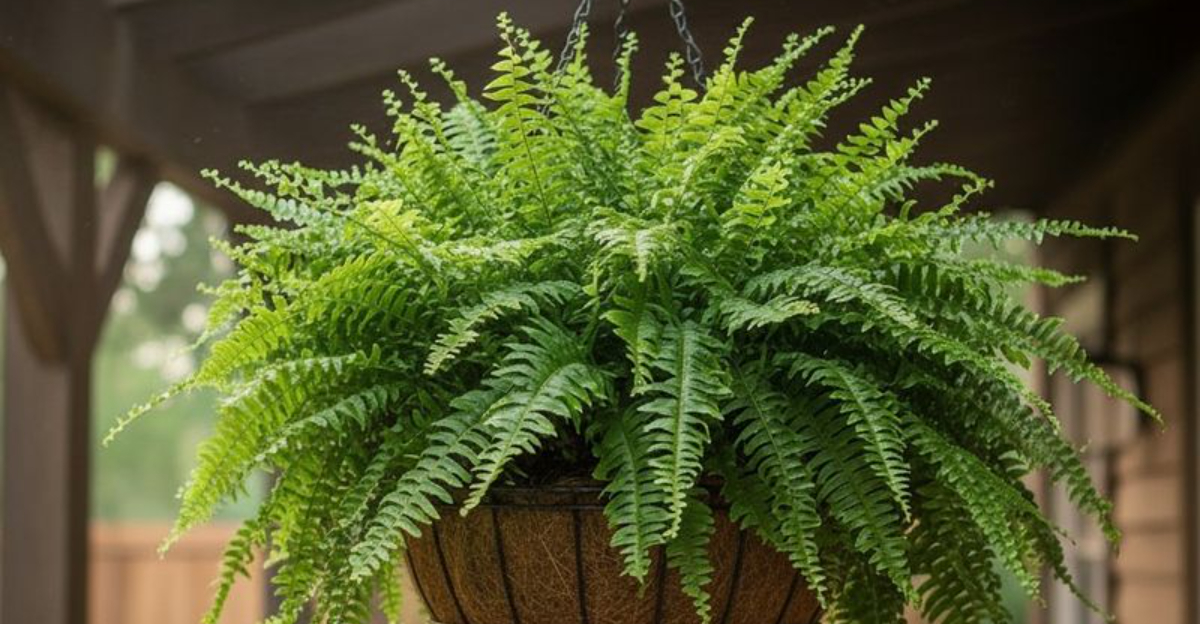
9. Boston Fern (Nephrolepis Exaltata)
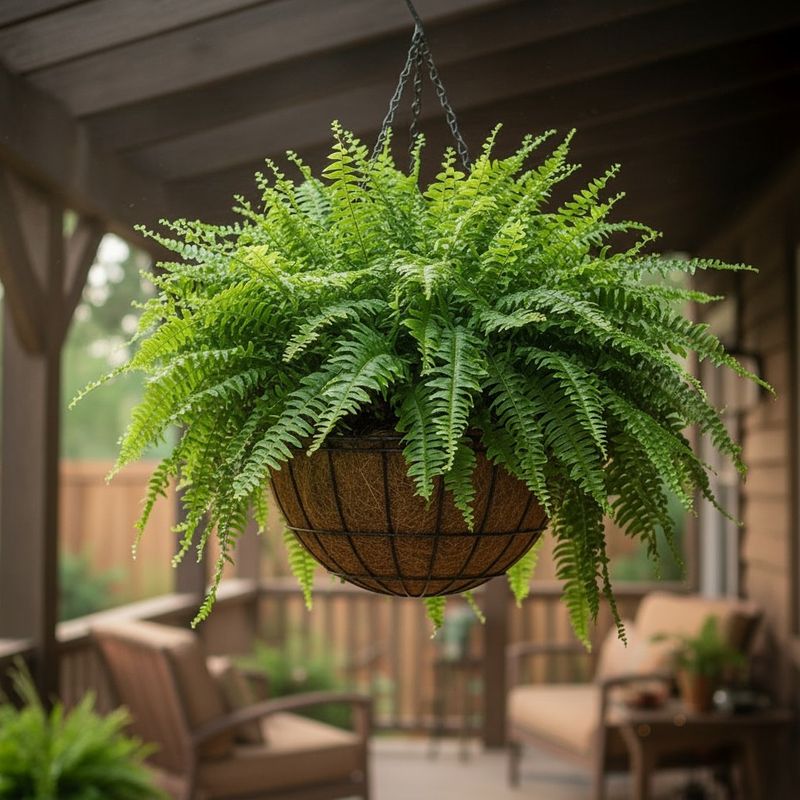
Lush, feathery fronds cascading from all sides make Boston ferns irresistible, but they are notoriously fussy about humidity and moisture.
New York’s winter heating systems create desert-like conditions that leave these moisture-loving plants with crispy brown fronds and a generally unhappy appearance. Addressing their specific needs now prevents further decline and encourages recovery.
Begin by trimming away any completely brown or dried fronds, cutting them at the base near the soil line. These fronds will not recover and only detract from the plant’s appearance.
Use sharp scissors to avoid crushing stems, and remove fronds selectively rather than giving the entire plant a drastic haircut.
Humidity is absolutely critical for Boston ferns, which naturally grow in moist forest environments.
Place your fern on a wide tray filled with pebbles and water, ensuring the pot sits above the water line rather than in it. As water evaporates, it creates a humid microclimate around the plant.
Reposition your fern away from heating vents, radiators, or forced-air returns that blast it with dry heat. These plants prefer cooler temperatures and consistent moisture rather than the hot, dry conditions typical of heated apartments.
Moisture management strategies for winter indoor air include grouping plants together, using a room humidifier, and misting fronds daily.
With increased humidity, proper placement, and regular moisture, your Boston fern will produce fresh, vibrant fronds that restore its former glory and bring a touch of forest beauty indoors.
10. Fiddle Leaf Fig (Ficus Lyrata)
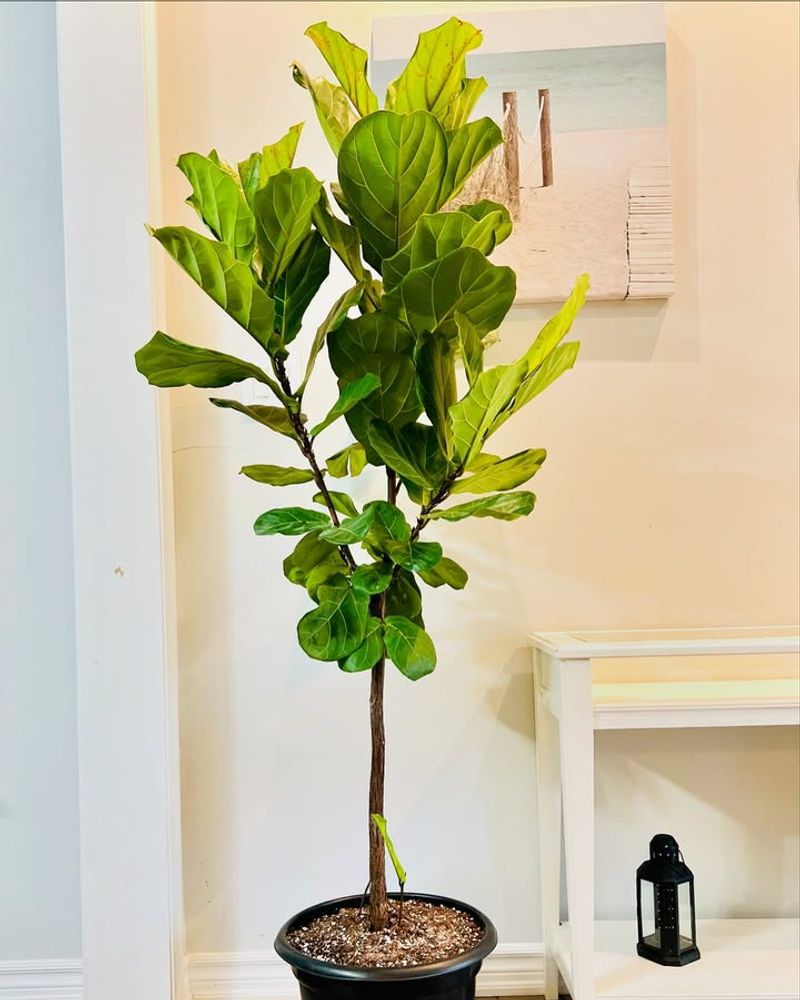
Tall and sculptural with oversized violin-shaped leaves, fiddle leaf figs have become Instagram-famous houseplants. Their dramatic appearance comes with equally dramatic needs, as these fussy plants dislike changes in light, temperature, and watering routines.
Winter challenges their stability, making late winter maintenance essential for preventing leaf drop and brown spots.
Dust accumulation on those large leaves reduces photosynthesis efficiency and makes the plant look dull. Wipe each leaf carefully with a soft, damp cloth, supporting the leaf from underneath to avoid damage.
This cleaning improves the plant’s ability to absorb light and restores the glossy finish that makes fiddle leaf figs so attractive.
Rotate your fiddle leaf fig regularly to ensure all sides receive equal light exposure, preventing lopsided growth.
These plants naturally lean toward their light source, so turning the pot a quarter rotation every week or two promotes balanced development. Consistent rotation creates a fuller, more symmetrical plant.
Stabilize your watering routine by checking soil moisture before adding water, as fiddle leaf figs prefer to dry out slightly between waterings. Overwatering causes brown spots and root rot, while underwatering leads to leaf drop.
Avoid placing your plant near drafty windows, doors, or heating vents, as temperature fluctuations stress these sensitive plants.
With consistent care, regular rotation, clean leaves, and protection from drafts, your fiddle leaf fig will maintain its architectural beauty throughout winter and into spring.
11. Aloe Vera
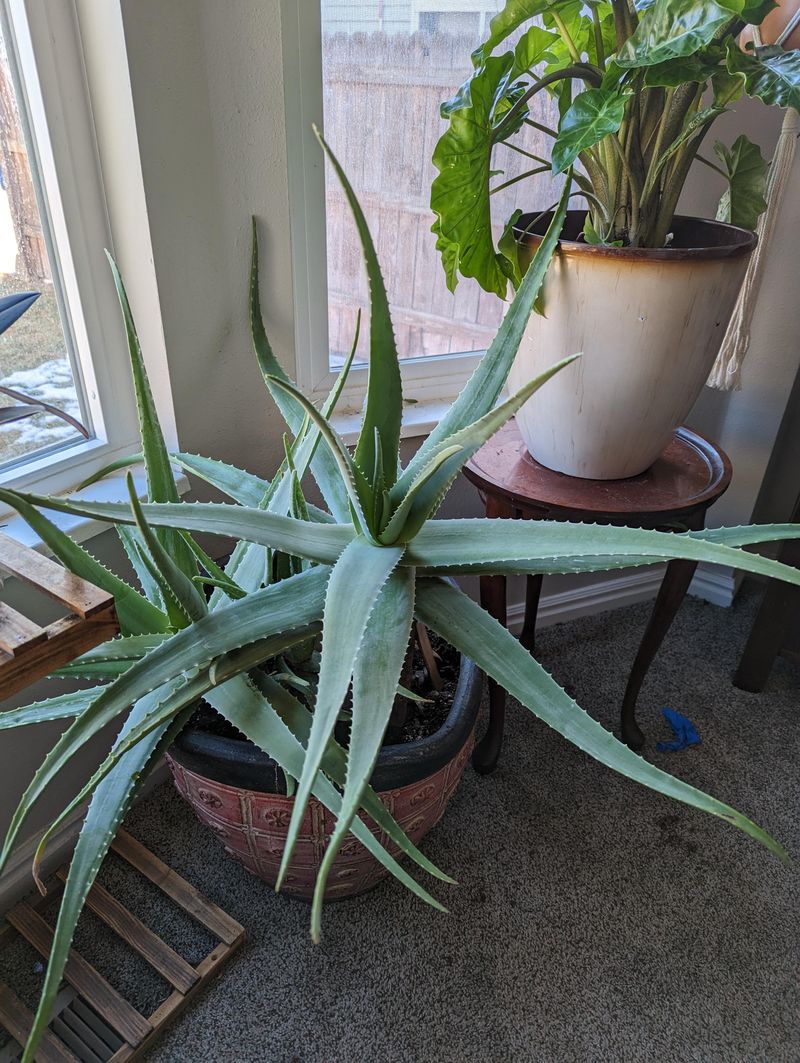
Spiky succulent leaves filled with soothing gel make aloe vera both decorative and functional in any home.
These desert natives actually thrive during winter months if given proper light, but they still benefit from maintenance that removes older foliage and refreshes their growing medium.
South-facing windows common in New York apartments provide ideal conditions for these sun-lovers.
Examine your aloe plant for any outer leaves that have become brown, shriveled, or damaged. Remove these at the base using a clean, sharp knife, cutting as close to the main stem as possible.
Older leaves naturally decline as the plant produces new growth from the center, so this removal is part of normal maintenance.
Aloe vera requires extremely well-draining soil to prevent root rot, as their shallow root systems cannot tolerate sitting in moisture.
Refresh the potting mix with a cactus and succulent blend that contains plenty of sand, perlite, or pumice. Regular potting soil retains too much water and will eventually cause problems.
Move your aloe to the sunniest spot available, ideally a south-facing window where it can receive several hours of direct sunlight daily. These plants actually prefer bright, direct light unlike many houseplants that need filtered illumination.
Adequate sunlight keeps the leaves compact and promotes the development of new pups around the base.
With well-draining soil, plenty of sunshine, and removal of declining leaves, your aloe vera will remain healthy and ready to provide healing gel whenever needed for minor burns or skin irritations.
12. Jade Plant (Crassula Ovata)
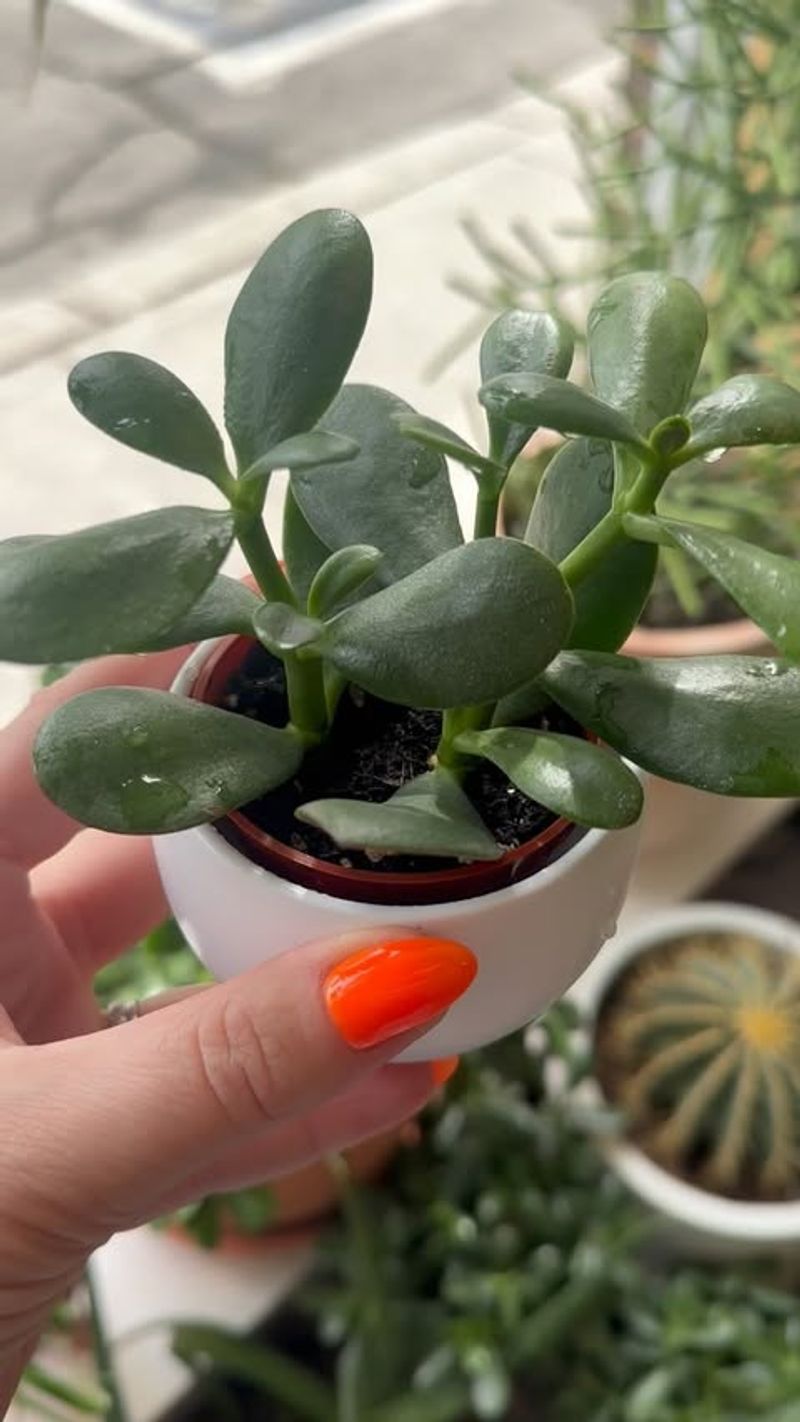
Thick, oval leaves and woody stems give mature jade plants a miniature tree appearance that improves with age. These succulents are incredibly long-lived when given proper care, but winter can challenge them with overwatering and insufficient light.
Late winter maintenance focuses on drainage improvement and preparing the plant for increased spring illumination.
Check your jade plant’s drainage situation by examining the soil and container. Water should flow freely through the pot when watered, never pooling on the surface or draining slowly.
If drainage seems poor, repot in a cactus and succulent mix with added perlite or coarse sand.
Remove any weak, etiolated growth that developed during darker winter months. These stretched stems with widely spaced leaves detract from the plant’s compact appearance and drain resources.
Prune them back to a main branch or the trunk, and the plant will redirect energy to healthier growth.
Adjust your watering frequency to account for seasonal differences, allowing soil to dry completely between waterings.
Jade plants store water in their thick leaves and can tolerate extended dry periods better than constant moisture. Overwatering causes root rot and soft, mushy leaves.
Prepare your jade plant for brighter spring light by gradually moving it to a sunnier location over several weeks. Sudden exposure to intense light can cause sunburn on leaves adapted to winter conditions.
With improved drainage, removal of weak growth, careful watering, and gradual light increases, your jade plant will develop the compact, tree-like form that makes these succulents so appealing as they mature beautifully over the years.
13. Hoya (Wax Plant – Hoya Carnosa)
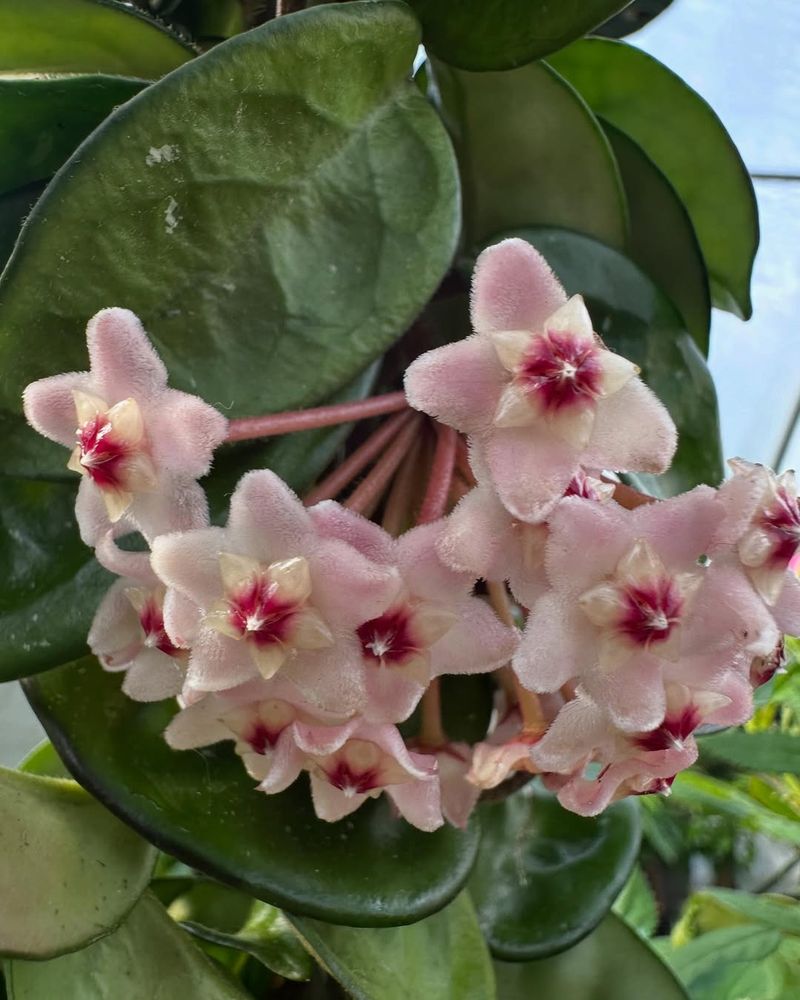
Thick, waxy leaves and clusters of fragrant star-shaped flowers make hoyas treasured houseplants for patient growers. These vining plants grow slowly but reward good care with spectacular blooms that smell like honey or chocolate.
Late winter maintenance directly impacts spring flower development, making this the perfect time to assess your hoya’s needs.
Gently remove your hoya from its pot to check root space without disturbing the root ball excessively. Hoyas actually prefer being slightly root-bound and often bloom better when their roots fill the container.
If roots are extremely crowded or circling densely, move up just one pot size rather than giving the plant too much space.
Clean those thick leaves by wiping them with a damp cloth to remove dust and improve their natural glossy appearance. Clean leaves photosynthesize more efficiently and show off the beautiful variegation present in many hoya varieties.
Take care not to remove the peduncles, which are small spurs where flowers emerge, as these produce blooms year after year.
Gradually increase your hoya’s light exposure as days lengthen, moving it closer to a bright window with indirect light. Adequate light triggers flower bud formation, which typically occurs in spring and summer.
Avoid moving blooming hoyas, as they dislike being relocated once buds form. Why does late winter maintenance support spring flower development?
Because hoyas need a period of cooler temperatures and reduced watering during winter to set buds properly.
Providing optimal conditions now ensures your plant will reward you with those stunning, fragrant flower clusters in the coming months, making all your patient care worthwhile.
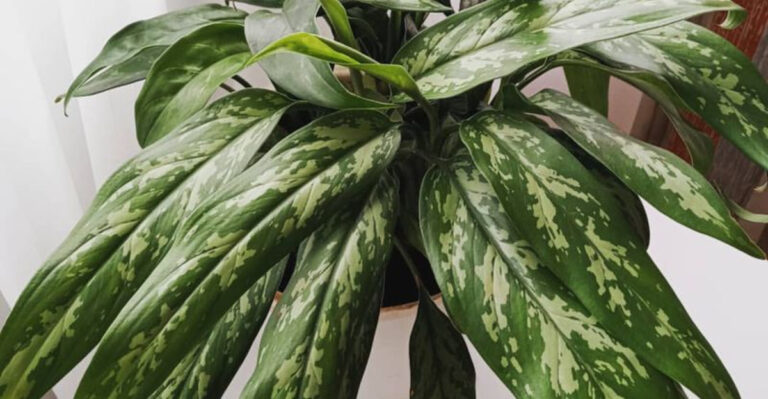
14. Chinese Evergreen (Aglaonema)
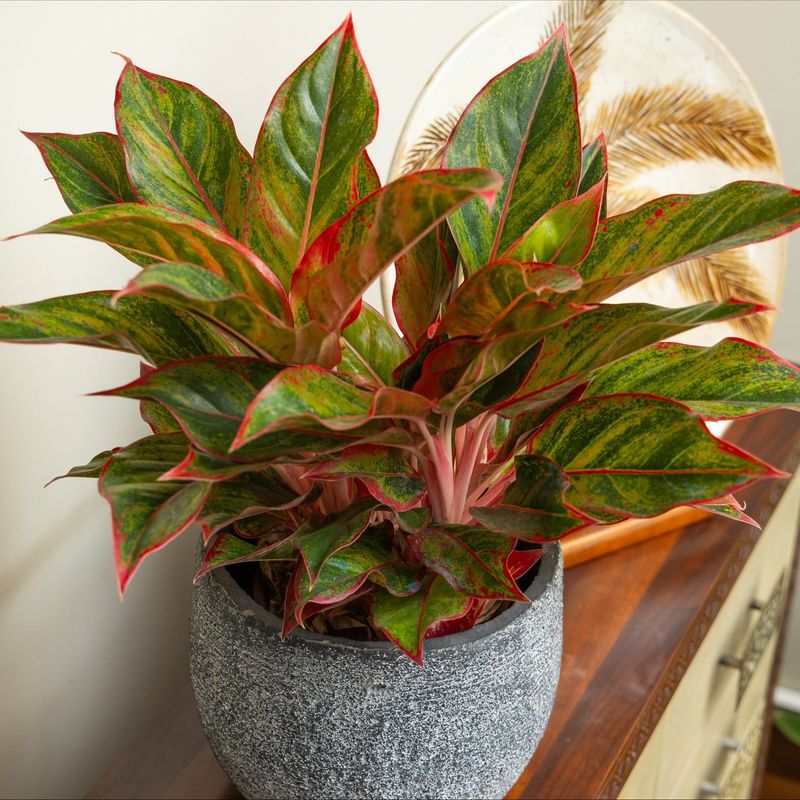
Colorful foliage in shades of green, silver, pink, and red makes Chinese evergreens popular choices for lower-light spaces. These tough plants tolerate neglect and dim conditions better than most, but winter drafts and declining leaves can still create problems.
Addressing these issues now keeps your aglaonema looking its colorful best. Trim away any damaged, yellowed, or brown foliage by cutting stems at the base near the soil line.
Chinese evergreens naturally shed older outer leaves as they mature, so some leaf loss is normal. Removing declining foliage improves appearance and prevents potential pest or disease issues from developing on weakened tissue.
Refresh the potting mix by removing the top inch or two of old soil and replacing it with fresh potting mix. This simple step replenishes nutrients and improves soil structure without the stress of complete repotting.
Chinese evergreens prefer rich, well-draining soil that holds some moisture without becoming waterlogged.
Improve your plant’s placement by moving it away from cold window drafts that can cause leaf damage and slow growth.
These tropical plants prefer consistent temperatures between sixty-five and seventy-five degrees, without cold air blowing directly on them. Even cold-tolerant varieties suffer when exposed to drafts from windows or doors.
Low-light tolerance management means understanding that while Chinese evergreens survive in dim conditions, they actually grow better and show more vibrant colors with moderate indirect light.
Position your plant where it receives bright, filtered light rather than keeping it in a dark corner.
With fresh soil, proper placement away from drafts, and removal of damaged leaves, your Chinese evergreen will maintain its attractive foliage and continue brightening your space throughout the year.