9 Backyard Secrets That Help Attract Migratory Birds In California
California backyards can become a haven for migratory birds with the right strategies. By providing food, water, shelter, and safe spaces, gardeners can enjoy the beauty and activity of feathered visitors throughout the migration season.
Turn your yard into a bird-friendly paradise that attracts colorful visitors. These secrets include planting native flowers and shrubs, offering fresh water sources, providing nesting materials, and minimizing pesticide use.
Proper placement of feeders and shrubs, along with maintaining a quiet, safe environment, encourages birds to stop and stay longer.
Supporting pollinators and insects also ensures a natural food supply for migrating species. Creating an inviting habitat benefits both birds and your garden.
California homeowners who use these techniques can enjoy increased wildlife activity, richer biodiversity, and a more vibrant outdoor space. Attract migratory birds and experience the joy of a lively backyard ecosystem.
1. Offer Fresh, Shallow Water Sources
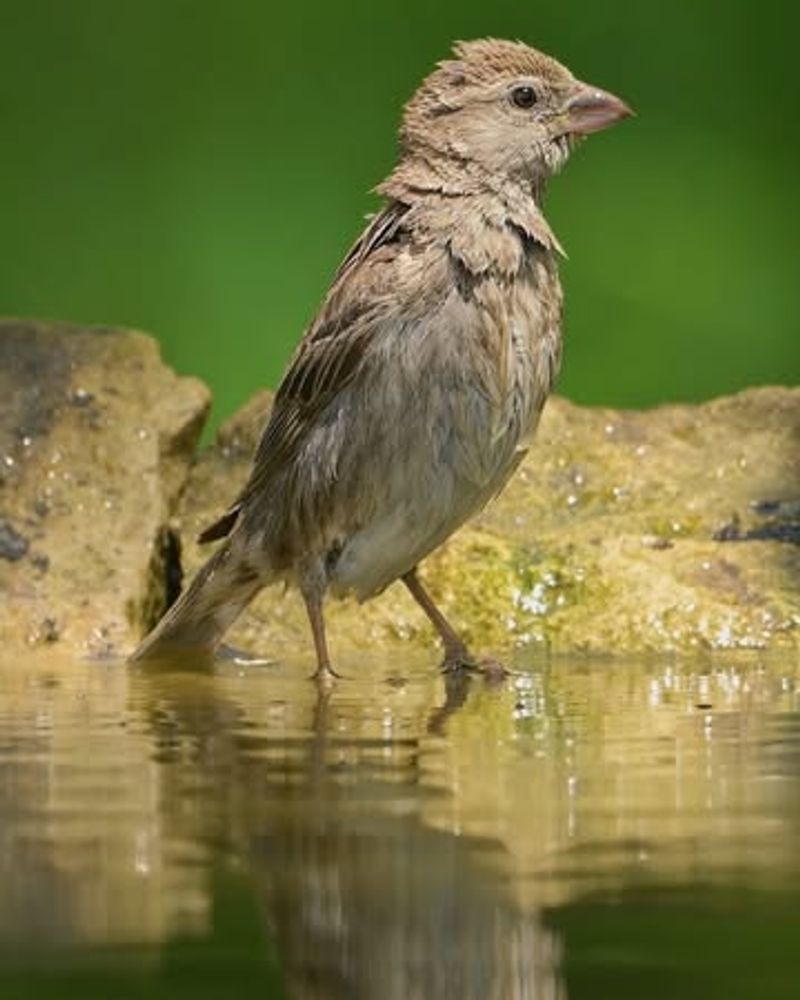
Water ranks among the most critical resources for migrating birds, yet it’s often overlooked by backyard enthusiasts who focus solely on food.
Birds need water not just for drinking but also for maintaining their feathers, which must remain in perfect condition for successful long-distance flight.
A properly maintained birdbath can attract more species than any feeder, drawing in birds that might never visit seed stations.
The ideal birdbath depth ranges from one to two inches, allowing small songbirds to bathe safely without risk of submersion. Placement matters tremendously as well, with the best locations offering nearby shrubs or trees where wet birds can perch and preen while remaining alert for predators.
Position your water source in partial shade to keep water cooler and reduce evaporation, but ensure enough openness that birds can spot approaching danger.
Moving water creates irresistible appeal for migratory species, with the sound and sparkle attracting birds from remarkable distances. Simple additions like dripper attachments or small solar fountains transform ordinary birdbaths into avian magnets.
Remember to refresh water daily during migration seasons, as stagnant water breeds mosquitoes and bacteria that can harm the very birds you’re trying to help.
Clean birdbaths thoroughly every few days using a scrub brush and diluted vinegar, rinsing completely before refilling with fresh water.
2. Leave Some Natural Leaf Litter And Garden Debris
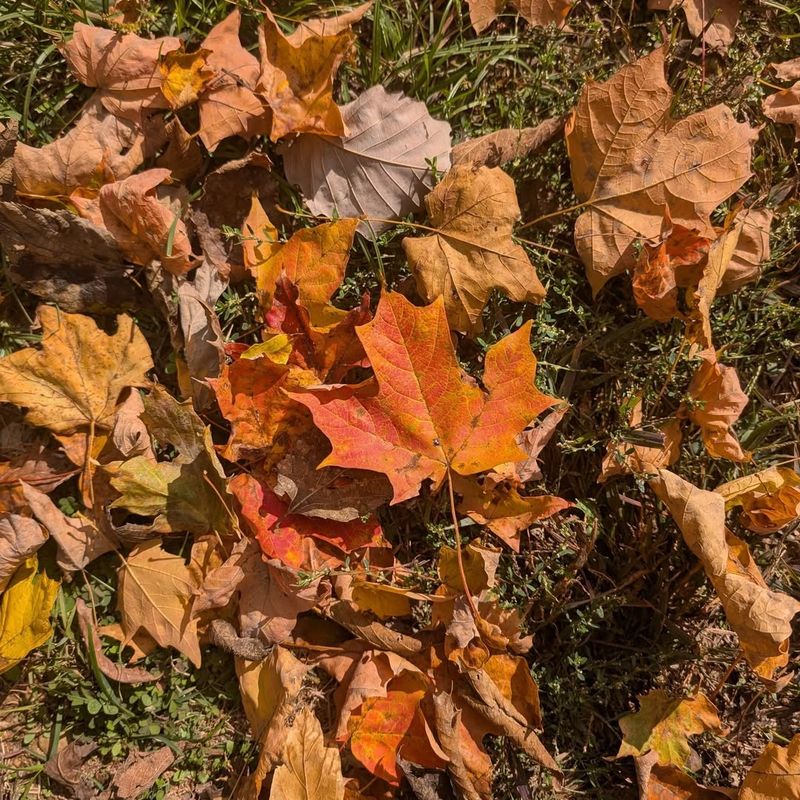
That urge to rake every fallen leaf and clear every twig might actually work against your bird-attracting goals. Natural leaf litter creates habitat for countless insects, spiders, and other invertebrates that form essential protein sources for migrating birds.
Thrushes, towhees, and sparrows spend hours scratching through leaf layers, uncovering hidden meals that fuel their journeys across continents.
You don’t need to let your entire yard become wilderness to reap these benefits. Designating specific areas under shrubs or along fence lines for natural debris accumulation provides bird-feeding zones while maintaining tidy appearances in more visible spaces.
These leaf-litter areas become miniature ecosystems, supporting decomposers that enrich soil while feeding the insects that feed the birds.
Branch piles and small brush heaps offer additional benefits beyond food production. They create protected microclimates where birds can rest safely, shielded from wind and hidden from predators.
Your California Garden Changes Every Week. Your Plan Should Too.
Gardening in California changes quickly throughout the season. Every Friday you’ll receive a simple weekly plan showing exactly what to plant, prune, fertilize, harvest, and protect so you never miss the right timing.
During migration, exhausted birds need secure spots to recover between feeding sessions, and these natural structures provide exactly that.
The insects living in decomposing wood and leaves emerge throughout the day, offering continuous feeding opportunities for hungry travelers.
Your neighbors might question your naturalistic approach at first, but once they see the variety of beautiful birds visiting your yard, they’ll likely reconsider their own landscaping practices and perhaps join your conservation efforts.
3. Use Multiple Feeder Types Strategically
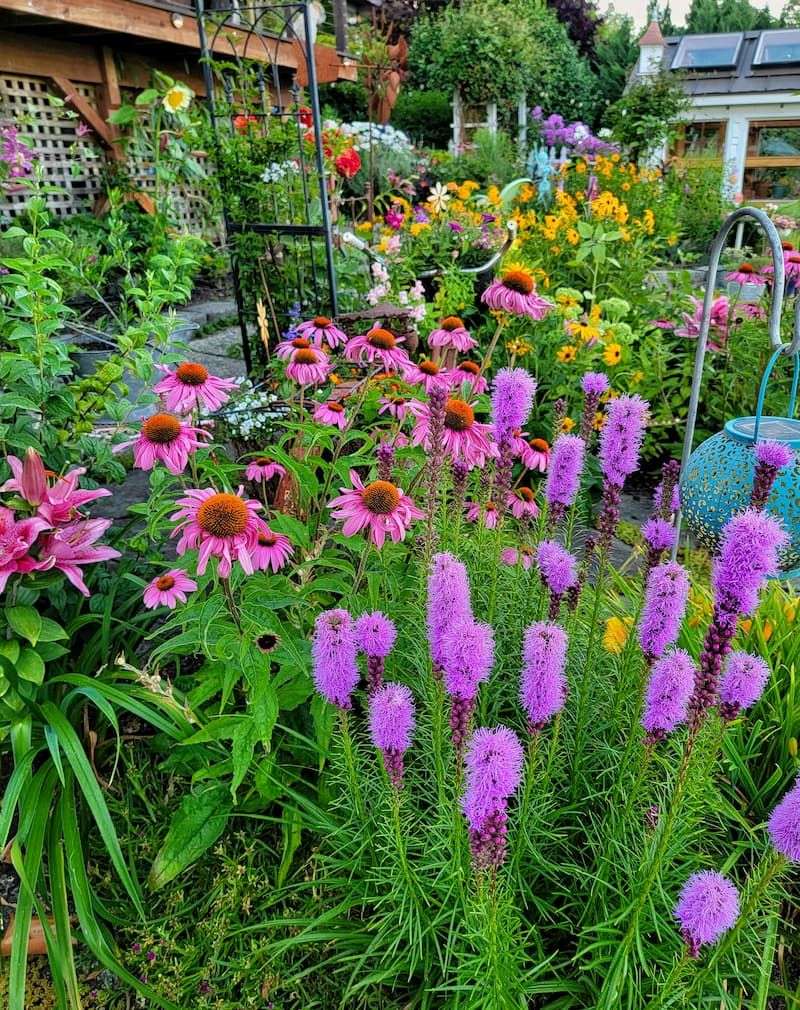
Different bird species have different feeding preferences, body sizes, and behavioral patterns that make certain feeder styles more appealing than others.
Tube feeders with small perches attract finches and chickadees, while platform feeders accommodate larger species like jays and doves that need stable landing areas.
Hummingbird feeders filled with sugar water solution provide critical energy for these tiny migrants that burn calories at astonishing rates during their journeys.
Strategic placement of multiple feeder types throughout your yard reduces competition and territorial disputes among birds. Spacing feeders at least ten to fifteen feet apart allows timid species to feed without harassment from more aggressive birds.
Height variation matters too, with some species preferring ground-level feeding while others feel safer at eye level or higher where they can spot predators more easily.
California’s diverse migratory bird population means your feeder station might host anything from colorful warblers to energetic bushtits during peak migration periods.
Offering variety in both feeder styles and food types increases the species diversity you’ll observe. Nyjer seed attracts goldfinches, black oil sunflower seeds please grosbeaks and sparrows, while suet cakes provide high-energy fat for woodpeckers and nuthatches.
Keep feeders clean by washing them weekly with hot soapy water and allowing them to dry completely before refilling, preventing disease transmission that can devastate local bird populations during vulnerable migration periods.
4. Provide Native Plant Food Sources
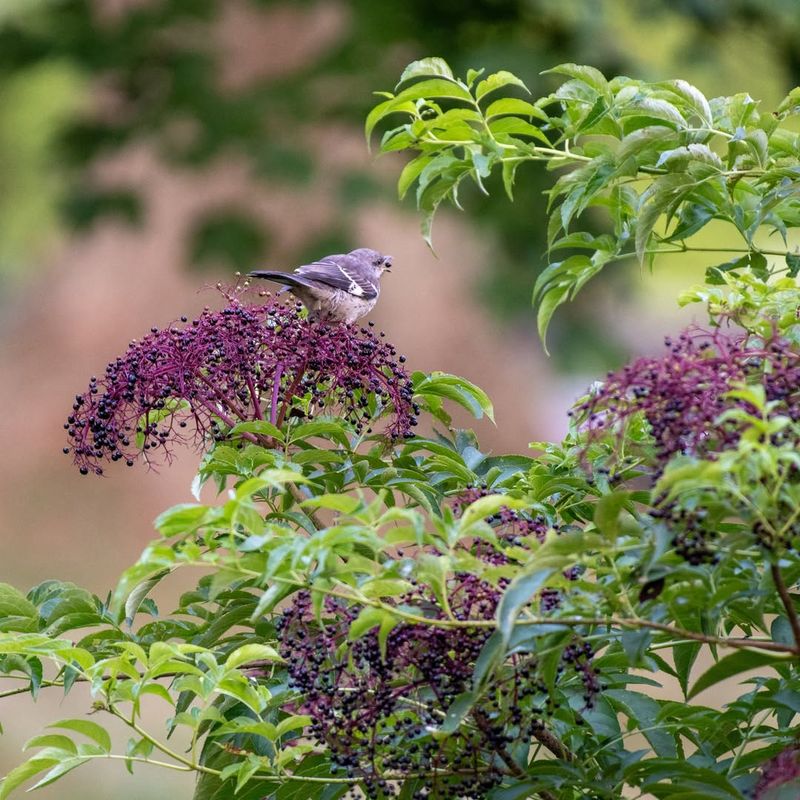
California native plants form the foundation of a bird-friendly backyard because they evolved alongside local wildlife over thousands of years.
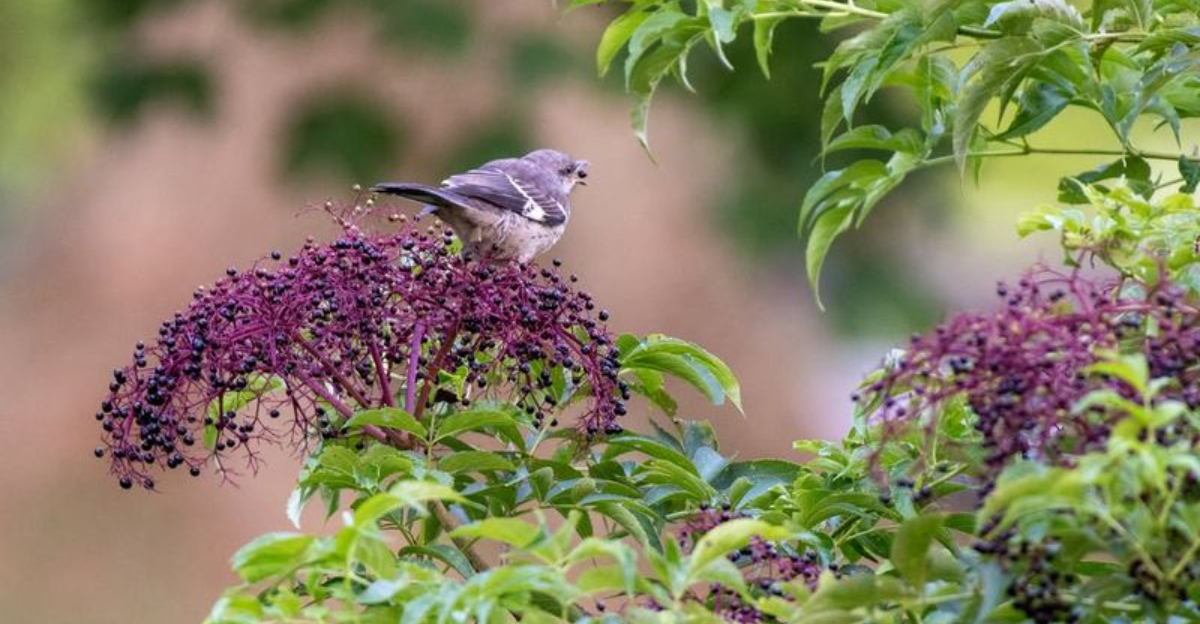
Species like toyon, elderberry, manzanita, and California buckwheat produce berries, seeds, and nectar precisely when migrating birds need them most.
These plants support complex food webs that ornamental plants simply cannot match, offering nutrition that birds recognize instinctively and digest efficiently.
Ornamental plants from other regions often fail to produce the right nutrients at the right times, leaving birds without proper fuel during their demanding journeys.
Native plants, however, bloom and fruit in sync with migration patterns, creating natural feeding stations that require no human intervention.
Toyon berries ripen in fall when many species head south, while elderberries provide summer nutrition for birds preparing for long flights.
Beyond direct food sources, native plants attract the insects and spiders that many migratory birds depend on for protein.
Warblers, flycatchers, and other insectivorous species hunt among native foliage, finding abundant prey that helps them build the energy reserves needed for migration.
Creating diverse plantings with multiple native species ensures something is always available, no matter when birds pass through your area.
The investment in native plants pays dividends for years, supporting entire ecosystems while reducing maintenance needs and water consumption in your garden.
5. Avoid Chemical Lawn And Garden Treatments
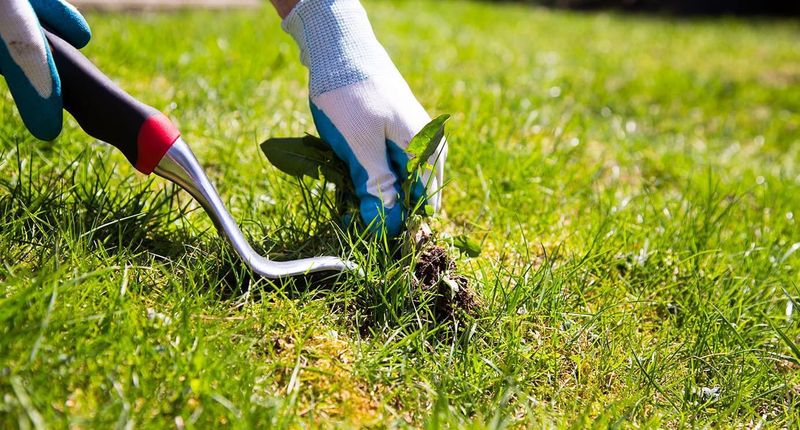
Pesticides and herbicides might eliminate unwanted insects and weeds, but they also destroy the food web that migratory birds depend on for survival.
Caterpillars alone provide essential nutrition for countless bird species, with some parents feeding hundreds of caterpillars daily to their growing chicks.
Chemical treatments reduce these populations dramatically, leaving birds without the protein-rich food they need during energy-intensive migration periods.
Systemic pesticides pose particularly serious threats because they persist in plant tissues for extended periods, potentially harming birds that consume treated seeds or insects. Even products marketed as environmentally friendly can disrupt natural ecosystems when used carelessly.
The short-term convenience of chemical treatments comes with long-term costs to wildlife populations that depend on healthy, diverse insect communities.
Organic lawn care alternatives support both beautiful yards and thriving bird populations. Corn gluten meal prevents weed seeds from germinating without harming existing plants or wildlife.
Beneficial insects like ladybugs and lacewings control pest populations naturally when given the chance, creating balanced ecosystems that require less intervention over time. Accepting some imperfection in your lawn means accepting abundance in your bird population.
Those dandelions you might consider weeds produce seeds that goldfinches adore, while the insects living in slightly longer grass feed warblers and flycatchers passing through during migration.
Embracing natural yard management transforms your property into a genuine wildlife sanctuary.
6. Create Layered Planting Zones

Natural habitats rarely consist of single-level vegetation, and migratory birds seek the structural diversity found in wild landscapes.
Layered planting that combines tall trees, medium shrubs, and low groundcover mimics the vertical complexity birds instinctively recognize as quality habitat.
This approach provides multiple feeding niches, with different species foraging at different heights according to their preferences and physical adaptations.
Canopy trees offer high perches where birds can survey their surroundings, sing territorial songs, and rest between feeding bouts. Mid-level shrubs provide protected nesting sites and berry production, while groundcover plants shelter ground-feeding species and the insects they hunt.
This vertical diversity essentially multiplies the usable space in your yard, accommodating far more birds than flat, monotonous landscaping ever could.
Creating these layers doesn’t require massive yards or professional landscaping skills. Start with existing trees as your canopy layer, then add native shrubs like coffeeberry or ceanothus at varying distances from tree trunks.
Fill gaps with groundcovers such as yarrow or native strawberry that spread naturally without becoming invasive. The resulting structure creates natural pathways and corridors that birds use for safe movement through your property.
Dense lower branches provide escape cover when hawks appear overhead, while open areas between plantings allow birds to move freely while foraging.
This thoughtful arrangement transforms ordinary yards into dynamic habitats that support birds throughout their migration journeys and potentially encourage some species to extend their stays.
7. Keep Outdoor Cats Away From Bird Areas
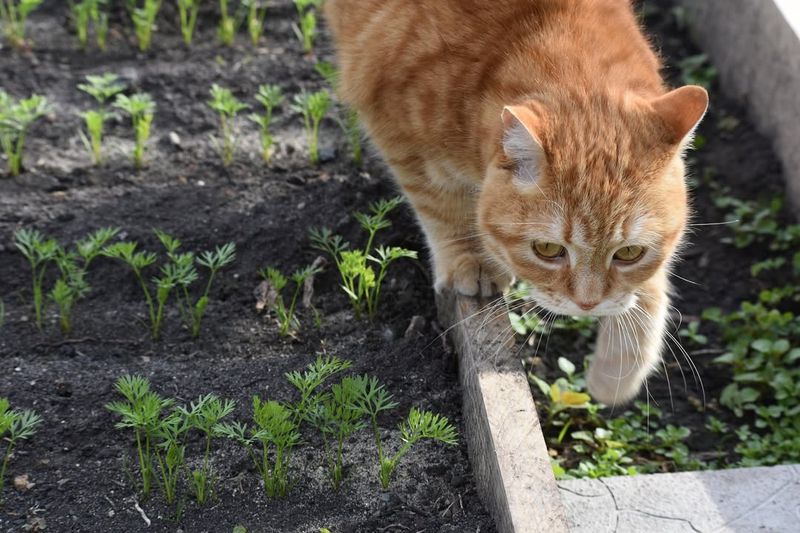
Free-roaming cats represent one of the most significant threats to bird populations across North America, with their hunting instincts remaining sharp even when well-fed at home.
Migratory birds face particular vulnerability because they’re often exhausted from travel, focused on feeding, and unfamiliar with local dangers.
A single cat can devastate bird populations in a neighborhood, catching dozens of individuals during peak migration periods.
Protecting birds doesn’t mean you can’t enjoy cats as pets. Keeping cats indoors benefits both felines and wildlife, with indoor cats living longer, healthier lives free from traffic dangers, diseases, and conflicts with other animals.
If your cat craves outdoor time, consider building a secure catio or training them to walk on a leash in areas away from bird feeding stations.
Strategic placement of bird feeders and water sources minimizes cat-related risks even when neighborhood cats roam freely. Elevate feeding stations at least five feet off the ground and position them at least ten feet from shrubs or structures cats might use as launching points.
Open areas around feeders give birds clear sight lines to spot approaching predators. Dense thorny shrubs like native roses planted around yard perimeters create natural barriers that discourage cat access while providing additional bird habitat.
Motion-activated sprinklers near bird zones startle approaching cats without harming them, teaching them to avoid those areas through gentle but effective deterrence.
Your efforts to create cat-free zones protect not just the birds you attract but contribute to broader conservation of declining migratory species.
8. Adjust Lighting To Reduce Nighttime Disturbance
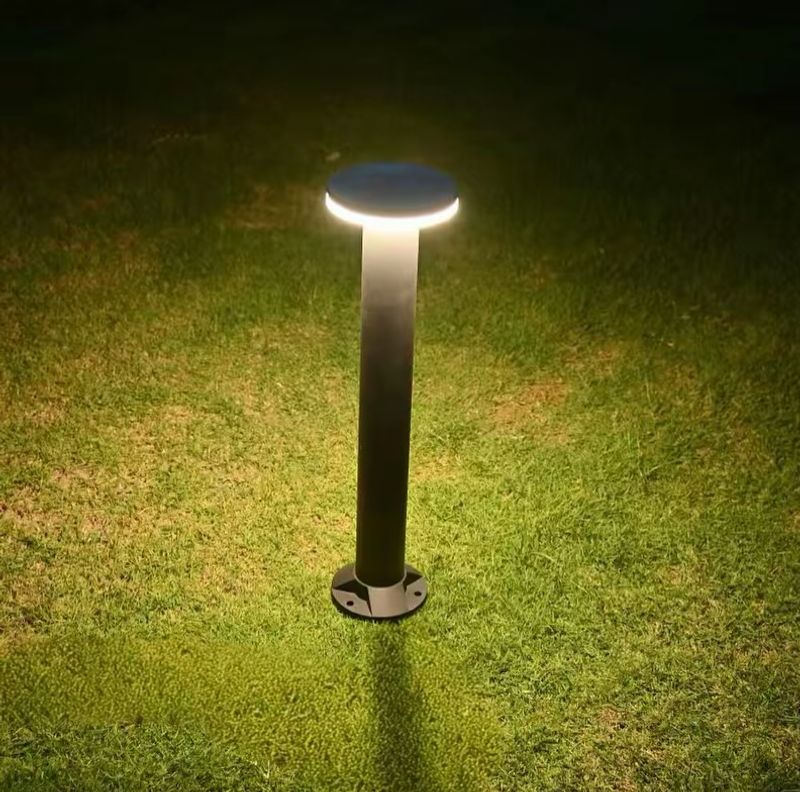
Artificial lighting has transformed our nights but created serious problems for nocturnal migrants that navigate using stars and natural light cues.
Bright outdoor lights disorient birds during migration, causing them to circle illuminated areas repeatedly until exhaustion forces them down in dangerous locations.
This phenomenon, called light attraction, contributes to countless bird injuries and disrupts the precise timing that successful migration requires.
Reducing nighttime lighting doesn’t mean living in darkness. Motion-sensor lights provide security without constant illumination, activating only when needed and shutting off automatically.
Warm-colored bulbs with lower color temperatures produce less disruptive light than bright white or blue-toned bulbs, making them better choices for fixtures that must remain lit.
Migration seasons deserve special attention to lighting practices. Spring migration typically peaks from March through May in California, while fall migration intensifies from August through October.
During these critical periods, minimizing outdoor lighting between midnight and dawn provides maximum benefit to passing birds.
Closing curtains and blinds prevents indoor light from spilling outside, while shielding outdoor fixtures directs light downward rather than skyward where it creates the most disruption.
These simple adjustments help birds maintain their natural navigation abilities, allowing them to continue their journeys without the confusion and energy depletion that artificial lighting causes.
Your dark-sky-friendly practices benefit not just birds but also nocturnal insects, mammals, and even human health by supporting natural circadian rhythms for everyone in your household.
9. Time Feeding And Maintenance With Migration Seasons
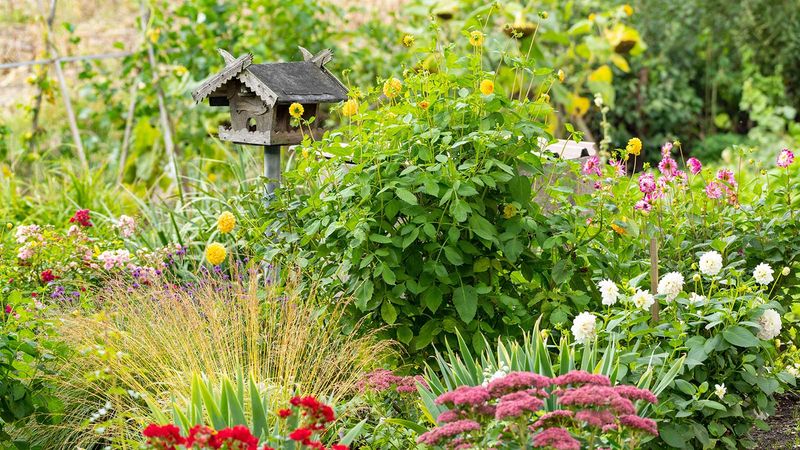
Migration timing follows remarkably consistent patterns year after year, driven by ancient instincts and environmental cues that birds have followed for millennia.
California’s position along the Pacific Flyway means your backyard potentially hosts birds traveling from as far north as Alaska and as far south as Central and South America.
Understanding these timing patterns allows you to provide maximum support precisely when birds need it most.
Spring migration brings northbound birds through California from late February through early June, with peak activity typically occurring in April and May. These birds are rushing toward breeding grounds, often traveling in spectacular waves that can bring dozens of species through a single yard in just weeks.
Fall migration follows a more leisurely pace, stretching from July through November as birds move southward with less urgency than their spring counterparts.
Maintaining clean feeders and fresh water sources during these peak periods provides critical support for exhausted travelers. Check feeders daily during migration, refilling as needed and removing any moldy or wet seed that could sicken birds.
Water sources become especially important during California’s dry seasons when natural sources may be scarce. Consider increasing the number of feeders and water features during peak migration to accommodate the increased bird traffic passing through your area.
These seasonal efforts yield remarkable rewards, with some yards hosting rare species that birders travel great distances to observe, all while providing genuine conservation benefits to vulnerable populations navigating an increasingly challenging world.