Arizona Gardens Get An Early Start By Sowing These 10 Seeds In Winter
Arizona winters may look quiet, but garden soil often stays workable enough to get seeds started earlier than most people expect.
Mild daytime temperatures and longer winter sunlight give certain plants a head start that pays off once spring heat arrives.
Many gardeners wait for traditional spring planting dates and miss the advantage that Arizona’s winter conditions quietly offer.
Cold tolerant seeds can sprout and establish strong roots during winter while moisture levels are more stable and stress is lower. That early growth leads to healthier plants once temperatures climb.
Some seeds handle cool nights easily and benefit from slower, steadier development before intense sun sets in.
Others struggle when planted too late, racing through growth as heat builds and producing weaker results.
Taking advantage of winter sowing spreads garden work out and reduces the rush of spring planting.
Starting seeds early allows Arizona gardens to move into the growing season with stronger, better prepared plants already in place.
1. Peas
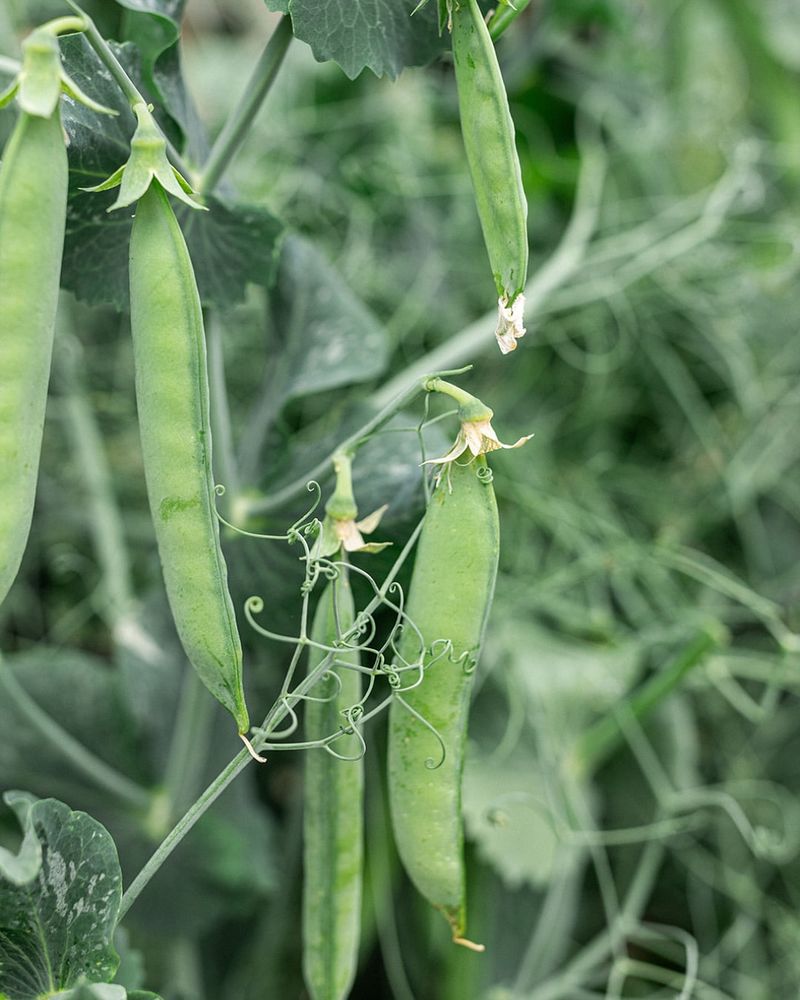
Cool temperatures bring out the best flavor in this popular garden vegetable. Arizona’s winter months provide ideal growing conditions that allow plants to develop strong root systems before warmer weather arrives.
Starting seeds between October and February gives gardeners the longest harvest window possible.
Garden peas thrive when daytime temperatures hover between 55 and 70 degrees Fahrenheit. The desert’s predictable winter weather patterns create perfect conditions for steady growth.
Young seedlings can handle light frost without any damage, making them incredibly reliable for Arizona gardeners.
Plant seeds about one inch deep and two inches apart in well-draining soil. Rows should be spaced roughly 18 to 24 inches apart to allow proper air circulation.
Most varieties need some type of support structure as they grow taller.
Climbing varieties produce more pods in less space compared to bush types. Taller plants also make harvesting easier since pods hang at eye level.
A simple trellis made from bamboo stakes and twine works perfectly.
Regular watering keeps plants producing tender pods throughout the season. Soil should stay consistently moist but never waterlogged.
Mulching around plants helps retain moisture and keeps roots cool.
Arizona gardeners often enjoy multiple harvests from a single planting. Picking pods regularly encourages plants to produce more flowers and pods.
Fresh peas taste sweeter than anything found in grocery stores.
Sugar snap and snow pea varieties grow especially well in desert gardens. Both types offer crisp texture and sweet flavor that kids love eating fresh.
Shelling peas require more processing but deliver incredible taste.
2. Lettuce
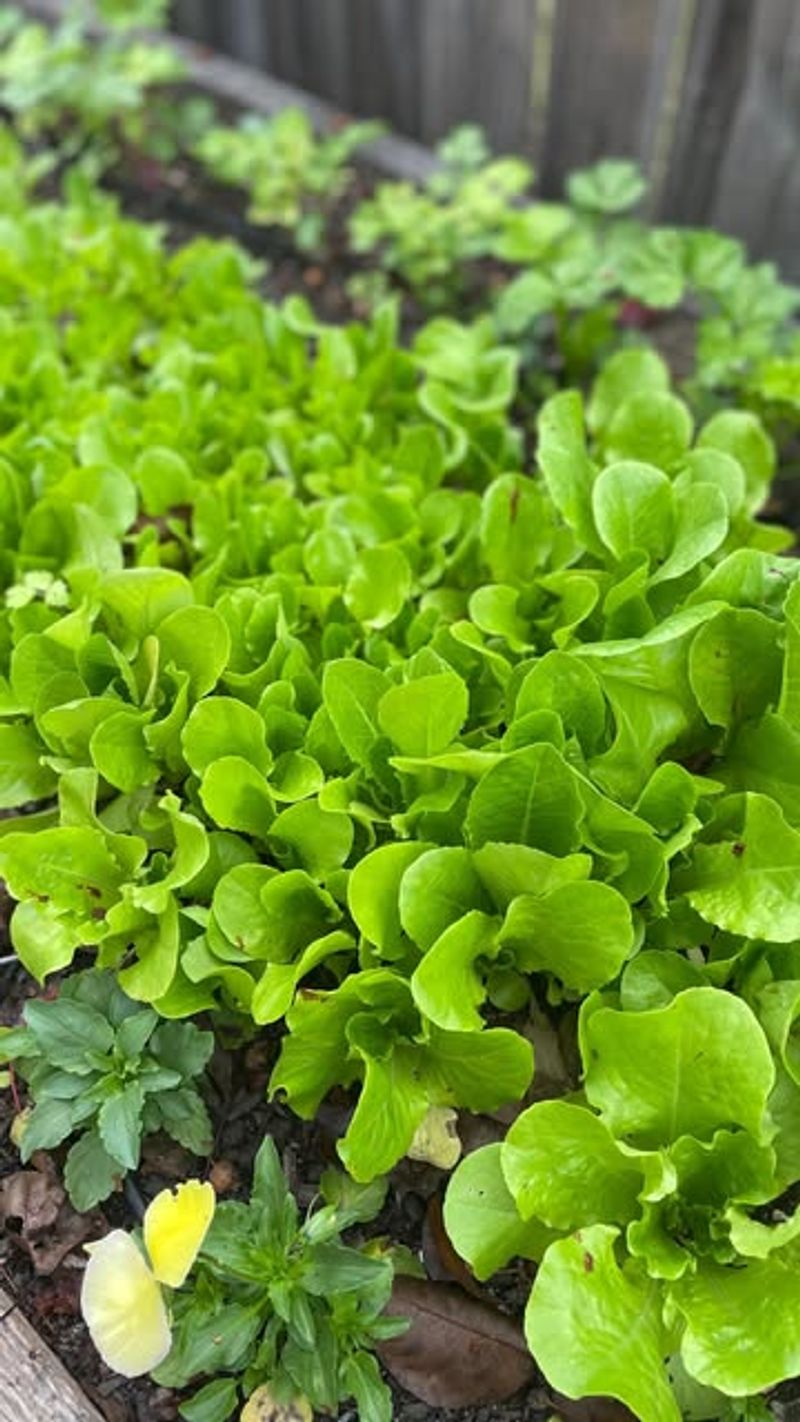
Crisp salad greens flourish when temperatures stay moderate and consistent. Arizona winters provide exactly what these leafy vegetables need to develop tender leaves with mild flavor.
Sowing seeds from September through March ensures steady production for months.
Heat causes bitter taste and rapid bolting in most varieties. Desert gardeners avoid these problems entirely by growing lettuce during cooler months.
Winter-grown leaves stay sweet and tender much longer than spring plantings.
Direct seeding works better than transplanting for most lettuce types. Scatter seeds thinly across prepared beds and cover with just a quarter inch of soil.
Your Arizona Garden Changes Every Week. Your Plan Should Too.
Gardening in Arizona changes quickly throughout the season. Every Friday you’ll receive a simple weekly plan showing exactly what to plant, prune, fertilize, harvest, and protect so you never miss the right timing.
Germination happens quickly when soil temperatures range between 40 and 75 degrees.
Leaf lettuce varieties mature faster than head-forming types like romaine or iceberg. Gardeners can start harvesting outer leaves within three to four weeks.
This cut-and-come-again method extends the harvest period significantly.
Succession planting every two weeks maintains a constant supply of fresh greens. Arizona’s extended winter growing season makes this strategy especially effective.
Stagger plantings of different varieties to add color and texture variety.
Consistent moisture is critical for developing tender, flavorful leaves. Drip irrigation or soaker hoses work better than overhead watering in Arizona gardens.
Mulch helps conserve water and keeps soil temperatures more stable.
3. Spinach
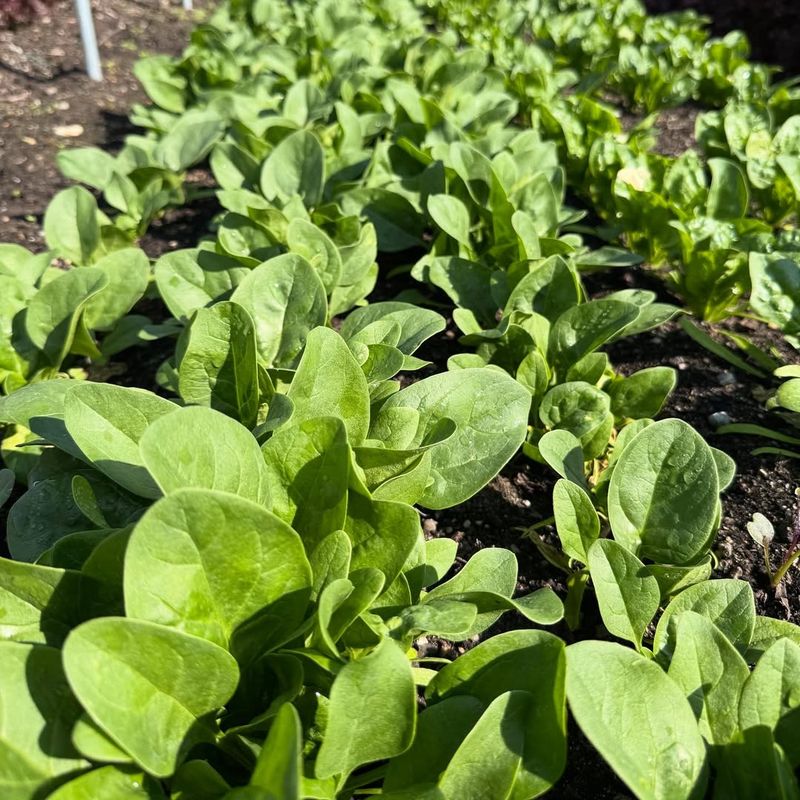
Nutritious dark green leaves pack incredible amounts of vitamins and minerals into every bite. Cold weather actually improves the taste by reducing bitterness and increasing natural sweetness.
Arizona gardeners can plant spinach from October through February for best results.
This vegetable genuinely prefers chilly conditions that would stress heat-loving plants. Temperatures between 35 and 75 degrees promote the most vigorous growth.
Frost rarely damages mature plants, making spinach extremely dependable in desert winters.
Seeds germinate reliably when planted half an inch deep in loose, fertile soil. Space seeds about two inches apart in rows separated by 12 to 18 inches.
Thinning seedlings to four inches apart gives plants room to develop full-sized leaves.
Baby spinach can be harvested just three to four weeks after planting. Mature leaves take six to eight weeks but offer more substantial harvests.
Arizona’s climate allows for multiple succession plantings throughout winter.
Savoy varieties have crinkled leaves that add interesting texture to salads and cooked dishes. Flat-leaf types clean more easily and work well for processing into smoothies.
Both types grow equally well in Arizona winter gardens.
Regular harvesting encourages plants to produce more leaves over a longer period. Cut outer leaves first and allow the center to continue growing.
This method extends productivity by several weeks.
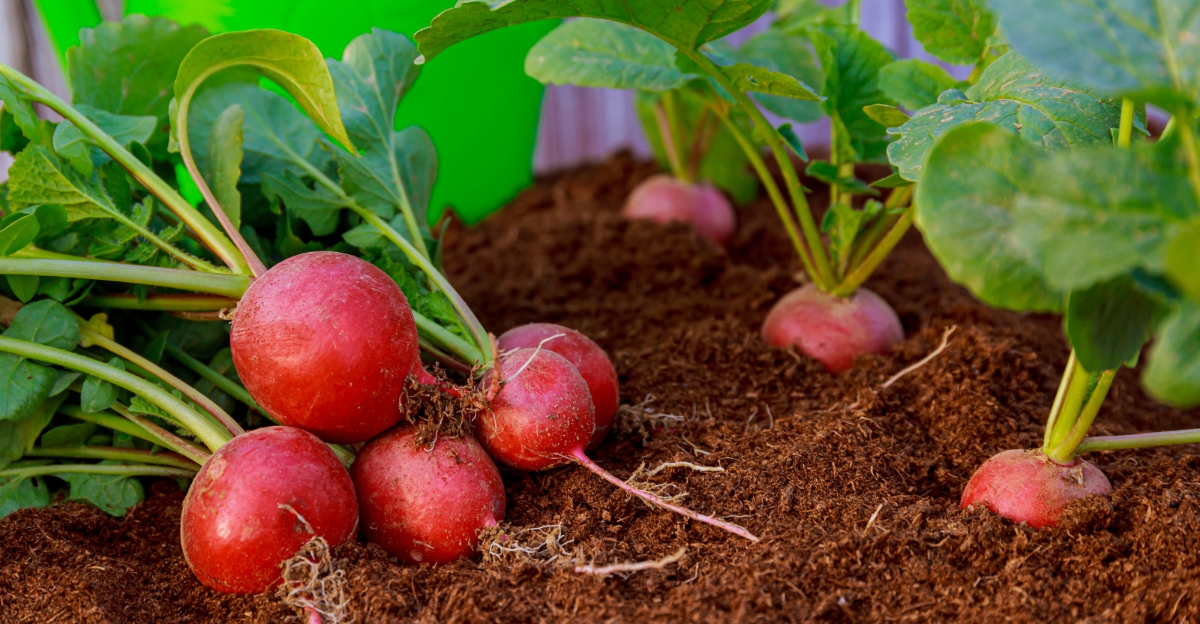
4. Radishes
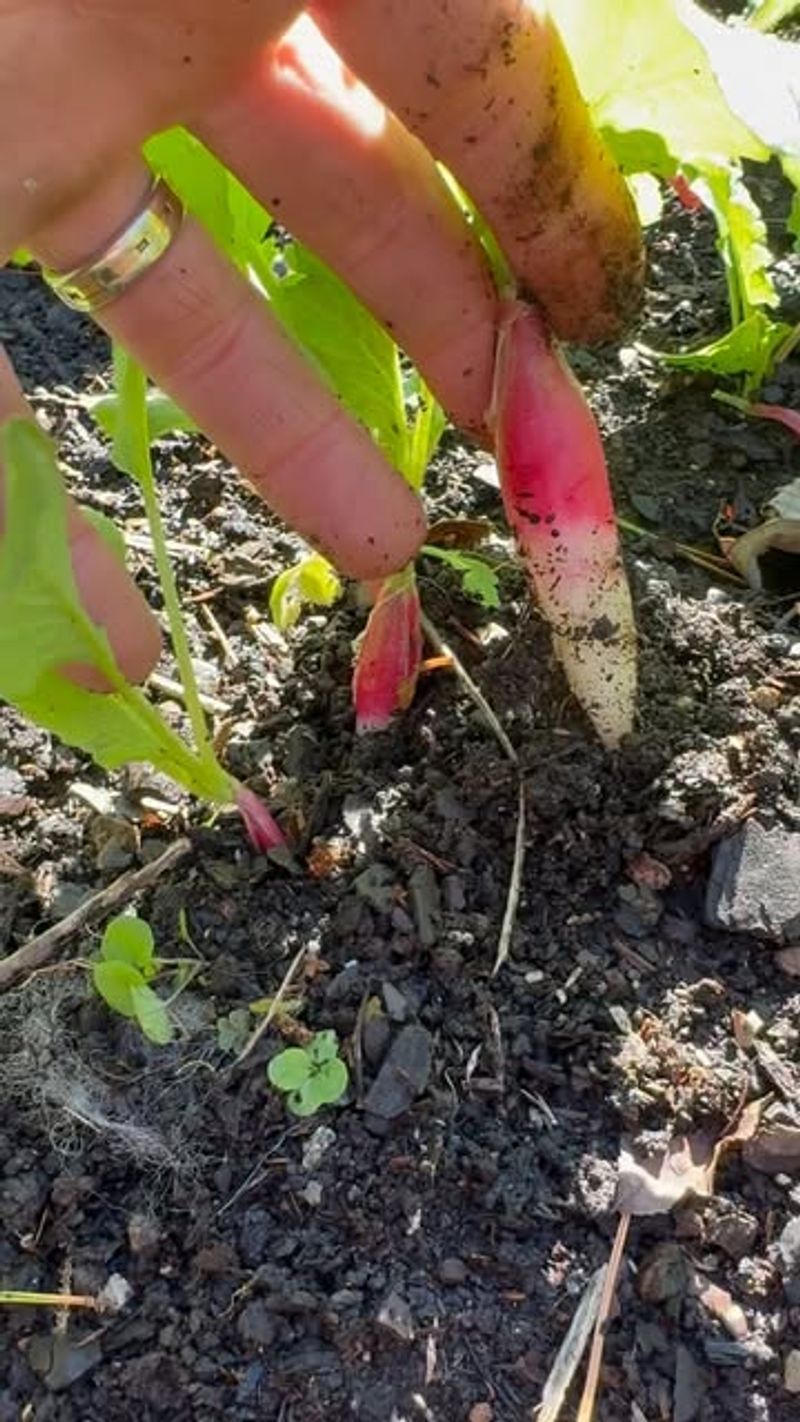
Few vegetables match the speed and reliability of these fast-growing root crops. Arizona’s winter soil temperatures create perfect conditions for developing crisp, mildly spicy roots.
Seeds can go in the ground from October through March with excellent results.
Most varieties reach harvest size in just 25 to 30 days after planting. This quick turnaround makes radishes perfect for teaching kids about gardening.
The rapid growth also allows multiple plantings in the same space throughout winter.
Plant seeds half an inch deep and one inch apart in loose, well-draining soil. Rows should be spaced about six inches apart for easy cultivation.
Proper spacing prevents overcrowding that leads to all tops and no roots.
Consistent moisture ensures tender, mild-flavored roots without woody texture. Irregular watering causes roots to crack and develop harsh, overly pungent taste.
Arizona gardeners often use drip irrigation to maintain steady soil moisture.
Round red varieties are most familiar, but many other shapes and colors exist. French breakfast types offer elongated roots with mild flavor.
Watermelon radishes have green exteriors and bright pink interiors that surprise first-time growers.
Harvesting promptly when roots reach proper size prevents them from becoming pithy. Leaving radishes in the ground too long ruins their crisp texture.
Most varieties taste best when roots measure one to two inches in diameter.
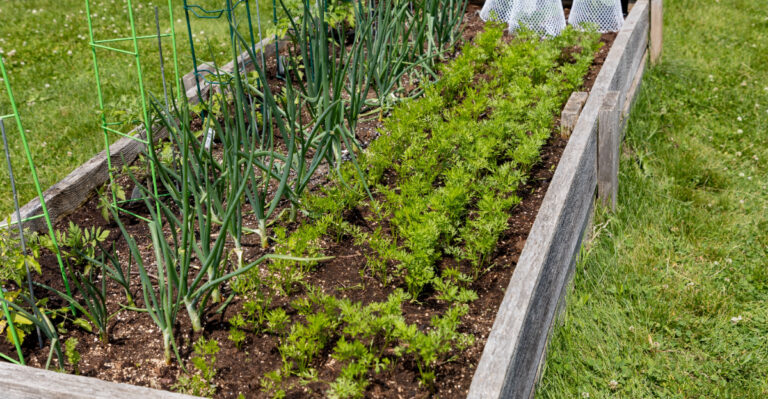
5. Carrots
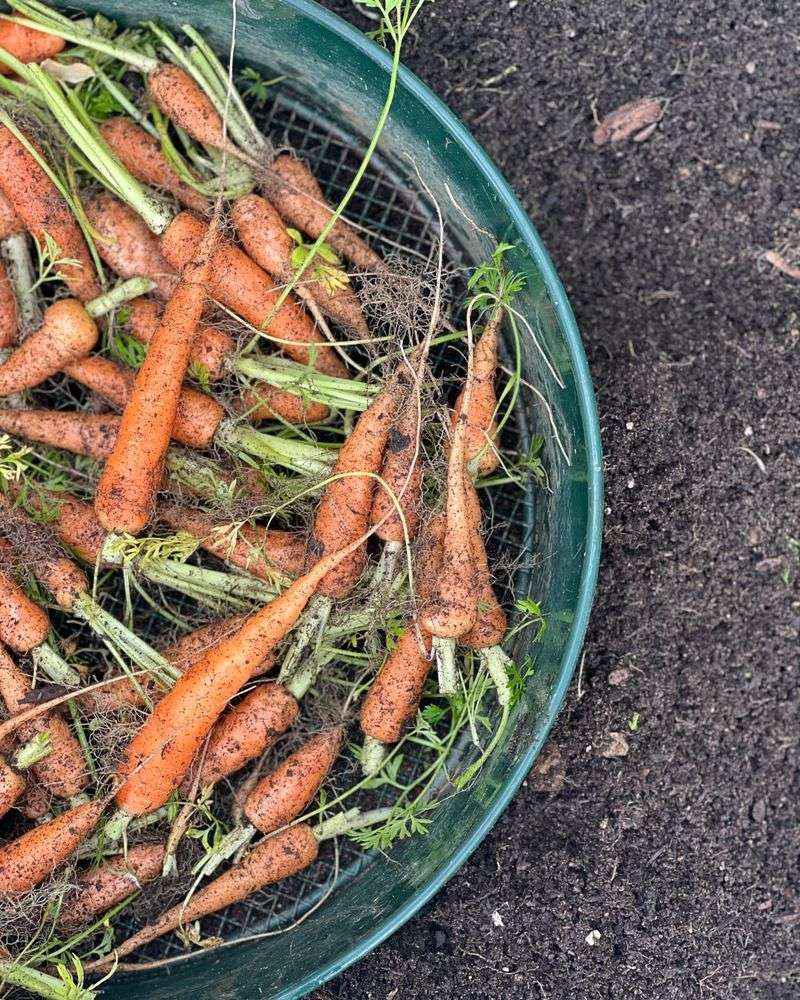
Sweet, crunchy roots develop best when temperatures stay cool and steady. Arizona’s winter months provide exactly what carrots need for optimal growth and flavor development.
Planting between October and February yields the most successful crops in desert gardens.
Cold weather concentrates natural sugars in the roots, creating exceptional sweetness. Carrots grown during summer often taste bland and develop tough, fibrous texture.
Winter-planted crops in Arizona consistently produce superior quality roots.
Loose, sandy soil allows roots to grow straight and reach their full length. Heavy clay soils cause twisted, forked roots that are difficult to harvest.
Working compost into planting beds improves soil structure significantly.
Seeds are tiny and require shallow planting at just a quarter inch deep. Mixing carrot seeds with sand makes spreading them evenly much easier.
Rows should be spaced 12 to 18 inches apart for comfortable cultivation.
Germination takes longer than most vegetables, typically 10 to 14 days. Keeping soil consistently moist during this period is absolutely critical.
Many Arizona gardeners cover seeded rows with burlap to retain moisture.
Thinning seedlings to two inches apart prevents crowding and allows proper root development. This step feels wasteful but makes an enormous difference in final harvest quality.
Tiny thinned seedlings can be added to salads for a mild carrot flavor.
6. Beets
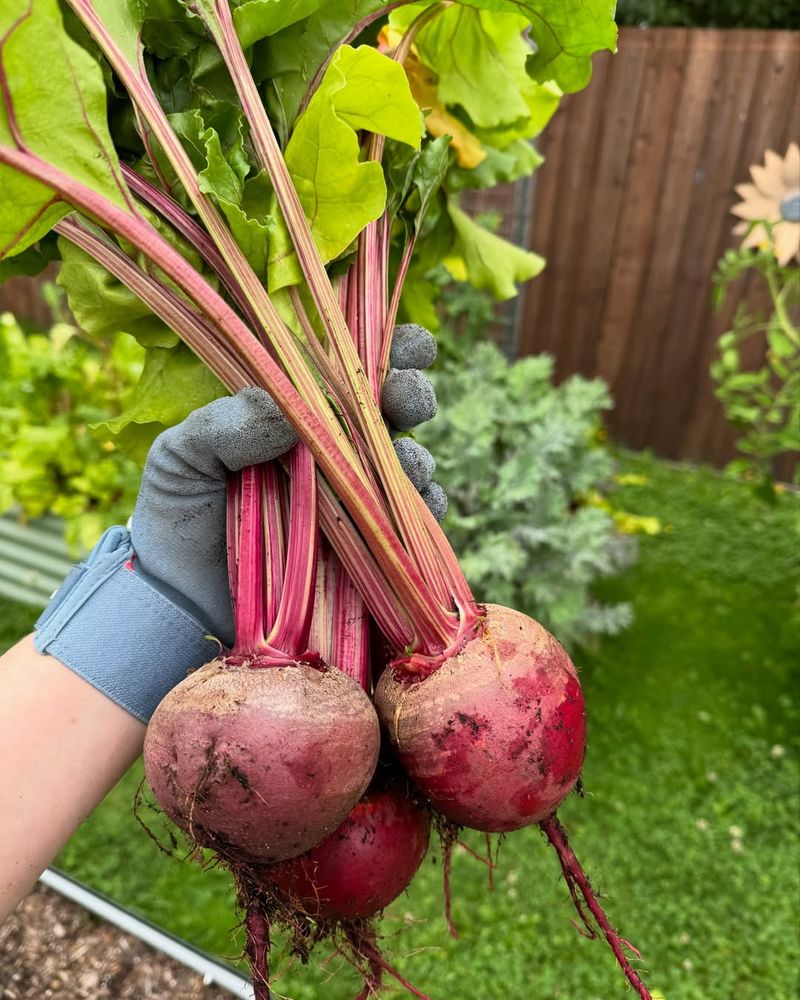
Earthy-sweet roots and nutritious greens make this vegetable a double-harvest wonder. Arizona winters provide ideal conditions for developing tender roots with rich color and flavor.
Seeds planted from October through February produce the best quality crops.
Each beet seed is actually a cluster containing multiple seeds. This means extra thinning is necessary as seedlings emerge.
Proper spacing ensures roots have room to develop their characteristic round or cylindrical shape.
Plant seed clusters about one inch deep and two inches apart in rows. Space rows 12 to 18 inches apart to allow room for foliage growth.
Beets need consistent moisture but tolerate dry conditions better than many root vegetables.
Germination typically occurs within seven to 14 days when soil temperatures are favorable. Arizona’s winter soil stays warm enough for reliable sprouting.
Cooler temperatures slow germination slightly but don’t prevent it.
Thinning seedlings to three to four inches apart allows roots to reach full size. The thinned seedlings make excellent additions to salads with their tender leaves.
Many gardeners plan extra seeds specifically for harvesting baby greens.
Both roots and leaves are highly nutritious and completely edible. Greens can be harvested throughout the growing season without harming root development.
This dual-purpose nature makes beets especially valuable in Arizona winter gardens.
7. Kale
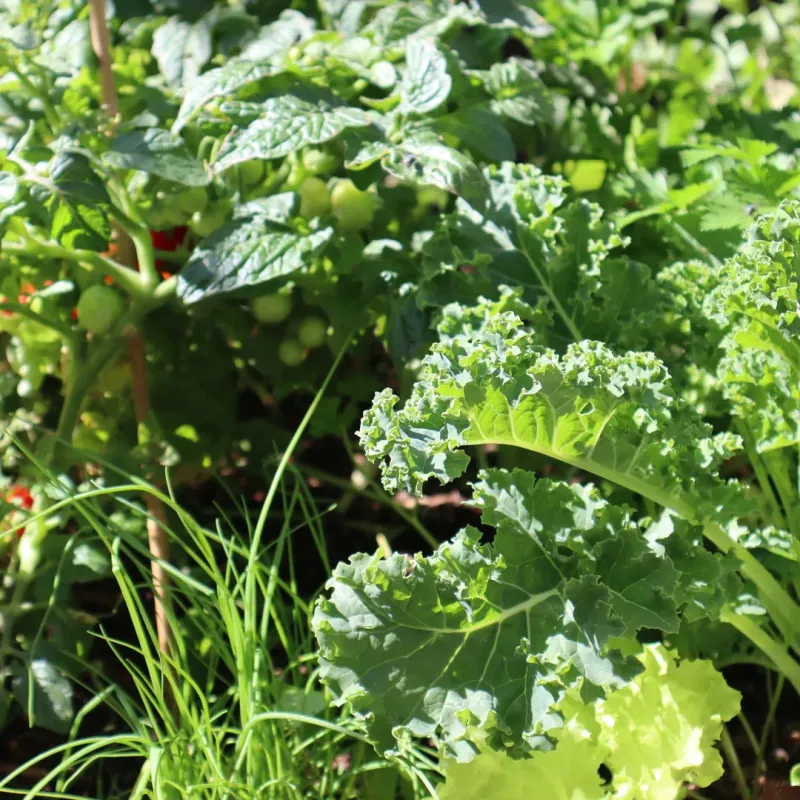
Robust, nutritious leaves withstand cold temperatures that would damage many other vegetables. Arizona winters create perfect growing conditions for this superfood green.
Seeds planted from September through February produce abundant harvests for months.
Frost actually improves kale’s flavor by reducing bitterness and increasing sweetness. This makes winter the absolute best time to grow kale in desert gardens.
Summer heat causes leaves to become tough and unpleasantly bitter.
Plant seeds half an inch deep and three inches apart in fertile, well-draining soil. Rows should be spaced 18 to 24 inches apart to accommodate mature plants.
Kale develops into substantial plants that need adequate room to grow.
Seedlings emerge within five to eight days under favorable conditions. Arizona’s winter temperatures fall perfectly within kale’s preferred germination range.
Young plants establish quickly and begin producing harvestable leaves within weeks.
Curly varieties have frilly, textured leaves that add visual interest to gardens. Lacinato or dinosaur kale features dark blue-green leaves with a bumpy texture.
Red Russian types offer colorful purple-veined leaves with a milder flavor.
Harvesting outer leaves regularly encourages plants to produce more foliage. The central growing point continues developing new leaves throughout the season.
This cut-and-come-again method extends productivity significantly in Arizona gardens.
8. Swiss Chard
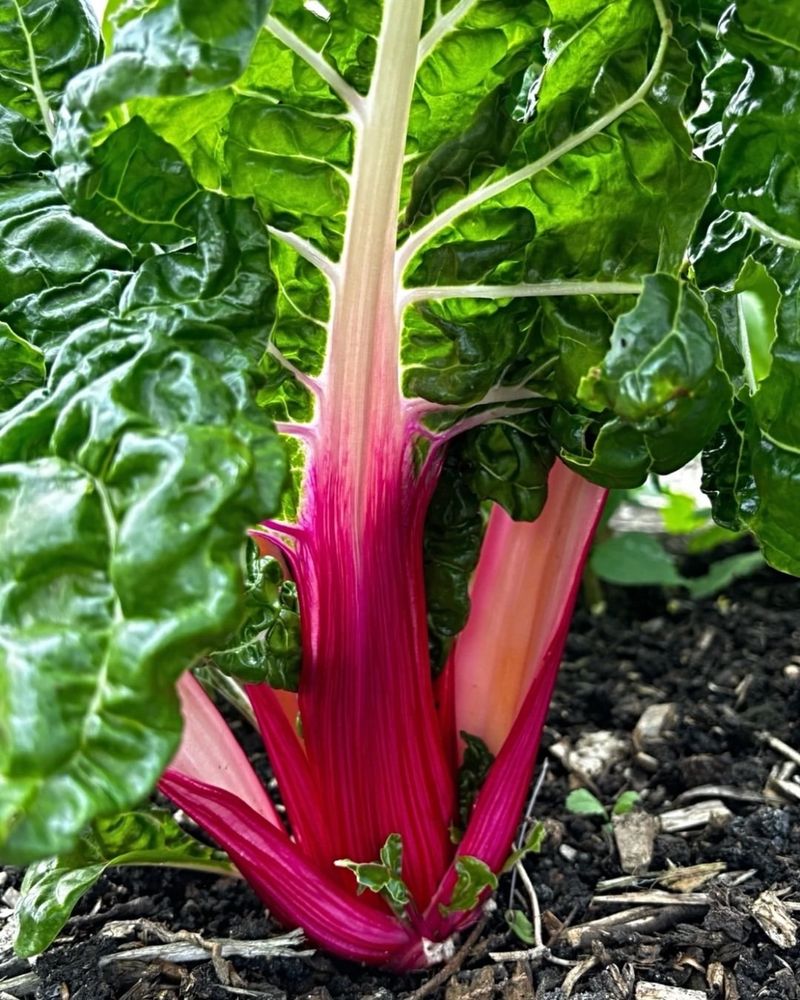
Colorful stems and nutritious leaves make this vegetable both beautiful and productive. Arizona’s mild winters allow Swiss chard to thrive and produce continuously for months.
Seeds planted from September through March establish quickly and grow vigorously.
Bright stems in red, yellow, orange, and white create stunning edible landscapes. Rainbow chard mixes contain all colors in one packet for maximum visual impact.
The colorful stems remain vibrant throughout Arizona’s winter growing season.
Plant seeds one inch deep and three inches apart in rich, well-draining soil. Rows should be spaced 18 inches apart to accommodate mature plant size.
Swiss chard tolerates closer spacing than many leafy greens.
Germination occurs within seven to 14 days when soil temperatures are suitable. Arizona winters provide ideal conditions for reliable sprouting.
Young seedlings grow rapidly once established.
Thinning plants to six inches apart allows them to develop to full size. Thinned seedlings make tender additions to salads or stir-fries.
Many gardeners intentionally plant extra seeds for harvesting baby greens.
Harvesting outer leaves regularly keeps plants producing new growth from the center. This method provides continuous harvests throughout Arizona’s winter season.
Mature plants can produce for four to six months with proper care.
9. Cilantro
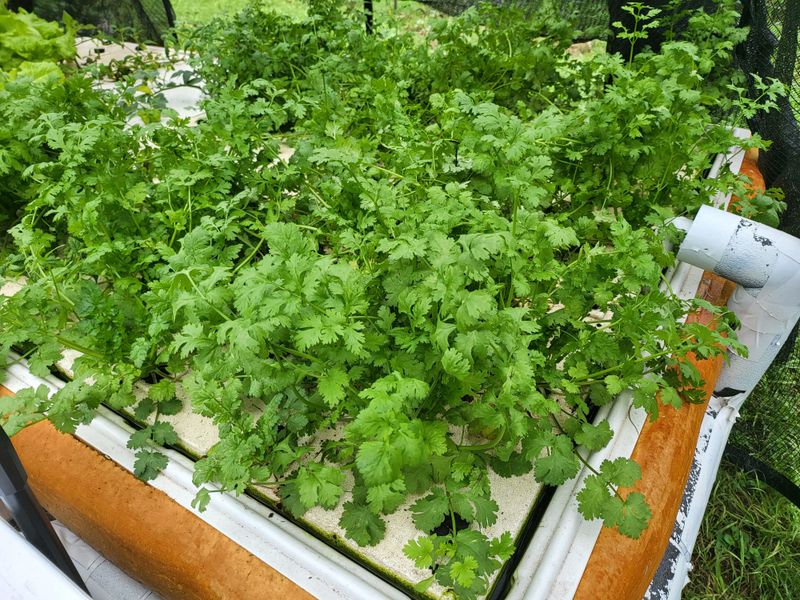
Fresh, aromatic leaves add distinctive flavor to countless dishes. Arizona’s winter climate provides perfect conditions for growing this popular herb.
Seeds planted from October through February produce the most flavorful, slowest-bolting plants.
Heat causes cilantro to bolt and go to seed almost immediately. Summer plantings in Arizona typically fail within weeks.
Winter growing eliminates this problem completely and allows extended harvests.
Plant seeds half an inch deep and two inches apart in well-draining soil. Rows should be spaced about eight to 10 inches apart.
Cilantro develops a taproot that dislikes transplanting, so direct seeding works best.
Germination takes 10 to 14 days under normal conditions. Soaking seeds overnight before planting can speed sprouting.
Arizona’s winter soil temperatures support reliable germination.
Succession planting every three weeks maintains a constant supply of fresh leaves. Each planting produces harvestable leaves for several weeks.
Staggering plantings prevents feast-or-famine cycles common with cilantro.
Harvest leaves when plants reach six to eight inches tall. Cutting stems rather than individual leaves makes harvesting faster.
Regular harvesting delays flowering and extends the productive period.
Cilantro allowed to flower produces coriander seeds that add different flavor. Many Arizona gardeners let some plants bolt specifically for seed harvest.
The white flowers also attract beneficial insects to gardens.
Container growing works exceptionally well for cilantro in desert gardens. Pots can be positioned for optimal sun exposure during winter.
10. Green Onions
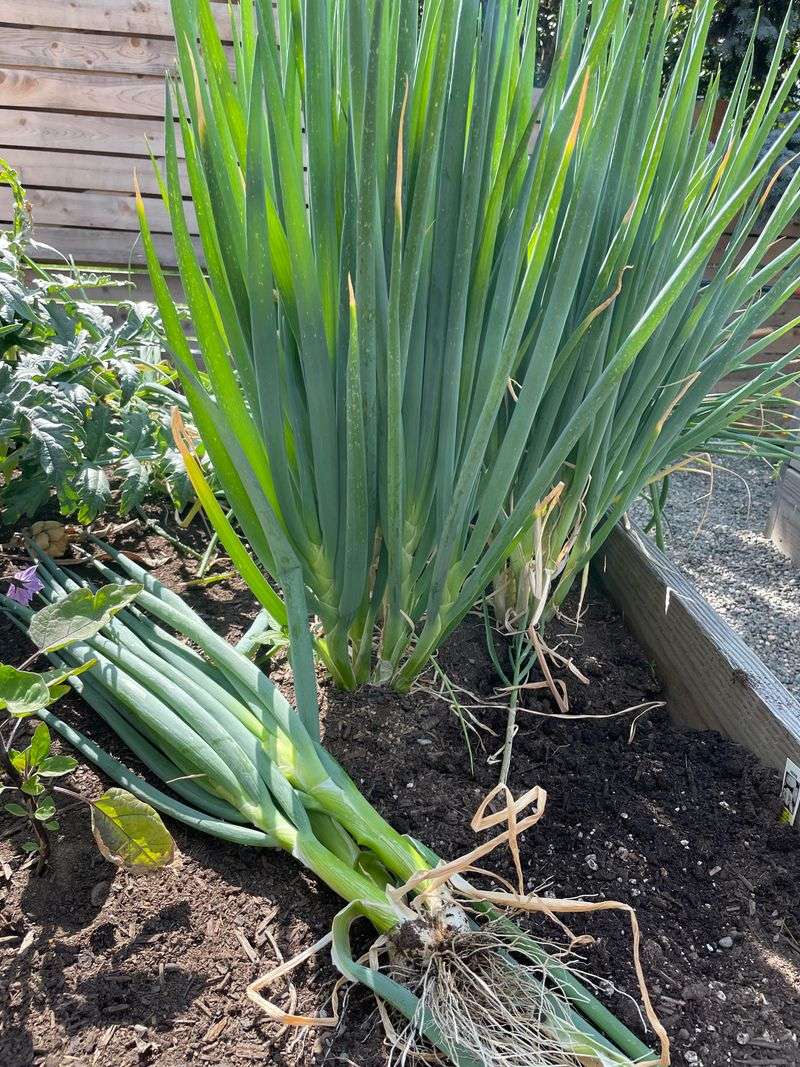
Mild, versatile flavor makes these vegetables essential in countless recipes. Arizona winters create ideal conditions for growing green onions with tender white stems and flavorful tops.
Seeds or sets planted from October through March produce reliable harvests.
Starting from sets gives faster results than growing from seed. Small bulbs establish quickly and begin producing harvestable tops within weeks.
Seeds take longer but cost less and offer more variety choices.
Plant sets one inch deep and two inches apart in loose, fertile soil. Rows should be spaced about six inches apart.
Green onions tolerate closer spacing than bulbing onion varieties.
Seeds should be planted half an inch deep and thinned to one inch apart. Germination takes seven to 10 days under favorable conditions.
Arizona’s winter temperatures support excellent sprouting rates.
Harvesting can begin when tops reach six to eight inches tall. Pull entire plants or cut tops and leave roots to regrow.
The regrowth method extends productivity over a longer period.
Green onions need consistent moisture for tender, mild-flavored stems. Irregular watering causes strong, harsh flavor.
Drip irrigation maintains steady soil moisture in Arizona gardens.
Many gardeners in the state grow green onions in containers near the kitchen. Convenient placement makes harvesting quick and easy during meal preparation.