California Plants That Need Winter Pruning For Stronger Spring Growth
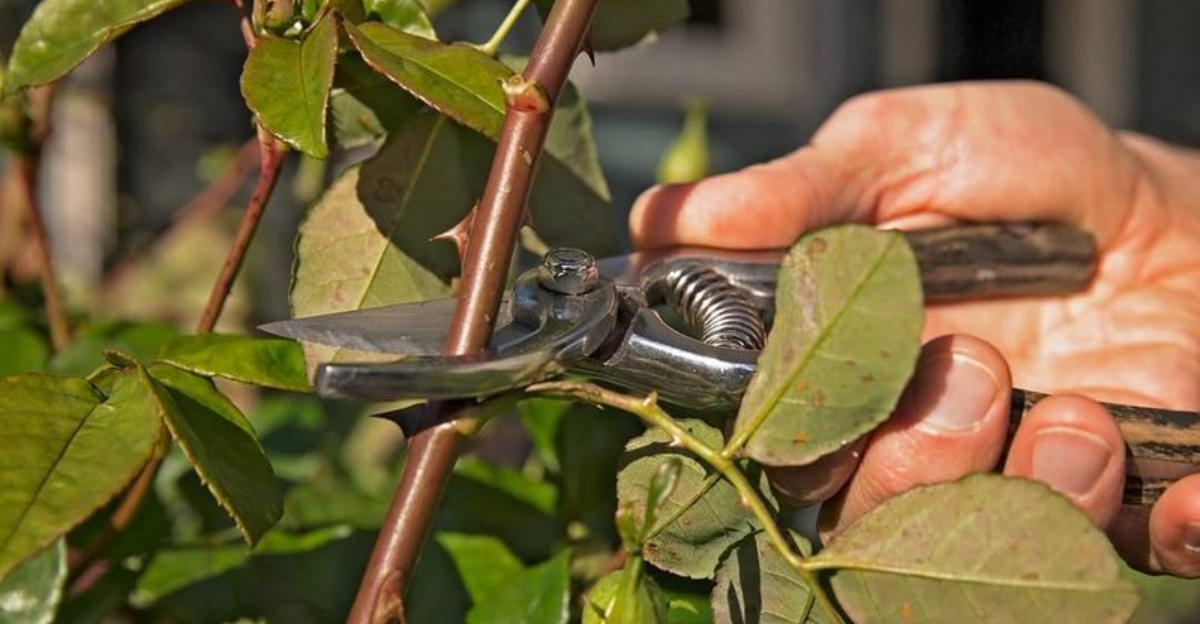
Winter might feel like a quiet time in your California garden, but it’s actually the perfect season to prepare for a vibrant spring. Pruning now helps plants grow stronger, healthier, and more full of blooms when the weather warms.
Cutting back at the right time can make all the difference. From shrubs to fruit trees, winter pruning removes dry or weak branches, improves airflow, and encourages robust new growth.
Your spring garden can flourish with a little winter effort. Knowing which plants need attention and how to prune them properly ensures your garden looks its best come bloom season.
A little trim now pays off big later. Whether you’re a seasoned gardener or just starting out, winter pruning is key to maximizing growth and beauty.
1. Fruit Trees
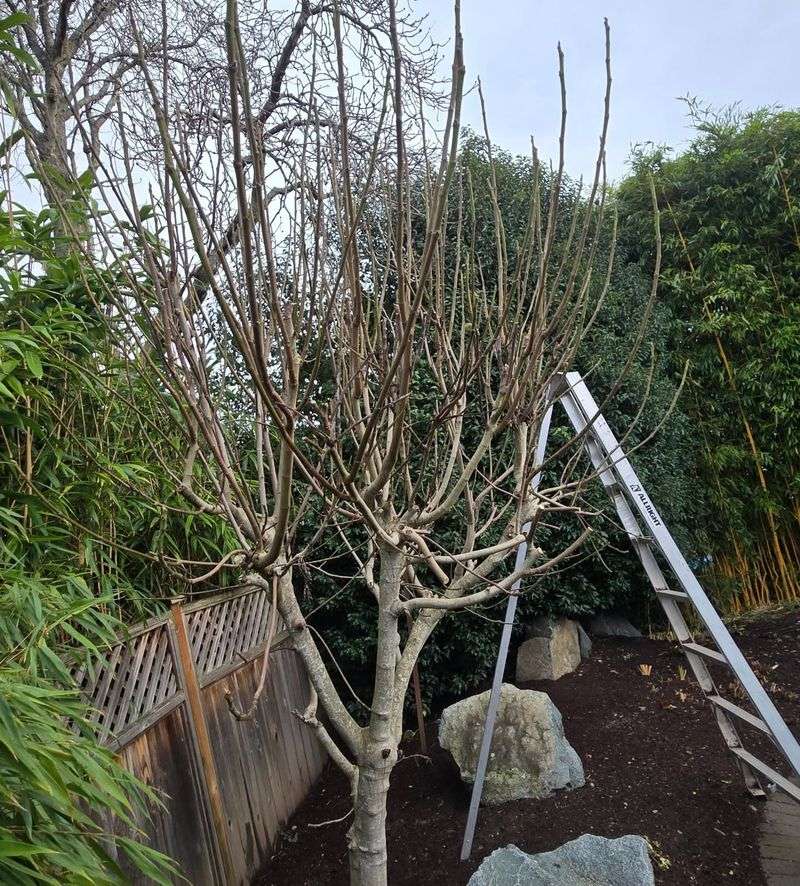
Few things are more rewarding than harvesting fresh fruit from your own backyard, and winter pruning plays a crucial role in ensuring a bountiful crop.
Deciduous fruit trees like apples, peaches, plums, and pears all benefit greatly from careful trimming during their dormant period.
Across California, from the Central Valley orchards to suburban yards in Orange County, late winter is the time to shape these trees for optimal fruit production.
Pruning fruit trees in winter removes excess branches that compete for sunlight and nutrients. Focus on cutting away any branches that grow straight up or down, as well as those that cross or rub against each other.
Opening up the canopy allows better air circulation, which reduces the risk of fungal problems and helps sunlight reach the inner branches where fruit develops.
The goal is to create a balanced, vase-like shape that supports heavy fruit loads without breaking.
Make your cuts just outside the branch collar, the slightly swollen area where a branch meets the trunk, to promote proper healing. Avoid leaving stubs, as these can become entry points for pests and disease.
Winter pruning also stimulates new fruiting wood, leading to larger and sweeter fruit. Many California gardeners find that trees pruned in late January or early February produce more consistently year after year.
After pruning, apply a layer of compost around the base to nourish the soil as the tree prepares for spring. With proper winter care, your fruit trees will flourish and provide delicious harvests for seasons to come.
2. Rose Bushes
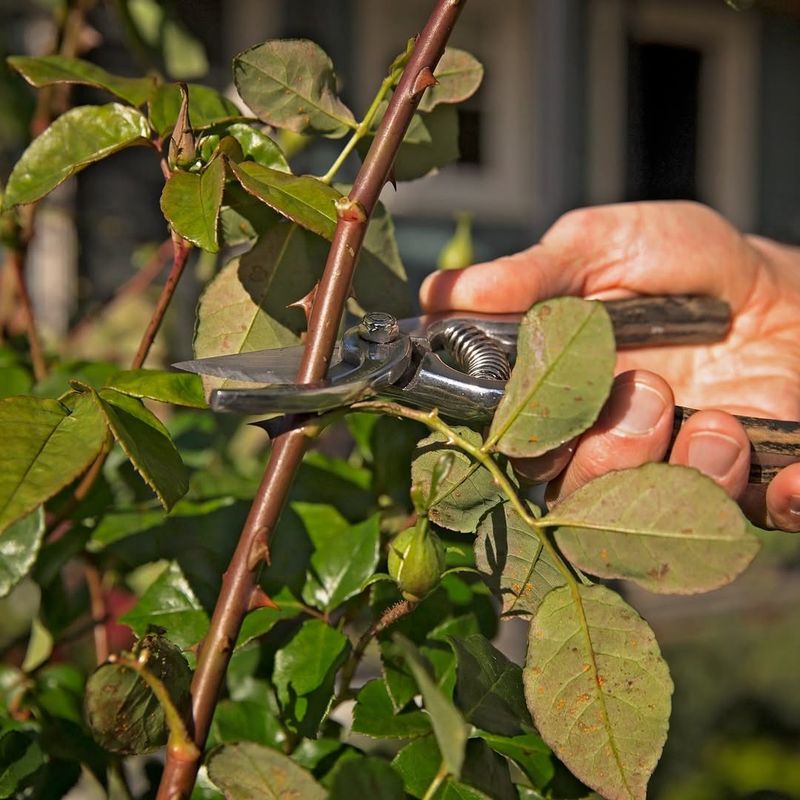
California gardeners have long adored roses for their stunning blooms and delightful fragrance, but these beauties need a good winter trim to truly shine.
Late winter, typically between January and February, is the ideal time to prune rose bushes throughout California’s diverse climate zones.
Cutting back old, woody stems and removing any damaged or crossing branches allows the plant to direct energy toward fresh, healthy growth.
Start by removing any dry wood, which often appears brown or black and feels brittle to the touch. Next, trim back healthy canes to about 12 to 18 inches from the ground, making cuts at a 45-degree angle just above an outward-facing bud.
This technique encourages the plant to grow outward rather than inward, creating a more open and attractive shape.
Your California Garden Changes Every Week. Your Plan Should Too.
Gardening in California changes quickly throughout the season. Every Friday you’ll receive a simple weekly plan showing exactly what to plant, prune, fertilize, harvest, and protect so you never miss the right timing.
Roses pruned in winter tend to produce more abundant and larger flowers in spring. The cooler temperatures reduce stress on the plant, and the absence of leaves makes it easier to see the structure and identify which branches to cut.
Whether you are growing hybrid teas in Los Angeles or climbing roses in the Bay Area, winter pruning sets the stage for a spectacular floral display.
Remember to clean your pruning tools with rubbing alcohol between cuts to prevent the spread of disease. Mulching around the base after pruning helps retain moisture and protect roots during any late-season cold snaps.
With a little effort during the dormant season, your rose bushes will reward you with vigorous growth and breathtaking blooms throughout the California spring and summer.
3. Lavender
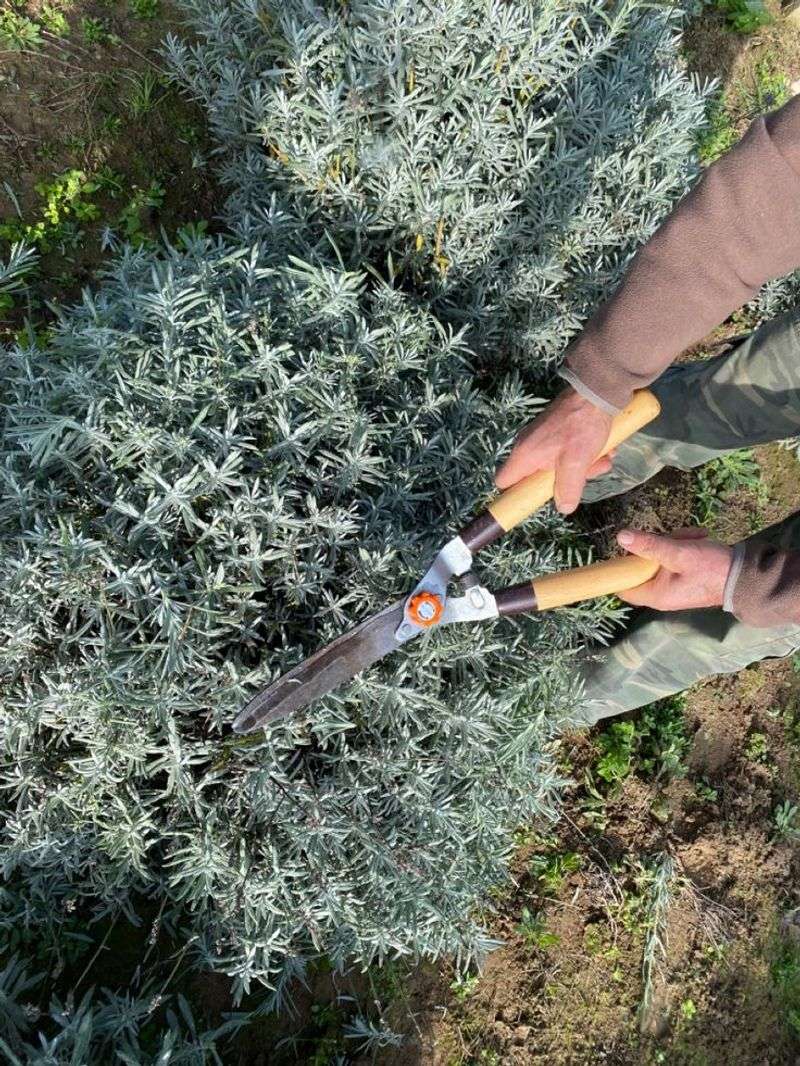
Lavender is a California garden favorite, thriving in the state’s sunny, Mediterranean-like climate and filling the air with its soothing scent.
However, without regular pruning, lavender plants can become woody and leggy, producing fewer flowers and losing their compact shape.
Winter pruning, done in late winter before new growth emerges, keeps lavender healthy and encourages a flush of fragrant blooms in spring.
Begin by cutting back about one-third of the plant’s height, focusing on removing old flower stalks and any dry or damaged stems.
Avoid cutting into the woody base of the plant, as lavender does not regenerate well from old wood. Instead, make your cuts just above the green, leafy growth to stimulate fresh shoots.
This type of pruning prevents the plant from splitting open or flopping over, which can happen when lavender gets too tall and heavy. It also promotes denser foliage and more flower spikes, making your garden look lush and vibrant.
Whether you are growing English lavender in the cooler coastal areas of California or Spanish lavender in the warmer inland valleys, winter trimming is essential.
Timing is important for lavender pruning. In most parts of California, late February or early March works well, just as the plant begins to wake up from its winter rest.
After pruning, water lightly and avoid heavy fertilization, as lavender prefers lean soil. With consistent winter care, your lavender will remain a fragrant and beautiful centerpiece in your California landscape for many years.
4. Grapes
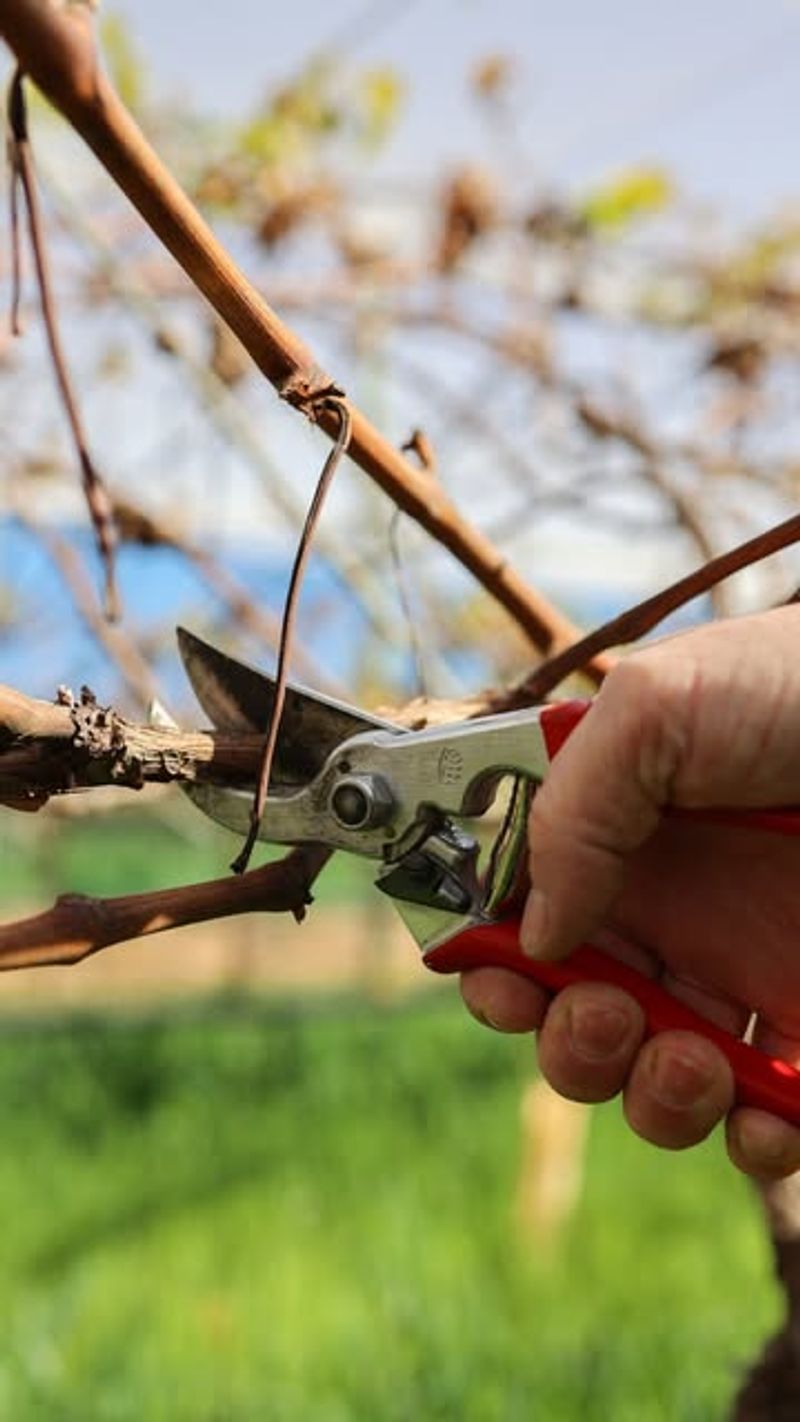
Growing grapes in California is a tradition that dates back generations, and proper winter pruning is the secret to producing sweet, plump fruit. Grapevines are vigorous growers, and without regular trimming, they can quickly become tangled masses of unproductive wood.
Pruning during the dormant season, typically from December through February, redirects the plant’s energy into fewer, higher-quality grape clusters.
Grapevines produce fruit on one-year-old wood, so the goal of winter pruning is to remove old, unproductive canes while leaving a few strong, healthy ones for the coming season. Start by cutting away any dry, diseased, or damaged wood.
Then, select two to four main canes and prune them back to about 10 to 15 buds each, depending on the variety and training system you are using.
This aggressive pruning might seem drastic, but it is necessary for grapevines to thrive. Overgrown vines produce small, poorly flavored fruit and are more susceptible to pests and diseases.
By keeping the vine open and well-structured, you improve air circulation and sunlight exposure, both of which are critical for healthy grape development in California’s varied climates.
After pruning, tie the remaining canes to a trellis or support structure to keep them organized as they grow. Many California home gardeners and vineyard owners find that consistent winter pruning leads to more reliable harvests and better-tasting grapes.
Whether you are growing table grapes in Fresno or wine grapes in Napa Valley, taking the time to prune in winter will pay off with abundant, delicious fruit come harvest time.
5. Hydrangeas
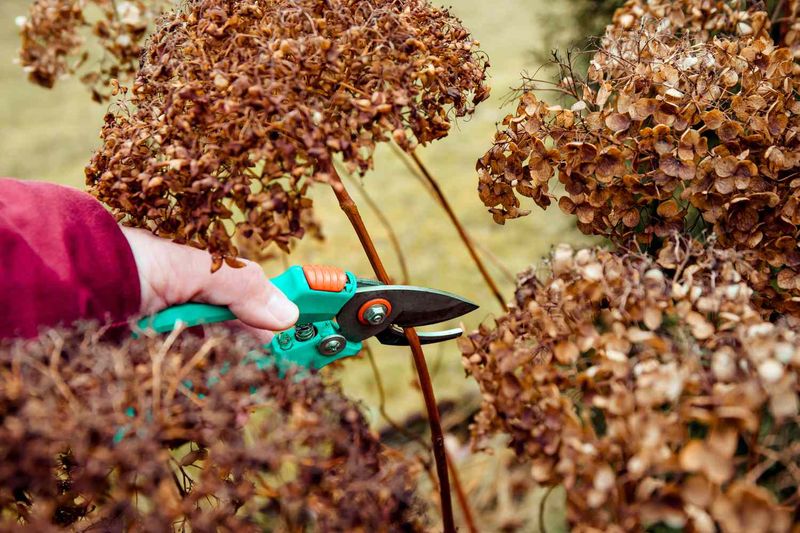
Hydrangeas bring a burst of color to California gardens with their large, showy flower clusters in shades of blue, pink, and white. Knowing when and how to prune these popular shrubs can be confusing, but for many varieties, winter is the right time to trim.
Smooth hydrangeas and panicle hydrangeas, which bloom on new wood, benefit from a good pruning in late winter to encourage vigorous spring growth and abundant flowers.
For smooth hydrangeas, cut the entire plant back to about 12 to 18 inches from the ground in late winter. This might seem harsh, but these plants grow quickly and will produce fresh stems topped with blooms by summer.
Panicle hydrangeas can be pruned similarly, though you can leave them a bit taller if you prefer a larger shrub.
Bigleaf hydrangeas, which bloom on old wood, should not be heavily pruned in winter. Instead, only remove dry or damaged stems and leave the rest alone to protect the flower buds that formed the previous year.
This distinction is important for California gardeners, as pruning the wrong type at the wrong time can result in a season without blooms.
After pruning, add a layer of compost or mulch around the base of the plant to support healthy growth.
Hydrangeas thrive in many parts of California, from the foggy coasts to the warmer inland areas, and proper winter pruning ensures they will put on a stunning show each spring.
With a little knowledge and care, your hydrangeas will remain a highlight of your garden year after year.
6. Wisteria
Wisteria is known for its cascading clusters of fragrant purple, white, or pink flowers that create a dramatic display in spring.
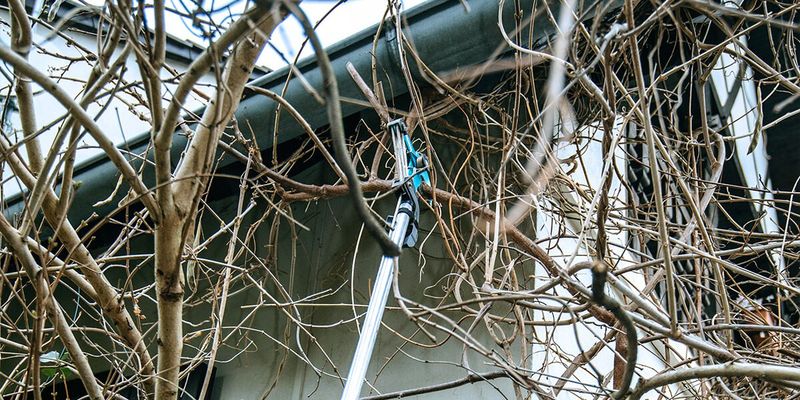
This vigorous vine can quickly take over a garden if left unpruned, so winter trimming is essential for keeping it under control and encouraging more blooms.
California gardeners often find that wisteria needs pruning twice a year, with the most important session happening in late winter.
During winter, cut back the long, whippy shoots that grew during the previous year to about three to five buds from the main framework. This type of pruning forces the plant to produce shorter spurs, which are the branches that bear the beautiful flower clusters.
Removing excess growth also prevents the vine from becoming too heavy and overwhelming its support structure.
Wisteria can be trained on pergolas, arbors, or fences, and winter pruning helps maintain the desired shape and size. Without regular trimming, wisteria can become a tangled mess that produces more leaves than flowers.
By keeping the vine tidy and well-structured, you ensure that energy goes into flower production rather than unchecked vegetative growth.
Many California gardens, from Sacramento to San Diego, feature wisteria as a stunning focal point. Pruning in late winter, typically in January or February, prepares the vine for a spectacular spring bloom.
After pruning, check the support structure to make sure it can handle the weight of the mature vine. With consistent winter care, your wisteria will reward you with breathtaking cascades of fragrant flowers that transform your outdoor space into a magical retreat.
7. Crape Myrtle
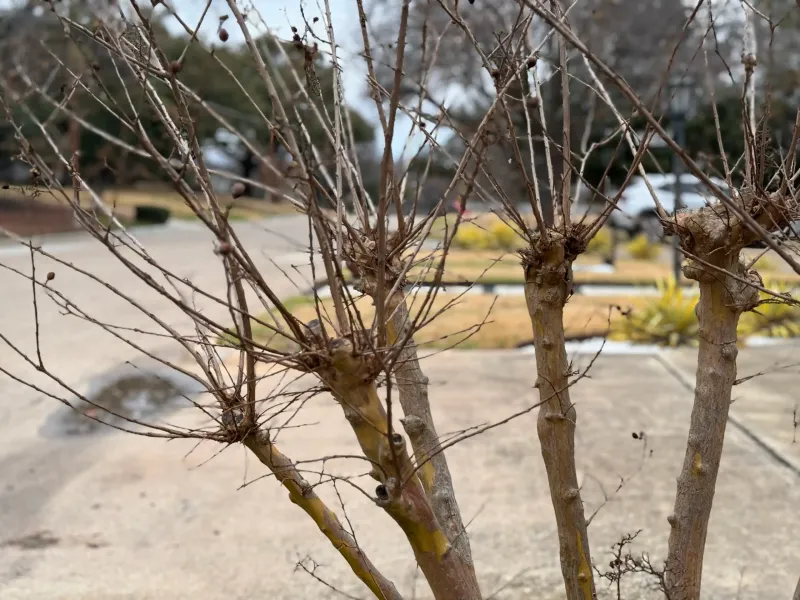
Crape myrtle is a beloved ornamental tree throughout California, prized for its stunning summer blooms and attractive bark that peels to reveal smooth, colorful wood underneath. Winter pruning is key to maintaining the tree’s shape and promoting vigorous flowering.
In California’s mild winter climate, late winter is the perfect time to trim crape myrtle before new growth begins.
Start by removing any small, twiggy growth and suckers that sprout from the base of the tree. Next, thin out crossing or crowded branches to open up the canopy and improve air circulation.
Avoid the common mistake of topping the tree, which is sometimes called crape murder. This practice involves cutting all the branches back to stubs, resulting in weak, unsightly growth and fewer flowers.
Instead, focus on selective pruning that maintains the tree’s natural shape. Remove branches that are thinner than a pencil and any that grow inward toward the center of the tree.
This approach encourages strong, healthy branches that can support heavy flower clusters without breaking.
Crape myrtle thrives in many parts of California, from the hot Central Valley to the milder coastal regions. Pruning in late winter, typically in February, gives the tree time to recover and put out fresh growth before the blooming season.
After pruning, apply a balanced fertilizer to support spring growth and consider mulching around the base to retain moisture.
With proper winter care, your crape myrtle will deliver a dazzling display of vibrant blooms and add year-round beauty to your California landscape.