How To Grow Tons Of Cherry Tomatoes In Your New Jersey Garden
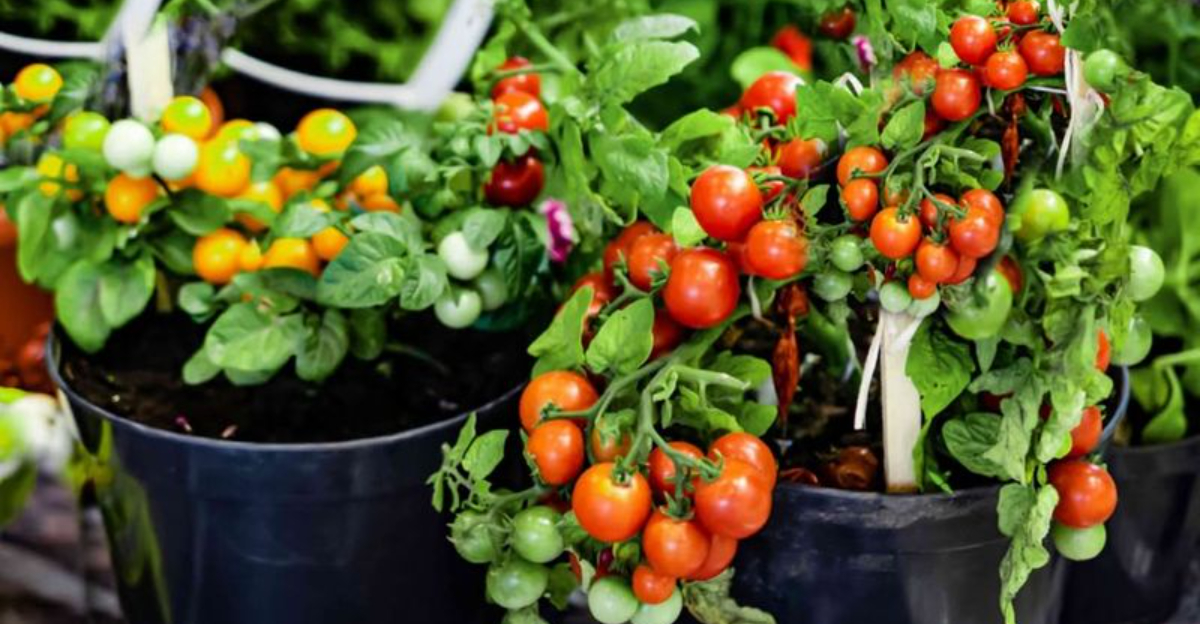
Cherry tomatoes are a backyard favorite in New Jersey, and with the right care, they can produce a flood of sweet, juicy fruit all season long. Big harvests don’t have to be complicated.
Healthy soil, consistent watering, and proper sunlight make all the difference for plump, flavorful tomatoes. Imagine baskets overflowing with fresh cherry tomatoes every week.
Even small garden spaces or patio containers can deliver impressive yields with just a few smart techniques. Tiny plants, huge rewards.
Pruning and supporting the vines keeps them strong and productive, so you can enjoy the fruits of your labor faster. Sunshine, water, and a little know-how can turn your garden into a tomato paradise.
Garden-fresh cherry tomatoes bring unbeatable flavor, color, and joy straight from your own backyard.
1. Choose The Right Varieties For New Jersey’s Climate
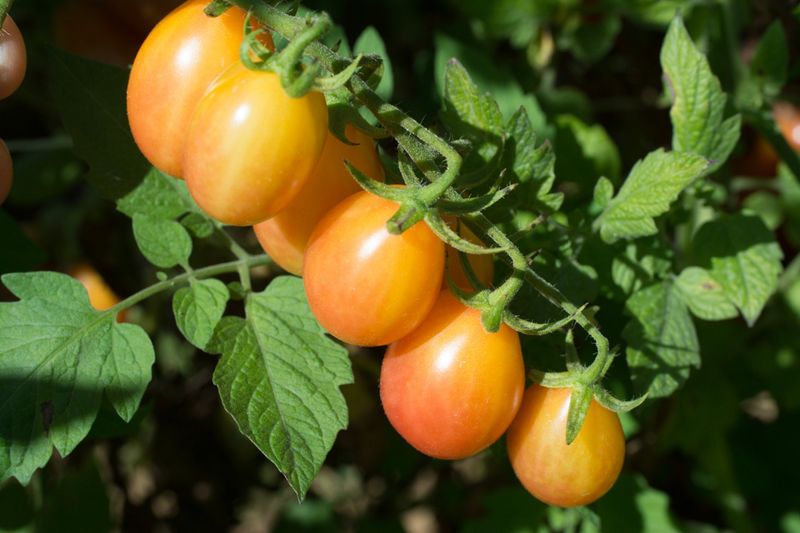
Selecting varieties that thrive in New Jersey’s specific growing conditions sets the foundation for a bountiful harvest. Not all cherry tomato plants perform equally well in the Garden State’s humid summers and occasional temperature swings.
Varieties like ‘Sungold,’ ‘Sweet 100,’ and ‘Black Cherry’ have proven track records in New Jersey gardens because they resist common diseases and tolerate the region’s weather patterns.
Disease resistance is particularly important since New Jersey’s humidity can encourage fungal problems that affect tomato plants.
When shopping for seeds or seedlings, look for labels indicating resistance to common issues like early blight, late blight, and verticillium wilt. These diseases frequently appear in New Jersey gardens during wet summers.
Choosing resistant varieties means less frustration and more tomatoes on your plate. Hybrid varieties often offer better disease resistance than heirloom types, though some gardeners prefer heirlooms for their unique flavors and enjoy the extra challenge of keeping them healthy.
Consider your garden’s specific conditions when making selections. If you have limited space, determinate varieties that grow to a fixed height work well in containers or small beds.
Indeterminate types keep growing and producing throughout the season, making them ideal if you have room for tall stakes or cages. New Jersey gardeners with shorter growing seasons in northern counties might prefer early-maturing varieties that produce fruit within 55 to 65 days.
Local garden centers often stock varieties that perform well in your area, and staff can offer valuable recommendations based on neighborhood growing conditions.
Don’t hesitate to experiment with two or three different varieties each season to discover which ones produce best in your particular garden microclimate and match your taste preferences.
2. Prepare Your Soil With Rich Organic Matter
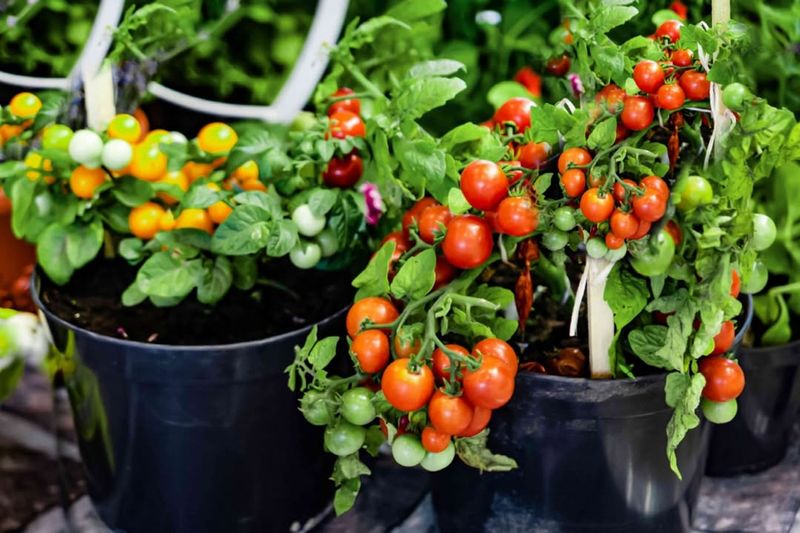
Healthy soil creates the foundation for vigorous cherry tomato plants that produce abundantly throughout the growing season. New Jersey soils vary considerably across the state, from sandy coastal areas to clay-heavy regions inland.
Before planting, test your soil’s pH level, aiming for a range between 6.0 and 6.8, which cherry tomatoes prefer. Most county extension offices offer affordable soil testing services that provide detailed recommendations for amendments.
Incorporating generous amounts of compost or well-aged manure transforms average soil into a nutrient-rich growing medium. Work at least two to three inches of organic matter into the top eight to ten inches of soil several weeks before planting.
Your New Jersey Garden Changes Every Week. Your Plan Should Too.
Gardening in New Jersey changes quickly throughout the season. Every Friday you’ll receive a simple weekly plan showing exactly what to plant, prune, fertilize, harvest, and protect so you never miss the right timing.
This practice improves drainage in heavy clay soils common in parts of New Jersey while helping sandy soils retain moisture and nutrients. Organic matter also feeds beneficial microorganisms that help plants absorb nutrients more efficiently.
Adding a balanced organic fertilizer at planting time gives young plants a strong start. Look for formulations with equal or slightly higher phosphorus content, which supports root development and fruit production.
Bone meal and rock phosphate are excellent organic options that release nutrients slowly over time. Avoid using fresh manure directly on planting beds, as it can burn tender roots and introduce weed seeds.
Consider raised beds if your New Jersey garden has poor drainage or compacted soil. Raised beds warm up faster in spring, extending your growing season slightly.
They also make it easier to control soil quality and provide excellent drainage during heavy summer rains. Fill raised beds with a mixture of quality topsoil, compost, and peat moss or coconut coir for optimal results that will keep your cherry tomato plants thriving all season.
3. Plant In Full Sunlight For Maximum Production
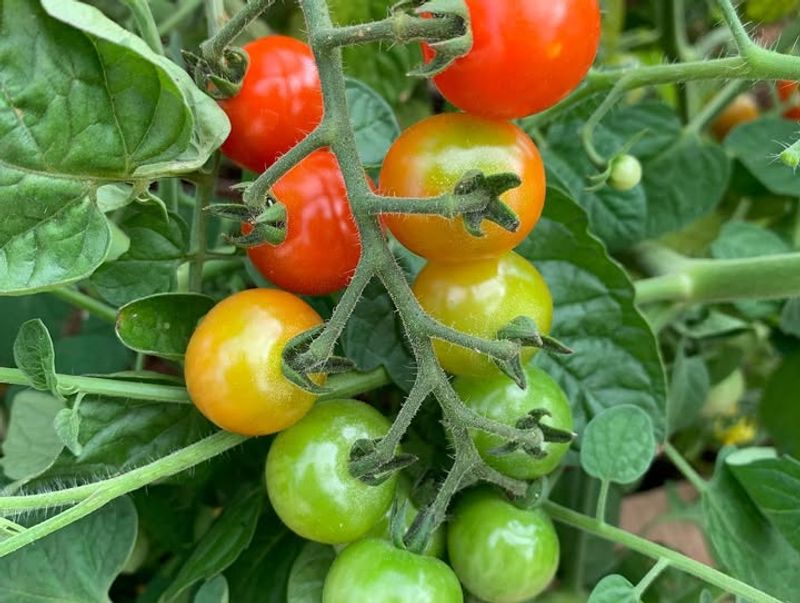
Sunlight fuels the growth and fruit production of cherry tomato plants, making location selection crucial for success. Cherry tomatoes need at least six to eight hours of direct sunlight daily, though more is always better.
In New Jersey gardens, the sunniest spots typically face south or west, receiving unobstructed light throughout the day. Plants grown in partial shade produce fewer tomatoes and are more susceptible to disease problems.
Observe your garden throughout a full day before deciding where to plant. Trees, buildings, and fences cast shadows that change position as the sun moves across the sky.
What seems sunny at noon might be shaded during morning or afternoon hours. New Jersey gardeners often find that spots near south-facing walls receive reflected heat and extended sunlight, creating ideal microclimates for heat-loving cherry tomatoes.
Adequate sunlight does more than just fuel growth. It helps foliage dry quickly after rain or morning dew, reducing the risk of fungal diseases that thrive in New Jersey’s humid summer conditions.
Well-lit plants also develop stronger stems and more robust root systems, making them better able to support heavy fruit loads. The sugars that give cherry tomatoes their sweet flavor develop most fully in plants receiving abundant sunshine.
If your New Jersey garden lacks a perfect full-sun location, choose the brightest available spot and compensate with extra care in other areas.
Container-grown cherry tomatoes can be moved to follow the sun throughout the day or relocated to sunnier spots as tree leaves emerge in spring.
Even in less-than-ideal light conditions, proper watering, fertilizing, and variety selection can still yield respectable harvests, though production will never match what full sunlight provides.
4. Water Consistently To Prevent Splitting And Blossom End Rot
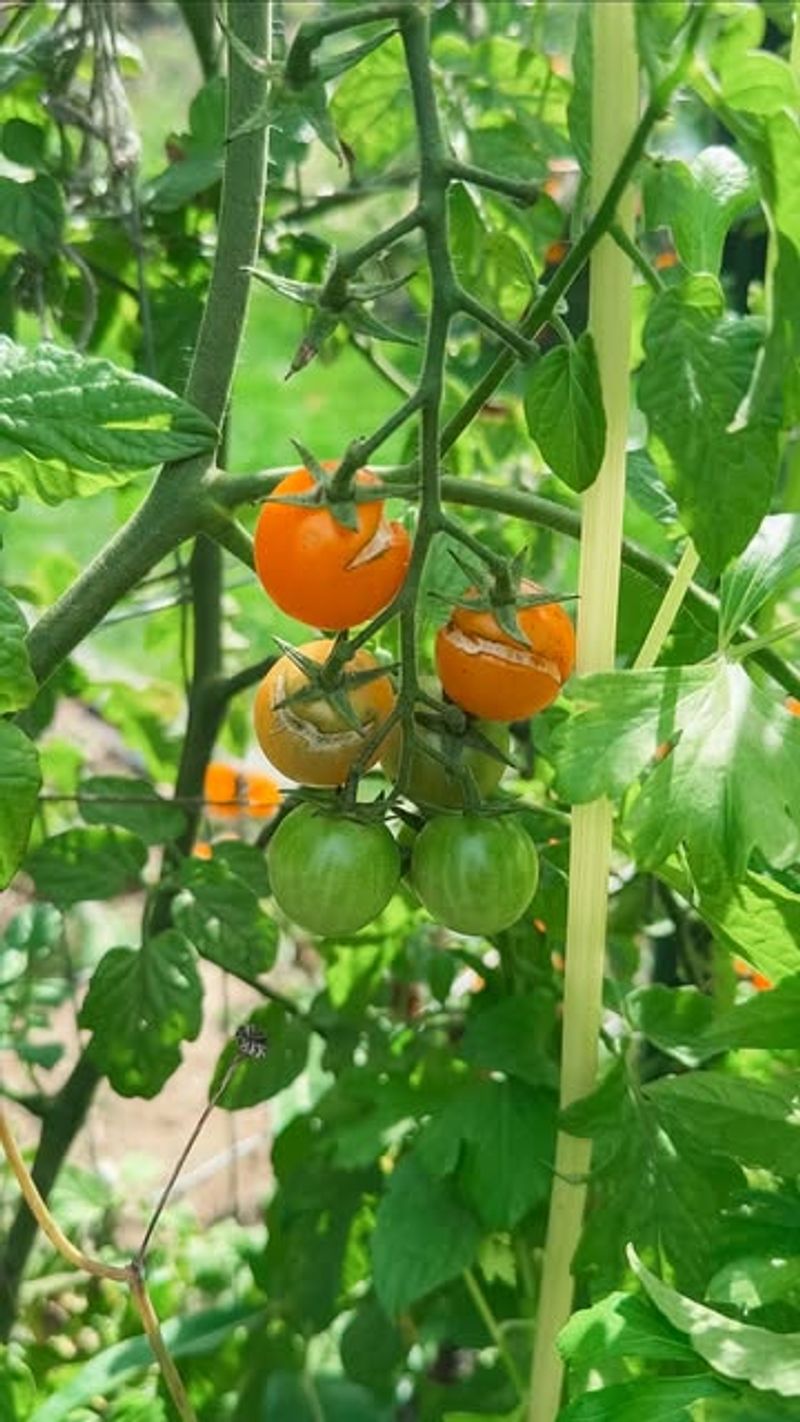
Consistent moisture levels throughout the growing season prevent common problems and keep cherry tomato plants producing steadily. Irregular watering causes fruit to split when sudden moisture availability makes tomatoes expand too quickly.
New Jersey’s weather can be unpredictable, with periods of drought followed by heavy rainfall, making consistent watering practices essential for quality fruit production. Plants need approximately one to two inches of water weekly, either from rainfall or supplemental irrigation.
Deep, infrequent watering encourages roots to grow downward, creating stronger plants that better withstand stress. Water thoroughly so moisture penetrates eight to ten inches into the soil, then allow the top inch or two to dry before watering again.
Shallow, frequent watering keeps roots near the surface where they’re vulnerable to heat stress and drought. Early morning watering allows foliage to dry quickly, reducing disease risks in New Jersey’s humid climate.
Drip irrigation or soaker hoses deliver water directly to root zones without wetting foliage, making them ideal for tomato plants. These systems also conserve water and can be connected to timers for consistent delivery even when you’re away.
If hand-watering, direct the stream at the soil level rather than overhead. Mulching around plants with two to three inches of straw, shredded leaves, or grass clippings helps maintain even soil moisture and reduces watering frequency.
Blossom end rot, appearing as dark, sunken spots on the bottom of tomatoes, results from calcium deficiency often triggered by inconsistent watering.
New Jersey gardeners can prevent this frustrating problem by maintaining steady moisture levels and ensuring adequate calcium in the soil.
Adding crushed eggshells or agricultural lime when preparing beds helps, but consistent watering remains the most important prevention strategy for keeping your cherry tomatoes perfect and unblemished.
5. Provide Sturdy Support Systems Early In The Season
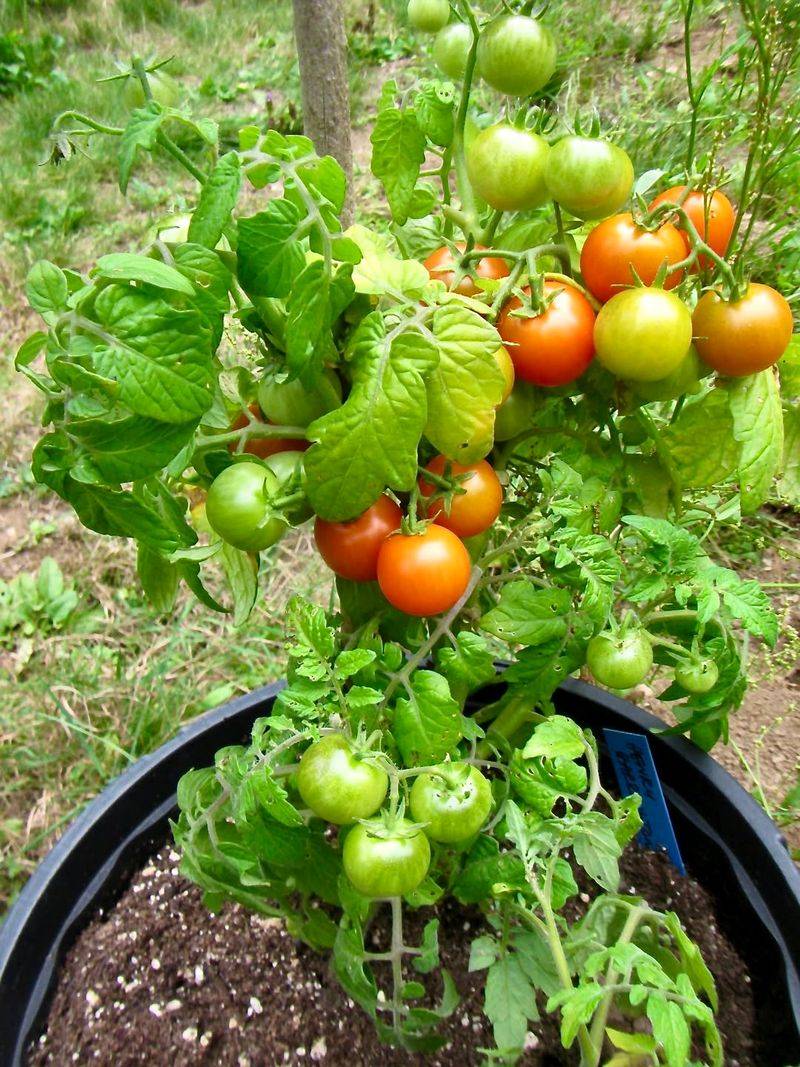
Installing supports when plants are young prevents root damage and ensures your cherry tomatoes grow upward rather than sprawling across the ground.
Even compact cherry tomato varieties benefit from staking or caging, while indeterminate types absolutely require sturdy support systems.
New Jersey gardeners should install supports at planting time, before root systems expand and become vulnerable to disturbance. Waiting until plants are large and heavy makes installation difficult and often damages established roots.
Cages made from concrete reinforcing wire or sturdy metal work well for most cherry tomato varieties. Look for cages at least five feet tall with wide openings that allow easy harvesting.
Flimsy tomato cages sold at many garden centers often collapse under the weight of productive cherry tomato plants laden with fruit.
Many New Jersey gardeners construct their own cages from wire fencing, creating custom sizes that perfectly fit their garden spaces and provide superior support.
Staking works well for gardeners who prefer pruning plants to one or two main stems. Drive sturdy stakes at least two feet into the ground, positioning them six inches from the plant stem to avoid root damage.
As plants grow, tie stems to stakes with soft cloth strips or tomato clips every eight to ten inches. Avoid using wire or string that can cut into growing stems.
The Florida weave method, where string is woven horizontally between stakes to support multiple plants, works efficiently in row plantings.
Supported plants produce cleaner fruit, experience fewer disease problems, and are easier to harvest than those growing on the ground. Air circulation improves around staked or caged plants, allowing foliage to dry quickly after New Jersey’s frequent summer rains.
Better airflow reduces fungal disease problems that plague tomato plants in humid conditions. Vertical growth also maximizes garden space, allowing New Jersey gardeners to fit more plants in limited areas while maintaining healthy growing conditions.
6. Fertilize Regularly Throughout The Growing Season
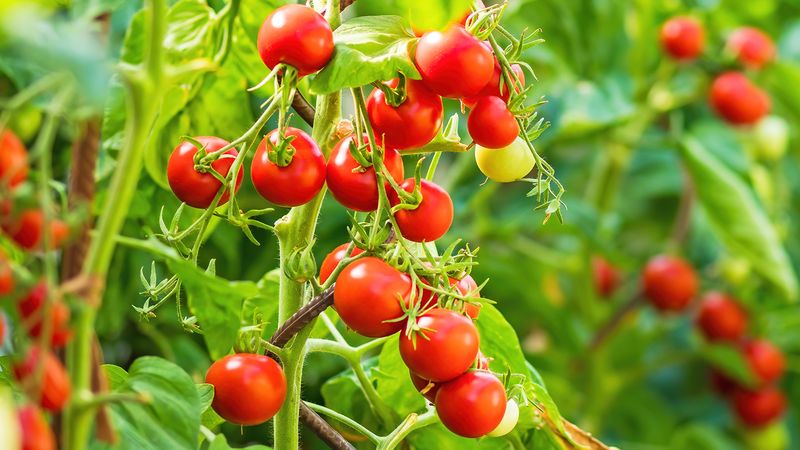
Cherry tomato plants are heavy feeders that require consistent nutrition to produce abundant fruit throughout New Jersey’s growing season. Initial soil preparation provides a good start, but plants quickly deplete available nutrients as they grow and set fruit.
Beginning two weeks after transplanting, feed plants every two to three weeks with a balanced organic fertilizer or compost tea. This regular feeding schedule keeps plants vigorous and productive from early summer through fall frost.
Choose fertilizers formulated specifically for tomatoes or vegetables, which contain appropriate nutrient ratios. Early in the season, balanced formulations like 10-10-10 support healthy foliage growth.
Once plants begin flowering, switch to formulations higher in phosphorus and potassium, such as 5-10-10, which promote fruit production rather than excessive leafy growth.
Too much nitrogen late in the season creates lush foliage at the expense of tomatoes, a common mistake among New Jersey gardeners eager to help their plants.
Organic options like fish emulsion, seaweed extract, and compost tea provide gentle, steady nutrition while improving soil health. These natural fertilizers feed beneficial soil organisms that help plants access nutrients more efficiently.
Side-dress plants with compost or well-aged manure midway through the season, scratching it lightly into the soil around the base without disturbing roots. This technique provides slow-release nutrition that sustains plants through their peak production period.
Watch your plants for signs indicating their nutritional needs. Yellowing lower leaves might signal nitrogen deficiency, while poor fruit set could indicate inadequate phosphorus.
Purple-tinged foliage sometimes indicates phosphorus deficiency, particularly in cool New Jersey spring weather. Overfertilizing causes its own problems, including excessive foliage, fewer tomatoes, and increased susceptibility to pests.
Finding the right balance comes with experience, but regular moderate feeding typically produces the best results in New Jersey gardens.
7. Prune Suckers And Lower Leaves For Better Air Circulation
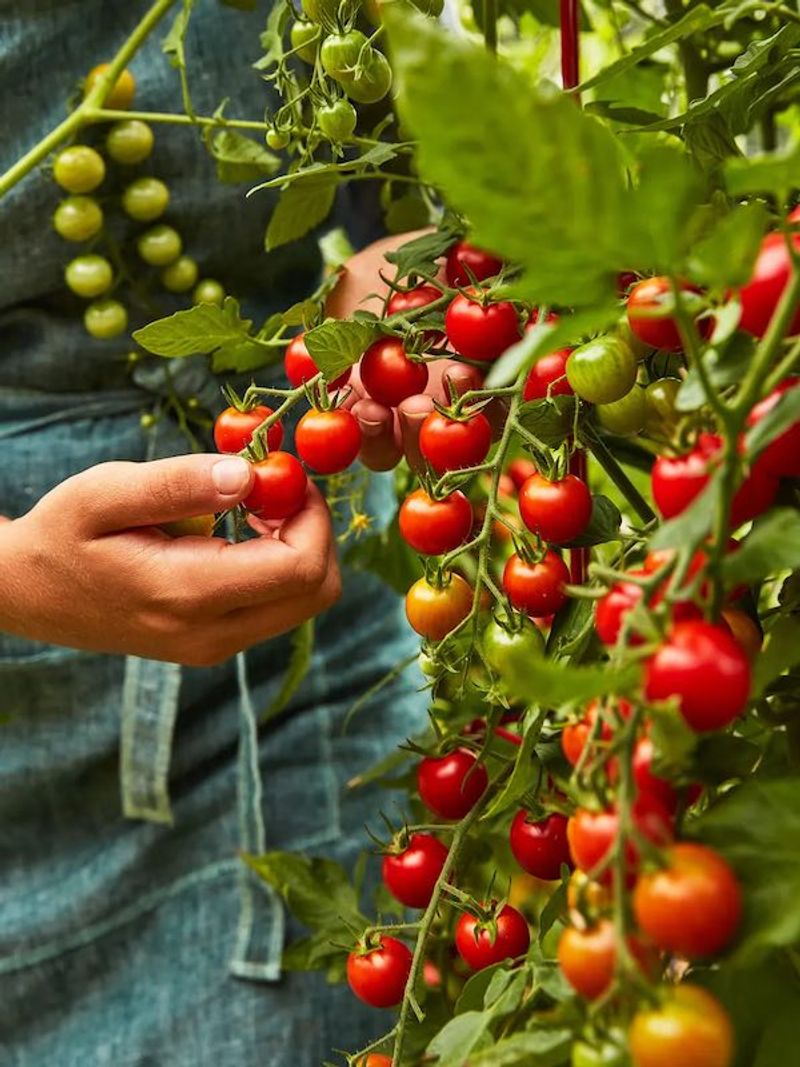
Strategic pruning improves air circulation, reduces disease pressure, and can increase fruit size in cherry tomato plants. Suckers are shoots that emerge in the joint between the main stem and branches.
Removing these when they’re small directs plant energy toward fruit production rather than excessive foliage growth.
New Jersey gardeners growing indeterminate varieties benefit most from regular suckering, though determinate types require minimal pruning since they naturally stop growing at a predetermined size.
Check plants weekly and pinch out suckers when they’re two to three inches long, small enough to remove with your fingers without needing pruners. Removing large suckers creates wounds that invite disease, particularly problematic in New Jersey’s humid summer conditions.
Some gardeners allow the first one or two suckers below the initial flower cluster to develop into secondary stems, creating bushier plants with increased production. This technique works well with vigorous varieties in gardens with ample space.
Remove lower leaves once plants are established and growing vigorously, especially after fruit begins forming on upper portions.
Eliminating foliage within six to eight inches of the ground improves air circulation and prevents soil-borne diseases from splashing onto leaves during rain or watering.
This practice is particularly valuable in New Jersey, where humidity and summer thunderstorms create ideal conditions for fungal diseases. Always use clean, sharp pruners and sanitize them between plants to prevent spreading diseases.
Avoid over-pruning, which stresses plants and reduces their ability to photosynthesize and produce energy for fruit development. Cherry tomatoes need adequate foliage to shade developing fruit and prevent sun scald during hot New Jersey summers.
Finding the right balance between too much and too little pruning takes practice. As a general rule, maintain enough leaves to cover the plant while ensuring good air movement throughout the canopy, creating optimal conditions for healthy growth and abundant harvests.