Which Crops Slugs Damage Most In Oregon Gardens (And How To Protect Them)
Slugs are one of the most persistent pests in Oregon gardens, and some crops are more at risk than others. These slimy visitors can sneak in overnight and leave behind chewed leaves, damaged seedlings, and wasted produce.
Knowing which crops they target most and how to protect them is key to keeping your garden healthy.
Even experienced gardeners can be caught off guard by slugs. They are especially drawn to leafy greens, young seedlings, and tender herbs, but no plant is completely safe.
The good news is that there are practical ways to reduce their impact, from simple barriers and natural deterrents to careful planting strategies.
Oregon’s wet climate creates ideal conditions for slugs, so a little vigilance goes a long way. By paying attention to the crops they prefer and monitoring your garden, you can stop problems before they get out of hand.
Let’s take a look at the crops slugs damage most in Oregon gardens and explore ways to protect them. With a few proactive steps, you can enjoy thriving vegetables, flowers, and herbs without giving slugs free rein in your backyard.
1. Lettuce
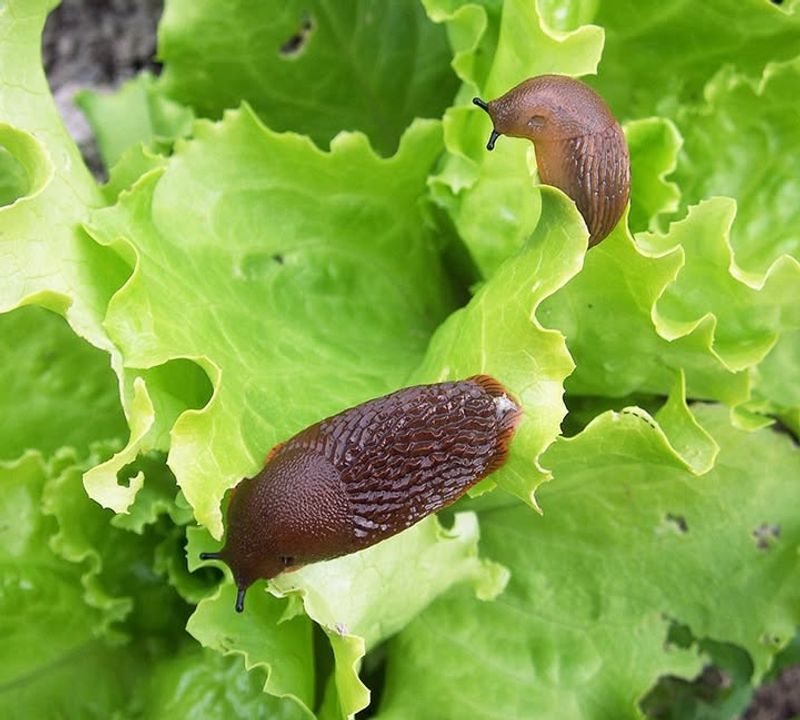
You walk out to check on your salad greens after a cool, misty morning, and right there in the center of your best butter lettuce head, you find it, a glistening trail and a leaf riddled with ragged holes.
It’s maddening because lettuce grows so beautifully in Oregon’s mild springs, but that same moisture that keeps it tender also invites slugs to the party.
Slugs are drawn to lettuce because of its soft, water-rich leaves and low-growing habit. They hide in the soil or under nearby mulch during the day, then emerge at night to feed.
Early spring plantings are especially vulnerable, and damage often shows up as irregular holes along leaf edges or right through the center of young heads.
The best defense starts with keeping your lettuce beds clean. Remove old leaves, thin out overcrowded plants, and avoid heavy mulching right around the base of each plant.
You can also encircle young transplants with copper tape or diatomaceous earth, which creates a barrier slugs won’t cross.
Hand-picking slugs in the evening with a flashlight works surprisingly well, especially if you make it a habit every few nights during wet stretches.
Catching slug damage early means you’ll still harvest crisp, beautiful heads instead of watching your salad plans dissolve into slime.
2. Spinach
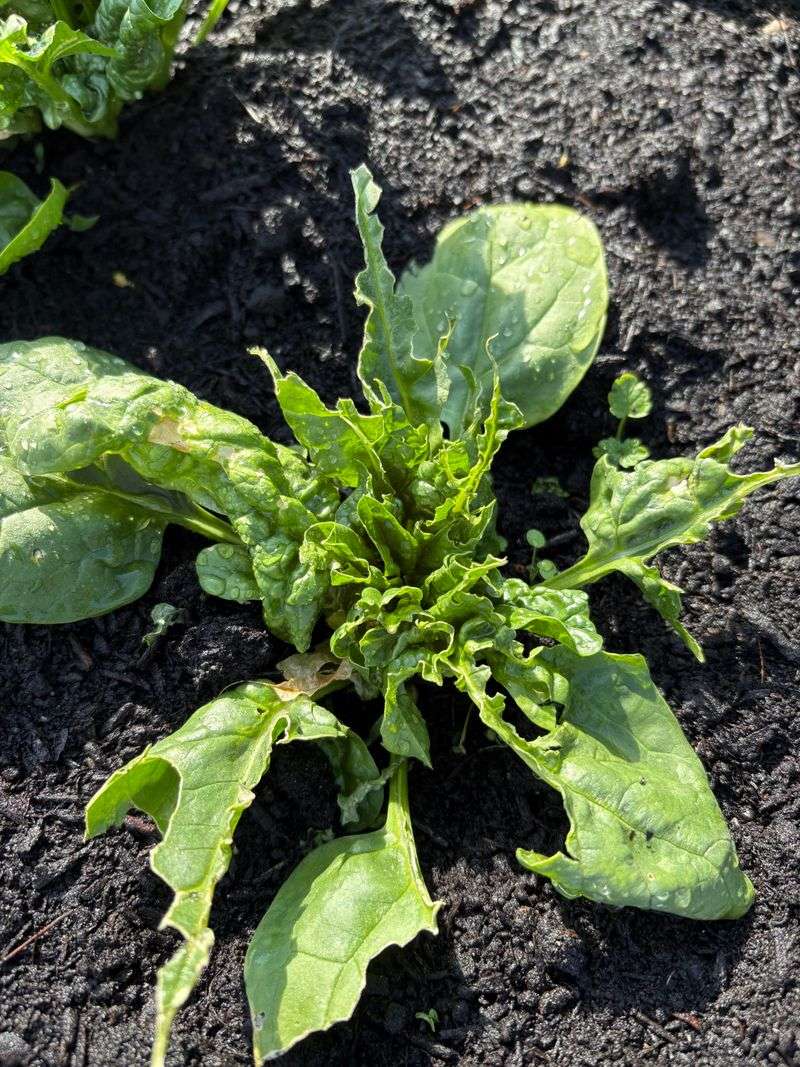
There’s something about spinach that makes slugs lose all self-control. Maybe it’s the tender texture or the fact that spinach thrives in the exact cool, damp conditions slugs love most.
Either way, if you plant spinach in early spring or late summer, you’re likely to see evidence of slug activity within days of your seedlings emerging.
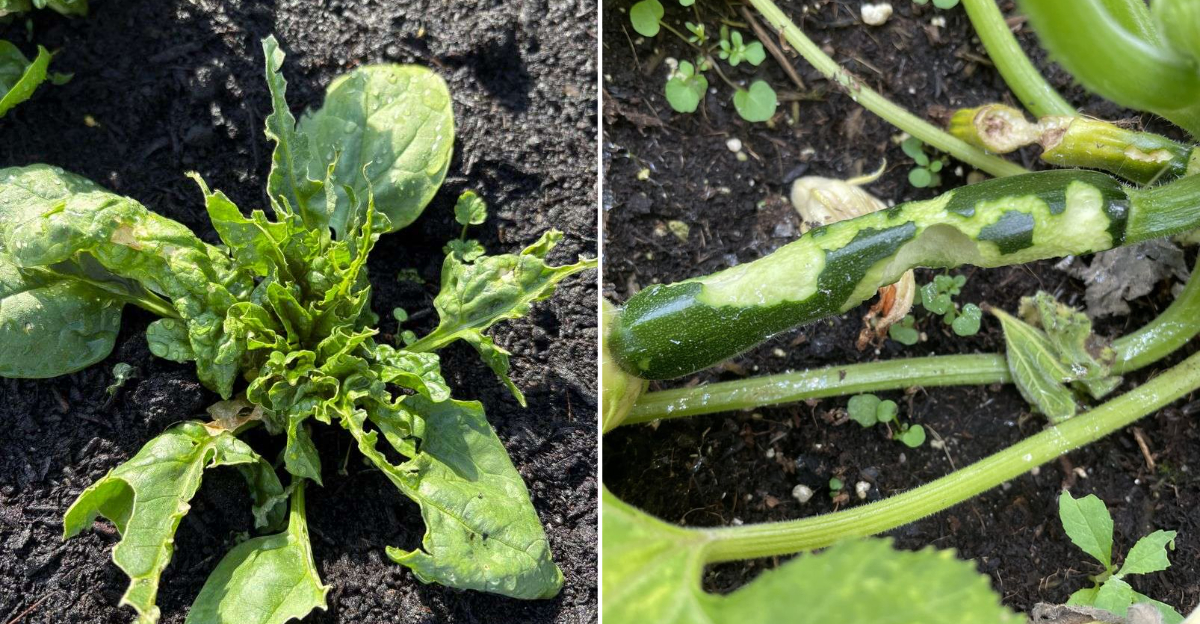
Damage usually appears as small, round holes in the leaves or entire sections nibbled down to the stem. Because spinach grows so close to the ground, slugs have easy access, and they often hide right beneath the foliage during the day.
Your Oregon Garden Changes Every Week. Your Plan Should Too.
Gardening in Oregon changes quickly throughout the season. Every Friday you’ll receive a simple weekly plan showing exactly what to plant, prune, fertilize, harvest, and protect so you never miss the right timing.
You might not even see them unless you lift the leaves and check the soil surface in the morning.
To protect your spinach, start by planting in raised beds if possible, this improves drainage and makes it harder for slugs to reach your crop. Water in the morning rather than the evening so foliage dries out before nightfall.
You can also scatter crushed eggshells or coffee grounds around the base of your plants as a natural deterrent.
If you’re dealing with heavy slug pressure, consider using a shallow dish of beer sunk into the soil nearby; slugs are attracted to the yeast and will drown overnight.
With a little attention early on, you can enjoy abundant spinach harvests all season long.
3. Hostas (Edible Shoots And Garden Beds Nearby)
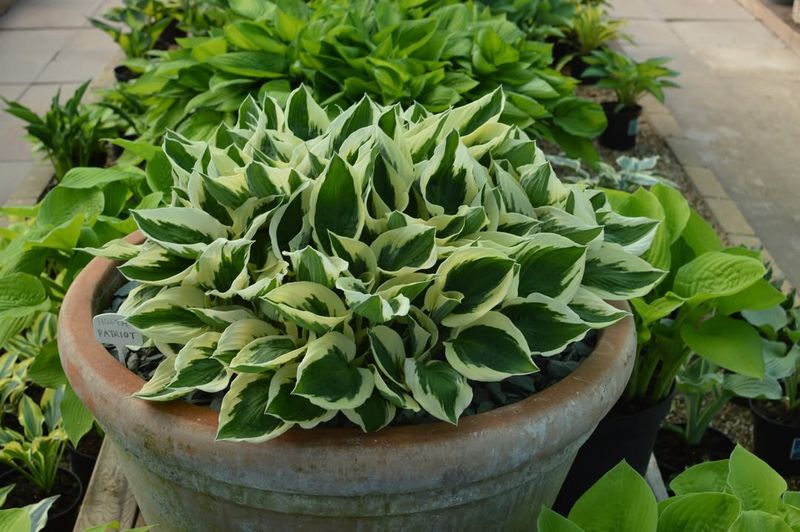
Hostas might not be a vegetable, but if you grow them anywhere near your edible garden, or if you harvest the young shoots in spring like many Oregon gardeners do – you’ve probably noticed they’re absolute slug magnets.
Those broad, lush leaves hold moisture beautifully, and slugs treat them like an all-you-can-eat buffet.
The damage is often dramatic: large, irregular holes that make your hostas look like Swiss cheese by mid-May.
Slugs love hostas because the thick foliage creates a cool, shaded microclimate underneath where they can hide during the day. If your hostas are planted near lettuce, spinach, or beans, slugs will use them as a staging ground and then move into your vegetables at night.
That makes hostas a bit of a liability if they’re too close to your edible beds.
If you want to keep hostas in your landscape, consider planting them farther from vegetable areas, or use them strategically as a trap crop, slugs will congregate there, making them easier to collect and remove.
You can also apply copper strips around the base of each plant or use iron phosphate slug bait, which is safe for pets and wildlife.
Regularly clearing away dead leaves and debris around hostas reduces hiding spots and keeps slug populations in check.
A little distance and smart placement can protect both your ornamentals and your dinner.
4. Strawberries
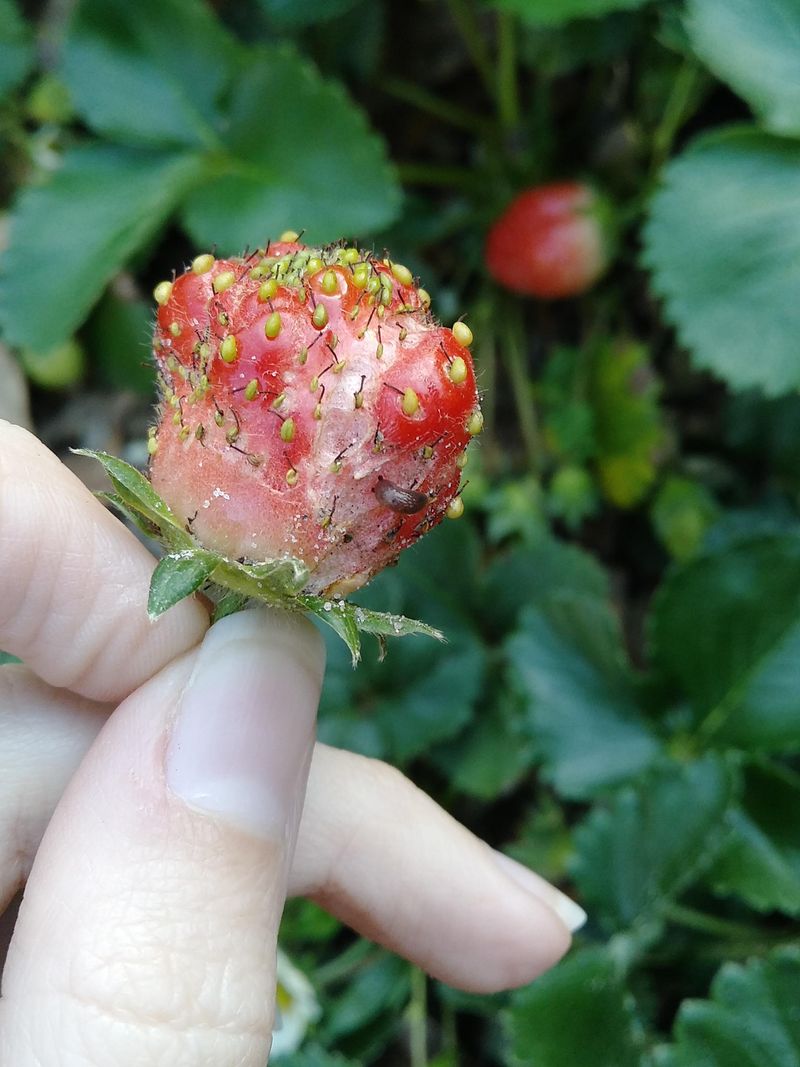
Few things are more disappointing than reaching for a ripe, red strawberry only to find the underside gnawed away by slugs. Because strawberries sit so close to the soil and ripen during Oregon’s wet springs, they’re incredibly vulnerable to slug damage.
You’ll often see slugs feasting on berries that are just starting to turn pink, leaving behind mushy, ruined fruit covered in slime.
Slugs are attracted to the sweetness and moisture of ripening strawberries, and they’re especially active during the cool, damp nights we get in May and June.
They hide under the leaves and in the straw mulch during the day, then come out to feed after dark.
If you don’t catch the problem early, you can lose a significant portion of your harvest in just a few nights.
To protect your strawberries, start by elevating the fruit off the ground. You can use straw, landscape fabric, or even small wooden supports to keep berries from touching the soil.
Remove any overripe or damaged fruit immediately, it attracts more slugs. Copper tape around the edges of raised beds works well, and hand-picking slugs in the evening is highly effective.
Some gardeners also use shallow traps filled with beer placed near the strawberry patch.
With consistent vigilance and a few simple barriers, you can enjoy clean, beautiful berries all season long.
5. Cabbage
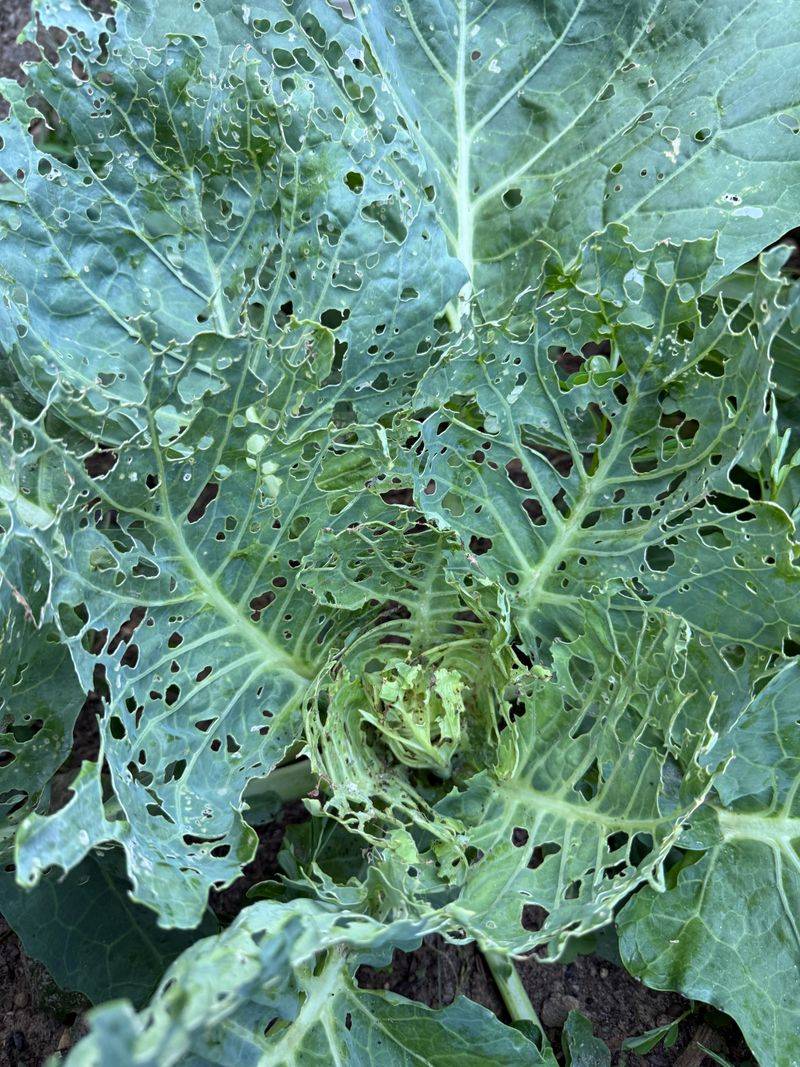
The outer leaves of young plants are surprisingly tender, and slugs will chew through them with enthusiasm.
You’ll often find damage on the lower leaves first, especially if your cabbage is planted in a bed with heavy mulch or poor air circulation.
The holes might start small, but they can quickly spread if slug populations are high.
Slugs target cabbage early in the season when the leaves are still soft and the plants are small. As the heads mature and the outer leaves toughen up, slugs lose interest, but by then, the damage is done.
If slugs chew through too many outer leaves, the plant’s growth slows, and your harvest suffers. The problem is worse in shaded or overly moist areas where slugs can stay active all day.
To protect your cabbage, space plants generously to improve air flow and reduce humidity around the base. Avoid mulching heavily right up against the stems.
You can also create a barrier using crushed eggshells, diatomaceous earth, or copper collars around each transplant.
Hand-picking slugs at dusk or early morning is one of the most effective methods, especially if you check under the lower leaves where they like to hide.
Healthy cabbage plants can recover from minor slug damage, but preventing it early saves you time and ensures a better harvest.
6. Beans
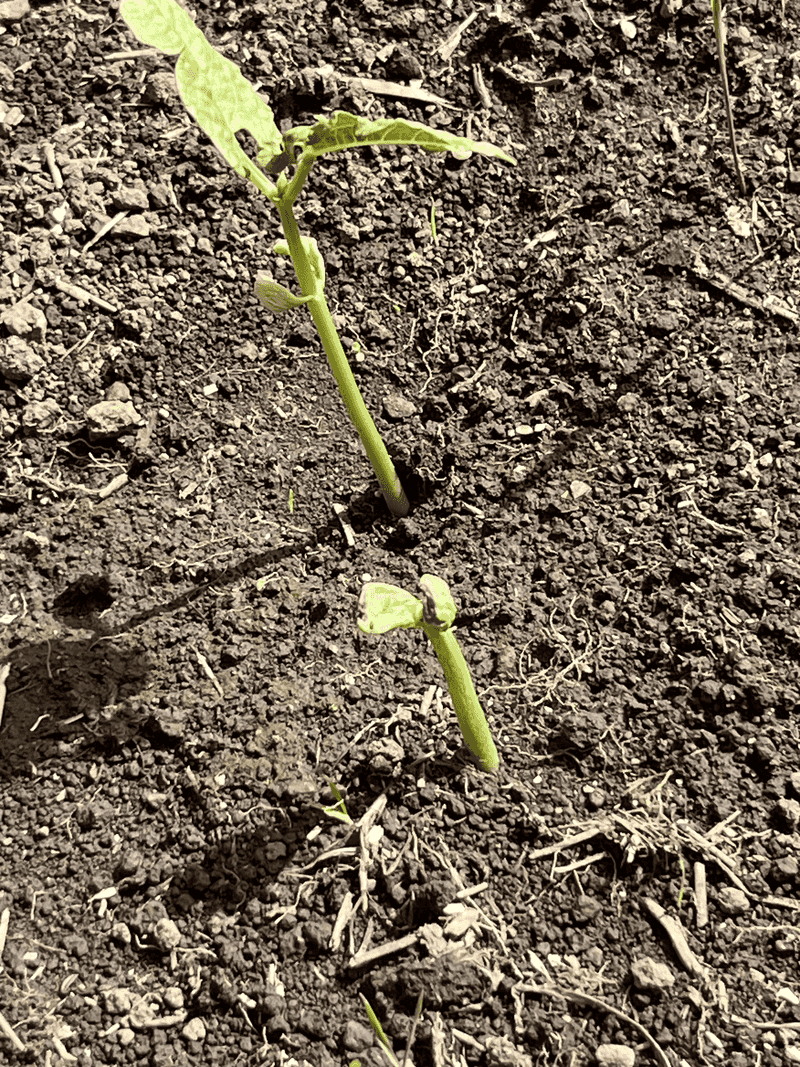
Bean plants are usually pretty resilient once they’re established, but when they’re just emerging from the soil, they’re incredibly vulnerable to slugs.
Those first tender leaves – the cotyledons – are a favorite target, and slugs can mow down an entire row of bean seedlings in a single night if conditions are right.
You’ll wake up to find stems chewed through at the base or leaves reduced to ragged stubs.
Slugs are most active during the cool, wet weeks of late spring when bean seeds are just germinating. Because beans grow close to the ground at first, slugs have easy access, and they often hide in the soil or under nearby debris during the day.
Damage is most severe in gardens with heavy clay soil or areas that stay damp longer after rain.
To protect your beans, wait until the soil warms up a bit before planting, this gives seedlings a head start and reduces the window of vulnerability. You can also pre-sprout your bean seeds indoors and transplant them once they’re a few inches tall.
Sprinkling diatomaceous earth or coffee grounds around the base of each seedling creates a rough barrier that slugs avoid. Hand-picking slugs in the evening is especially effective during the first two weeks after planting.
Once your beans develop their true leaves and start climbing, they’re much less appealing to slugs, so early protection is key.
7. Zucchini And Summer Squash
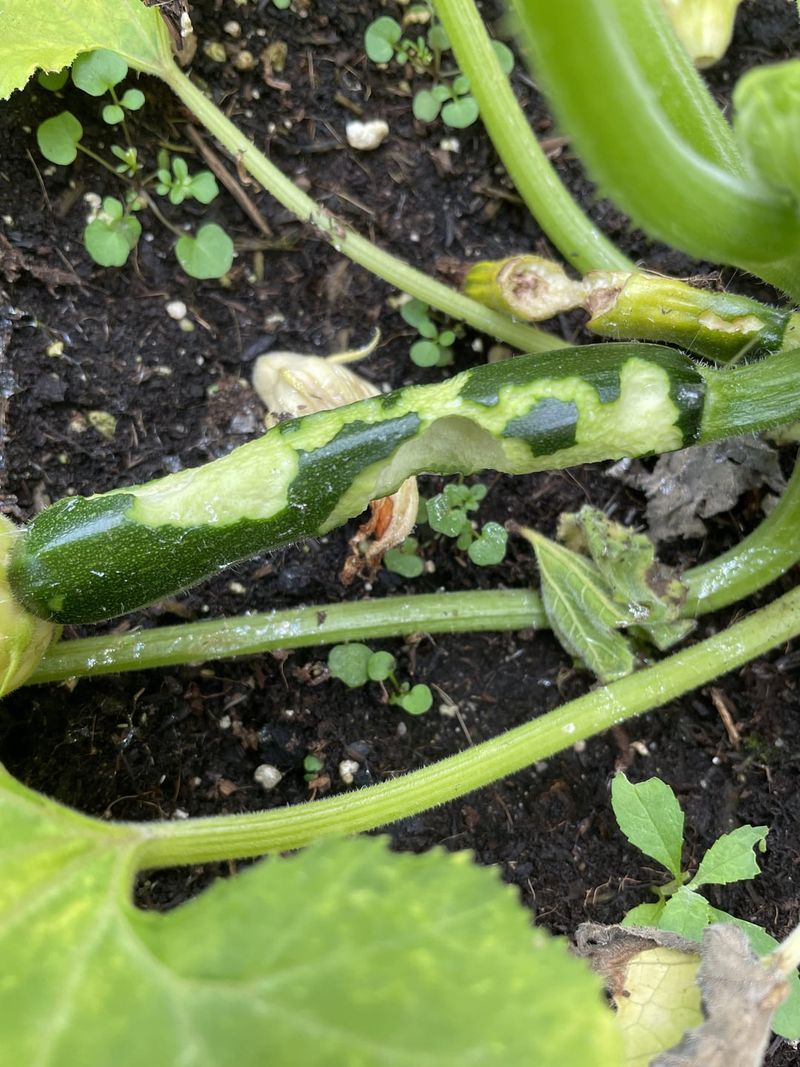
Slugs can cause serious problems, especially when the plants are young or when fruit is sitting on damp soil.
You might find slugs chewing through the tender stems of seedlings or gnawing into the skin of developing squash, leaving behind scarred, unmarketable fruit.
It’s frustrating because the damage often goes unnoticed until the fruit is too far gone to save.
Slugs are drawn to the moisture and shade under large squash leaves, and they love the cool, damp soil that Oregon springs provide. They often feed at night on the underside of young fruit or on the base of the plant where the stem meets the soil.
If the damage is severe, the plant can weaken or even die before it produces a full crop.
To protect your squash, plant in raised beds with good drainage and avoid overwatering. Mulch lightly, and keep the area around the base of the plant clear of debris.
You can elevate developing fruit off the soil using small wooden blocks or upturned containers. Copper tape around the base of each plant works well, and hand-picking slugs in the evening is highly effective.
Some gardeners also use shallow beer traps placed near the squash patch to catch slugs before they reach the plants.
With a little prevention, you’ll enjoy armloads of beautiful, unblemished squash all summer long.
8. Seedlings Of Almost Any Vegetable
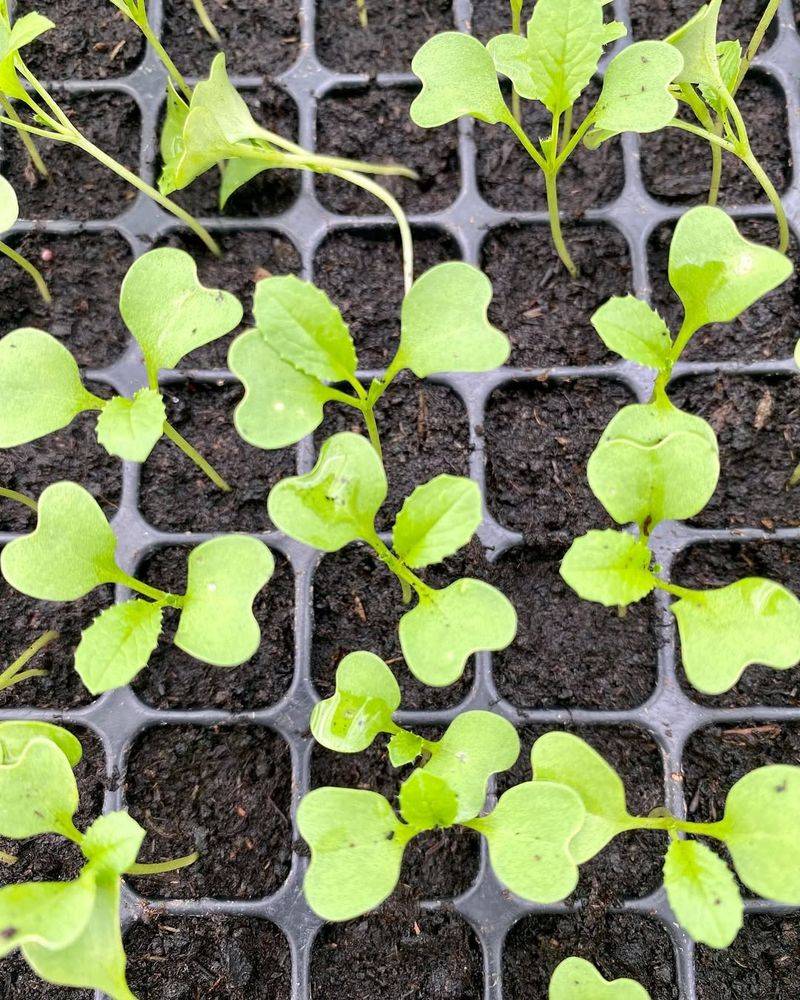
Whether you’re growing tomatoes, peppers, broccoli, or kale, those first tender leaves are irresistible to slugs, and they can wipe out an entire tray of transplants in a single night.
You’ll often find stems chewed through at the base or leaves reduced to nothing but a stub. It’s heartbreaking, especially after weeks of careful nurturing indoors.
Slugs target seedlings because the foliage is soft, the plants are small, and they’re often planted in freshly watered beds where slugs are already active.
The problem is worst in early spring when slug populations are high and seedlings are just getting established.
If you lose too many seedlings early on, your entire planting schedule gets thrown off.
To protect seedlings, consider hardening them off longer before transplanting so they develop tougher foliage. Plant on a dry day, and water in the morning rather than the evening.
You can also create a protective barrier around each transplant using crushed eggshells, diatomaceous earth, or copper collars. Hand-picking slugs at dusk and early morning is one of the most effective strategies, especially during the first week after transplanting.
Some gardeners also use cloches or row covers to physically exclude slugs until the plants are more established.
A little extra care during those first few weeks can mean the difference between a thriving garden and a slug buffet.