8 Beginner-Friendly Fruit Trees That Grow Well In Georgia
Starting a fruit garden in Georgia doesn’t have to be intimidating, especially when you choose trees that are easy to grow and highly productive. With the right varieties, even beginner gardeners can enjoy sweet, homegrown fruit without endless effort.
Plant today, enjoy harvests sooner than you think. Georgia’s warm climate and long growing season make it perfect for a variety of fruit trees that thrive with minimal care. Small space? No problem.
From apples and peaches to figs and citrus, these beginner-friendly trees can flourish in backyards, patios, or even larger containers. Your garden can reward you with fresh, delicious fruit year after year.
Pruning, watering, and sunlight are simple steps that make a big difference in growth and yield. Healthy trees lead to abundant harvests.
1. Peach Trees
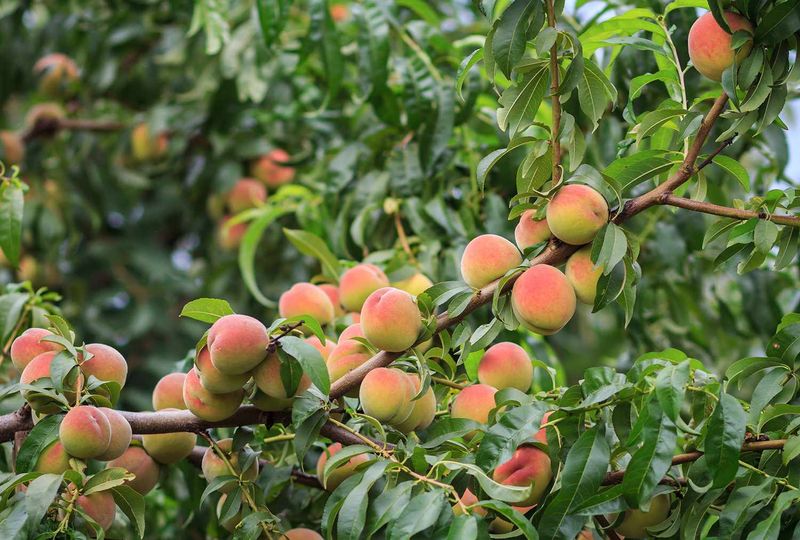
Georgia is famous for its peaches, and for good reason. The state’s climate creates perfect conditions for these sweet, juicy fruits to flourish.
Peach trees adapt beautifully to Georgia’s warm summers and mild winters, making them an obvious first choice for beginning fruit growers throughout the region.
What makes peach trees particularly beginner-friendly is their relatively fast growth and early fruit production. Most varieties start bearing fruit within two to four years after planting.
They also don’t require complicated pruning techniques, though annual trimming does help maintain tree health and improve fruit quality.
When selecting peach varieties for Georgia, look for those with lower chill hour requirements that match your specific area. Elberta and Belle of Georgia remain popular choices across the state.
These varieties handle Georgia’s unpredictable spring weather better than many alternatives and produce consistently delicious fruit.
Peach trees need full sun and well-drained soil to perform their best. They benefit from regular watering during dry spells, especially when fruit is developing.
A simple fertilizing schedule in early spring gives them the nutrients they need for healthy growth and abundant harvests.
One thing to remember is that peach trees in Georgia may need protection from late spring frosts. Covering young trees during unexpected cold snaps helps protect developing blossoms.
With basic care and attention, your peach tree will reward you with baskets of delicious fruit each summer.
2. Fig Trees
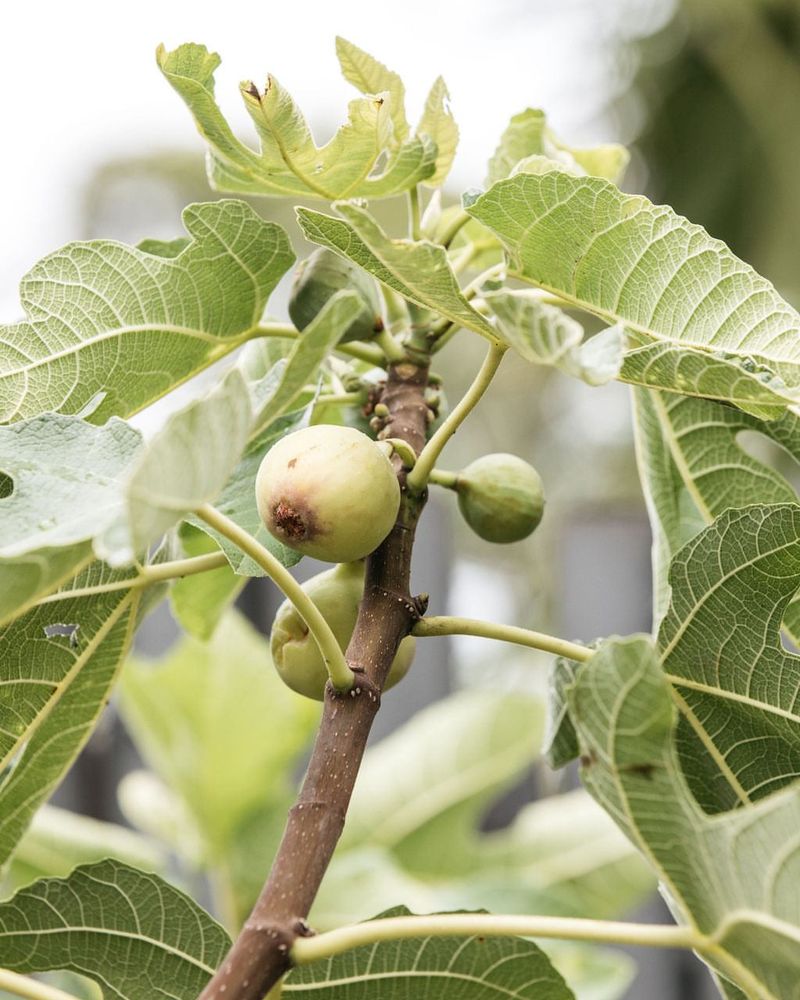
Few fruit trees match the fig for sheer ease of cultivation in Georgia gardens. These Mediterranean natives have adapted remarkably well to the southern United States, thriving in the warm, humid conditions that Georgia provides.
Figs produce sweet, rich fruit that tastes incredible fresh or preserved, making them a valuable addition to any backyard orchard.
Beginners appreciate fig trees because they’re incredibly forgiving and low-maintenance. They tolerate a wide range of soil types and don’t demand constant attention to produce abundant crops.
Many Georgia gardeners report success even with minimal intervention, as figs naturally resist many common pests and diseases that plague other fruit trees.
Brown Turkey and Celeste varieties perform exceptionally well throughout Georgia. These cultivars produce two crops annually in many areas, with an early summer harvest followed by a larger fall crop.
Your Georgia Garden Changes Every Week. Your Plan Should Too.
Gardening in Georgia changes quickly throughout the season. Every Friday you’ll receive a simple weekly plan showing exactly what to plant, prune, fertilize, harvest, and protect so you never miss the right timing.
The trees themselves grow at a moderate pace and can be kept manageable through simple pruning or allowed to grow into larger specimens.
Planting your fig tree in a sunny location with decent drainage sets you up for success. While figs tolerate drought once established, regular watering during fruit development produces larger, juicier figs.
They benefit from mulching around the base to retain moisture and regulate soil temperature.
In northern Georgia, some gardeners protect their fig trees during harsh winters by wrapping them or growing them in containers that can be moved. However, most areas of the state provide mild enough winters that figs survive without special protection.
3. Apple Trees
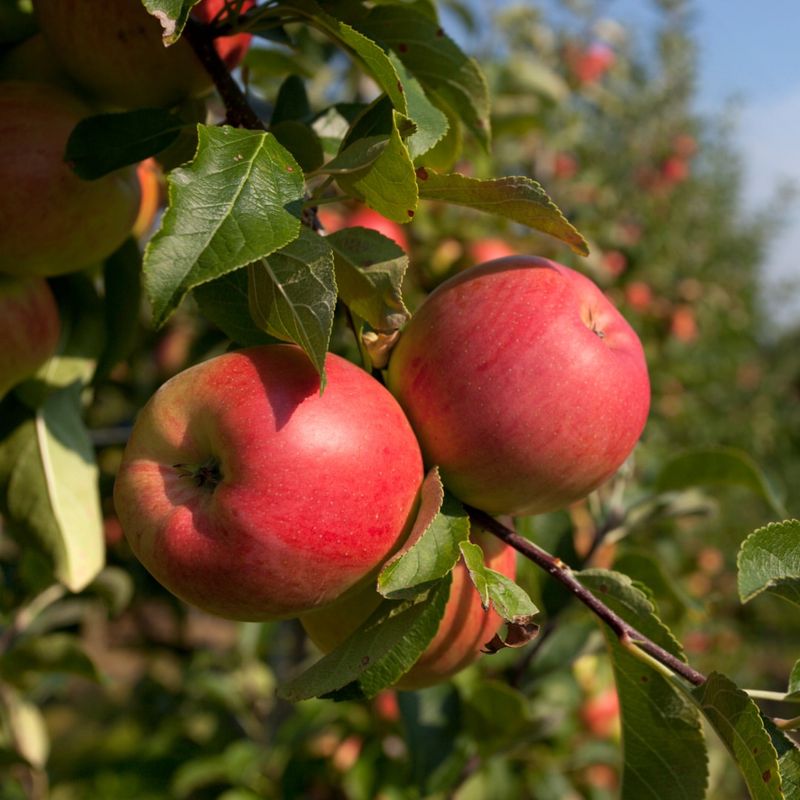
Crisp, homegrown apples straight from your backyard might seem like a northern luxury, but Georgia gardeners can absolutely grow them successfully. The key lies in selecting varieties bred specifically for lower chill hour requirements and warmer climates.
When you choose the right cultivars, apple trees become surprisingly manageable for beginners in Georgia.
Anna, Dorsett Golden, and Ein Shemer varieties have been developed specifically for southern growing conditions. These apples need far fewer cold winter hours than traditional varieties, making them ideal for Georgia’s climate.
They produce delicious fruit with flavors ranging from sweet to pleasantly tart, perfect for eating fresh or baking into pies.
Apple trees do require a bit more attention than some other fruit trees on this list. Cross-pollination is essential for most varieties, meaning you’ll need to plant at least two different cultivars near each other.
This requirement actually works in your favor, as it extends your harvest season and provides variety in your apple collection.
Regular pruning helps maintain apple tree health and encourages better fruit production. Don’t let this intimidate you, though.
Basic pruning techniques are straightforward to learn, and your trees will forgive minor mistakes. Focus on removing dead or crossing branches and maintaining an open center that allows sunlight to reach all parts of the tree.
Georgia apple growers should watch for common pests like apple maggots and codling moths. Simple organic control methods work well for home orchards.
With proper variety selection and basic care, you’ll enjoy fresh Georgia-grown apples each fall.
4. Pear Trees
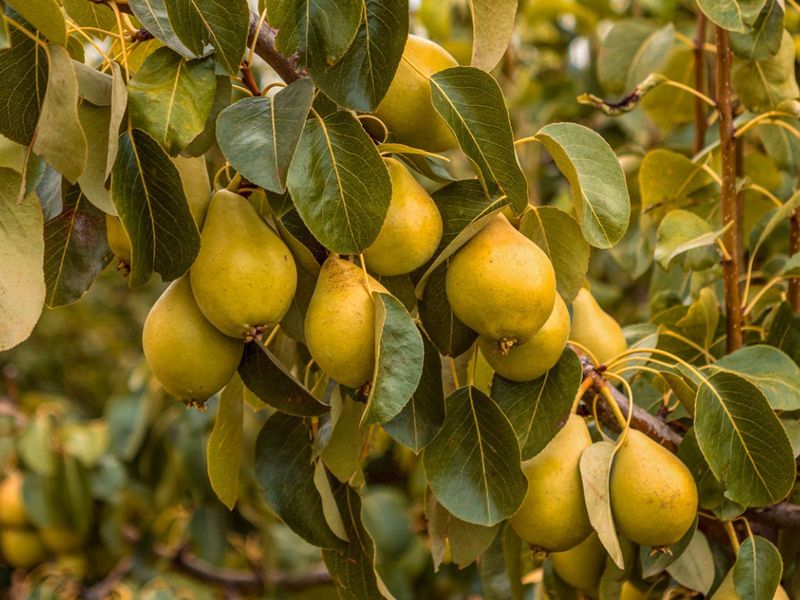
Pear trees bring elegant beauty and delicious fruit to Georgia landscapes. Their stunning white spring blossoms create a spectacular display, while the trees themselves develop attractive shapes that enhance any property.
Beyond their ornamental value, pears produce abundant harvests of sweet, buttery fruit that stores well and has countless culinary uses.
What makes pears particularly suitable for Georgia beginners is their adaptability and relatively low maintenance requirements.
They handle heat better than many other fruit trees and show good resistance to common diseases when proper varieties are chosen. Pear trees also tend to be long-lived, providing decades of harvests once established.
Orient, Kieffer, and Ayers varieties excel in Georgia conditions. These cultivars resist fire blight, a bacterial disease that can devastate susceptible pear varieties in warm, humid climates.
They produce reliably even during challenging weather years, making them dependable choices for home orchards across the state.
Like apples, pears benefit from having multiple varieties planted together for cross-pollination. This requirement means you’ll enjoy different pear types with varying flavors and ripening times.
Some varieties work better for fresh eating, while others excel when cooked or canned for winter enjoyment.
Pear trees prefer full sun and well-drained soil but aren’t particularly fussy about soil type. They need regular watering while young but become quite drought-tolerant once their root systems establish.
Annual pruning keeps trees productive and manageable, though mature pear trees naturally develop pleasing shapes with minimal intervention.
5. Plum Trees
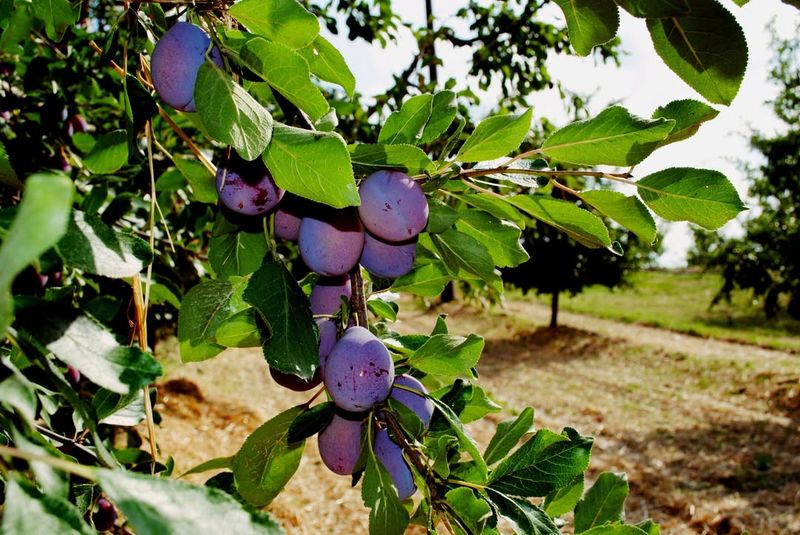
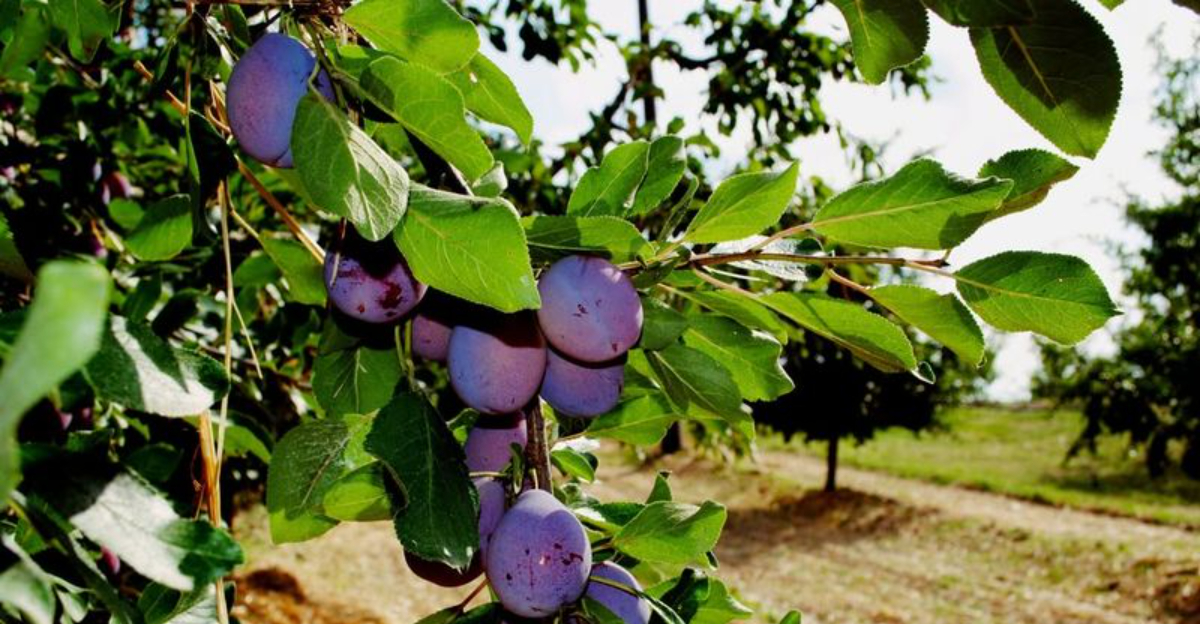
Juicy plums bursting with flavor are within easy reach for Georgia gardeners willing to give these wonderful trees a try. Plum trees combine ornamental appeal with productive fruit-bearing, offering gorgeous spring flowers followed by abundant summer harvests.
Their moderate size makes them perfect for smaller yards where space might limit your fruit tree options.
Japanese plum varieties tend to outperform European types in Georgia’s climate. Methley, AU Producer, and Morris are excellent choices that thrive throughout the state.
These varieties handle heat and humidity well while producing sweet, flavorful fruit that’s perfect for fresh eating, preserves, or baking.
Beginners find plum trees manageable because they establish quickly and start producing fruit relatively soon after planting. Many varieties bear fruit within three to four years, providing faster gratification than some other fruit trees.
They also tend to produce heavy crops, often requiring fruit thinning to prevent branch damage from excessive weight.
Most Japanese plum varieties need cross-pollination, so plan to plant at least two different cultivars. This requirement extends your harvest period as different varieties ripen at slightly different times.
Staggered ripening means you’ll enjoy fresh plums over several weeks rather than dealing with an overwhelming harvest all at once.
Plum trees grow best in full sun with good air circulation. They appreciate regular watering during fruit development but don’t tolerate waterlogged soil.
Annual pruning maintains tree shape and encourages continued fruit production. Watch for common pests like plum curculio, which can be managed with simple organic controls in home Georgia orchards.
6. Cherry Trees
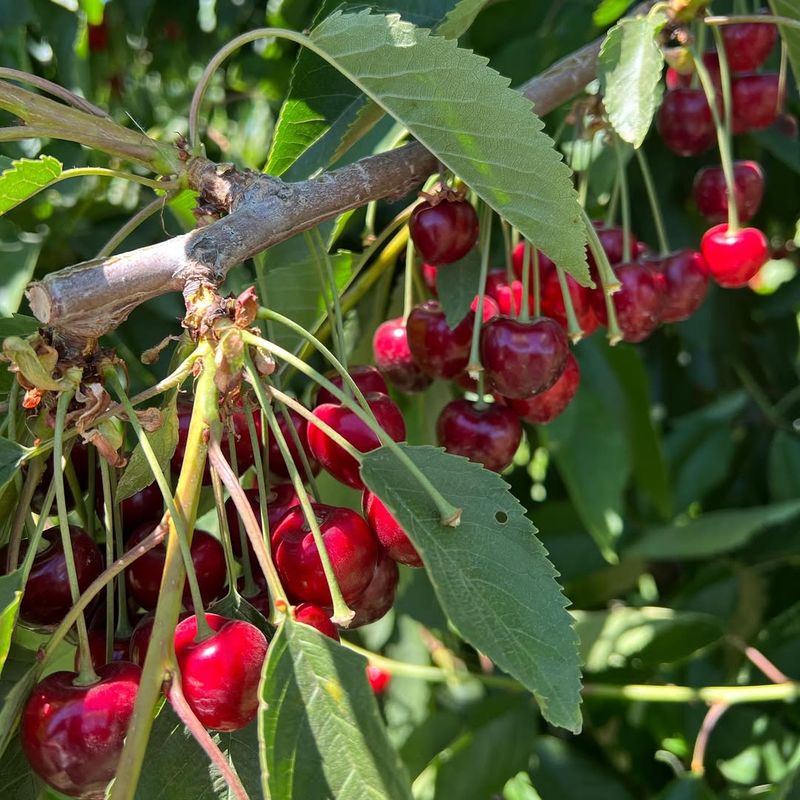
Sweet or tart, cherries add delightful variety to Georgia fruit gardens. While traditional sweet cherry varieties struggle in the state’s warm climate, tart cherries and certain hybrid varieties perform remarkably well.
These trees bring spring beauty with their profuse blossoms and provide unique fruit that’s harder to find in local stores.
For Georgia conditions, focus on tart cherry varieties like Montmorency or hybrid sweet cherries developed for warmer climates. These varieties need fewer chill hours and tolerate heat better than standard sweet cherries.
The fruit they produce works wonderfully in pies, preserves, and sauces, with tart cherries offering exceptional flavor for baking.
Cherry trees remain relatively compact compared to other fruit trees, making them excellent choices for smaller properties. They also tend to be quite attractive throughout the growing season, with glossy leaves and naturally pleasing shapes.
Many varieties are self-pollinating, eliminating the need to plant multiple trees if space is limited.
These trees prefer well-drained soil and full sun exposure. Good drainage is particularly important for cherries, as they’re susceptible to root problems in soggy conditions.
Raised beds or mounded planting sites work well in areas with heavy clay soil common throughout much of Georgia.
Bird protection becomes important as cherries ripen, since our feathered friends love these fruits as much as we do. Simple netting draped over smaller trees provides effective protection.
With proper variety selection and basic care, cherry trees reward Georgia gardeners with unique fruit that’s perfect for preserving summer’s flavors.
7. Persimmon Trees
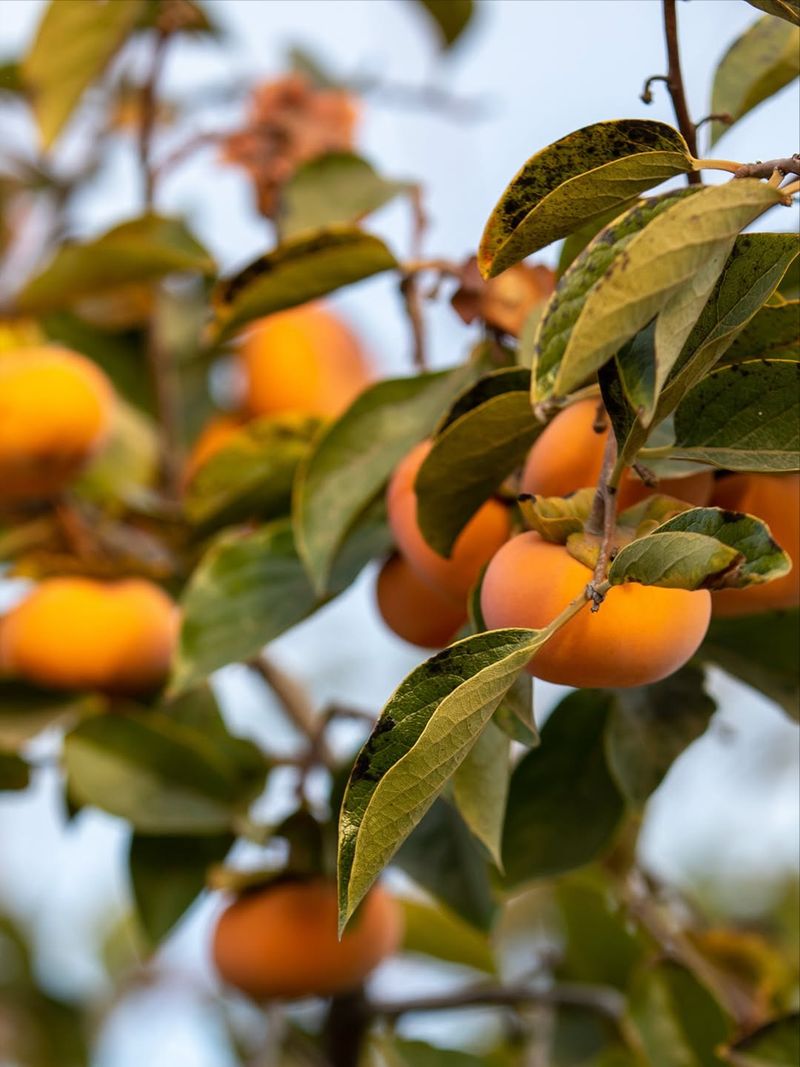
Native persimmons have grown wild throughout Georgia for centuries, making them naturally adapted to the state’s conditions. These underappreciated fruit trees produce unique, sweet fruit with a honey-like flavor when fully ripe.
Both native American persimmons and Asian varieties thrive in Georgia, offering options for different tastes and uses.
Persimmon trees rank among the most beginner-friendly options available. They naturally resist pests and diseases that trouble other fruit trees, rarely requiring sprays or interventions.
Once established, they tolerate drought remarkably well and continue producing even with minimal care. This resilience makes them perfect for gardeners wanting low-maintenance fruit production.
American persimmons produce smaller fruit with intense flavor, while Asian varieties like Fuyu offer larger, tomato-shaped fruit with milder sweetness.
Fuyu persimmons can be eaten while still firm, unlike astringent varieties that must be fully soft before eating. This characteristic makes them more versatile and appealing to those new to persimmons.
These trees grow slowly but steadily, eventually reaching moderate to large sizes depending on variety.
They develop attractive forms without much pruning and feature beautiful fall foliage in shades of orange and red. The decorative bark on mature trees adds winter interest even after leaves drop.
Persimmons adapt to various soil types common across Georgia and handle both sun and partial shade, though full sun produces the best fruit. They benefit from regular watering while establishing but become quite drought-tolerant afterward.
Many varieties produce fruit without requiring a second tree for pollination, though some benefit from having companions nearby.
8. Blueberry Bushes
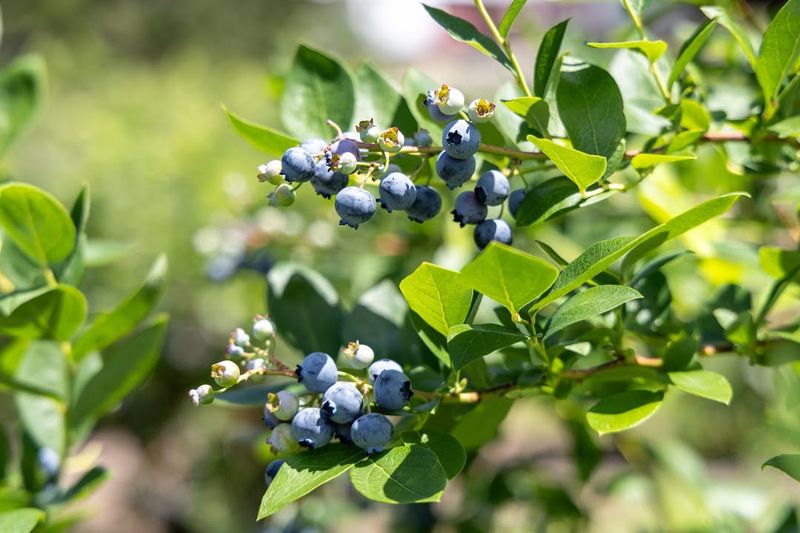
While technically shrubs rather than trees, blueberries deserve inclusion in any discussion of beginner-friendly fruit plants for Georgia.
These versatile plants produce abundant crops of nutritious, delicious berries while requiring relatively simple care. Georgia’s climate suits blueberries perfectly, particularly in areas with naturally acidic soil.
Rabbiteye blueberry varieties were developed specifically for southern conditions and perform exceptionally well throughout Georgia. Varieties like Climax, Brightwell, and Powderblue tolerate heat, handle occasional drought, and produce reliably year after year.
They’re more forgiving of soil variations than highbush varieties, making them ideal for beginners.
Blueberries offer advantages beyond their fruit production. The plants themselves are quite attractive, with delicate spring flowers, summer berries, and brilliant fall foliage.
They work beautifully as landscape shrubs, allowing you to incorporate edible plants into ornamental gardens. Their moderate size makes them suitable for smaller yards or even large containers.
Success with blueberries in Georgia requires acidic soil with a pH between 4.5 and 5.5. Many areas of the state naturally provide these conditions, but soil testing helps ensure proper acidity.
Amending soil with sulfur or planting in containers with acidic potting mix solves pH problems in alkaline areas.
Plant at least two different varieties for cross-pollination and extended harvest periods. Blueberries need consistent moisture, particularly during berry development, but good drainage prevents root problems.
Mulching with pine bark or pine straw maintains soil acidity while conserving moisture. With proper variety selection and basic care, blueberries provide years of delicious harvests in Georgia gardens.