These Plants Add Sweet Scents To North Carolina Backyards
A backyard filled with sweet scents can transform any North Carolina garden into a relaxing, fragrant retreat. Certain plants don’t just look beautiful – they fill the air with delightful aromas that draw you outside.
Imagine stepping into your yard and being greeted by natural perfume every day. From vibrant flowering shrubs to delicate herbs, these fragrant plants thrive in North Carolina’s climate and bring charm to every corner.
Your garden can smell as good as it looks. Planting the right varieties adds layers of scent throughout the seasons, creating a sensory experience that’s both calming and invigorating.
Fragrance meets beauty effortlessly. Even small yards or patio containers can host these aromatic treasures, giving your outdoor space personality and style. A little planning now means a backyard full of unforgettable scents.
1. Gardenias
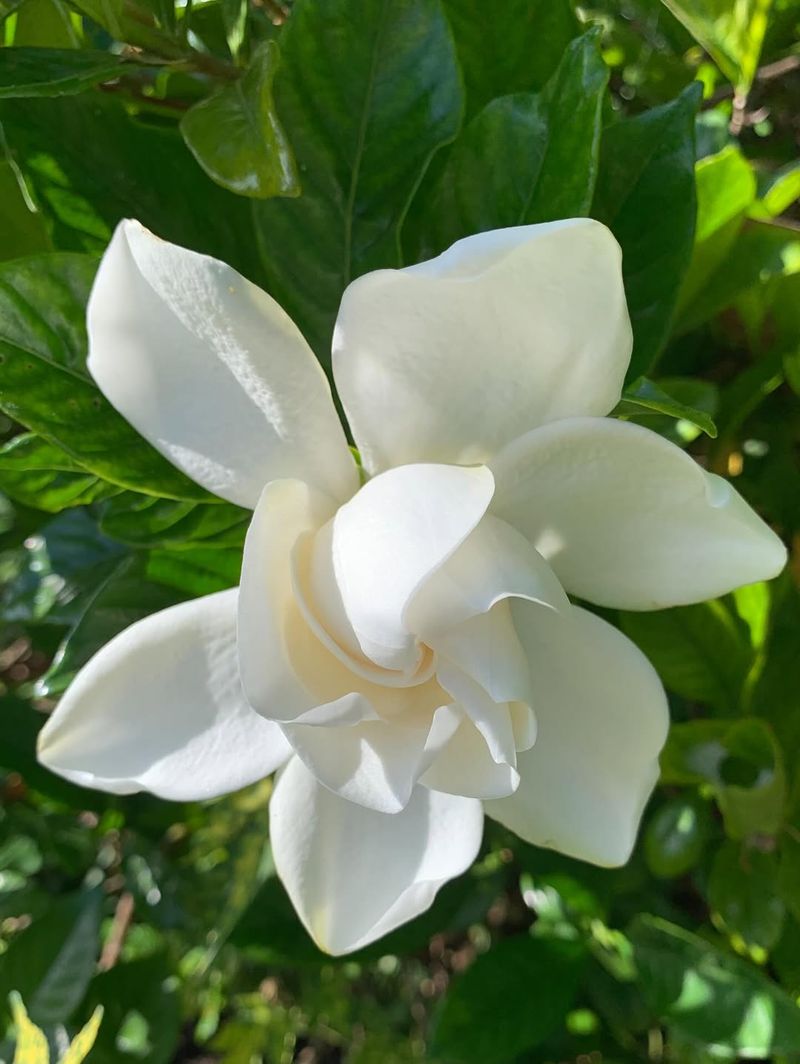
Few flowers can match the intoxicating perfume that gardenias release on warm summer evenings. These glossy-leaved evergreen shrubs produce creamy white blooms that smell like a blend of jasmine and sweet vanilla, creating an unforgettable sensory experience.
Gardenias have been Southern garden staples for generations, and North Carolina’s humid climate suits them perfectly. Plant them near patios, walkways, or bedroom windows where you can fully appreciate their heavenly aroma.
Gardenias prefer acidic soil with good drainage, so adding sulfur or peat moss during planting helps create ideal conditions. They thrive in partial shade, especially during hot afternoons when intense sun can stress the plants.
Regular watering keeps the soil consistently moist but never waterlogged. Mulching around the base helps retain moisture and maintains the acidic environment these beauties crave.
Blooming primarily from late spring through early summer, gardenias can produce occasional flowers into fall under favorable conditions. Their dark green foliage provides year-round visual interest even when flowers aren’t present.
Watch for yellowing leaves, which often signals iron deficiency in the soil. A quick application of iron supplement or acidic fertilizer usually corrects this issue.
North Carolina gardeners love gardenias for their ability to perfume entire yards with just a few well-placed plants. The fragrance intensifies during evening hours, making them perfect companions for outdoor entertaining spaces.
With proper care, these classic Southern shrubs will reward you with years of stunning blooms and unforgettable fragrance.
2. Confederate Jasmine
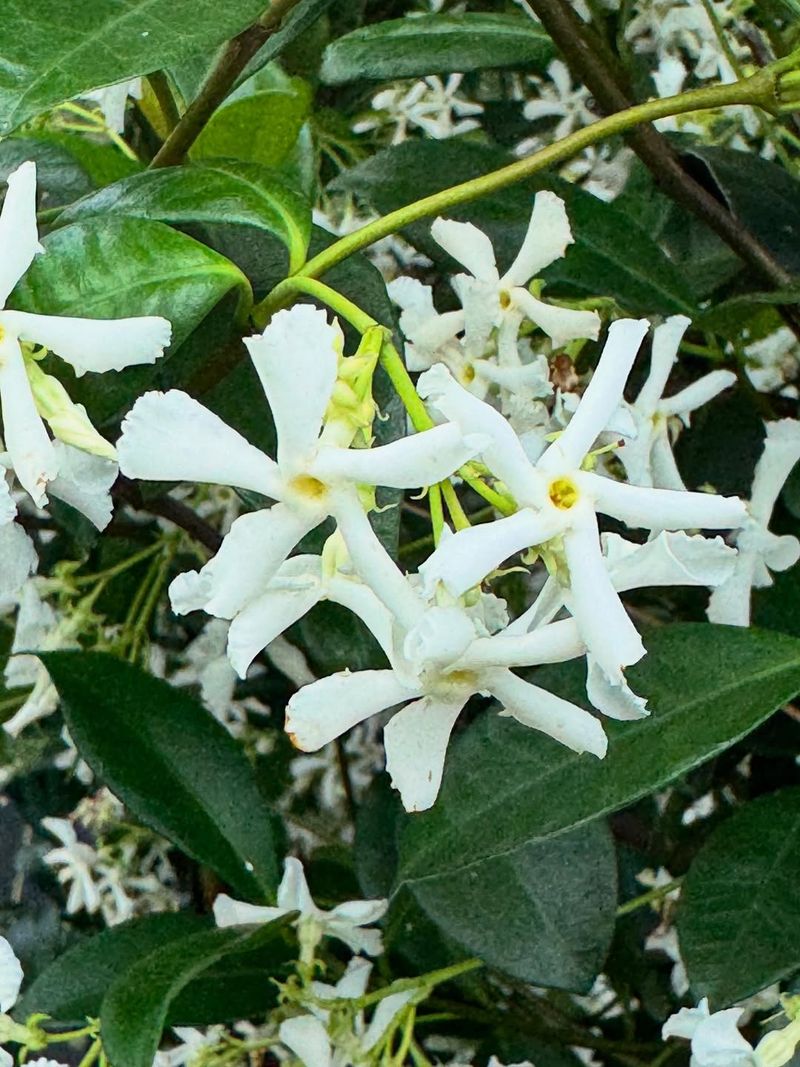
Climbing vines that smell like heaven might sound too good to be true, but Confederate jasmine delivers exactly that promise.
This vigorous evergreen vine produces clusters of small, pinwheel-shaped white flowers that release an incredibly sweet fragrance throughout spring and early summer.
Despite its common name, this plant isn’t actually a true jasmine but rather belongs to the Trachelospermum family. North Carolina homeowners adore it for covering fences, arbors, and trellises with both beauty and scent.
Confederate jasmine grows enthusiastically in full sun to partial shade, adapting well to various light conditions. Once established, it tolerates drought reasonably well, though regular watering during dry spells encourages lusher growth and more abundant blooms.
The vine can reach heights of fifteen to twenty feet, so provide sturdy support structures. Pruning after flowering helps maintain shape and prevents the plant from becoming too unruly.
Your North Carolina Garden Changes Every Week. Your Plan Should Too.
Gardening in North Carolina changes quickly throughout the season. Every Friday you’ll receive a simple weekly plan showing exactly what to plant, prune, fertilize, harvest, and protect so you never miss the right timing.
The fragrance from Confederate jasmine carries remarkably well on breezes, perfuming large areas of your yard. Plant it near outdoor seating areas, along property borders, or anywhere you want to create a romantic, scented backdrop.
The evergreen foliage stays attractive year-round, providing privacy screening even during winter months when deciduous plants lose their leaves.
This versatile vine thrives throughout North Carolina, from coastal regions to the piedmont and even some mountain areas with protection. Deer typically leave it alone, making it an excellent choice for properties where wildlife browsing creates challenges.
With minimal maintenance requirements and maximum fragrance payoff, Confederate jasmine ranks among the most rewarding plants for North Carolina gardens.
3. Sweet Autumn Clematis
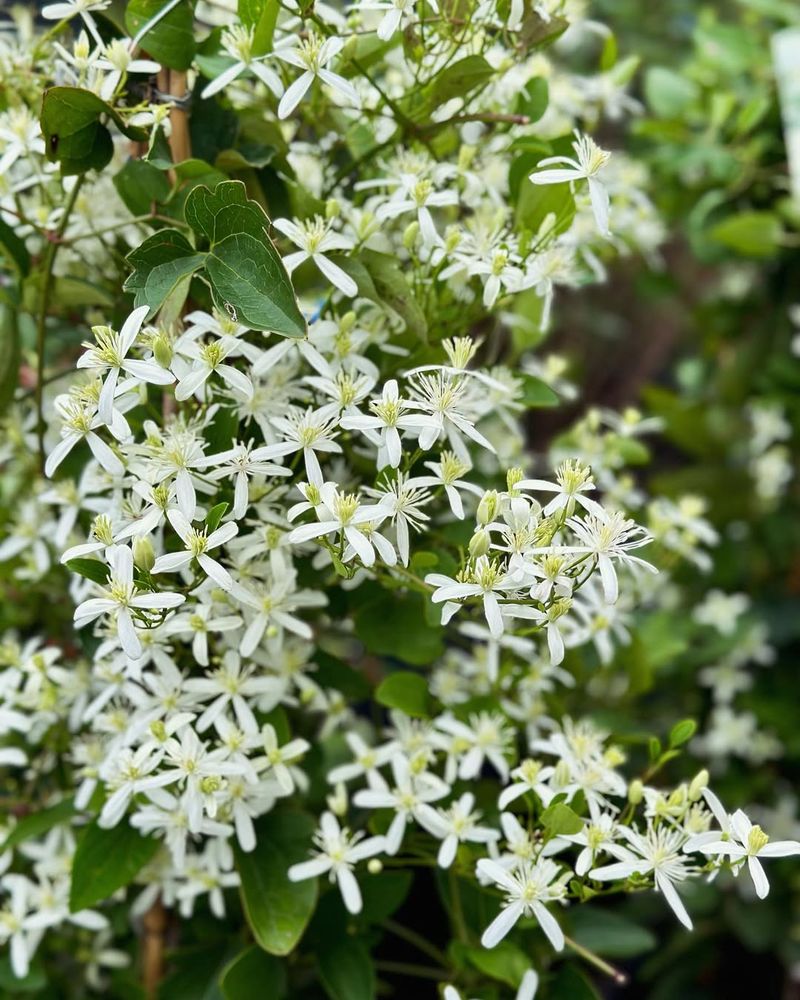
When most flowering vines finish their show for the year, sweet autumn clematis bursts into bloom with masses of tiny white flowers that smell absolutely divine.
This deciduous vine creates a spectacular display from late August through September, covering arbors and fences with frothy white blossoms that release a sweet, vanilla-like fragrance.
North Carolina gardeners appreciate how this plant extends the fragrant season well into fall when many other aromatic plants have finished blooming.
Sweet autumn clematis grows vigorously, sometimes almost too enthusiastically, so plant it where it has room to spread or where you can easily manage its growth. Full sun produces the most prolific blooming, though the vine tolerates partial shade reasonably well.
It climbs by twining leaf stems around supports, so provide trellises, fences, or arbors for it to scramble over. Pruning in late winter or early spring controls size and encourages fresh growth.
The flowers attract butterflies and beneficial insects, adding movement and life to your garden during the transition from summer to fall. After blooming, the vine produces fluffy seed heads that add interesting texture to the autumn landscape.
Some gardeners find this plant spreads too readily through self-seeding, so remove seed heads if you want to prevent volunteer plants from popping up everywhere.
In North Carolina’s moderate climate, sweet autumn clematis thrives with minimal fussing. It tolerates various soil types and handles summer heat without complaint.
The fragrance intensifies during warm afternoons and evenings, making late-season outdoor gatherings even more enjoyable. For extending sweet scents into autumn months, this vigorous vine delivers spectacular results.
4. Tea Olive
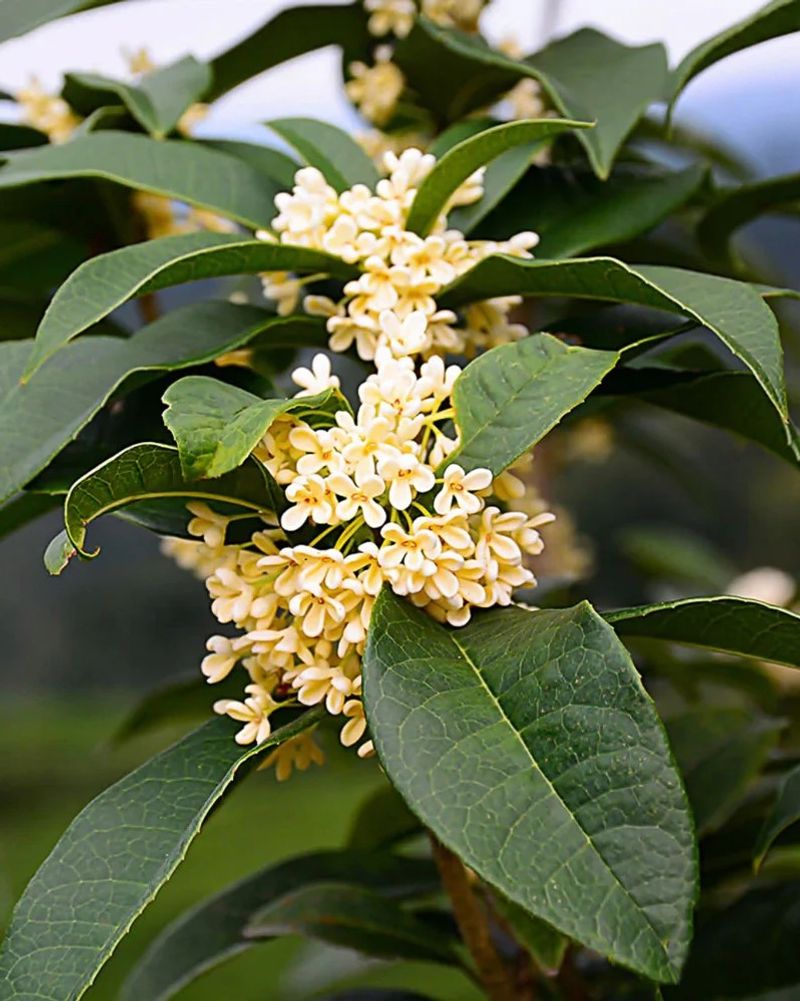
Nothing prepares you for the powerful perfume that tea olive shrubs release during their blooming periods. These unassuming evergreen plants produce tiny, inconspicuous flowers that pack an enormous fragrance punch, often detectable from fifty feet away or more.
The scent resembles ripe apricots mixed with jasmine, creating an aroma so delightful that many North Carolina gardeners plant tea olives specifically to perfume their entire property.
Fragrant tea olive (Osmanthus fragrans) blooms primarily in fall, while other varieties flower in spring.
Tea olives adapt to full sun or partial shade, making them versatile choices for various landscape positions. They prefer well-drained, slightly acidic soil but tolerate a range of conditions once established.
Growth habits vary by variety, with some remaining compact shrubs around six feet tall while others reach fifteen feet or more. Pruning after flowering maintains desired size and shape without sacrificing next season’s blooms.
The evergreen foliage provides year-round structure and privacy screening, making tea olives functional as well as fragrant. Plant them near entryways, patios, or windows where you’ll encounter their incredible scent regularly.
Despite producing abundant fragrance, the flowers themselves barely show against the dark green leaves, creating a delightful mystery for visitors wondering where that amazing smell originates.
North Carolina’s climate suits tea olives perfectly, particularly in the piedmont and coastal regions where winter temperatures rarely drop too severely. These tough shrubs handle heat, humidity, and occasional drought without complaint.
For maximum fragrance impact with minimal visual fuss, tea olives rank among the absolute best choices for North Carolina landscapes.
5. Honeysuckle
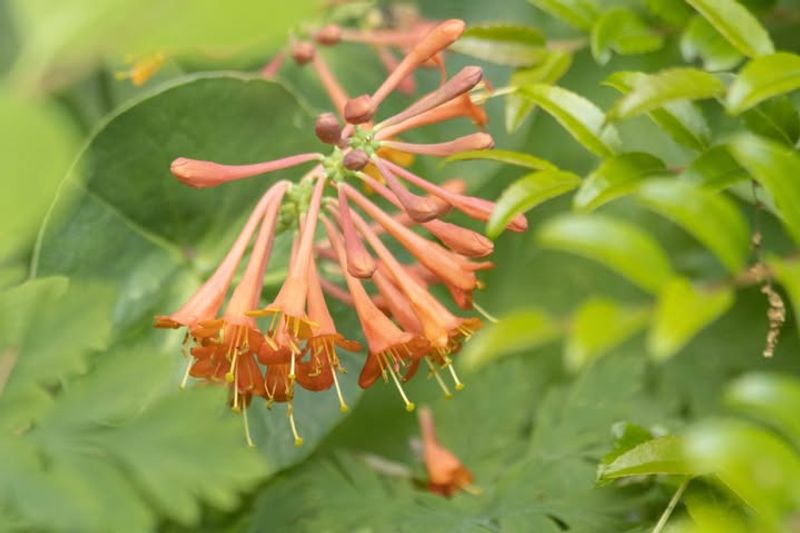
Childhood memories often include the sweet taste of honeysuckle nectar, and these vigorous vines continue to enchant North Carolina gardens with their tubular flowers and intoxicating fragrance.
Native varieties like coral honeysuckle offer beautiful red or orange blooms that attract hummingbirds, while Japanese honeysuckle produces the most intensely fragrant white and yellow flowers.
The perfume carries beautifully on summer breezes, filling entire yards with a sweet, nostalgic scent that reminds many people of carefree summer days.
Choose native honeysuckle varieties when possible, as Japanese honeysuckle can become invasive in North Carolina ecosystems. Coral honeysuckle provides excellent fragrance while behaving much better in the landscape, plus it supports local wildlife more effectively.
These vines grow best in full sun to partial shade and tolerate various soil types. Provide sturdy supports like fences, arbors, or pergolas for the twining stems to climb.
Honeysuckle blooms from late spring through summer, with peak fragrance occurring during evening hours. Regular pruning keeps growth manageable and encourages fresh flowering shoots.
The tubular flowers attract hummingbirds, butterflies, and bees, creating a lively, active garden space. Some varieties produce small berries that birds enjoy during fall and winter months.
North Carolina gardeners have grown honeysuckle for generations, appreciating both its beauty and its ability to perfume large areas. Plant it where you spend time outdoors during warm months, allowing the fragrance to enhance your outdoor living experience.
With appropriate variety selection and occasional pruning, honeysuckle vines provide years of sweet-scented enjoyment without becoming problematic in your North Carolina landscape.
6. Roses
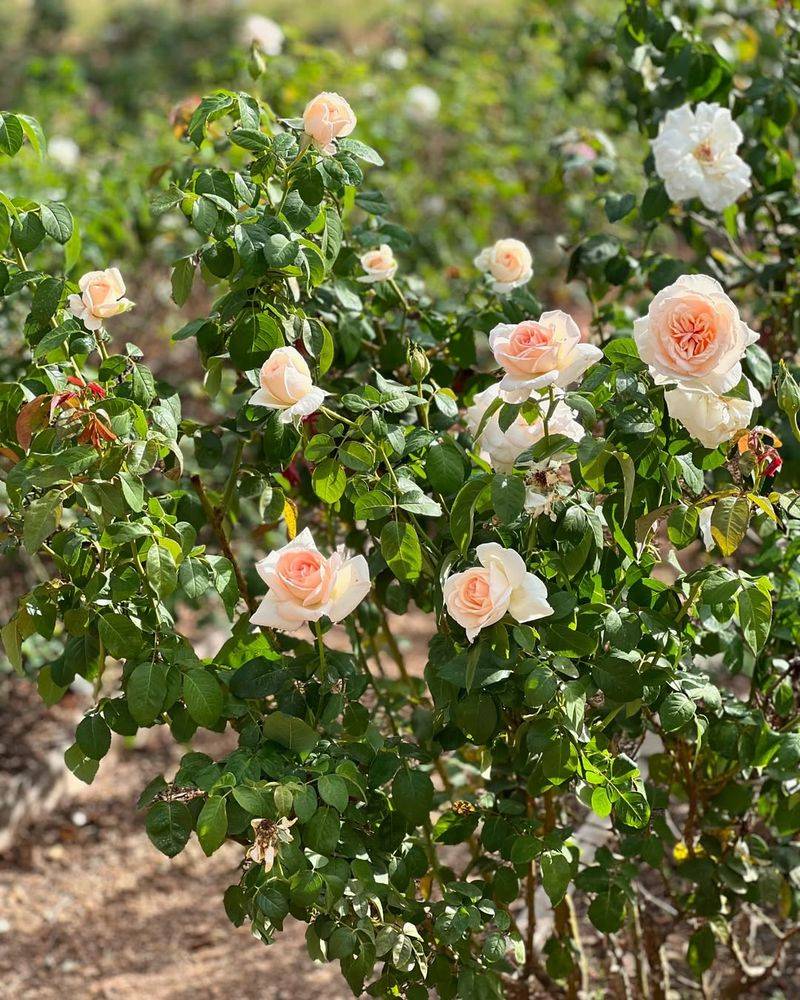
Classic rose fragrance has captivated gardeners for centuries, and many modern varieties still offer that beloved sweet perfume alongside disease resistance and easier care.
While not all roses smell wonderful, selecting fragrant cultivars ensures your North Carolina garden benefits from both beautiful blooms and delightful scent.
Old garden roses, English roses, and many hybrid tea varieties produce the strongest fragrances, ranging from light and fruity to deep and spicy. Planting several fragrant roses creates layers of perfume throughout the growing season.
Roses thrive in full sun with at least six hours of direct light daily. Well-drained soil enriched with compost or aged manure provides the foundation for healthy growth.
North Carolina’s humid summers can encourage fungal diseases, so choose resistant varieties and ensure good air circulation around plants. Regular watering during dry periods keeps roses blooming prolifically from spring through fall.
Deadheading spent flowers encourages continuous blooming and prevents plants from putting energy into seed production.
Fragrant roses work beautifully in mixed borders, cutting gardens, or dedicated rose beds. Plant them near walkways, seating areas, or entryways where you’ll encounter their perfume regularly.
Climbing roses trained on arbors or trellises create vertical fragrance while shrub roses fill middle and background positions. Miniature roses bring sweet scents to containers on patios and decks.
North Carolina gardeners enjoy a long rose-growing season, with blooms appearing from April through November in many areas. Winter protection rarely becomes necessary except in mountain regions.
With hundreds of fragrant varieties available, you can find roses suited to every garden style and color preference while ensuring your backyard smells as lovely as it looks.
7. Banana Shrub
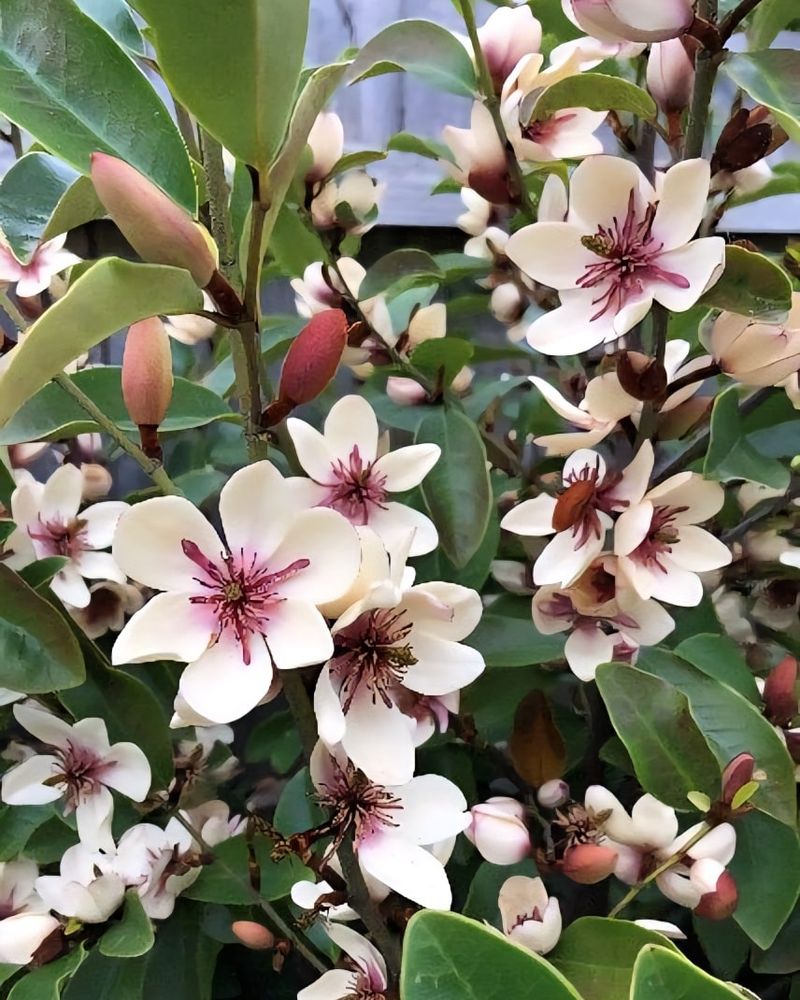
Imagine flowers that smell exactly like ripe bananas, and you’ll understand why banana shrub (Michelia figo) earns such devoted fans among North Carolina gardeners.
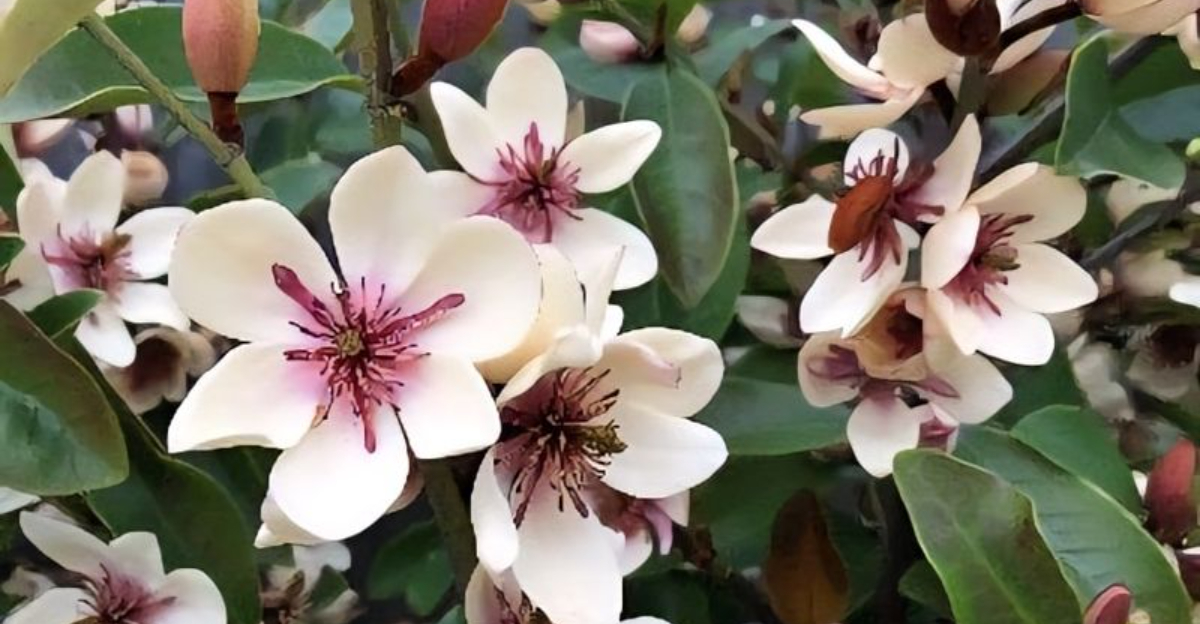
This evergreen shrub produces small, creamy yellow flowers edged in maroon during spring, releasing an unmistakable fruity fragrance that truly does smell like fresh bananas.
The unusual scent creates conversation and delight, making banana shrub a memorable addition to any fragrant garden. Despite the tropical-sounding name, this tough plant handles North Carolina conditions beautifully.
Banana shrub grows slowly to moderately, eventually reaching eight to ten feet tall and wide, though regular pruning maintains smaller sizes. It prefers partial shade, especially protection from hot afternoon sun, and appreciates consistent moisture without waterlogged conditions.
Well-drained, slightly acidic soil enriched with organic matter creates ideal growing conditions. The glossy evergreen leaves provide year-round visual interest even when flowers aren’t present.
Plant banana shrub near outdoor living spaces where the unique fragrance can be fully appreciated during the spring blooming period. The scent carries well but isn’t overwhelming, creating a pleasant background aroma rather than an overpowering presence.
This shrub works well in foundation plantings, mixed borders, or as a specimen plant in partially shaded garden areas.
North Carolina gardeners in the piedmont and coastal regions find banana shrub particularly rewarding, though it may need protection in colder mountain areas. Deer typically avoid it, and pest problems rarely occur.
The combination of unusual fragrance, attractive evergreen foliage, and low maintenance requirements makes banana shrub a special choice for adding distinctive sweet scents to North Carolina backyards.
8. Lavender
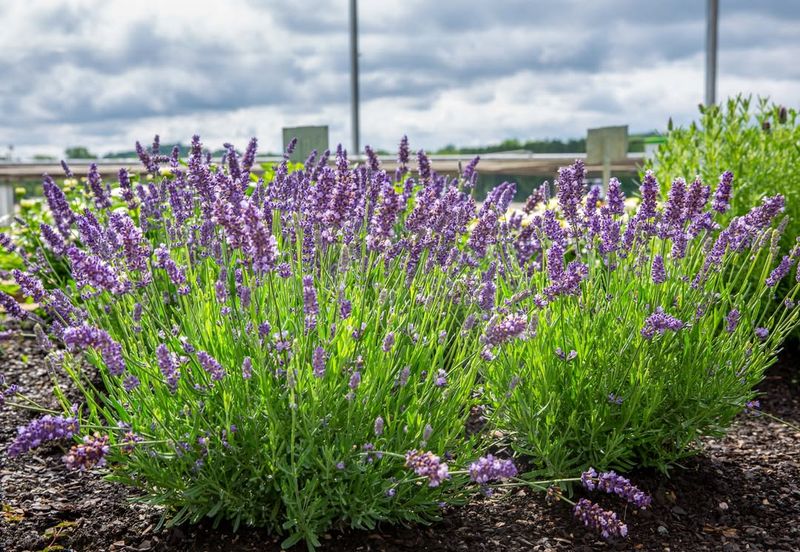
Mediterranean herbs might not seem like obvious choices for North Carolina gardens, but lavender thrives beautifully when given proper conditions.
These aromatic perennials produce spikes of purple, pink, or white flowers above silvery-green foliage, releasing that distinctive clean, herbal fragrance that people either adore or find too strong.
Beyond ornamental value, lavender offers practical uses in cooking, crafts, and aromatherapy, making it a hardworking addition to fragrant gardens. Certain varieties handle North Carolina’s humidity better than others, so choosing appropriate cultivars ensures success.
Lavender absolutely requires excellent drainage and full sun to perform well. Heavy clay soils common throughout North Carolina need amendment with sand and gravel to prevent root rot during humid summers.
Raised beds or containers often provide better drainage than in-ground plantings. Once established, lavender tolerates drought well and actually prefers drier conditions. Avoid overwatering and ensure plants receive at least six hours of direct sunlight daily.
English lavender varieties generally struggle with North Carolina’s humidity, but Spanish lavender and lavandin types adapt much better to local conditions. These heat-tolerant varieties bloom from late spring through summer, attracting countless bees and butterflies.
Harvest flower spikes just as blooms open for the strongest fragrance in dried arrangements or sachets. Pruning after flowering prevents woody growth and maintains compact, attractive plants.
North Carolina gardeners find lavender particularly rewarding in sunny herb gardens, rock gardens, or along pathways where brushing against the foliage releases fragrance. The silvery foliage provides beautiful contrast against green-leaved plants.
With proper variety selection and well-drained planting sites, lavender brings classic Mediterranean fragrance to North Carolina backyards throughout the growing season.