Why Winter Sowing Works So Well In Oregon’s Climate
Winter sowing has become a favorite technique for Oregon gardeners, and it’s easy to see why.
Starting seeds outdoors in the colder months might seem counterintuitive, but it actually works incredibly well in our climate, giving plants a strong start without needing heated indoor spaces.
The method takes advantage of Oregon’s wet winters and mild temperatures, allowing seeds to germinate naturally when conditions are right.
Unlike traditional indoor seed-starting, winter sowing lets nature do much of the work, and plants that emerge tend to be hardier and better adapted to the local environment.
Even gardeners with limited space or experience can try it. All you need are containers, a little soil, and the right seeds.
The process is low-maintenance, and watching seedlings emerge in early spring is especially rewarding.
Let’s explore eight reasons winter sowing works so well in Oregon’s climate. From stronger seedlings to extended growing seasons, you’ll see why this approach is not only effective but also a fun, natural way to start your garden.
With winter sowing, your plants can get a head start while you enjoy a stress-free and productive gardening season.
1. Oregon’s Mild Winters Create Natural Germination Cycles
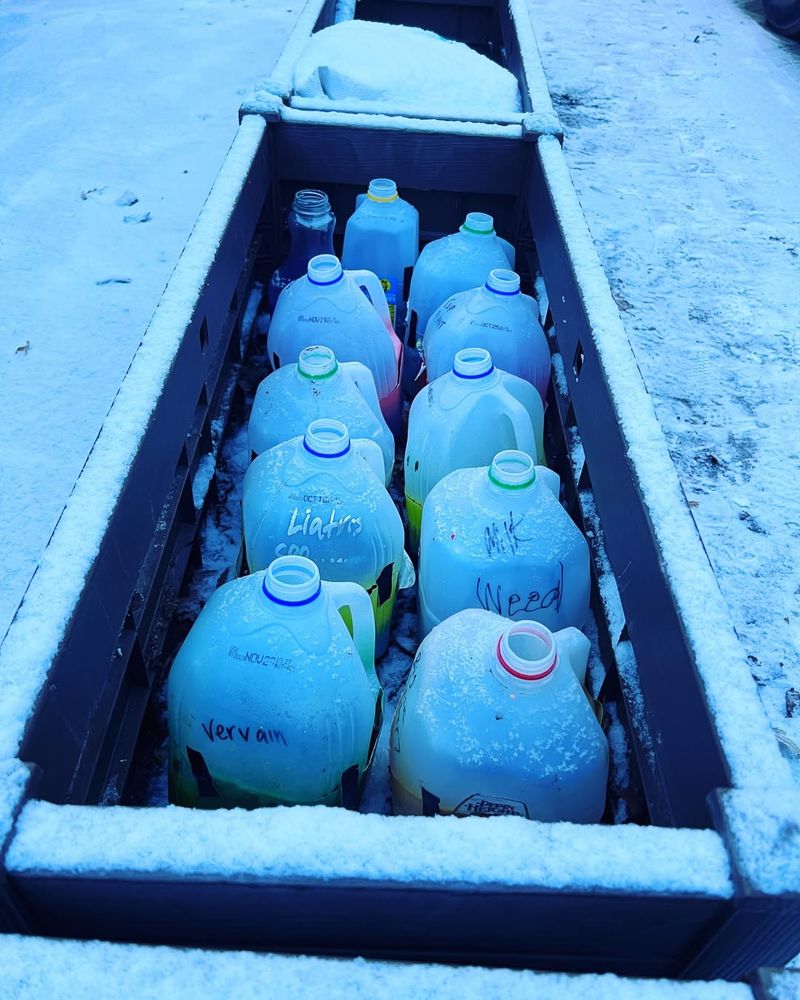
Oregon winters rarely plunge into the deep freeze that gardeners in other states endure. Your temperatures hover around the 30s and 40s most days, dipping below freezing occasionally but never staying there long.
This gentle cold is exactly what many seeds need to break dormancy without getting damaged.
Seeds sitting in covered containers outside experience natural temperature fluctuations that mimic what happens in the wild. Cold nights signal them to wait, while warmer daylight hours slowly prime them for germination.
When spring arrives, they’re already conditioned to your local climate and ready to sprout without shock.
Unlike indoor seed starting where you control every variable, winter sowing lets nature handle the timing. Your seeds won’t sprout too early because they respond to actual outdoor conditions, not artificial warmth.
They wait until the soil temperature and daylight hours are just right.
This natural synchronization means your seedlings emerge when Oregon’s spring weather is stable enough to support growth. You avoid the common problem of starting seeds indoors too early, then struggling to keep leggy plants alive until transplant time.
Winter sowing aligns perfectly with Oregon’s seasonal rhythm, giving you seedlings that are ready exactly when your garden is.
2. Cold Stratification Happens Automatically Outdoors
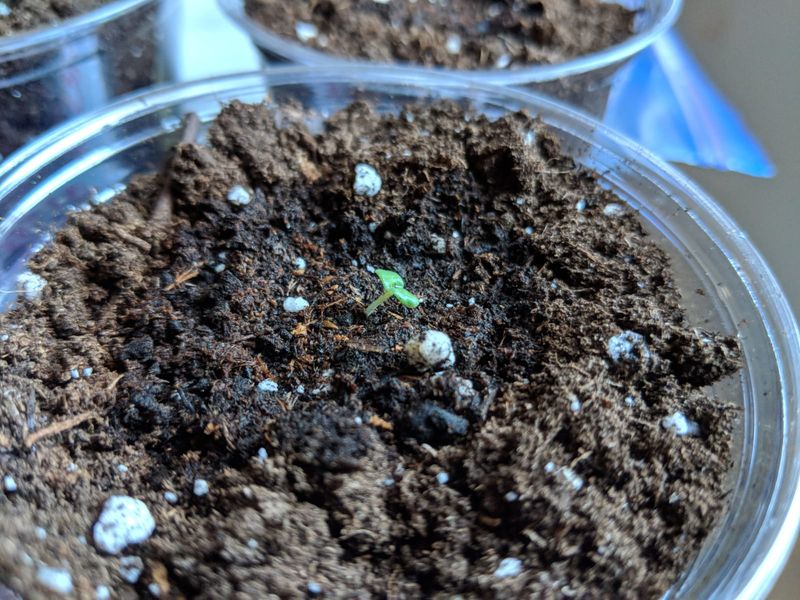
Many perennial flowers and native plants require cold stratification before they’ll germinate. This process breaks down germination inhibitors in the seed coat, essentially telling the seed that winter has passed and it’s safe to grow.
Indoor gardeners have to fake this by refrigerating seeds for weeks, carefully monitoring moisture and timing.
When you winter sow in Oregon, cold stratification happens naturally without any extra effort. Your seed containers sit outside through January and February, experiencing real winter conditions.
The seeds get the prolonged cold exposure they need while staying moist from rain and protected from harsh elements inside their mini-greenhouses.
Your Oregon Garden Changes Every Week. Your Plan Should Too.
Gardening in Oregon changes quickly throughout the season. Every Friday you’ll receive a simple weekly plan showing exactly what to plant, prune, fertilize, harvest, and protect so you never miss the right timing.
Oregon State University Extension notes that cold-hardy annuals and perennials benefit significantly from this natural cold treatment.
Species like columbine, foxglove, delphinium, and bachelor buttons germinate much better after experiencing outdoor winter temperatures.
You don’t need to remember refrigeration schedules or worry about seeds drying out in your fridge.
The beauty of this method is its simplicity. You plant seeds in December or January, set the containers outside, and forget about them until late February or March.
Oregon’s winter does all the stratification work while you stay warm inside, and your reward is vigorous seedlings that germinate enthusiastically when spring warmth arrives.
3. Stronger Seedlings From Natural Temperature Swings
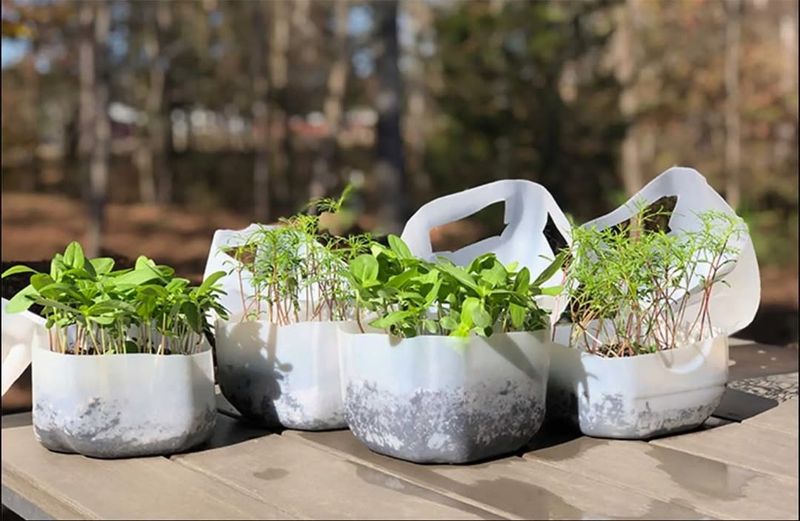
Seedlings grown indoors under consistent warmth and artificial light often become soft and weak. They stretch toward grow lights, developing thin stems and pale leaves that struggle when moved outside.
This is why hardening off takes so long and feels so risky, your pampered indoor seedlings aren’t tough enough for real garden conditions.
Winter-sown seedlings grow up experiencing Oregon’s actual weather from day one. Cool nights slow their growth, making them develop thicker stems and more compact form.
Warmer days encourage photosynthesis and root development. This daily temperature variation creates stocky, resilient plants with strong root systems designed for outdoor survival.
Your winter-sown containers act like mini cold frames, protecting seedlings from the worst weather while exposing them to natural light cycles and temperature changes. The plants grow slowly at first, focusing energy on root development rather than racing upward.
By the time they’re big enough to transplant, they’re already hardened off and weather-tough.
Oregon gardeners consistently notice that winter-sown seedlings outperform indoor-started ones within weeks of transplanting. They don’t wilt in spring rain, they handle cool soil better, and they adapt immediately to garden conditions.
You skip the stressful hardening-off period entirely because your seedlings are already accustomed to Oregon’s spring weather patterns and temperature swings.
4. Fewer Indoor Seed-Starting Problems
Indoor seed starting comes with a frustrating list of potential problems. Damping off disease kills seedlings overnight when humidity and warmth combine.
Leggy growth happens when natural light isn’t strong enough, even with south-facing windows. Fungus gnats breed in constantly moist potting soil, and grow lights heat up small spaces while running up your electricity bill.
Winter sowing eliminates nearly all these headaches because your containers live outside where natural ventilation prevents most fungal problems.
Oregon’s cool temperatures keep damping off at bay, while rain provides moisture without creating the stuffy, overly humid conditions that cause disease.
Your seedlings get full-spectrum natural sunlight from the moment they sprout, preventing the weak, stretched growth that plagues indoor setups.
You also avoid taking over your kitchen counters, windowsills, or spare rooms with seed trays and equipment. No more moving trays around to catch sunlight or explaining to family members why the dining room now houses a grow light operation.
Your seed starting happens outside, keeping your home space free and your seedlings healthier.
Oregon’s rainy winter weather actually works in your favor with winter sowing. Rain keeps your containers naturally moist without daily watering, and the cool air circulation prevents the stagnant conditions where fungal diseases thrive.
You check containers occasionally to ensure they’re not waterlogged, but otherwise, nature handles the care routine.
5. Better Timing For Spring Transplanting
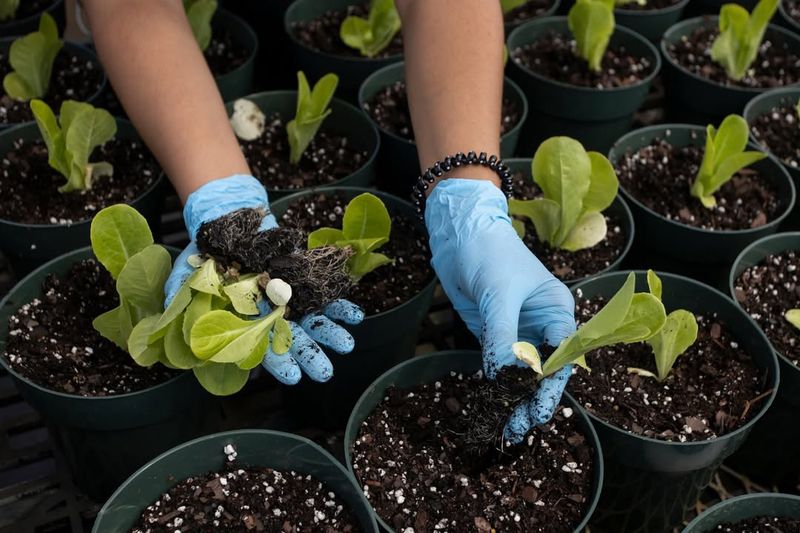
One of the trickiest parts of indoor seed starting is figuring out when to begin. Start too early and your seedlings outgrow their containers before the garden is ready.
Start too late and you miss your planting window. Oregon’s unpredictable spring weather makes this timing even harder, some years March is mild, other years April still brings frost.
Winter-sown seedlings solve this timing puzzle by growing at nature’s pace. They germinate when temperatures naturally warm enough, usually late February through March in Oregon.
They grow slowly through cool spring weather, reaching transplant size right when your garden soil is workable and frost danger has passed.
You’re not racing against calendar dates or worrying about whether your seedlings will be ready at the right moment. The plants themselves respond to the same weather signals that determine when your garden is ready for planting.
This natural synchronization means your transplant timing is nearly perfect without complicated calculations or guesswork.
Oregon gardeners appreciate how winter sowing removes the anxiety of seed-starting schedules.
Your containers sit outside weathering whatever spring throws at them, late cold snaps, surprise warm spells, weeks of rain, and the seedlings adapt accordingly.
When you’re finally ready to transplant in April or May, your winter-sown plants are the perfect size, perfectly hardened off, and perfectly timed for Oregon’s growing season.
6. Moisture Control During Rainy Months
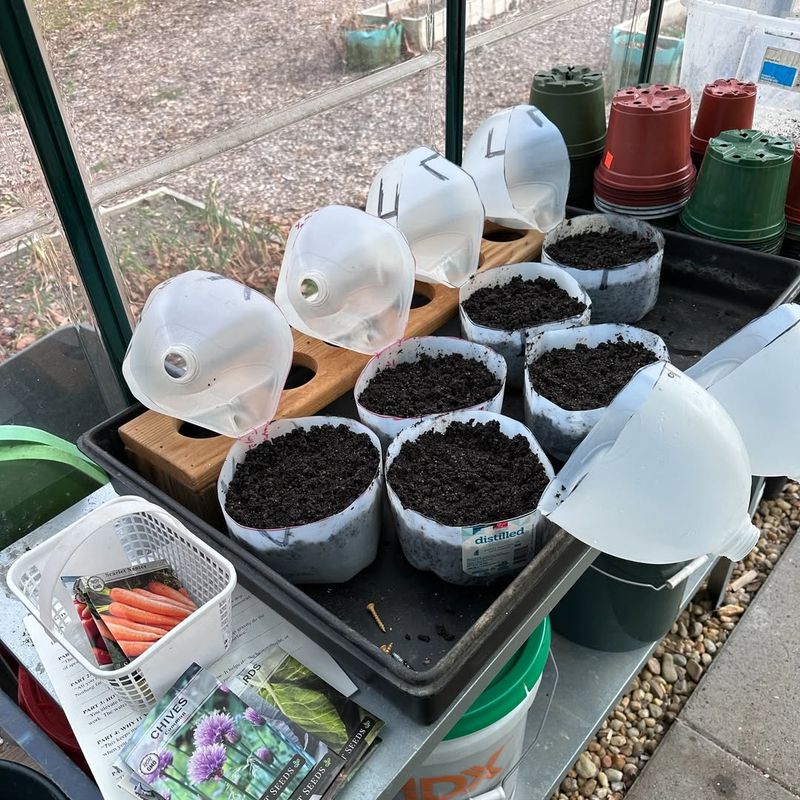
Oregon’s winter rain seems endless some years, and you might worry that seeds sitting outside would drown or rot. The clever design of winter sowing containers prevents this problem while taking advantage of natural precipitation.
Your recycled milk jugs or clear containers have drainage holes in the bottom, allowing excess water to escape while the transparent lid keeps seeds from washing away.
Rain keeps your seed-starting mix consistently moist without you lifting a watering can. The covered containers create a self-regulating moisture system where condensation collects on the lid, drips back onto the soil, and excess drains out the bottom.
During Oregon’s wet winter months, you rarely need to add water manually.
This natural moisture management is actually more reliable than indoor watering, where you can easily overwater or underwater seedlings. Your winter sowing containers maintain that ideal dampness seeds need for germination without becoming waterlogged.
The constant air circulation outside prevents the soggy, anaerobic conditions that cause seeds to rot.
As spring arrives and rain becomes less frequent, you start monitoring containers more closely. On warm, sunny days, you may need to add water occasionally, especially once seedlings are actively growing.
But during Oregon’s typically wet winter and early spring, nature handles irrigation beautifully. Your main job is ensuring drainage holes are clear and containers aren’t sitting in standing water.
7. Which Seeds Perform Best With Winter Sowing
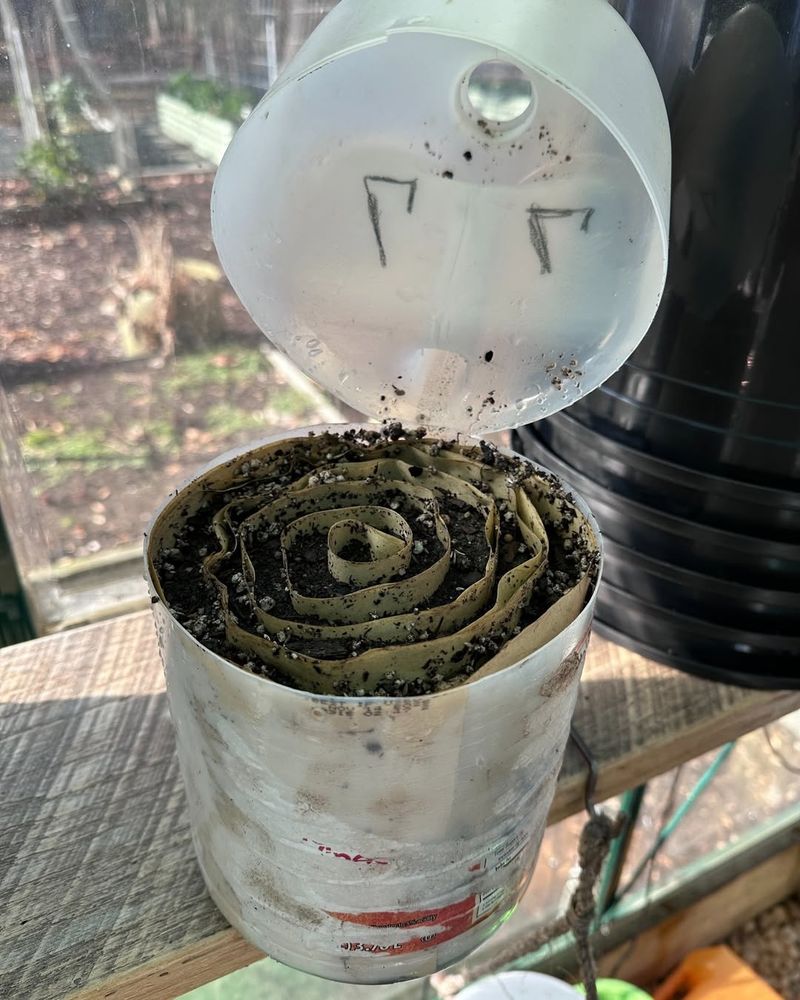
Not every plant is suited for winter sowing, but the list of seeds that thrive with this method in Oregon is impressively long. Cold-hardy annuals like snapdragons, calendula, larkspur, and sweet peas are perfect candidates.
These flowers naturally reseed themselves in gardens, proving they can handle winter germination. Sowing them in containers just gives you better control over placement.
Many perennials benefit enormously from winter sowing because they require cold stratification. Columbine, coneflower, black-eyed Susan, and rudbeckia germinate much more reliably after experiencing real winter temperatures.
Oregon native wildflowers also respond beautifully to this method since it mimics their natural germination cycle in the wild.
Vegetables that tolerate cool weather work well too. Lettuce, spinach, kale, and other greens can be winter sown for early spring harvests.
Some gardeners successfully winter sow brassicas like broccoli and cabbage, giving them a head start for summer production. Even certain herbs like cilantro and parsley germinate reliably in winter sowing containers.
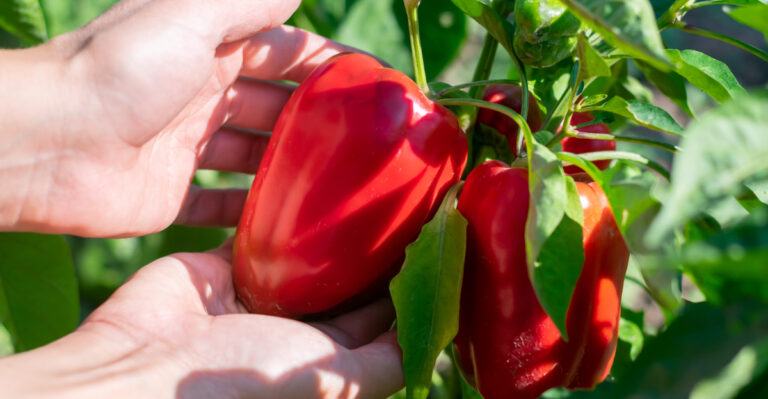
Avoid winter sowing heat-loving plants like tomatoes, peppers, or basil. These seeds need consistent warmth to germinate and won’t perform well in Oregon’s cool outdoor conditions.
Save those for indoor starting or direct sowing after the soil warms in late spring. Focus your winter sowing efforts on plants that naturally appreciate cool temperatures and you’ll see fantastic results.
8. Simple Container Setup Anyone Can Use
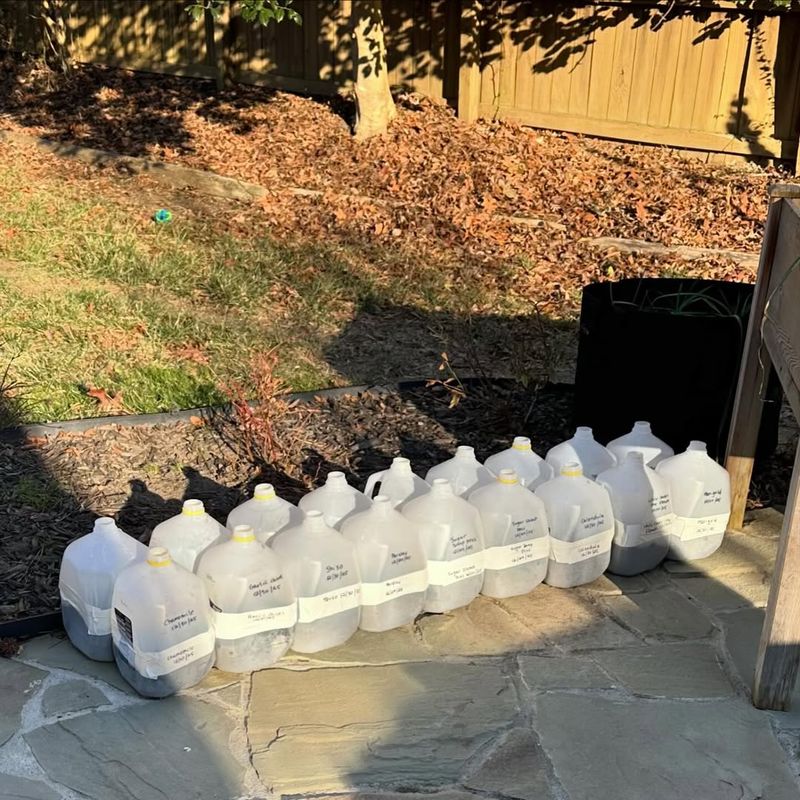
Winter sowing requires almost no special equipment or expense, making it perfect for beginning gardeners or anyone wanting to simplify their seed-starting routine.
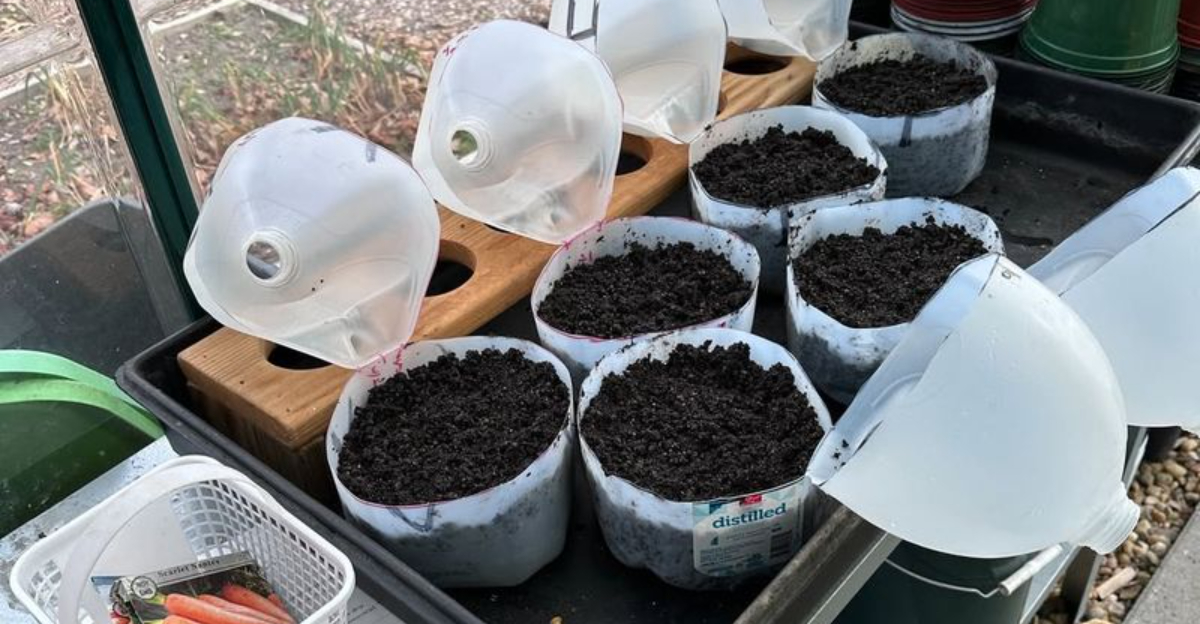
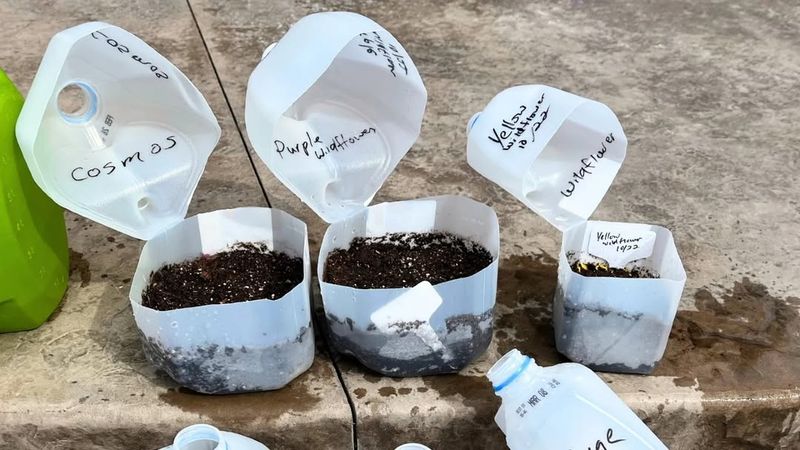
Clean milk jugs, clear takeout containers, or any transparent plastic container with a lid works beautifully.
You’re essentially creating mini greenhouses from materials you’d otherwise recycle.
The setup takes about ten minutes per container. Cut drainage holes in the bottom, fill with three to four inches of seed-starting mix or potting soil, moisten thoroughly, and scatter seeds on the surface.
Cover according to seed packet directions, label clearly with permanent marker, and snap the lid on. Prop the lid open slightly for ventilation or poke small air holes in the top.
Place your containers outside in a spot that gets good light but isn’t in direct, harsh afternoon sun once spring arrives. A deck railing, patio corner, or against a south-facing wall works well.
You want the containers stable and visible so you remember to check them occasionally. Oregon’s winter weather does the rest of the work.
As temperatures warm in late February and March, check containers weekly for germination. Once seedlings appear, you may need to increase ventilation on warm days to prevent overheating.
When seedlings develop several true leaves and outdoor temperatures are consistently mild, you can transplant them into your garden. The whole process is remarkably low-maintenance and forgiving, perfect for Oregon’s climate and lifestyle.