9 Cold-Hardy Valentine’s Flowers That Thrive In Oregon Gardens
Valentine’s Day doesn’t have to be all about roses from the store. In Oregon gardens, there are plenty of cold-hardy flowers that can brighten the season with vibrant colors and long-lasting blooms.
These plants not only survive chilly weather, but they thrive, giving your garden a festive and cheerful touch even in late winter.
Whether you’re looking to plant a small patch of pinks and reds or create a larger display of heart-themed hues, the right flowers can make your garden feel lively and romantic.
Cold-hardy varieties are especially suited to Oregon’s climate, handling frost and fluctuating temperatures while still producing beautiful blooms.
Even if you’ve struggled to get flowers to bloom in the colder months, choosing resilient varieties makes it easier to enjoy color and charm in your yard.
Some of these plants are perfect for containers, while others work well in garden beds, giving you flexibility no matter your space.
Let’s explore nine cold-hardy Valentine’s flowers that do well in Oregon gardens.
With the right selections, you can enjoy a garden that feels festive, bright, and full of life, even when the weather is chilly, making it the perfect backdrop for love, creativity, or simply a cheerful winter garden.
1. Hellebores (Lenten Rose)
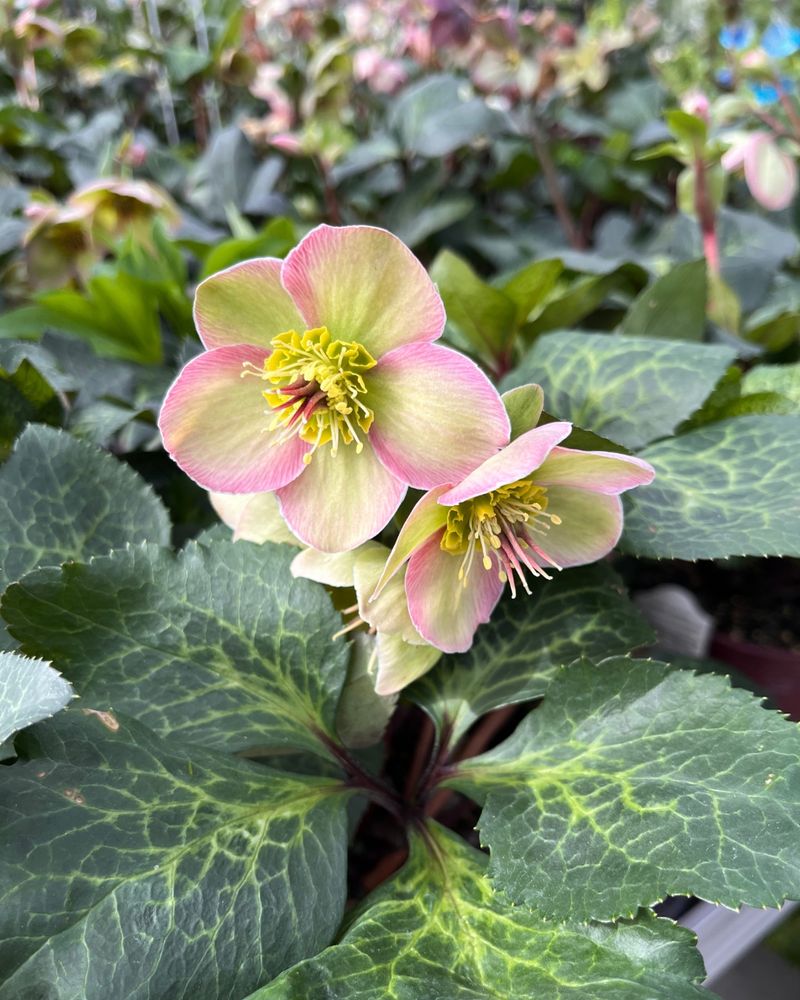
Picture this: it’s mid-February, rain is tapping your window, and most of your garden beds look like they’ve given up.
Then you glance toward the shady corner near your fence, and there they are, nodding blooms in creamy whites, dusty pinks, deep burgundies, even speckled greens.
That’s the magic of hellebores, and they’re one of the most reliable early bloomers you can grow in Oregon.
Hellebores handle cold like champions. They laugh at frost, shrug off February rain, and keep their leathery evergreen leaves looking sharp all winter long.
Most varieties start blooming anywhere from late January through March, which makes them perfect Valentine’s season stars. They prefer part to full shade and well-drained soil, critical during our wet winters when waterlogged roots spell trouble.
Once established, they’re incredibly low-maintenance. You won’t need to fuss with deadheading or constant feeding.
They slowly spread into elegant clumps that return year after year, getting better with age. Plant them under trees, along shaded pathways, or near entryways where you’ll notice their quiet beauty every time you come home.
Hellebores also attract early pollinators like bumblebees, giving your garden an ecological boost when little else is blooming. They’re deer-resistant too, which is a bonus if you live near wooded areas.
For romantic, low-effort winter color, hellebores are unbeatable.
2. Camellias
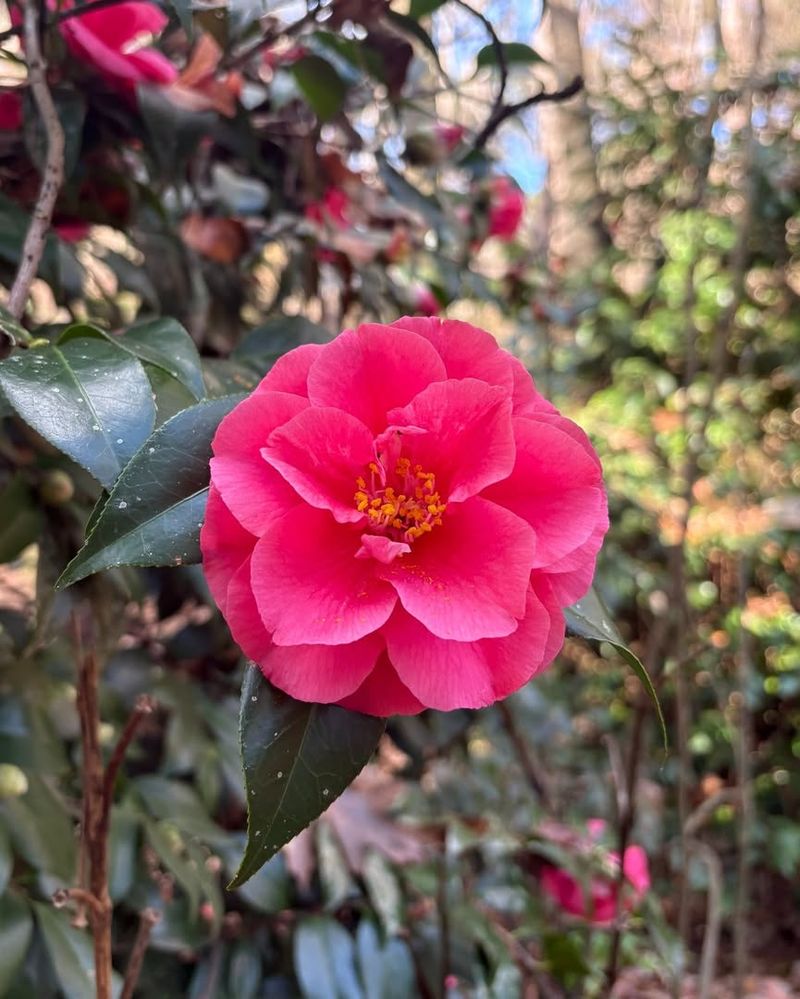
Nothing says winter romance quite like a camellia in full bloom against a gray February sky. These glossy-leaved evergreen shrubs produce flowers so perfect they almost look artificial, ruffled, layered petals in shades of red, pink, white, and even coral.
Some varieties bloom as early as November, but many peak right around Valentine’s Day, making them a showstopper when color is scarce.
Your Oregon Garden Changes Every Week. Your Plan Should Too.
Gardening in Oregon changes quickly throughout the season. Every Friday you’ll receive a simple weekly plan showing exactly what to plant, prune, fertilize, harvest, and protect so you never miss the right timing.
Camellias are surprisingly tough for such fancy-looking plants. They handle Oregon’s cool, wet winters beautifully as long as they’re planted in acidic, well-drained soil with some protection from harsh afternoon sun.
Morning light and dappled shade work best. They don’t appreciate sitting in soggy ground, so add compost or plant them on a slight slope if drainage is questionable.
Once they’re settled in, camellias require minimal care. A little mulch, occasional feeding with an acid-loving fertilizer, and you’re set.
They grow slowly but steadily, eventually forming elegant, dense shrubs that work beautifully as foundation plants, hedges, or focal points near entryways.
Deer tend to leave them alone, and their evergreen foliage provides year-round structure. When those blooms finally open in the dead of winter, it feels like your garden is throwing a Valentine’s party all on its own.
If you want winter elegance with staying power, camellias deliver every time.
3. Pansies
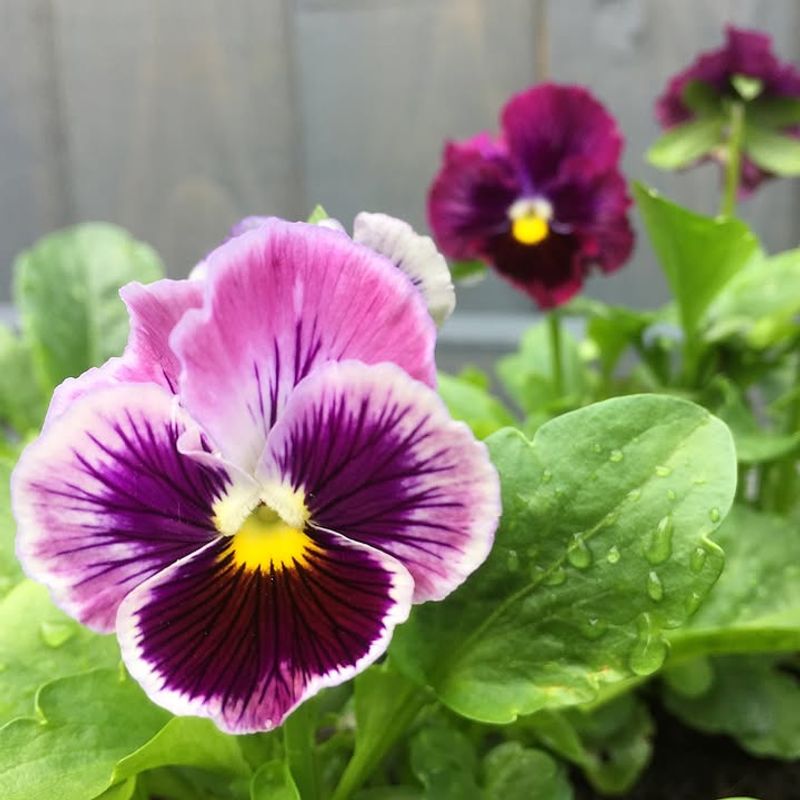
Walk past any garden center in late winter, and you’ll see flats of pansies staring back at you with their cheerful little faces.
Those bold splashes of purple, yellow, orange, red, and white aren’t just for spring, pansies are cold-hardy annuals that actually prefer cool weather.
Plant them in fall or early winter, and they’ll reward you with blooms straight through Valentine’s Day and beyond.
Pansies can handle light frosts and even a dusting of snow without missing a beat. They thrive in full sun to part shade and appreciate rich, well-drained soil.
During Oregon’s rainy winters, make sure they’re not sitting in waterlogged containers or beds, or they’ll sulk and rot. Good drainage is key.
These flowers are perfect for containers, window boxes, hanging baskets, or edging garden beds. Deadhead spent blooms regularly to keep them flowering longer, and give them a light feeding every few weeks if they start looking tired.
They’re also fantastic for adding instant color to bare spots while you wait for perennials to wake up.
Kids love pansies because of their friendly faces, and pollinators appreciate the early nectar source. They’re inexpensive, easy to find, and endlessly cheerful, exactly what you need when February feels long and gray.
For quick, reliable Valentine’s color, pansies are always a safe bet.
4. Violas
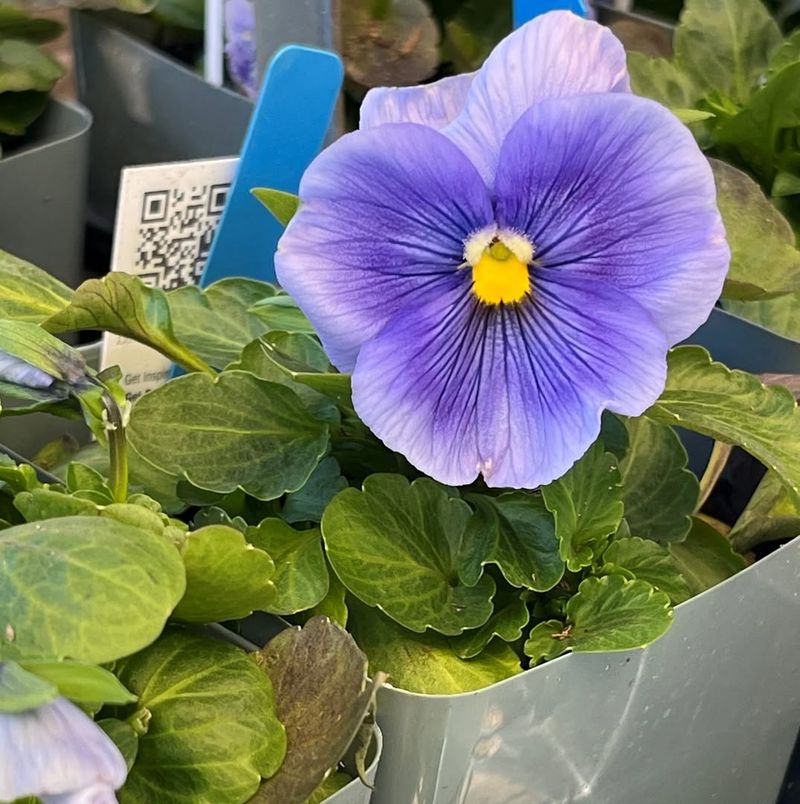
If pansies are the bold extroverts of the cool-season flower world, violas are their charming, slightly smaller cousins. These dainty blooms come in jewel tones, deep purples, sunny yellows, soft lavenders, and bicolors that look hand-painted.
They’re tougher than they appear, shrugging off cold snaps and blooming steadily from fall through spring, including right around Valentine’s Day.
Violas are incredibly cold-hardy and can tolerate temperatures well below freezing. They prefer full sun to part shade and well-drained soil, just like pansies.
Because they’re smaller and more delicate-looking, they work beautifully in mixed containers, tucked between larger plants, or planted en masse for a carpet of color.
Maintenance is minimal. Deadhead occasionally to encourage more blooms, and water during dry spells, though Oregon winters rarely require much supplemental watering.
Violas self-seed readily, so you might find happy volunteers popping up in unexpected places next season, which feels like a little garden gift.
They’re also edible, making them a fun addition to salads or desserts if you’re feeling fancy. Pollinators love them, and they pair beautifully with early bulbs like crocuses and snowdrops.
For a softer, more whimsical take on winter color, violas bring elegance without fuss. They’re proof that small flowers can make a big impact when everything else is still waking up.
5. Primroses
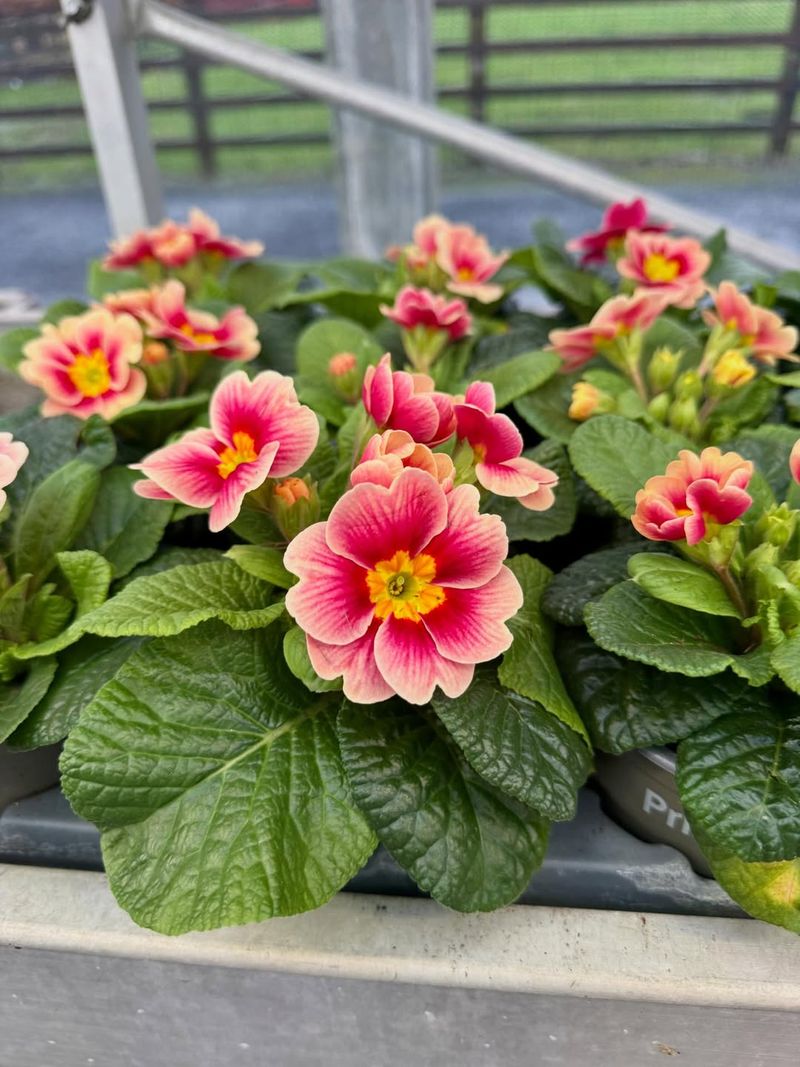
Few flowers scream “early spring is almost here” quite like primroses.
These cheerful perennials pop up in garden centers as early as January, covered in clusters of bright blooms in nearly every color imaginable, hot pink, lemon yellow, deep red, soft lavender, and crisp white.
They’re one of the first signs that winter won’t last forever, and they bloom reliably around Valentine’s season.
Primroses are cold-hardy and love Oregon’s cool, moist conditions. They prefer part shade and rich, well-drained soil that stays consistently moist but never waterlogged.
Plant them in beds, borders, containers, or even naturalized under trees. They’re especially stunning when planted in drifts, creating waves of color that catch your eye from across the yard.
These plants are technically perennials, but many gardeners treat them as cool-season annuals since they can struggle in hot, dry summers. In Oregon’s milder climates, especially west of the Cascades, they often return year after year if kept cool and moist.
Deadhead spent flowers to keep them blooming longer, and divide clumps every few years to keep them vigorous.
Primroses are also excellent for attracting early bees and other pollinators. Their bright colors and easy care make them a favorite for adding instant cheer to winter-weary gardens.
If you want a flower that feels like a Valentine’s card come to life, primroses are it.
6. Snowdrops (Galanthus)
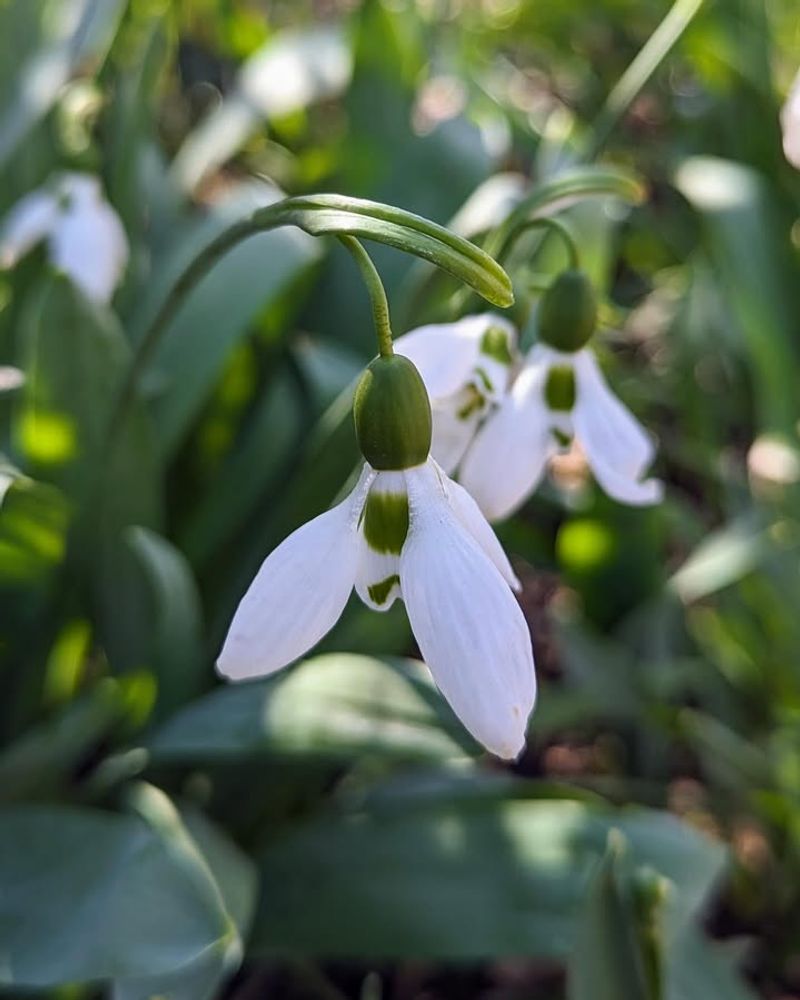
There’s something almost magical about spotting your first snowdrop of the season. These tiny white flowers push through cold soil, often while snow is still on the ground, nodding their delicate heads like they’re whispering secrets to the earth.
They’re among the earliest bloomers in Oregon gardens, often appearing in late January or early February, right on time for Valentine’s Day.
Snowdrops are incredibly cold-hardy bulbs that thrive in Oregon’s cool, damp winters. They prefer part shade to full sun and well-drained soil rich in organic matter.
Plant them in fall, and they’ll naturalize over time, spreading slowly into charming drifts. They’re perfect for planting under deciduous trees, along pathways, or in rock gardens where their small stature won’t get lost.
Once established, snowdrops are completely low-maintenance. They don’t need fertilizing, deadheading, or dividing unless clumps become overcrowded.
They also naturalize beautifully, meaning they’ll multiply on their own, creating larger displays each year. Deer and rodents generally leave them alone, which is a relief if you’ve battled bulb-eating critters in the past.
Snowdrops are beloved by early pollinators, especially bumblebees emerging from hibernation. Their delicate beauty and reliable bloom time make them a must-have for any Oregon gardener who craves winter color.
They’re small, but they pack a big emotional punch when everything else is still dormant.
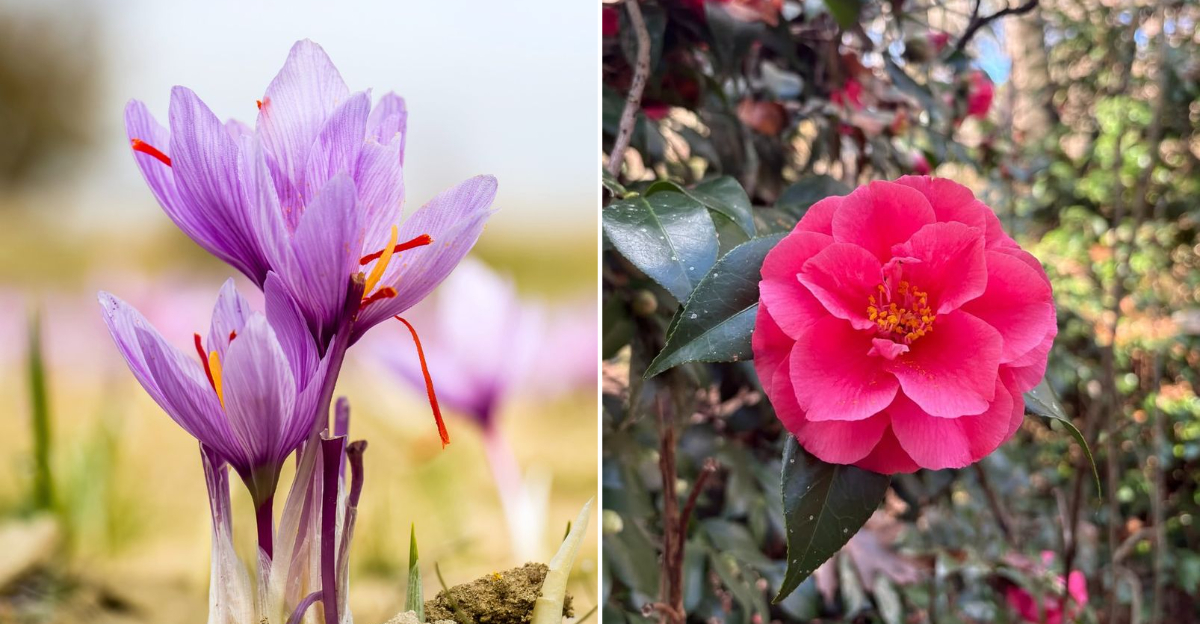
7. Crocus
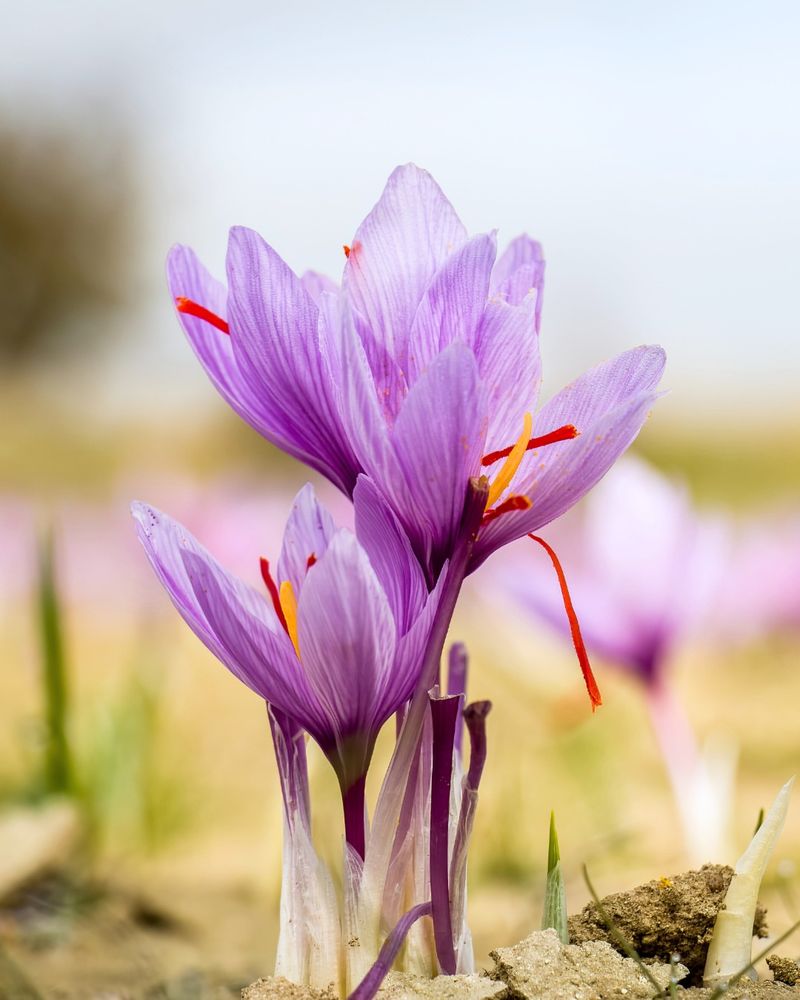
Crocuses are the confetti of the late-winter garden, bright, bold, and impossible to ignore. These cheerful little bulbs push up through cold soil and lawn grass, opening their cup-shaped blooms in shades of purple, yellow, white, and striped bicolors.
They often bloom in late February or early March, making them perfect Valentine’s season companions for other early flowers.
Crocuses are incredibly cold-hardy and can handle frost, snow, and Oregon’s rainy winters without complaint. They prefer full sun to part shade and well-drained soil.
Plant them in fall, and they’ll naturalize over time, spreading into cheerful carpets. They’re especially stunning when planted in lawns, under trees, or along borders where they can multiply freely.
Maintenance is virtually nonexistent. Let the foliage die back naturally after blooming to feed the bulbs for next year’s show.
Crocuses are also one of the first food sources for bees emerging in early spring, making them ecologically valuable as well as beautiful. Deer and rodents generally leave them alone, though squirrels occasionally dig up newly planted bulbs.
Their bright colors and carefree nature make them a favorite for gardeners who want maximum impact with minimal effort. Plant them in drifts for the best effect, scattered handfuls look more natural than rigid rows.
For a joyful pop of color when winter still has its grip, crocuses deliver every single time.
8. Winter Heath (Erica)
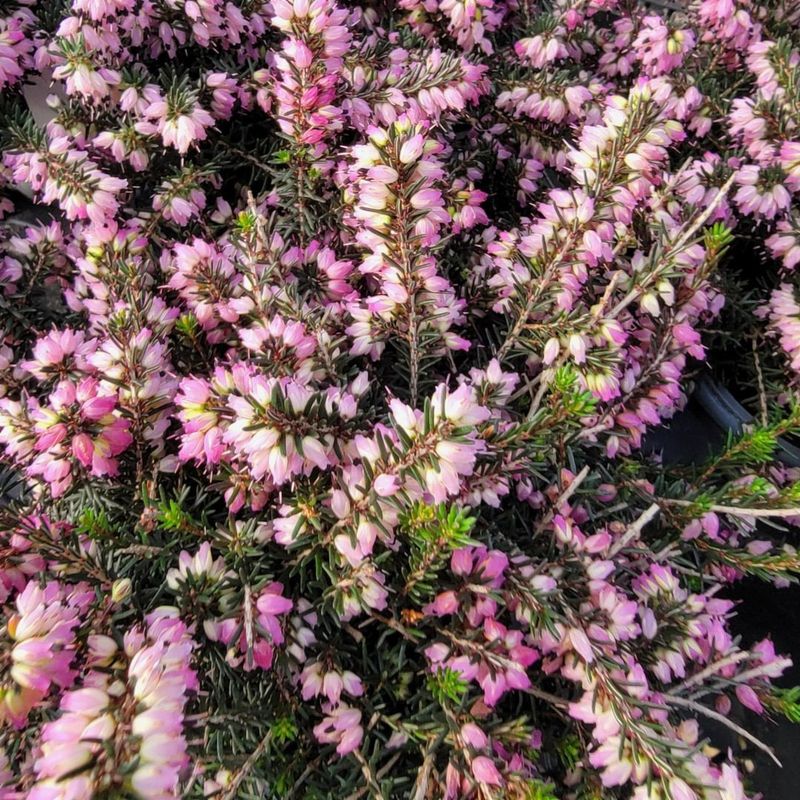
If you’ve ever driven past a garden in February and noticed a low, spreading shrub covered in tiny pink, white, or purple flowers, chances are you were looking at winter heath.
This evergreen groundcover blooms from late fall through early spring, offering continuous color when almost nothing else dares.
It’s a workhorse plant that looks delicate but handles Oregon’s cold, wet winters like a pro.
Winter heath thrives in full sun to part shade and prefers acidic, well-drained soil, similar to what rhododendrons and azaleas love. It’s drought-tolerant once established but appreciates consistent moisture during our rainy season.
Plant it in masses for maximum impact, or use it as a low border, groundcover, or container filler.
Maintenance is minimal. Trim back spent blooms lightly after flowering to keep plants compact and tidy, but avoid cutting into old wood.
Winter heath doesn’t need much fertilizer, an occasional dose of acid-loving plant food in spring is plenty. It’s also deer-resistant and attracts early bees, making it both practical and pollinator-friendly.
The real beauty of winter heath is its long bloom period. While other flowers come and go, this one keeps going, providing steady color and texture from November through March.
For gardeners who want reliable winter interest without constant fussing, winter heath is a quiet hero that deserves more attention.
9. Hardy Cyclamen
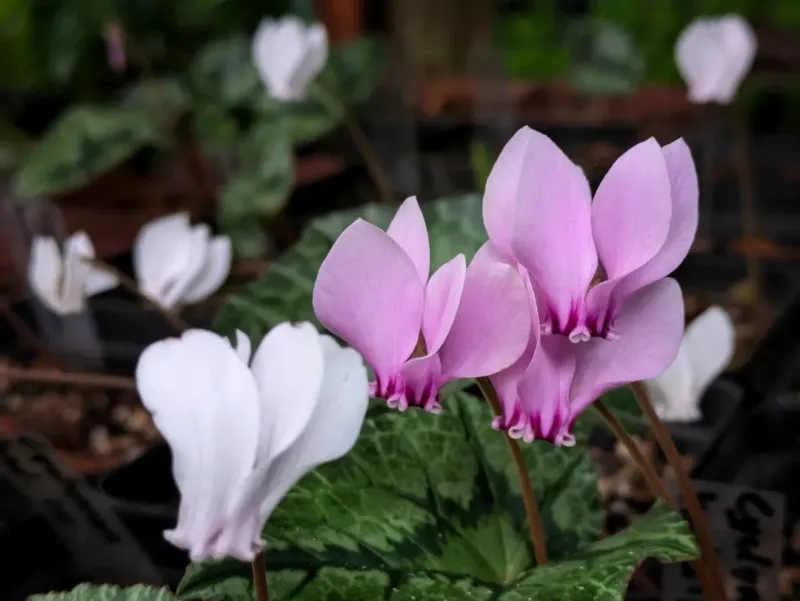
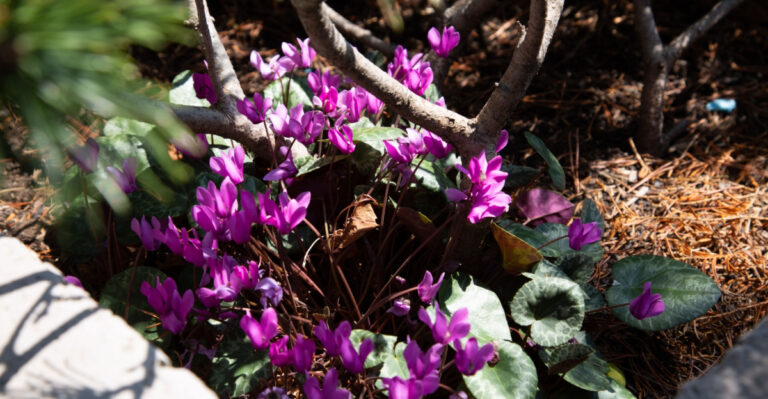
Hardy cyclamen are one of those plants that make you stop and stare. Their swept-back petals in shades of pink, magenta, and white hover above beautifully marbled, heart-shaped leaves like tiny butterflies frozen in mid-flight.
They bloom from late fall through early spring, often peaking around Valentine’s Day, and they’re surprisingly tough despite their delicate appearance.
These little perennials thrive in Oregon’s cool, moist conditions. They prefer part to full shade and well-drained soil rich in organic matter.
Plant them under trees, along shaded pathways, or in rock gardens where their intricate foliage and flowers can shine. They’re also excellent in containers if you want to bring that Valentine’s charm closer to your front door.
Once established, hardy cyclamen are remarkably low-maintenance. They don’t need deadheading, and they’ll naturalize over time, spreading slowly into charming colonies.
The foliage often persists through winter, providing year-round interest even when the plant isn’t blooming. Deer and rodents generally leave them alone, which is a relief for gardeners dealing with hungry wildlife.
Hardy cyclamen are also valuable for early pollinators and add a touch of woodland elegance that’s hard to match. They’re perfect for gardeners who appreciate subtle beauty and want something a little different from the usual winter bloomers.
For a romantic, fairy-tale vibe in your February garden, hardy cyclamen are absolutely enchanting.