These Trailing Houseplants Thrive In Hanging Pots In Washington Homes
Trailing houseplants are a perfect way to add life and movement to Washington homes, especially when placed in hanging pots. Their cascading vines create a sense of depth and charm, transforming any space into a lush, green retreat.
Imagine watching vibrant leaves spill gracefully over the edges of a pot. Not only do they look stunning, but many trailing plants are surprisingly low-maintenance, thriving indoors with the right care.
Small effort, big impact! From heart-shaped leaves to delicate, airy vines, these plants can brighten windowsills, corners, or even fill empty wall space beautifully.
Your home can feel fresh and alive all year long. With proper light, watering, and occasional pruning, trailing houseplants reward you with continuous growth and visual appeal. A hanging pot can turn a simple plant into a living decoration.
1. Pothos
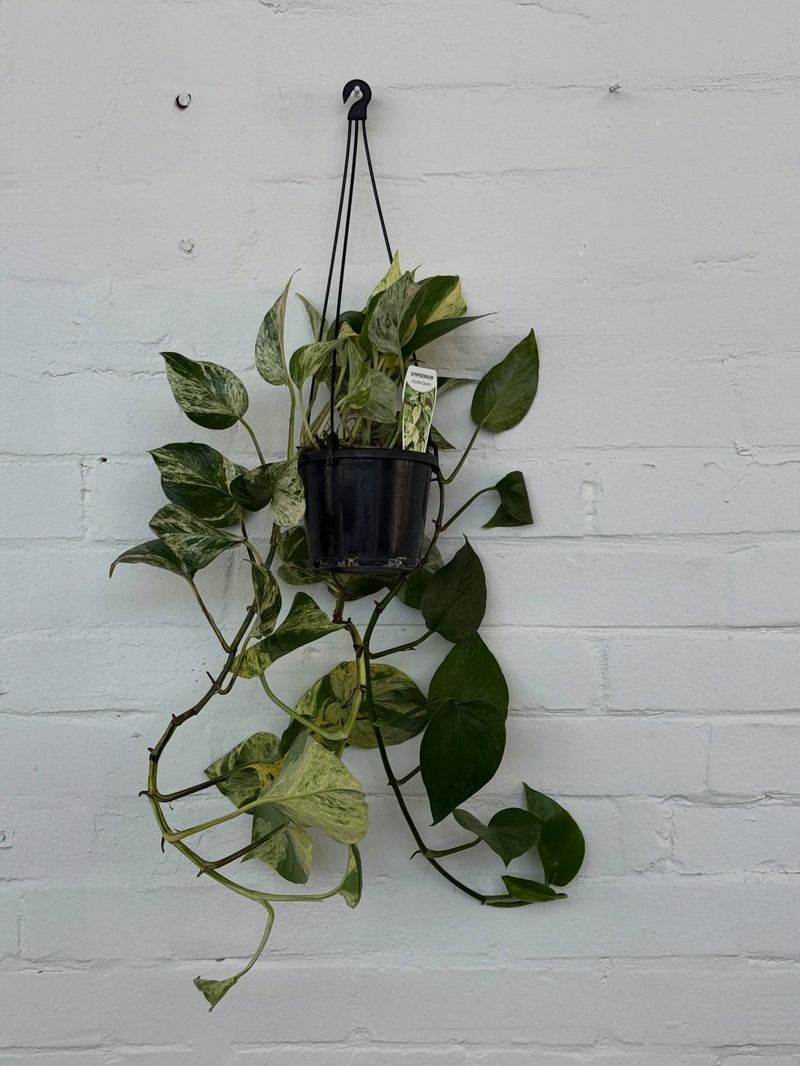
Golden pothos has earned its reputation as one of the most forgiving houseplants you can grow, making it perfect for Washington residents just starting their plant journey.
Its heart-shaped leaves come in various shades of green, often splashed with yellow or white variegation that brightens even the gloomiest Pacific Northwest day.
Vines can grow several feet long, creating stunning cascades that look gorgeous spilling from macrame hangers or simple ceramic pots.
This plant tolerates low light conditions remarkably well, which is fantastic news for homes in Washington where natural light can be limited during winter months. You can place it in a bathroom with a small window, a north-facing room, or even in spaces lit primarily by artificial light.
Pothos also forgives irregular watering, bouncing back quickly if you forget to water for a week or two.
The plant actively purifies indoor air by removing toxins like formaldehyde and benzene, improving the quality of your home environment.
Propagation couldn’t be simpler either. Just snip a stem below a node, place it in water, and watch roots develop within weeks.
Care involves watering when the top inch or two of soil feels dry and occasionally wiping dust from the leaves to keep them photosynthesizing efficiently. In Seattle apartments or Tacoma houses, pothos adapts beautifully to various humidity levels without complaint.
Its fast growth means you’ll enjoy watching new leaves unfurl regularly, and you can easily trim it back if it gets too long. This reliable performer deserves its spot as a favorite among Washington plant enthusiasts.
2. String Of Hearts
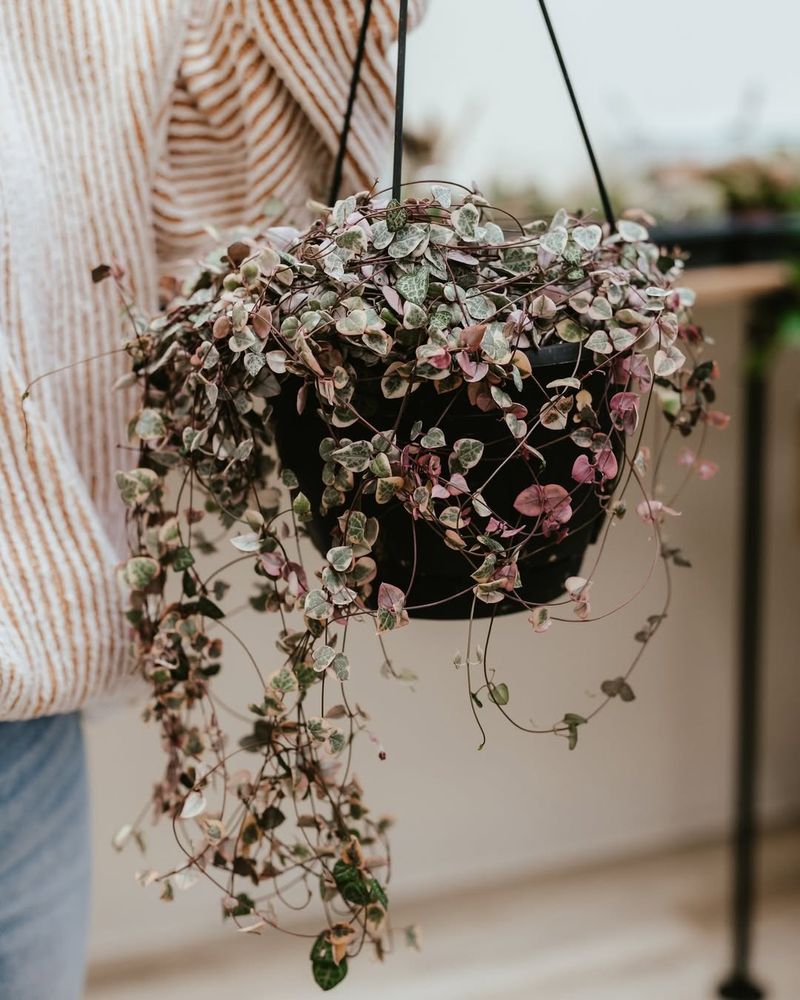
Delicate chains of tiny heart-shaped leaves create an enchanting display that captures attention immediately. String of hearts, also called Ceropegia woodii, produces trailing stems that can reach impressive lengths, sometimes growing up to twelve feet when happy.
The leaves showcase beautiful coloring with silver variegation on top and purple undersides, adding dimensional interest from every angle.
Washington homes provide excellent conditions for this succulent vine, as it prefers cooler temperatures and doesn’t demand intense sunlight. A bright, indirect light spot works wonderfully, such as near an east-facing window where morning sun filters through gently.
The plant stores water in its small tuberous roots and semi-succulent leaves, so it handles the occasional missed watering without stress.
Your Washington Garden Changes Every Week. Your Plan Should Too.
Gardening in Washington changes quickly throughout the season. Every Friday you’ll receive a simple weekly plan showing exactly what to plant, prune, fertilize, harvest, and protect so you never miss the right timing.
What makes this plant especially charming are the small bulbils that form along the stems, which you can plant to grow new vines. During summer, it may produce unusual tubular flowers in shades of pink and purple that add an unexpected bonus to its already appealing appearance.
The airy, delicate nature of string of hearts makes it ideal for hanging in bedrooms or living rooms where you want something visually interesting but not overwhelming.
Watering should happen when the soil dries out completely, typically every two to three weeks depending on your home’s conditions. In Olympia or Bellingham, where humidity stays relatively moderate, this plant thrives without extra misting or humidity trays.
Its romantic appearance and easygoing requirements make it a beloved choice for plant collectors throughout Washington state.
3. Spider Plant
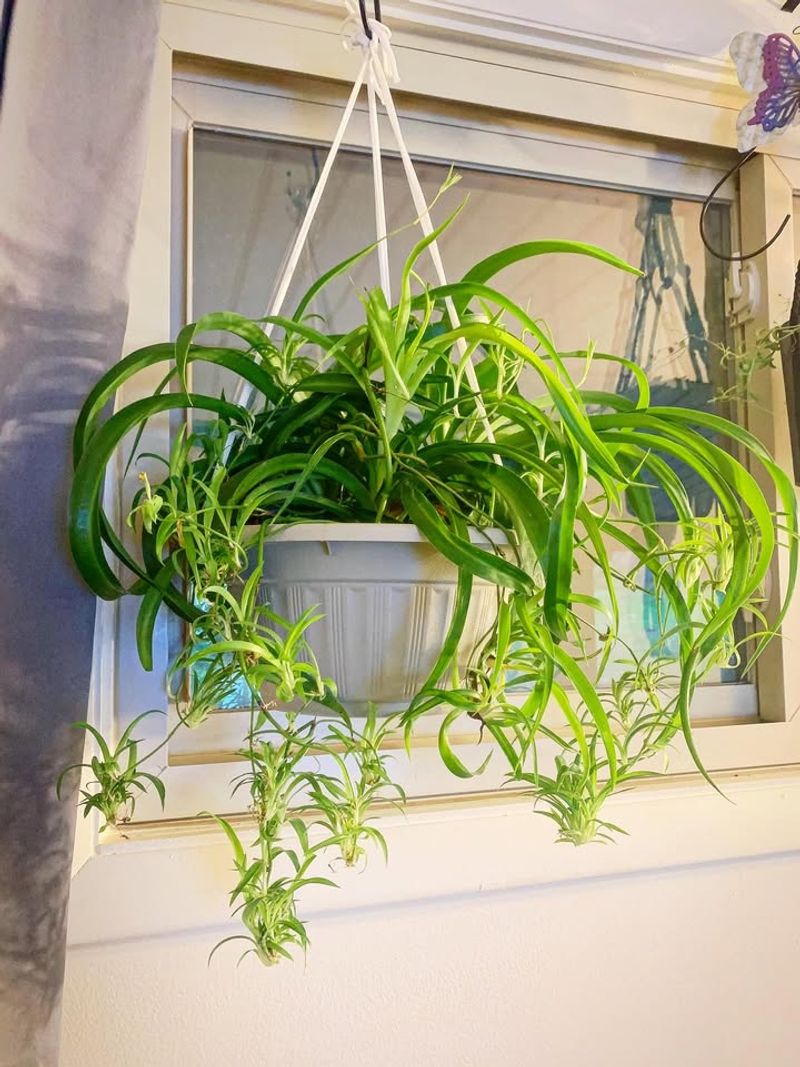
Few plants demonstrate resilience quite like the spider plant, with its arching green and white striped leaves creating fountain-like displays in hanging containers.
This classic houseplant has graced homes for generations because it simply refuses to give up, even when conditions aren’t perfect.
Long stems emerge from the center, producing small white flowers followed by baby plantlets called spiderettes that dangle adorably from the mother plant.
The adaptability of spider plants makes them exceptional for Washington homes with varying light conditions. They grow happily in bright indirect light but also tolerate shadier spots without much fuss.
Their preference for cooler temperatures aligns perfectly with typical indoor conditions in Seattle, Spokane, and surrounding areas during most of the year.
These plants are champions at cleaning indoor air, removing pollutants like carbon monoxide and xylene while adding oxygen to your space.
The spiderettes offer endless opportunities for propagation, allowing you to share plants with friends or fill multiple rooms with cascading greenery. Simply snip off a baby plant and pot it up, or even leave it attached until roots develop.
Watering needs are moderate, with the plant preferring evenly moist soil during growing season and slightly drier conditions in winter.
Brown leaf tips sometimes appear if your tap water contains too much fluoride or chlorine, but letting water sit overnight before using it usually solves this issue.
Spider plants occasionally produce thick, fleshy roots that store water, helping them survive if you’re away from your Washington home for a few days. Their forgiving nature and attractive growth habit explain why they remain a staple in households across the state.
4. English Ivy
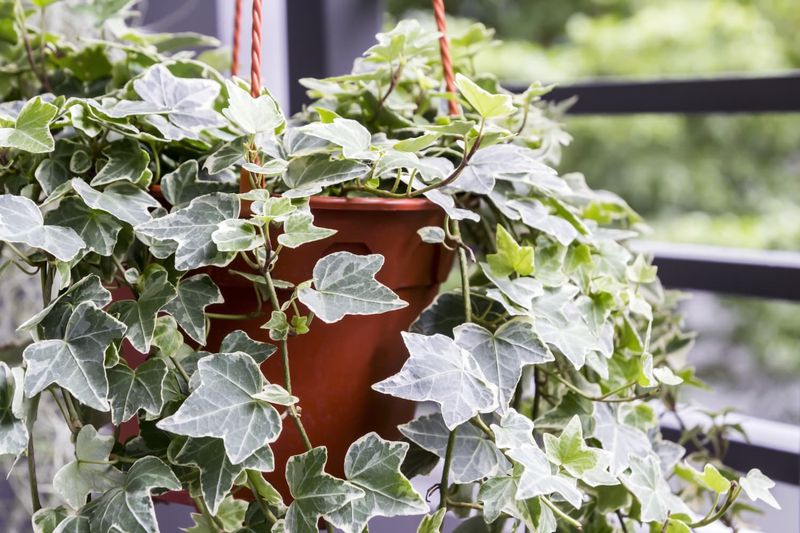
Cascading vines covered in distinctive lobed leaves bring a touch of classic elegance to any hanging display in your home.
English ivy grows vigorously once established, with stems that can trail down several feet, creating lush green curtains that soften hard edges and add natural beauty to interior spaces.
The leaves come in various sizes and patterns, from deep green to variegated types with cream or yellow edges.
Cool temperatures and moderate light conditions found in many Washington homes suit English ivy perfectly. It actually prefers cooler environments compared to many tropical houseplants, making it ideal for rooms that don’t get overly warm.
A spot with bright, filtered light works best, though it adapts to lower light situations with slower growth.
This plant appreciates higher humidity, which naturally occurs in many Pacific Northwest homes, especially during rainy seasons. Regular misting or placing the pot on a pebble tray with water helps during drier months when indoor heating runs.
English ivy benefits from occasional pruning to encourage bushier growth and prevent it from becoming too leggy.
Watering should keep the soil consistently moist but never waterlogged, as soggy conditions can lead to root problems. Check the top inch of soil regularly and water when it starts to feel dry.
In Tacoma or Vancouver, Washington, where humidity levels fluctuate seasonally, you might need to adjust your watering frequency accordingly.
The dense foliage provides excellent air purification benefits, filtering out mold spores and other airborne particles. Just be mindful that ivy can be toxic to pets if ingested, so hang it in locations where curious cats or dogs cannot reach.
Its timeless appearance and reliable growth make it a worthwhile addition to any Washington plant collection.
5. Philodendron Heartleaf
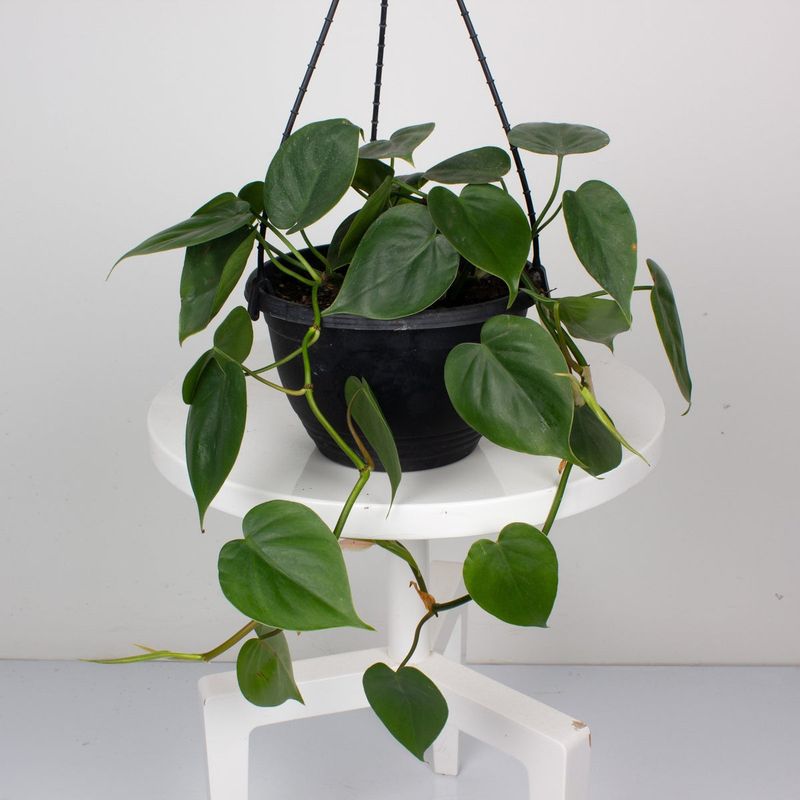
Glossy, heart-shaped leaves emerge in beautiful bronze tones before maturing to deep green, creating visual interest at every stage of growth.
Heartleaf philodendron, scientifically known as Philodendron hederaceum, produces fast-growing vines that quickly fill out a hanging basket with lush foliage.
The leaves have a lovely sheen that catches light beautifully, making them stand out even in rooms with limited natural brightness.
This tropical plant has adapted remarkably well to indoor conditions and thrives in the moderate temperatures typical of Washington homes year-round.
It tolerates a wide range of light conditions, from bright indirect light to shadier corners, though growth will be fuller and faster with more light. The flexibility in placement makes it easy to find the perfect spot in any room.
Native to Central America and the Caribbean, heartleaf philodendron appreciates some humidity but doesn’t demand it, unlike some of its more finicky relatives.
Regular room humidity found in most Seattle or Bellingham homes works fine, though occasional misting during winter when heating systems dry the air can be beneficial.
The plant grows quickly under good conditions, sometimes adding several inches per month during spring and summer.
Allow the top two inches of soil to dry between waterings, then water thoroughly until excess drains from the bottom. This plant prefers consistently moist soil but won’t tolerate sitting in water.
Yellow leaves often indicate overwatering, while brown edges suggest the plant needs more frequent watering or higher humidity.
Propagation happens easily through stem cuttings placed in water or directly in soil, giving you plenty of opportunities to expand your collection or share with fellow plant lovers across Washington.
Its reliable growth and attractive appearance make it a must-have for anyone wanting low-maintenance trailing greenery.
6. Burro’s Tail
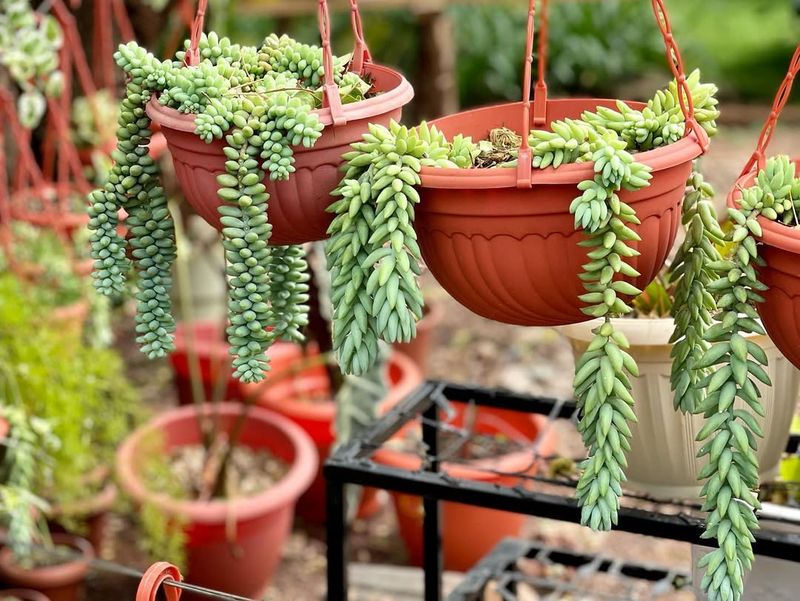
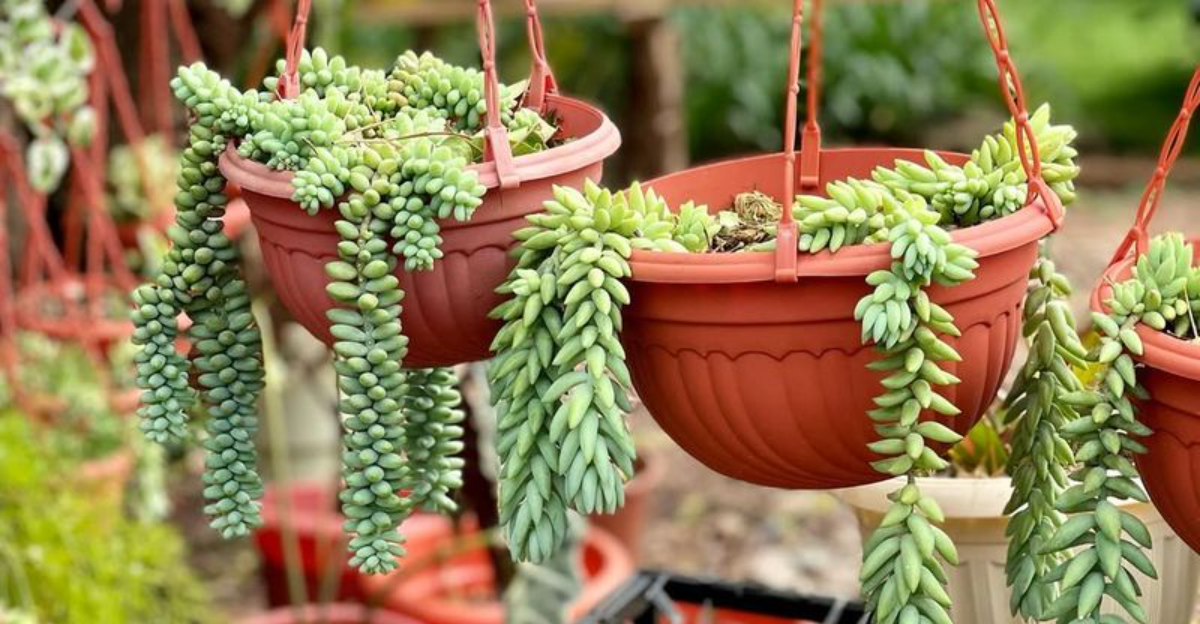
Plump, teardrop-shaped leaves stack tightly along trailing stems, creating thick ropes of blue-green foliage that look almost otherworldly.
Burro’s tail, or Sedum morganianum, is a succulent that brings unique texture and form to hanging displays, with mature plants developing stems that cascade two to three feet long.
The leaves have a powdery coating that gives them a soft, matte appearance and protects them from intense light.
Succulents like burro’s tail need bright light to maintain their compact growth and vibrant color, making them perfect for south or west-facing windows in Washington homes. During summer months when natural light is more abundant, these plants truly shine.
They store water in their fleshy leaves, allowing them to go weeks between waterings, which is perfect for busy households or forgetful waterers.
The cooler temperatures found in many Washington homes during fall and winter actually benefit this plant, as it appreciates a rest period with reduced watering. Handle the stems carefully, as the leaves detach easily when bumped or jostled.
Any leaves that fall off can be laid on soil to propagate new plants, though they root slowly compared to other succulents.
Water deeply but infrequently, allowing the soil to dry out completely between waterings. In Spokane or Yakima, where indoor air tends to be drier, you might water every two to three weeks during active growth. Reduce watering significantly in winter when growth slows.
Well-draining soil is absolutely essential for burro’s tail, as soggy conditions quickly lead to rot. Mix regular potting soil with perlite or sand to improve drainage.
The unusual appearance and minimal care requirements make this succulent a conversation starter and a practical choice for sunny spots throughout your Washington home.
7. Boston Fern
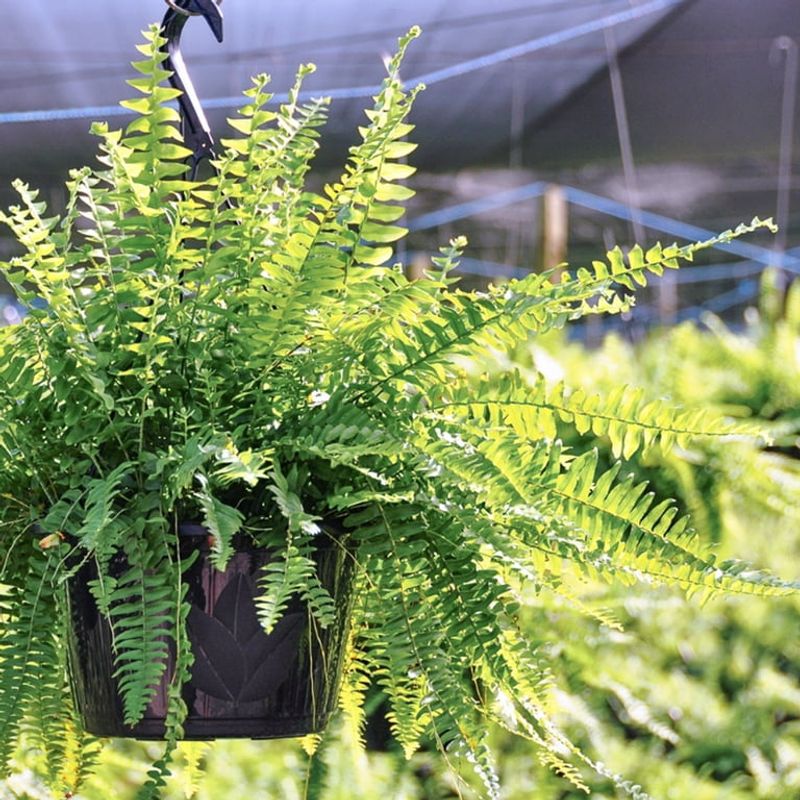
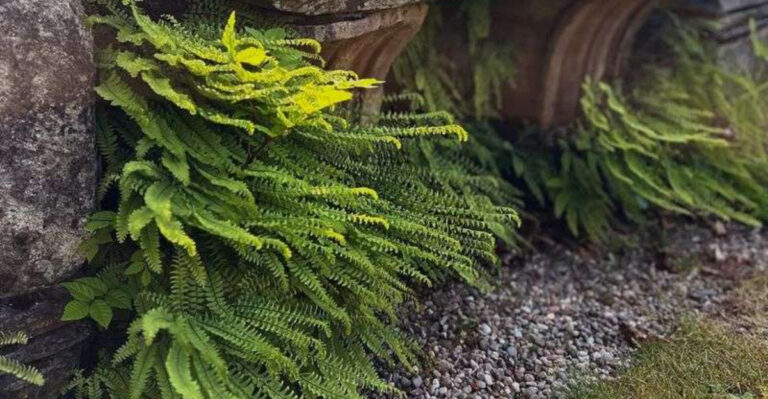
Lush, feathery fronds arch gracefully from the center of the plant, creating a full, billowing appearance that adds softness to any space.
Boston ferns have been beloved houseplants for over a century, gracing Victorian parlors and modern apartments alike with their delicate, intricate foliage.
Each frond consists of dozens of small leaflets arranged along a central stem, giving the plant an almost lacy texture.
These ferns absolutely love the humidity that naturally occurs in many Washington homes, especially during rainy seasons when moisture levels rise. Bathrooms with windows make ideal locations, as do kitchens where steam from cooking provides extra humidity.
The plant prefers bright, indirect light but tolerates shadier conditions better than many other ferns, making it versatile for different rooms.
Boston ferns grow actively during warmer months, producing new fronds from the center that unfurl in a process called fiddleheading. Watching these new fronds emerge and expand is one of the simple joys of growing this plant.
Regular misting helps maintain the humidity levels they prefer, especially during winter when indoor heating can dry the air.
Keep the soil consistently moist but not waterlogged, checking it every few days and watering when the top feels slightly dry.
In Seattle or Portland-area Washington homes where ambient humidity stays higher, you might water less frequently than in drier eastern parts of the state. Brown, crispy frond tips usually indicate the plant needs more humidity or water.
Feed monthly during spring and summer with diluted liquid fertilizer to support healthy growth. Trim away any brown or damaged fronds at the base to keep the plant looking its best.
Despite requiring a bit more attention than some trailing plants, Boston ferns reward you with stunning, full displays that bring natural elegance to your Washington home.