These Are The Most Beautiful Yellow Perennials To Grow In Pennsylvania
Yellow flowers have a way of brightening any garden, and in Pennsylvania, they can make your outdoor space feel warm, cheerful, and inviting all season long. Imagine sunny blooms popping up amid your flower beds, bringing color even on cloudy days.
Perennials are perfect for long-lasting beauty, returning year after year without the need to replant. Low-maintenance and high-impact, they’re a gardener’s dream.
From delicate daffodils to bold black-eyed Susans, these yellow perennials add contrast, texture, and a sense of joy to any landscape. Your garden can glow with color effortlessly.
With the right varieties, Pennsylvania gardeners can enjoy blooms that thrive in local soil and weather, offering resilience and stunning seasonal display. A touch of yellow can lift any garden instantly.
1. Coreopsis
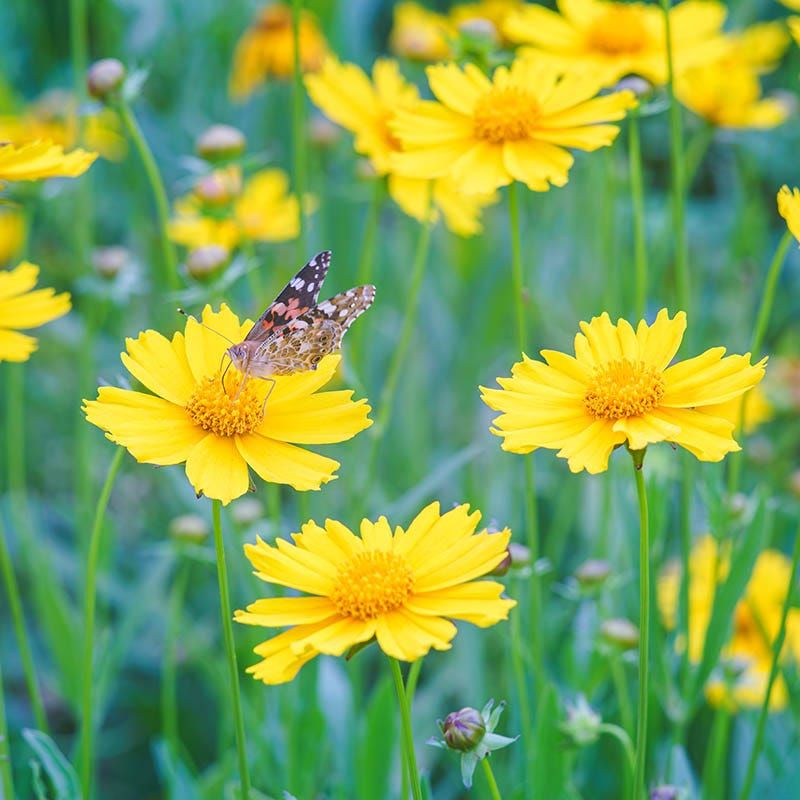
Coreopsis earns its common name Tickseed from its unusual seed shape, but gardeners call it the ultimate carefree perennial for Pennsylvania landscapes.
Masses of daisy-like yellow flowers cover compact plants from early summer straight through the first frost, creating months of continuous color that few other perennials can match.
The blooms range from pale lemon to deep golden yellow depending on which variety you choose, and they attract butterflies by the dozens on sunny afternoons.
This perennial thrives in Pennsylvania’s variable conditions, handling everything from sandy soils in the southeast to heavier clay compositions found throughout much of the state.
Coreopsis actually prefers lean, well-drained soil over rich, heavily amended beds, making it ideal for those challenging spots where other plants struggle.
Full sun brings out the best flowering performance, though plants tolerate light afternoon shade in hotter microclimates.
Most Coreopsis varieties stay relatively compact at twelve to eighteen inches tall, making them perfect for front-of-border placements or container gardens on patios and decks.
Their fine-textured foliage creates a delicate backdrop for the abundant flowers, and the plants maintain a neat appearance throughout the growing season without flopping or requiring staking.
Regular deadheading isn’t necessary for continued blooming, though removing spent flowers keeps plants looking tidy.
Pennsylvania winters rarely phase established Coreopsis plants, as most varieties handle zone 5 temperatures without protection. They’re drought-tolerant once established, which helps during those occasional dry spells that hit the state during July and August.
These cheerful perennials work beautifully in cottage gardens, pollinator gardens, or modern landscape designs, proving their versatility across different gardening styles popular throughout Pennsylvania communities.
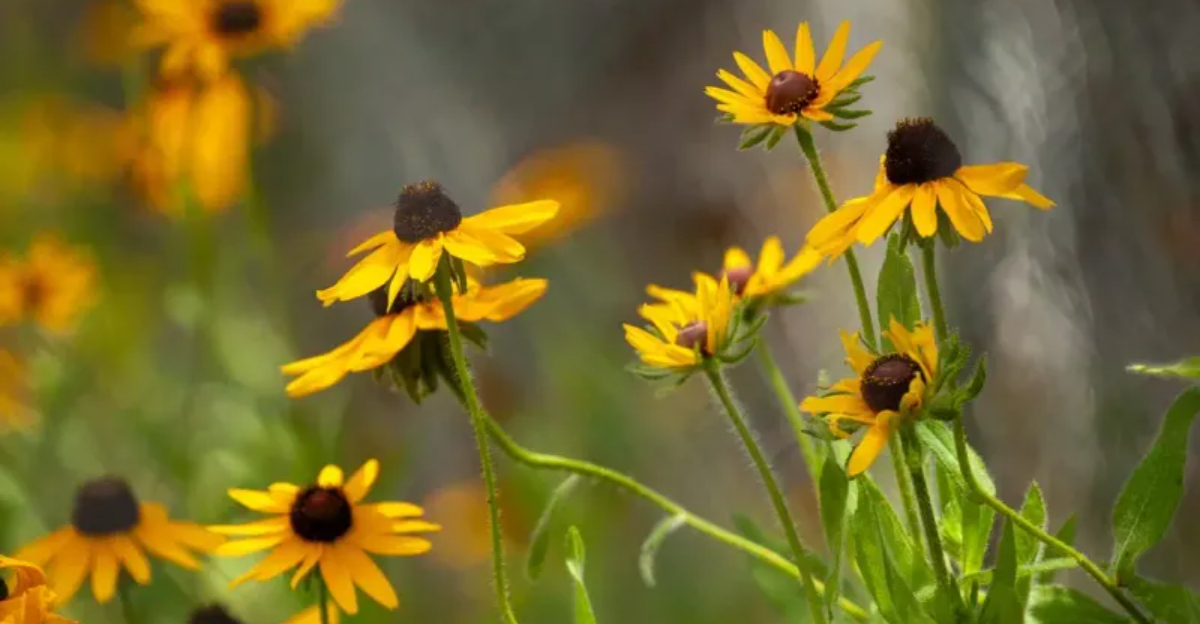
2. Black-Eyed Susan
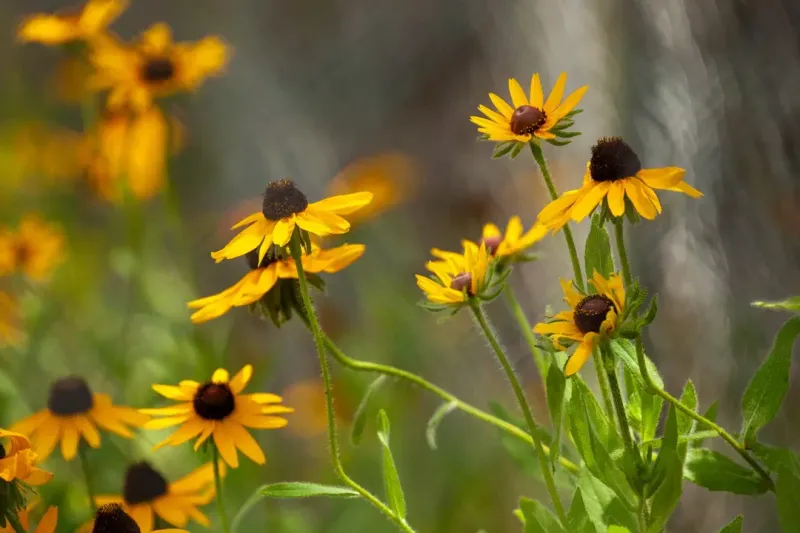
Nothing says Pennsylvania summer quite like the cheerful face of a Black-Eyed Susan nodding in the breeze.
These native wildflowers have become garden favorites across the state, from Pittsburgh backyards to Philadelphia community gardens, because they’re practically indestructible once established.
Their golden-yellow petals surrounding dark chocolate-brown centers create a classic look that never goes out of style, and they bloom reliably from June through September.
Rudbeckia species adapt beautifully to Pennsylvania’s clay-heavy soils and unpredictable weather patterns. They tolerate both full sun and partial shade, though they’ll produce more flowers with at least six hours of direct sunlight daily.
Your Pennsylvania Garden Changes Every Week. Your Plan Should Too.
Gardening in Pennsylvania changes quickly throughout the season. Every Friday you’ll receive a simple weekly plan showing exactly what to plant, prune, fertilize, harvest, and protect so you never miss the right timing.
Once their roots settle in during the first season, these tough plants handle summer droughts without constant watering, making them perfect for busy gardeners or those practicing water conservation.
Black-Eyed Susans grow anywhere from two to three feet tall depending on the variety, creating substantial presence in the middle or back of flower borders. They self-seed generously but not aggressively, gradually spreading to fill empty spaces without becoming invasive.
Goldfinches adore their seed heads in fall and winter, providing entertainment and supporting local bird populations throughout the colder months.
Pennsylvania gardeners appreciate how these perennials require almost zero maintenance beyond occasional deadheading to encourage more blooms.
They’re resistant to most pests and diseases, and deer usually leave them alone, which is a huge bonus in rural and suburban areas where wildlife browsing can devastate gardens.
Pair them with purple coneflowers and ornamental grasses for a stunning native plant combination that looks natural and polished simultaneously.
3. Goldenrod
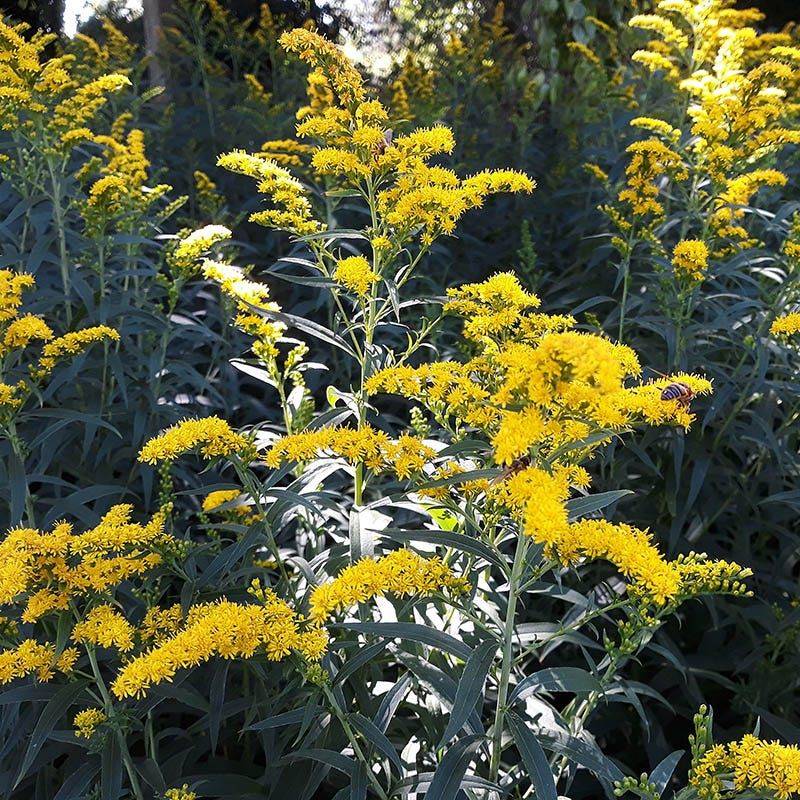
Goldenrod gets blamed for fall allergies, but that’s a case of mistaken identity since ragweed is the actual culprit.
Solidago species deserve celebration as spectacular native perennials that paint Pennsylvania meadows and gardens with brilliant yellow plumes from late summer through October.
Modern cultivars have been bred for garden use, offering more compact sizes and longer bloom periods than their wild cousins while maintaining the same tough, adaptable nature.
These powerhouse perennials handle Pennsylvania’s climate zones with remarkable ease, surviving harsh winters and bouncing back vigorously each spring. They grow in almost any soil type, from dry and sandy to moist and clay-heavy, though they prefer decent drainage to prevent root issues.
Full sun produces the most impressive flower displays, but Goldenrod tolerates partial shade better than many other yellow-blooming perennials.
Height varies dramatically among Goldenrod varieties, from dwarf selections topping out at eighteen inches to tall cultivars reaching five feet or more.
The feathery flower plumes create soft texture in the garden and provide crucial late-season nectar for monarch butterflies preparing for their migration south.
Bees and other beneficial insects also flock to these blooms when many other flowers have finished for the season.
Pennsylvania gardeners increasingly appreciate Goldenrod’s role in supporting local ecosystems while adding spectacular color to autumn gardens. The plants require virtually no maintenance once established and spread slowly through rhizomes to form attractive clumps over time.
Cutting stems back by half in early June creates bushier, more compact plants that won’t need staking. Combine Goldenrod with asters, ornamental grasses, and sedums for stunning fall displays that celebrate the season’s golden beauty throughout the state’s diverse regions.
4. Yarrow
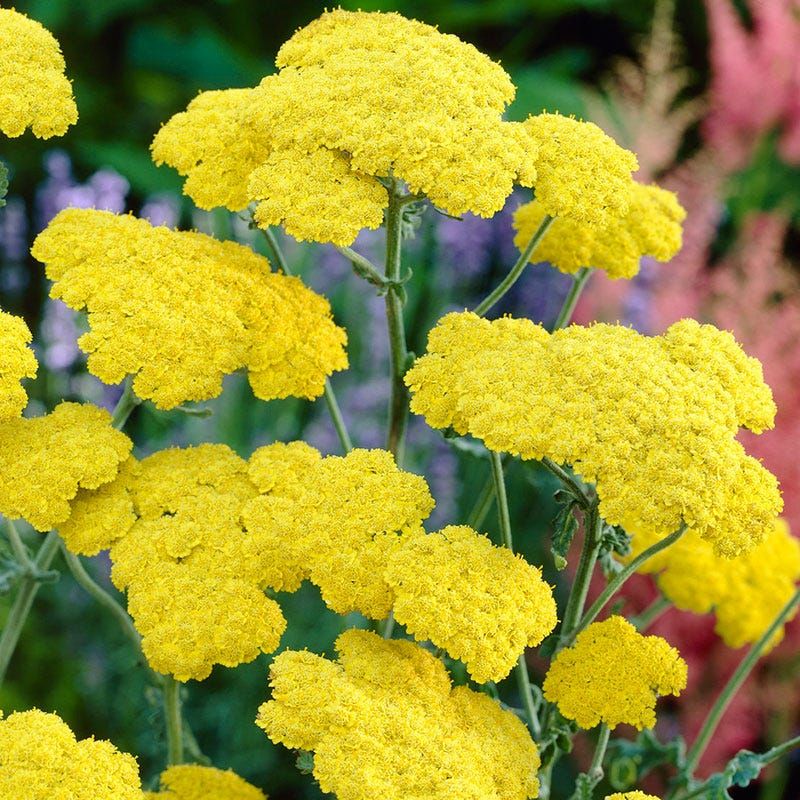
Yarrow’s flat-topped flower clusters and feathery foliage bring architectural interest to Pennsylvania gardens from June through August.
While many gardeners know the white-flowered species, yellow varieties like Coronation Gold offer stunning golden blooms that hold their color exceptionally well in the garden and as cut flowers.
The fern-like leaves release a pleasant, slightly spicy fragrance when brushed against, adding sensory appeal beyond visual beauty.
Achillea species rank among the toughest perennials for Pennsylvania’s sometimes challenging growing conditions. They handle drought, poor soil, humidity, and temperature fluctuations without batting an eye once their roots establish during the first season.
Full sun is essential for sturdy stems and abundant flowering, as plants grown in shade tend to stretch and flop over disappointingly.
These perennials typically reach two to three feet tall with similar spread, creating substantial presence in mixed borders and cottage garden designs. The flower heads consist of dozens of tiny blooms packed tightly together, creating flat platforms that beneficial insects love visiting.
Yarrow’s ability to thrive in lean, unamended soil makes it perfect for low-maintenance landscapes and water-wise gardens becoming increasingly popular across Pennsylvania.
Gardeners throughout the state value Yarrow’s long blooming period and excellent performance in both fresh and dried arrangements. The flowers dry beautifully, maintaining their golden color for months in wreaths and dried bouquets.
Plants spread slowly through underground runners but rarely become aggressive or invasive in garden settings. Dividing clumps every three to four years rejuvenates older plants and provides extras to share with neighbors.
Deer and rabbits typically avoid Yarrow, making it reliable in areas where wildlife browsing limits plant choices for many frustrated Pennsylvania gardeners.
5. Evening Primrose
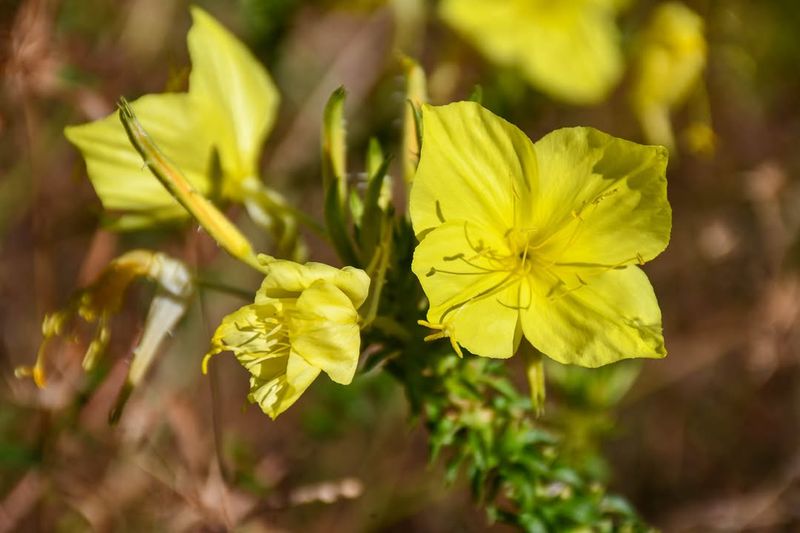
Evening Primrose creates magic in Pennsylvania gardens with flowers that open in late afternoon, releasing a sweet fragrance that perfumes the evening air.
The bright lemon-yellow blooms glow almost luminously at dusk, making them perfect for gardens enjoyed after work or during outdoor evening gatherings.
Oenothera species bloom prolifically from June through August, with individual flowers lasting just one day but being quickly replaced by fresh blooms.
This adaptable perennial thrives throughout Pennsylvania in various soil types, though it performs best in well-drained locations with full sun exposure.
Evening Primrose tolerates heat, humidity, and drought remarkably well once established, making it ideal for those challenging sunny spots where many plants struggle during July and August.
The plants typically reach eighteen to twenty-four inches tall with a somewhat sprawling habit that works beautifully in informal cottage gardens and naturalized areas.
Pennsylvania gardeners appreciate Evening Primrose’s ability to self-seed and fill in gaps without becoming problematic or invasive. The seedlings are easy to transplant or remove if they pop up in unwanted locations, giving you control over their spread.
The flowers attract sphinx moths and other evening pollinators, adding an element of wildlife interest that daytime-only gardens miss completely.
The plant’s somewhat wild appearance suits naturalistic landscape designs popular in many Pennsylvania communities trying to move away from high-maintenance traditional landscaping.
Evening Primrose requires minimal care beyond occasional watering during extreme drought and cutting back spent stems in late fall or early spring.
The bright yellow flowers pair beautifully with purple salvias, blue catmint, and ornamental grasses, creating dynamic color combinations that look fresh and contemporary rather than old-fashioned or predictable in mixed perennial borders throughout the state.
6. Daylily
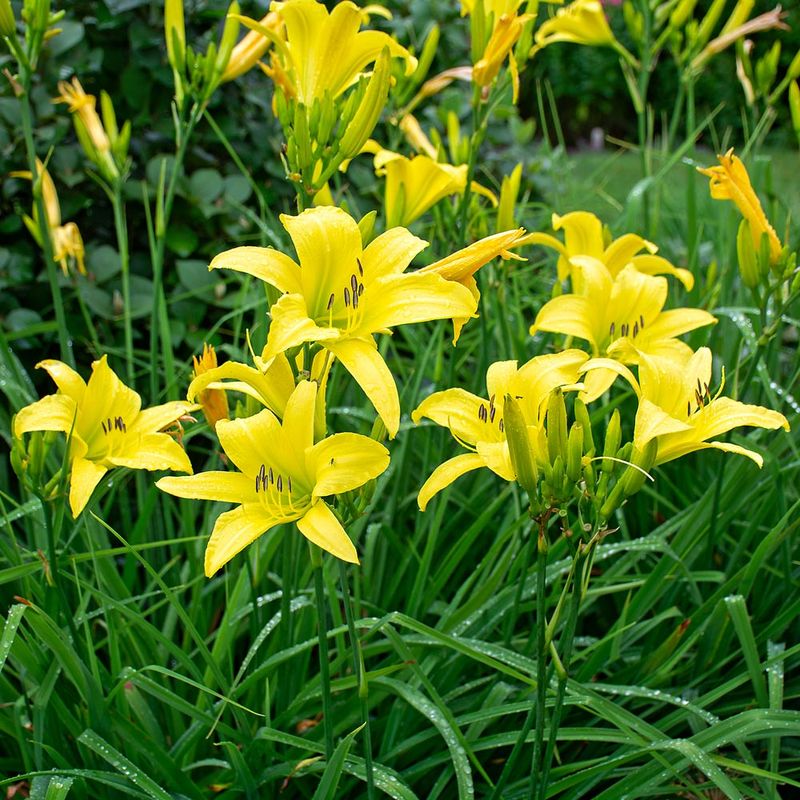
Daylilies rank among Pennsylvania’s most popular perennials for excellent reasons beyond their gorgeous blooms. These reliable performers handle the state’s cold winters and humid summers without complaint, returning larger and more floriferous each year with minimal intervention.
Yellow varieties range from pale butter tones to deep golden hues, with some featuring ruffled edges, bicolor patterns, or contrasting throats that add extra visual interest to the already stunning flowers.
Hemerocallis adapts to Pennsylvania’s diverse soil conditions better than almost any other perennial, growing successfully in everything from heavy clay to sandy loam. They tolerate both full sun and partial shade, though flowering is heaviest with at least six hours of direct sunlight daily.
Individual flowers last just one day, but each stem produces multiple buds that open sequentially, extending the bloom period for weeks.
Modern Daylily cultivars offer bloom times from late May through September, allowing Pennsylvania gardeners to select varieties that provide color throughout the entire growing season.
The plants form attractive clumps of arching, grass-like foliage that remains neat and green all summer, providing structure even when flowers aren’t present.
Heights range from compact twelve-inch varieties perfect for edging to tall three-foot selections ideal for background placements.
Established Daylilies handle Pennsylvania’s occasional droughts without supplemental watering, though regular moisture during bloom time produces more flowers. They’re virtually pest and disease-free, and deer usually avoid them, which makes them incredibly valuable in suburban and rural areas.
Dividing overcrowded clumps every four to five years keeps plants vigorous and provides extras to expand your collection or share with friends.
Combine yellow Daylilies with purple coneflowers, blue salvias, and burgundy foliage plants for striking color combinations that work beautifully in Pennsylvania gardens from Erie to the Delaware Valley.
7. Threadleaf Coreopsis
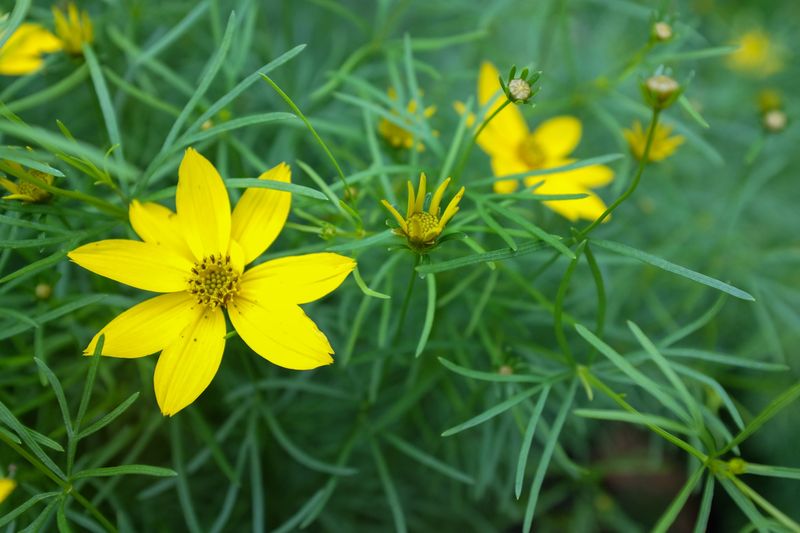
Threadleaf Coreopsis brings a completely different texture to Pennsylvania gardens compared to its broader-leaved cousins. The ultra-fine, needle-like foliage creates a soft, almost feathery appearance that contrasts beautifully with bolder-leaved perennials in mixed borders.
Golden-yellow flowers cover the mounded plants so densely from early summer through fall that the foliage nearly disappears beneath the floral display, creating spectacular masses of color.
Coreopsis verticillata handles Pennsylvania’s climate extremes with impressive resilience, surviving zone 5 winters without protection and bouncing back vigorously each spring. The plants thrive in full sun and well-drained soil, actually preferring lean conditions over rich, heavily fertilized beds.
This preference makes Threadleaf Coreopsis perfect for sustainable, low-input gardens that conserve resources while still delivering outstanding beauty.
Most varieties stay compact at twelve to twenty inches tall, creating neat, rounded mounds that maintain their shape throughout the season without flopping or requiring staking. The fine-textured foliage provides interest even before flowers appear and remains attractive after blooms fade.
Threadleaf Coreopsis is exceptionally drought-tolerant once established, making it ideal for water-wise landscapes and those challenging dry spots under eaves or near foundations.
Pennsylvania gardeners love how Threadleaf Coreopsis requires virtually zero maintenance beyond an occasional trim to remove spent flowers if desired.
The plants don’t need dividing as frequently as many perennials, often going five years or more before clumps become overcrowded.
Butterflies and bees visit the flowers constantly during bloom time, supporting pollinator populations throughout the state. The fine texture works beautifully softening the edges of stone walls, pathways, and hardscaping elements common in Pennsylvania landscapes.
Pair it with spiky salvias, rounded sedums, and ornamental grasses for textural variety that keeps gardens interesting beyond just color combinations.