7 Things You Should Do For Your Indoor Plants Before February Ends In Massachusetts
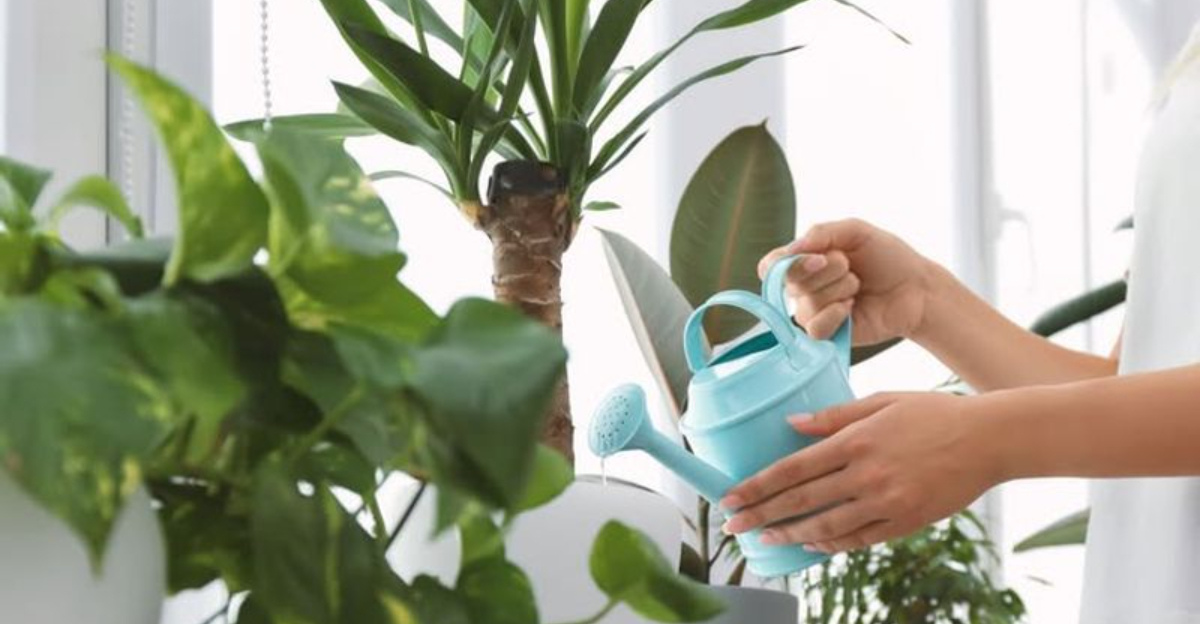
Indoor plants bring life, color, and freshness to Massachusetts homes, but keeping them healthy takes a little seasonal care. February may feel quiet, but it’s actually the perfect time to give your plants some attention before spring arrives.
A little prep now pays off big later. From checking soil moisture to cleaning leaves and inspecting for pests, these simple steps help your plants thrive indoors.
Healthy plants mean a happier, greener home. Even small adjustments, like adjusting light exposure or repotting root-bound plants, can make a huge difference in growth and vitality.
Your indoor garden can flourish with minimal effort. With proper care before February ends, you’ll set your plants up for a strong, vibrant spring. Don’t let your greenery miss out on a fresh start.
1. Check For Root-Bound Plants And Repot If Needed
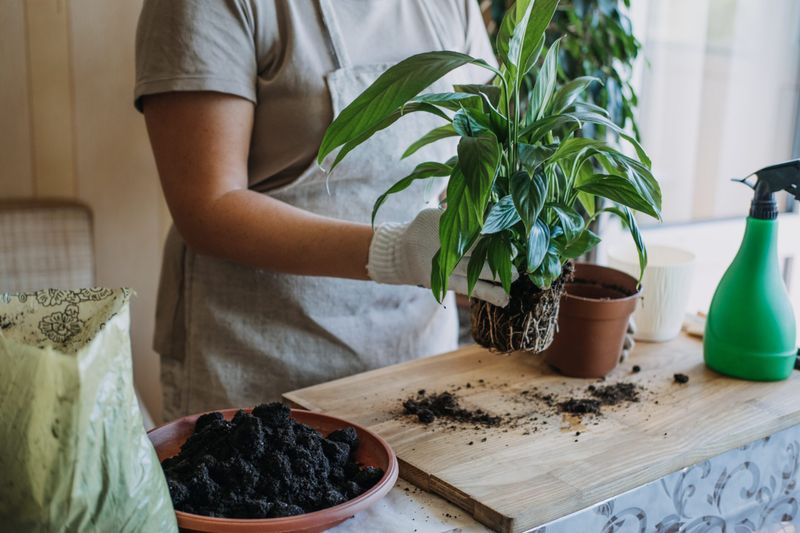
Your plants might be secretly struggling in pots that have become too small for their root systems. When roots run out of space, they start circling around the inside of the pot, creating a tangled mess that prevents proper water and nutrient absorption.
Before February ends in Massachusetts, take a few minutes to inspect your plants for signs they need more room to grow.
Gently remove your plant from its pot and look at the roots. If you see a thick mat of roots circling the bottom or sides, your plant is root-bound and needs a larger home.
Other warning signs include water running straight through the pot without being absorbed, wilting despite regular watering, or stunted growth even during growing season.
Choose a new pot that is about two inches wider than the current one. Make sure it has drainage holes to prevent water from pooling at the bottom.
Fresh potting soil is essential because it provides nutrients and better structure than the old, compacted soil.
Late winter is actually a great time for repotting because plants are about to enter their active growing phase as spring approaches. This gives them time to establish their roots in the new container before they start putting energy into leaves and stems.
Massachusetts houseplant owners who repot now will notice healthier, more vigorous growth when the days get longer and warmer in March and April.
2. Increase Humidity Around Your Tropical Plants
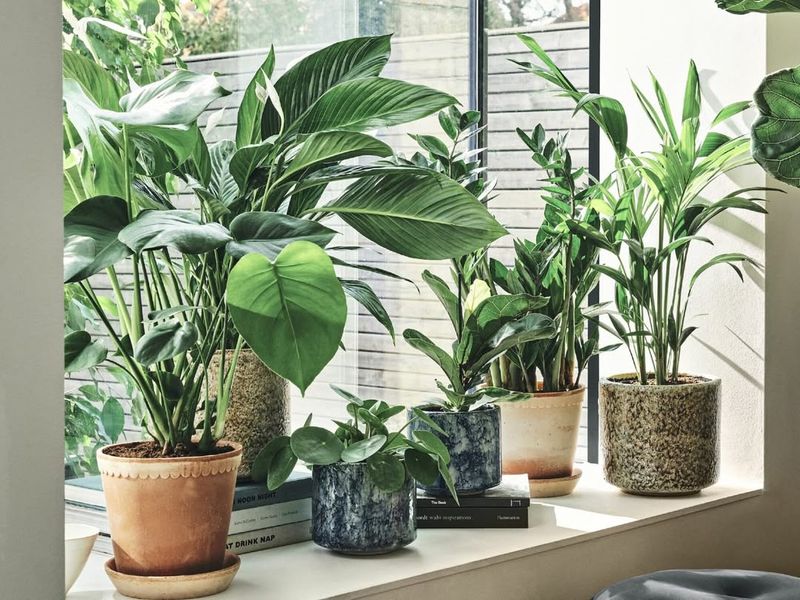
Massachusetts winters are notorious for creating desert-like conditions inside our homes. Heating systems blast warm air that strips moisture from the environment, leaving humidity levels dangerously low for many popular houseplants.
Tropical varieties like ferns, calatheas, and orchids originally come from rainforests where humidity stays high year-round, so they really struggle in dry New England homes during February.
Low humidity causes brown leaf tips, crispy edges, and leaves that curl inward to conserve moisture. You might also notice your plants dropping leaves or developing spider mite infestations, which thrive in dry conditions.
Before the month ends, set up some simple humidity-boosting strategies to help your plants breathe easier.
Group your plants together to create a microclimate where they share moisture through transpiration. Place pots on trays filled with pebbles and water, making sure the pot bottoms sit above the waterline.
Your Massachusetts Garden Changes Every Week. Your Plan Should Too.
Gardening in Massachusetts changes quickly throughout the season. Every Friday you’ll receive a simple weekly plan showing exactly what to plant, prune, fertilize, harvest, and protect so you never miss the right timing.
As the water evaporates, it increases humidity around the leaves without making the roots soggy.
A small humidifier near your plant collection works wonders, especially in Massachusetts where indoor air gets extremely dry. Run it for several hours daily, aiming for humidity levels between 40 and 60 percent.
Misting can provide temporary relief, but it does not raise humidity for very long and can encourage fungal problems if done excessively. Focus on consistent, long-term humidity solutions that will carry your plants through the rest of winter and into spring.
3. Clean Dust Off Leaves To Improve Photosynthesis
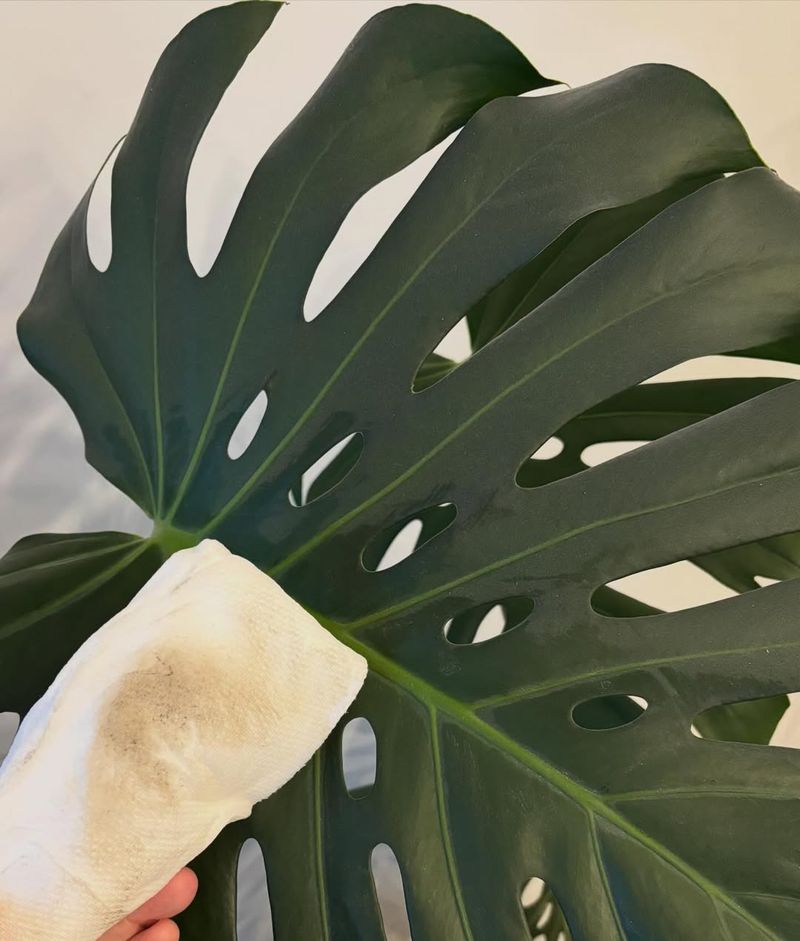
Dust accumulates on plant leaves faster than you might realize, especially during Massachusetts winters when homes stay closed up tight.
That thin layer of dust might not seem like a big deal, but it actually blocks sunlight and prevents your plants from making food efficiently through photosynthesis.
February is the perfect time to give your houseplants a gentle bath before they ramp up growth in spring.
Plants with large, smooth leaves like rubber trees, fiddle leaf figs, and monsteras collect dust like magnets. The coating blocks light from reaching the chlorophyll inside the leaves, which means less energy production for the plant.
Dusty leaves also have trouble breathing through their tiny pores called stomata, which affects how well they can absorb carbon dioxide and release oxygen.
For plants with sturdy leaves, simply wipe each leaf gently with a damp, soft cloth. Support the leaf from underneath while you clean the top surface to avoid tearing or bending.
You can also take smaller plants to the sink or shower and rinse them with lukewarm water, letting the spray wash away accumulated grime.
Plants with fuzzy or delicate leaves need a different approach. Use a soft brush to gently sweep away dust without damaging the leaf surface.
Regular cleaning not only helps your plants work more efficiently but also lets you inspect for pests hiding under leaves. Massachusetts plant owners who clean their plants now will notice brighter, healthier foliage as sunlight hours increase through March.
4. Adjust Your Watering Schedule For Late Winter
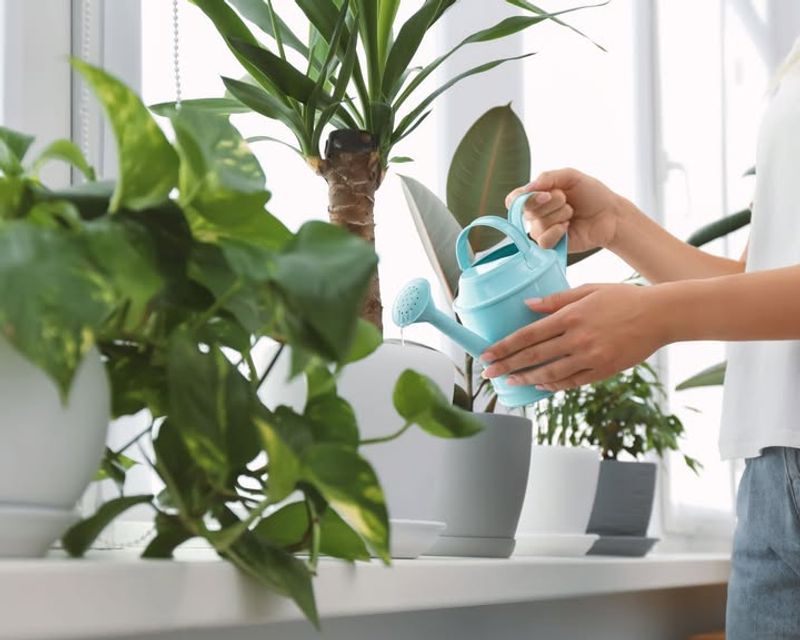
Watering mistakes cause more houseplant problems than almost any other care issue, and late winter in Massachusetts requires special attention to how much water your plants actually need.
Many plant parents continue their summer watering routine straight through winter, not realizing that plants use much less water when growth slows down.
Before February ends, reassess your watering habits to match what your plants need right now.
During winter, most houseplants enter a semi-dormant state where they grow very slowly or not at all. Shorter days and lower light levels mean they perform less photosynthesis and need less water to support their reduced activity.
Overwatering during this period leads to soggy soil, root rot, and weak plants that struggle when spring arrives.
Check soil moisture before watering by sticking your finger about two inches deep into the potting mix. If it feels dry at that depth, water thoroughly until liquid drains from the bottom holes.
If it still feels damp, wait a few more days and check again. Different plants have different needs, so learn the preferences of each variety in your collection.
As February transitions into March, you will notice your plants starting to wake up. New growth might appear, and soil will dry out faster as daylight increases.
Gradually increase watering frequency to match this renewed activity. Massachusetts houseplant owners should pay close attention during this transition period, adjusting their care routine as plants shift from winter rest mode into spring growth mode for healthier, more resilient indoor gardens.
5. Rotate Plants For Even Growth And Balanced Shape
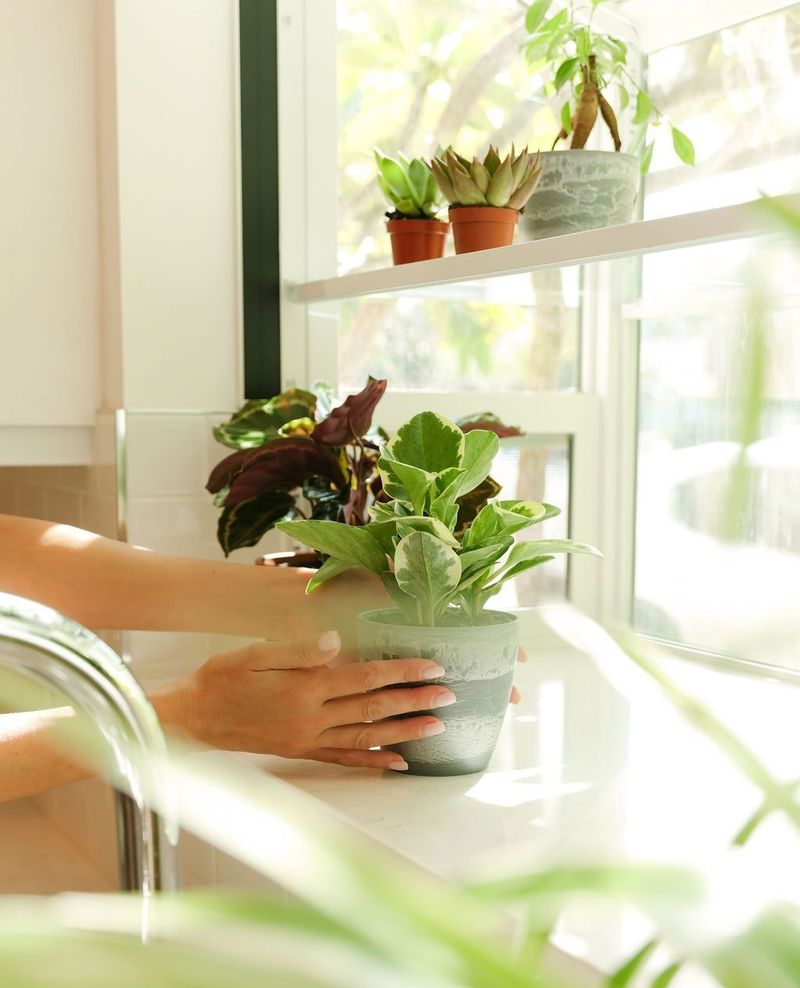
Have you noticed your houseplants leaning dramatically toward the window? Plants naturally grow toward their light source, which creates lopsided, unbalanced shapes if you never turn them.
Massachusetts homes during winter often have limited natural light coming from just one or two directions, making this problem even more noticeable. Taking time to rotate your plants before February ends will encourage more symmetrical, attractive growth.
Phototropism is the scientific name for this light-seeking behavior. Plant hormones called auxins accumulate on the shaded side of stems, causing those cells to grow longer and bend the plant toward brighter areas.
While this helps plants survive in nature, it creates awkward, one-sided growth patterns in your home where light comes consistently from the same window.
Give each plant a quarter turn every week or two so all sides receive equal light exposure. Mark the pot with a piece of tape or a marker to help you remember which way to turn it next time.
Plants near south-facing windows in Massachusetts need rotation more often because they receive the strongest directional light, while those in lower-light areas might only need turning once a month.
Rotating also helps you spot problems early. As you turn each plant, inspect the undersides of leaves for pests, check stems for soft spots, and look for any signs of stress.
This simple habit takes just a few minutes but makes a noticeable difference in plant appearance.
Balanced, evenly-grown plants look healthier and more attractive while also developing stronger, more stable structures that support better growth when spring arrives in Massachusetts.
6. Inspect Carefully For Pests And Treat Immediately
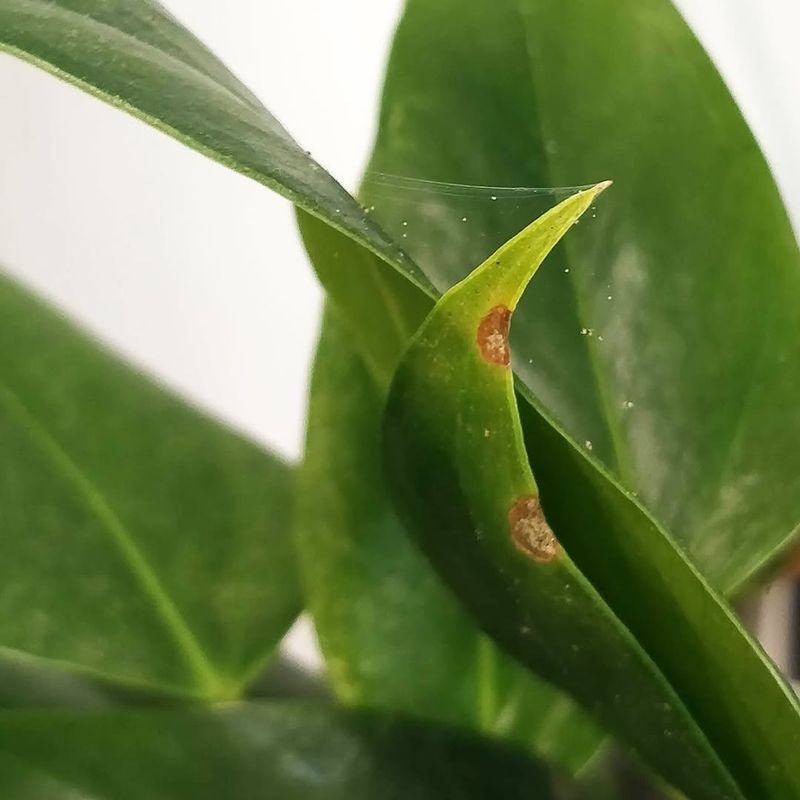
Winter brings unwanted houseguests in the form of tiny pests that love the warm, dry conditions inside Massachusetts homes. Spider mites, mealybugs, scale insects, and fungus gnats can multiply quickly on stressed plants, causing serious damage if left unchecked.
Before February wraps up, conduct a thorough inspection of every plant in your collection to catch infestations early when they are easier to control.
Look closely at leaf undersides, stem joints, and soil surfaces where pests like to hide. Spider mites leave fine webbing and cause stippled, yellowing leaves.
Mealybugs appear as white, cottony clusters in leaf axils and along stems. Scale insects look like small brown or tan bumps stuck to stems and leaves.
Fungus gnats are tiny black flies that hover around soil and indicate overly moist conditions.
Isolate any infested plants immediately to prevent pests from spreading to healthy neighbors. For minor infestations, wipe leaves with a cloth dipped in soapy water or spray with a mixture of water and a few drops of dish soap.
Neem oil works well for many pest types and is safe for indoor use when applied according to directions.
Treat infested plants several times over a few weeks because pest eggs can survive initial treatments and hatch later. Improve growing conditions by increasing humidity for spider mites and reducing watering for fungus gnats.
Massachusetts plant owners who address pest problems now will prevent major headaches later. Healthy, pest-free plants are better prepared to take advantage of increasing spring light and start growing vigorously when warmer weather finally arrives.
7. Prune Damaged Growth To Encourage New Shoots
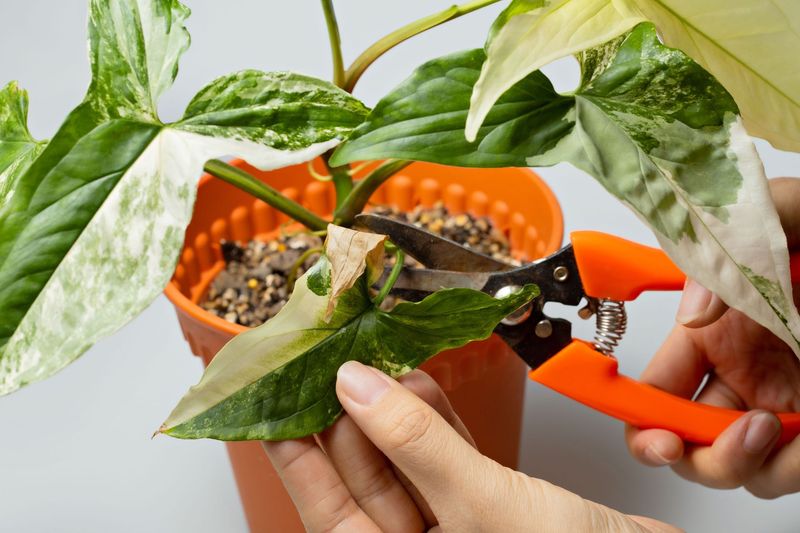
Late winter is prime time for pruning your houseplants before they burst into active growth this spring. Dry, damaged, or yellowing leaves drain energy from your plants without providing any benefit in return.
Removing this tired growth before February ends allows your plants to redirect their resources into producing fresh, healthy foliage when conditions improve in Massachusetts over the coming months.
Grab a pair of clean, sharp scissors or pruning shears and examine each plant carefully. Cut off any leaves that have turned completely yellow or brown, making your cuts close to the main stem without leaving stubs.
Remove stems that look shriveled, broken, or diseased. Leggy stems that have grown long and sparse can be trimmed back to encourage bushier, more compact growth.
Pruning stimulates plants to produce new growth from dormant buds along the stems. When you remove the growing tip of a stem, hormones redistribute throughout the plant and activate these sleeping buds, resulting in fuller, more attractive plants.
This is especially helpful for plants that have become sparse or stretched out during the dark Massachusetts winter months.
Always use clean tools to prevent spreading diseases between plants. Wipe your shears with rubbing alcohol between cuts if you are pruning multiple plants.
Avoid removing more than about one-third of the total plant material at once, which could stress your plant too much.
Most houseplants respond beautifully to late winter pruning, emerging with renewed vigor and lush new growth as spring daylight increases and temperatures warm up across Massachusetts in the weeks ahead.