Start These 11 Easy Flowers In February For Beautiful Oregon Gardens
February might still feel like winter in Oregon, but it’s actually the perfect time to start certain flowers indoors or in protected spots.
Getting a head start now means your garden will be full of color, life, and blooms when spring arrives, giving you a cheerful and vibrant yard after the gray winter months.
Even if you’re new to gardening, starting flowers early is surprisingly easy. With just a little planning, some containers, and the right seeds, you can grow healthy seedlings that will flourish once they’re transplanted outdoors.
These early blooms not only add beauty to your garden but also give pollinators an early source of nectar.
Some flowers are especially well-suited for February sowing in Oregon. They tolerate cooler temperatures and can be nurtured indoors or in sheltered areas until the weather warms up.
By choosing the right varieties, you’ll save time later in the season and enjoy a more continuous display of color throughout spring and summer.
Let’s explore eleven easy flowers to start this February that will thrive in Oregon gardens. With these picks, you can give your garden a bright, early boost and set yourself up for a season full of beautiful blooms and thriving plants.
1. Pansies
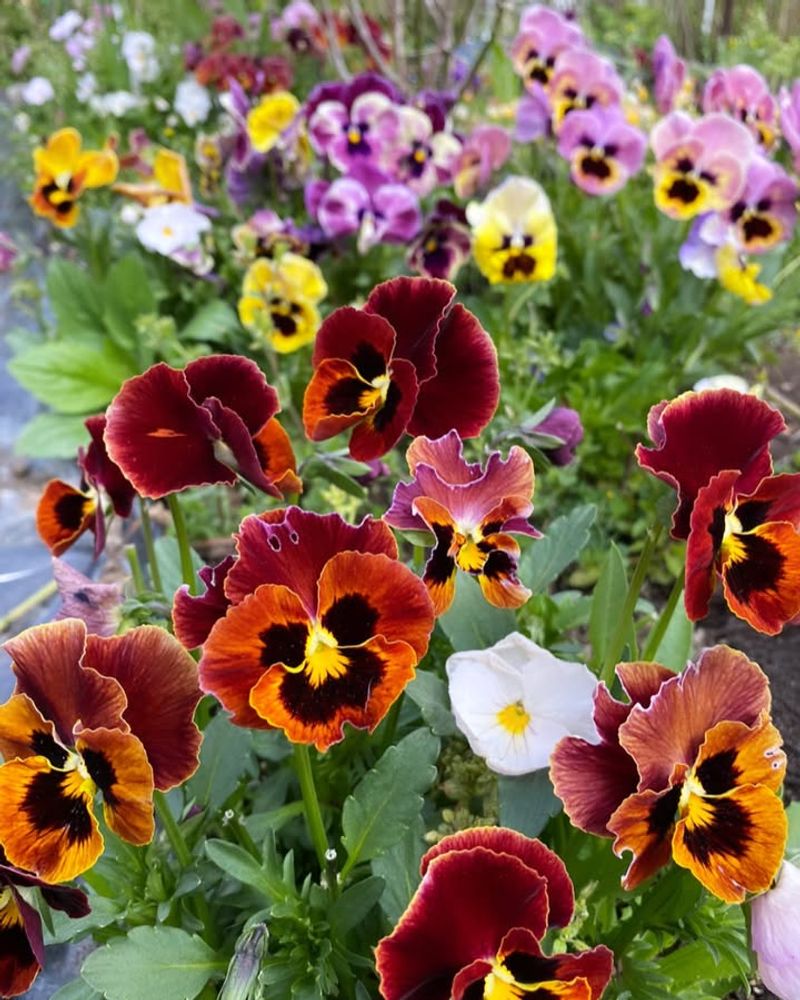
When you glance out your window in mid-February and see those first bright rays warming the porch, it’s the perfect signal to start one of Oregon’s most beloved cool-season bloomers.
Pansies absolutely thrive in our mild late-winter climate, and starting them now gives you weeks of cheerful faces nodding in garden beds by early April.
You can sow seeds indoors under grow lights or even direct-sow into protected cold frames if you have one.
Beginners love pansies because they germinate quickly, usually within a week, and tolerate our unpredictable spring frosts without flinching. Their compact growth makes them ideal for containers, window boxes, or front-of-border plantings where you need reliable color.
You’ll see blooms in shades of purple, yellow, orange, and white, often with those signature dark blotches that make each flower look like it’s smiling back at you.
Because pansies prefer cooler temperatures, February is actually better than waiting until March or April when indoor spaces can get too warm.
Keep your seedlings in a bright, cool spot, around sixty to sixty-five degrees, and they’ll develop sturdy stems and abundant buds.
Harden them off gradually once daytime temperatures stay above freezing, and you’ll have garden-ready plants that keep blooming well into early summer, long after other spring flowers have faded away.
2. Violas
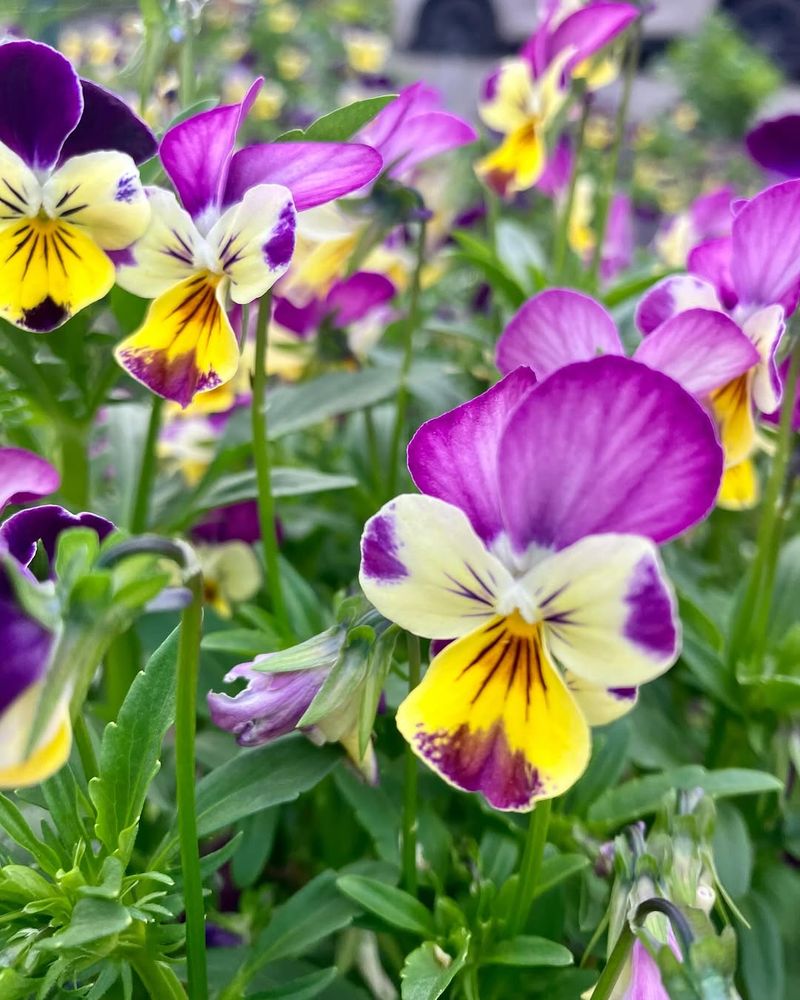
Picture yourself opening a packet of tiny seeds on a rainy February afternoon, spreading them across damp seed-starting mix, and knowing you’re about to grow one of the toughest little flowers in the Pacific Northwest.
Violas are like pansies’ smaller, scrappier cousins, compact, prolific, and incredibly cold-hardy.
Starting them indoors now means you’ll have trays full of seedlings ready to transplant outdoors by late March, well before most annuals can handle our unpredictable weather.
Your Oregon Garden Changes Every Week. Your Plan Should Too.
Gardening in Oregon changes quickly throughout the season. Every Friday you’ll receive a simple weekly plan showing exactly what to plant, prune, fertilize, harvest, and protect so you never miss the right timing.
These flowers are fantastic for beginners because they forgive almost every mistake. Too much water?
They bounce back. A late frost?
They shrug it off. Violas bloom in waves of purple, blue, yellow, and bicolor combinations, creating a carpet of color that works beautifully in rock gardens, containers, or tucked between spring bulbs.
February is ideal because violas need about eight to ten weeks from seed to bloom, and cooler germination temperatures, around sixty degrees, help them develop strong roots.
Place your seed trays near a bright window or under fluorescent lights, keep the soil lightly moist, and watch for sprouts in seven to fourteen days.
Once they’re a few inches tall, harden them off slowly and plant them out. They’ll reward you with months of cheerful blooms that keep going even when summer heat arrives, especially if you deadhead regularly and mulch around their roots.
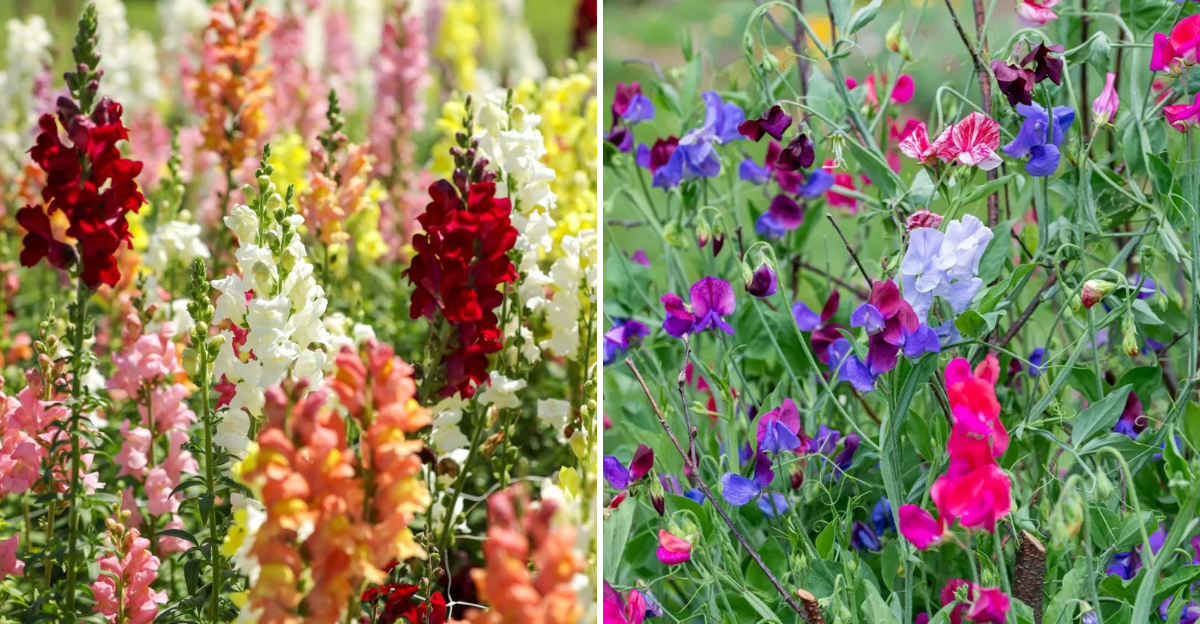
3. Snapdragons
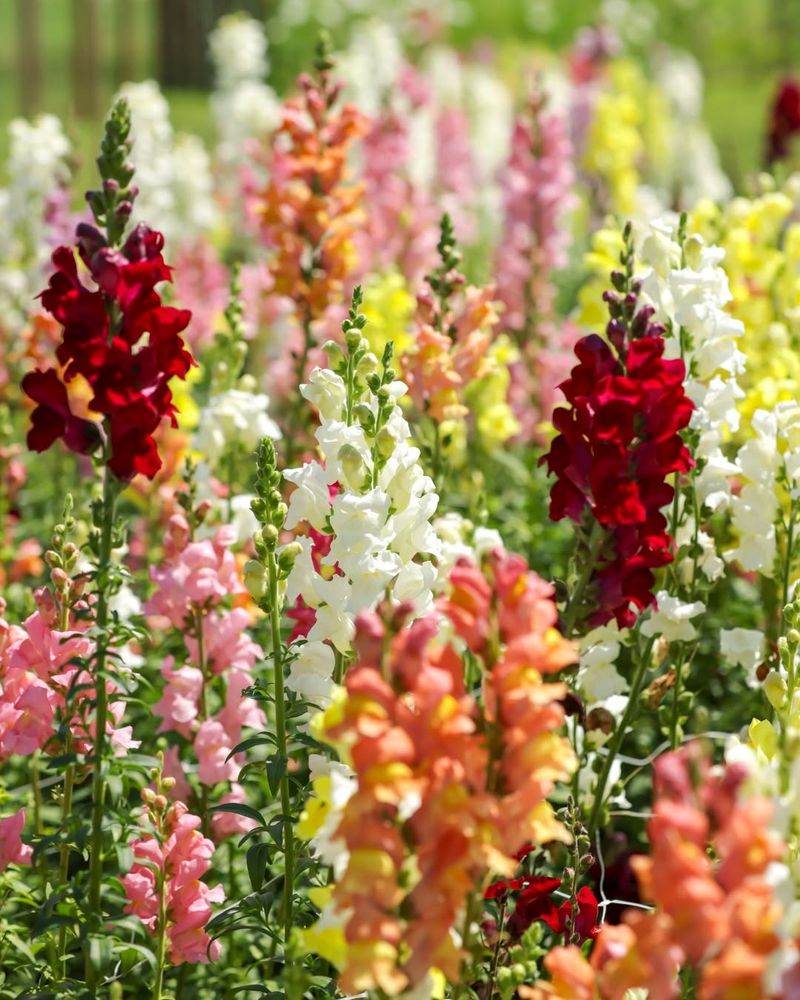
There’s something magical about squeezing the sides of a snapdragon bloom and watching its little dragon mouth open and close, a trick that delights kids and adults alike.
Starting these vertical beauties in February gives them the cool, steady growth period they need to develop tall, sturdy spikes loaded with flowers.
Snapdragons are surprisingly cold-tolerant once established, but they need a head start indoors to reach their full potential in Oregon gardens.
Sow seeds on the surface of moist soil mix and don’t cover them, they need light to germinate. Keep trays in a bright, cool spot, ideally around sixty-five degrees, and you’ll see tiny green sprouts in ten to fourteen days.
Snapdragons grow slowly at first, so patience pays off. By the time you’re ready to transplant in late March or early April, you’ll have sturdy little plants with deep roots ready to shoot up into those iconic flower spires.
Beginners appreciate snapdragons because they’re forgiving and versatile. Plant them in borders, cottage gardens, or cutting beds, they make fantastic fresh bouquets that last over a week in a vase.
Choose from dwarf varieties for containers or tall types that reach two feet or more. They bloom in nearly every color except true blue, and they keep producing flowers well into summer if you deadhead spent blooms.
Starting them now means you’ll enjoy that classic snapdragon charm weeks earlier than gardeners who wait until spring garden centers open.
4. Calendula
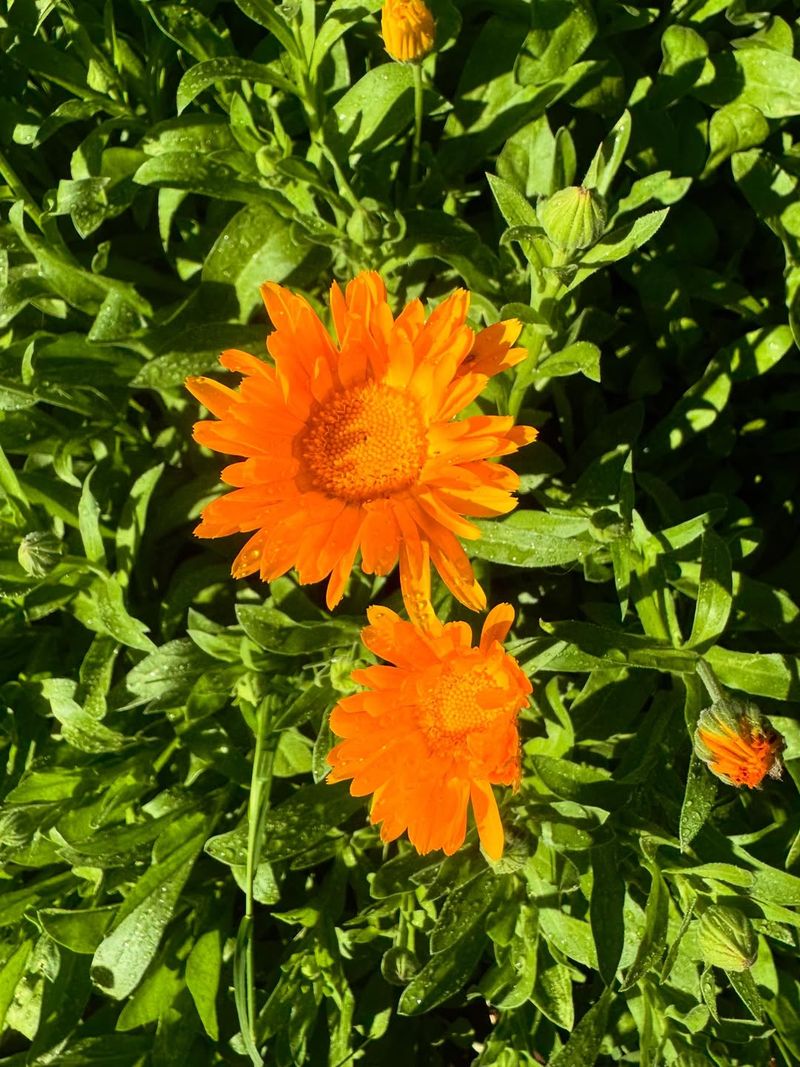
If you’re looking for a flower that practically plants itself and rewards you with bright, cheerful blooms all season long, calendula is your answer.
These sunny orange and yellow flowers are incredibly easy to start in February, either indoors in seed trays or directly in the garden if you have a protected spot.
Calendula seeds are large, easy to handle, and germinate quickly, usually within a week, making them perfect for first-time seed starters.
Calendula thrives in Oregon’s cool spring weather and actually prefers it over hot summer conditions. Starting seeds now means you’ll have blooming plants by late April, and they’ll keep flowering steadily through June and beyond.
The blooms are not only beautiful but also edible, petals add a peppery, slightly tangy flavor to salads and look gorgeous scattered over soups or baked goods.
These flowers are tough, low-maintenance, and rarely bothered by pests or diseases. They grow quickly into bushy plants about twelve to eighteen inches tall, perfect for borders, vegetable gardens, or containers.
Deadhead spent blooms regularly to encourage more flowers, or let a few go to seed and you’ll have volunteers popping up year after year.
February is the ideal time to start calendula because it gives plants a long, cool growing season to develop deep roots and abundant buds.
Whether you’re growing them for cutting, cooking, or simply enjoying their sunny presence in the garden, calendula delivers reliable beauty with zero fuss.
5. Sweet Peas
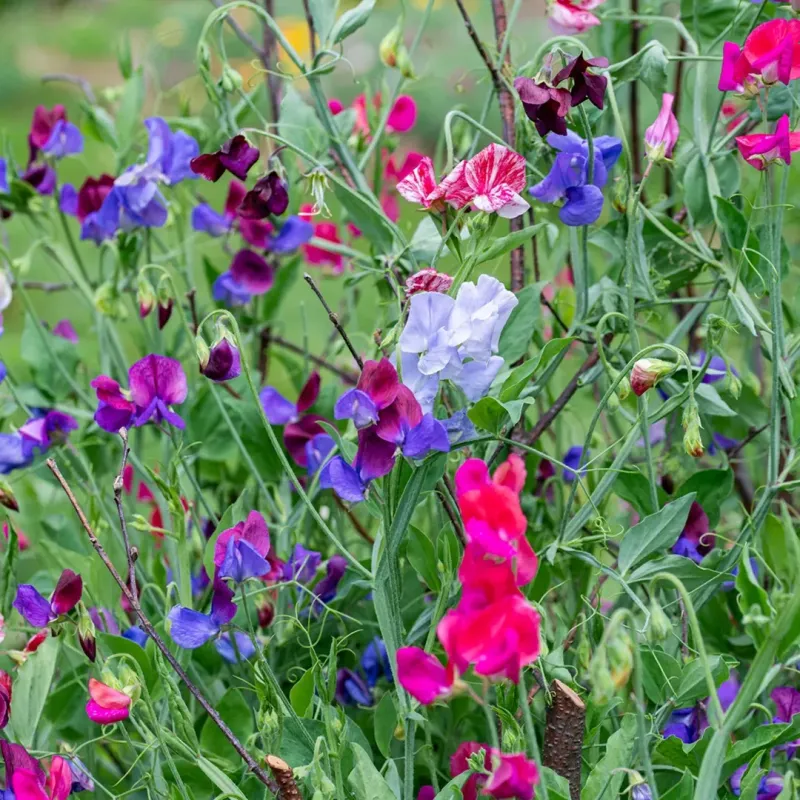
Few flowers capture the essence of an Oregon spring garden quite like sweet peas, those fragrant, ruffled climbers that seem to embody everything lovely about the season.
February is absolutely the best time to start sweet pea seeds, either indoors in deep pots or directly outdoors using the winter sowing method.
These flowers need cool soil and cool air to germinate and grow strong, and waiting until March or April often means weaker plants and fewer blooms.
Soak seeds overnight before planting to speed up germination, then sow them about an inch deep in rich, well-draining soil. Sweet peas develop long taproots, so use deep containers or plant directly where they’ll grow.
They’ll sprout in ten to fourteen days and grow steadily through late winter and early spring, developing sturdy vines that need support from trellises, fences, or teepees.
Sweet peas are beloved for their intoxicating fragrance and their incredible range of colors, pastels, jewel tones, and bicolors that look like watercolor paintings.
They bloom prolifically in late spring and early summer, and the more you cut them for bouquets, the more flowers they produce.
Beginners sometimes shy away from sweet peas, thinking they’re fussy, but they’re actually quite forgiving if you give them cool conditions and regular water.
Starting them in February means you’ll have vigorous, blooming vines by May, filling your garden and your home with that unforgettable sweet pea perfume that makes Oregon springs truly special.
6. Larkspur
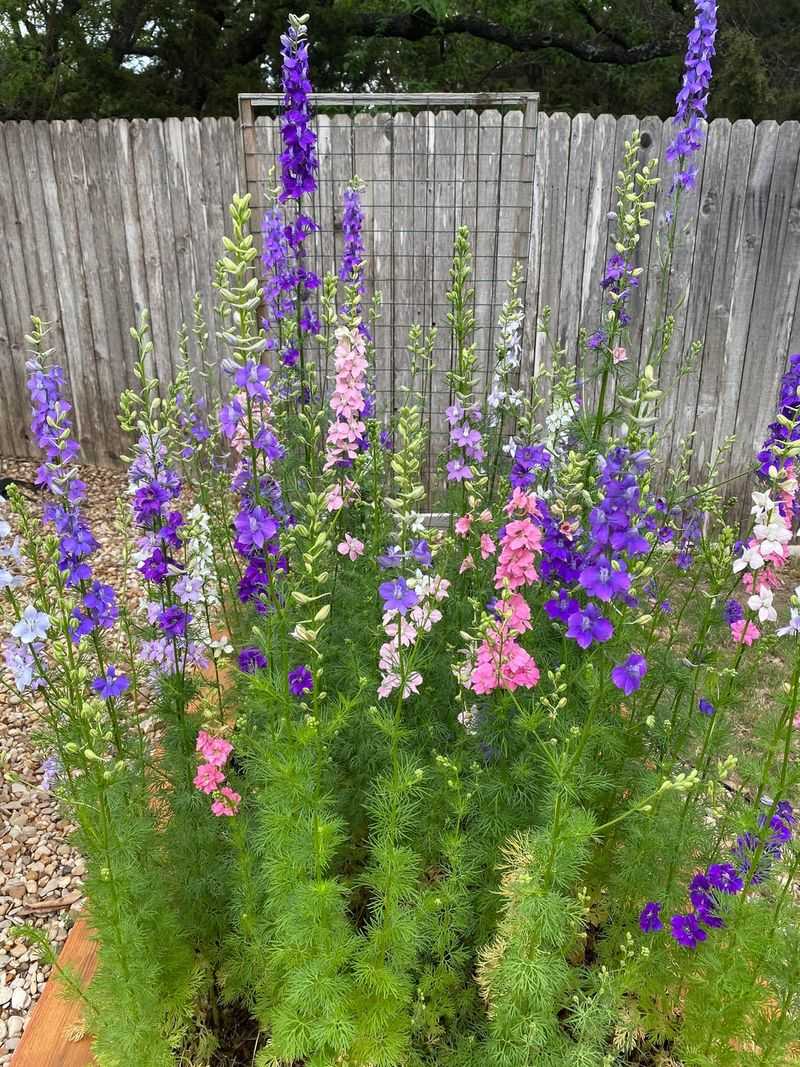
Imagine tall spires of delicate blue, pink, and white flowers swaying in your garden by late spring, that’s the magic of larkspur, and February is your window to make it happen.
Larkspur is a cool-season annual that actually prefers to be sown in late winter, and it’s one of those flowers that does best when you sow seeds directly outdoors or use winter sowing containers.
It doesn’t transplant well once roots are established, so starting it now in place gives it the best chance to thrive.
Scatter seeds over prepared garden beds or into milk jug winter sowing containers, press them lightly into the soil, and let nature do the rest. Larkspur seeds need a period of cold, moist conditions to germinate, which is exactly what February in Oregon provides.
You’ll see sprouts emerging in early spring, and by May, you’ll have tall, elegant flower spikes that rival delphiniums in beauty but are far easier to grow.
Larkspur is perfect for cottage gardens, cutting gardens, and anywhere you want vertical interest without a lot of fuss. The flowers attract pollinators and make stunning, long-lasting cut flowers.
They’re also self-sowing, so once you establish them, you’ll likely have volunteers returning year after year.
Starting larkspur in February takes advantage of Oregon’s natural climate cycle, giving these beautiful blooms the cool start they need to develop strong roots and abundant flowers that will make your garden look like something out of a storybook.
7. Alyssum
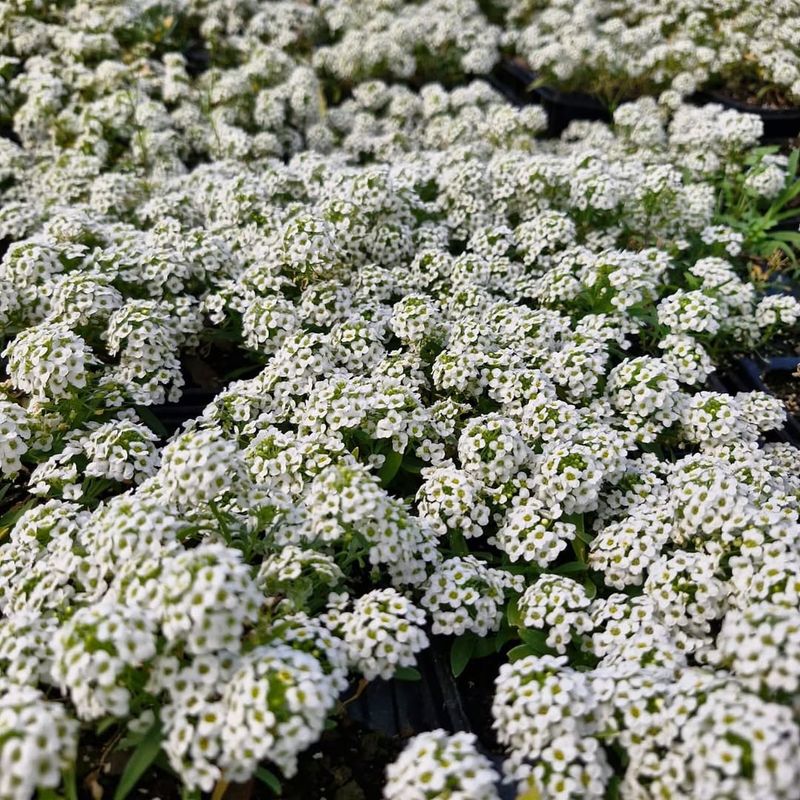
When you’re craving a flower that spills over container edges, fills in gaps between stepping stones, or creates a fragrant carpet along garden borders, alyssum is your go-to.
Starting these tiny-flowered charmers in February gives them a head start that results in earlier blooms and longer-lasting color.
Alyssum seeds are incredibly small, almost like dust, but they germinate quickly and grow into tough little plants that handle Oregon’s spring weather with ease.
Sow seeds indoors in late February by sprinkling them over moist seed-starting mix and gently pressing them in, don’t cover them, as they need light to germinate. Keep trays in a bright, cool spot, and you’ll see sprouts in just five to seven days.
Alyssum grows fast, so by the time you’re ready to plant outdoors in late March or early April, you’ll have compact, bushy seedlings ready to fill every nook and cranny of your garden.
Alyssum blooms in shades of white, pink, and purple, and its honey-sweet fragrance attracts beneficial insects like hoverflies and lacewings. It’s incredibly low-maintenance, tolerates light frost, and keeps blooming from spring through fall if you trim it back occasionally.
Use it as a ground cover, edging plant, or filler in mixed containers.
Starting alyssum in February means you’ll have clouds of fragrant blooms by mid-spring, creating that soft, romantic look that makes Oregon gardens so inviting and ensuring your beds and borders look finished and full all season long.
8. Petunias
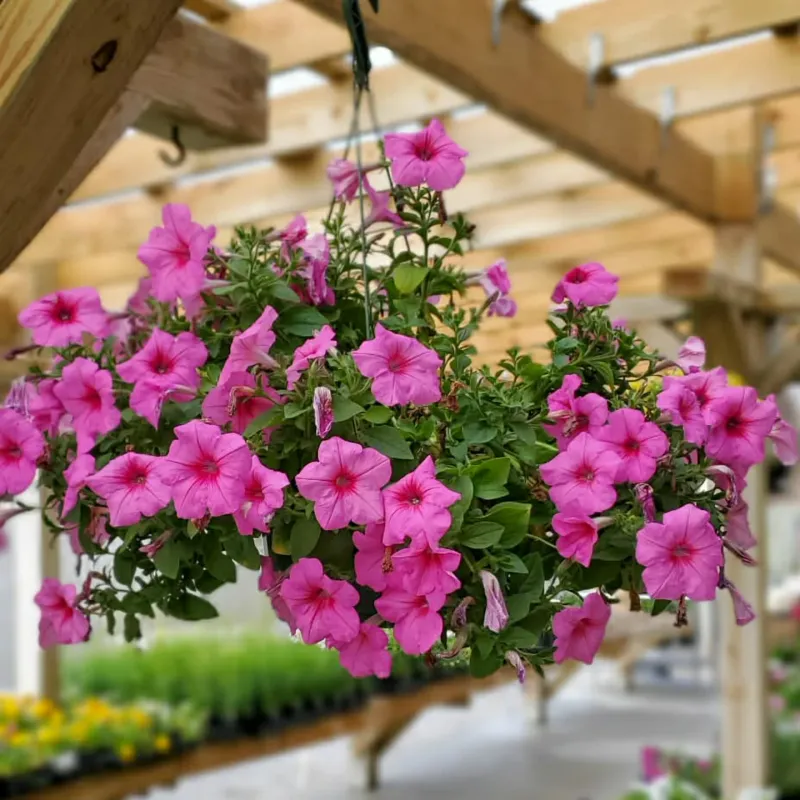
Few flowers deliver the kind of nonstop color that petunias do, and starting them from seed in February is your ticket to containers and hanging baskets overflowing with blooms all summer long.
Petunias take a bit longer to reach flowering size than some other annuals, about ten to twelve weeks, so February is the perfect time to sow seeds indoors.
They need warmth and light to germinate, so place trays in a bright, warm spot or under grow lights.
Petunia seeds are tiny, almost microscopic, and many varieties come pelleted to make them easier to handle. Sprinkle them on the surface of moist seed-starting mix, mist lightly, and cover trays with plastic to maintain humidity.
They’ll germinate in seven to ten days, and once they sprout, they grow steadily into bushy little plants. Keep them well-fed with diluted fertilizer and pinch back growing tips to encourage branching.
Petunias are incredibly versatile, they work beautifully in containers, hanging baskets, window boxes, and garden beds.
They bloom in nearly every color imaginable, from soft pastels to bold, vibrant hues, and many varieties are fragrant, especially in the evening.
They love full sun and regular water, and they’ll reward you with waves of flowers from late spring through the first frost.
Starting petunias in February gives them the long growing season they need to develop strong roots and abundant blooms, ensuring your Oregon garden is filled with that classic, cheerful petunia color all summer long.
9. Lobelia
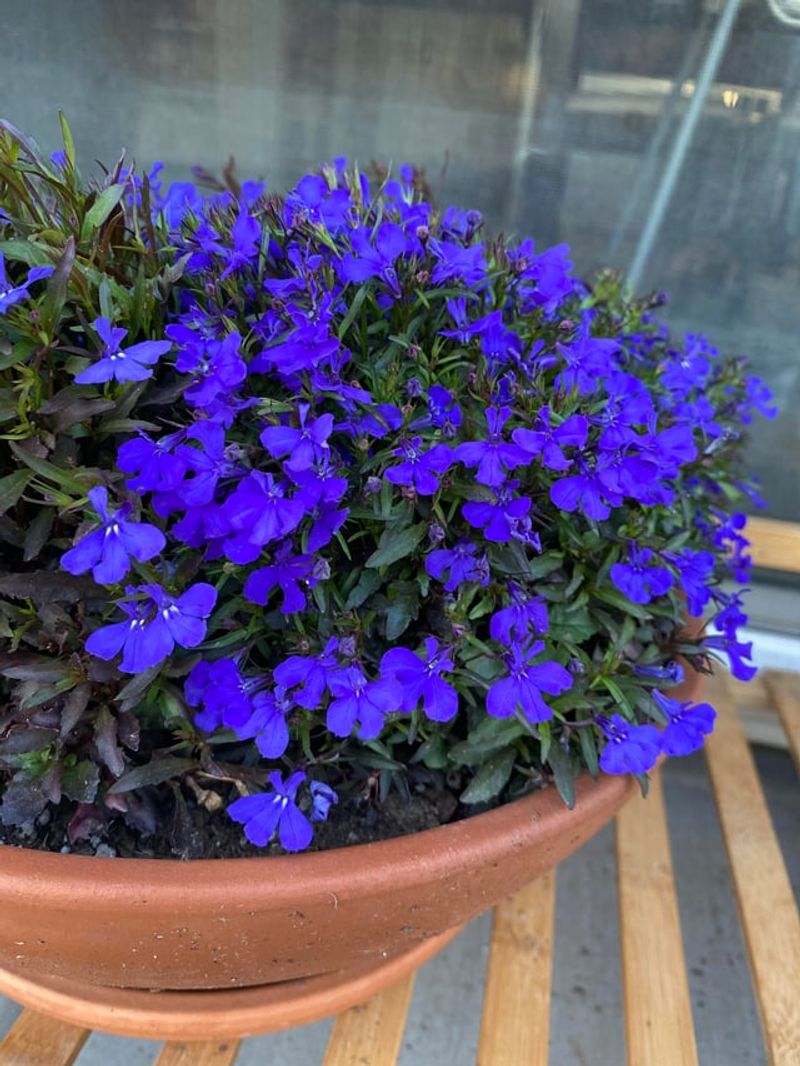
If you’ve ever admired those cascading waterfalls of electric blue flowers spilling from hanging baskets or container edges, you’ve seen lobelia at its finest.
Starting lobelia seeds in February gives these delicate beauties the time they need to develop into full, blooming plants by late spring.
Lobelia seeds are incredibly tiny, even smaller than alyssum, but they germinate reliably and grow into compact, mounding or trailing plants that bloom prolifically in cool weather.
Sow seeds indoors by sprinkling them over the surface of moist seed-starting mix and misting gently, don’t cover them, as they need light to sprout. Keep trays in a bright, moderately warm spot, and you’ll see tiny green seedlings in ten to fourteen days.
Lobelia grows slowly at first, so starting in February ensures you have strong, well-established plants ready to go outdoors when the weather warms.
Lobelia blooms in shades of blue, purple, white, and pink, and it’s perfect for containers, hanging baskets, and front-of-border plantings where you want a soft, billowing effect.
It prefers cooler temperatures and consistent moisture, making it ideal for Oregon’s spring and early summer climate.
Lobelia pairs beautifully with other cool-season annuals like alyssum and violas, creating layered, colorful displays.
Starting seeds now means you’ll have lush, blooming plants by May, adding that touch of delicate, vibrant color that makes your garden feel polished and complete all season long.
10. Dianthus
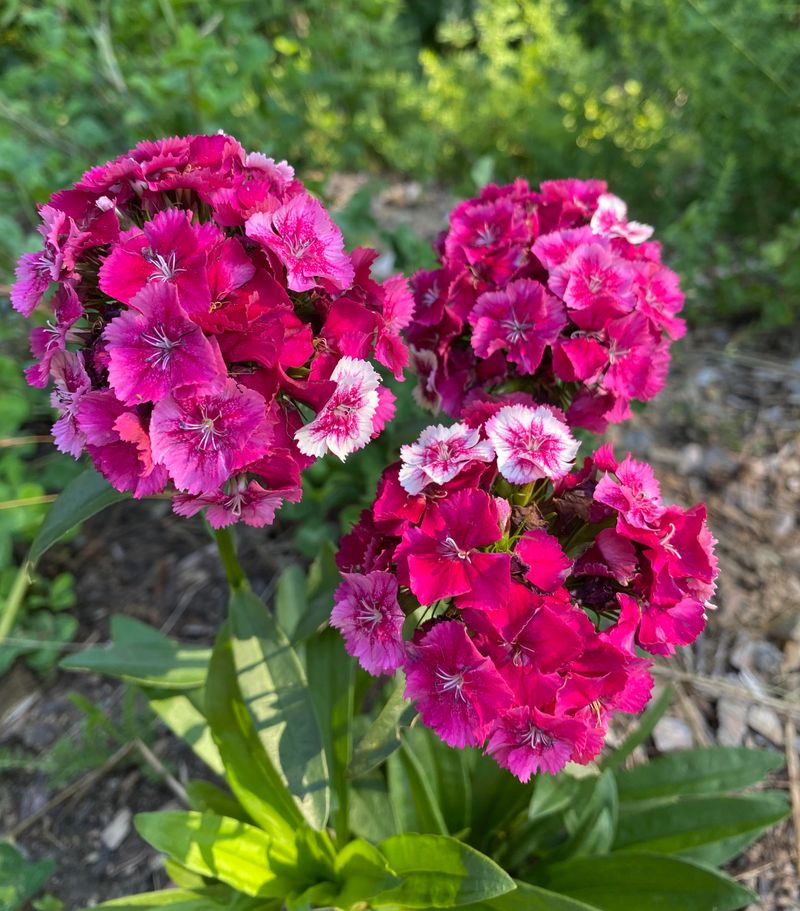
There’s something wonderfully old-fashioned about dianthus, those spicy-scented blooms with frilly, fringed petals that remind you of grandmother’s garden.
Starting dianthus seeds in February gives you a jump on one of the most reliable cool-season flowers you can grow in Oregon.
Dianthus is incredibly cold-hardy, and starting seeds indoors now means you’ll have blooming plants by April, filling your garden with cheerful color and that distinctive clove-like fragrance.
Sow seeds indoors in late February, covering them lightly with soil, and keep trays in a cool, bright spot.
Dianthus germinates in ten to fourteen days and grows steadily into compact, blue-green mounds of foliage topped with flowers in shades of pink, red, white, and bicolors.
They prefer cooler temperatures, so avoid overheating seedlings, a sunny windowsill or unheated sunroom works perfectly.
Dianthus is perfect for edging, rock gardens, containers, and cutting gardens. The flowers are long-lasting both in the garden and in a vase, and they attract butterflies and other pollinators.
They’re also surprisingly drought-tolerant once established, making them a great choice for low-maintenance beds.
Starting dianthus in February takes advantage of Oregon’s cool spring weather, giving plants the ideal conditions to develop strong roots and prolific blooms.
Whether you’re growing them for their fragrance, their beauty, or their nostalgic charm, dianthus started now will reward you with months of delightful color and scent.
11. Bachelor’s Buttons
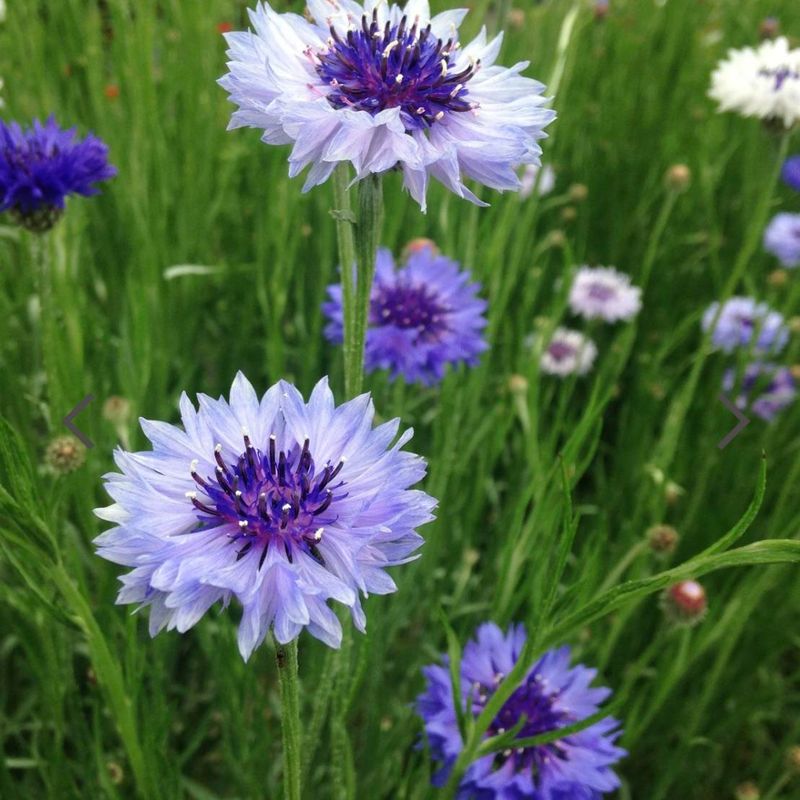
Few flowers are as cheerfully carefree as bachelor’s buttons, also known as cornflowers, with their bright blue blooms that seem to dance on wiry stems in the slightest breeze.
February is the perfect time to start these easy-going annuals, either indoors in seed trays or directly in the garden using winter sowing methods.
Bachelor’s buttons are incredibly cold-tolerant and actually prefer being sown early, so starting them now gives them the cool conditions they love.
Sow seeds about a quarter-inch deep in moist soil, and they’ll germinate in seven to fourteen days.
Bachelor’s buttons grow quickly into slender, upright plants that reach about two to three feet tall, topped with clusters of papery, fringed flowers in shades of blue, pink, white, and purple.
They’re virtually maintenance-freem, just plant them, water occasionally, and watch them bloom.
These flowers are perfect for cottage gardens, cutting gardens, and wildflower meadows. They attract pollinators, especially bees and butterflies, and they make excellent, long-lasting cut flowers that add a casual, natural charm to bouquets.
Bachelor’s buttons are also self-sowing, so once you plant them, you’ll likely have volunteers returning year after year.
Starting them in February means you’ll have blooming plants by late spring, filling your Oregon garden with that classic, nostalgic beauty that feels both timeless and effortlessly modern, all while requiring almost no effort on your part.