7 Things To Do If A Fox Appears In Your Oregon Yard (And 3 Things To Avoid)
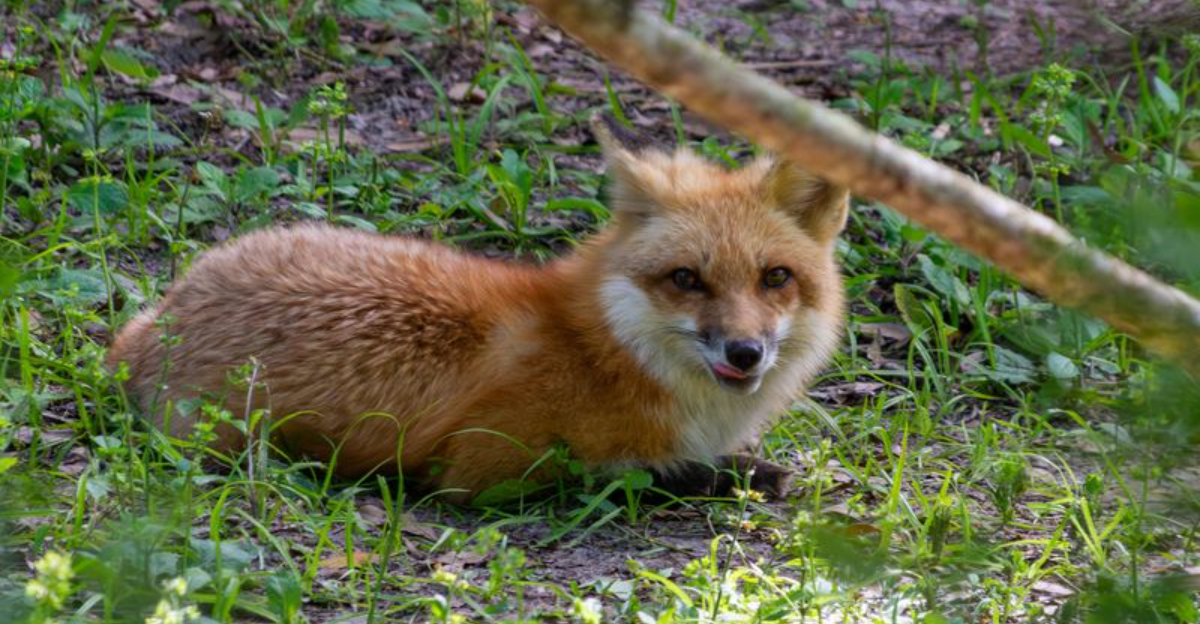
Seeing a fox in your Oregon yard can be surprising, even exciting, but it can also leave you wondering what to do next.
While foxes are generally shy and avoid people, they can cause concern if they linger near pets, chickens, or garden areas.
Knowing how to respond safely can help protect your property while keeping wildlife unharmed.
There are a few smart steps you can take if a fox appears. Simple actions like securing food sources, making your yard less inviting, and observing from a safe distance can encourage the fox to move along without conflict.
At the same time, there are certain things you should avoid doing, as they can make the situation worse or put both you and the fox at risk.
Even experienced gardeners and homeowners can feel unsure when wildlife shows up unexpectedly. Understanding the right approach helps maintain balance between enjoying your yard and coexisting safely with local animals.
Let’s walk through seven things to do if a fox visits your Oregon yard, plus three things to avoid. With these tips, you can handle a fox encounter calmly, protect your pets and plants, and ensure that both you and your wild visitor stay safe.
1. Stay Calm And Observe From A Distance
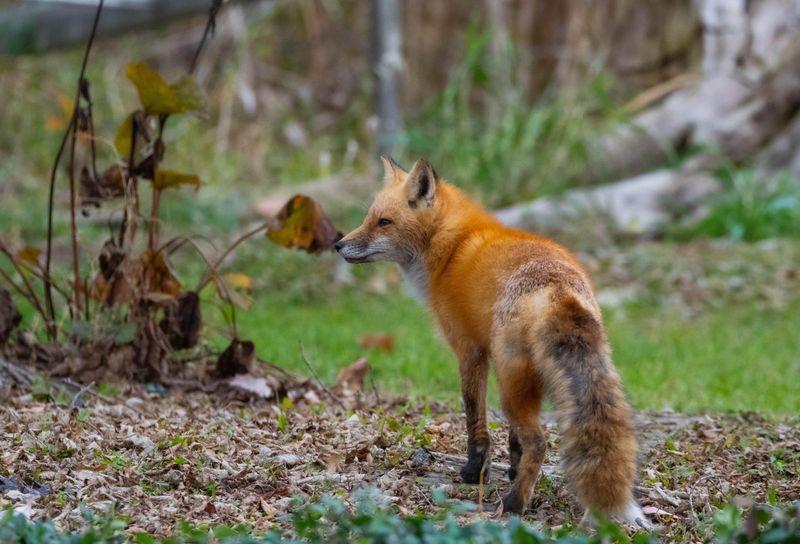
Your heart might skip a beat when you see a fox standing near your back fence at dusk, but there’s no need to panic or rush outside. Foxes are naturally wary of humans and usually keep their distance.
Most of the time, they’re just passing through your yard in search of food or a safe route to another area.
Watching from inside your home or from a porch gives you a chance to appreciate their behavior without startling them. You might notice their pointed ears swivel toward every sound, or how they pause to sniff the air.
This calm observation also helps you determine if the fox looks healthy or if something seems off about its movements.
Staying calm sets the tone for how your family responds, too. Kids often mirror adult reactions, so if you remain relaxed and curious, they will too.
It’s also a great teaching moment about wildlife coexistence.
In Oregon, foxes are most active during dawn and dusk, so sightings during these hours are completely normal. If the fox doesn’t appear sick or aggressive, simply let it move on naturally.
Your calm presence reassures both the animal and your household that this is just another neighbor passing by.
2. Secure Food Sources Around Your Yard

Foxes have an incredible sense of smell and can detect food from impressive distances. If your yard offers easy meals, like pet food left outside, unsecured garbage cans, or fallen fruit under trees, a fox will remember your address and return.
That’s when a one-time visitor becomes a regular guest, and that’s not ideal for anyone.
Start by bringing pet food and water bowls inside after your dog or cat finishes eating. Even small amounts of kibble can attract foxes, raccoons, and other wildlife.
Your Oregon Garden Changes Every Week. Your Plan Should Too.
Gardening in Oregon changes quickly throughout the season. Every Friday you’ll receive a simple weekly plan showing exactly what to plant, prune, fertilize, harvest, and protect so you never miss the right timing.
Next, make sure your garbage bins have tight-fitting lids and are stored in a garage or shed if possible.
If you have fruit trees, pick up fallen apples, pears, or plums regularly. Compost bins should be enclosed and secure, not open piles.
Bird feeders can also be culprits since spilled seed attracts rodents, which in turn attract foxes hunting for prey.
Oregon’s foxes are opportunistic feeders, meaning they’ll take advantage of whatever’s easiest. By removing these food sources, you’re encouraging the fox to move along naturally.
This approach is humane, effective, and recommended by wildlife experts across the state.
3. Bring Pets Inside Or Supervise Them Closely
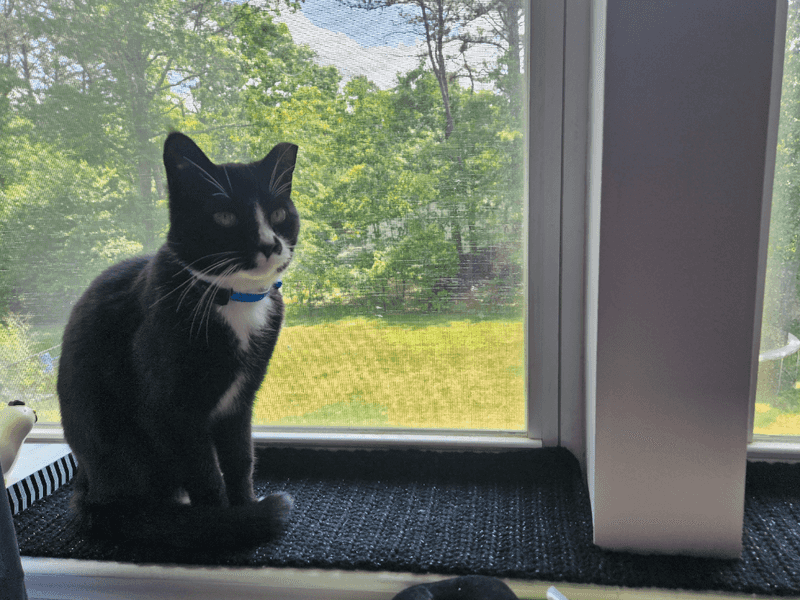
Small dogs and outdoor cats can look like prey to a hungry fox, especially during breeding season when adult foxes are feeding their young. While attacks are rare, they do happen, and it’s not worth the risk.
If you spot a fox in your yard, bring your pets inside immediately and keep them there until the fox has moved on.
When you do let pets outside, stay with them. Don’t just open the door and assume everything’s fine.
Foxes are quick and can appear suddenly, especially at dawn or dusk when they’re most active.
Larger dogs are usually safe, but they can still provoke a fox if they chase or corner it. A frightened fox may defend itself, leading to bites or scratches.
Keeping your dog on a leash during evening walks in areas where foxes are common is a smart precaution.
Outdoor cats face the highest risk. If your cat roams freely, consider transitioning them to indoor life or building a secure outdoor enclosure.
Oregon wildlife experts stress that supervised outdoor time is the safest option for all pets. It protects them from foxes, coyotes, cars, and other dangers while still letting them enjoy fresh air.
4. Use Motion Lights Or Noise To Discourage Lingering

Foxes prefer to move through yards quietly and unnoticed. Sudden bright lights or unexpected sounds can make them feel exposed and uncomfortable, encouraging them to find a different route.
Motion-activated lights are one of the easiest and most effective tools for this.
Install motion sensor lights near areas where you’ve seen the fox, such as along fence lines, near sheds, or around garbage bins. When the fox triggers the light, it will likely pause, assess the situation, and choose to leave.
These lights also improve security and help you see what’s happening in your yard after dark.
You can also use noise to your advantage. If you see a fox lingering too close to your home, clap your hands loudly, shake a can filled with coins, or even turn on a radio near a window.
The goal isn’t to terrify the animal, just to make your yard feel less inviting.
In Oregon’s suburban and rural areas, these simple deterrents work well because foxes have plenty of other places to go. They’re not stubborn animals, they just want an easy, quiet path.
By making your yard a little less appealing, you’re gently guiding them toward more natural spaces.
5. Block Access To Crawl Spaces And Dens
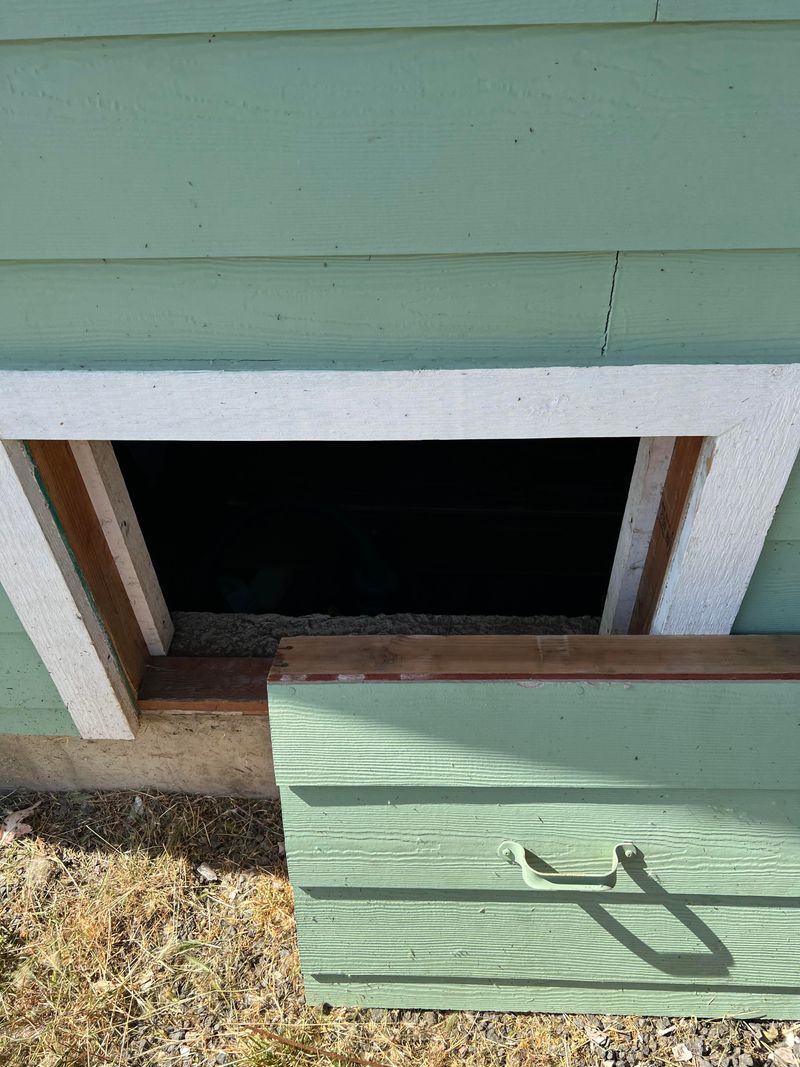
Foxes are den animals, and if they find a cozy, protected spot under your deck, shed, or porch, they may decide to raise a family there. This is especially common in spring when female foxes are looking for safe places to give birth.
Once a den is established, removing the family becomes much more complicated.
Walk around your property and check for gaps or openings that could serve as entry points. Crawl spaces, holes under fences, and gaps beneath sheds are all attractive to foxes.
Use hardware cloth, wood, or metal barriers to block these areas securely.
If you suspect a fox has already moved in, don’t seal the entrance right away. You could trap the animal inside, which creates a serious problem.
Instead, sprinkle flour near the opening and check for tracks leaving the area. Once you’re sure the fox has left, seal the entrance immediately.
Oregon homeowners often discover fox dens by hearing soft chirping or yipping sounds in spring. If you hear these noises, contact a local wildlife professional before taking action.
They can help you encourage the fox to relocate her young humanely, which is much easier than dealing with a permanent den situation.
6. Teach Kids How To Respond Safely
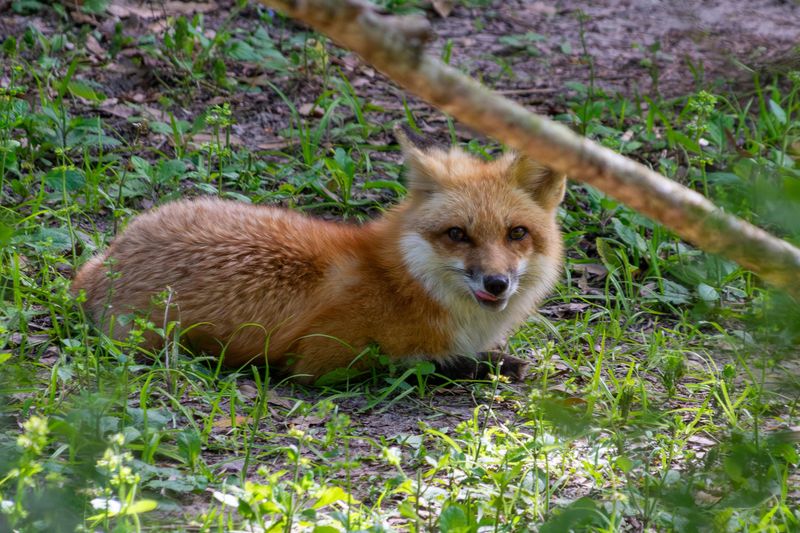
Children are naturally curious and may want to run toward a fox to get a closer look or try to pet it like a dog. This is dangerous for both the child and the fox, so it’s important to have a clear conversation about wildlife safety before an encounter happens.
Teach your kids that foxes are wild animals, not pets. Explain that even though they look cute and fluffy, they can bite or scratch if they feel scared or cornered.
Role-play what to do if they see a fox: stop moving, back away slowly, and come inside to tell an adult.
Make sure they understand not to chase, yell at, or throw things at the fox. These actions can provoke defensive behavior.
Instead, staying calm and quiet is always the safest choice.
In Oregon, where wildlife encounters are part of everyday life in many neighborhoods, these lessons are valuable beyond just foxes. The same principles apply to deer, raccoons, and other animals.
By teaching respect and caution, you’re helping your kids grow into responsible, wildlife-aware adults. Keep the conversation light and positive so they feel informed, not frightened.
7. Contact Local Wildlife Authorities If Behavior Seems Unusual
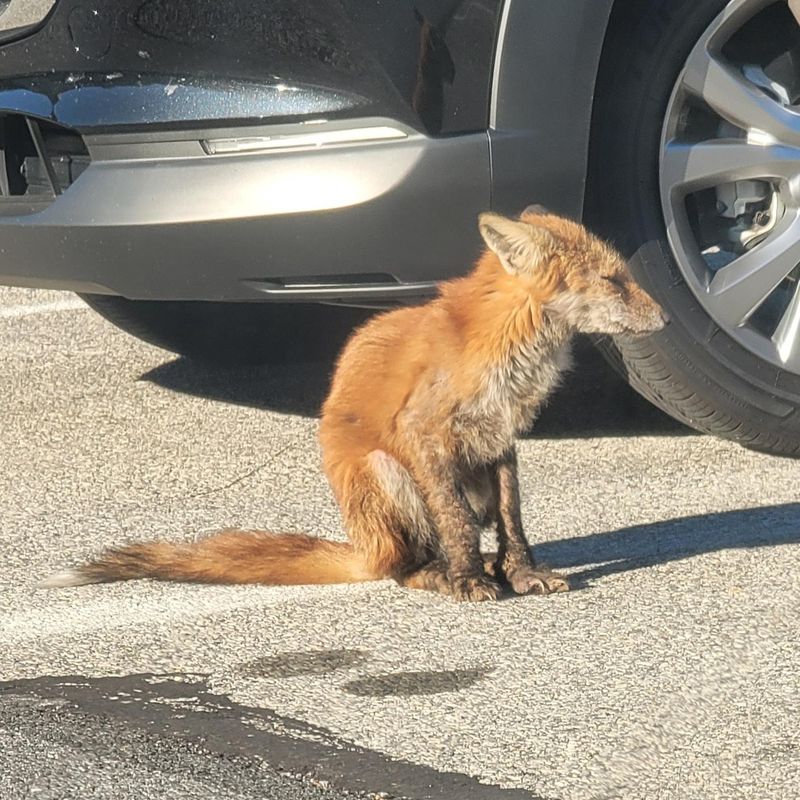
Most fox sightings are completely normal, but there are times when you should reach out to professionals. If a fox appears sick, disoriented, aggressive, or unusually bold, such as approaching people or pets without hesitation, it’s time to call for help.
These behaviors can indicate rabies or other serious health issues.
Look for signs like stumbling, excessive drooling, matted fur, or visible injuries. A healthy fox will usually avoid humans and move quickly through your yard.
An unhealthy one may act lethargic, confused, or unafraid.
In Oregon, you can contact the Oregon Department of Fish and Wildlife (ODFW) or your local animal control office. They can assess the situation and determine if intervention is needed.
Never try to capture or handle the fox yourself, even if it looks injured.
If a fox has taken up residence under your deck or in your shed and won’t leave despite your deterrent efforts, wildlife professionals can provide humane exclusion services. They’ll ensure the animal is safely relocated without harm.
Calling for help isn’t overreacting, it’s the responsible way to handle situations that are beyond typical backyard encounters.
8. Do Not Feed The Fox
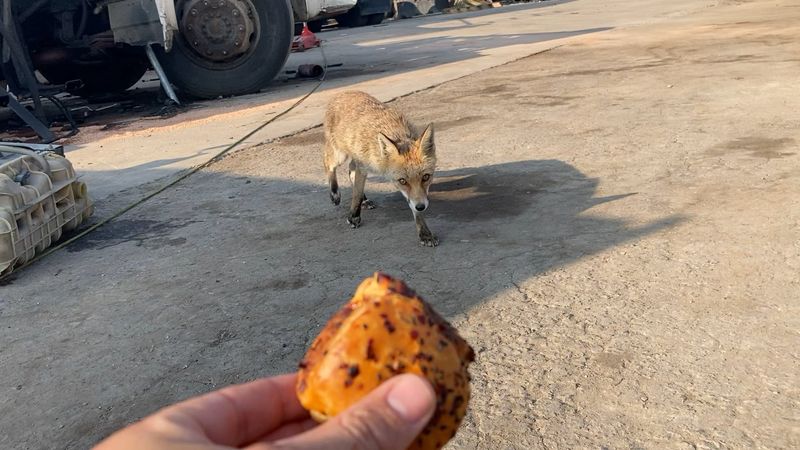
It might be tempting to leave out a little food for a fox, especially if it looks thin or you want to see it return. But feeding wildlife is one of the worst things you can do, both for the animal and for your neighborhood.
Foxes that are fed by humans lose their natural wariness and begin to associate people with food.
This leads to bolder behavior, more frequent visits, and eventually conflicts. A fox that expects food may approach other homes, frighten neighbors, or become aggressive if it doesn’t get what it wants.
It also puts the fox at risk of being hit by cars as it spends more time near human activity.
Feeding foxes is also illegal in many areas and violates Oregon wildlife regulations. It disrupts their natural foraging behavior and can make them dependent on humans, which is harmful long-term.
Wild animals are healthiest when they find their own food in natural environments.
If you want to help local wildlife, focus on creating habitat, plant native shrubs, leave brush piles for shelter, and avoid pesticides. These actions support healthy ecosystems without creating dependency or danger.
Remember, the kindest thing you can do for a fox is let it remain wild.
9. Do Not Approach Or Try To Touch It
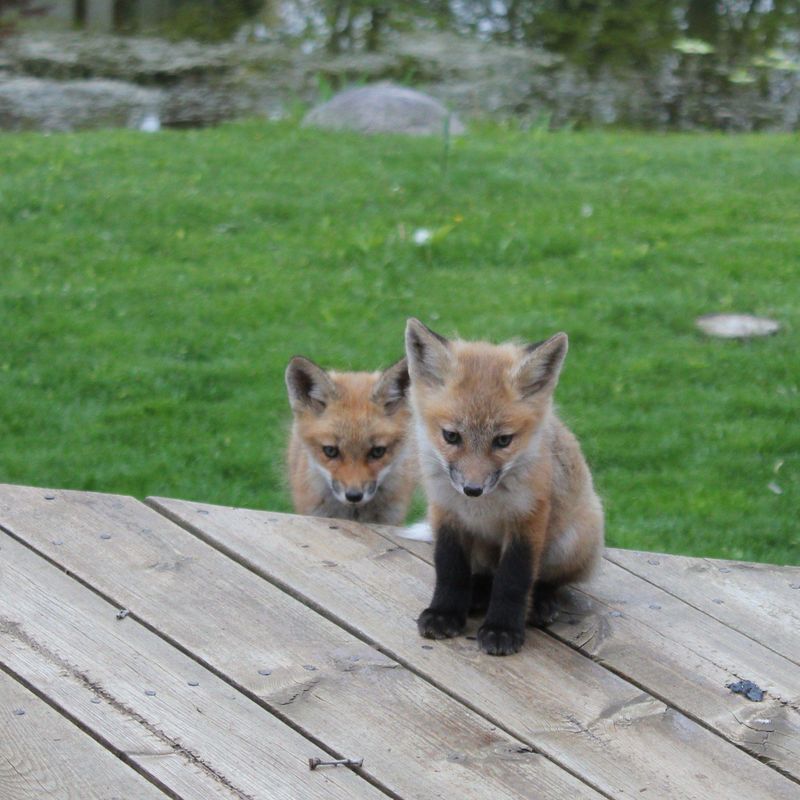
Foxes may look like they’d enjoy a scratch behind the ears, but they are not domesticated animals. Even a fox that seems calm or curious can bite or scratch if it feels threatened, cornered, or handled.
Wild animals carry diseases, including rabies, and any direct contact puts you at serious risk.
Approaching a fox also increases stress for the animal. Foxes are naturally skittish, and being chased or cornered triggers their fight-or-flight response.
In a confined space like a backyard, they may feel they have no choice but to defend themselves.
Children and teens are especially prone to wanting to get closer for a photo or video. Make it clear to your family that no picture is worth the risk.
Keep a safe distance of at least 50 feet, and use a zoom lens or binoculars if you want a better look.
If a fox seems injured or trapped, resist the urge to help directly. Instead, call a licensed wildlife rehabilitator or animal control officer.
They have the training and equipment to handle the situation safely. In Oregon, respecting wildlife boundaries is part of being a good neighbor, to both animals and people.
10. Do Not Attempt To Trap Or Relocate It Yourself
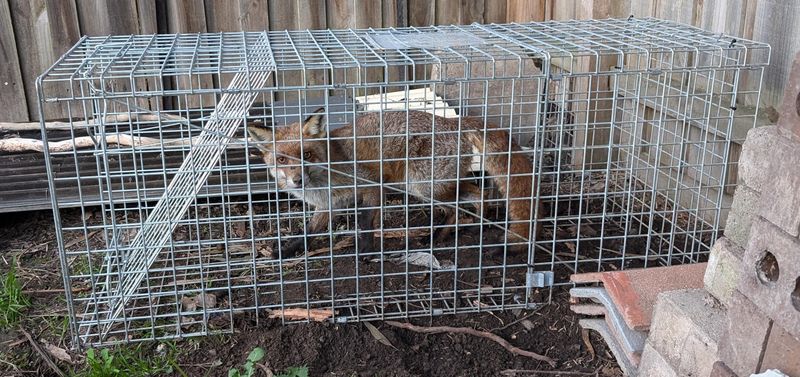
When a fox keeps returning to your yard, it’s natural to think about trapping and moving it somewhere else. But in Oregon, relocating wildlife without a permit is illegal, and doing it yourself can cause serious harm to the animal and create new problems for you.
Foxes are territorial, and dropping one into unfamiliar territory often leads to starvation, injury, or death.
Trapping is also dangerous. Foxes can injure themselves trying to escape, and handling a trapped wild animal puts you at risk of bites and disease exposure.
Even if you succeed in moving the fox, another one will likely take its place if your yard still offers food, shelter, or safety.
Instead of trapping, focus on the deterrent methods mentioned earlier, removing attractants, using lights and noise, and blocking den sites. These strategies address the root cause and encourage foxes to move on naturally.
If the problem persists, contact a licensed wildlife control professional who understands Oregon’s regulations and humane practices.
Coexisting with foxes is part of living in Oregon’s beautiful, wildlife-rich landscape. With patience and the right approach, you can keep your yard safe without harming the animals that share your neighborhood.