Who Is Responsible When A Neighbor’s Tree Drops Fruit Into Your Yard In Oregon
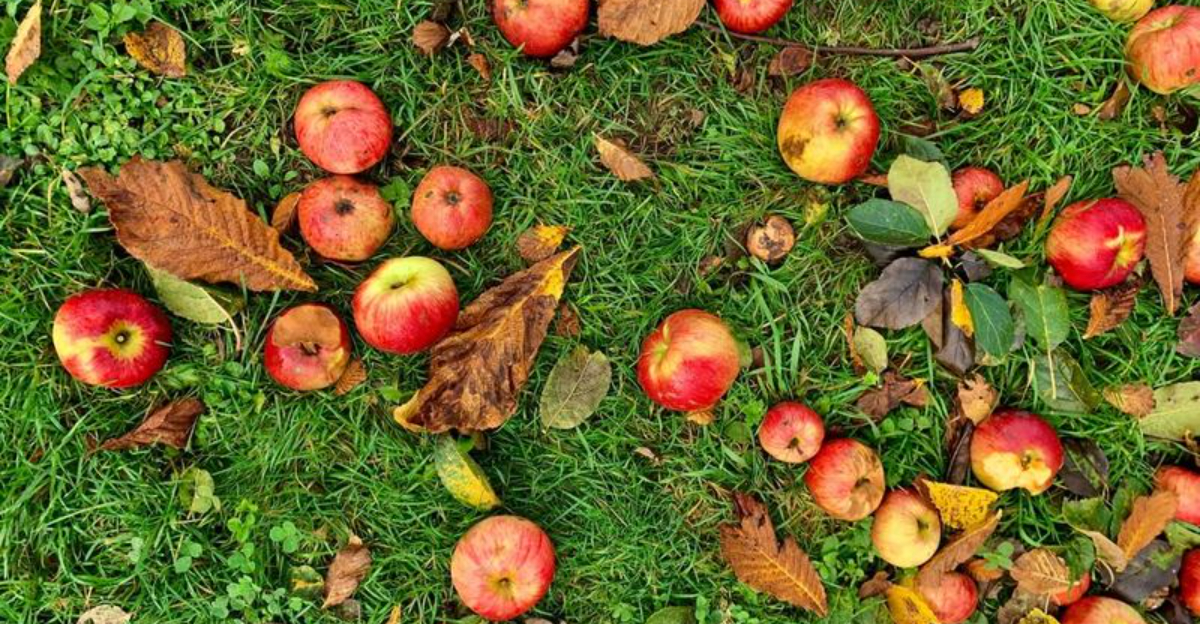
It’s a familiar scenario for many Oregon gardeners: fruit from a neighbor’s tree lands in your yard.
A few apples, pears, or plums might not seem like a big deal at first, but when it happens often, it can raise questions about responsibility and what you’re allowed to do.
In most cases, the law balances property rights with common sense. Generally, fallen fruit is considered your property once it drops onto your land, but the tree still belongs to your neighbor.
That means you have some rights to harvest what lands in your yard, but you also need to consider safety, communication, and neighborly respect when dealing with recurring situations.
Even if you’ve never had this problem before, it’s helpful to understand the basics of Oregon’s rules on encroaching fruit, liability, and property lines. Knowing your rights and responsibilities can prevent misunderstandings and keep relationships cordial.
Let’s take a closer look at who is responsible when a neighbor’s tree drops fruit into your yard in Oregon and what steps you can take to handle it fairly.
With a clear understanding, you can enjoy your garden without tension and make the most of any extra fruit that comes your way.
1. What Oregon Law Says About Fallen Fruit
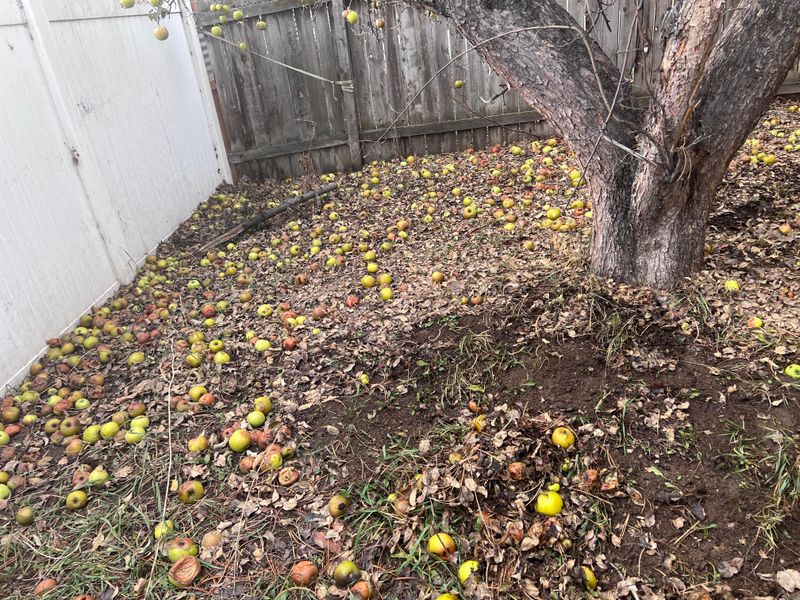
Oregon doesn’t have a specific statute that says, “Here’s exactly what to do with your neighbor’s fallen pears.” Instead, property law relies on longstanding principles about boundaries, nuisances, and reasonable use of land.
Generally speaking, whatever lands on your property becomes your responsibility to manage, even if it came from someone else’s tree.
That might feel unfair at first, but it’s rooted in the idea that you control what happens on your side of the property line.
Now, this doesn’t mean your neighbor gets off scot-free if their tree is causing serious problems. If the falling fruit is excessive, attracting pests, or creating a health hazard, you may have grounds to claim it’s a nuisance.
In those cases, your neighbor might be required to address the issue. But for everyday fruit drop, the law generally expects you to rake it up yourself.
Keep in mind that local city codes and homeowner association rules can add extra layers. Some municipalities have ordinances about tree maintenance, overhanging branches, or fruit that creates unsanitary conditions.
It’s worth checking with your city or county to see if any special rules apply. This is general guidance, not formal legal advice, so when in doubt, consult a local attorney or your city’s code enforcement office.
2. Who Owns The Fruit Once It Hits The Ground
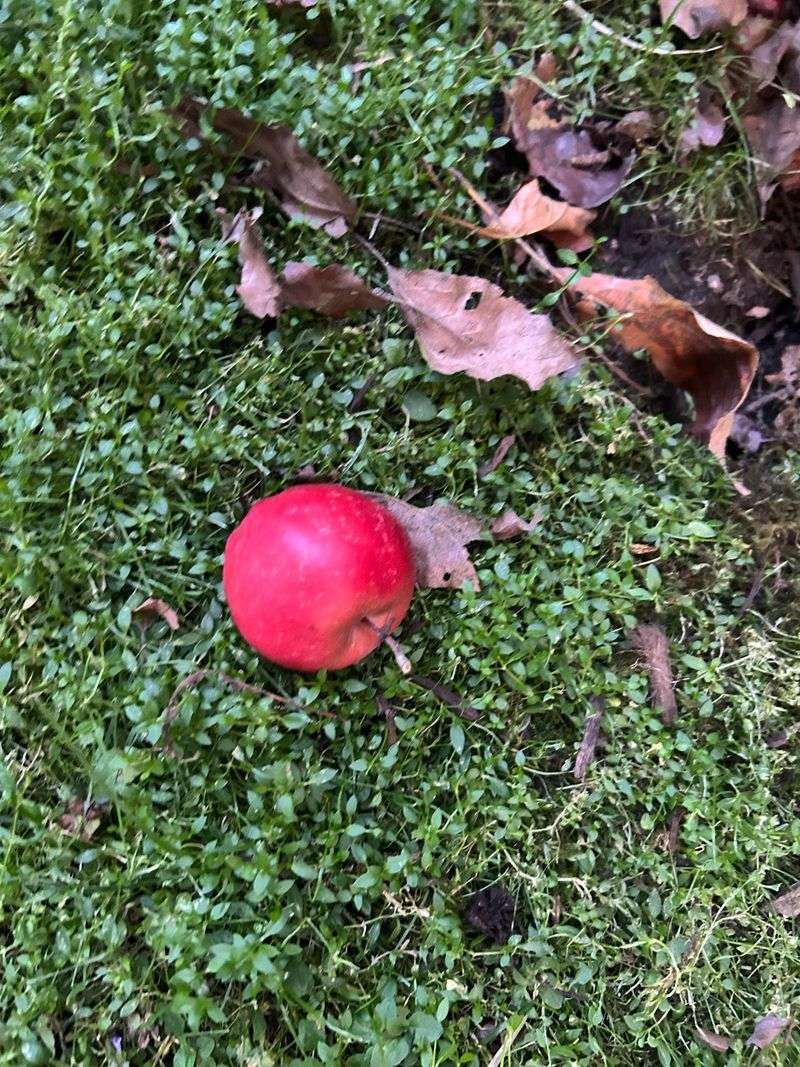
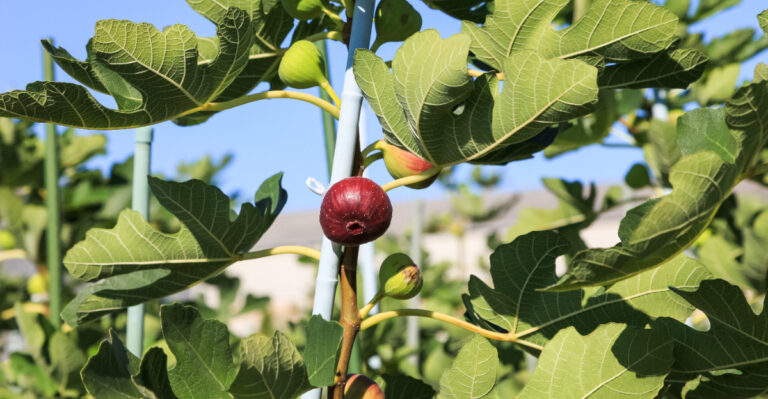
Here’s where things get interesting. Once that apple, plum, or cherry falls from your neighbor’s tree and lands in your yard, it’s generally considered yours.
Yes, even though the tree belongs to your neighbor. The fruit has crossed the property line and is now sitting on your land, which means you have the right to pick it up, compost it, eat it, or toss it in the yard waste bin.
Your Oregon Garden Changes Every Week. Your Plan Should Too.
Gardening in Oregon changes quickly throughout the season. Every Friday you’ll receive a simple weekly plan showing exactly what to plant, prune, fertilize, harvest, and protect so you never miss the right timing.
Your neighbor doesn’t have the legal right to come onto your property to collect their fallen fruit without your permission. Entering someone else’s yard without consent, even to grab a few apples, is technically trespassing.
If they want to retrieve the fruit, they need to ask first. Most neighbors are happy to work something out, especially if the fruit is still good and someone wants to use it.
On the flip side, you’re not required to return the fruit or notify your neighbor every time something falls. It’s yours to deal with as you see fit.
Some people see this as a bonus, especially if the fruit is ripe and edible. Others just see it as extra yard work.
Either way: once it’s on your property, it’s your call. Just remember, this applies to fruit that has already fallen, not fruit still hanging on branches over your yard.
3. Overhanging Branches And Property Lines
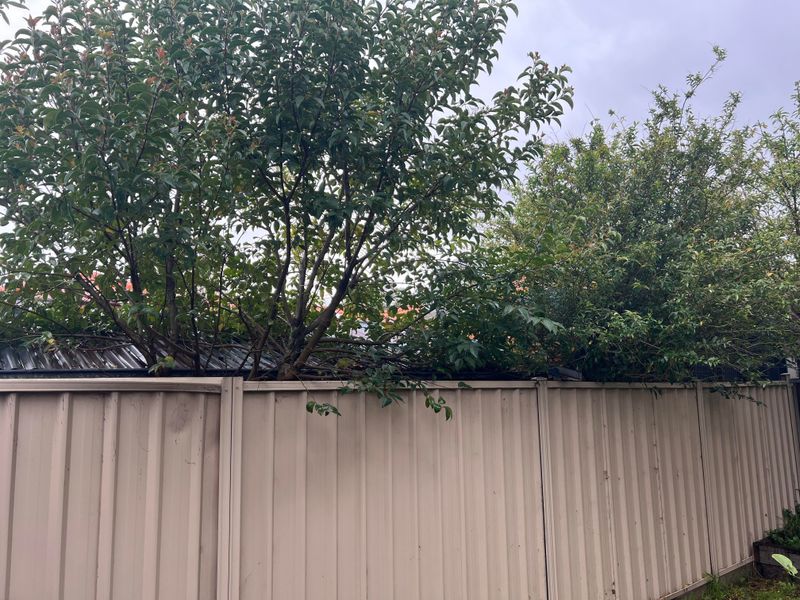
When your neighbor’s tree branches stretch over the fence and into your airspace, it can feel like an invasion. Maybe they block sunlight, drop leaves constantly, or hang so low you can’t mow underneath them.
The good news is that Oregon law generally allows you to trim branches that cross onto your property, as long as you do it carefully and don’t harm the overall health of the tree.
This is called the “self-help” rule, and it’s pretty common across the country. You’re allowed to cut back branches to the property line without asking permission first.
However, you can’t go overboard. If your trimming kills or seriously damages the tree, your neighbor could potentially hold you liable.
It’s best to hire a professional arborist if you’re unsure how much to cut or if the tree is large and valuable.
Also, you’re responsible for any costs associated with the trimming. Your neighbor isn’t required to pay for it, even though it’s their tree.
And you can’t just toss the cut branches back over the fence. You need to dispose of them yourself.
If the tree is protected by local ordinances (like a heritage tree), you may need a permit before trimming. Always check your local rules first to avoid fines or disputes down the road.
4. What You’re Allowed To Trim
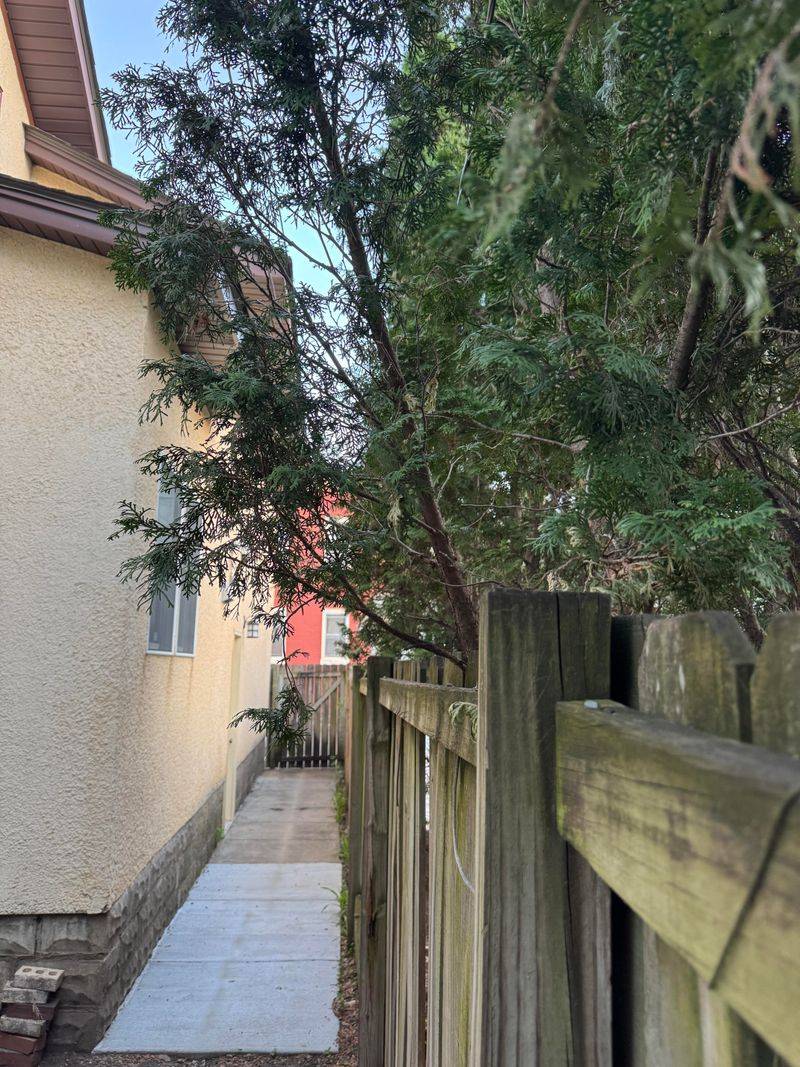
So you’ve decided to trim those overhanging branches. What exactly are you allowed to cut?
In Oregon, you can trim any part of the tree that extends past the property line and into your yard. That includes branches, roots, and even foliage.
The key rule is that your cuts must stay on your side of the line. You can’t reach over the fence and start pruning on your neighbor’s side, even if it would make the job easier.
When trimming, avoid cutting so aggressively that you damage the tree’s structure or health. Trees are living things, and improper cuts can lead to disease, instability, or death.
If the tree dies because of your trimming, your neighbor could sue you for the value of the tree, which can be surprisingly high. Mature trees can be worth thousands of dollars, especially if they’re rare or provide significant shade and curb appeal.
It’s smart to take before-and-after photos and keep records of any professional advice you received. If a licensed arborist tells you a certain amount of trimming is safe, that documentation can protect you later.
And if the tree is a fruit tree, remember that trimming might reduce the amount of fruit it produces, which could upset your neighbor. A quick conversation beforehand can go a long way toward keeping things friendly and avoiding misunderstandings.
5. When Damage Changes Responsibility
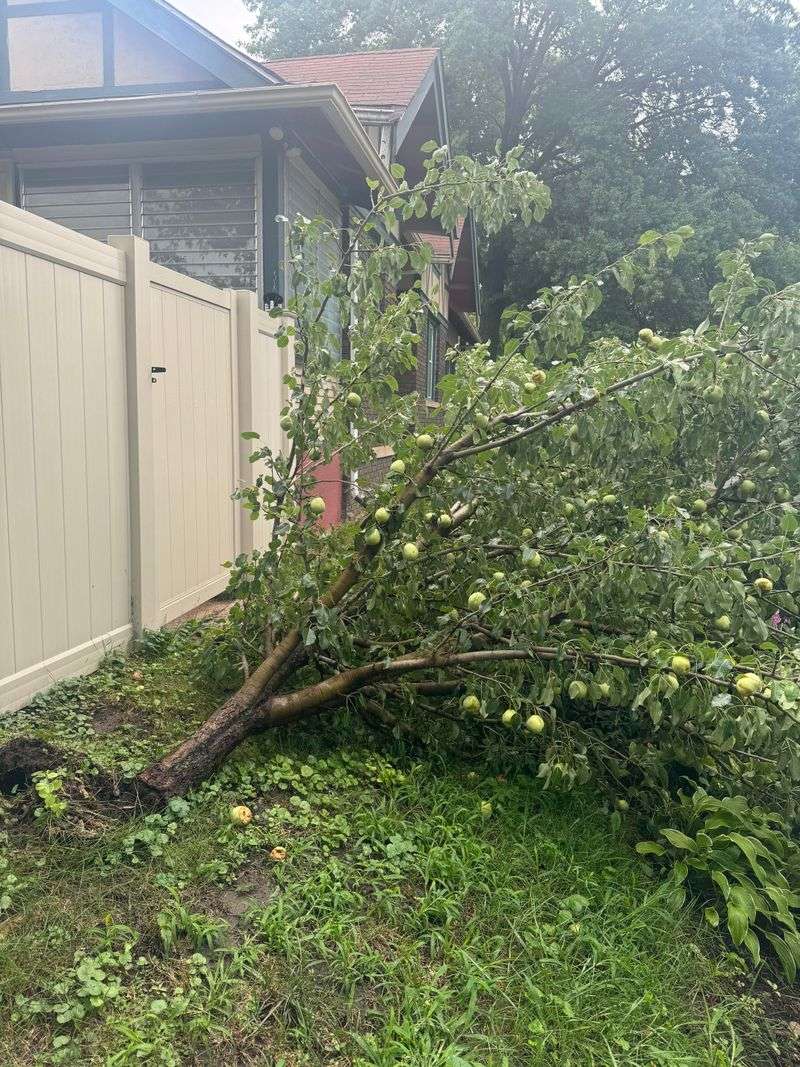
Most of the time, fallen fruit is just a minor annoyance. But what happens when the situation causes actual damage?
Maybe the fruit is rotting and attracting rats, or the sheer volume is killing your grass. Perhaps branches are scraping your roof or clogging your gutters.
When a neighbor’s tree starts causing real harm, responsibility can shift.
In Oregon, property owners are generally expected to maintain their trees in a way that doesn’t create a nuisance or hazard for others.
If your neighbor’s tree is causing documented damage, and they’ve been notified but refuse to act, you may have grounds for a nuisance claim.
This is especially true if the tree is dead, diseased, or poorly maintained. Courts have ruled in favor of homeowners who suffered damage from a neighbor’s negligence.
However, proving negligence isn’t always easy. You’ll need to show that your neighbor knew about the problem and failed to take reasonable steps to fix it.
Sending a polite letter or email documenting the issue is a good first step. If things escalate, you might need to involve your homeowner’s insurance or consult with an attorney.
Keep receipts, photos, and any correspondence. Most of these situations get resolved through conversation, but it’s smart to protect yourself just in case.
6. Talking To Your Neighbor First
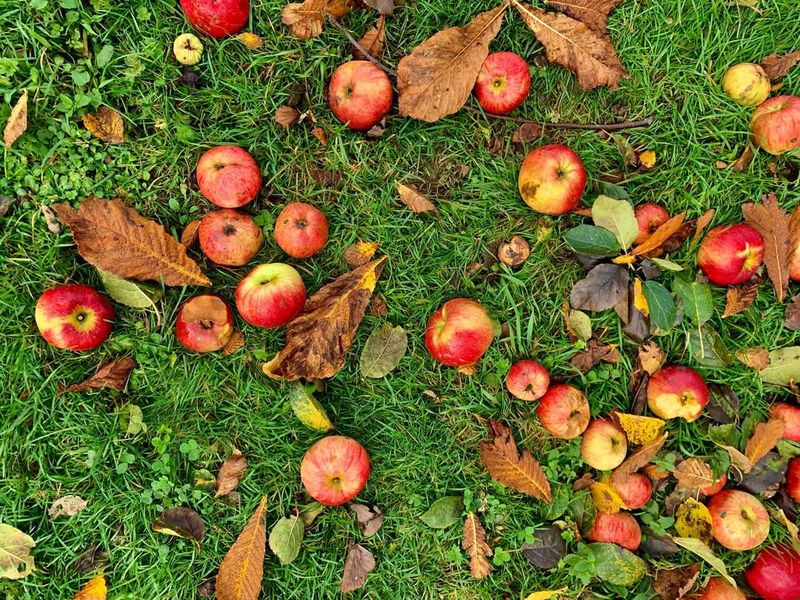
Before you grab the pruning shears or call a lawyer, try talking to your neighbor. Most people don’t realize their tree is causing a problem until someone points it out.
A friendly conversation can often solve the issue faster and cheaper than any legal action. Walk over with a smile, maybe bring a sample of the fruit, and explain what’s been happening in your yard.
Approach the conversation calmly and without blame. Instead of saying, “Your tree is ruining my yard,” try something like, “Hey, I wanted to chat about the fruit dropping from your tree.
It’s been piling up pretty fast, and I’m worried about attracting pests. Any chance we could work together on a solution?” Most neighbors will appreciate the heads-up and may offer to help with cleanup or trimming.
If your neighbor is open to it, you might even suggest sharing the fruit or splitting the cost of a tree service. Some people are happy to let you harvest what’s on your side, especially if they’re not using it themselves.
Others might agree to prune the tree back or install netting. The goal is to find a solution that works for both of you without turning it into a legal battle.
Good fences make good neighbors, but good conversations make even better ones.
7. What To Do If The Situation Escalates
Sometimes, despite your best efforts, a neighbor refuses to cooperate or the problem gets worse. Maybe they’re hostile, dismissive, or simply unwilling to address the issue.
When friendly conversation fails, you have a few options. Start by documenting everything: take photos, keep a log of when fruit falls, note any damage, and save all written communication.
Your next step might be to contact your homeowner’s association if you have one. Many HOAs have rules about tree maintenance and can mediate disputes.
If there’s no HOA, consider reaching out to your city’s code enforcement office. Some cities have ordinances about nuisance trees, overgrowth, or health hazards.
They may be able to inspect the property and require your neighbor to take action.
If those routes don’t work, you might need to consult with a real estate attorney or consider small claims court, especially if you’ve suffered financial losses.
Mediation services are also available in many Oregon communities and can help both parties reach an agreement without going to court.
Legal action should be a last resort, but sometimes it’s necessary to protect your property and peace of mind. Just remember, even if you win, you still have to live next door to each other.
8. How To Prevent Future Problems
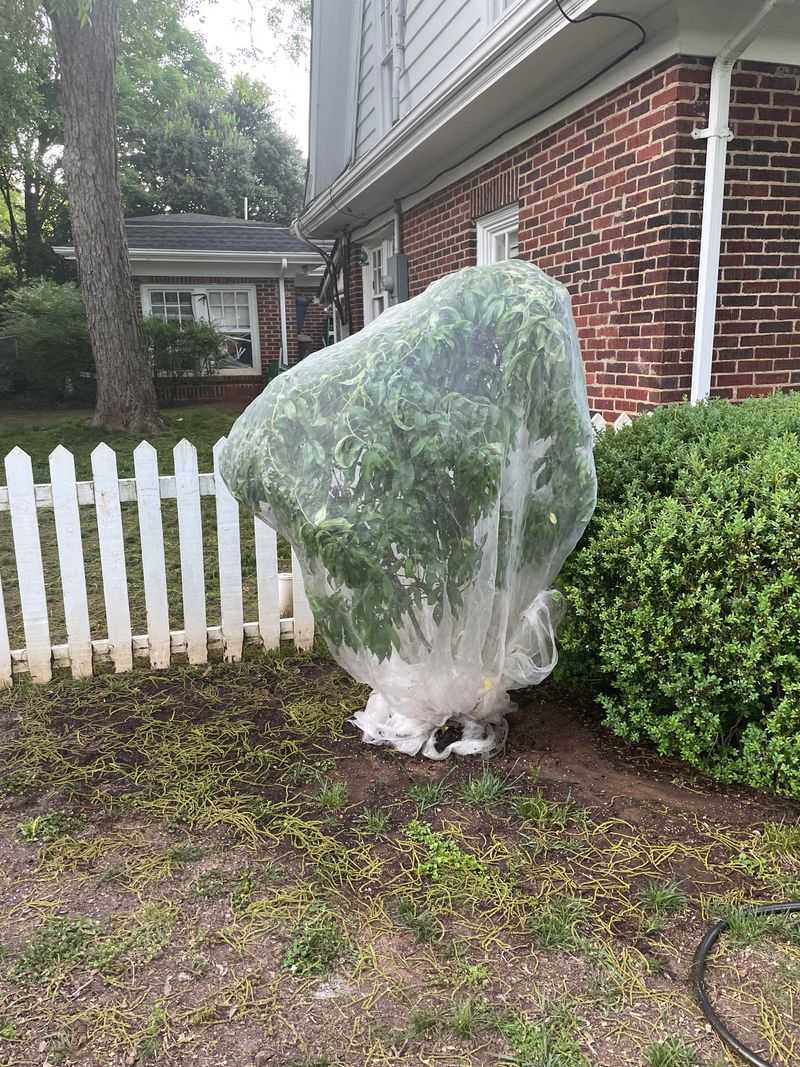
Once you’ve dealt with the immediate issue, it’s worth thinking about how to prevent it from happening again. If you’re planting new trees, choose species that won’t drop messy fruit or grow too large for your lot.
Keep them well away from property lines to avoid future disputes. If you already have mature trees, regular maintenance and pruning can keep branches from crossing into your neighbor’s yard.
Communication is your best long-term tool. If you’re the tree owner, let your neighbors know when you’re planning to prune or if you notice heavy fruit production coming.
Offer to share the harvest or help with cleanup. If you’re on the receiving end of falling fruit, check in periodically with your neighbor to make sure things are still manageable.
A little courtesy goes a long way.
Consider installing barriers like fences, netting, or even tarps during peak fruit season to catch falling fruit before it hits the ground. Some homeowners set up compost bins specifically for tree debris, turning a nuisance into garden gold.
And if you’re buying a home, pay attention to the trees on neighboring properties during your inspection. A beautiful old apple tree might seem charming, but it could also mean extra yard work every fall.
Planning ahead can save you headaches down the road.