Signs It’s Time To Move Tomato Seedlings To Larger Pots In Michigan
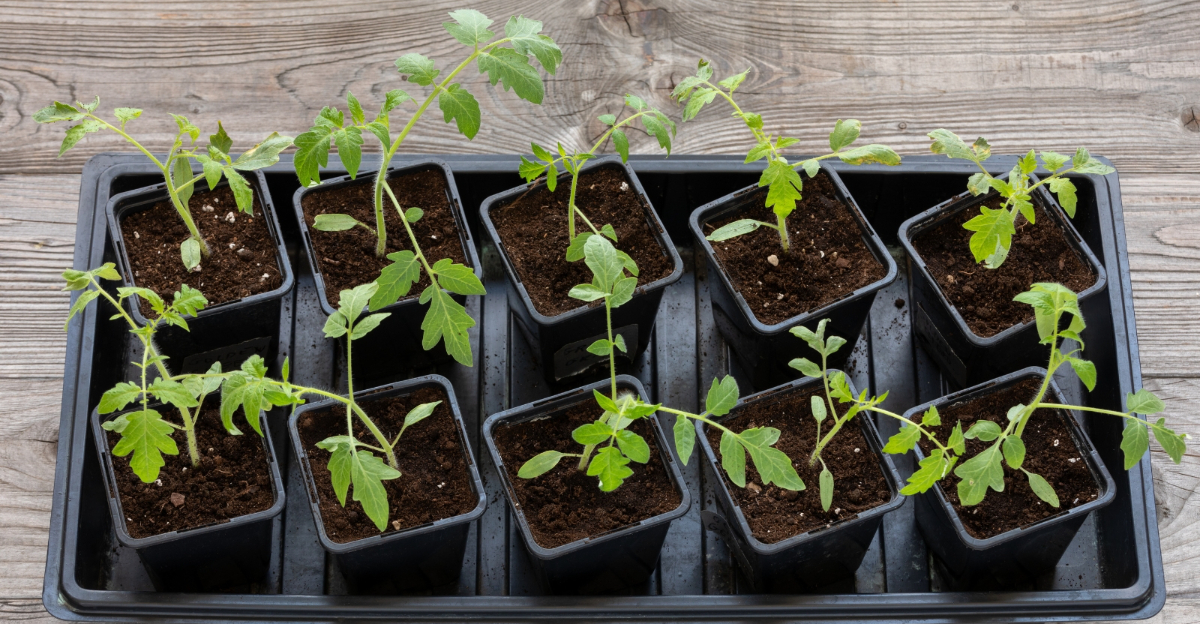
Tomato seedlings in Michigan often outgrow their first containers faster than expected, especially once indoor light improves and roots begin racing ahead of visible growth.
At first everything may look fine above the soil, even while the plant is quietly running out of room below.
Michigan’s cool springs encourage gardeners to start tomatoes indoors longer, which makes pot size far more important than it seems.
Crowded roots can slow growth, limit nutrient uptake, and cause stress long before obvious problems appear. That stress often shows up later as weak stems or stalled development once seedlings are transplanted outside.
Some signs are easy to miss unless you know where to look, especially when plants still appear green and upright.
Leaves may stay smaller than expected, watering may become unpredictable, or growth may suddenly plateau without explanation.
Waiting too long to move seedlings can set them back at a stage when strong early growth matters most.
Spotting the right moment to size up pots keeps tomato plants steady, balanced, and ready for the transition to outdoor conditions.
1. Roots Are Circling The Bottom Of The Pot
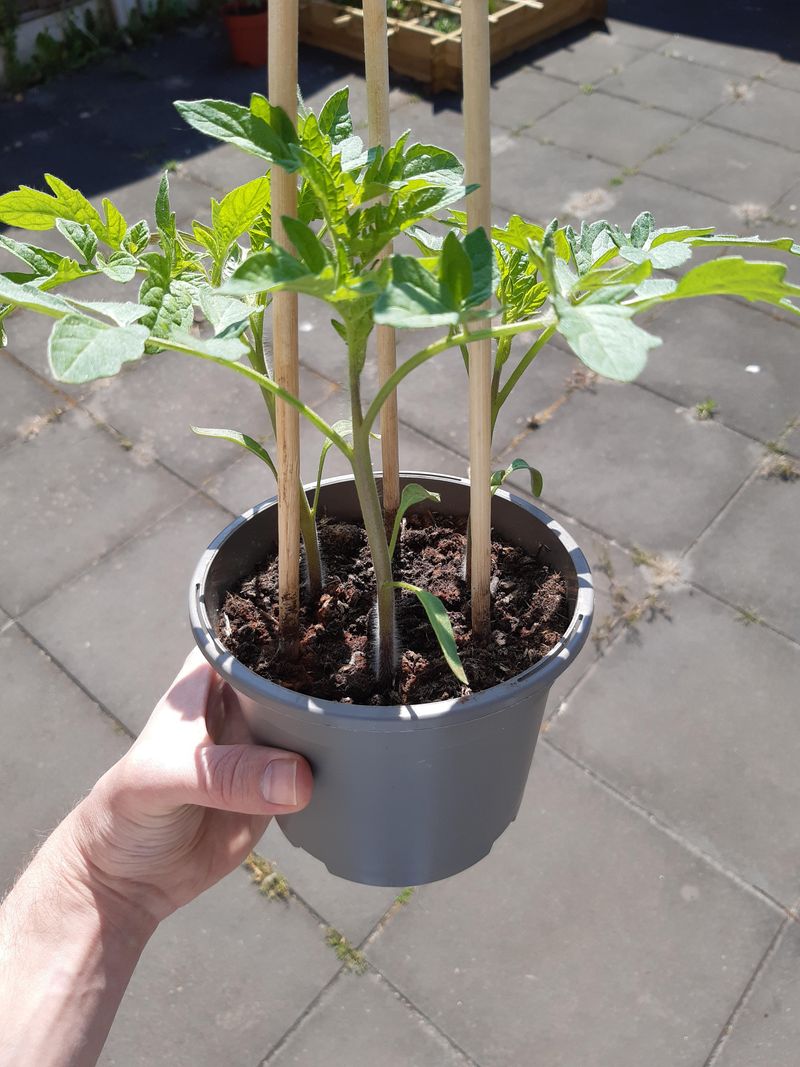
Checking what happens beneath the soil tells you more than watching leaves ever could. When tomato roots start wrapping around themselves at the container’s base, they’re running out of room to expand.
Michigan gardeners often start seeds indoors around mid-March, and by late April or early May, those roots can become seriously cramped.
Gently tipping the seedling out of its container reveals a tangled mass if it’s rootbound. Those circular patterns mean the plant has exhausted available growing space.
Roots need room to stretch outward and downward, not loop endlessly in tight spirals.
Leaving seedlings rootbound too long weakens their overall structure. They struggle to absorb water and nutrients efficiently, which slows development right when they should be gaining strength.
Moving them to larger pots gives roots fresh soil to explore.
Tomato plants grow vigorously once temperatures warm up across Michigan. Providing extra space early prevents stress later.
Rootbound seedlings may never fully recover even after transplanting outdoors, so catching this sign early matters.
Transplanting into containers at least twice the original size works well. Use quality potting mix that drains properly but holds moisture.
This gives roots the environment they need to spread out and support healthy top growth throughout the Michigan growing season.
Early root expansion sets the foundation for stronger stems, better flowering, and heavier fruit production later on.
Giving tomatoes space before they show visible stress helps them transition smoothly from indoor growing to outdoor planting conditions.
2. Water Dries Out Within A Day
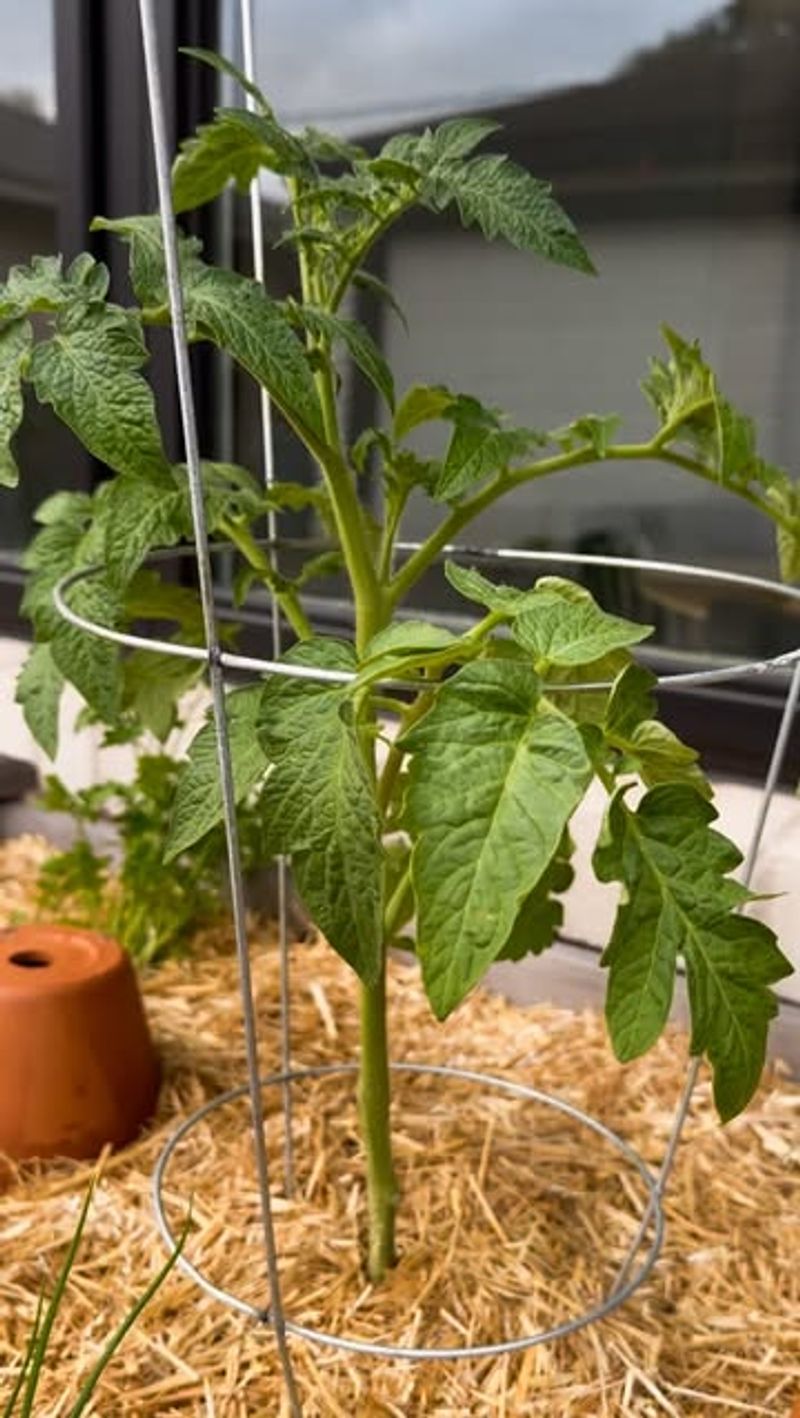
Watering your seedlings every morning only to find bone-dry soil by evening signals a problem. Tomato plants drink more as they grow larger, but when a small pot can’t hold enough moisture for even 24 hours, it’s time to upgrade.
Michigan’s indoor heating during spring can dry out containers faster than you’d expect.
Small pots have limited soil volume, which means less water storage capacity. As seedlings mature, their root systems expand and demand increases.
Your Michigan Garden Changes Every Week. Your Plan Should Too.
Gardening in Michigan changes quickly throughout the season. Every Friday you’ll receive a simple weekly plan showing exactly what to plant, prune, fertilize, harvest, and protect so you never miss the right timing.
What once stayed moist for three days now dries out overnight.
Constantly dry soil stresses plants and stunts growth. Tomatoes need consistent moisture to develop properly, and frequent wilting damages delicate root hairs.
Even if you water twice daily, the plant suffers between drinks.
Larger containers hold more soil and retain moisture longer. This creates a more stable environment where roots stay hydrated without constant intervention.
Michigan gardeners juggling busy schedules appreciate not having to water multiple times each day.
Upgrading to bigger pots reduces watering frequency and stress on both you and your plants. Choose containers with good drainage holes to prevent waterlogging.
Your tomatoes will respond with stronger growth and better resilience as they prepare for outdoor planting later in the Michigan season.
Steady moisture helps seedlings focus energy on root and stem development instead of survival.
Catching this issue early makes the transition to garden beds far smoother once Michigan temperatures finally settle.
3. Growth Has Slowed Or Stalled
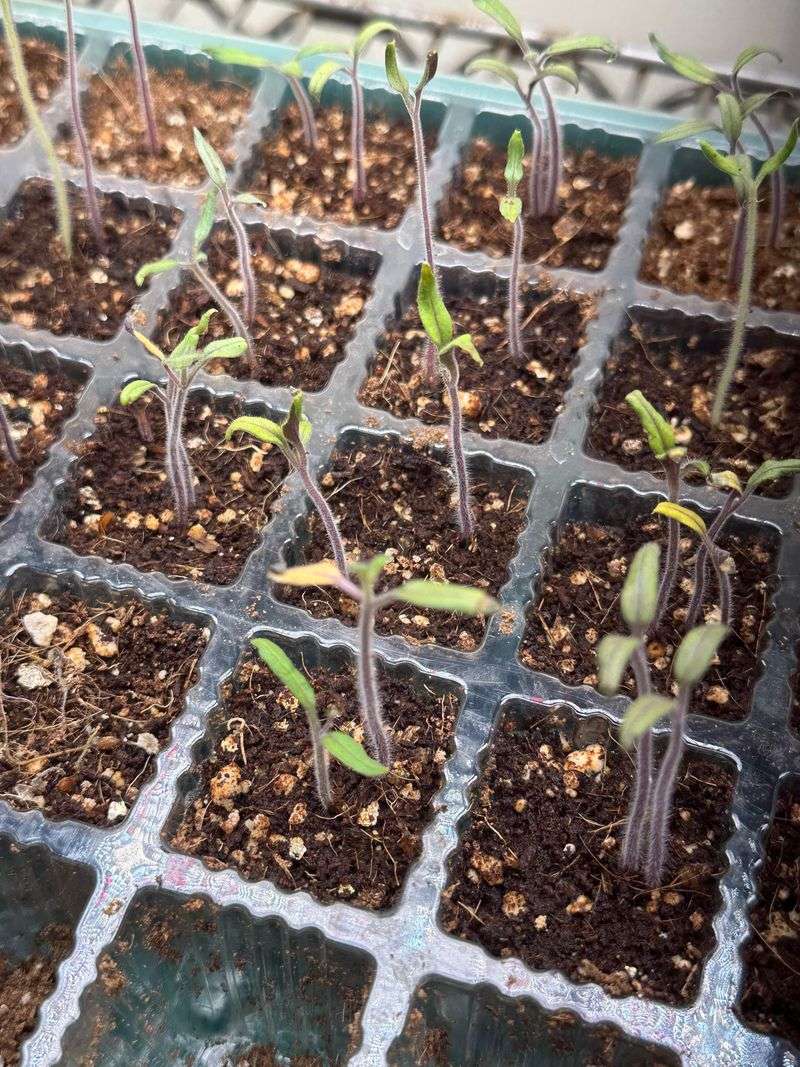
Seedlings that seemed to shoot up overnight suddenly stop getting taller. This frustrating pause often means they’ve outgrown their current home.
Michigan gardeners typically notice this slowdown about four to six weeks after germination, right when plants should be gaining momentum.
Rapid early growth uses up available nutrients and space quickly. Once roots fill the container, there’s nowhere left to expand.
The plant essentially hits a ceiling and can’t develop further without more resources.
Stalled growth wastes precious time during Michigan’s relatively short growing season. Every week counts when you’re trying to get tomatoes ripening before the first fall frost.
Seedlings stuck in small pots fall behind schedule and may produce less fruit overall.
Moving to larger containers jumpstarts development again. Fresh soil provides nutrients, and extra space lets roots spread out.
Within days of transplanting, you’ll often see renewed vigor and faster growth.
Don’t wait too long once you notice the slowdown. Tomatoes grow best with steady, uninterrupted progress from seed to garden.
Transplanting at the right moment keeps them on track for a productive season across Michigan’s variable climate and ensures they reach proper size before outdoor planting time arrives.
Early setbacks are hard to recover from once the season is underway.
Giving seedlings room before growth stalls keeps them moving forward when timing matters most in Michigan gardens.
4. Seedlings Look Top-Heavy Or Tip Easily
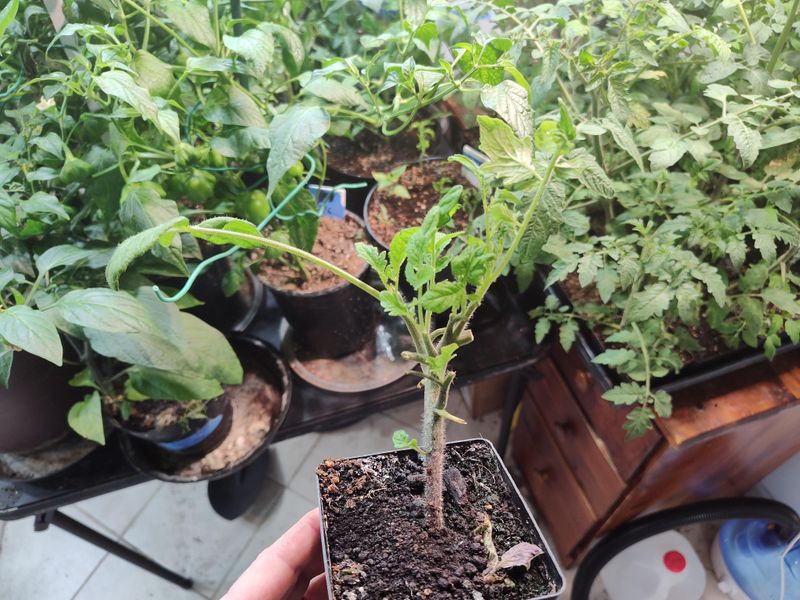
Balance matters more than you might think when growing seedlings indoors. Tomato plants developing thick stems and multiple leaves can become unstable in small containers.
Michigan’s windowsill growers often find their pots tipping over from the slightest bump or breeze.
Top-heavy seedlings indicate the plant has outgrown its foundation. The root system can’t anchor properly in limited soil, while the above-ground portion keeps expanding.
This imbalance makes plants vulnerable to damage and stress.
Falling over repeatedly harms stems and can break branches or bruise leaves. Even if you catch them quickly, the repeated stress weakens overall health.
Tomatoes need stable support to grow straight and strong.
Larger, deeper pots provide better stability and allow roots to anchor more securely. The added weight of extra soil also helps prevent tipping.
Your seedlings will stand upright without constant propping or worrying.
Transplanting into appropriately sized containers solves the balance issue immediately. Choose pots that are proportional to the plant’s size, with enough depth for roots to grow downward.
Michigan gardeners preparing seedlings for outdoor gardens benefit from sturdy plants that can handle wind and weather once transplanted outside in late May or early June.
Strong root anchoring supports thicker stems and better airflow around the plant.
Seedlings that grow upright and balanced indoors adjust more easily when Michigan’s outdoor conditions become unpredictable.
5. Leaves Begin To Pale Or Yellow
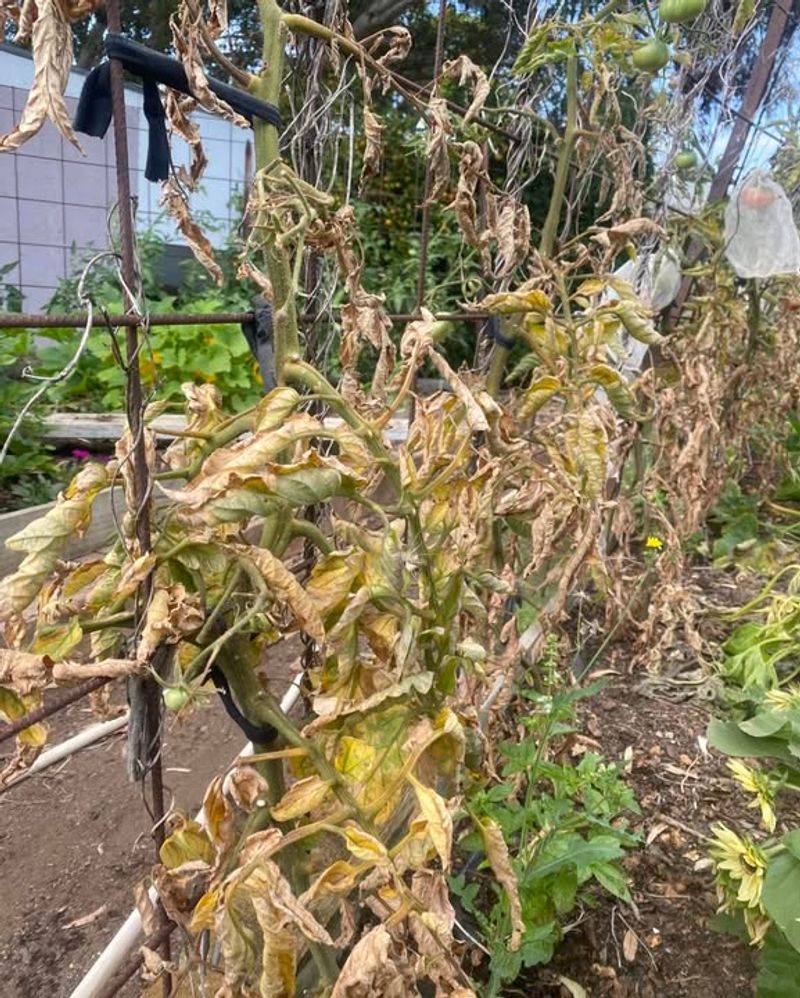
Vibrant green foliage suddenly turning pale or yellow catches your attention fast. While several factors can cause color changes, nutrient depletion in small pots ranks high on the list.
Michigan’s tomato growers starting seeds indoors in March often see this issue by mid to late April.
Small containers hold limited soil, which means limited nutrients. Tomato seedlings are heavy feeders, especially as they grow larger.
Once they’ve absorbed available nutrients, deficiencies appear as yellowing leaves, particularly on lower growth.
Pale leaves can’t photosynthesize efficiently, which slows overall development. The plant struggles to produce energy for growth, flowering, and eventually fruiting.
Addressing nutrient shortages quickly prevents long-term setbacks.
Transplanting into fresh potting mix provides an immediate nutrient boost. New soil comes loaded with the minerals and organic matter tomatoes need.
Combined with more space for roots, this revives pale seedlings remarkably fast.
You might also add a diluted liquid fertilizer after transplanting to support recovery. Michigan’s indoor growing conditions can be challenging, but proper container size and soil quality make a huge difference.
Healthy green leaves signal your seedlings are getting everything they need to thrive and will be ready for outdoor planting when temperatures stabilize across the state.
Once roots have access to fresh nutrients and adequate soil volume, leaf color often begins improving within a week as the plant regains its ability to fuel steady growth.
Well-fed seedlings enter Michigan gardens stronger and less stressed, allowing them to adjust more smoothly to outdoor conditions when planting time finally arrives.
6. Roots Are Growing Out Of Drainage Holes
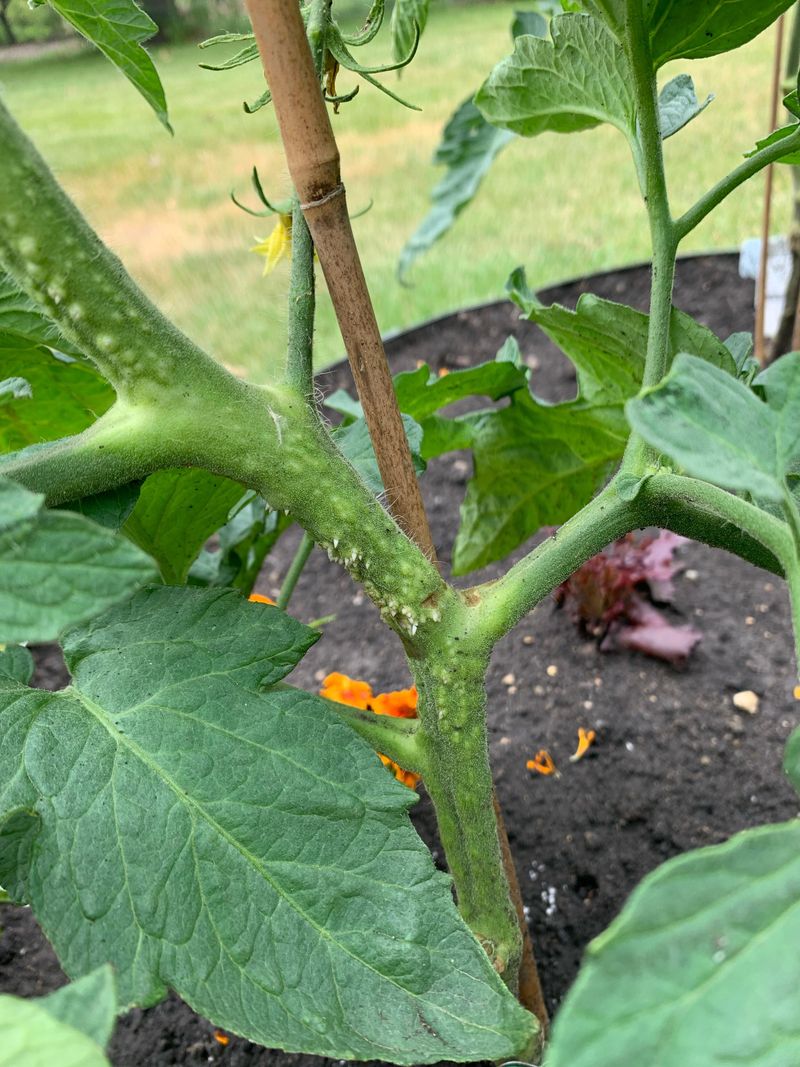
Spotting white roots poking through the bottom of your pots sends a clear message. Tomato seedlings are literally trying to escape their containers in search of more space.
Michigan gardeners checking their indoor setups often discover this telltale sign when moving pots around.
Drainage holes serve an important purpose, allowing excess water to exit and preventing root rot. But when roots start emerging from these openings, they’ve run out of room inside.
This desperate search for space means transplanting can’t wait much longer.
Roots growing outside the pot dry out quickly and become damaged. They’re exposed to air instead of protected by soil, which stresses the entire plant.
These damaged roots may not recover even after transplanting.
Acting quickly preserves root health and maintains strong growth. Moving seedlings to larger containers before too many roots escape prevents unnecessary damage.
The transition goes more smoothly when roots are still mostly contained.
Choose new pots with adequate drainage holes but enough depth that roots won’t quickly reach the bottom again. Michigan’s tomato season requires well-developed root systems to support plants through summer heat and produce abundant fruit.
Transplanting when you first notice roots emerging gives seedlings the space they desperately need without causing additional stress or setbacks.
Giving roots uninterrupted space early allows them to redirect growth outward instead of continuing stressed patterns that restrict long-term development.
Seedlings with protected, well-formed root systems establish faster in Michigan gardens and support stronger, more consistent top growth once outdoor conditions begin to shift.
7. Multiple True Leaf Sets Have Formed
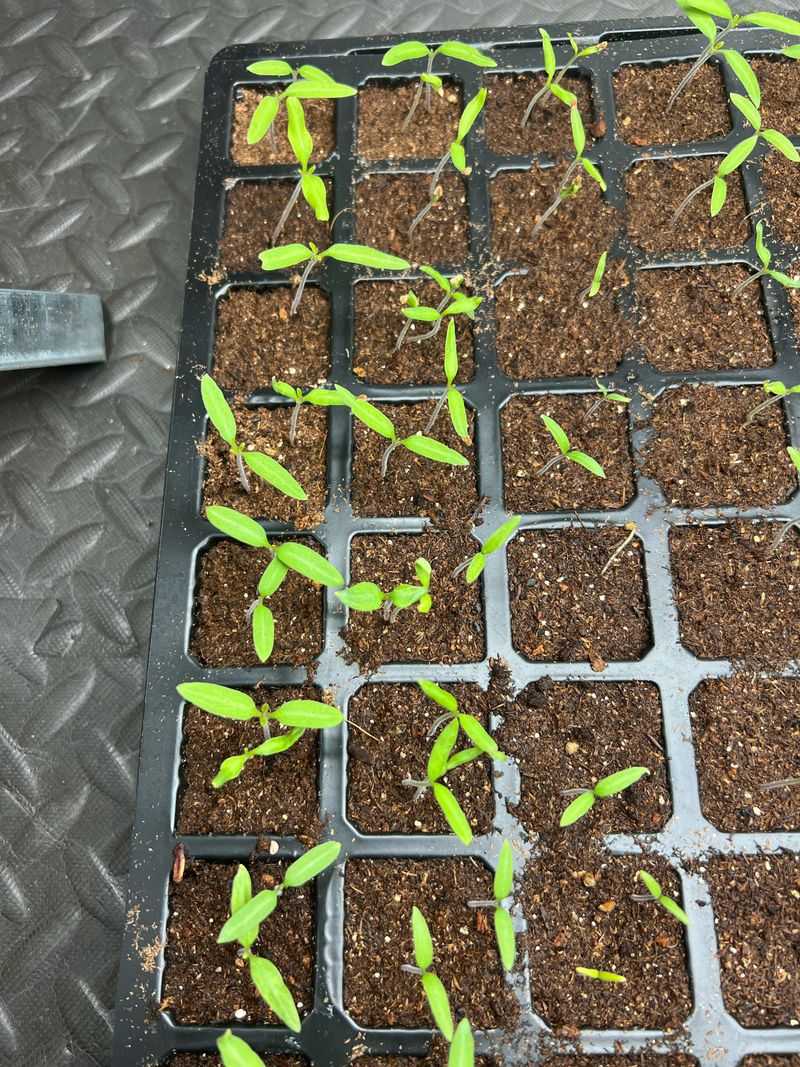
Counting leaves might seem tedious, but it’s one of the most reliable indicators for transplanting timing. Tomato seedlings first produce cotyledons, those initial rounded leaves that don’t look like typical tomato foliage.
True leaves follow, displaying the characteristic serrated edges and compound structure.
Most experts recommend transplanting once seedlings develop two to three sets of true leaves. By this stage, plants have enough foliage to support photosynthesis and can handle the transplant process.
Michigan growers typically see this development three to four weeks after germination.
Waiting for multiple true leaf sets ensures seedlings are mature enough to benefit from extra space. Moving them too early doesn’t provide much advantage, while waiting too long creates the problems already discussed.
Timing matters for optimal development.
True leaves indicate the plant has transitioned from relying on seed energy to producing its own food. This makes them more resilient and ready for the next growth stage.
Roots are also developed enough to establish quickly in new soil.
Transplanting at this stage sets tomatoes up for success throughout the Michigan growing season. They’ll have time to develop strong root systems indoors before facing outdoor conditions.
Larger pots support the vigorous growth that follows, ensuring your seedlings become robust plants ready to produce plenty of tomatoes once summer arrives across the state.
Transplanting at the true leaf stage gives seedlings room to expand without interrupting their natural growth rhythm during a critical development window.
Plants moved at the right moment adapt faster in Michigan conditions and carry that early advantage into stronger stems, fuller foliage, and better productivity later in the season.
8. Stems Stretch Faster Than Leaves Develop
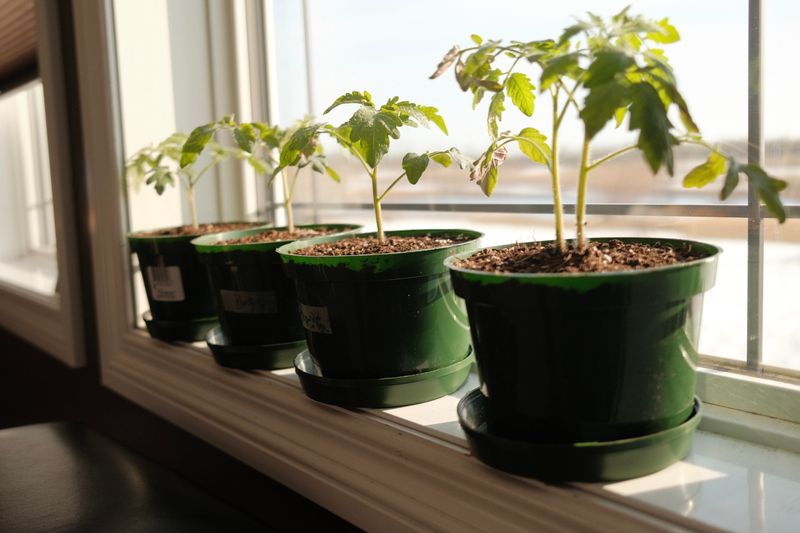
Leggy seedlings with long, thin stems and sparse foliage signal trouble. While insufficient light often causes this stretching, overcrowded roots in small containers contribute significantly.
Michigan gardeners dealing with limited indoor light during March and April frequently encounter this challenge.
Stems elongate as plants search for better conditions, whether that’s more light or more space. When roots can’t support proper development, energy goes into stretching rather than building sturdy stems and abundant leaves.
This creates weak, spindly plants.
Leggy tomatoes struggle when transplanted outdoors. They can’t support themselves well, break easily in wind, and produce less fruit.
Preventing excessive stretching during the seedling stage ensures stronger plants later.
Transplanting to larger pots helps redirect energy into healthy growth. Combined with adequate light, extra space allows stems to thicken and leaves to develop properly.
You’ll see noticeable improvement within a week or two.
Burying stems deeper during transplant also helps leggy seedlings. Tomatoes can grow roots along buried stem portions, which strengthens the overall plant.
Michigan growers preparing for outdoor planting benefit from stocky, well-proportioned seedlings rather than tall, weak ones. Addressing stem stretching early by providing larger containers and proper care creates the foundation for productive tomato plants throughout the growing season.
Giving seedlings more root space early helps shift growth from vertical stretching to thicker stems and fuller leaf development.
Tomatoes that build strength indoors adjust far better to Michigan’s outdoor conditions and carry that sturdiness into flowering and fruit production later in the season.