10 Herbs That Fit Perfectly Near Front Doors In Virginia Gardens
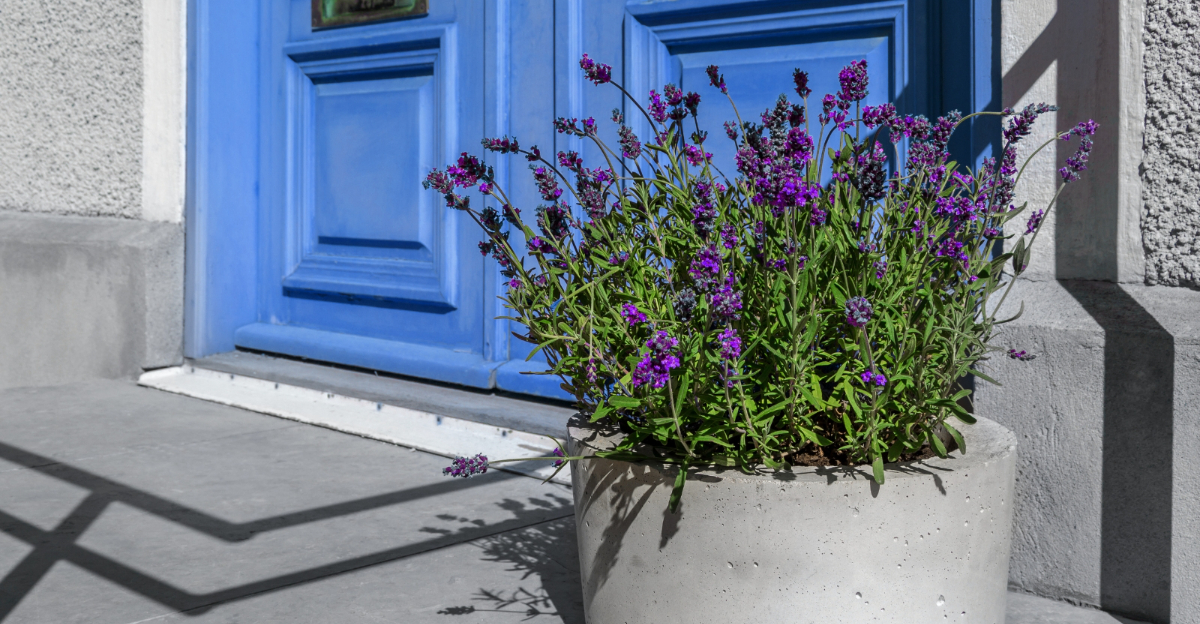
Front doors in Virginia gardens sit at a crossroads of sun, shade, foot traffic, and visibility, which makes planting choices there far more noticeable than in tucked-away beds.
Herbs placed near entrances need to look intentional, stay controlled, and handle daily brushing without turning unruly.
Many gardeners skip these areas entirely, worried herbs will sprawl, look messy, or demand constant trimming.
Virginia’s humidity, rainfall, and warm summers narrow the list to herbs that tolerate shifting conditions without losing shape or appeal. When the match is right, these plants enhance the entrance instead of competing with it.
Fragrance becomes part of the experience when leaves release scent as people pass by, quietly changing how the space feels.
Growth habit matters just as much, since compact or upright herbs keep walkways clear and entrances uncluttered.
Poor plant choices near front doors often lead to crowding, flopping stems, or visual chaos right where eyes naturally land.
Well chosen herbs can frame a Virginia home’s entrance with scent, structure, and purpose while staying easy to live with day after day.
1. Lavender
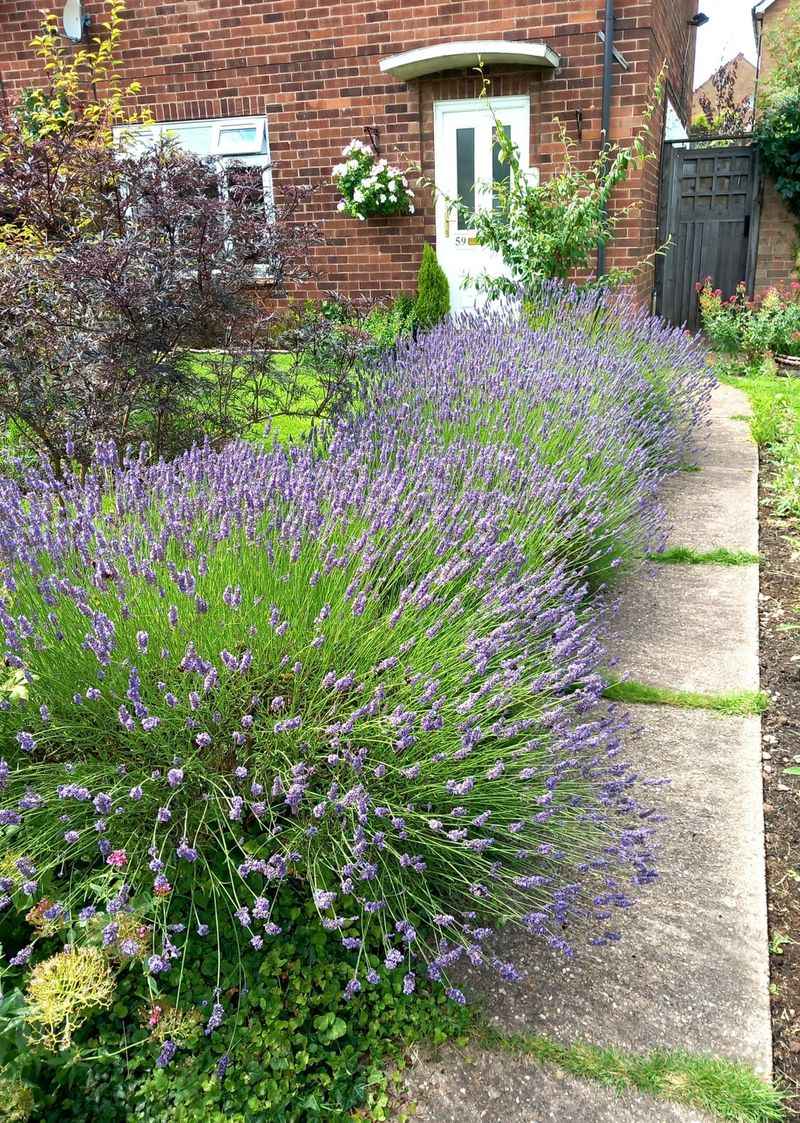
Purple blooms greet visitors with a calming fragrance that makes any entrance feel more inviting and peaceful.
This Mediterranean herb adapts surprisingly well to Virginia’s varied weather patterns, handling both summer heat and occasional winter chill with resilience. Homeowners appreciate how lavender requires minimal watering once established, making it perfect for busy families who want beauty without constant maintenance.
Well-drained soil is essential for lavender success, so adding sand or gravel to your planting area prevents root problems.
Virginia gardeners often place lavender on the sunny side of their front steps where it receives at least six hours of direct light daily.
The silvery-green foliage provides year-round visual interest even when flowers fade in late summer.
Butterflies and bees flock to lavender blooms, creating a lively scene near your entryway during peak flowering months.
Pruning after flowering encourages bushier growth and prevents the plant from becoming woody and sparse.
Fresh or dried lavender stems make wonderful additions to indoor arrangements, bringing that signature scent into your Virginia home throughout the year.
Lavender planted near walkways releases its soothing scent with every passing step, turning a simple entrance into a sensory experience that feels both welcoming and refined.
Virginia homeowners who choose lavender for their front entry enjoy a plant that balances elegance, durability, and low upkeep while quietly improving curb appeal season after season.
2. Rosemary
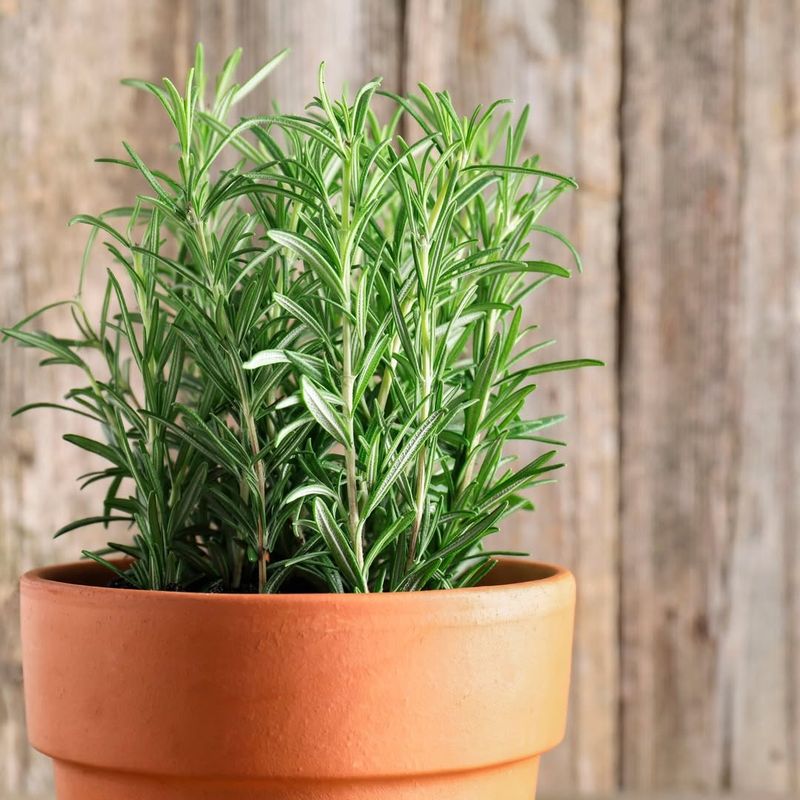
Needle-like leaves release an aromatic scent when brushed against, creating a sensory experience for everyone entering your home.
Virginia’s climate in zones 7 and 8 allows rosemary to grow as a perennial in many areas, though colder northern regions may need winter protection.
This evergreen herb maintains its appearance through all seasons, providing consistent greenery even when other plants go dormant.
Upright varieties work beautifully as small shrubs flanking doorways, while trailing types cascade elegantly from elevated planters.
Rosemary tolerates drought better than most herbs once roots establish, making it ideal for Virginia summers when rainfall becomes unpredictable.
Your Virginia Garden Changes Every Week. Your Plan Should Too.
Gardening in Virginia changes quickly throughout the season. Every Friday you’ll receive a simple weekly plan showing exactly what to plant, prune, fertilize, harvest, and protect so you never miss the right timing.
The woody stems develop character over time, giving mature plants a sculptural quality that enhances architectural features.
Culinary uses for rosemary are endless, from roasted vegetables to grilled meats and homemade bread. Blue flowers appear in spring, attracting pollinators while adding delicate color against dark green foliage.
Gardeners in Virginia should ensure excellent drainage and avoid overwatering, as soggy soil quickly damages rosemary roots and causes decline.
3. Thyme
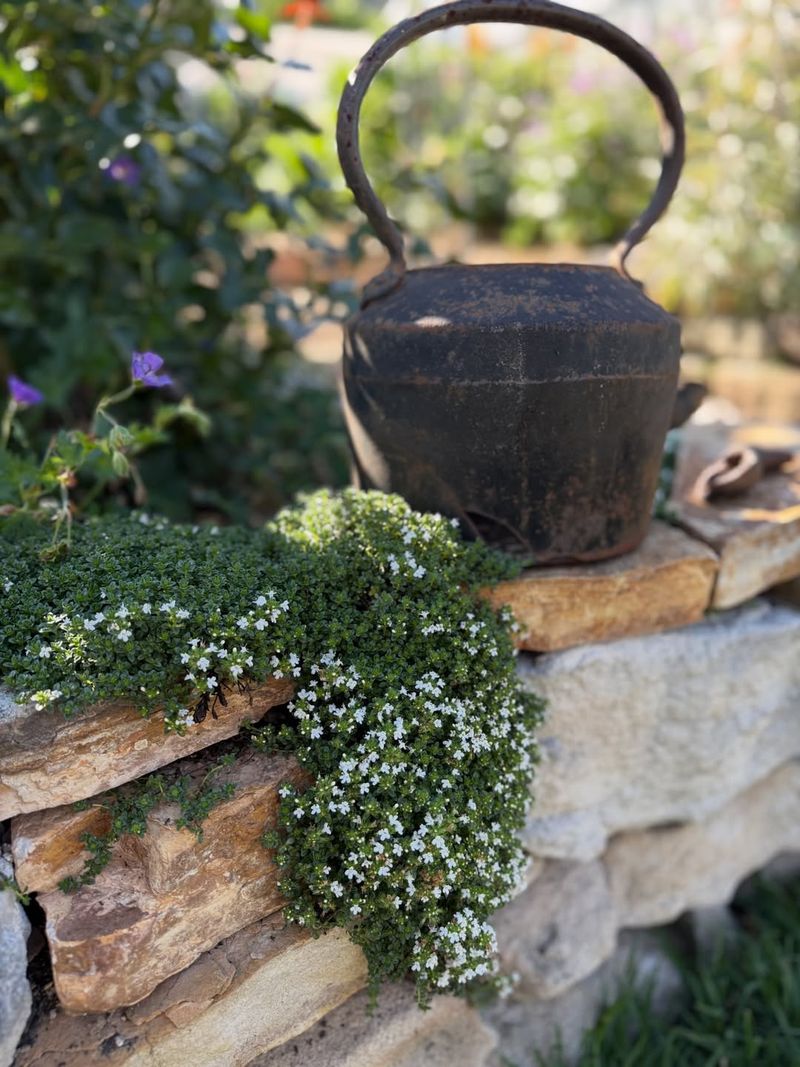
Low-growing habit makes thyme an excellent choice for edging walkways leading to front doors or tucking between pavers.
Tiny leaves pack tremendous flavor despite their size, and just a few sprigs transform everyday cooking into something special. Virginia gardeners love how thyme spreads slowly to form a fragrant carpet that releases scent when stepped on lightly.
Creeping varieties flow over container edges beautifully, softening hard lines of pots and planters near entryways.
This herb thrives in Virginia’s hot summers without wilting or requiring constant attention, making it perfect for south-facing exposures.
Different varieties offer unique scents including lemon, caraway, and traditional culinary thyme, allowing you to customize your front door plantings.
Pink or white flowers blanket thyme plants in late spring, creating a stunning display that contrasts with tiny green leaves.
Bees adore thyme blossoms, so expect plenty of buzzing activity during flowering periods near your entrance.
Harvesting regularly keeps plants compact and encourages fresh growth, ensuring your Virginia thyme patch stays attractive and productive throughout the growing season.
Thyme planted along entry paths creates a soft, aromatic border that feels intentional while still staying relaxed and natural in appearance.
Virginia gardeners who use thyme near front doors enjoy a hardy, fragrant plant that looks polished, supports pollinators, and asks very little in return once established.
4. Sage
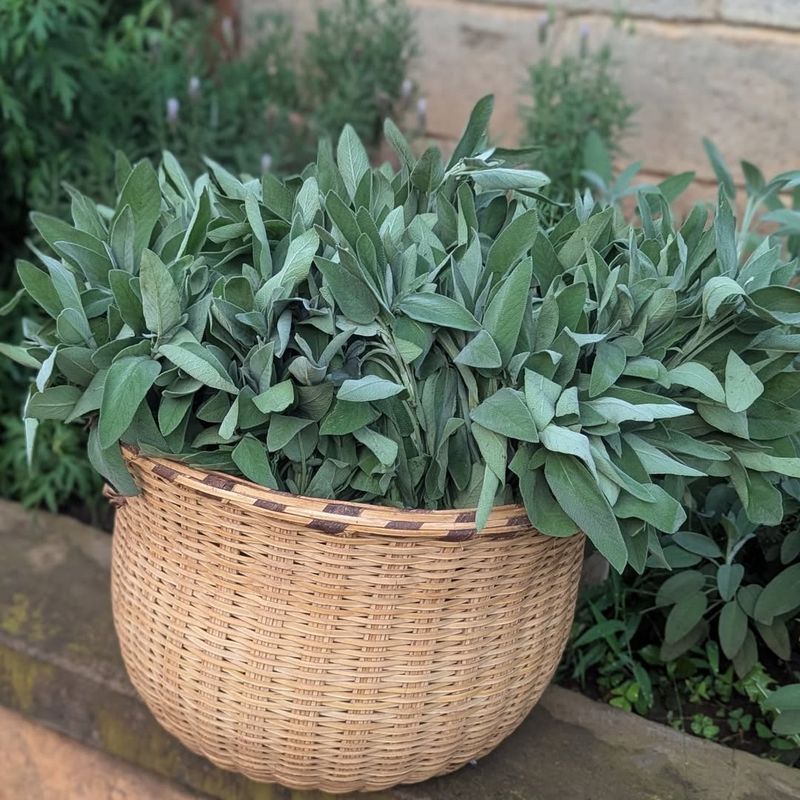
Velvety gray-green leaves create a soft textural element that contrasts beautifully with harder architectural materials like brick and stone.
Virginia homeowners often position sage near front doors where its substantial size fills space without overwhelming smaller entryways.
The herb’s Mediterranean origins mean it handles summer heat exceptionally well while tolerating occasional winter freezes in most Virginia locations.
Purple flower spikes emerge in early summer, adding vertical interest and attracting hummingbirds to your front entrance.
Sage leaves remain harvestable nearly year-round in milder Virginia winters, providing fresh herbs for holiday cooking and cold-weather meals.
Various cultivars offer different leaf colors including purple, golden, and tricolor varieties that add artistic flair to container combinations.
Proper spacing prevents overcrowding, as mature sage plants can spread two feet wide in favorable conditions. This herb prefers lean soil rather than heavily fertilized beds, making it low-maintenance for Virginia gardeners who want beauty without fuss.
Pruning sage in early spring encourages bushy growth and prevents the woody stems from becoming too sparse and leggy over time.
5. Chives
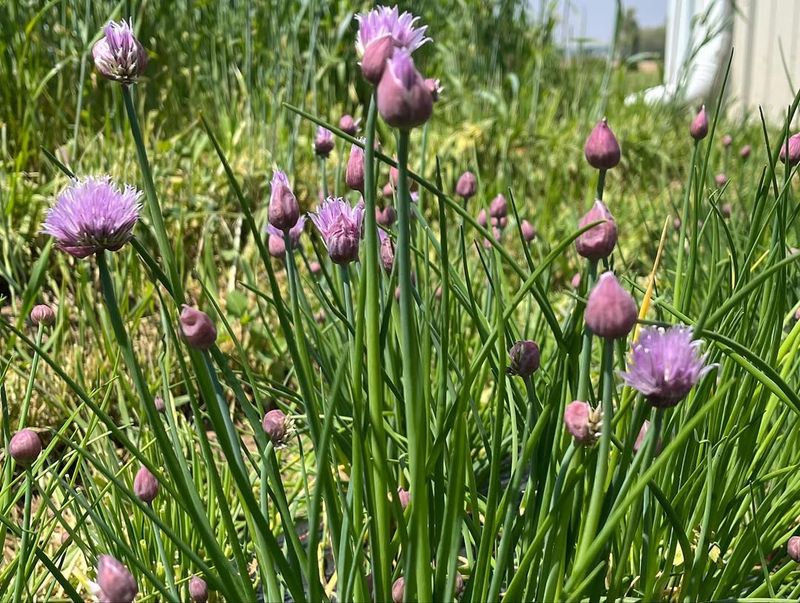
Grass-like foliage brings a vertical element to front door plantings without taking up much horizontal space. Round purple pom-pom flowers appear in spring, adding cheerful color that brightens Virginia entryways during the growing season.
This perennial herb returns reliably year after year, multiplying slowly to create fuller clumps that can be divided and shared with neighbors.
Chives tolerate partial shade better than many herbs, making them suitable for north-facing doors or entries shaded by porches.
The mild onion flavor enhances countless dishes from scrambled eggs to baked potatoes and fresh salads. Virginia gardeners appreciate how chives remain pest-free and disease-resistant, requiring virtually no intervention once established in appropriate locations.
Cutting flowers before they go to seed prevents excessive self-sowing while encouraging continued leaf production throughout summer.
Both leaves and flowers are edible, with blossoms adding a decorative touch to dishes while providing subtle onion flavor.
Chives fade back completely during Virginia winters but emerge quickly in early spring, often among the first herbs to show fresh new growth near your entrance.
Because chives grow upright in narrow clumps, they work especially well in tight entry areas where spreading plants would feel crowded or messy.
Their early emergence signals the start of the growing season in Virginia, giving front door plantings a fresh, lived-in look long before most perennials wake up.
6. Parsley
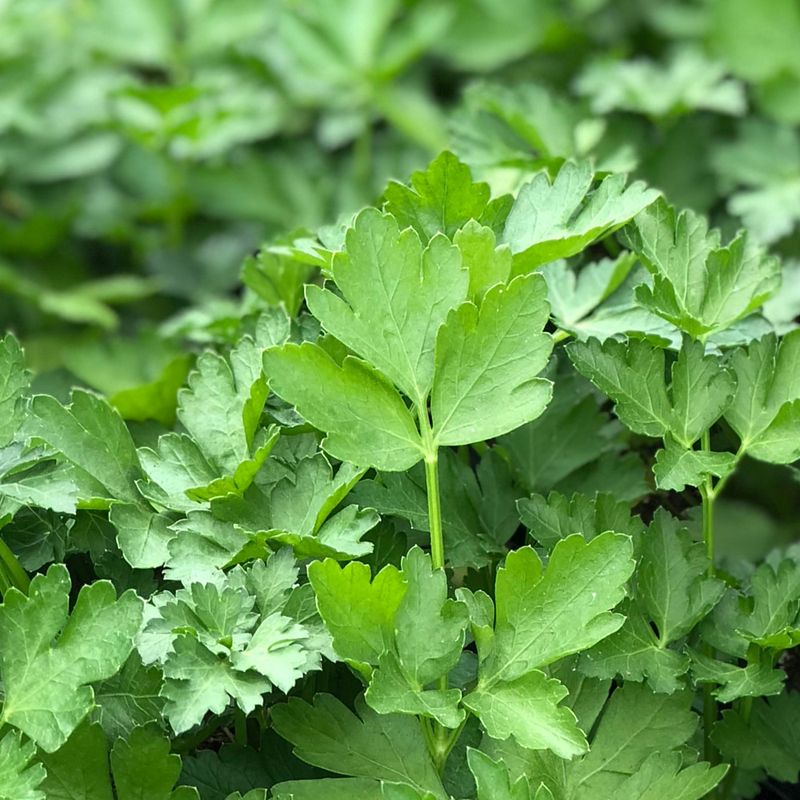
Bright green, ruffled leaves provide a lush appearance that stays attractive from spring through fall in Virginia gardens.
This biennial herb produces abundant foliage during its first year, making it perfect for continuous harvesting near front doors where fresh garnishes are always needed.
Flat-leaf and curly varieties both grow well, with flat-leaf types offering stronger flavor for cooking applications.
Parsley appreciates consistent moisture more than drought-tolerant herbs, so front door locations near downspouts or easy-to-reach hose connections work best.
Virginia’s humid summers suit parsley well, though afternoon shade helps prevent stress during the hottest July and August days.
The herb’s compact growth habit fits neatly into small containers or tight spaces between larger plants.
Swallowtail butterfly caterpillars often munch on parsley leaves, creating an opportunity to observe metamorphosis right outside your door. Allowing some caterpillar feeding demonstrates ecological stewardship while teaching children about nature’s cycles.
Parsley grown in Virginia typically survives mild winters, continuing to produce fresh leaves until hard freezes arrive, then returning from roots when temperatures warm again in spring.
7. Basil
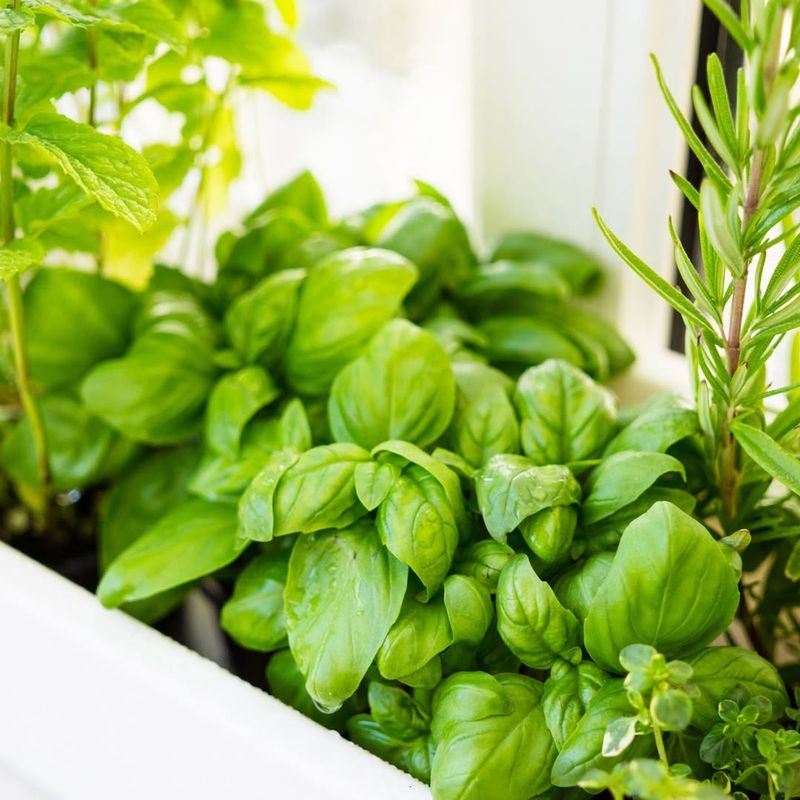
Warm-season favorite thrives in Virginia’s summer heat, producing aromatic leaves perfect for fresh pesto and caprese salads.
Positioning basil near your front door means quick access to fresh leaves during dinner preparation without trekking to a distant garden.
This annual herb requires replacement each year but grows so vigorously that one plant provides abundant harvests throughout the growing season.
Purple-leafed varieties add dramatic color contrast to green plantings, creating eye-catching combinations in front entrance containers.
Basil needs consistent warmth, so Virginia gardeners should wait until nighttime temperatures stay above 50 degrees before planting near doorways.
Pinching off flower buds as they form redirects energy into leaf production, keeping plants bushy and productive longer.
The intoxicating scent of basil leaves perfumes the air near entryways, creating an aromatic welcome for visitors arriving at your Virginia home.
Different varieties offer unique flavors including lemon, cinnamon, Thai, and classic Genovese types suited to various culinary preferences. Afternoon shade helps prevent wilting during Virginia’s hottest summer days, though morning sun remains essential for robust growth and oil production in leaves.
8. Oregano
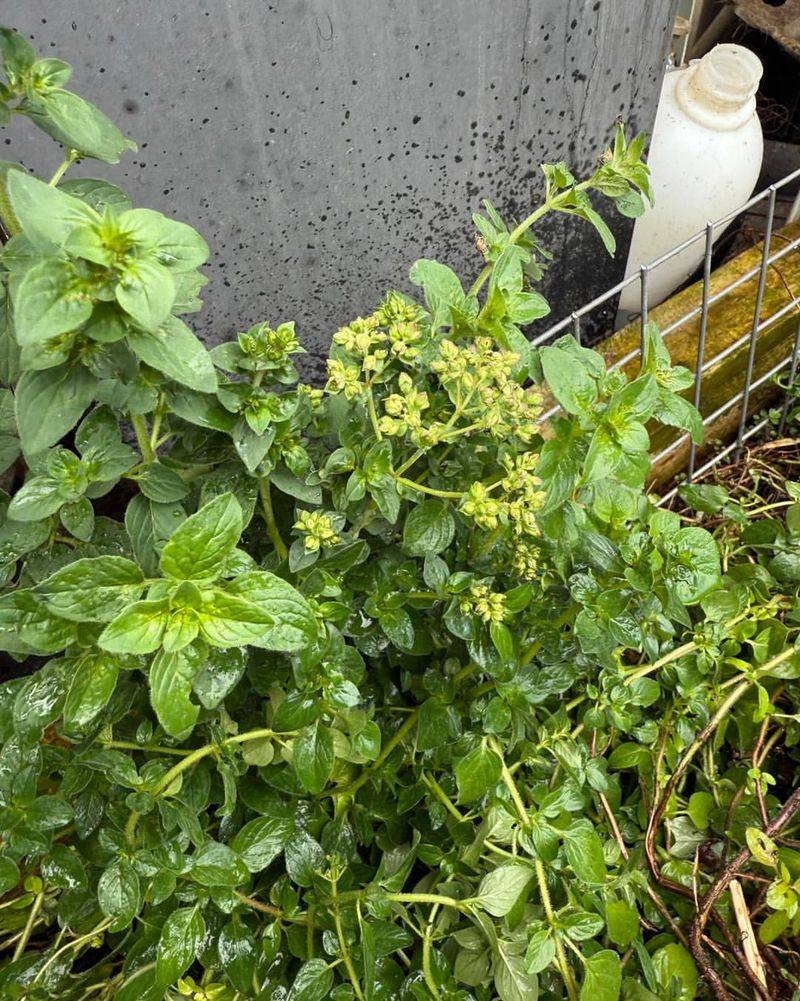
Spreading growth habit creates a cascading effect when planted in elevated containers flanking Virginia front doors.
Small leaves pack intense flavor that intensifies when dried, making this herb valuable for year-round cooking applications.
This perennial reliably returns each spring, gradually expanding to fill available space without becoming invasive or problematic.
White or pink flowers bloom in midsummer, attracting beneficial insects while adding delicate beauty to entrance plantings.
Oregano tolerates Virginia’s occasional drought periods better than water-hungry herbs, making it suitable for gardeners who travel or have busy schedules.
The herb’s low maintenance requirements mean it thrives with minimal intervention, needing only occasional trimming to maintain shape.
Greek and Italian oregano varieties offer slightly different flavor profiles, allowing you to choose based on your cooking preferences and heritage.
Virginia’s climate suits oregano perfectly, providing the warm summers and cold winters that enhance essential oil development in leaves. Harvesting stems regularly prevents flowering and keeps plants producing fresh, flavorful foliage throughout the growing season for your front door herb collection.
Oregano placed near entryways brings a relaxed, slightly wild feel that softens formal architecture while still looking intentional and well cared for.
Virginia gardeners often find that this herb settles in quietly, fills space at its own pace, and rewards steady harvesting with richer aroma and stronger flavor as the season progresses.
9. Mint
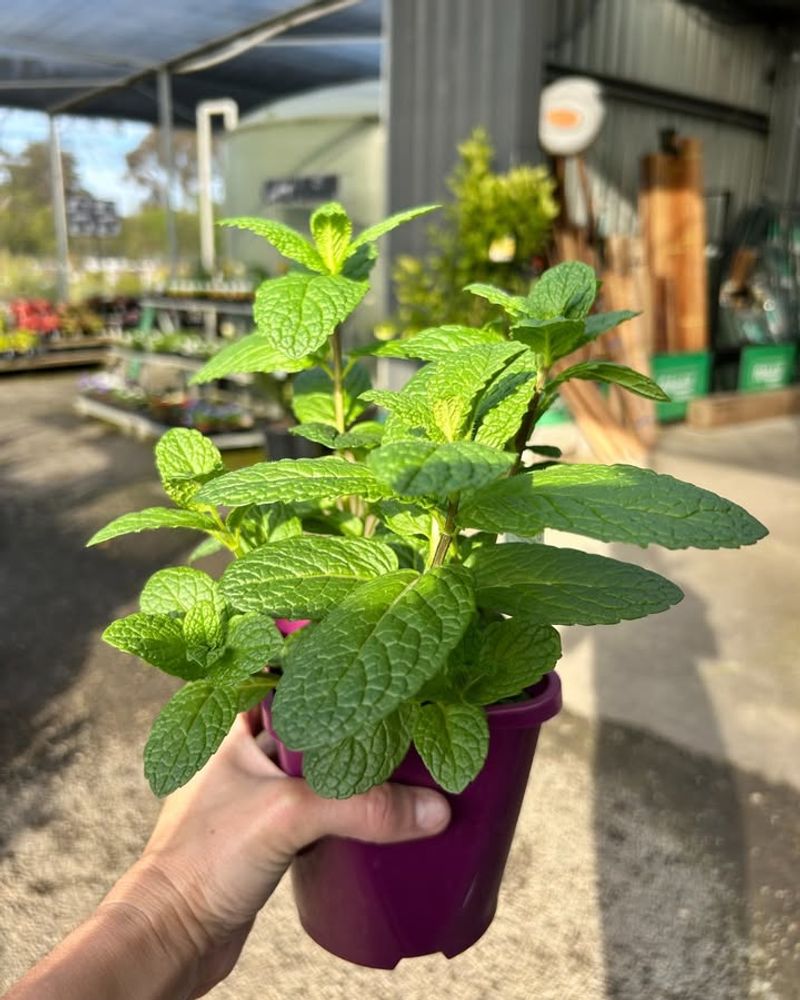
Aggressive spreading nature makes containers absolutely essential when growing mint near front doors in Virginia gardens.
This vigorous herb will quickly overtake surrounding plants if allowed to root freely in ground beds. Pots restrict root growth while still allowing mint to produce abundant aromatic leaves for mojitos, teas, and fresh garnishes.
Various mint varieties offer different scent profiles including peppermint, spearmint, chocolate mint, and apple mint suited to diverse tastes.
Virginia’s humid climate creates ideal conditions for mint, which appreciates more moisture than drought-tolerant Mediterranean herbs.
Placing containers on trays filled with pebbles and water increases humidity while preventing roots from sitting in soggy conditions.
Mint tolerates more shade than most herbs, making it perfect for north-facing doors or entries with limited direct sunlight. The refreshing fragrance wafts through the air when leaves are brushed or crushed, creating a pleasant sensory experience near your entrance.
Regular harvesting keeps mint plants bushy and prevents them from becoming leggy, ensuring your Virginia front door containers remain attractive and productive throughout the growing season.
10. Lemon Balm
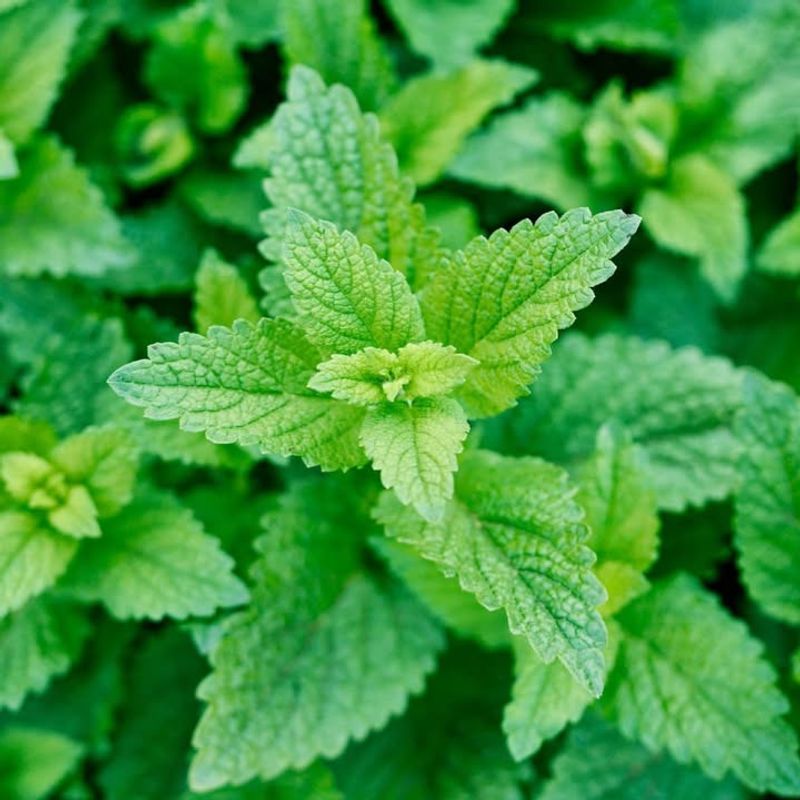
Citrus-scented leaves brighten moods and add cheerful fragrance to Virginia front door areas when touched or crushed.
This member of the mint family shares similar growth vigor, making container planting advisable to prevent unwanted spreading. The herb’s lemon scent without actual citrus fruit makes it valuable for year-round use in teas and culinary applications.
Heart-shaped leaves create a lush, full appearance that fills containers beautifully throughout Virginia’s growing season.
Lemon balm tolerates partial shade well, adapting to various light conditions near entryways with different exposures. Small white flowers attract bees and beneficial insects, supporting pollinator populations while adding subtle beauty to plantings.
This perennial herb fades back during Virginia winters but returns vigorously each spring, often earlier than many other herbs.
Fresh leaves make soothing teas that help with relaxation and stress relief after long days.
Cutting stems back by half in midsummer encourages fresh growth and prevents plants from becoming too tall and floppy, maintaining an attractive appearance near your front door entrance throughout the season.