When Hydrangeas Should Be Pruned In Virginia Gardens
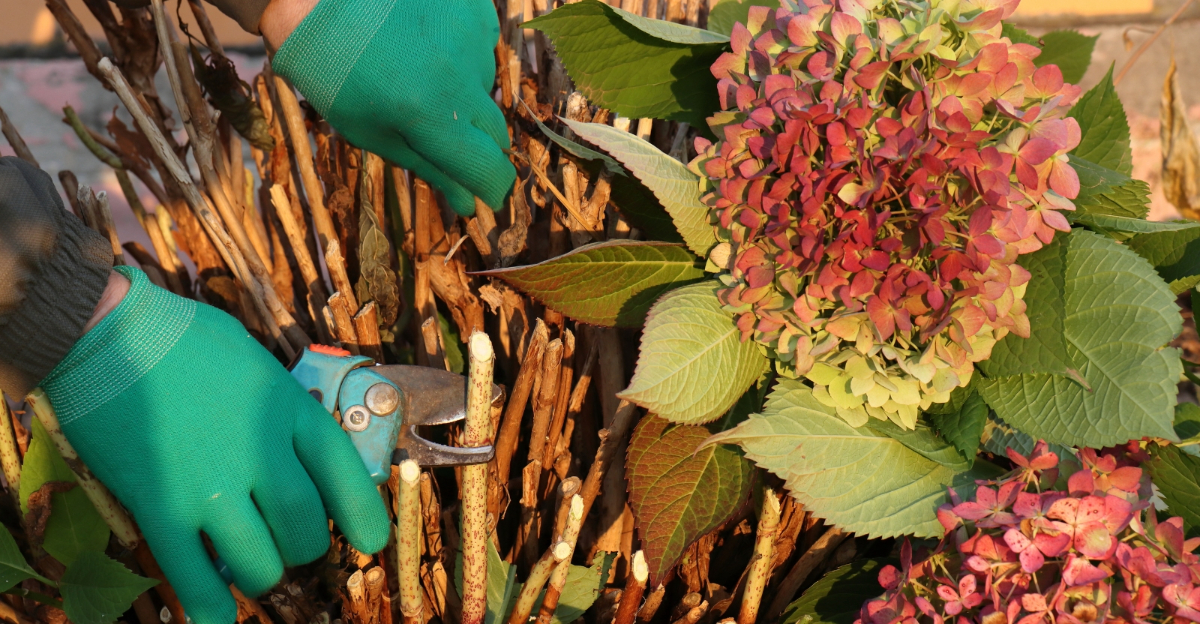
Hydrangeas are a highlight in Virginia gardens, yet they’re also one of the easiest plants to get wrong when it comes to seasonal care.
Many gardeners swear they prune at the right time and still end up confused when blooms fail to appear.
Virginia’s climate doesn’t make things simple, because winter can linger quietly and then disappear almost overnight.
Warm spells followed by sudden cold snaps often trick people into acting too early or waiting far too long.
What looks like a harmless cut can quietly change how a hydrangea performs for the entire year. The results don’t show up right away, which is why the mistake is easy to miss.
By the time spring growth takes off, the damage is already done.
This is one of those garden tasks where timing matters more than effort or technique.
Once the pattern behind successful pruning becomes clear, everything about hydrangea care in Virginia starts to make more sense.
1. Late Winter To Early Spring Works Best For Hydrangeas
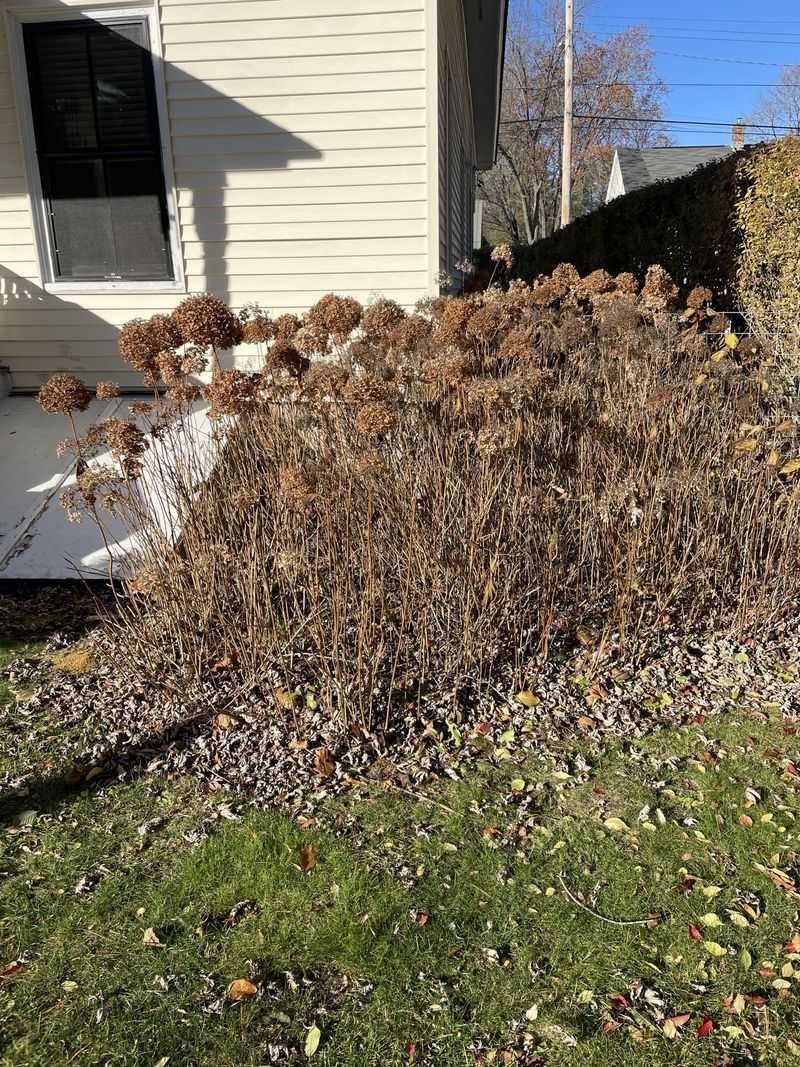
Virginia’s climate sits right in that tricky middle zone where winters aren’t brutally harsh but can still surprise you with sudden cold snaps. Gardeners across the state know that February might feel mild one week and freezing the next.
This unpredictability makes timing your hydrangea pruning a bit of a balancing act.
Most experts suggest waiting until late February or early March before making any cuts. By then, the worst of winter has usually passed, but spring hasn’t fully arrived yet.
Your hydrangeas are still dormant, which means they won’t be shocked by the trimming.
Cold damage happens when you prune too early and expose fresh cuts to freezing temperatures. Virginia’s mild winters can trick you into thinking it’s safe to start earlier than it really is.
Even a brief frost after pruning can harm new growth that’s trying to emerge.
Waiting until early spring also lets you see which stems made it through winter intact. Brown, brittle branches are easier to spot once the snow melts and temperatures stabilize.
This visual check saves you from cutting healthy wood by mistake.
Another advantage of late winter pruning in Virginia is that sap flow hasn’t fully started yet. When sap is still mostly dormant, your plants lose less moisture through pruning wounds.
This helps them recover faster once warmer weather arrives.
Timing also depends on your specific hydrangea variety. Some types bloom on old wood, while others bloom on new growth.
Understanding your plant’s blooming habit helps you avoid accidentally removing next season’s flower buds.
2. When Pruning Too Early Causes Problems In Virginia Gardens
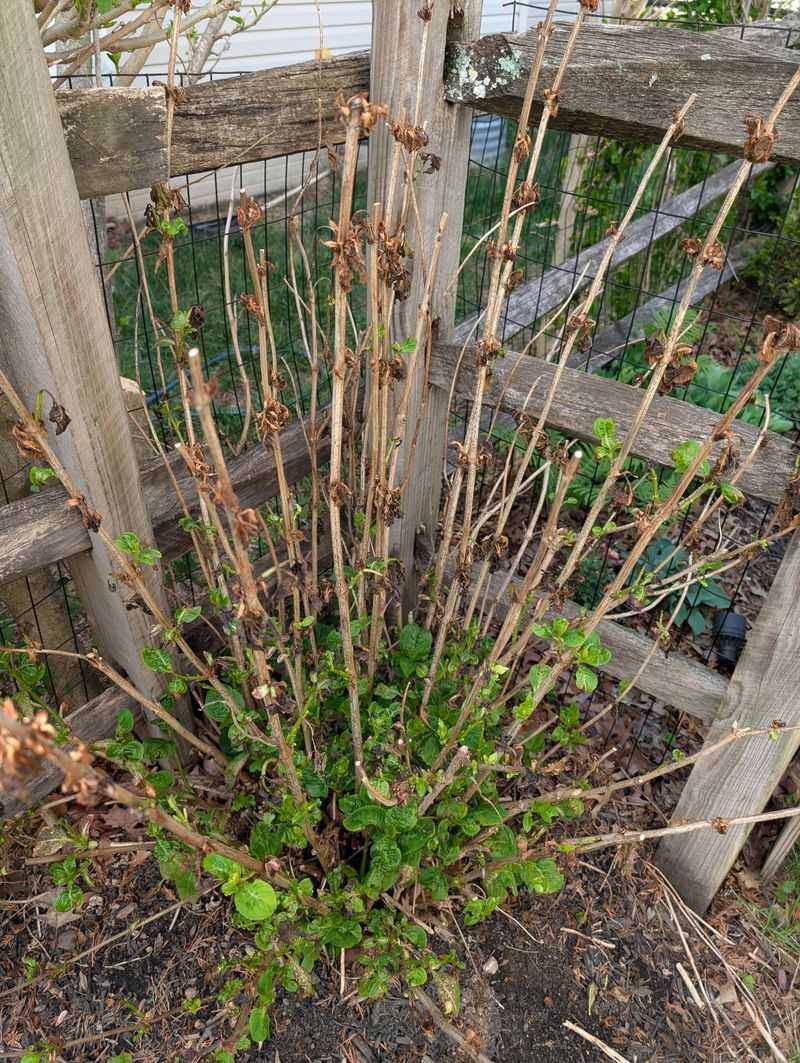
Jumping the gun on pruning might seem harmless, especially during a warm January week in Virginia. However, cutting too early opens up your hydrangeas to a host of problems that can last all season long.
Exposed cuts are vulnerable to sudden temperature drops that can damage plant tissue.
Virginia winters are notoriously unpredictable, with warm days followed by hard freezes. When you prune during these warm spells, your hydrangeas might start sending energy to the cut areas.
Your Virginia Garden Changes Every Week. Your Plan Should Too.
Gardening in Virginia changes quickly throughout the season. Every Friday you’ll receive a simple weekly plan showing exactly what to plant, prune, fertilize, harvest, and protect so you never miss the right timing.
Then a freeze hits, and that new growth gets damaged or halts completely.
Early pruning also removes protective layers that help insulate buds through the coldest part of winter. Those old stems and spent blooms act like a blanket, shielding tender buds from harsh winds and ice.
Stripping them away too soon leaves your plants defenseless.
Fungal diseases and bacteria thrive in the cool, damp conditions of Virginia’s late winter. Fresh pruning wounds provide easy entry points for these pathogens.
Waiting until the weather stabilizes reduces the risk of infection taking hold.
Another issue with early pruning is that you might cut off wood that looks lifeless but is actually fine. Virginia’s freeze-thaw cycles can make healthy stems appear brown or brittle.
Give them time to show signs of life before deciding what to remove.
Sap bleeding is more common when you prune too early in the season. As temperatures fluctuate, sap can start moving through the plant unpredictably.
Excessive sap loss weakens your hydrangeas and makes recovery slower.
3. How Late Pruning Affects Blooms In Virginia
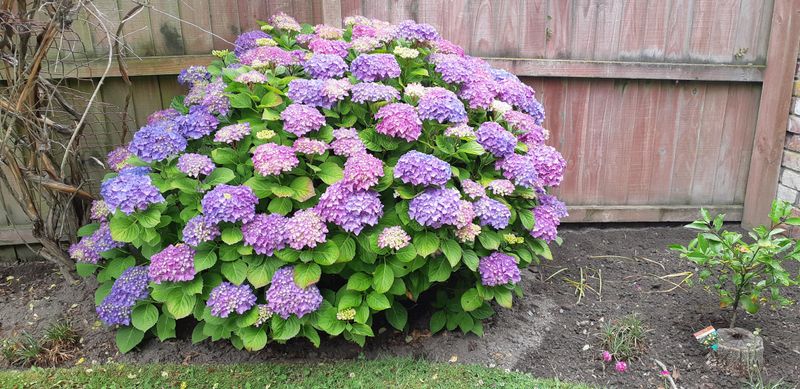
Waiting too long to prune your hydrangeas in Virginia can be just as problematic as starting too early. Once spring really gets going and new growth takes off, pruning becomes a gamble.
You might accidentally remove stems that are already preparing to bloom.
Virginia’s spring can arrive suddenly, with temperatures jumping from cool to warm in just a few days. Hydrangeas respond quickly to this warmth by pushing out new leaves and flower buds.
If you haven’t pruned by then, you’re working against the plant’s natural timeline.
Late pruning forces your hydrangeas to redirect energy away from flowering and back toward healing wounds. This energy shift can delay blooms by several weeks or reduce the number of flowers altogether.
Timing really matters when you want a spectacular display.
Certain hydrangea varieties are more forgiving of late pruning than others. Panicle hydrangeas and smooth hydrangeas bloom on new wood, so they can handle being cut later in spring.
But bigleaf and oakleaf hydrangeas bloom on old wood, making late cuts devastating to their flowering potential.
Virginia gardeners who wait until April or May to prune often find themselves disappointed by sparse blooms. By that time, flower buds have already formed on many varieties.
Cutting them off means no flowers for that entire growing season.
Another downside of late pruning is that it can stimulate excessive leafy growth at the expense of flowers. When you cut during active growth, plants respond by producing lots of foliage.
This can make your hydrangeas look lush and green but lacking in blooms.
4. Weather Cues That Signal It’s Time To Prune
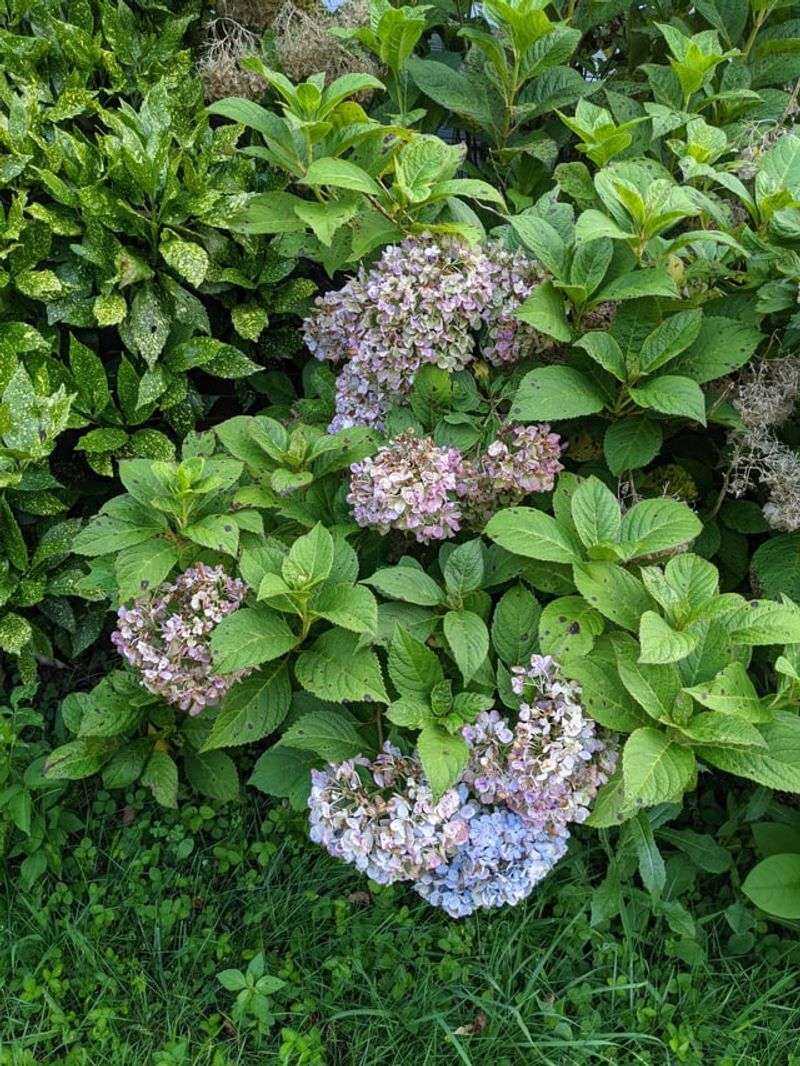
Nature provides plenty of clues about when conditions are right for pruning hydrangeas in Virginia. Learning to read these signals helps you time your cuts perfectly without relying solely on calendar dates.
Weather patterns vary from year to year, so flexibility matters.
One reliable indicator is when you notice consistent daytime temperatures staying above freezing for several days in a row. Virginia’s weather can be fickle, but once you see this pattern holding steady, winter’s grip is loosening.
This is often your green light to start thinking about pruning.
Pay attention to when forsythia bushes start blooming in your neighborhood. These bright yellow flowers are famous for signaling the arrival of early spring across Virginia.
Once forsythias bloom, soil temperatures are rising and the risk of hard freezes drops significantly.
Another helpful cue is watching your hydrangea buds themselves. When buds start to swell slightly but haven’t opened yet, you’re in the sweet spot for pruning.
This swelling shows that the plant is waking up but hasn’t committed energy to full growth yet.
Virginia gardeners can also look at soil conditions as a guide. When the ground is no longer frozen solid and you can easily push a shovel into the earth, temperatures have moderated enough for safe pruning.
Frozen ground means frozen air is still a risk at night.
Bird activity increases noticeably as spring approaches in Virginia. When you see robins returning and hear more birdsong in the morning, nature is telling you that warmer weather is settling in.
Birds are excellent weather predictors because they respond to the same environmental cues your plants do.
5. How Winter Damage Changes Pruning Timing In Virginia
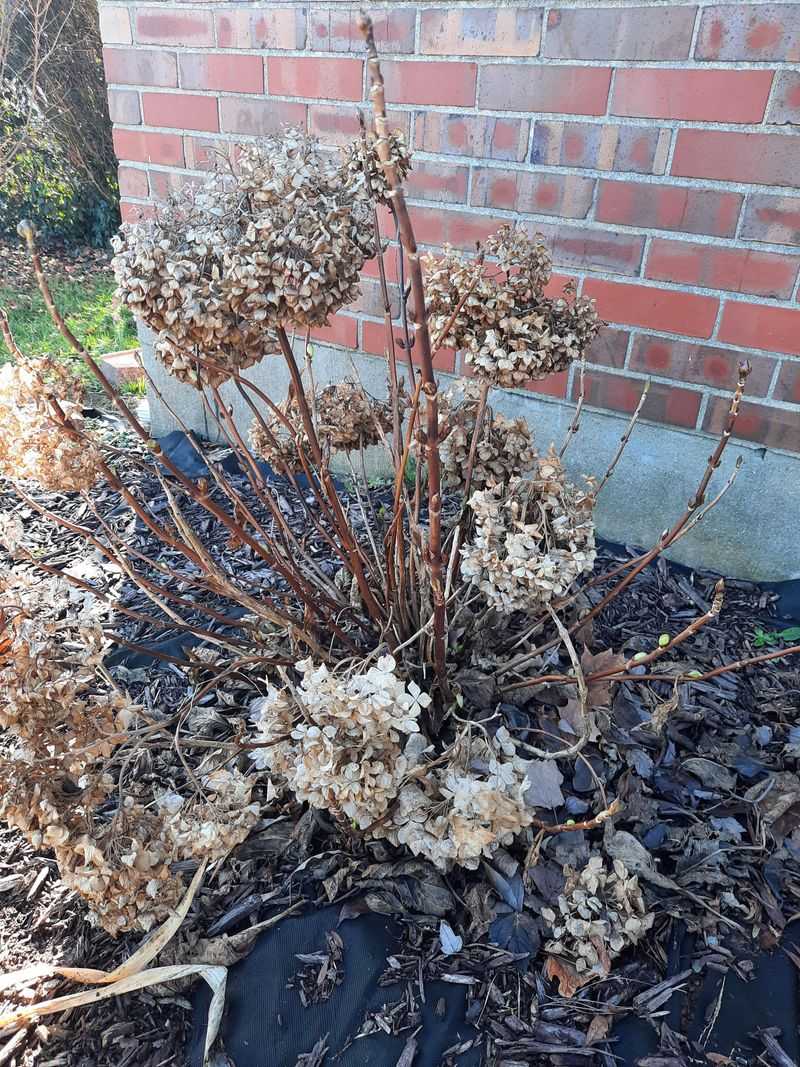
Some winters hit Virginia harder than others, leaving hydrangeas with varying degrees of damage. When your plants have suffered through a particularly rough season, your pruning approach needs to adapt.
Damaged plants require different timing and techniques than healthy ones.
Severe winter damage might mean waiting a bit longer to prune than you normally would. Injured plants need time to show you which parts are truly compromised and which parts are still viable.
Rushing to cut can result in removing stems that would have recovered on their own.
Virginia winters occasionally bring ice storms that snap branches or weigh them down until they crack. This type of mechanical damage should be addressed relatively quickly, even if it’s earlier than your usual pruning time.
Broken branches can harbor disease and should be removed to prevent further problems.
Cold damage shows up differently than mechanical damage. Stems might look discolored, shriveled, or dried out after exposure to extreme cold.
In Virginia, this kind of damage often appears after sudden temperature drops in late winter. Waiting until early spring lets you see the full extent of this damage before making cuts.
Sometimes only the tips of branches suffer winter damage while the base remains healthy. Virginia gardeners should prune back to the first healthy bud or node they find.
This selective approach preserves as much viable growth as possible while removing the damaged portions.
Plants that experienced winter damage often break dormancy later than undamaged plants. If your hydrangeas seem slow to wake up in spring, give them extra time before pruning.
They’re using their energy to recover internally before showing visible growth.
Heavily damaged hydrangeas in Virginia might benefit from a more aggressive pruning approach. If most of the plant looks compromised, cutting it back harder encourages fresh, healthy growth from the base.
This rejuvenation pruning essentially gives your plant a fresh start.
6. What Spring Growth Tells You Before You Cut
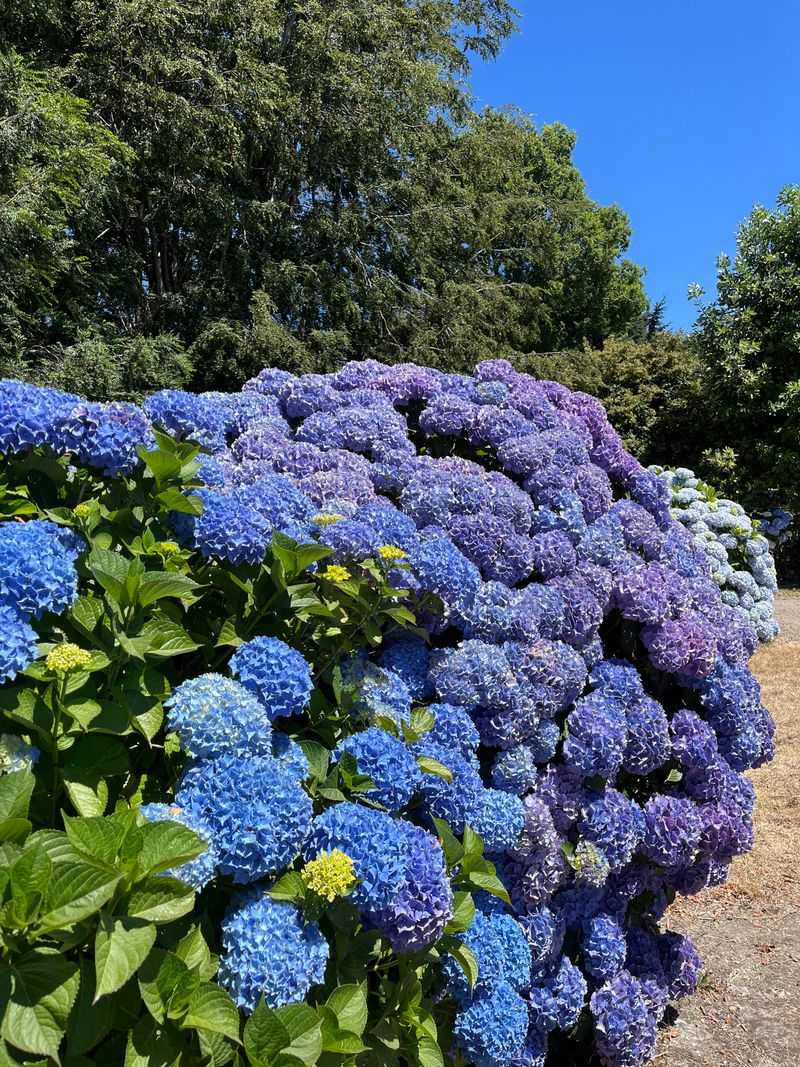
Your hydrangeas communicate their readiness for pruning through the growth patterns they display as spring arrives in Virginia. Observing these signals carefully prevents you from making premature cuts that could harm flowering.
Plants are excellent at showing you what they need if you know what to look for.
Leaf buds that start to open are a clear sign that your hydrangea is actively growing again. In Virginia, this typically happens in March or early April depending on your location and the specific weather that year.
Once leaves begin emerging, you’re past the ideal pruning window for most varieties.
The color of the stems offers important information too. Healthy stems maintain a greenish or brownish tone with some flexibility when you gently bend them.
Gray, brittle stems that snap easily are candidates for removal. Virginia’s fluctuating temperatures make this visual check especially important.
New shoots emerging from the base of your hydrangea indicate that the root system is healthy and active. This is a positive sign that pruning will be well-tolerated.
Virginia gardeners should look for these basal shoots as confirmation that their plants are vigorous enough to handle cutting.
If you scratch the bark gently with your fingernail and see green tissue underneath, that stem is alive and should be preserved. Brown or tan tissue underneath indicates the stem didn’t survive winter.
This simple scratch test is incredibly useful for making precise pruning decisions in Virginia gardens.
Flower buds look distinctly different from leaf buds on most hydrangea varieties. They’re typically rounder and fatter than the more pointed leaf buds.
Being able to distinguish between them helps you avoid accidentally removing flower buds when you prune in Virginia.
Growth patterns also tell you about your plant’s overall health and vigor. Hydrangeas that show strong, even growth all around are in good shape.
Plants with growth concentrated in just one area might have damage or disease elsewhere that needs attention.
7. Common Timing Mistakes Virginia Gardeners Make
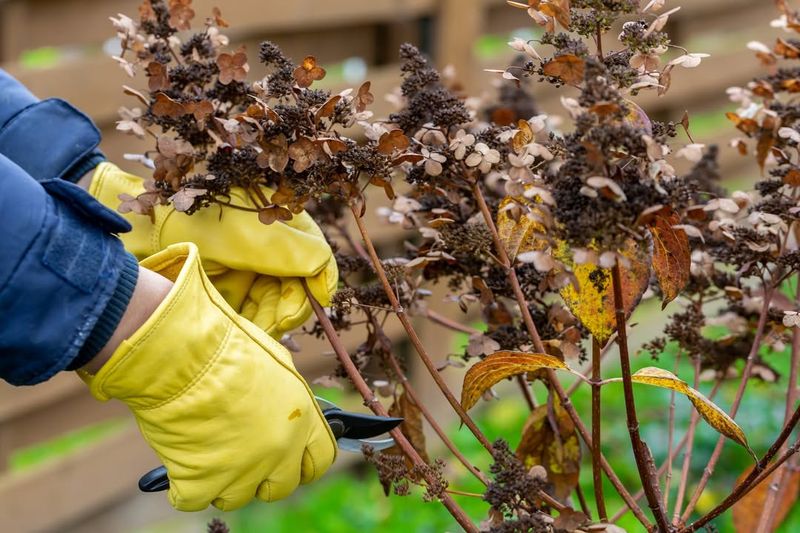
Even experienced gardeners in Virginia sometimes fall into timing traps when it comes to pruning hydrangeas. Understanding these common mistakes helps you avoid them in your own garden.
Learning from others’ errors is just as valuable as learning from successes.
One frequent mistake is pruning all hydrangea varieties at the same time. Virginia gardeners often treat their bigleaf, panicle, and oakleaf hydrangeas identically, but each type has different pruning needs and timing.
Taking a one-size-fits-all approach leads to disappointing results with at least some of your plants.
Another error is pruning based solely on the calendar rather than actual weather conditions. Just because it’s March doesn’t mean conditions are right in your specific part of Virginia.
Microclimate differences between regions mean that timing varies even within the state.
Many Virginia gardeners prune too heavily in an attempt to control size or create a specific shape. Hydrangeas generally don’t need aggressive pruning, and removing too much growth stresses the plant.
Light, selective pruning works better than drastic cutting for most situations.
Waiting until plants are in full leaf before pruning is a mistake that costs you blooms. By the time Virginia hydrangeas are fully leafed out, they’ve already set their flower buds.
Cutting at this stage removes your entire flower display for that season.
Some gardeners make the opposite mistake and prune during fall cleanup. Removing old stems and blooms in autumn might look tidy, but it exposes buds to winter damage.
Virginia winters are mild enough that this protection really matters for flower bud survival.
Ignoring your specific hydrangea variety’s blooming habit is perhaps the most common and costly mistake. Not knowing whether your plant blooms on old wood or new wood means you’re guessing about timing.
A little research into your specific variety prevents this problem.
8. What To Do After Pruning To Support Healthy Growth
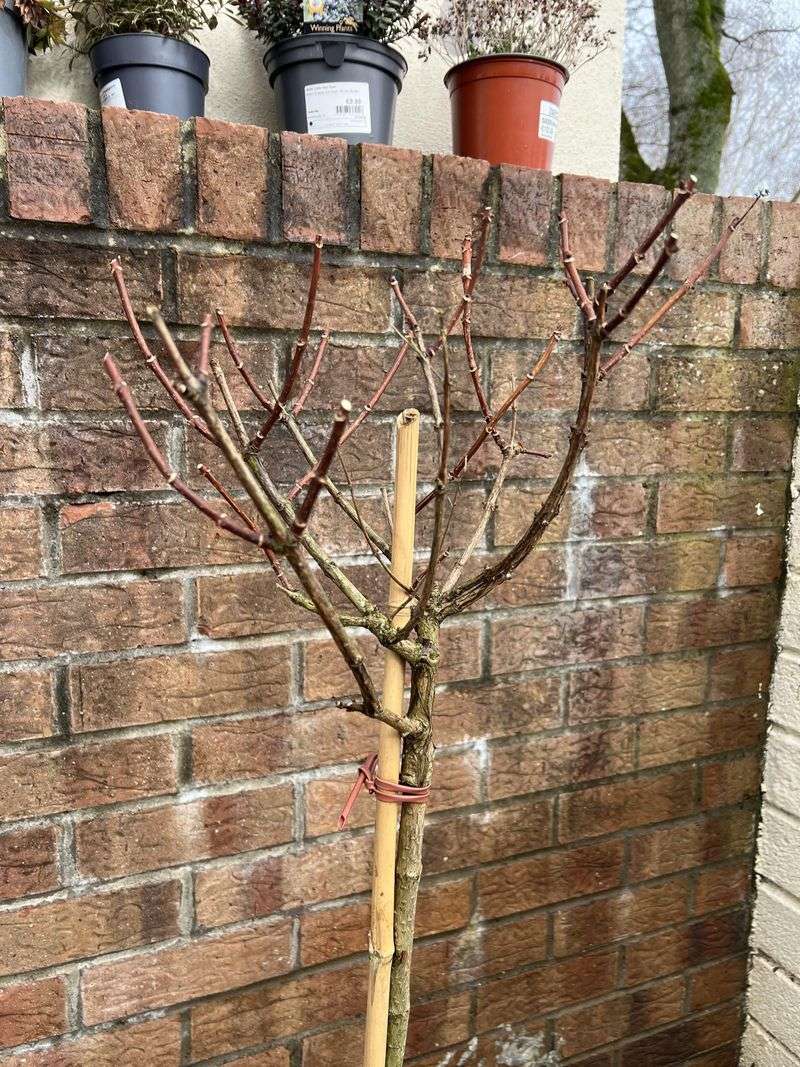
Your work doesn’t end once you’ve made the final cut on your Virginia hydrangeas. Post-pruning care determines how quickly your plants recover and how well they perform throughout the growing season.
A few simple steps make a significant difference in results.
Cleaning up all the pruned material from around your hydrangeas is the first important task. Leaving cut branches and debris creates hiding spots for pests and disease organisms.
Virginia’s humid springs can turn this debris into a breeding ground for problems, so thorough cleanup matters.
Applying a layer of fresh mulch around your pruned hydrangeas helps regulate soil temperature and moisture. Two to three inches of organic mulch protects roots as they become active in Virginia’s warming soil.
Keep mulch a few inches away from the stems to prevent rot issues.
Watering thoroughly after pruning helps your hydrangeas recover from the stress of being cut. Even though it’s still early spring in Virginia, giving your plants a good drink supports the healing process.
Moist soil also helps roots start taking up nutrients as growth begins.
Avoid fertilizing immediately after pruning your Virginia hydrangeas. Fresh cuts are vulnerable, and pushing growth too quickly with fertilizer can stress the plant.
Wait until you see active new growth emerging before applying any fertilizer.
Monitoring your pruned hydrangeas over the next few weeks lets you catch any problems early. Watch for signs of disease, unusual wilting, or poor growth patterns.
Virginia’s changeable spring weather can stress plants, so keeping an eye on them helps you intervene if needed.
If you pruned heavily due to winter damage, consider providing some temporary shade during the hottest part of the day. Virginia’s sun can be intense even in spring, and plants with reduced foliage might struggle.
A simple shade cloth for a few weeks helps them adjust.