10 Fast-Growing Vegetables That Make Early Vermont Harvests Possible
Vermont’s growing season can feel short and unpredictable, which makes early harvests especially satisfying when they actually happen.
Cool soil, late frosts, and slow spring warmups often limit how quickly vegetables can get established.
Many gardeners assume fast results are impossible in this climate and wait until conditions feel perfect before planting.
The truth is that certain vegetables thrive in Vermont’s cooler early-season conditions and move quickly once they get started. Choosing the right ones shifts the entire timeline.
Early growth takes advantage of moisture-rich soil and mild temperatures before summer heat arrives.
This window allows plants to focus on leaf and root development instead of stress response.
Fast-growing vegetables turn patience into progress by producing harvests sooner than expected.
With the right choices, Vermont gardens can deliver fresh produce weeks earlier than most people think possible.
1. Radishes
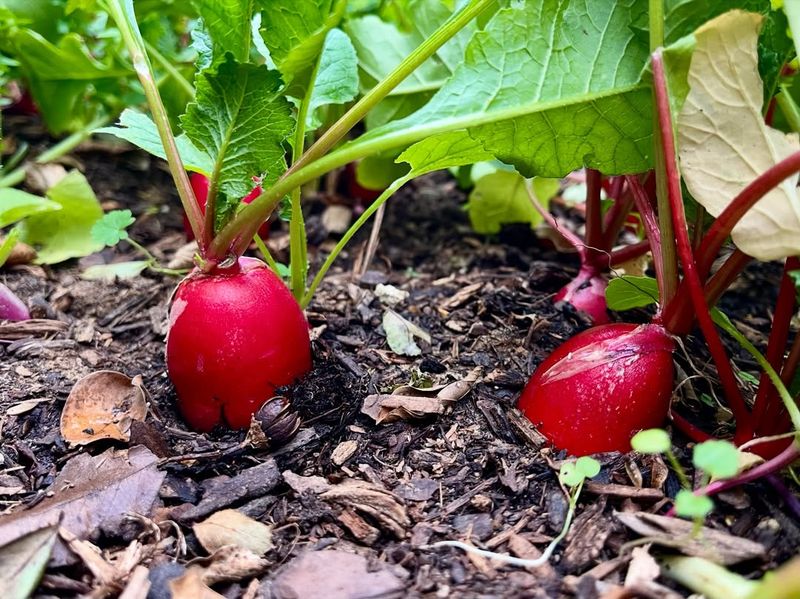
Bright, crunchy radishes are one of the fastest vegetables you can grow in any garden. Most varieties reach full size in just three to four weeks after planting, making them ideal for impatient gardeners.
Kids especially love watching radishes grow because they pop up so quickly and provide almost instant gratification.
Vermont gardeners can plant radishes as soon as the soil can be worked in spring, often in late March or early April. These hardy roots handle cold temperatures beautifully and actually taste better when grown in cooler weather.
Hot summer conditions can make radishes woody and overly spicy, so early spring is truly their moment to shine.
Planting radishes is incredibly simple because the seeds are large enough to handle easily and space properly. Sow them about half an inch deep and one inch apart in rows or scatter them in wide beds.
They need consistent moisture to develop properly, so water regularly if spring rains are lacking.
Harvesting at the right time is important because radishes can become pithy if left in the ground too long. Check them around three weeks after planting by gently brushing away soil to see their size.
Pull them when they’re about the size of a marble or slightly larger for the best flavor and texture.
Radishes come in many colors beyond the classic red, including white, purple, and even black varieties. French Breakfast radishes are elongated and mild, while Cherry Belle radishes are round and peppery.
Experimenting with different types keeps your early Vermont harvest interesting and colorful.
2. Lettuce
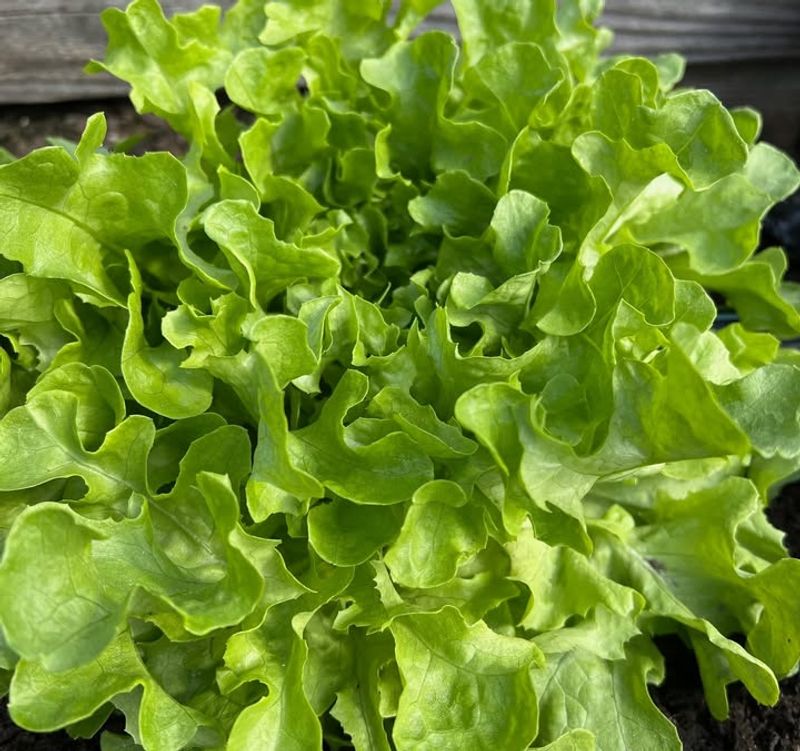
Crisp salad greens straight from your garden taste nothing like store-bought lettuce that’s been sitting in plastic for days. Growing your own means maximum freshness and flavor, plus you can choose from dozens of varieties in every color and texture imaginable.
Leaf lettuce varieties mature in as little as 30 days, giving Vermont gardeners an early taste of summer.
Cool spring temperatures are absolutely perfect for lettuce because it thrives in weather between 45 and 65 degrees Fahrenheit. Vermont’s April and May conditions create ideal growing environments before summer heat arrives.
Once temperatures climb into the 70s and 80s, lettuce often bolts and becomes bitter, so early planting is essential.
Starting lettuce is easy because the tiny seeds germinate quickly in cool soil. Sprinkle seeds thinly in rows or broadcast them across a bed, then barely cover them with soil.
Lettuce needs light to germinate, so don’t bury the seeds deeply or they may not sprout well.
Harvesting can begin when leaves are just a few inches tall by snipping outer leaves and letting the center continue growing. This cut-and-come-again method extends your harvest for weeks from a single planting.
Alternatively, you can harvest entire heads once they reach full size, usually around 45 to 60 days for heading types.
Variety selection makes a huge difference in both appearance and taste. Buttercrunch forms loose heads with tender leaves, while Red Sails adds burgundy color to salads.
Romaine types take slightly longer but offer crunchy texture and heat tolerance compared to leaf varieties.
3. Spinach
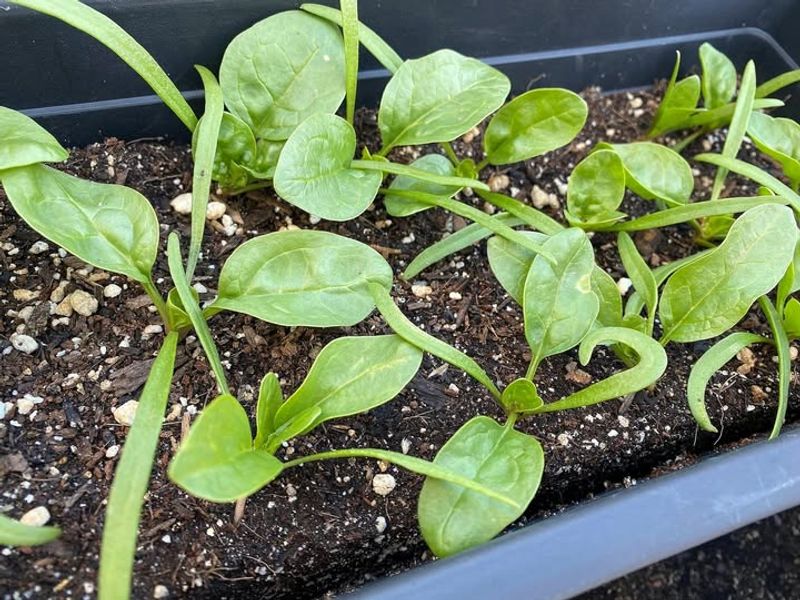
Packed with vitamins and minerals, spinach is one of the most nutritious vegetables you can grow in your backyard. This leafy green is incredibly cold-hardy and can even survive light frosts, making it perfect for Vermont’s unpredictable spring weather.
Baby spinach leaves are ready to harvest in as little as 25 days, while full-sized plants take about 40 days.
Early planting is key because spinach absolutely hates hot weather and will bolt quickly once temperatures rise. Vermont gardeners should aim to get spinach seeds in the ground by mid-April or even earlier if the soil isn’t frozen.
Some experienced growers even plant in late fall for an extra-early spring harvest when plants overwinter under snow.
Spinach seeds are fairly easy to handle and should be planted about half an inch deep in rows spaced 12 inches apart. Germination happens best in cool soil between 40 and 70 degrees, which is why spring and fall are prime spinach seasons.
Thin seedlings to about three inches apart once they develop their first true leaves.
Watering consistently helps spinach develop tender, mild-flavored leaves rather than tough, bitter ones. Mulching around plants helps retain moisture and keeps soil temperatures cool as the season progresses.
In Vermont’s climate, providing some afternoon shade can extend the harvest period by a week or two.
Harvesting can be done leaf by leaf or by cutting the entire plant at soil level. Taking individual outer leaves allows the center to keep producing for several weeks.
Spinach doesn’t store well after picking, so harvest only what you’ll use within a few days for best quality.
4. Arugula
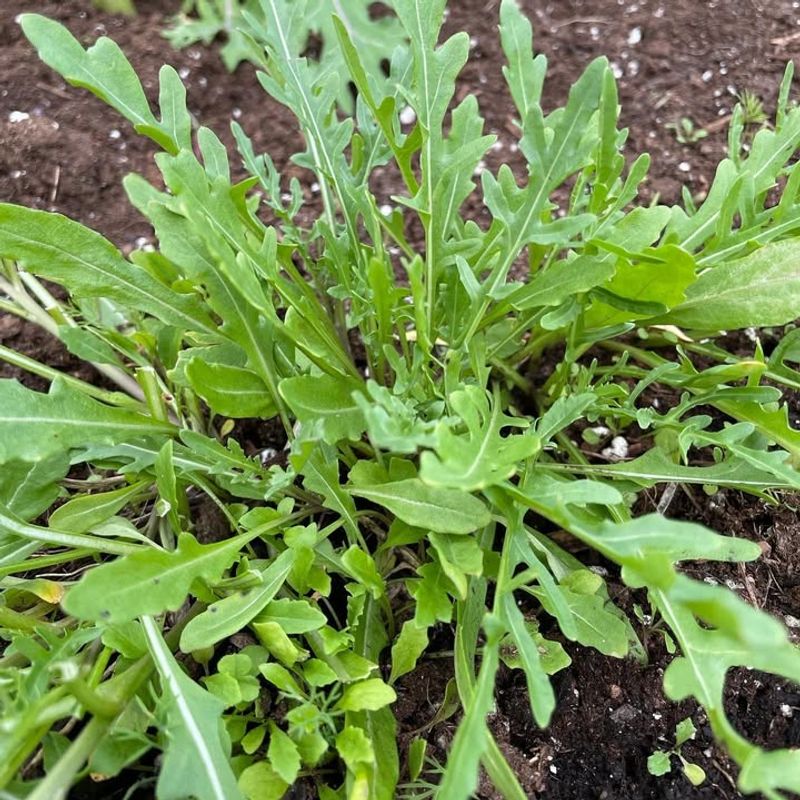
Peppery arugula brings bold flavor to salads and sandwiches that mild lettuce simply can’t match. This Mediterranean green has become incredibly popular in recent years because of its distinctive taste and nutritional benefits.
Arugula grows remarkably fast, with baby leaves ready in just 20 days and mature plants harvestable around 40 days after sowing.
Vermont’s cool spring weather suits arugula perfectly because heat causes it to become extremely spicy and bitter. Early plantings produce the mildest, most pleasant flavor that even picky eaters often enjoy.
The plant is quite cold-tolerant and can handle light frosts without damage, making it one of the first greens you can plant.
Sowing arugula couldn’t be simpler since the seeds are small but germinate reliably in cool soil. Scatter seeds thinly in rows or broadcast them across a bed, then cover lightly with about a quarter inch of soil.
Germination usually happens within a week when soil temperatures are between 40 and 55 degrees Fahrenheit.
Growth happens rapidly once seedlings emerge, and you’ll see true leaves developing within days. Thinning isn’t usually necessary if you plan to harvest young leaves, but spacing plants to about six inches apart allows them to develop fully.
Arugula doesn’t need much fertilizer and actually tastes better when grown in moderately fertile soil rather than heavily amended beds.
Picking leaves regularly encourages more production and prevents plants from flowering too quickly. Once arugula sends up flower stalks, the leaves become very spicy and tough.
In Vermont gardens, succession planting every two weeks ensures a continuous supply of tender young leaves throughout spring.
5. Green Onions
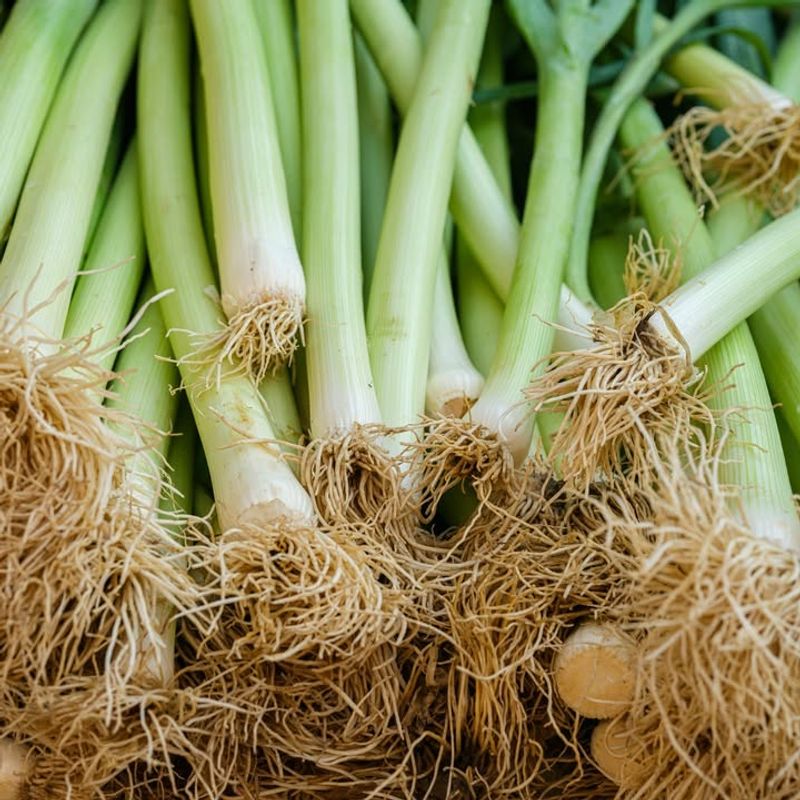
Also called scallions or bunching onions, green onions are one of the most versatile vegetables for fresh eating. Their mild onion flavor works in everything from salads to stir-fries, and both the white and green parts are edible.
Green onions reach usable size in just 60 days from seed, or as little as three weeks if you plant onion sets.
Vermont gardeners appreciate green onions because they tolerate cold weather exceptionally well and can be planted very early. Some varieties are perennial and will return year after year, providing fresh onions almost year-round.
Spring-planted scallions grow quickly in cool weather and slow down once summer heat arrives.
Starting from seed is economical and gives you access to interesting varieties beyond what’s available as sets. Plant seeds about half an inch deep in rows or clusters, spacing them about an inch apart.
Germination takes one to two weeks depending on soil temperature, with cooler conditions slowing things down slightly.
Using onion sets speeds up the harvest considerably because you’re essentially planting partially grown onions. Push sets about an inch deep into the soil with the pointed end up, spacing them two inches apart.
Sets are more expensive than seeds but eliminate the waiting period for germination and early growth.
Harvesting can begin whenever the onions reach a size you find useful, usually when they’re about as thick as a pencil. Pull entire plants rather than cutting them, as this prevents disease issues.
Green onions don’t store as long as bulb onions, so harvest them as needed and keep the rest growing in Vermont’s garden until you’re ready to use them.
6. Turnips
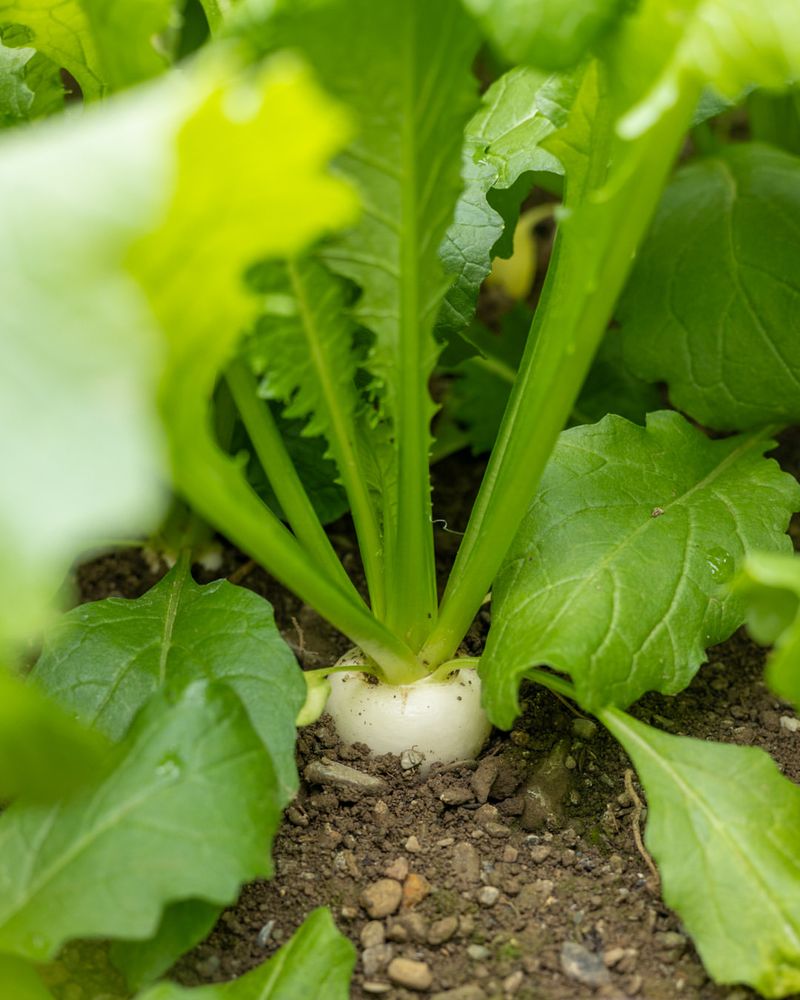
Often overlooked in modern gardens, turnips are making a comeback because they’re so easy to grow and incredibly nutritious. Both the roots and greens are edible, giving you two vegetables from one planting.
Small, tender turnips are ready to harvest in just 35 to 40 days, while larger storage types take about 60 days.
Cool weather brings out the best flavor in turnips, making them ideal for Vermont’s spring growing season. Heat causes turnips to become woody and overly strong-tasting, so early planting is essential.
These hardy vegetables can handle frost and even taste sweeter after exposure to cold temperatures.
Planting turnips requires minimal effort because the seeds are fairly large and easy to space properly. Sow seeds about half an inch deep and two inches apart in rows spaced 12 inches apart.
Germination happens quickly in cool soil, usually within a week, and seedlings emerge with distinctive rounded leaves.
Thinning is important for developing good-sized roots, so remove extra seedlings when plants are about three inches tall. Space remaining plants about four inches apart for small turnips or six inches for larger roots.
The thinned seedlings are edible and make excellent additions to salads with their mild, slightly peppery flavor.
Harvesting turnips at the right size makes all the difference in flavor and texture. Small turnips about two inches in diameter are tender and sweet enough to eat raw.
Larger roots work better for cooking but can become tough and bitter if left in Vermont soil too long, so check them regularly once they reach golf ball size.
7. Peas
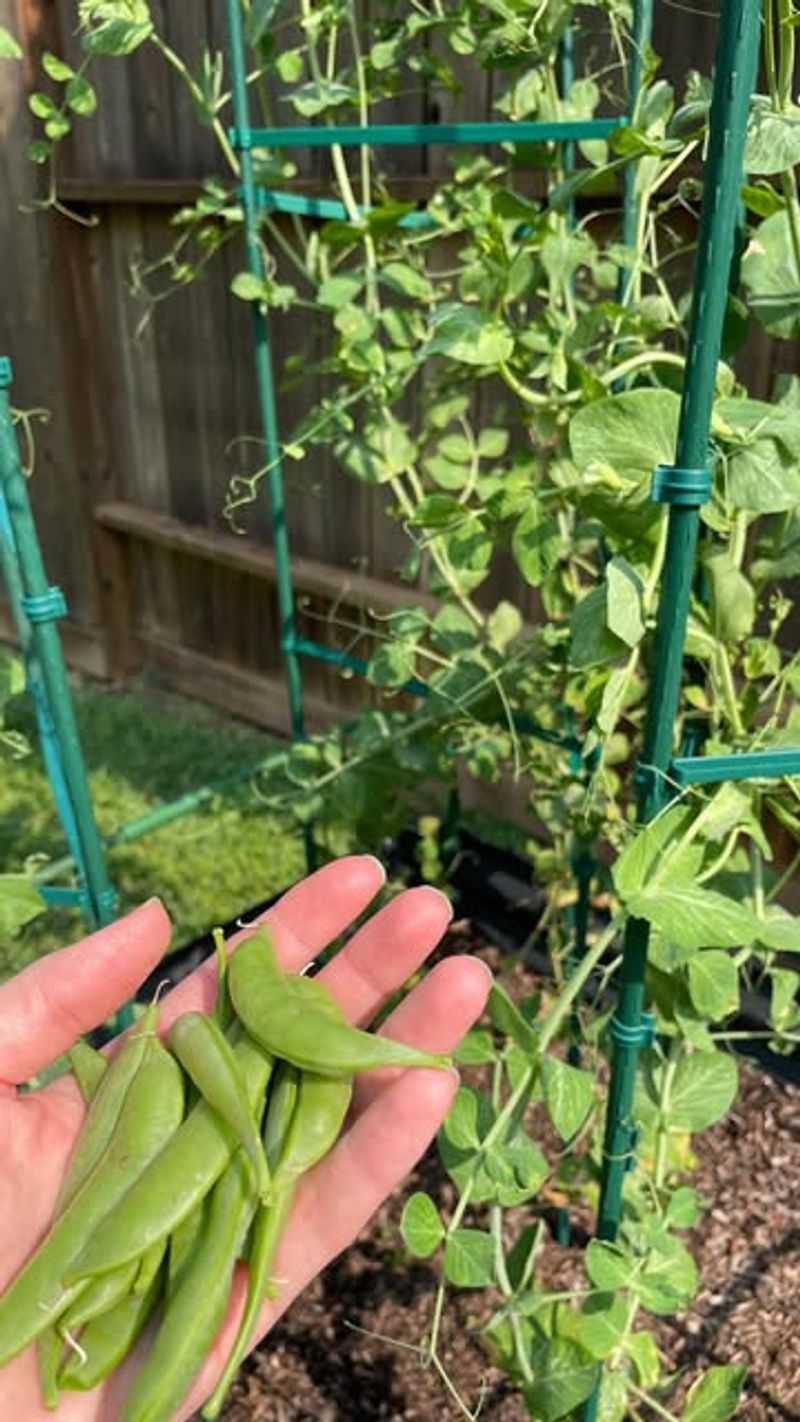
Sweet garden peas are a springtime treasure that tastes absolutely nothing like the mushy canned version. Fresh peas eaten straight from the pod are crisp, sweet, and incredibly satisfying to grow.
Depending on the variety, peas are ready to harvest anywhere from 55 to 70 days after planting, making them one of Vermont’s best early season crops.
Cold-tolerant peas actually prefer cool weather and can be planted as soon as the ground can be worked. Vermont gardeners often plant peas in late March or early April, sometimes even when snow is still visible in shady spots.
These tough plants can handle light frosts and actually produce better quality pods when temperatures stay below 70 degrees.
Deciding between shelling peas, snap peas, and snow peas depends on how you like to eat them. Shelling peas require removing the peas from inedible pods, while snap and snow peas have tender pods you can eat whole.
Sugar Snap peas are especially popular because they’re sweet, crunchy, and incredibly easy for kids to harvest and eat.
Planting peas requires a bit more planning than some vegetables because they need support to climb. Install trellises, stakes, or netting before planting so you don’t disturb roots later.
Sow seeds about one inch deep and two inches apart along the base of your support structure.
Harvesting happens over several weeks as pods mature at different rates on each plant. Check plants daily once pods start forming because peas can go from perfect to overripe quickly.
Pick pods when they’re plump but still bright green for the best flavor and texture in Vermont’s early summer weather.
8. Baby Kale
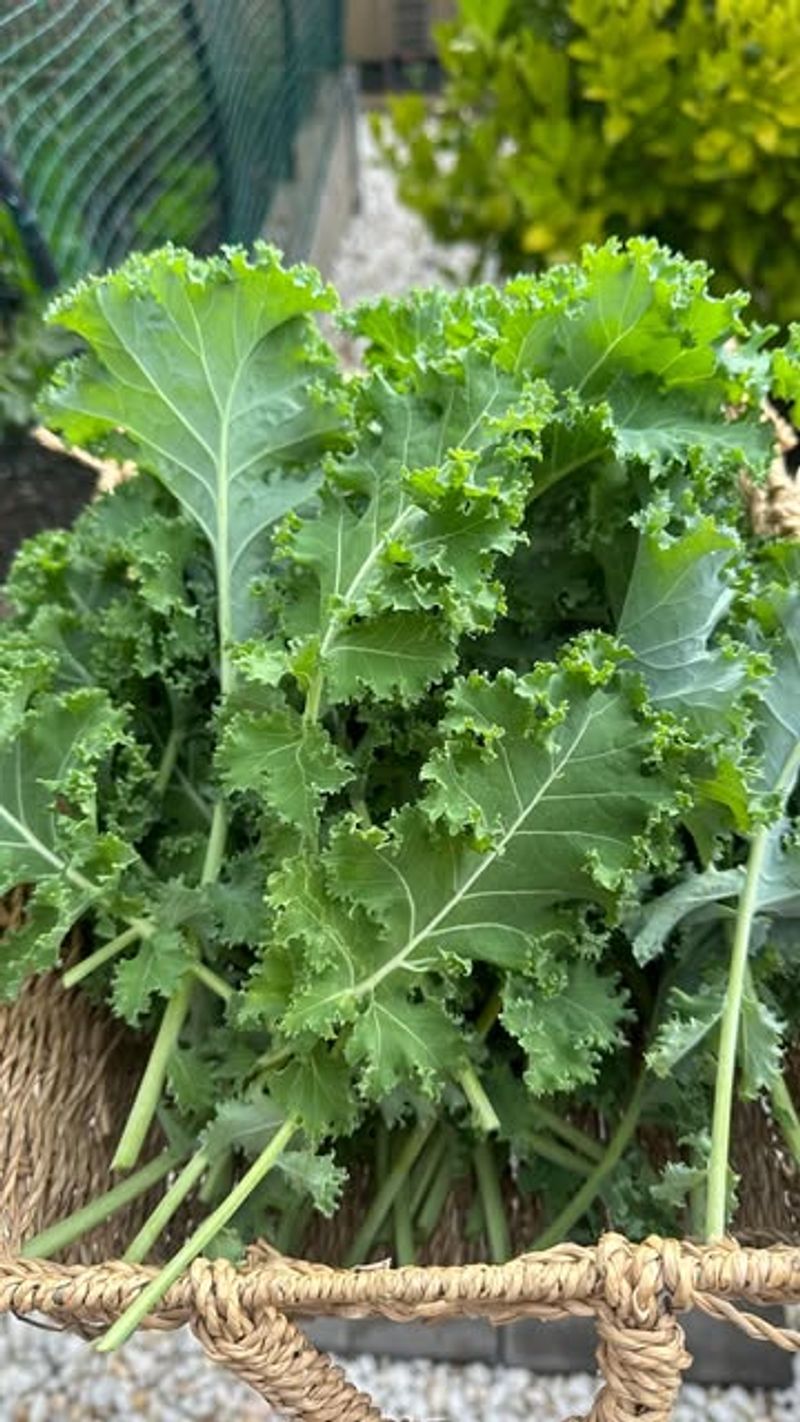
Nutritional powerhouse kale has become incredibly popular in recent years, and for good reason. This superfood green is loaded with vitamins, minerals, and antioxidants that support overall health.
Baby kale leaves are ready to harvest in just 25 to 30 days, while full-sized plants take about 55 days to mature.
Vermont’s cool spring temperatures create ideal conditions for growing tender, sweet kale that lacks the bitterness of heat-stressed plants. Kale is remarkably cold-hardy and can tolerate hard frosts that would damage most other vegetables.
Some varieties actually taste sweeter after exposure to cold weather, making them perfect for early season planting.
Starting kale from seed is straightforward because the seeds are fairly large and germinate reliably in cool soil. Plant seeds about half an inch deep and three inches apart in rows spaced 18 inches apart.
Germination typically happens within a week when soil temperatures are between 45 and 85 degrees, though cooler is better.
Thinning seedlings to about 12 inches apart allows plants to develop fully, but you can harvest the thinnings as baby greens. Kale doesn’t mind being crowded if you plan to harvest leaves young, so closer spacing works fine for baby leaf production.
Mulching around plants helps retain moisture and keeps roots cool as Vermont’s weather warms.
Picking outer leaves regularly encourages continued production and keeps plants from becoming too large and tough. Start harvesting when leaves are about six inches long for tender baby kale, or let them grow larger for heartier cooking greens.
Kale continues producing new leaves from the center for weeks, making it one of the most productive early vegetables you can grow.
9. Bok Choy
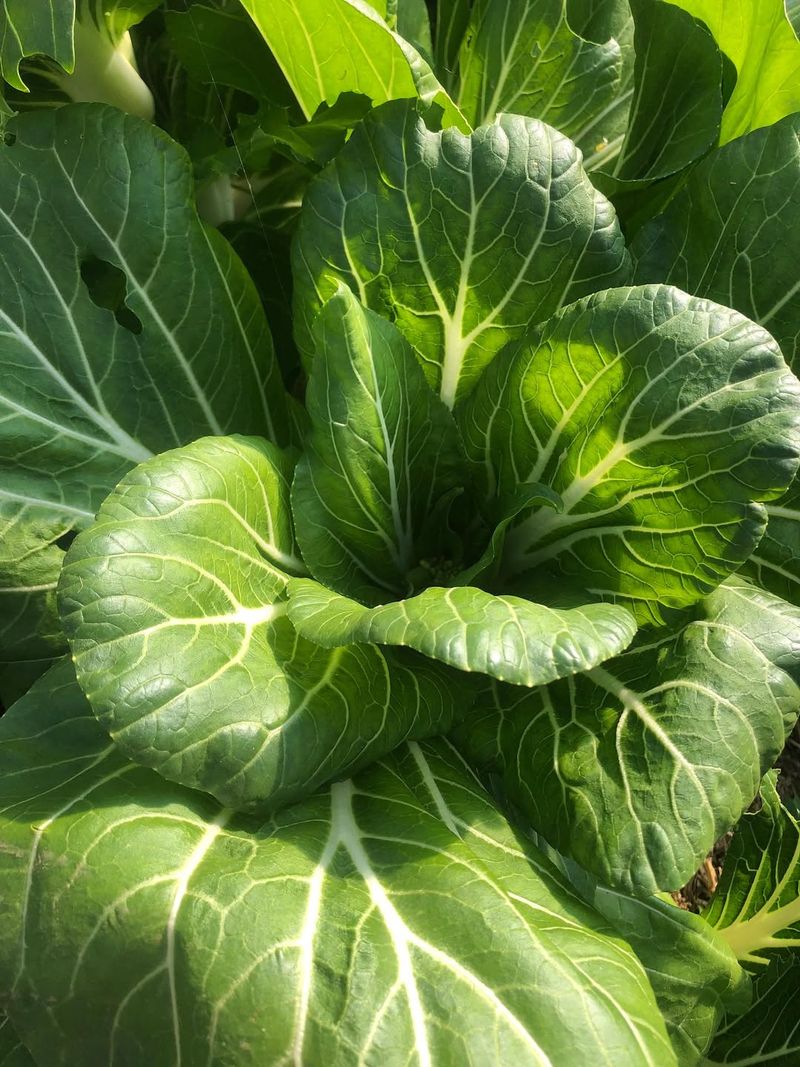
Asian greens like bok choy bring exciting variety to spring gardens with their unique flavor and texture. This vegetable has become more common in American gardens as people discover how easy and quick it is to grow.
Baby bok choy is ready to harvest in just 30 days, while full-sized heads take about 45 to 50 days.
Cool weather is absolutely essential for growing good bok choy because heat causes it to bolt and flower almost immediately. Vermont’s spring conditions are perfect for this crop, providing the cool temperatures it needs to develop sweet, tender leaves.
Frost tolerance makes bok choy suitable for very early planting, often weeks before the last frost date.
Planting bok choy seeds is similar to planting other greens, with seeds sown about half an inch deep in rows or blocks. Space seeds about six inches apart for full-sized heads or closer for baby varieties you’ll harvest young.
Germination happens quickly in cool soil, usually within a week, and growth takes off rapidly once seedlings emerge.
Watering consistently is important because moisture stress can trigger premature flowering. Bok choy has shallow roots that dry out quickly, so check soil moisture regularly during dry spells.
Mulching helps maintain even moisture levels and keeps soil temperatures cool in Vermont gardens as spring progresses.
Harvesting bok choy at the right stage ensures the best flavor and texture. Baby varieties are ready when heads are about six inches tall, while regular types should be harvested when heads feel firm and compact.
Cut plants at soil level rather than pulling them to avoid disturbing neighboring plants, and use them within a few days for peak freshness.
10. Beets
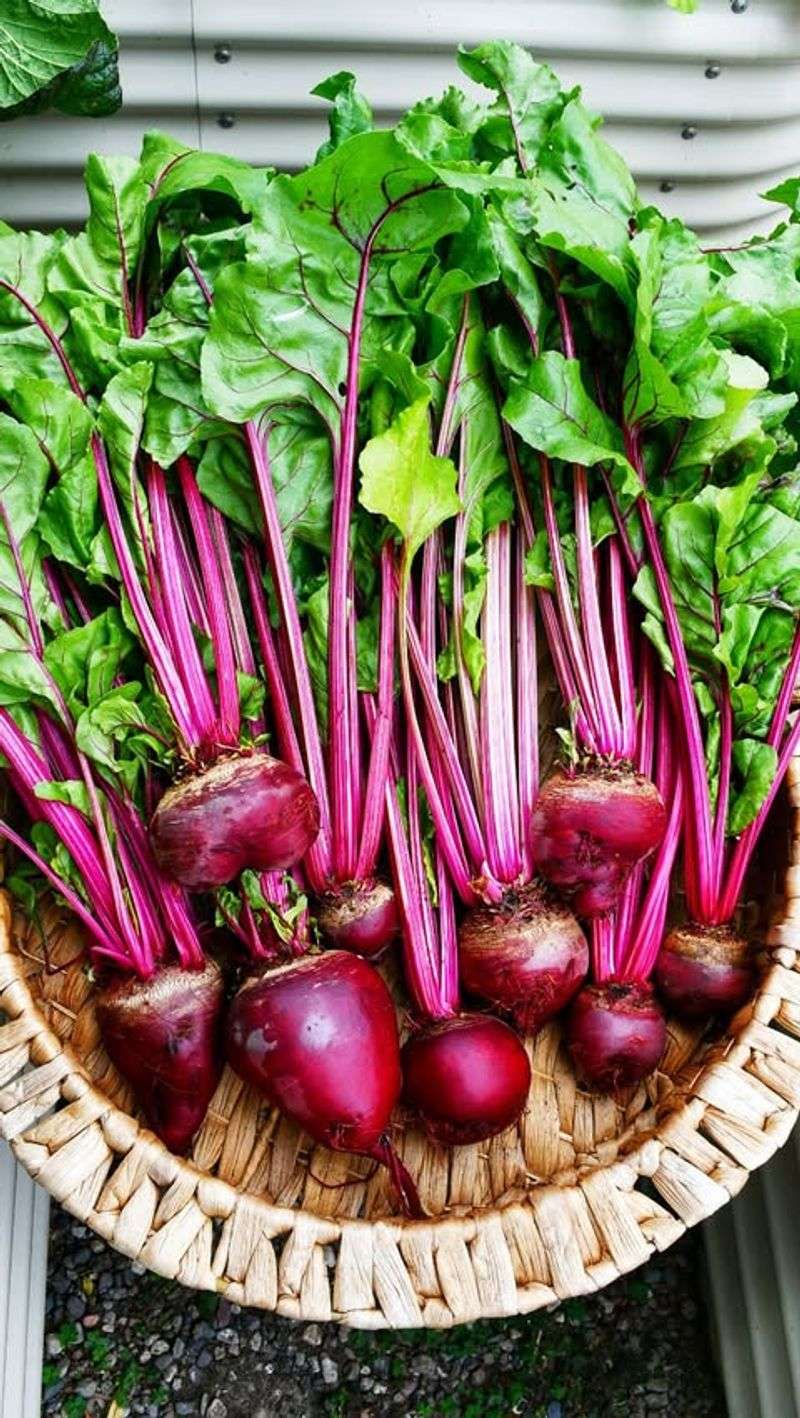
Sweet, earthy beets are one of the most rewarding vegetables to grow because both roots and greens are delicious. Modern varieties come in colors beyond the traditional deep red, including golden, white, and even striped types.
Beets reach baby size in about 35 days, while full-sized roots take 50 to 60 days to mature.
Vermont gardeners love beets because they’re cold-hardy and actually develop better flavor when grown in cool weather. These vegetables can handle light frosts without damage, making them suitable for very early planting.
Spring-grown beets tend to be sweeter and more tender than those grown in summer heat.
Planting beets requires understanding that each seed is actually a cluster of seeds, so multiple seedlings will emerge from each spot. Sow seed clusters about one inch deep and three inches apart in rows spaced 12 inches apart.
Germination takes one to two weeks depending on soil temperature, with cooler conditions slowing things slightly.
Thinning is essential for good root development because those seed clusters produce multiple plants. When seedlings are about three inches tall, snip extras with scissors rather than pulling them to avoid disturbing remaining plants.
Space final plants about three to four inches apart, and use the thinnings as tender salad greens.
Harvesting beets at different sizes lets you enjoy them in various ways. Baby beets about one inch in diameter are tender enough to eat raw in salads.
Larger roots work better for roasting or pickling but can become woody if left in Vermont soil too long, so start checking them around 45 days after planting by gently brushing away soil to check their size.