These Blue Flowers Are 2026’s Pick And Start Easily From Seed In Colorado
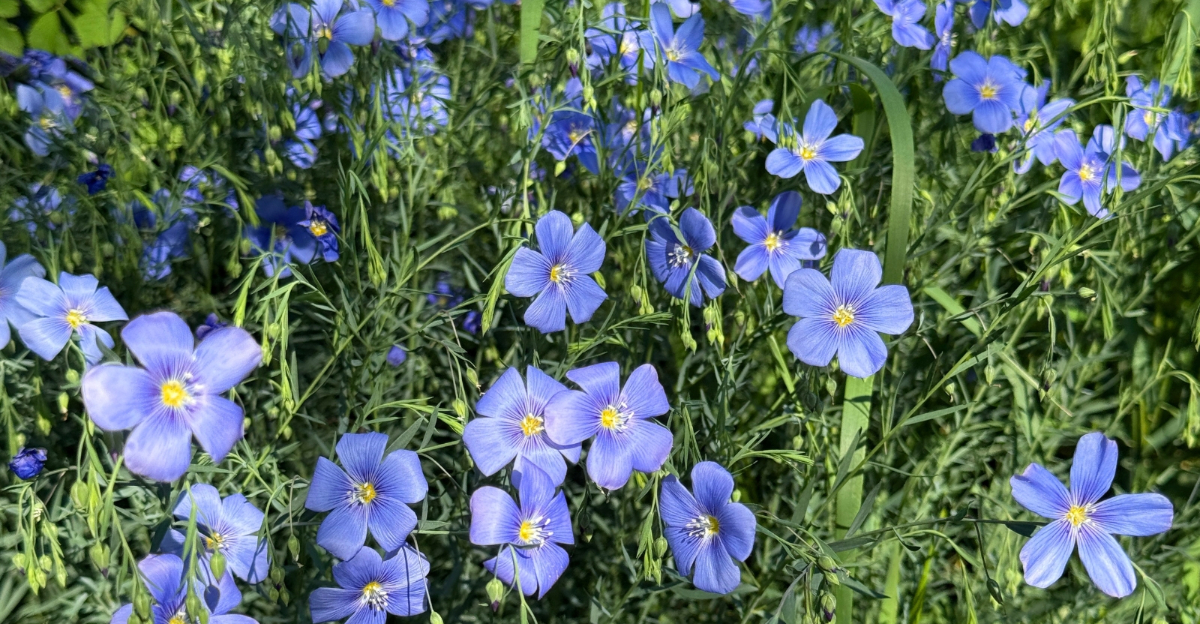
Blue flowers have a way of stopping people mid-step in Colorado gardens, especially when they show up early and look deliberate rather than accidental.
In a state where weather can flip quickly and growing windows feel tight, starting plants from seed often sounds riskier than it actually is.
Many gardeners assume bold blue blooms require transplants, special timing, or years of patience before they ever show color.
The truth is that certain blue flowers are surprisingly easy to grow from seed and respond well to Colorado’s cool nights and bright, high-altitude sun. That combination gives them a strong start long before summer heat sets in.
These plants don’t just sprout quickly, they establish fast and keep pace with unpredictable spring conditions.
Seed-grown flowers also adapt better to local soil and moisture patterns than plants brought in fully grown.
By choosing the right varieties, gardeners can lock in color early without complicated setups or extra cost.
These blue flowers are standing out in 2026 because they deliver impact, reliability, and simplicity all at once in Colorado gardens.
1. Larkspur
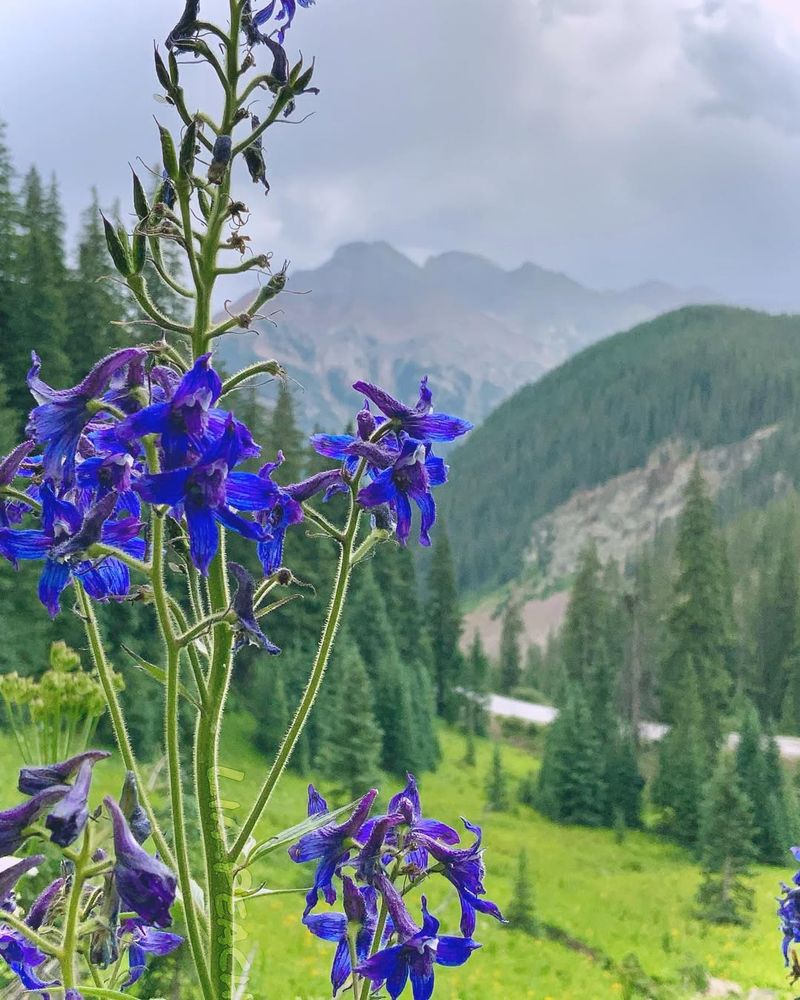
Tall spires of delicate blossoms create vertical drama in any flower bed, and few plants do it better than this classic beauty. Larkspur’s elegant blue blooms stack neatly along sturdy stems, reaching heights that can surprise first-time growers.
Colorado’s climate suits these cool-season annuals perfectly, especially when planted early.
Seeds germinate best when sown directly into the ground in late fall or very early spring. Cold stratification naturally occurs during winter, which improves germination rates significantly.
You’ll notice seedlings popping up as soon as the soil begins to warm.
Providing support with stakes or a light trellis helps taller varieties stay upright during windy Colorado afternoons. The effort is worthwhile because those towering flower spikes make stunning focal points.
They also work beautifully as cut flowers for indoor arrangements.
Rich, well-amended soil encourages strong root development and robust growth. Adding compost before planting gives these plants the nutrients they crave.
Regular watering during dry spells keeps them blooming longer and looking their best.
Deer tend to avoid larkspur, which is great news for Colorado gardeners dealing with wildlife. The flowers attract hummingbirds and beneficial insects instead.
Plant them toward the back of borders where their height won’t overshadow shorter companions.
2. Blue Flax
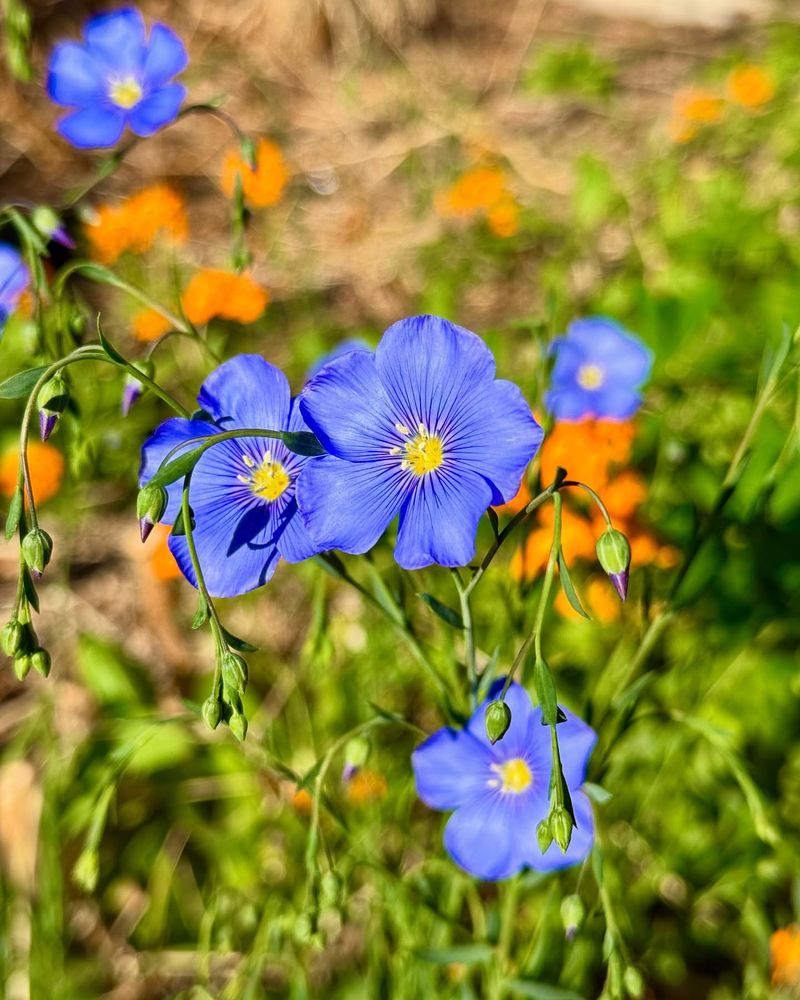
Delicate as tissue paper, these sky-blue petals flutter in the breeze like tiny butterflies hovering above wispy foliage. Blue flax is a Colorado native wildflower, which means it’s naturally adapted to our high-altitude conditions and variable weather.
Growing it from seed feels almost effortless compared to fussier garden plants.
Direct sowing works wonderfully because these seeds don’t appreciate being transplanted once established. Scatter them over prepared soil in early spring and lightly rake them in.
You’ll see sprouts emerging within two to three weeks if conditions are favorable.
Each flower lasts only a single day, but new buds open continuously throughout the season, creating a long-lasting display. The constant turnover means your garden always looks fresh and lively.
Your Colorado Garden Changes Every Week. Your Plan Should Too.
Gardening in Colorado changes quickly throughout the season. Every Friday you’ll receive a simple weekly plan showing exactly what to plant, prune, fertilize, harvest, and protect so you never miss the right timing.
Colorado’s bright sunshine encourages prolific blooming from late spring into summer.
These plants thrive in lean, rocky soil that would challenge many other flowers. No need to add rich compost or heavy fertilizers, which can actually reduce flowering.
Their low-maintenance nature makes them perfect for xeriscaping and water-wise landscapes.
Allowing some plants to go to seed ensures they’ll return next year through self-sowing. You’ll discover new seedlings popping up in unexpected spots, adding natural charm.
Blue flax pairs beautifully with ornamental grasses and other drought-tolerant perennials popular in Colorado gardens.
3. Love-In-A-Mist
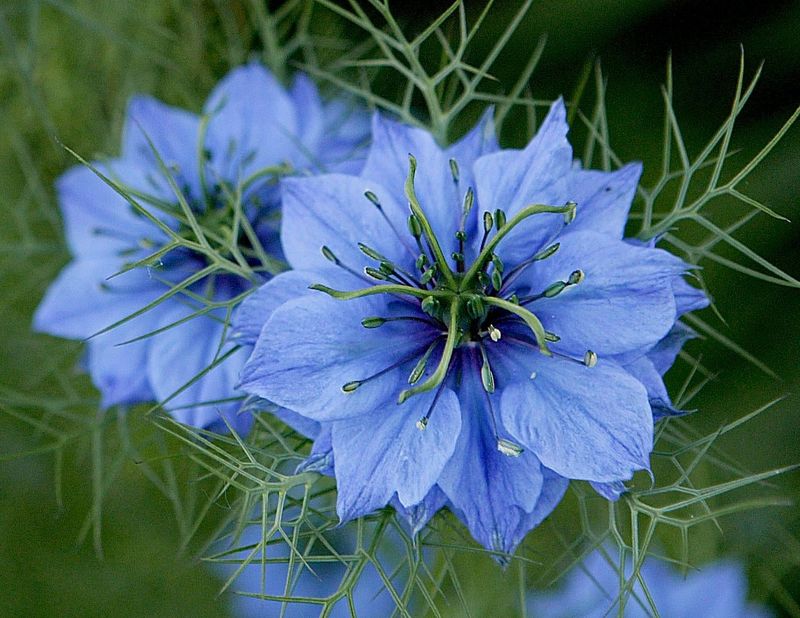
Whimsical and enchanting, this flower seems almost magical with its intricate blooms nestled among feathery, thread-like foliage. The unusual name comes from the misty appearance created by the delicate green bracts surrounding each blossom.
Colorado gardeners appreciate how easy these annuals are to grow from seed without any special treatment.
Sowing seeds directly into the garden after the last frost date works best because they don’t transplant well once established. Simply press them lightly into the soil surface and keep the area moist until germination occurs.
Within a couple of weeks, you’ll see the distinctive ferny leaves emerging.
Blue varieties range from soft powder blue to deeper azure shades, all equally charming in mixed plantings or cottage-style borders. The flowers eventually develop into striped, balloon-like seed pods that add unique texture to arrangements.
Many Colorado gardeners leave these pods on the plants for visual interest well into autumn.
These plants prefer cool weather and may slow down during the hottest part of summer in lower-elevation areas. Planting them in spots with afternoon shade helps extend their blooming period.
They’ll often reward you with a second flush of flowers when temperatures cool in late summer.
Successive sowings every two to three weeks ensure continuous blooms throughout the growing season. This staggered approach keeps your garden colorful from spring through early fall.
Love-in-a-mist self-seeds readily, so you might find volunteer plants appearing in future seasons without any effort on your part.
4. Cornflower
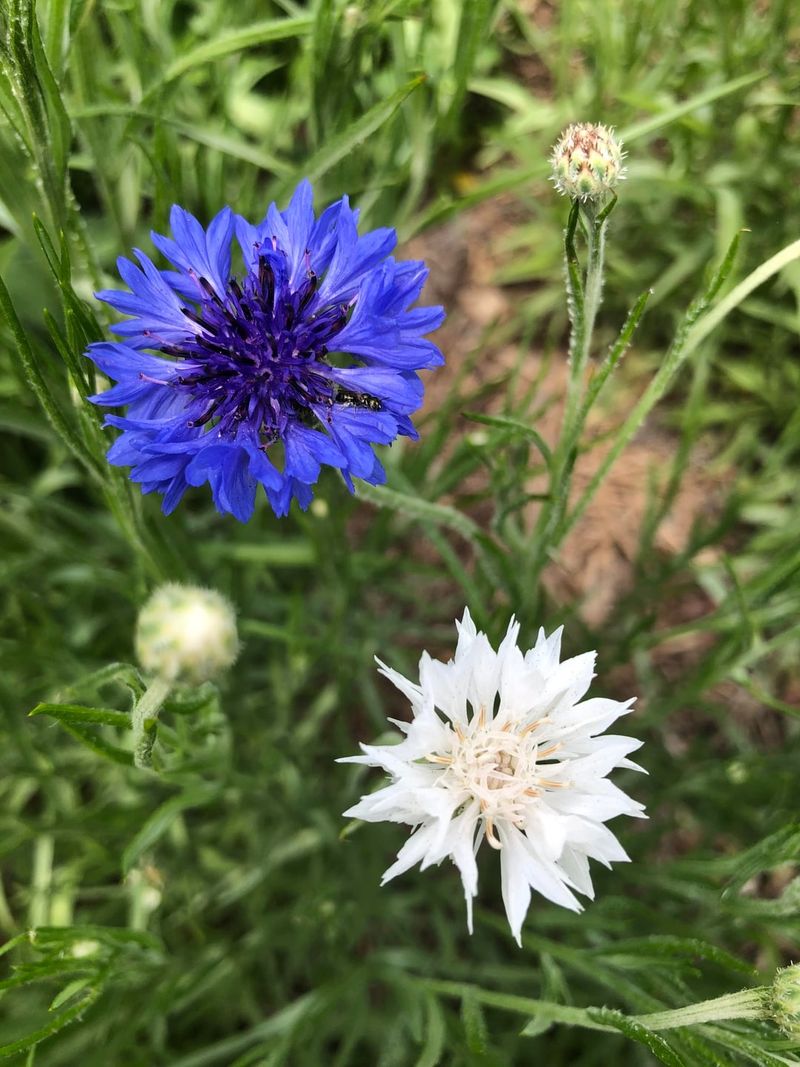
Vibrant and cheerful, cornflowers bring an old-fashioned charm that never goes out of style in Colorado gardens. These hardy annuals produce masses of brilliant blue blooms that seem to glow in the bright mountain sunlight.
Their easygoing nature makes them perfect for beginners and experienced gardeners alike.
Seeds can be started indoors about four weeks before the last expected frost or sown directly into the garden once the soil is workable. Either approach yields excellent results, though direct sowing often produces sturdier plants.
Germination happens quickly, usually within seven to ten days under the right conditions.
Full sun and well-drained soil are the main requirements for success with these unfussy flowers. They tolerate Colorado’s alkaline soil better than many garden plants, rarely requiring soil amendments.
Once established, they need only occasional watering during extended dry periods.
Cutting flowers for bouquets encourages the plants to produce even more blooms throughout the season. The vase life is impressive, often lasting a week or longer indoors.
Colorado’s low humidity helps cut flowers stay fresh longer than in more humid climates.
These plants reseed themselves generously, so you may find new seedlings popping up year after year. Thinning volunteers to proper spacing ensures healthy plants with good air circulation.
Cornflowers attract beneficial pollinators and make excellent companions for vegetable gardens, helping to support a balanced ecosystem in your Colorado landscape.
5. Blue Salvia
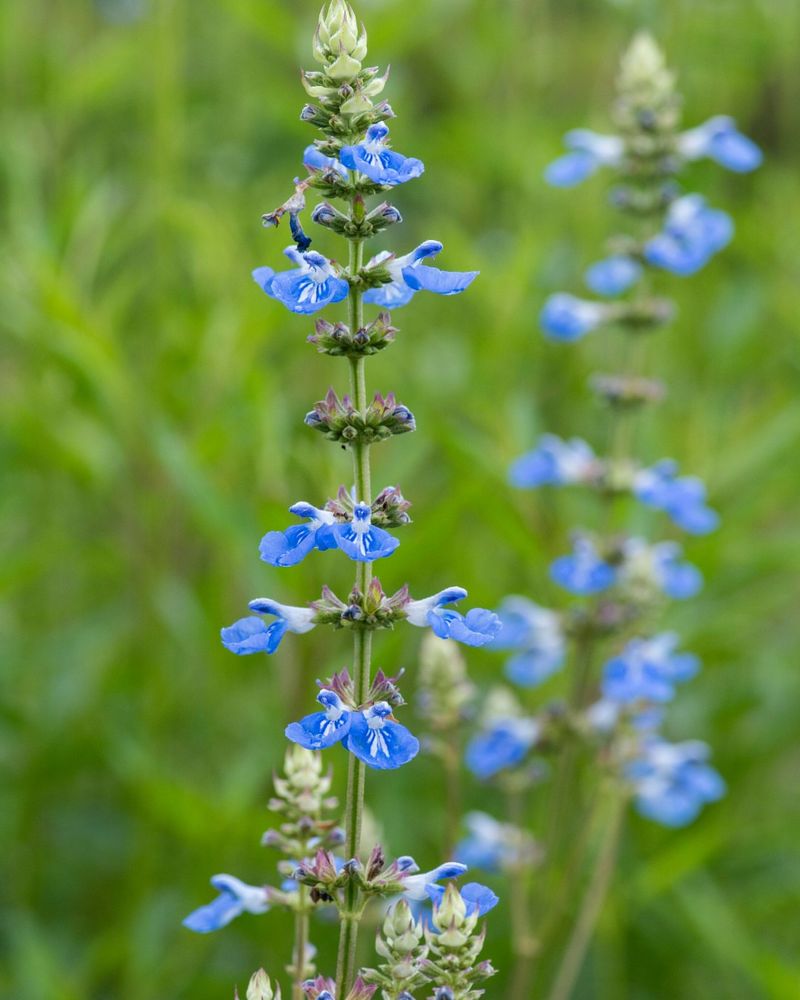
Spiky flower clusters stand at attention like tiny soldiers, creating bold vertical accents that draw the eye upward in garden beds. Blue salvia’s intense cobalt blooms are magnets for hummingbirds and butterflies, turning your Colorado garden into a lively wildlife haven.
Starting these plants from seed is surprisingly simple and far more economical than buying transplants.
Indoor seed starting about eight to ten weeks before the last frost gives you vigorous plants ready to transplant outdoors. Use a light, well-draining seed-starting mix and keep the soil consistently moist but not waterlogged.
Germination typically takes one to two weeks at room temperature.
Once transplanted into the garden, blue salvia thrives in full sun with moderate watering. Colorado’s dry climate suits these Mediterranean natives perfectly, as they prefer conditions on the drier side.
Overwatering can lead to root problems, so it’s better to err on the side of slightly too dry.
Blooming begins in early summer and continues until frost if you regularly remove spent flower spikes. This simple maintenance task keeps plants looking tidy and encourages continuous flowering.
The long bloom period makes blue salvia an excellent value in the garden.
Heat and drought tolerance are among this plant’s best qualities, making it ideal for Colorado’s sometimes challenging growing conditions. The aromatic foliage deters deer and rabbits, which is a welcome benefit.
Combining blue salvia with yellow or orange flowers creates eye-catching color contrasts that enliven any landscape design.
6. Forget-Me-Not
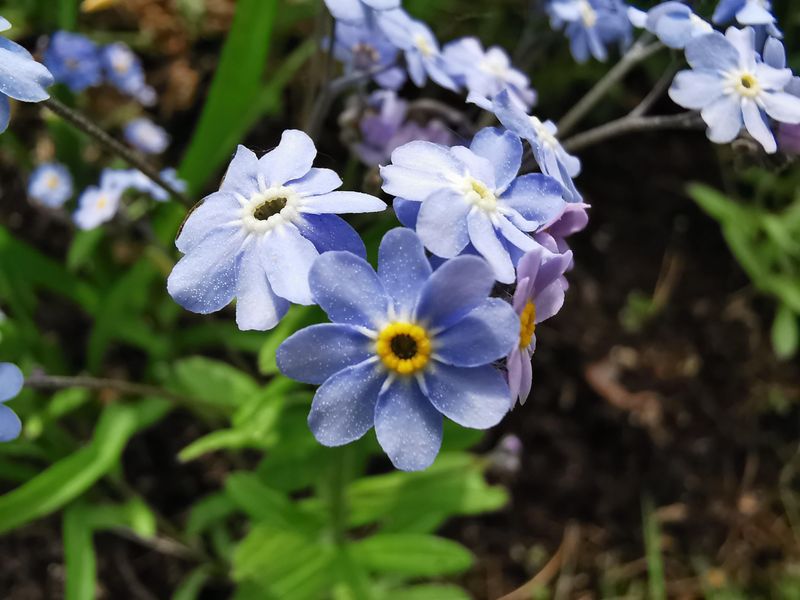
Tiny blooms with sunny yellow centers create clouds of soft blue that seem to float above delicate foliage. Forget-me-nots are sentimental favorites that evoke nostalgic memories of grandmother’s gardens and simpler times.
Colorado’s cool spring weather provides ideal conditions for these charming biennials to flourish and spread naturally.
Seeds sown in late summer or early fall will establish roots before winter and bloom beautifully the following spring. You can also start them indoors in late winter for blooms the same year.
Either timing works well depending on your patience and garden plans.
These plants prefer partial shade and consistently moist soil, making them perfect for woodland gardens or shady corners. They’ll tolerate more sun in Colorado’s cooler mountain areas but appreciate afternoon shade at lower elevations.
Mulching around plants helps retain soil moisture during dry spells.
Self-seeding is this plant’s superpower, ensuring your garden will have forget-me-nots for years to come without replanting. Some gardeners consider them enthusiastic spreaders, so plant them where naturalization is welcome.
The cheerful blue carpet they create in spring is worth any minor management needed.
Pairing forget-me-nots with spring bulbs like tulips and daffodils creates layered interest in Colorado gardens. The blue flowers complement virtually every other color, making them versatile design partners.
After blooming finishes, the plants fade away, leaving room for summer perennials to take center stage without creating bare spots.
7. Blue Columbine
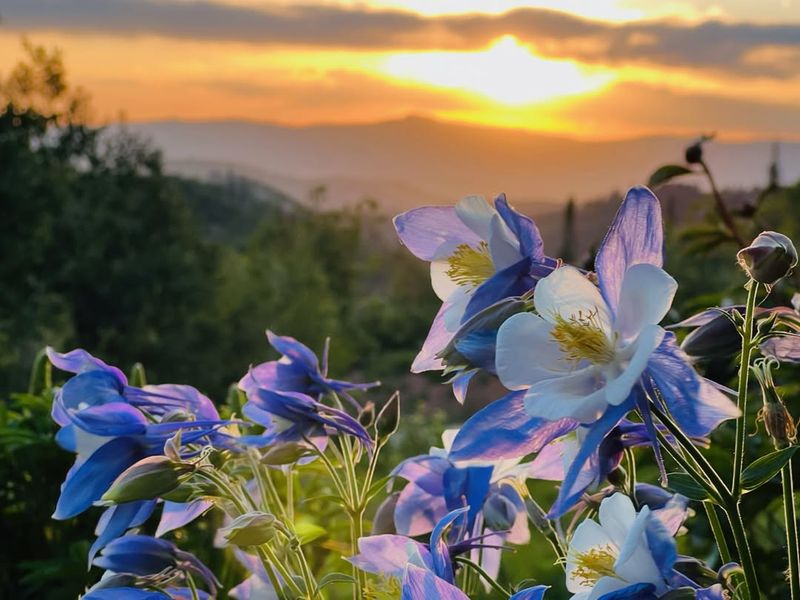
Colorado’s official state flower deserves a place of honor in every local garden, and growing it from seed connects you to the natural heritage of the region. The distinctive spurred blooms look like tiny birds in flight, with elegant petals that seem to dance in the breeze.
Blue and white bicolor varieties are most common, though pure blue selections are available for those seeking a monochromatic look.
Seeds require cold stratification to germinate reliably, which you can achieve by refrigerating them for three to four weeks before planting. Alternatively, sow them outdoors in fall and let winter’s cold do the work naturally.
Spring-sown seeds without stratification may have spotty germination rates.
Partial shade and well-drained soil rich in organic matter create optimal growing conditions for columbine in Colorado gardens. They appreciate consistent moisture, especially during their first growing season while establishing roots.
Mulching helps maintain soil moisture and keeps roots cool during summer heat.
These perennials typically bloom in their second year from seed, so patience is required for gardeners seeking instant gratification. The wait is worthwhile because mature plants return reliably each spring with increasingly impressive displays.
Colorado’s variable spring weather rarely bothers these tough natives.
Hummingbirds seek out columbine flowers specifically, making them essential additions to pollinator-friendly landscapes. The nectar-rich blooms also attract long-tongued bees and butterflies.
Allowing seed pods to mature and scatter naturally ensures new seedlings will appear, though they may not come true to the parent plant’s exact color if multiple varieties grow nearby.
8. Blue Poppy Mallow
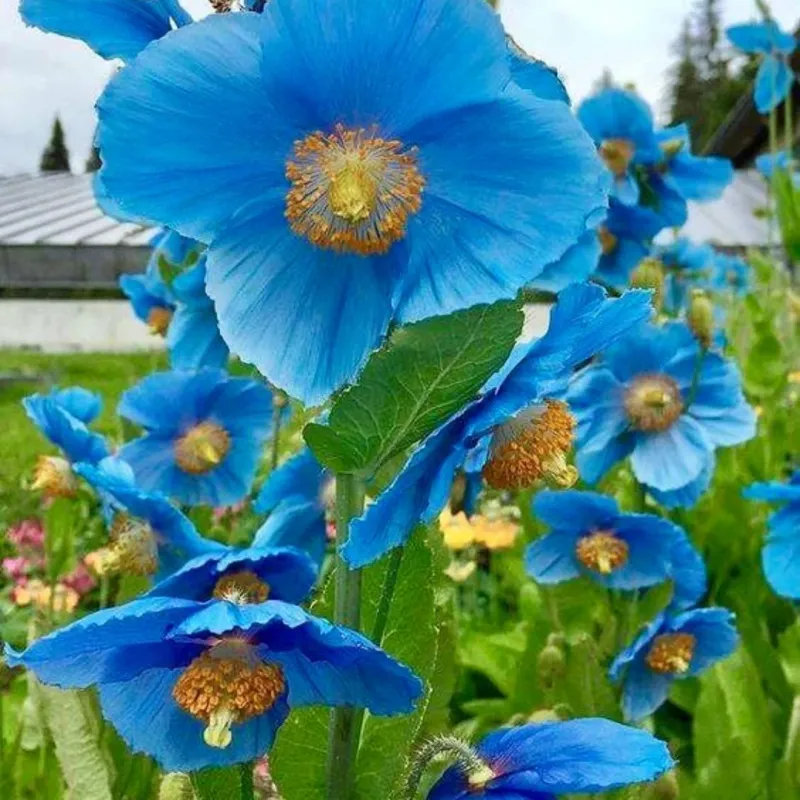
Low-growing and spreading, this native prairie plant creates a groundcover of silvery foliage topped with cup-shaped flowers in shades of lavender-blue. Poppy mallow is perfectly adapted to Colorado’s climate, requiring minimal water once established and thriving in our intense sunlight.
Starting it from seed is the most economical way to cover larger areas with this attractive perennial.
Scarifying seeds by rubbing them lightly with sandpaper improves germination rates by breaking through the hard seed coat. Soak the scarified seeds overnight before planting to further speed up the process.
Direct sowing in spring after the last frost works well, or start them indoors six to eight weeks earlier for quicker results.
Full sun and excellent drainage are essential for success with poppy mallow in Colorado gardens. These plants rot quickly in heavy, waterlogged soil, so amending clay with sand or gravel improves their chances.
Once established, they’re incredibly drought-tolerant and need watering only during extended dry periods.
Blooms appear from late spring through summer, with individual flowers opening in the morning and closing by afternoon. The continuous production of new buds ensures the display lasts for weeks.
Colorado’s warm, sunny days encourage prolific flowering that attracts native bees and other beneficial insects.
This plant spreads slowly by underground stems, eventually forming attractive colonies that suppress weeds naturally. It’s an excellent choice for rock gardens, slopes, and xeriscaping projects throughout Colorado.
The silvery foliage provides year-round interest even when flowers aren’t present, making it a valuable landscape addition beyond just its blooming season.
9. Blue Gilia
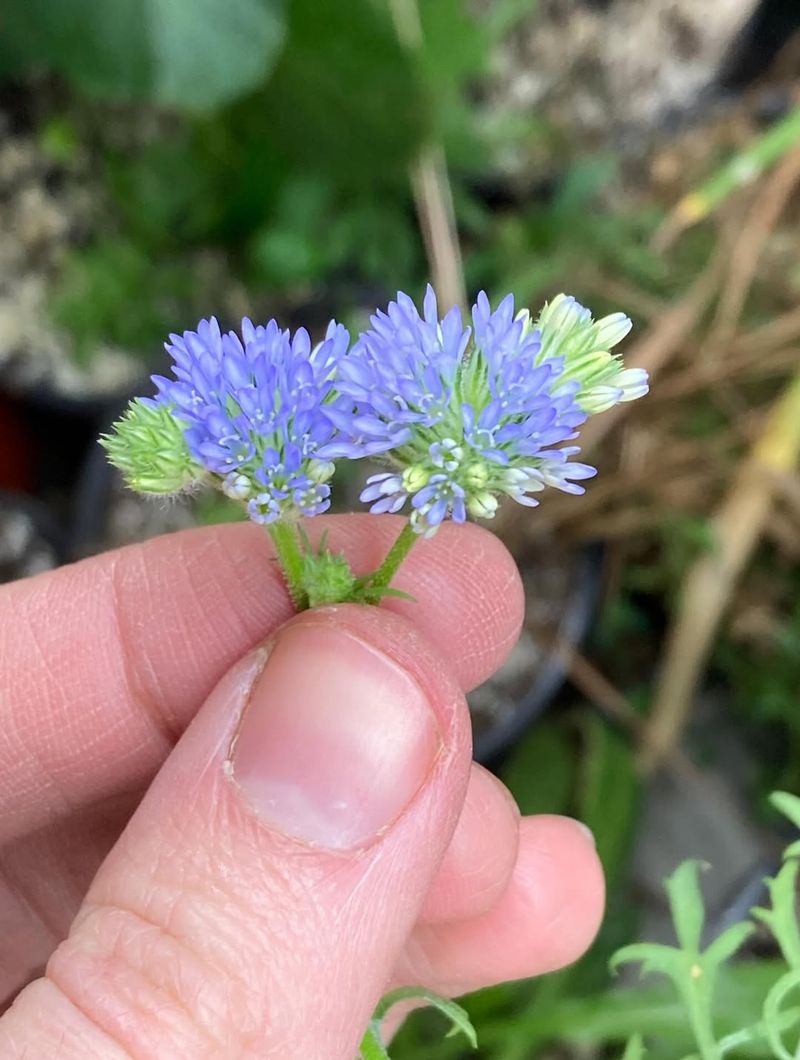
Airy clusters of small, tubular flowers in shades of sky blue to violet create a delicate, almost ethereal presence in Colorado wildflower gardens. This native annual thrives in our state’s natural conditions, requiring no coddling or special treatment to produce impressive displays.
Growing it from seed allows you to establish naturalized drifts that return year after year through self-sowing.
Direct seeding in fall or early spring mimics natural germination patterns and produces the strongest plants. Simply scatter seeds over prepared soil and rake them in lightly, then let nature take its course.
Colorado’s freeze-thaw cycles provide the cold treatment these seeds need to germinate reliably when spring arrives.
Full sun and lean, well-drained soil are all blue gilia requires to flourish in Colorado landscapes. Rich, heavily fertilized soil actually reduces flowering and produces weak, floppy growth.
These tough little plants thrive on benign neglect, making them perfect for low-maintenance garden areas.
Blooming begins in late spring and continues into early summer, with each plant producing numerous flower clusters. The tubular shape is perfectly designed for hummingbird beaks, making this plant a valuable addition to pollinator gardens.
Native bees and butterflies also visit the nectar-rich blooms regularly.
Allowing plants to set seed ensures future generations will appear without replanting, creating sustainable, self-maintaining garden areas. The seeds scatter naturally and germinate when conditions are favorable.
Combining blue gilia with other Colorado natives like penstemon and blanket flower creates beautiful, ecologically appropriate plantings that support local wildlife while requiring minimal water and care.