How California Homes Turn Simple Patio Slabs Into Outdoor Rooms
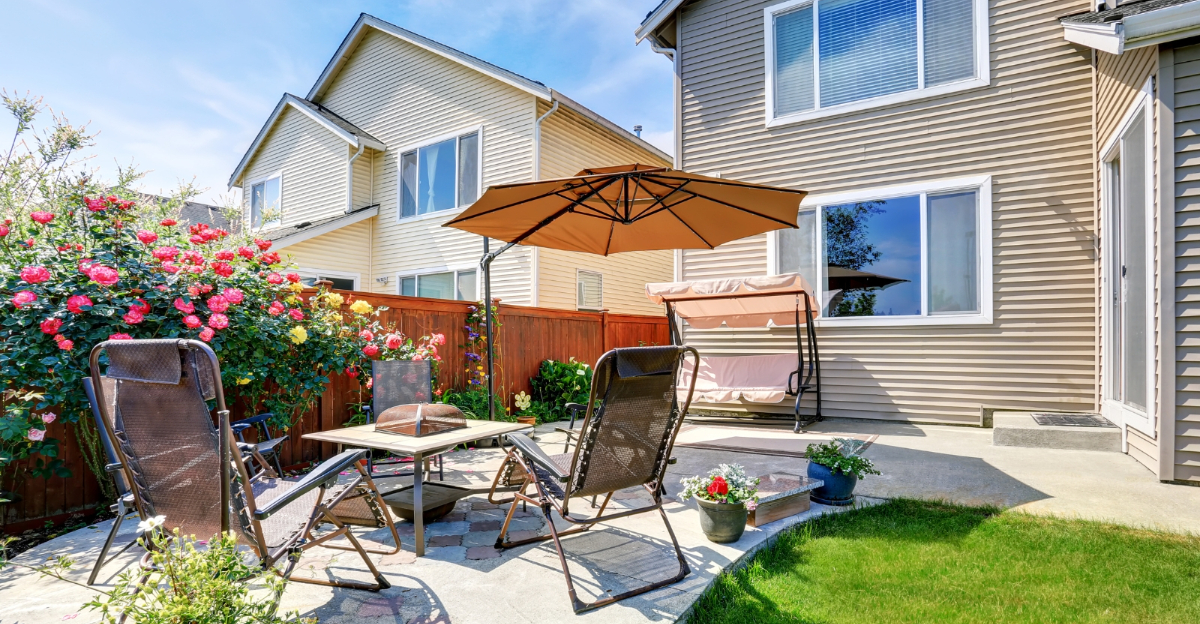
A plain concrete slab doesn’t look like much at first, yet across California it’s quietly becoming the foundation for some of the most used spaces around a home.
Mild weather and long outdoor seasons make patios more than just a place to sit, turning them into extensions of daily living.
Many homeowners assume creating an outdoor room requires major construction, but the shift often happens through smaller, intentional changes.
California homes take advantage of light, airflow, and layout to define these spaces without enclosing them. When the elements are arranged right, a slab stops feeling temporary and starts feeling purposeful.
Furniture placement, shade, and texture play a bigger role than square footage.
Even modest patios can support dining, relaxing, or entertaining when the space is treated like a room instead of an afterthought.
Once a patio functions as part of the home, it naturally becomes one of the most used areas year-round.
What starts as bare concrete can quickly evolve into a space that feels finished, comfortable, and connected to the rest of the house.
1. Define The Space With Outdoor Rugs And Furniture Placement
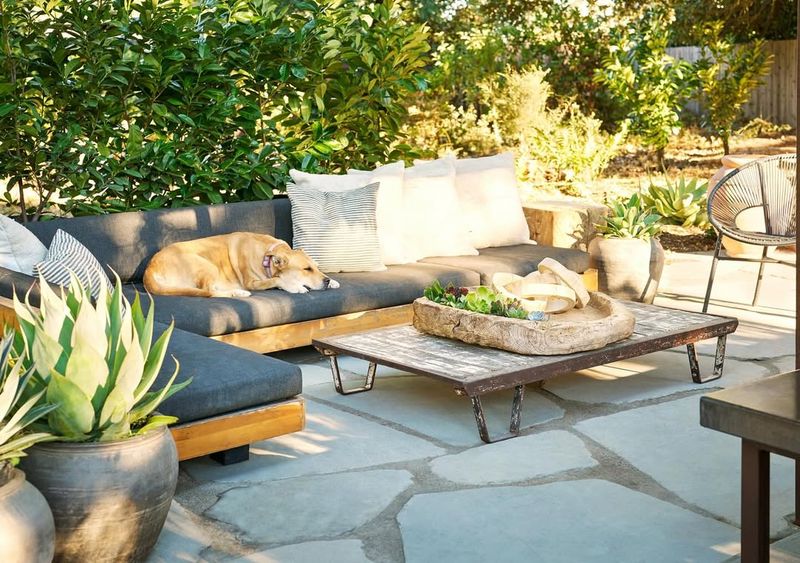
Outdoor rugs do more than just add color to a patio. They create invisible walls that tell your eye where one area ends and another begins.
A well-placed rug can make a sprawling concrete slab feel like a living room under the sky. California homeowners often use multiple rugs to carve out different zones on the same patio.
Furniture placement works hand in hand with rugs to establish boundaries. Arrange seating in a way that encourages conversation, like a U-shape or a circle.
Leave enough space for people to walk around comfortably. Avoid pushing all the furniture against the house, which makes the area feel like a hallway instead of a room.
Rugs also soften the hard surface underfoot, making the space more inviting. Choose materials that can handle sun and moisture, like polypropylene or outdoor-rated jute.
Patterns and textures add personality without requiring permanent changes. A bold geometric rug can anchor a modern setup, while a woven natural fiber rug suits a relaxed, coastal vibe.
Layering rugs is another trick California designers use. Place a smaller accent rug over a larger neutral one to add depth.
This approach lets you change the look with the seasons without moving heavy furniture. Rugs help define function too.
A rug under a dining table signals a dining zone, while another under lounge chairs marks a relaxation spot.
Size matters when selecting a rug. Make sure it’s large enough that all furniture legs sit on it, or at least the front legs.
Too small, and the space feels choppy. Too large, and it overwhelms the patio.
Measure carefully before you shop.
In California’s dry climate, rugs stay cleaner longer than in wetter regions. Still, shake them out regularly and hose them down as needed.
Proper care keeps them looking fresh season after season. Rugs are one of the easiest ways to transform a plain slab into a room with character and purpose.
Your California Garden Changes Every Week. Your Plan Should Too.
Gardening in California changes quickly throughout the season. Every Friday you’ll receive a simple weekly plan showing exactly what to plant, prune, fertilize, harvest, and protect so you never miss the right timing.
2. Use Shade Structures To Control Sun And Heat
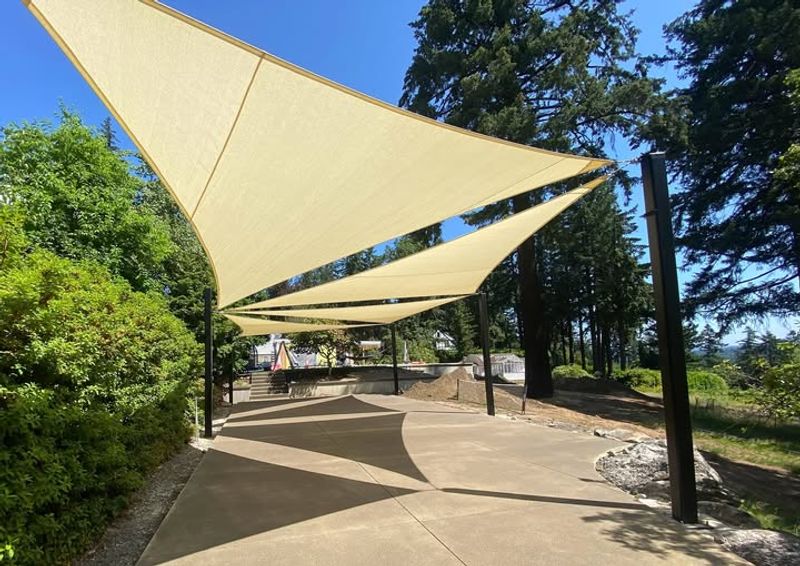
Bright sunshine is wonderful until it becomes too much. California patios need shade to stay comfortable during long summer days.
Pergolas, shade sails, and umbrellas all serve this purpose, but each offers a different look and level of coverage. Pergolas with slatted roofs let in dappled light, creating a soft, filtered effect that’s easy on the eyes.
Shade sails are popular in modern California homes because they’re sleek and affordable. These triangular or rectangular fabric panels stretch between anchor points, providing flexible coverage.
They come in many colors, so you can match your home’s style. Installation is straightforward, and they hold up well in dry climates.
Retractable awnings give you control over how much sun reaches your patio. Extend them during peak heat and retract them when you want full sun.
This flexibility is perfect for California’s varied microclimates, where mornings might be cool and afternoons scorching. Motorized versions add convenience at the push of a button.
Large patio umbrellas are the quickest shade solution. Cantilever models free up table space and can be angled to follow the sun.
Look for umbrellas with sturdy bases and fade-resistant fabric. In windy areas, choose models with vents that let air pass through.
Shade not only cools the space but also protects furniture and rugs from fading. UV rays can damage fabrics and finishes over time.
A good shade structure extends the life of your outdoor investments. Plants can also provide natural shade.
Training vines over a pergola creates a living canopy that’s beautiful and functional.
California building codes sometimes regulate shade structures, especially if they’re permanent. Check local rules before installing anything large.
Proper shade transforms a hot, unusable patio into a comfortable outdoor room you’ll use daily.
3. Add Privacy Screens Without Blocking Airflow
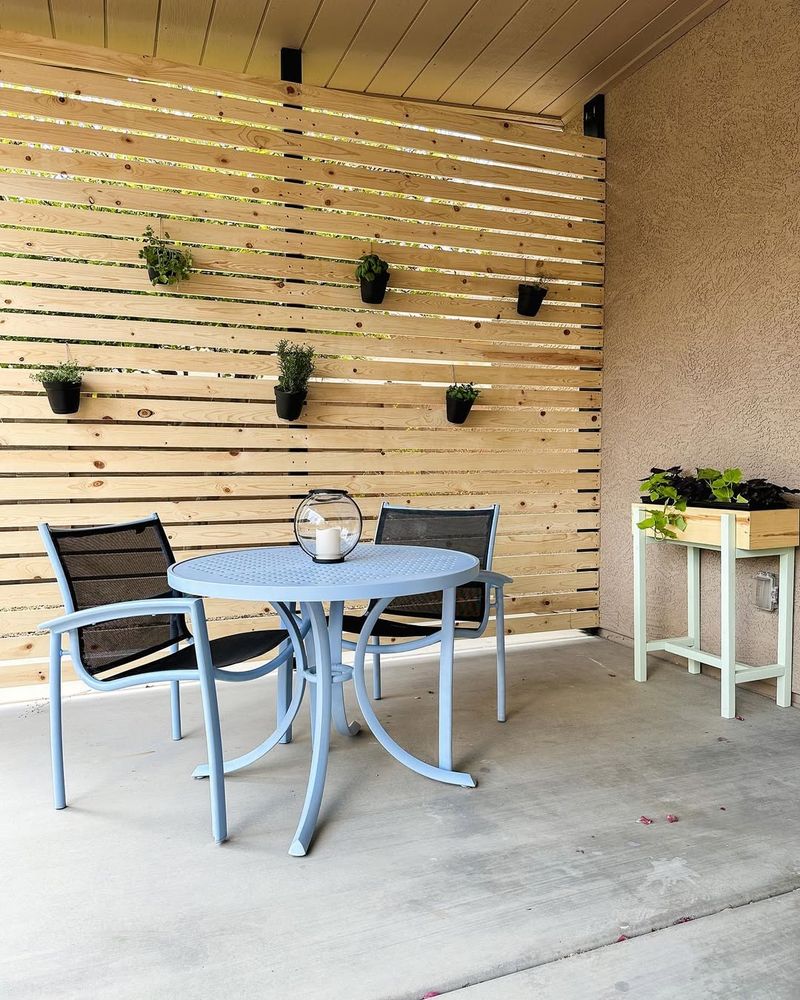
Nobody wants to feel like they’re on display while relaxing outside. Privacy screens create a sense of enclosure without building solid walls.
Lattice panels, slatted wood screens, and metal grilles all let air flow through while blocking sightlines. California homeowners often use these to separate patios from neighbors or busy streets.
Bamboo fencing is a natural, affordable option that suits many styles. It’s lightweight, easy to install, and blends well with plants.
Reed fencing offers a similar look with a slightly finer texture. Both work well in California’s climate and add an organic touch to outdoor rooms.
Vertical gardens double as privacy screens. Mount planters on a frame or wall and fill them with trailing plants or grasses.
This approach adds greenery and softens the space. Succulents are a smart choice for California’s dry conditions, requiring little water and maintenance.
Fabric panels stretched on frames create movable privacy walls. Use outdoor-rated fabric that resists fading and mildew.
These panels are lightweight and can be repositioned as needed. They’re perfect for renters or anyone who likes to change layouts frequently.
Metal screens with decorative cutouts add artistic flair while providing privacy. Laser-cut designs range from geometric patterns to nature-inspired motifs.
These screens cast interesting shadows as the sun moves, adding visual interest throughout the day. They’re durable and require minimal upkeep in California’s dry climate.
Tall planters filled with grasses or bamboo create natural privacy barriers. Arrange them in a line or stagger them for a more relaxed look.
This method is flexible and can be adjusted as plants grow. Privacy screens make outdoor rooms feel more intimate and protected, turning a patio into a true retreat.
4. Layer Lighting To Extend Evening Use
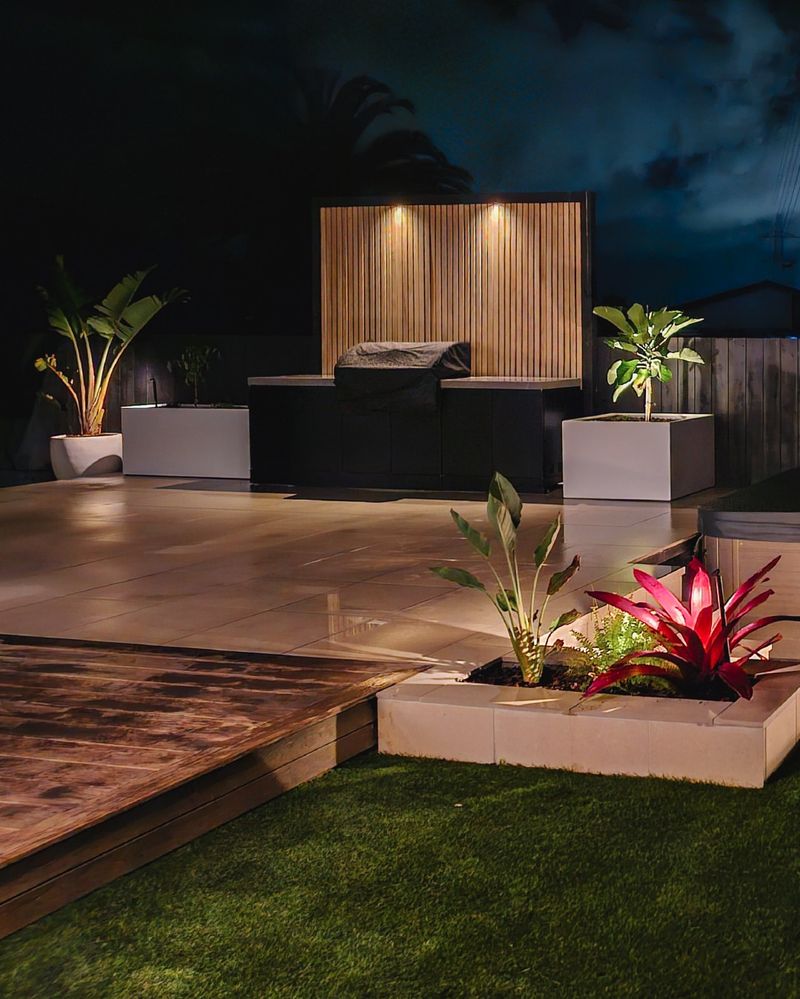
Sunset doesn’t have to mean the end of outdoor time. Layered lighting keeps your patio usable after dark and creates a warm, inviting atmosphere.
California evenings are often mild, making outdoor spaces perfect for nighttime gatherings. String lights are a simple starting point.
Drape them overhead or along railings for soft, ambient glow.
LED candles and lanterns add a cozy touch without the fire risk. Battery-operated versions are portable and safe around kids and pets.
Group them on tables or hang them from hooks for visual interest. Solar-powered options charge during the day and light up automatically at dusk, perfect for California’s sunny climate.
Pathway lights guide guests safely across the patio and into the yard. Low-voltage LED fixtures are energy-efficient and easy to install.
Space them evenly along walkways or around the patio perimeter. They add a polished, finished look to the space.
Uplighting highlights plants, walls, or architectural features. Place fixtures at the base of a tree or behind a large planter to create dramatic shadows.
This technique adds depth and dimension to your outdoor room. Adjustable spotlights let you change the focus as your landscaping evolves.
Task lighting is essential for dining or cooking areas. Install a pendant light over an outdoor table or mount sconces near a grill.
Make sure fixtures are rated for outdoor use and can handle California’s temperature swings. Dimmers give you control over brightness, letting you set the mood.
Layering different types of lighting creates a balanced, functional space. Combine ambient, task, and accent lighting for the best effect.
Well-lit patios feel larger and more welcoming, encouraging you to spend more time outside even after the sun goes down.
5. Anchor The Area With Container Plants
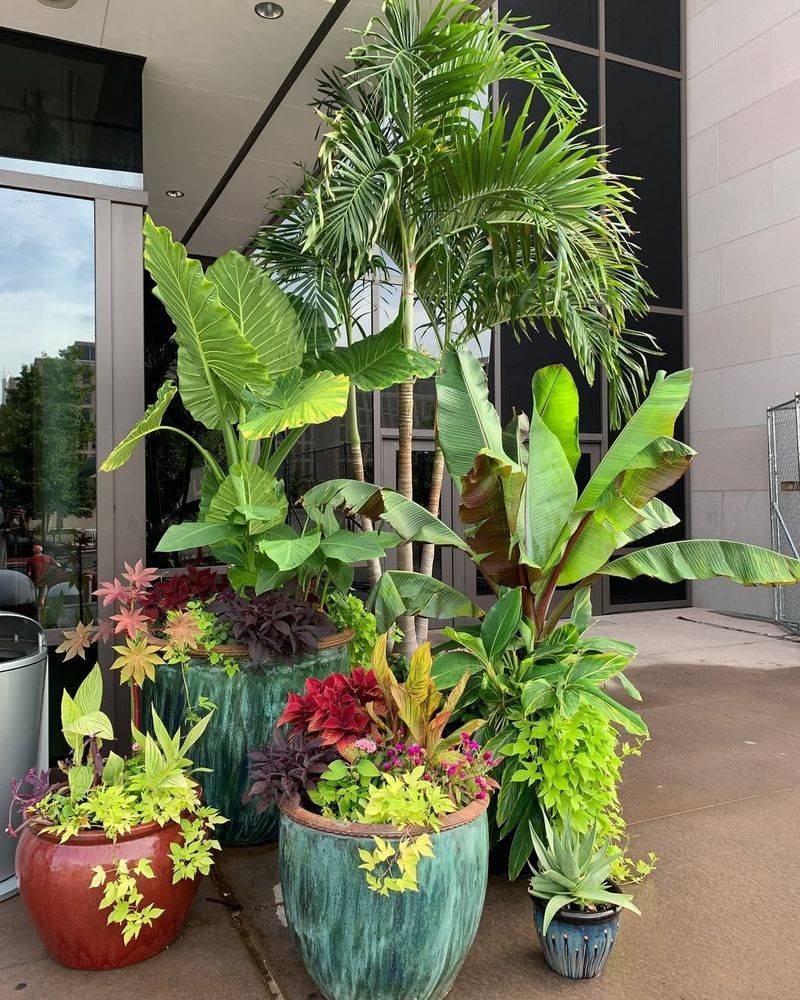
Plants bring life and color to any space, and container plants are perfect for patios. They’re portable, easy to care for, and let you change the look whenever you want.
California’s climate supports a huge variety of plants, from succulents to tropical palms. Large containers act as anchors, defining corners or entryways.
Grouping pots of different sizes creates visual interest. Mix heights and textures for a layered effect.
Place tall plants like bamboo or ornamental grasses at the back, with medium and small pots in front. This arrangement draws the eye and adds depth to flat patio slabs.
Flowering plants add bursts of color that change with the seasons. Geraniums, petunias, and marigolds thrive in California sun and bloom for months.
Rotate pots to give all sides equal light and encourage even growth. Deadhead spent blooms to keep plants looking their best.
Herbs are both beautiful and functional. Plant basil, rosemary, and thyme in containers near your dining area for easy access while cooking.
The scents add another sensory layer to your outdoor room. Most herbs love California’s sunny, dry conditions and require little care.
Succulents are ideal for low-maintenance patio gardens. They come in endless shapes and colors, from blue-green echeveria to spiky aloe.
Arrange them in shallow bowls or tall planters for different looks. They need minimal water, making them perfect for California’s drought-conscious lifestyle.
Container plants soften hard surfaces and make patios feel more like garden rooms. They also provide flexibility.
Move them to create new layouts or make space for activities. With the right plants, your patio slab becomes a lush, inviting outdoor retreat.
6. Create Visual Boundaries Using Planters Or Low Walls
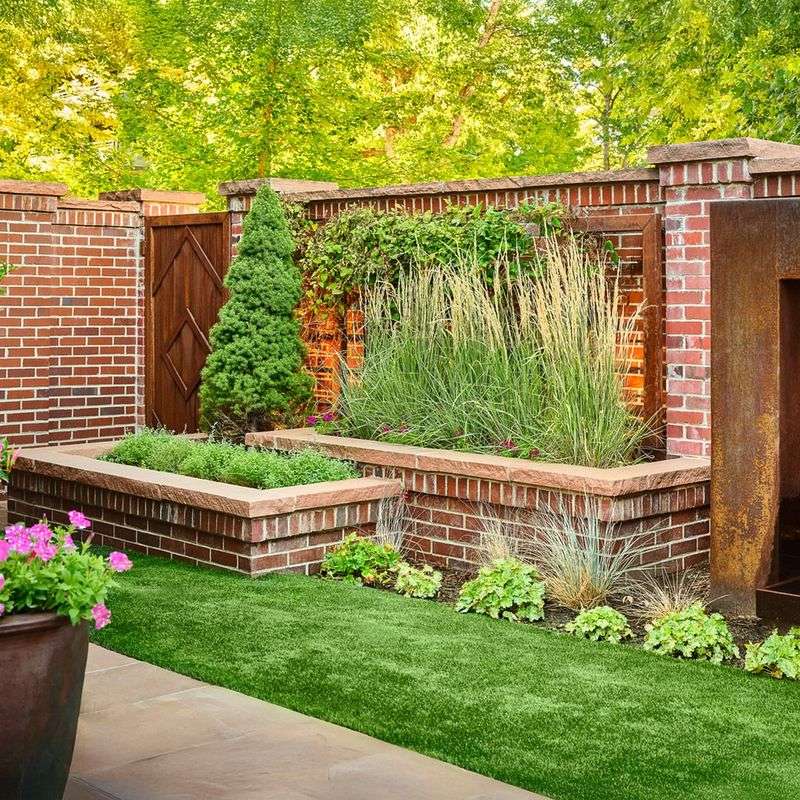
Physical boundaries help define outdoor rooms without closing them off completely. Low walls and large planters mark where one area ends and another begins.
California homeowners use these elements to create distinct zones on open patios. A low wall around a seating area makes it feel like a separate room.
Built-in planters serve double duty as seating and boundaries. Top them with cushions for extra seating when you have guests.
Fill them with trailing plants or grasses that spill over the edges. This approach saves space and adds greenery at the same time.
Stacked stone or brick walls add texture and a sense of permanence. They’re sturdy enough to lean against and can be any height you need.
In California’s mild climate, these materials age beautifully, developing character over time. Low walls also provide surfaces for setting drinks or displaying potted plants.
Raised planters elevate plants to eye level, making them more prominent. Use them to line the edge of your patio or create a divider between dining and lounging areas.
Choose materials that match your home’s exterior for a cohesive look. Wood, metal, and concrete all work well.
Retaining walls on sloped properties can double as patio boundaries. They level the ground and create usable space where there wasn’t any before.
California hillside homes often use this technique to expand outdoor living areas. Terracing with multiple levels adds dimension and interest.
Boundaries don’t have to be solid. A row of tall planters or a low fence can mark a space without blocking views or airflow.
This approach keeps the patio feeling open while still defining its purpose. Thoughtful boundaries turn a flat slab into a structured, intentional outdoor room.
7. Choose Materials That Handle Heat And Dry Conditions
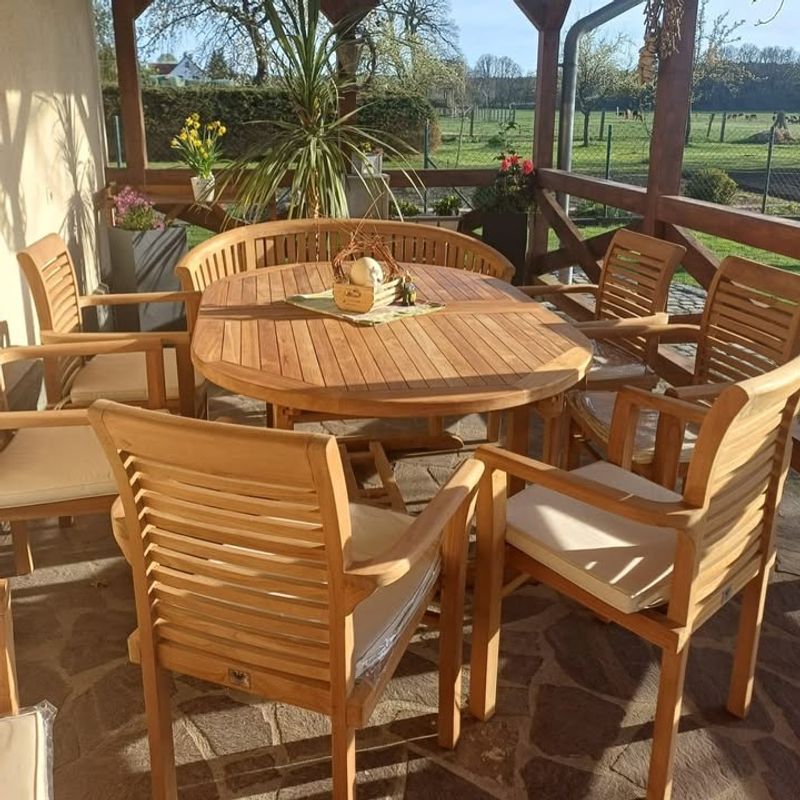
California’s climate is tough on outdoor materials. Intense sun, low humidity, and occasional Santa Ana winds demand durable choices.
Selecting the right materials means less maintenance and longer-lasting outdoor rooms. Metal furniture with powder-coated finishes resists rust and fading.
Aluminum is lightweight and easy to move, while steel offers a sturdier feel.
Teak and eucalyptus are popular wood choices because they naturally resist moisture and insects. Both develop a silvery patina over time if left untreated, which many California homeowners love.
If you prefer the original color, apply sealant annually. These woods handle heat without warping or cracking.
Synthetic wicker made from resin looks like natural wicker but stands up to sun and dryness much better. It won’t fade, crack, or unravel.
Cushions should have fade-resistant, quick-dry fabric covers. Solution-dyed acrylic is a top choice for California patios because it holds color even after years of sun exposure.
Stone and concrete pavers complement patio slabs and add visual interest. They stay cool underfoot compared to dark surfaces and require almost no upkeep.
Natural stone like flagstone or slate blends beautifully with California landscapes. Concrete pavers come in many colors and shapes, offering design flexibility.
Avoid materials that absorb heat, like dark metal or solid plastic. These become too hot to touch during summer afternoons.
Light colors reflect heat and keep surfaces cooler. Glass table tops can handle heat but may need frequent cleaning to remove dust and pollen.
Investing in quality, climate-appropriate materials saves money in the long run. Your outdoor room will look better and last longer, even with California’s challenging conditions.
Durability and style go hand in hand when you choose wisely.
8. Tie Patio Design To The Home’s Interior Style
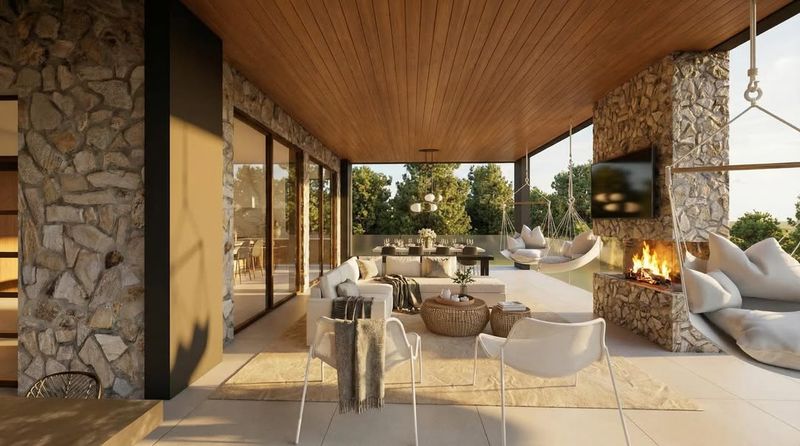
Outdoor rooms feel more cohesive when they echo the style inside your home. California homeowners often blur the line between indoor and outdoor living.
Matching colors, materials, and design themes creates a seamless transition. If your living room is modern and minimal, carry that aesthetic onto the patio with clean lines and neutral tones.
Coastal homes look great with nautical touches like blue and white stripes, rope accents, and weathered wood. Bring those elements outside for a unified look.
California’s beach towns are full of inspiration for this style. Add lanterns, driftwood decor, and linen cushions to complete the vibe.
Mid-century modern interiors pair well with retro outdoor furniture and geometric patterns. Look for pieces with tapered legs and sleek profiles.
California’s architectural history includes many mid-century homes, and this style remains popular. Bold accent colors like orange or turquoise add personality without overwhelming the space.
Farmhouse style translates beautifully to outdoor rooms. Use rustic wood tables, metal chairs, and plenty of greenery.
String Edison bulbs overhead for warm lighting. California’s wine country homes often embrace this look, mixing practicality with charm.
Mediterranean-inspired homes benefit from terra cotta pots, wrought iron furniture, and warm earth tones. Add climbing vines and fragrant herbs to complete the picture.
This style suits California’s climate perfectly and feels timeless.
Repeating interior colors in outdoor cushions, rugs, and decor ties everything together. When guests move from inside to outside, they should feel like they’re still in the same home.
This continuity makes your entire property feel larger and more thoughtfully designed. California’s indoor-outdoor lifestyle depends on this kind of intentional connection.
9. Use Flexible Furniture For Small Or Shared Spaces
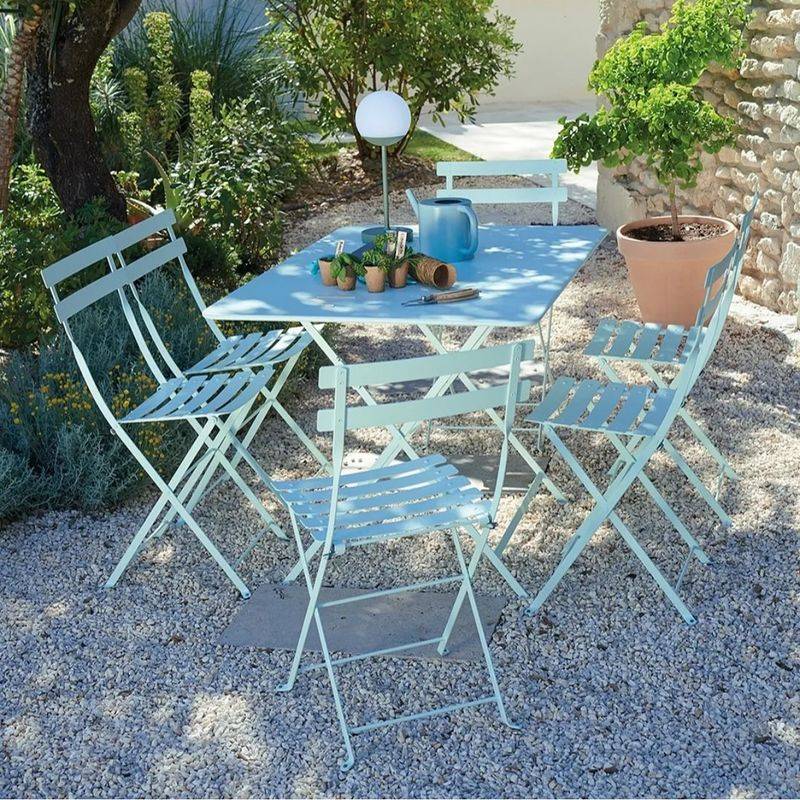
Not every California home has a sprawling patio. Small spaces need furniture that works hard and adapts to different uses.
Folding chairs and stackable stools store easily when not in use. Benches with built-in storage hide cushions, toys, or gardening tools.
These smart choices maximize limited square footage.
Nesting tables offer flexibility for entertaining. Pull them apart when you need extra surface space, then tuck them back together when you’re done.
They’re perfect for California patios where space is at a premium. Look for weather-resistant materials that can stay outside year-round.
Modular seating lets you rearrange your layout as needed. Individual pieces can form a sectional for movie nights or separate into chairs for conversation.
This adaptability is ideal for patios that serve multiple purposes. California homeowners love furniture that keeps up with their active, social lifestyles.
Ottomans serve as extra seating, footrests, or side tables. Choose ones with removable tops that reveal storage inside.
They’re lightweight enough to move around easily. Outdoor poufs add casual seating without taking up much room.
Drop-leaf tables expand for meals and fold down when you need floor space. They’re perfect for small California patios where every inch counts.
Pair them with folding chairs that hang on the wall when not in use. This approach keeps the area open and functional.
Multi-purpose furniture makes small patios feel larger and more versatile. You can host dinner parties, relax with a book, or do yoga all in the same space.
Flexibility is key when turning a modest patio slab into a fully functional outdoor room that meets all your needs.