Top 10 Cascading Houseplants Perfect For Hanging Pots In New York Apartments
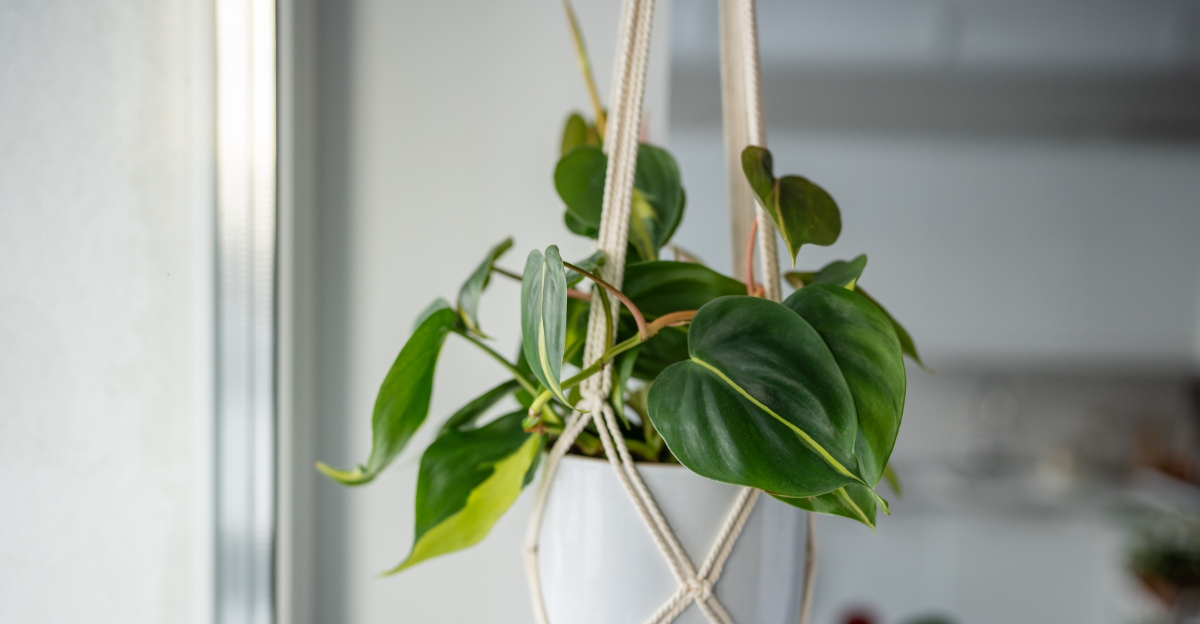
Hanging plants change the way New York apartments feel by pulling greenery up into the air instead of competing for already limited floor and shelf space.
With tight layouts, varying light, and constant movement through small rooms, not every trailing plant actually works well in apartment living.
Many people hang the wrong plant and end up with bare vines, leaf drop, or something that looks messy instead of intentional.
In New York apartments, cascading houseplants need to grow evenly, tolerate indoor conditions, and still look full from every angle. When they do, they soften hard lines and make rooms feel taller and more layered.
Movement is part of their appeal, as trailing stems naturally draw the eye and add life to corners that would otherwise be ignored.
Light exposure, ceiling height, and airflow all influence whether a hanging plant thrives or slowly declines.
Choosing poorly can turn hanging pots into visual clutter that never quite looks right.
The right cascading houseplants make New York apartments feel greener, more balanced, and thoughtfully styled without taking up any extra space.
1. Pothos
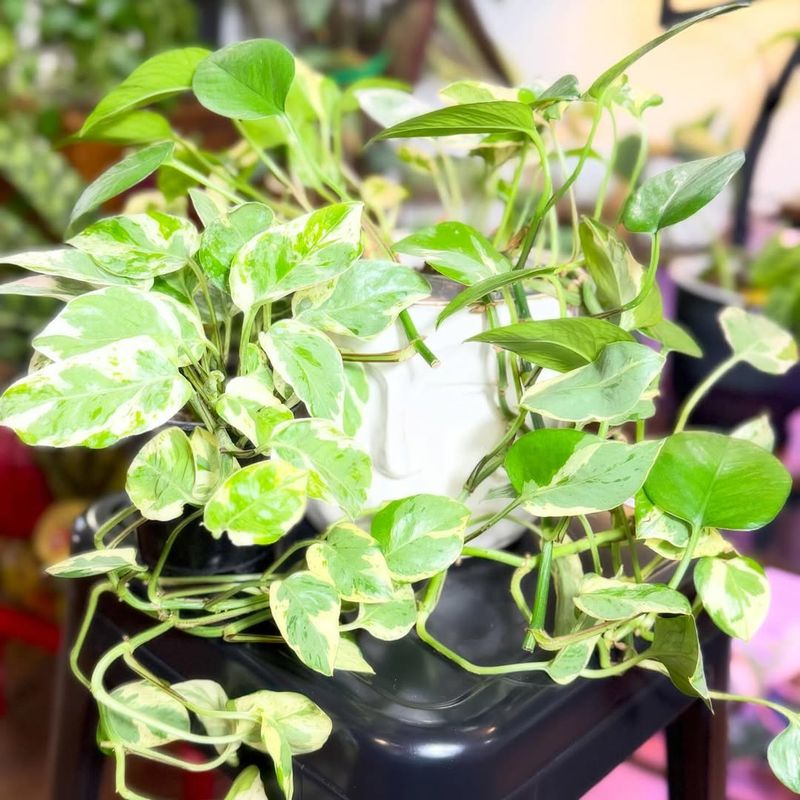
Many New Yorkers choose this plant as their first indoor companion because it thrives even when you forget about it for a while. Golden or marble queen varieties show off gorgeous leaf patterns that catch light from any window in your apartment.
Care requirements stay minimal, making it ideal for busy city dwellers who work long hours or travel frequently.
Your bathroom, bedroom, or kitchen can all accommodate this adaptable grower without much fuss. Low light conditions don’t bother it, though brighter spots make the variegation more vibrant and eye-catching.
Watering once every week or two keeps it happy, and you’ll know it needs a drink when leaves start looking a bit droopy.
Propagation happens easily by snipping a stem and placing it in water until roots develop. Friends and neighbors across New York love receiving cuttings because they grow so reliably.
Vines can stretch several feet long, creating that waterfall effect that makes hanging baskets so appealing.
Temperature fluctuations common in city apartments rarely affect this tough plant. Heating systems running all winter or lack of air conditioning in summer won’t slow its growth much.
Air-purifying qualities add another bonus, helping filter out common indoor pollutants found in urban environments.
2. Heartleaf Philodendron
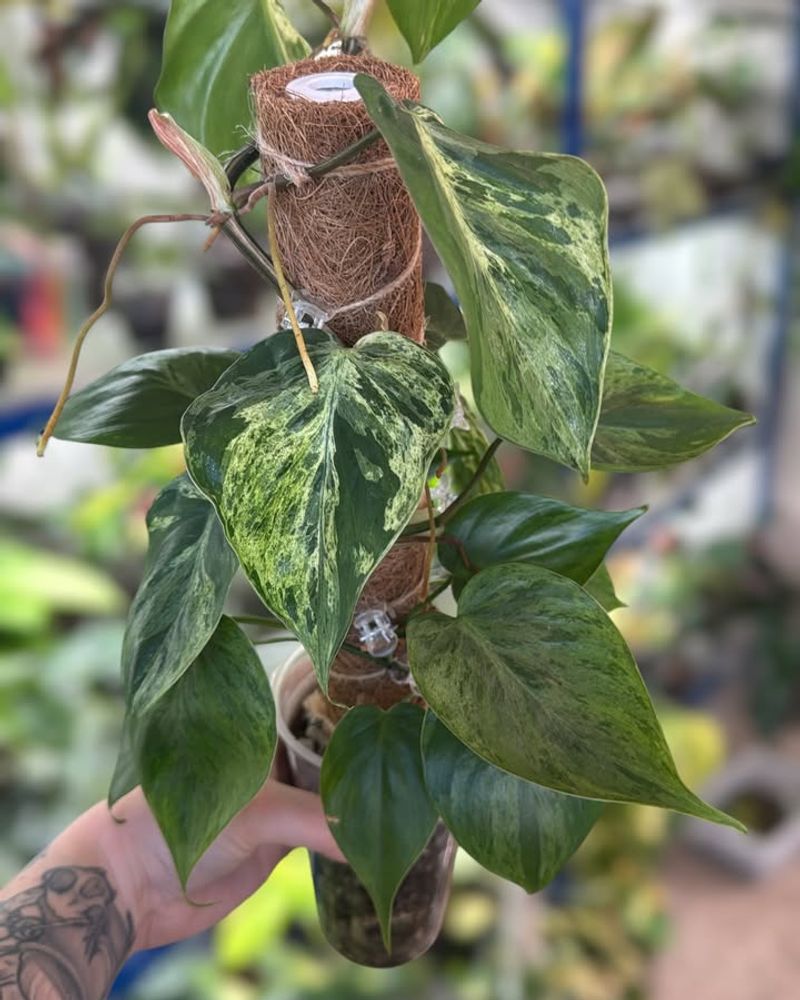
Small spaces become instantly more inviting when you add this classic trailing plant to your collection. Heart-shaped foliage emerges in deep green shades that complement any decorating style, from minimalist to bohemian.
Growing quickly under the right conditions, it rewards you with new leaves that unfurl like little gifts every few weeks.
Apartments throughout New York City provide perfect environments for this low-maintenance beauty. Indirect sunlight works best, though it tolerates shadier corners better than many other houseplants.
Overwatering causes more problems than underwatering, so letting the soil dry slightly between waterings prevents root issues.
Climbing abilities mean you can train it up a moss pole or let it cascade freely from a hanging basket. Both options create stunning displays that draw compliments from visitors.
Your New York Garden Changes Every Week. Your Plan Should Too.
Gardening in New York changes quickly throughout the season. Every Friday you’ll receive a simple weekly plan showing exactly what to plant, prune, fertilize, harvest, and protect so you never miss the right timing.
Stems grow long and graceful, sometimes reaching impressive lengths if left untrimmed.
Pet owners should know this plant contains compounds that can upset stomachs if chewed, so hanging it high keeps curious cats and dogs safe. Humidity levels found in typical New York homes suit it fine, though occasional misting during dry winter months helps prevent brown leaf tips.
Fertilizing monthly during spring and summer encourages lush, vigorous growth that fills out your hanging pot beautifully.
3. Spider Plant
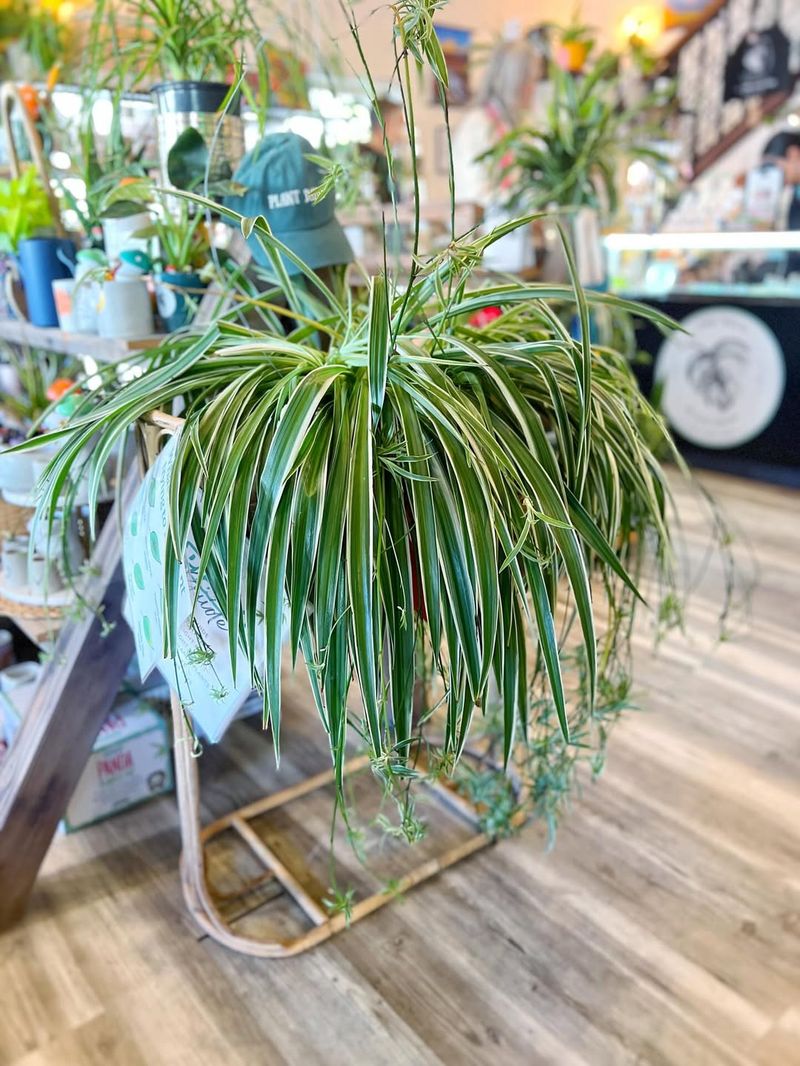
Arching leaves striped with cream or white create a fountain-like appearance that brings movement to any room. Baby plantlets dangle from long stems called runners, adding extra visual interest and giving you free plants to share.
This forgiving grower bounces back from neglect, making it perfect for beginners still learning plant care basics.
Bright indirect light produces the best variegation and most baby plants, though it adapts to various lighting situations across New York apartments. Watering needs stay moderate, with the plant preferring evenly moist soil during growing season.
Brown tips sometimes appear when tap water contains too many minerals or fluoride, but switching to filtered water usually solves this.
Room temperature fluctuations don’t stress it out, which helps in buildings where heating can be inconsistent. Spider plants actually prefer cooler nighttime temperatures, thriving in the sixties while you sleep.
This temperature preference makes them ideal for bedrooms where you might keep things cooler for better rest.
Removing baby plantlets encourages the mother plant to produce more, giving you an endless supply to pot up or gift. Each plantlet already has tiny roots forming, so they establish quickly when planted.
Non-toxic to pets makes this an excellent choice for households with curious animals who might nibble leaves.
4. Satin Pothos
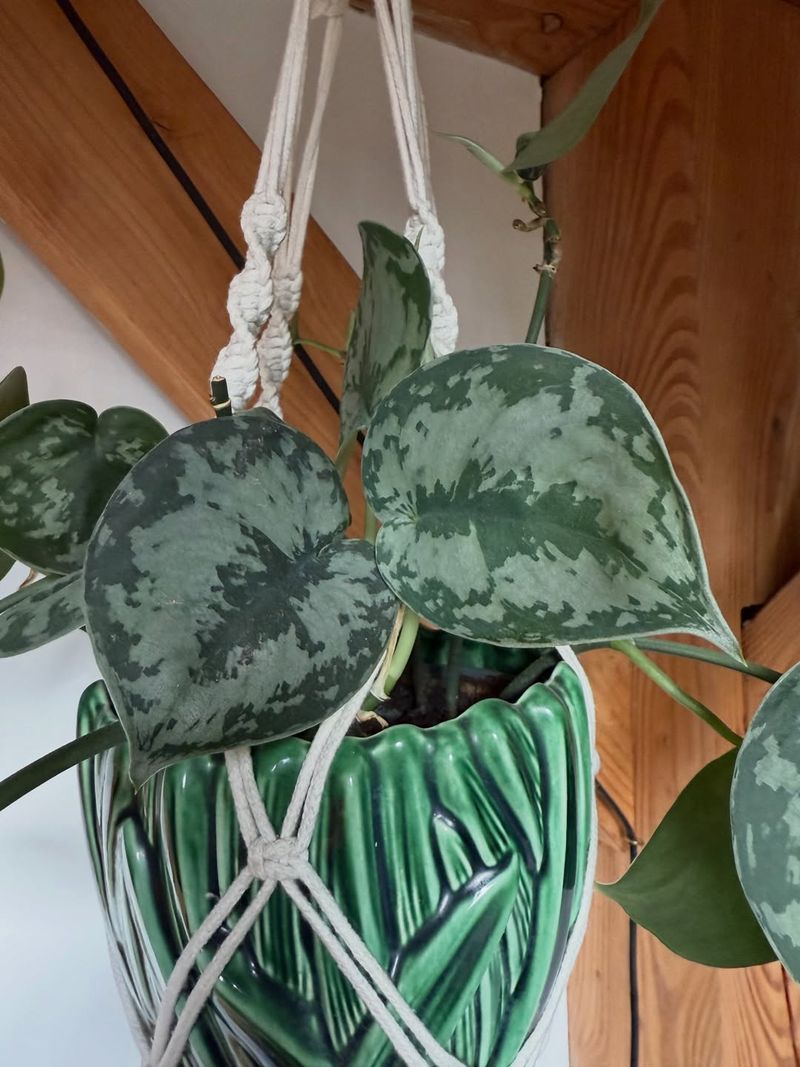
Silvery markings splash across dark green leaves, creating a shimmering effect that sets this plant apart from ordinary trailing varieties. Despite its common name, it’s actually not a true pothos but a different species altogether.
This distinction matters little to New York apartment dwellers who just want something beautiful and easy to grow.
Moderate to bright indirect light brings out the best silver variegation, though it survives in lower light conditions too. Growth slows in dimmer spots, but the plant remains healthy and attractive.
Watering when the top inch of soil feels dry prevents both overwatering and underwatering problems.
Compact growth habit compared to regular pothos means it works well in smaller hanging baskets or tight spaces. Leaves stay relatively close together along the vine, creating a fuller appearance without excessive length.
This makes it ideal for apartments where you want trailing greenery but don’t have room for six-foot-long vines.
Humidity appreciation means bathrooms become prime real estate for this beauty, especially if you have a window. Steam from showers provides the moisture it loves, encouraging healthy growth and preventing crispy leaf edges.
Regular potting soil mixed with a bit of perlite creates the well-draining environment it prefers, preventing soggy roots that lead to problems.
5. English Ivy
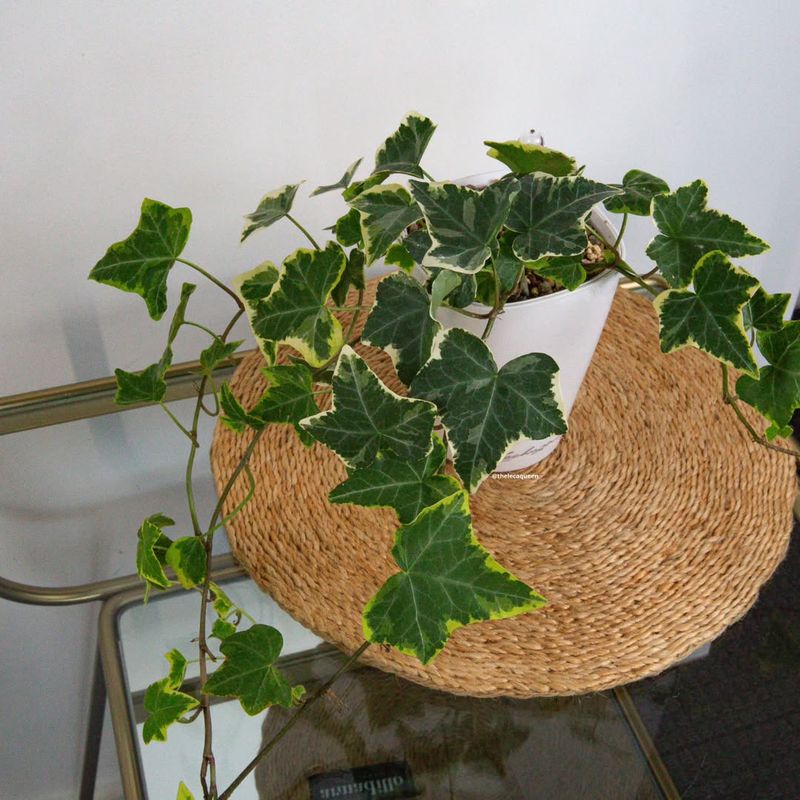
Classic elegance defines this traditional trailing plant that has graced homes for generations. Lobed leaves in various shades of green, sometimes edged with cream or yellow, create a sophisticated look.
Fast growth means you’ll see noticeable changes within weeks, with vines extending rapidly under good conditions.
Cooler temperatures suit this plant better than tropical warmth, making it perfect for New York apartments during fall and winter. Rooms that stay between 50 and 70 degrees Fahrenheit keep it happiest and healthiest.
South-facing or west-facing windows provide enough light without scorching delicate foliage.
Consistent moisture keeps leaves looking their best, though the soil shouldn’t stay waterlogged. Checking moisture levels regularly prevents the boom-and-bust cycle that stresses plants.
Misting leaves occasionally or grouping it with other plants increases humidity, which this ivy appreciates greatly.
Spider mites sometimes target English ivy, especially in dry indoor conditions, so watch for tiny webs or stippled leaves. Wiping leaves with a damp cloth every few weeks removes dust and helps spot pest problems early.
Good air circulation around the plant discourages pest infestations and keeps foliage healthy.
Training vines around a wire form creates topiary shapes, or you can let them trail freely for a more natural cascade effect. Either way, regular pruning maintains the shape you want and encourages bushier growth.
6. Tradescantia
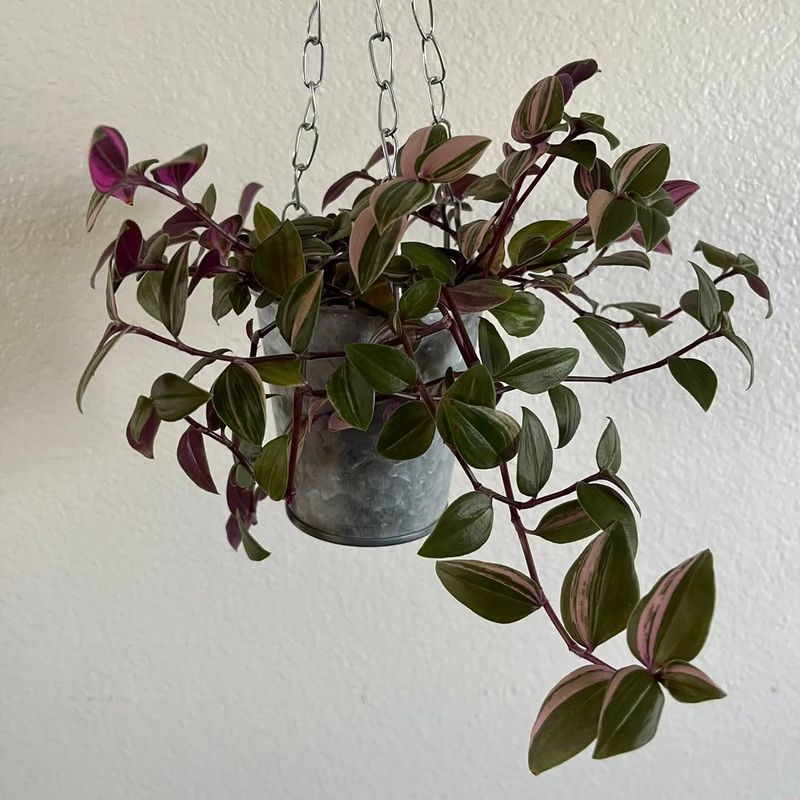
Vibrant purple undersides and striped upper surfaces make this plant a showstopper in any hanging arrangement. Also called wandering jew or inch plant, it grows with remarkable speed when conditions suit it.
New York plant lovers appreciate how quickly it fills out a basket, creating a lush display in just a few months.
Bright light intensifies the purple coloration, while lower light causes colors to fade and growth to become leggy. East-facing windows offer ideal conditions, providing morning sun without harsh afternoon heat.
Pinching back growing tips encourages branching, resulting in a fuller, more attractive plant.
Water needs stay moderate, with the plant preferring slightly moist soil that never completely dries out. Letting it get too dry causes lower leaves to drop, leaving bare stems that look scraggly.
Fortunately, propagation happens so easily that you can always start fresh cuttings to fill in gaps.
Several varieties offer different color combinations, from solid purple to green with pink stripes. Mixing different types in one basket creates a stunning multicolored effect that becomes a focal point.
Room temperature suits it fine, and it doesn’t mind the dry air common in heated New York apartments during winter.
Fast growth means more frequent watering and occasional feeding to support all that new foliage. Monthly fertilizing during active growth periods keeps colors vibrant and prevents yellowing leaves.
7. Philodendron Brasil
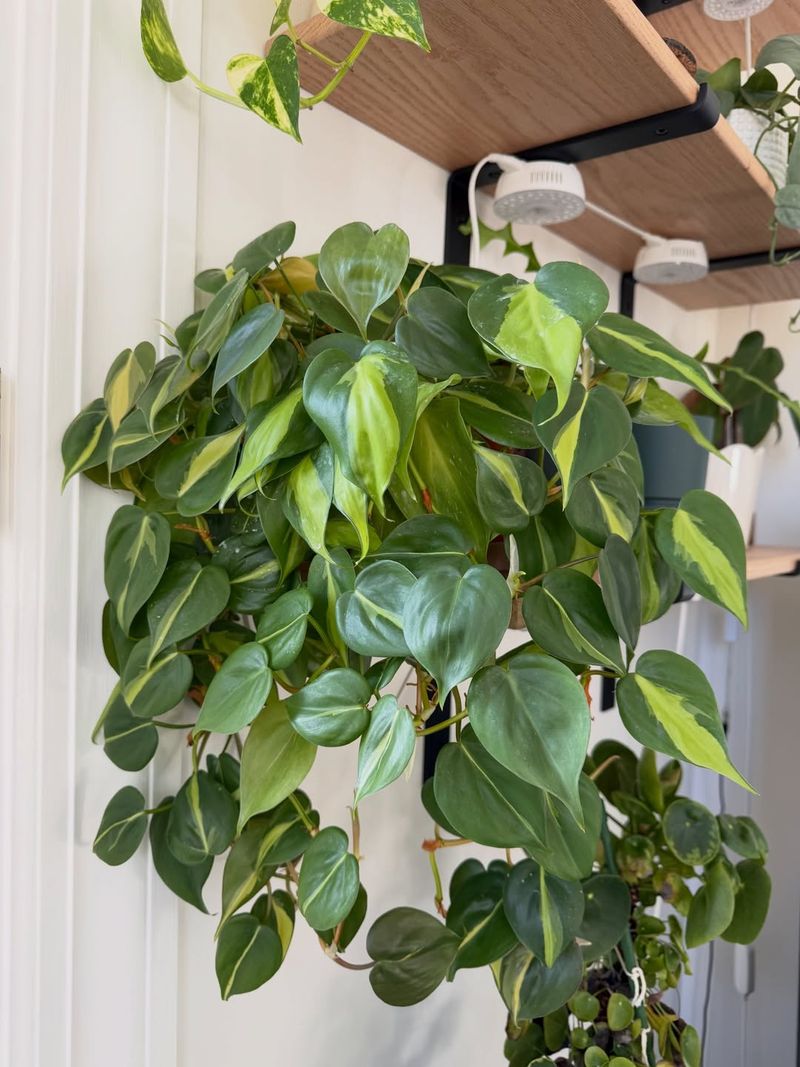
Lime green and dark green variegation creates a striking contrast that brightens any corner of your apartment. This variety of heartleaf philodendron offers more visual interest with its bold color patterns.
Each leaf emerges as a surprise, with variegation patterns varying from mostly green to heavily splashed with chartreuse.
Care requirements mirror those of standard heartleaf philodendrons, meaning even novice plant parents succeed with it. Moderate light maintains variegation, though too much direct sun can fade or burn the lighter portions.
New York apartment windows with sheer curtains provide perfect filtered light conditions.
Trailing vines grow quickly, sometimes adding several inches per month during peak growing season. You can prune it back to maintain a compact shape or let it grow wild for a jungle effect.
Cuttings root easily in water, allowing you to propagate and share this beautiful plant with friends.
Dry air doesn’t bother it much, though occasional leaf cleaning keeps it looking polished and helps it photosynthesize efficiently. Wiping leaves with a damp cloth removes dust and lets you inspect for any pest issues.
Standard potting mix works well, and the plant doesn’t require any special soil amendments.
Climbing instincts mean it can grow upward on a support or cascade downward from a hanging basket. Versatility makes it suitable for various display options throughout your living space.
Pet toxicity concerns apply, so hanging it safely out of reach protects curious animals.
8. String Of Hearts
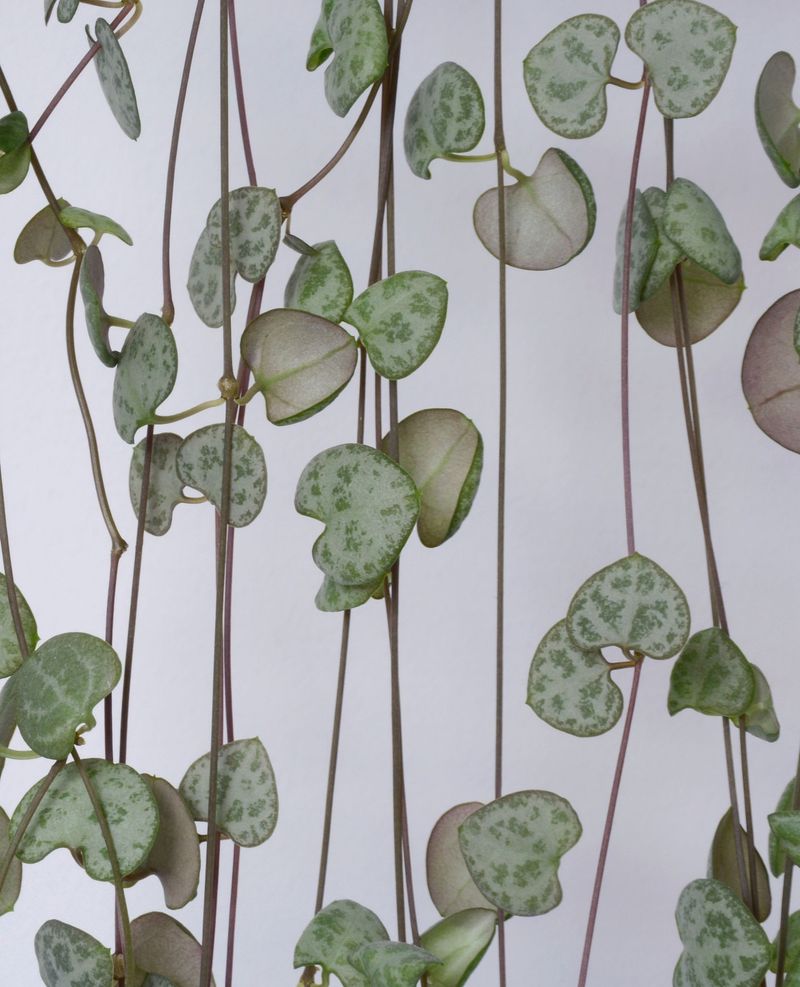
Delicate chains of tiny heart-shaped leaves create an enchanting display that looks almost too perfect to be real. Purple-tinted stems add to the charm, making this plant a favorite among New York City apartment dwellers who want something unique.
Slow growth compared to other trailing plants means it requires less maintenance and pruning.
Bright indirect light keeps this succulent-like plant happy and encourages the development of aerial tubers along the stems. These small bulbils look interesting and can be used for propagation if you want more plants.
South or west windows work well, providing the intensity it needs without scorching delicate foliage.
Watering sparingly prevents root rot, as this plant stores moisture in its slightly fleshy leaves. Letting soil dry completely between waterings mimics its natural habitat and keeps it healthiest.
Overwatering causes more problems than underwatering, so when in doubt, wait another day or two.
Thin, delicate vines can grow several feet long, creating a waterfall of hearts that draws attention from everyone who sees it. The plant looks especially stunning when displayed where light can shine through the leaves, highlighting their shape.
Well-draining soil mixed with extra perlite or sand prevents water from sitting around roots.
Cooler temperatures during winter encourage blooming, though the small tubular flowers aren’t particularly showy. Still, seeing your plant bloom adds satisfaction and indicates you’re providing good care.
9. Hoya
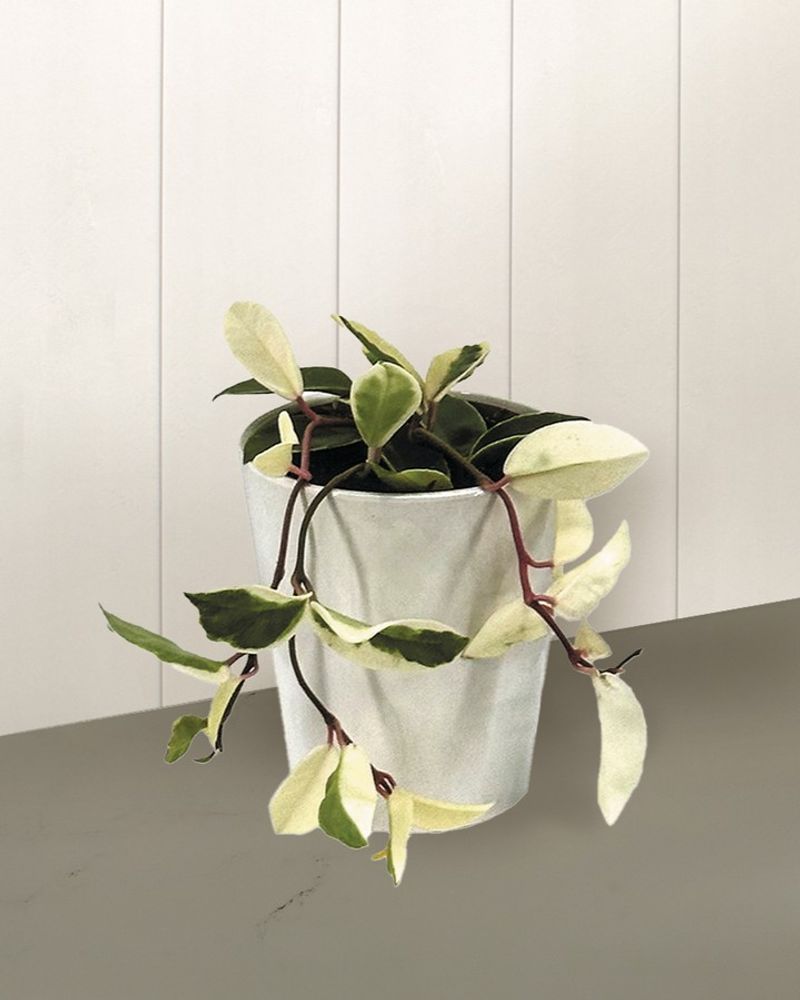
Waxy leaves and stunning fragrant flower clusters make this plant worth the patience it requires to bloom. Several varieties offer different leaf shapes and sizes, from tiny compact types to larger-leafed versions.
New York plant collectors often start with one hoya and end up with several because each variety offers unique appeal.
Bright indirect light encourages flowering, though the plant grows fine in moderate light without producing blooms. Patience pays off, as mature plants reward you with clusters of star-shaped flowers that smell amazing.
Some varieties bloom multiple times per year once they reach flowering maturity.
Infrequent watering suits this semi-succulent plant, which stores moisture in its thick leaves. Allowing soil to dry out between waterings prevents root problems and mimics its natural growing conditions.
Chunky, well-draining potting mix works better than standard soil, with many growers adding orchid bark or perlite.
Trailing stems can grow quite long over time, creating impressive cascades of waxy foliage. Never remove the flower spurs after blooms fade, as new flowers emerge from the same spots year after year.
This quirk makes hoya care slightly different from other flowering plants.
Temperature tolerance makes it suitable for typical apartment conditions across New York, handling both warm summers and cooler winters. Avoid moving it around once it’s happy in a spot, as hoyas dislike change and may drop buds if disturbed during flowering.
10. Lipstick Plant
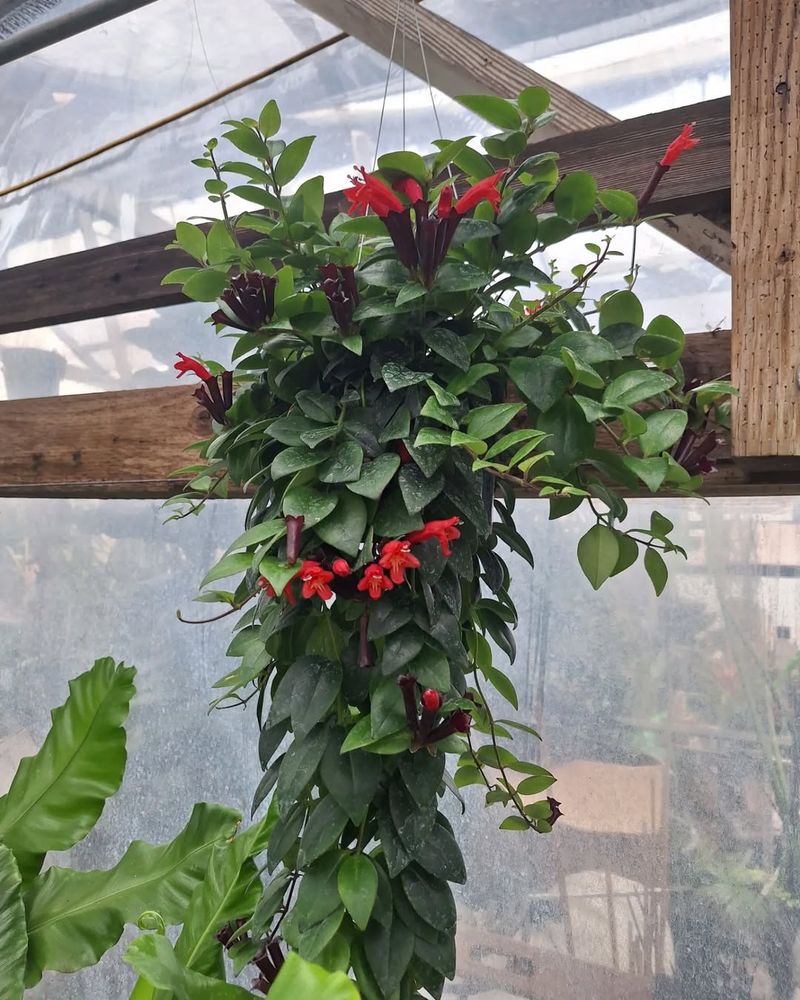
Tubular red flowers emerging from dark burgundy buds resemble tiny lipsticks, giving this plant its memorable name. Glossy green leaves provide year-round interest, while blooms appear sporadically throughout the year under good conditions.
Bright indirect light and consistent care encourage the best flowering performance.
Humidity lovers, these plants thrive in New York bathrooms with windows or near humidifiers in other rooms. Misting helps but doesn’t replace the need for ambient humidity, so grouping plants together creates a better microclimate.
Dry air causes buds to drop before opening, frustrating growers who want to see those distinctive flowers.
Well-draining soil keeps roots healthy, as the plant dislikes sitting in soggy conditions. Watering when the top inch feels dry maintains appropriate moisture without overdoing it.
Monthly feeding during spring and summer supports both foliage growth and flower production.
Cascading stems look beautiful in hanging baskets, with flowers dangling below the foliage for maximum visual impact. Pruning after flowering encourages bushier growth and more bloom sites for next time.
Some varieties offer different flower colors, including orange and yellow, expanding your options.
Moderate temperatures suit this tropical plant, which doesn’t appreciate cold drafts or hot, dry air from heating vents. Placing it away from temperature extremes keeps it growing steadily.
With proper care, lipstick plants can bloom multiple times per year, providing ongoing color in your apartment.