These 10 Plants Keep Nevada Yards Looking Good Without Blooming
Flowers aren’t the only way Nevada yards stay attractive, especially in a climate where intense heat, drying winds, and low rainfall can make consistent blooming difficult to maintain.
Many homeowners grow frustrated with plants that look impressive for a short moment, only to fade, thin out, or look stressed for most of the year once extreme conditions return.
Nevada’s desert sun and arid soils favor plants that rely on strong structure, interesting texture, and durable foliage rather than seasonal flowers.
These plants keep their form, color, and visual presence even when temperatures climb and moisture becomes scarce. That steady performance is what keeps landscapes looking intentional instead of worn down or neglected.
Foliage focused plants also remove much of the pressure around perfect timing and constant intervention.
They continue to look good without depending on bloom cycles, which makes them far more forgiving in harsh desert conditions.
Choosing plants that deliver visual impact without flowers simplifies maintenance while still supporting a polished landscape.
In Nevada yards, lasting appeal often comes from plants built to look good every day, not just when they happen to bloom.
1. Blue Fescue
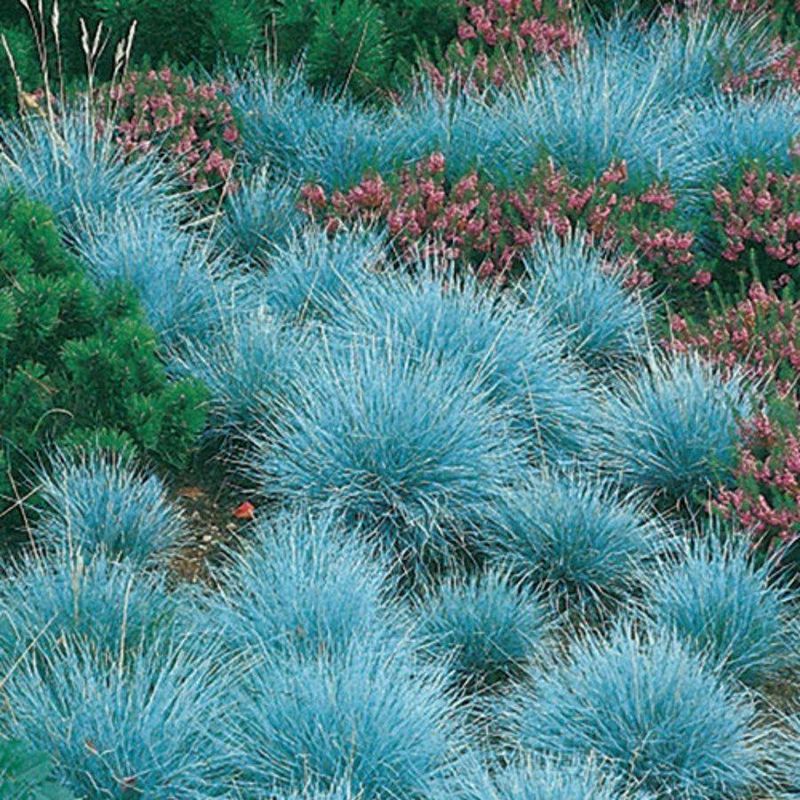
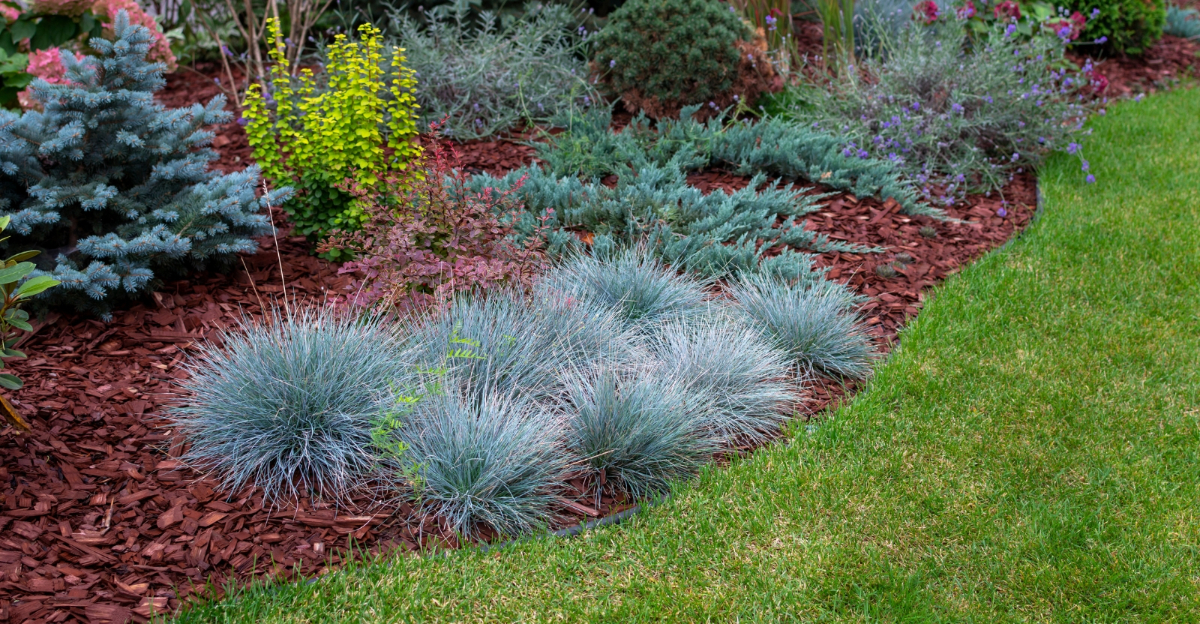
Ornamental grasses bring movement and softness to landscapes that might otherwise feel harsh or rigid. Blue fescue forms compact mounds that rarely exceed twelve inches in height, making it perfect for edging pathways or filling gaps between larger specimens.
Its silvery-blue blades create striking contrast against darker foliage or red rock mulch common throughout Nevada yards.
Homeowners appreciate how little maintenance this grass requires once established in the ground. Trimming back old growth in early spring keeps clumps looking fresh and encourages new blades to emerge.
The plant tolerates poor soil conditions that would challenge many other ornamentals.
Water needs stay remarkably low after the first growing season, which matters greatly in Nevada’s arid environment. Roots establish quickly when planted during cooler months.
Grouping several plants together creates visual impact without demanding excessive resources.
Deer and rabbits typically ignore blue fescue, saving gardeners from constant vigilance and protective measures. The fine texture adds delicate detail to rock gardens and modern landscape designs.
This grass performs beautifully in containers on patios where its cascading form softens hard edges.
Blue fescue works especially well in spots where structure is needed without heaviness, offering color and motion that never feels overdone.
Nevada gardeners often find that once it’s in place, this grass quietly does its job season after season, bringing texture and balance with very little effort.
2. Yucca
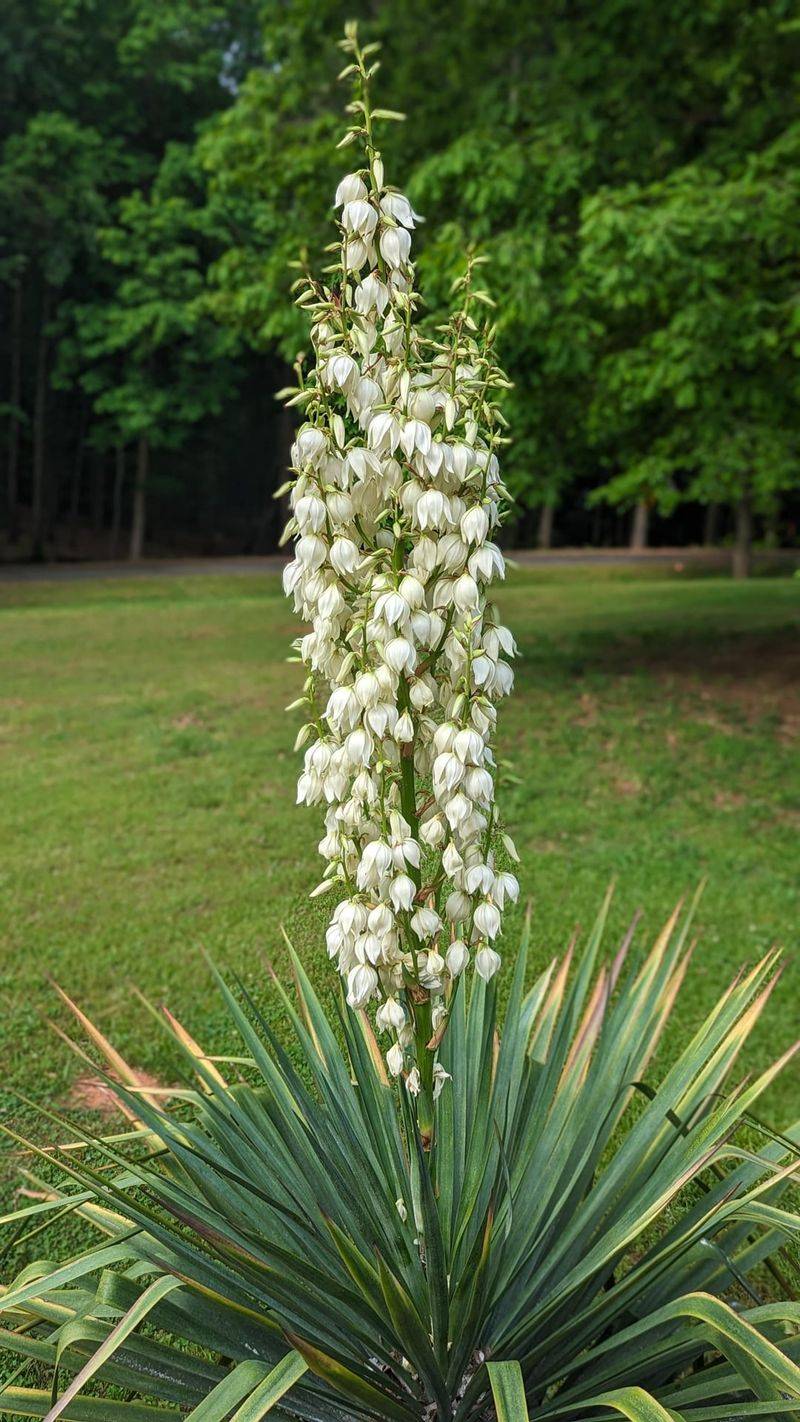
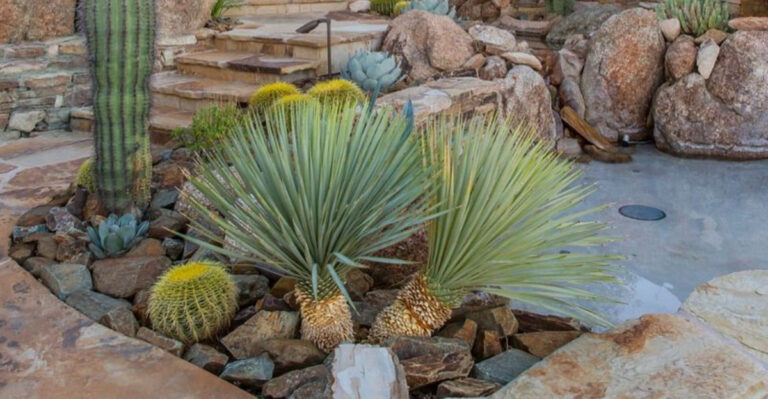
Architectural drama enters Nevada gardens when yucca plants take center stage with their sword-shaped leaves radiating from central points. These sculptural specimens command attention without requiring constant care or supplemental watering once roots grow deep.
Native varieties thrive in conditions that mirror their natural desert habitat.
Leaf colors range from deep green to blue-gray depending on species and growing conditions. Sharp tips on foliage provide built-in protection from wandering animals and curious children.
Placement near walkways should account for these pointed ends to prevent accidental contact.
Your Nevada Garden Changes Every Week. Your Plan Should Too.
Gardening in Nevada changes quickly throughout the season. Every Friday you’ll receive a simple weekly plan showing exactly what to plant, prune, fertilize, harvest, and protect so you never miss the right timing.
Root systems anchor firmly into rocky or sandy soil that drains quickly after occasional rainfall. Mature plants develop impressive trunks over time, adding height variation to flat landscape areas.
Smaller varieties work well in tight spaces or mixed borders.
Winter cold rarely damages established yucca plants across most Nevada regions. Their evergreen nature ensures visual interest throughout all twelve months.
Removing spent lower leaves keeps specimens looking tidy without demanding hours of labor each season.
Yucca plants give Nevada landscapes a bold, confident look that feels intentional even in the simplest designs.
Once established, they quietly hold their shape and presence year-round, proving that strong visual impact doesn’t have to come with high effort.
3. Agave
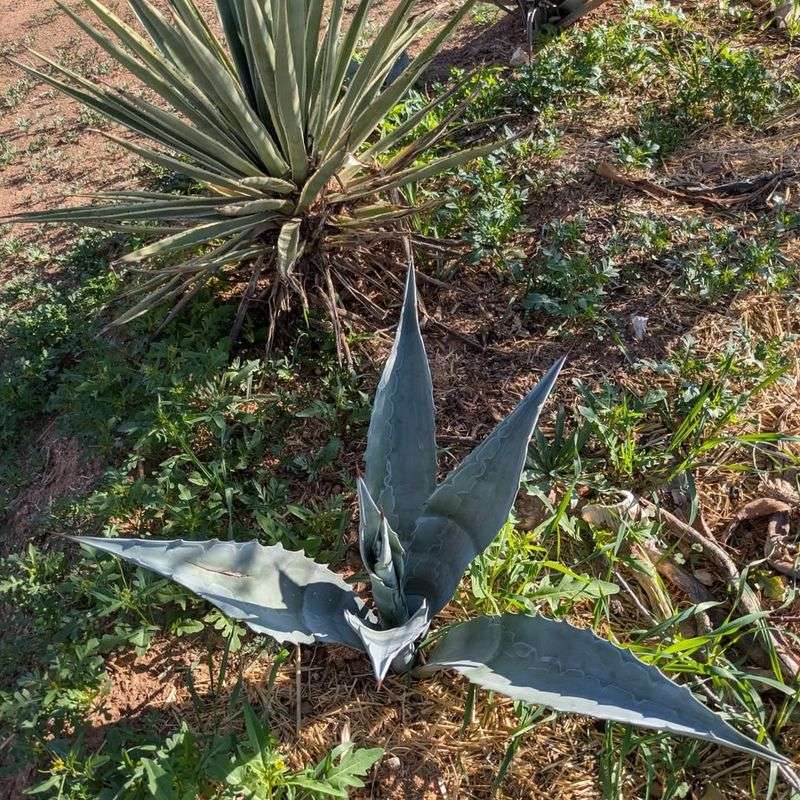
Rosettes of thick, fleshy leaves create living sculptures that transform ordinary Nevada yards into striking outdoor galleries. Agave plants store water in their substantial foliage, allowing them to survive extended dry periods without supplemental irrigation.
Variegated forms offer cream or yellow stripes that brighten shaded corners.
Size ranges dramatically across different species, from compact varieties suitable for container culture to massive specimens spanning several feet in diameter. Growth remains slow and predictable, eliminating concerns about aggressive spreading.
Terminal spines require careful positioning away from high-traffic zones.
Soil drainage matters more than fertility when establishing these desert natives in Nevada landscapes. Amended planting holes with added pumice or decomposed granite prevent root rot during winter months.
Full sun exposure brings out the best coloration in most varieties.
Offset production allows gardeners to propagate new plants without purchasing additional specimens. These baby plants, called pups, develop around the mother plant’s base.
Transplanting pups creates cohesive groupings or fills bare spots elsewhere in the yard.
Agave plants lend Nevada gardens a bold, sculptural presence that feels intentional rather than decorative.
Their slow pace and self-sufficiency make them ideal for homeowners who want dramatic impact without constant attention.
4. Red Yucca (Hesperaloe)
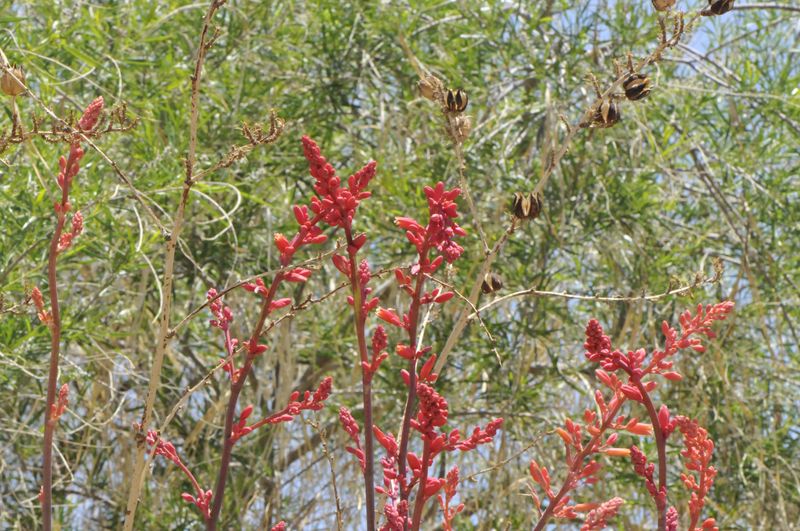
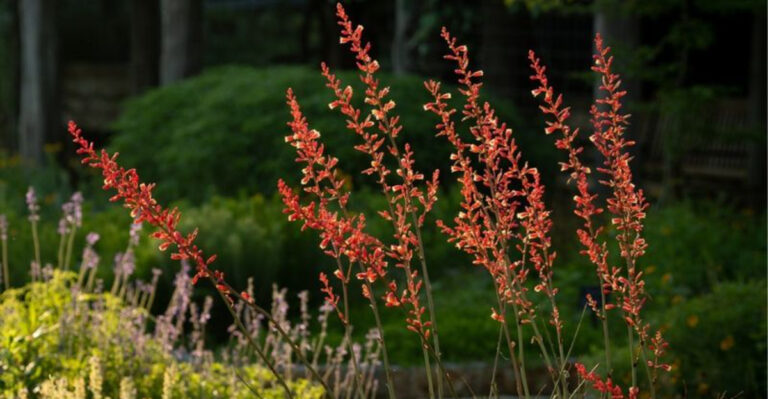
Graceful arching foliage defies the common perception that desert plants must look stiff or unwelcoming in Nevada landscapes. Red yucca produces soft, flexible leaves that sway gently in breezes, creating movement without the water demands of traditional ornamental grasses.
The common name misleads slightly since this plant belongs to a different genus than true yuccas.
Leaf edges feature fine filaments that catch light and add textural interest up close. Clumps expand gradually outward, forming substantial masses over several growing seasons.
Mature specimens reach three feet across and equally tall when not in bloom.
Heat tolerance exceeds that of many succulents, making red yucca ideal for south-facing exposures in Nevada yards. Reflected heat from walls or pavement rarely causes stress.
Established plants survive on natural precipitation alone in many areas.
Dividing large clumps rejuvenates older specimens and provides new plants for other garden areas. Sharp tools make quick work of separating the fibrous root systems.
Transplants establish rapidly when moved during moderate temperatures.
Red yucca brings a softer, more welcoming feel to Nevada gardens while still handling extreme heat with ease.
Gardeners often appreciate how it adds motion, texture, and reliability to tough spaces where other plants struggle to look comfortable.
5. Juniper
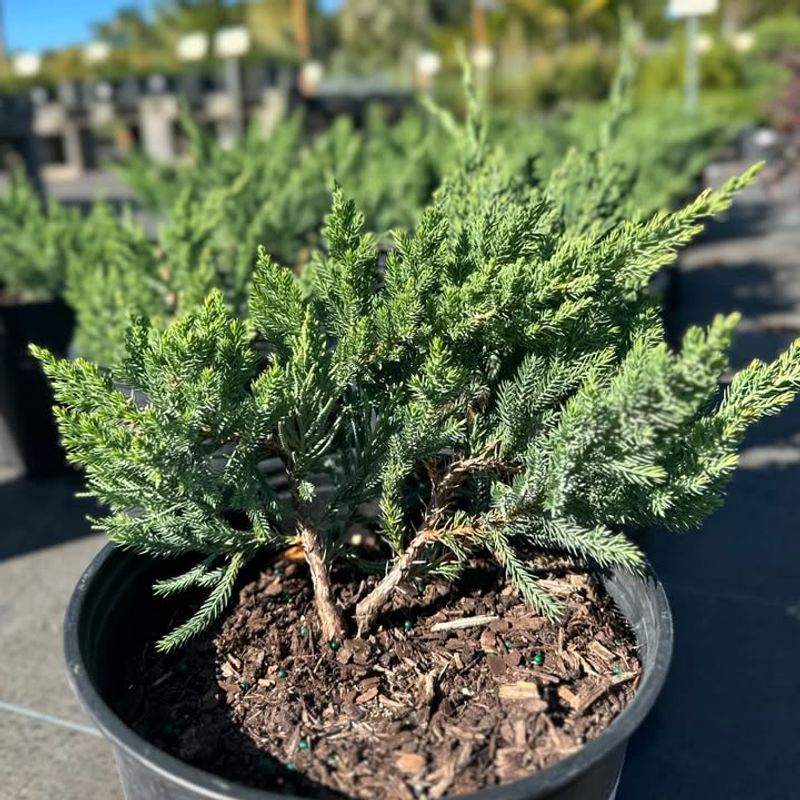
Evergreen coverage transforms bare ground into lush carpets or creates living privacy screens depending on which juniper variety Nevada homeowners select. Prostrate forms hug slopes and prevent erosion while upright types frame entryways or define property boundaries.
Scale-like foliage ranges from bright green to steel blue across different cultivars.
Growth rates vary considerably, with some spreading several feet annually while others expand slowly over decades. Researching mature dimensions prevents overcrowding and reduces future pruning needs.
Proper spacing at planting time saves labor and maintains natural plant shapes.
Drought resistance ranks among the highest of all landscape evergreens suitable for Nevada conditions. Deep roots access moisture unavailable to shallow-rooted competitors.
Established junipers often survive entire summers without supplemental water.
Wildlife appreciates the shelter and nesting sites these dense plants provide year-round. Birds find protection from predators within the thick branching structure.
Berries that develop on female plants feed various species during winter months when other food sources become scarce.
Junipers give Nevada landscapes a sense of permanence, quietly filling space and holding their form through heat, wind, and long dry spells.
Homeowners often value how these plants solve multiple problems at once, offering coverage, structure, and habitat without demanding constant care.
6. Boxwood
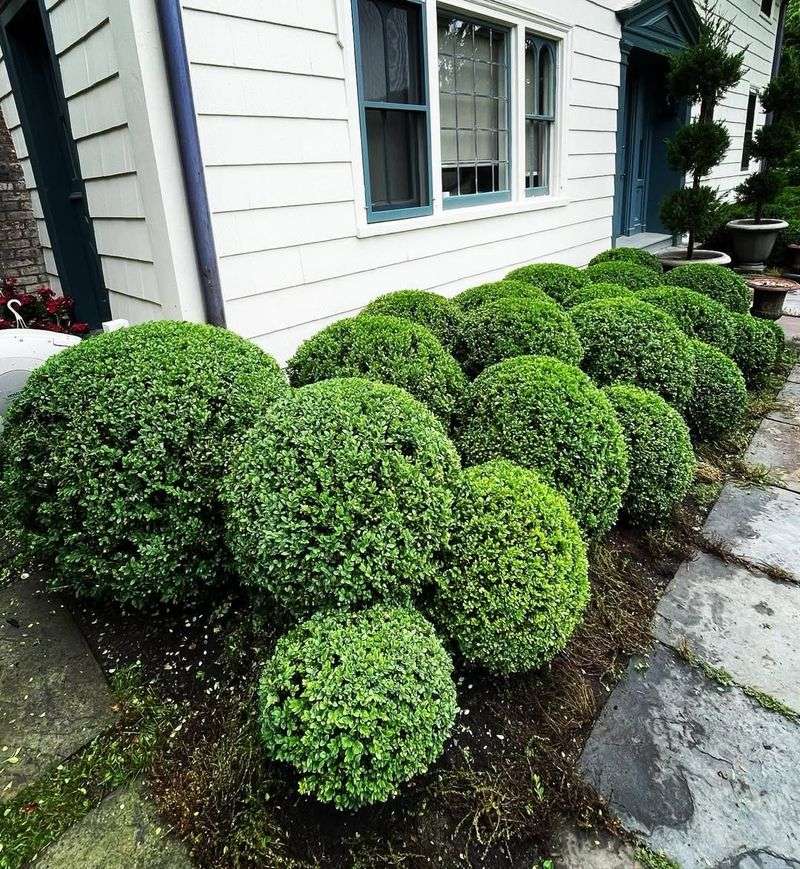
Formal hedges and topiary shapes become possible in Nevada landscapes when gardeners choose boxwood varieties bred for heat and drought tolerance. Traditional English boxwood struggles in desert conditions, but newer introductions thrive with proper placement and establishment care.
Small, glossy leaves create dense foliage that shears cleanly into geometric forms.
Afternoon shade extends the range of suitable planting locations beyond what full-sun varieties tolerate. Eastern exposures provide bright morning light while protecting plants from the most intense heat.
Microclimates near structures or under tree canopies work exceptionally well.
Slow growth appeals to homeowners tired of constant trimming and maintenance. Annual shearing maintains desired shapes without the weekly attention faster-growing alternatives demand.
Natural mounding forms require no pruning at all if left to develop freely.
Root systems appreciate consistent moisture during establishment but adapt to drier conditions once settled in Nevada soil. Mulching around plants conserves water and moderates soil temperature fluctuations.
Organic matter breaks down slowly in arid climates, reducing the frequency of mulch replacement.
7. Artemisia
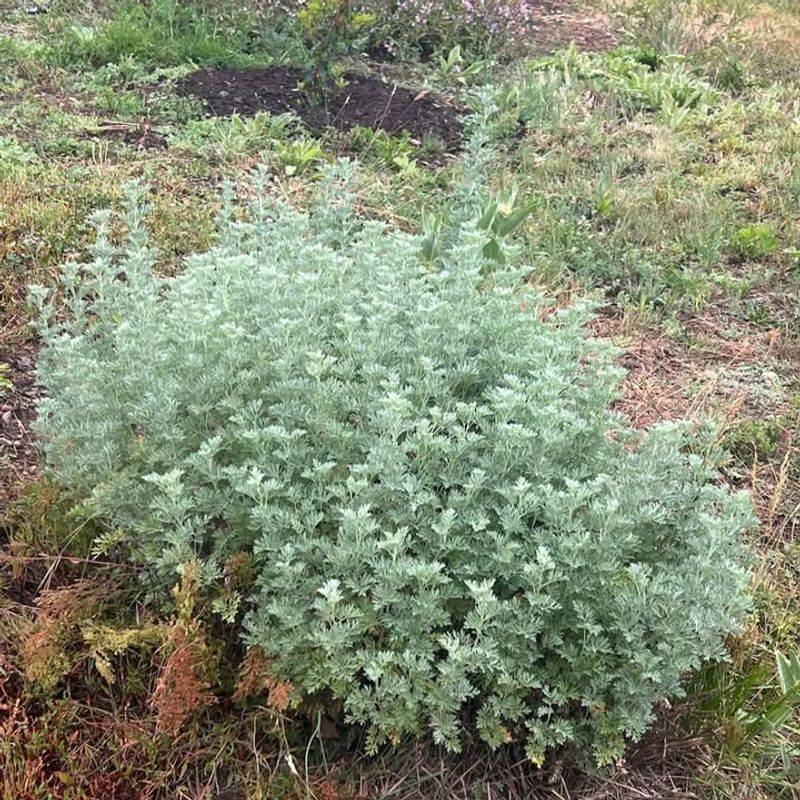
Silver foliage brightens Nevada gardens with cool tones that contrast beautifully against warm earth colors and darker evergreens. Artemisia species and cultivars offer feathery or finely-divided leaves that add softness to compositions dominated by bold architectural plants.
Aromatic oils in the foliage release pleasant scents when brushed or crushed.
Extreme heat rarely fazes these tough perennials adapted to challenging growing conditions. Many species originate from regions with climates similar to Nevada’s high desert.
Minimal water requirements make them ideal candidates for unirrigated landscape zones.
Deer and rabbits avoid artemisia due to the strong fragrance and bitter taste of the leaves. This natural pest resistance eliminates the need for protective fencing or repellent sprays.
Neighboring plants benefit from this protective umbrella effect.
Cutting back stems in late winter promotes bushier growth and prevents legginess that develops when plants go unpruned. Fresh new growth emerges quickly as temperatures warm.
Division every few years maintains vigor and provides additional plants for expanding garden beds throughout Nevada properties.
8. Lomandra
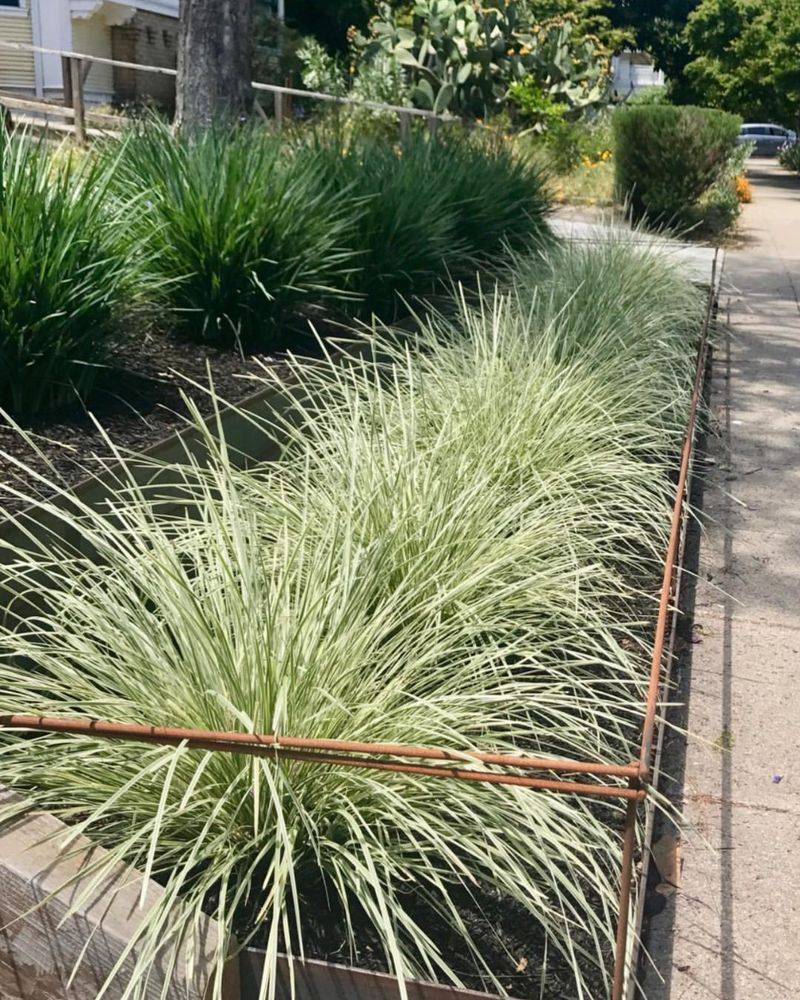
Tough, strap-like leaves form dense tufts that withstand foot traffic better than most ornamental grasses, making lomandra valuable for Nevada landscapes with active households. This Australian native adapts readily to desert conditions while maintaining attractive appearance through temperature extremes.
Lime-green foliage brightens shaded areas where many plants struggle.
Width exceeds height in most varieties, creating low mounds perfect for edging beds or lining pathways. Clumps rarely require division even after many years in the ground.
Root systems tolerate both drought and occasional flooding from irrigation overspray.
Trimming foliage to ground level every few years rejuvenates tired-looking plants quickly. New growth emerges rapidly, restoring fresh appearance within weeks.
Power hedge trimmers make this maintenance task quick and easy even with multiple specimens.
Container culture suits lomandra well for Nevada patios and courtyards where in-ground planting isn’t possible. Roots don’t demand large pots, allowing use in spaces with limited square footage.
Variegated forms add extra visual interest with cream or yellow leaf margins that persist year-round.
Lomandra fits naturally into Nevada landscapes where durability matters just as much as appearance, holding its shape even in high-use areas.
Gardeners often rely on it as a quiet workhorse that looks polished year-round without demanding frequent attention or careful handling.
9. Nandina
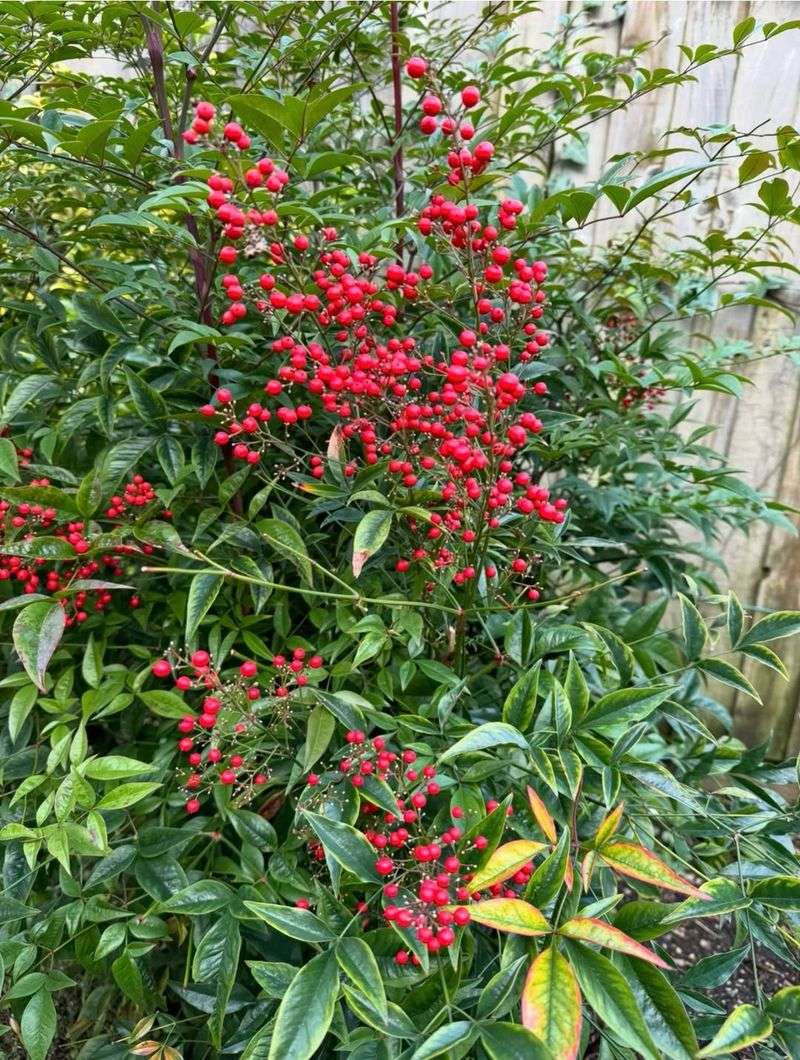
Bamboo-like canes topped with delicate compound leaves bring Asian garden aesthetics to Nevada landscapes without the invasive tendencies of running bamboo. Modern nandina cultivars remain compact and produce no viable seeds that might spread into natural areas.
Foliage emerges bronze-red before maturing to green, then shifts back to burgundy tones as winter approaches.
Shade tolerance expands planting options beyond the sunny exposures most desert plants require. North-facing walls or spots beneath tree canopies accommodate nandina where sun-loving alternatives fail.
Dappled light brings out the best foliage colors.
Evergreen leaves persist through Nevada winters, maintaining garden structure when deciduous plants stand bare. New growth emerges from the base each spring, keeping plants full and attractive.
Removing oldest canes at ground level prevents congestion and encourages fresh stems.
Container specimens transition easily into landscape beds when homeowners redesign outdoor spaces. Established root systems transplant with minimal shock during cool seasons.
Grouping multiple plants creates privacy screens or foundation plantings that require little ongoing attention once settled into Nevada soil.
10. Japanese Forest Grass
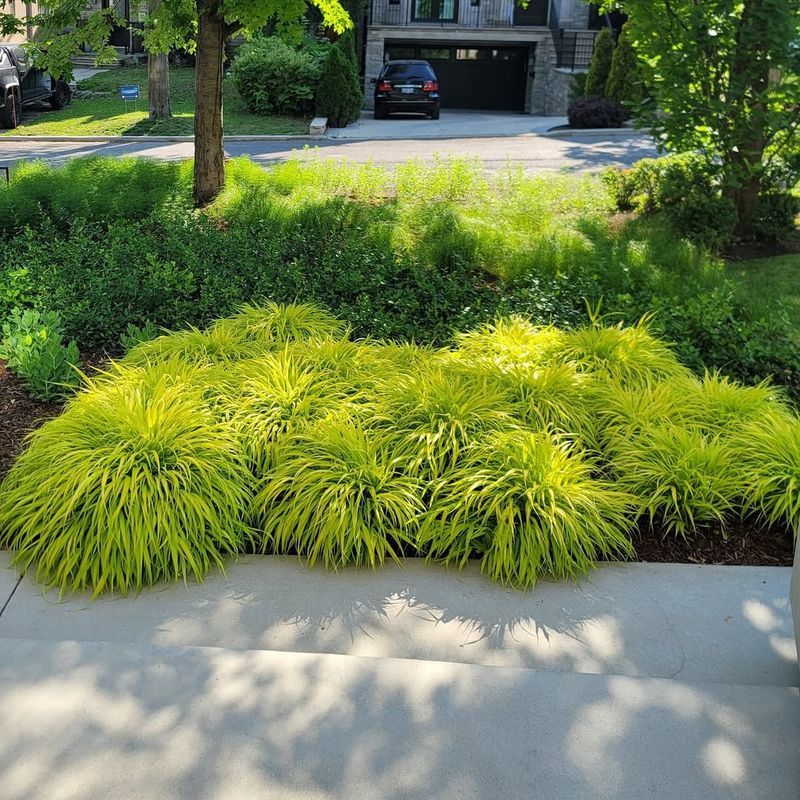
Cascading mounds of golden or variegated foliage introduce elegance to shaded Nevada garden corners where most ornamental grasses refuse to perform. Japanese forest grass requires protection from intense afternoon sun and drying winds that characterize much of the state.
Courtyards, northern exposures, and spots beneath patio covers provide ideal microclimates.
Graceful arching leaves catch and filter light, creating dynamic shadows on nearby surfaces. Movement in gentle breezes adds life to static compositions of rocks and evergreen shrubs.
Leaf colors intensify in cooler months, providing autumn interest without requiring deciduous trees.
Consistent moisture supports healthy growth, making this grass better suited to irrigated landscape zones in Nevada yards. Mulching helps retain soil moisture and keeps roots cool during summer heat.
Afternoon shade becomes especially critical in lower-elevation areas.
Dividing clumps every three to four years maintains vigor and prevents the center from thinning. Spring division allows plants to establish before summer heat arrives.
Transplants settle quickly when kept consistently moist and shaded during their first season in new Nevada locations.
Japanese forest grass softens hard desert lines by bringing a cool, flowing feel to spaces that might otherwise feel heavy or stark.
Nevada gardeners who give it the right shelter are rewarded with a plant that feels calm, layered, and quietly striking from spring through fall.