How To Start A Salad Garden In Georgia This January
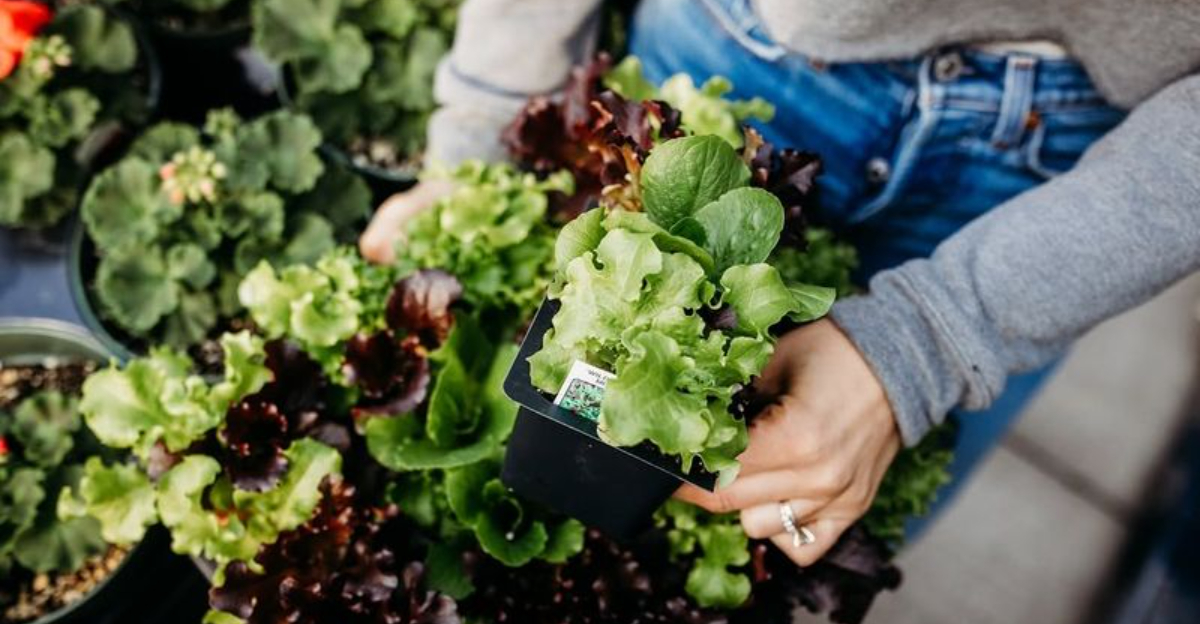
Starting a salad garden in Georgia this January might sound early to some people, but it can be one of the smartest moves you make all year. Mild winter days and cooler temperatures create great conditions for growing fresh greens.
Grow fresh salads while most gardens are still sleeping. Instead of waiting for spring, you can enjoy homegrown lettuce, spinach, and herbs much sooner.
Turn your backyard into a winter food source that keeps giving. With the right planting choices and simple protection from cold nights, your garden can stay productive and healthy.
Start strong now and enjoy bigger harvests later. Fresh, crisp greens can be just steps from your kitchen.
Once you understand the basics of winter planting in Georgia, growing your own salad garden becomes easy, rewarding, and surprisingly fun.
1. Choose The Right Location For Your Georgia Garden
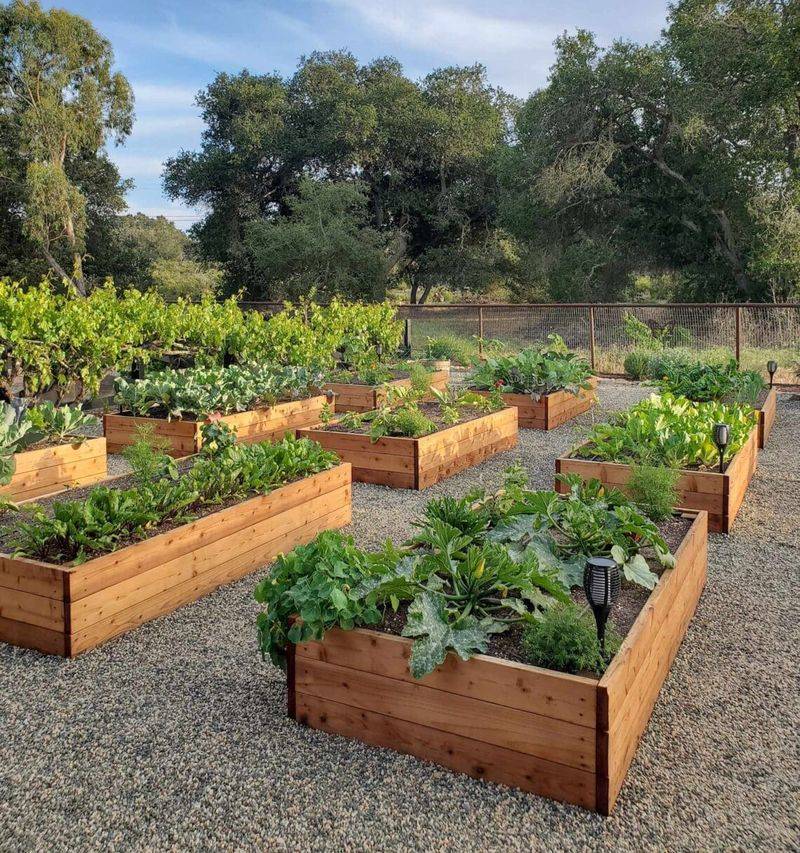
Finding the perfect spot for your salad garden sets the foundation for everything else you’ll do this season. Most salad greens need at least four to six hours of sunlight daily, though in Georgia’s January weather, they can actually handle a bit more sun than they would in summer.
Look around your yard for areas that get good morning light but might have some afternoon shade, especially if you’re in southern Georgia where temperatures can climb unexpectedly even in winter.
The location should also have good drainage because soggy soil can cause problems for your plants. Walk around your property after a rain and notice where water pools or drains quickly.
Avoid low spots where water collects, as your salad greens won’t appreciate sitting in moisture for extended periods.
Consider convenience too, because you’ll be more likely to tend your garden if it’s close to your kitchen door. Many Georgia gardeners place their salad gardens near the house so they can easily grab fresh greens for dinner without trekking across the yard in cold weather.
If you’re limited on space, even a small sunny patch near your patio or deck can work wonderfully for a compact salad garden.
Wind protection matters more than many people realize, especially during January cold snaps that occasionally sweep through Georgia. Placing your garden near a fence, wall, or hedge can shield tender greens from harsh winds.
This microclimate advantage can make the difference between thriving plants and stressed ones that struggle to grow properly throughout the season.
2. Select Cold-Hardy Salad Greens Perfect For January
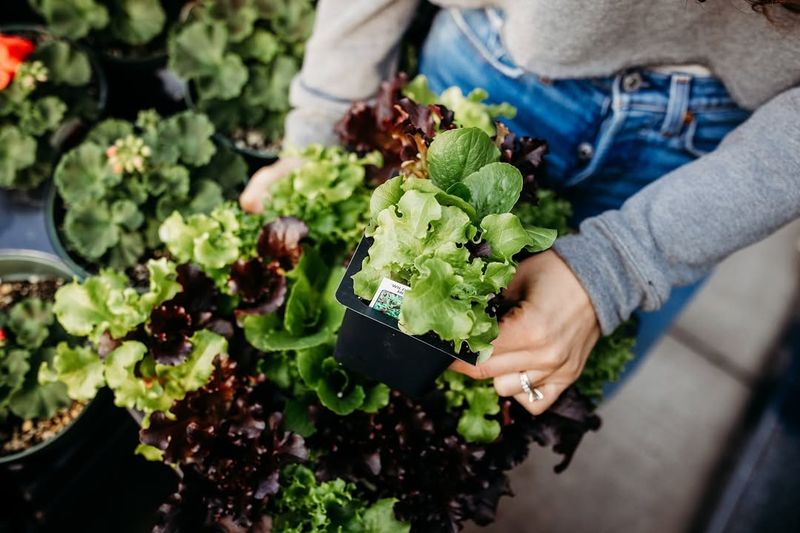
Not all vegetables can handle Georgia’s January weather, but salad greens are remarkably tough when you pick the right varieties. Lettuce varieties like Buttercrunch, Winter Density, and Romaine actually prefer the cooler temperatures you’ll find across Georgia this time of year.
These lettuces develop sweeter, less bitter flavors when grown in cold weather compared to spring or summer plantings.
Spinach stands out as one of the most cold-tolerant options available to Georgia gardeners in January. Varieties like Bloomsdale and Space can handle temperatures well below freezing once they’re established.
Your Georgia Garden Changes Every Week. Your Plan Should Too.
Gardening in Georgia changes quickly throughout the season. Every Friday you’ll receive a simple weekly plan showing exactly what to plant, prune, fertilize, harvest, and protect so you never miss the right timing.
Spinach grows relatively quickly too, so you’ll see results within a few weeks of planting, which keeps things exciting for beginners.
Arugula brings a peppery kick to salads and grows incredibly fast in cool weather. This green actually tastes milder and less spicy when grown in January compared to warmer months, making it perfect for people who want just a hint of flavor.
Mustard greens, kale, and Swiss chard also thrive in Georgia’s winter conditions and add variety to your salad bowl.
Don’t forget about Asian greens like bok choy, mizuna, and tatsoi, which handle cold beautifully and offer interesting textures and flavors. Many Georgia gardeners overlook these options, but they’re actually easier to grow than traditional lettuce in some cases.
Visit a local garden center or check online seed companies that specialize in southern gardening to find varieties specifically bred for your climate and planting season.
3. Prepare Your Soil With Proper Amendments
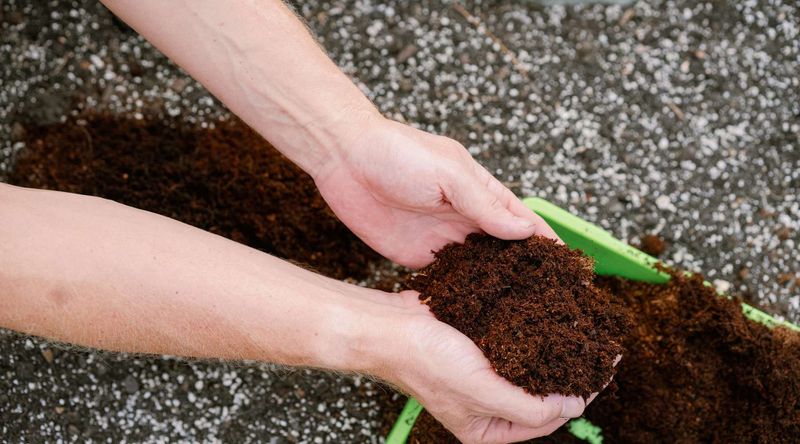
Healthy soil creates healthy plants, and January gives you the perfect opportunity to get your garden bed ready before planting.
Georgia soil varies tremendously depending on where you live, with red clay dominating much of the northern and central regions while sandier soil appears closer to the coast.
Most salad greens prefer loose, well-draining soil rich in organic matter, which means you’ll likely need to improve whatever you’re starting with.
Adding compost is the single best thing you can do for your salad garden soil. Work in two to three inches of finished compost across your entire planting area, mixing it into the top six to eight inches of existing soil.
This improves drainage in heavy clay, helps sandy soil retain moisture and nutrients, and provides food for beneficial microorganisms that keep your plants healthy.
If your soil is particularly heavy clay, consider mixing in some coarse sand or perlite along with the compost to improve texture. Many Georgia gardeners also add a balanced organic fertilizer at planting time to give their greens a nutritional boost.
Look for fertilizers with roughly equal amounts of nitrogen, phosphorus, and potassium, or choose one slightly higher in nitrogen since leafy greens need that nutrient most.
Testing your soil pH helps too, though it’s not absolutely necessary for beginners. Most salad greens prefer slightly acidic to neutral soil, around 6.0 to 7.0 on the pH scale.
Georgia soils tend to be naturally acidic, so you might need to add lime if a test shows your pH is below 6.0. Local extension offices often offer inexpensive soil testing services that provide specific recommendations for your property.
4. Plant Seeds Or Transplants At The Right Depth
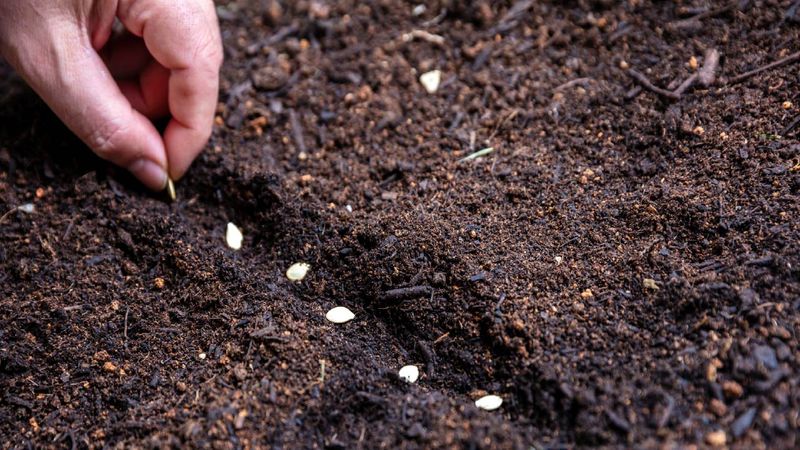
Getting your seeds or transplants into the ground correctly makes a huge difference in how quickly they establish and start growing. For most salad greens, seeds should be planted quite shallow, typically just a quarter to half inch deep.
Tiny seeds like lettuce need light to germinate properly, so burying them too deep can prevent them from sprouting at all. Follow the specific instructions on your seed packets since different varieties have slightly different requirements.
Spacing matters too, though many beginning gardeners in Georgia plant their greens too far apart. Lettuce, spinach, and other salad greens can be planted relatively close together since you’ll be harvesting them young and tender.
Try spacing seeds about two inches apart in rows that are six to eight inches from each other. You can always thin seedlings later if they come up too crowded, and those thinnings make excellent additions to salads.
If you’re using transplants instead of seeds, which is perfectly fine for January planting in Georgia, handle the young plants gently and disturb their roots as little as possible.
Dig holes slightly larger than the root balls, place the transplants at the same depth they were growing in their containers, and firm the soil gently around them.
Water immediately after planting to help settle the soil and eliminate air pockets around the roots.
Consider succession planting to extend your harvest throughout late winter and spring. Instead of planting your entire garden at once, plant a new row or section every two weeks.
This strategy ensures you’ll have fresh greens continuously rather than everything maturing at the same time, which can be overwhelming when you suddenly have more salad than you can possibly eat.
5. Protect Your Plants From Unexpected Freezes
Georgia’s January weather can be unpredictable, with mild days suddenly interrupted by hard freezes that drop temperatures well below freezing.
While most salad greens tolerate cold weather beautifully, young seedlings and certain varieties need protection when temperatures plunge into the low twenties or below. Fortunately, protecting your garden doesn’t require expensive or complicated equipment.
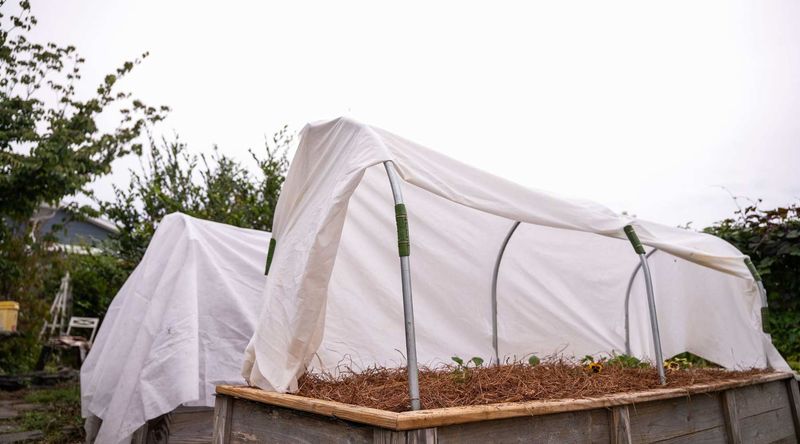
Row covers are your best friend for winter gardening in Georgia. These lightweight fabric sheets allow sunlight, air, and water to reach your plants while providing several degrees of frost protection.
Drape them over your garden beds and secure the edges with rocks, boards, or landscape staples to prevent wind from blowing them off. You can leave lightweight row covers in place all season if you want, removing them only for weeding or harvesting.
For particularly cold nights when temperatures might drop into the teens, layer your protection by adding a second row cover or placing plastic sheeting over the fabric.
Just remember to remove plastic covers during the day so your plants don’t overheat when the sun comes out.
Many Georgia gardeners check the weather forecast regularly during January and only add extra protection when freezes are predicted.
Cold frames offer another excellent option if you’re willing to invest a bit more effort and money. These simple structures are basically boxes with transparent tops that trap heat around your plants while still letting in light.
You can build a cold frame from scrap lumber and old windows, or purchase ready-made versions from garden suppliers. Position cold frames in sunny spots and prop open the lids on warm days to prevent overheating.
6. Water Consistently But Don’t Overdo It
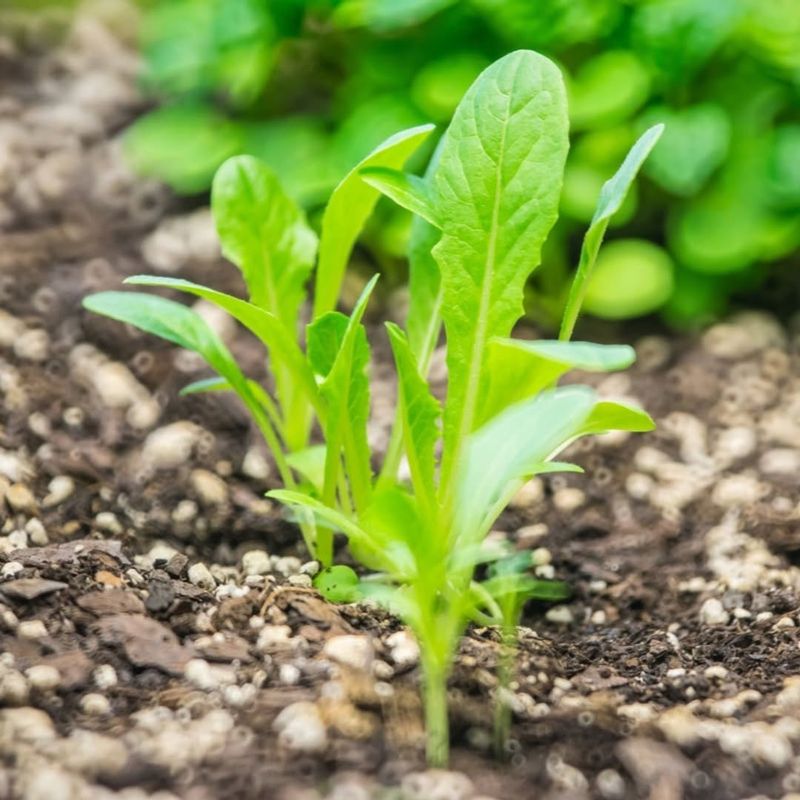
Watering seems simple, but getting it right can be tricky for new gardeners, especially during Georgia’s variable January weather. Salad greens need consistent moisture to grow tender leaves, but they don’t like sitting in soggy soil.
The goal is to keep the soil evenly moist, similar to a wrung-out sponge, rather than soaking wet or bone dry.
January in Georgia typically brings some rainfall, which might handle much of your watering needs. Check your soil moisture by sticking your finger about an inch into the ground near your plants.
If it feels dry at that depth, it’s time to water. If it still feels moist, wait another day or two before checking again.
Young seedlings need more frequent watering than established plants since their roots haven’t spread out yet.
Water in the morning when possible, which gives foliage time to dry before evening. Wet leaves sitting overnight in cold weather can sometimes develop fungal problems, though this is less of an issue in winter than summer.
Use a gentle spray or watering can rather than a strong stream that might wash away soil or damage tender young plants.
Mulching around your plants helps maintain consistent soil moisture and protects roots from temperature fluctuations. Apply a thin layer of straw, shredded leaves, or other organic mulch between your rows after plants are a few inches tall.
This also suppresses weeds and adds organic matter to your soil as it breaks down. Many Georgia gardeners find that mulching reduces their watering chores significantly, even during drier stretches of winter weather when rainfall might be scarce for several weeks.
7. Harvest Regularly For Continuous Production
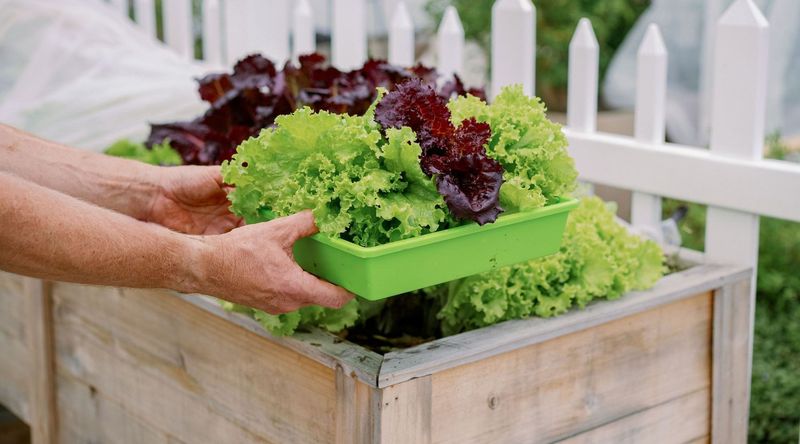
Knowing when and how to harvest your salad greens keeps plants producing longer and ensures you get the best flavor and texture. Most salad greens can be harvested in two ways: by picking individual outer leaves or by cutting the entire plant.
For continuous harvests throughout late winter and spring in Georgia, the leaf-picking method works wonderfully and keeps plants producing for weeks or even months.
Start harvesting when leaves reach a usable size, typically when they’re about four to six inches long for most greens. Use clean scissors or simply pinch off outer leaves with your fingers, always leaving the center growing point intact so the plant can produce new leaves.
This cut-and-come-again method works especially well with lettuce, arugula, spinach, and Asian greens.
Harvest in the morning after dew has dried but before the day gets warm, which is when leaves have the highest moisture content and best flavor. Rinse your greens gently in cool water as soon as you bring them inside, spin or pat them dry, and store them in the refrigerator in a container lined with paper towels.
Properly stored homegrown greens stay fresh and crispy for up to a week, though they taste best when used within a few days of harvesting.
Don’t let your plants get too mature before harvesting, especially as Georgia weather warms up heading toward spring. Lettuce and other greens become bitter and tough when they get old or stressed by heat.
If you notice plants starting to stretch upward or form flower stalks, harvest everything immediately even if it means having more greens than you can use.
Share extras with neighbors, friends, or family, who will appreciate fresh salad ingredients grown right here in Georgia during a time when most people are buying shipped produce from far away.