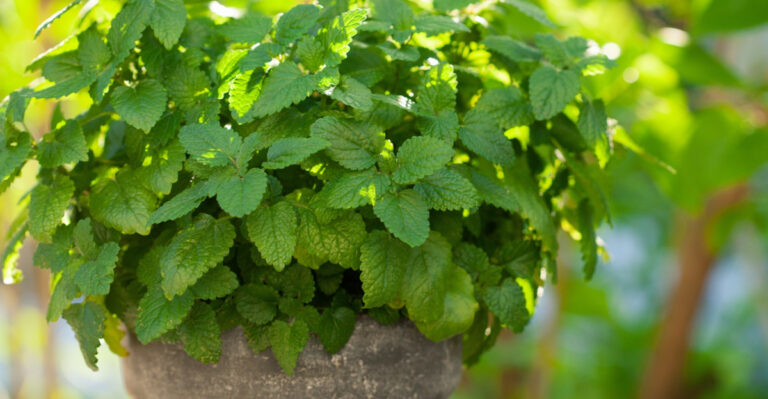
Key Signs Your Indoor Plants In New Hampshire Need More Sunlight
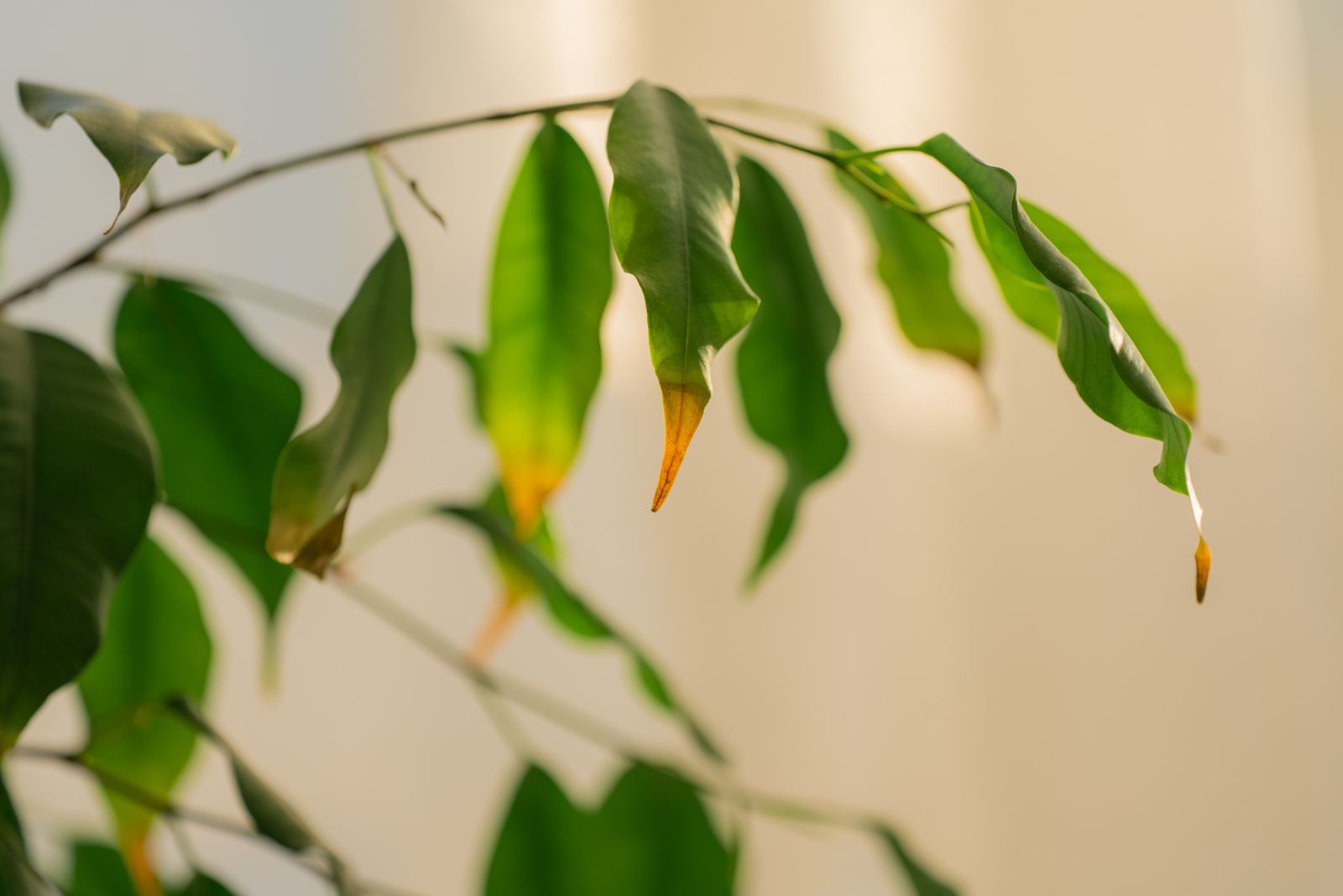
If your indoor plants in New Hampshire look tired, slow, or weak, sunlight might be the missing piece. Short winter days and limited window light can quietly affect plant health before you even notice a problem.
Your plants may be asking for more light without you realizing it. Pale leaves, stretching stems, and poor growth are common warning signs.
Small changes in light can make a big difference. Instead of guessing, learning what your plants are telling you can save time and prevent long-term damage.
Bring life back to your indoor garden with the right sunlight balance. Healthy plants start with the right light in the right place.
Once you know how to spot these signals early, you can adjust your setup and help your houseplants grow stronger, greener, and more vibrant year-round.
1. Leggy Growth And Stretched Stems
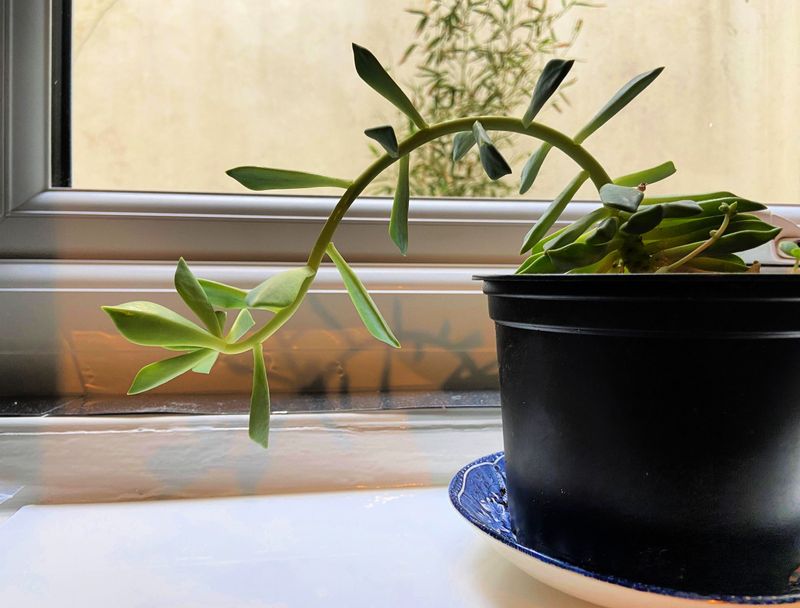
Your plant suddenly looks like it is reaching desperately toward the window, with long spaces between leaves and weak, spindly stems. This stretched-out appearance happens because your plant is literally trying to find more light by growing taller and longer.
The scientific term for this is etiolation, and it is one of the most common signs of light deprivation in New Hampshire homes during fall and winter.
When plants do not receive enough sunlight, they prioritize height over strength. Instead of producing compact, sturdy growth with closely spaced leaves, they shoot upward rapidly in search of brighter conditions.
The stems become thin and fragile because the plant is using its energy for length rather than thickness. You might notice your once-bushy plant now looks sparse and gangly.
This problem is especially noticeable in plants that normally have compact growth habits. Succulents, herbs like basil, and flowering plants are particularly prone to becoming leggy when light levels drop.
If you have noticed this change in your houseplants as the days grow shorter in New Hampshire, your plant is sending a clear message about its lighting needs.
Moving your plant closer to a south-facing window can help, but during New Hampshire winters, natural light alone might not be enough. Consider supplementing with grow lights to provide the intensity and duration your plants crave.
Pruning back leggy growth encourages bushier development once lighting conditions improve. Rotating your plants regularly ensures all sides receive equal light exposure, preventing lopsided growth patterns that make the stretching even more obvious.
2. Leaves Turning Pale Or Yellow
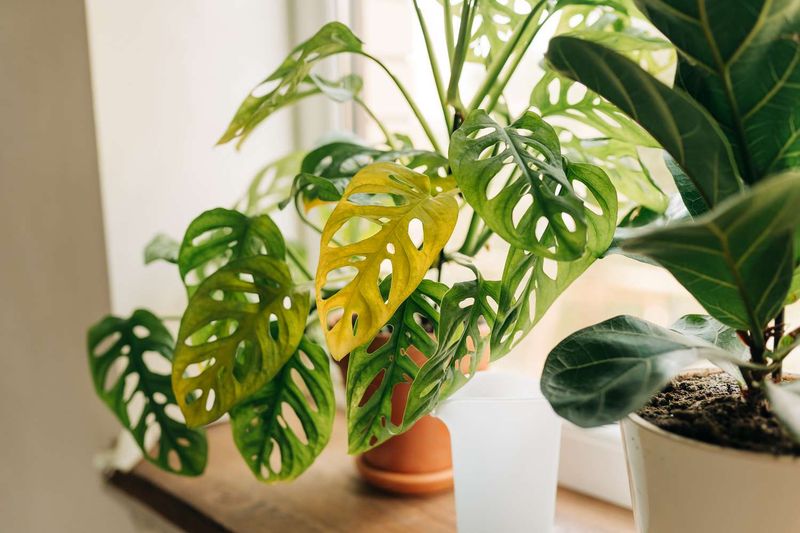
Vibrant green leaves slowly fading to a sickly pale yellow-green color should immediately catch your attention. This color change indicates your plant cannot produce enough chlorophyll, the pigment responsible for the rich green color and essential for photosynthesis.
Without adequate sunlight, even the healthiest plant will start losing its beautiful coloring and begin to look washed out.
The yellowing typically starts with older leaves first, but in severe light deficiency cases, you might see it spread throughout the entire plant. New growth may emerge pale or lighter than normal, never achieving the deep green shade it should have.
This is particularly common in New Hampshire homes where north-facing windows or heavy tree cover blocks precious winter sunlight from reaching your indoor garden.
Your New Hampshire Garden Changes Every Week. Your Plan Should Too.
Gardening in New Hampshire changes quickly throughout the season. Every Friday you’ll receive a simple weekly plan showing exactly what to plant, prune, fertilize, harvest, and protect so you never miss the right timing.
Not all yellowing means insufficient light, so you need to rule out other causes like overwatering or nutrient deficiencies. However, if the yellowing coincides with other symptoms on this list, light is likely the culprit.
Plants like pothos, philodendrons, and peace lilies will show this discoloration clearly when they need brighter conditions.
Increasing light exposure should gradually restore the healthy green color to new growth, though already-yellowed leaves rarely recover their original shade. Position your plants where they can receive several hours of bright, indirect light each day.
For homes in Portsmouth or Nashua where winter clouds are frequent, artificial lighting becomes invaluable for maintaining plant health and color throughout the darker months of the year.
3. Leaves Dropping Off Unexpectedly
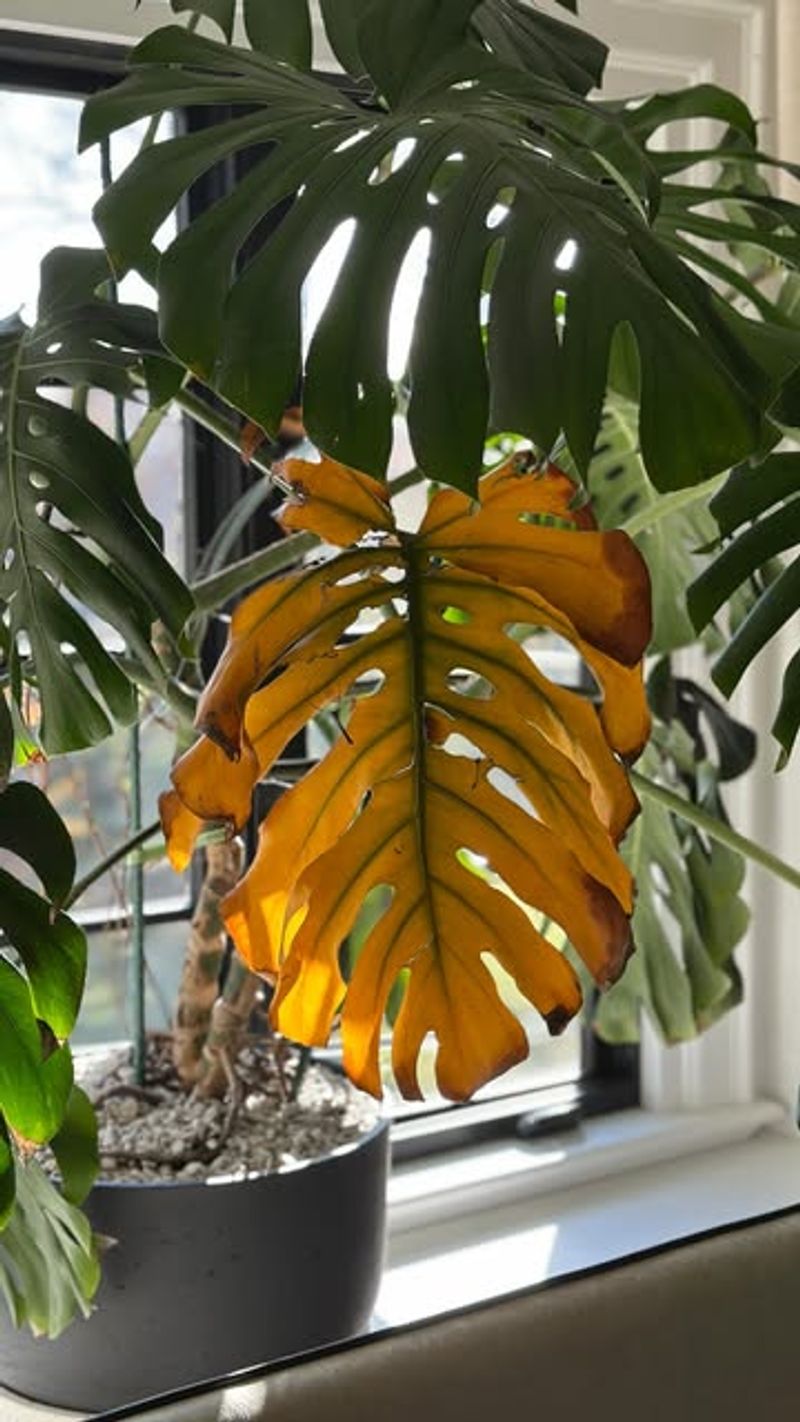
Walking into your room to find several leaves scattered on the floor beneath your plant can be alarming. While some leaf drop is natural as plants age, excessive or sudden leaf loss often signals a lighting problem.
When your plant cannot gather enough energy through photosynthesis, it makes the tough decision to shed leaves it can no longer support.
Plants are surprisingly strategic about survival. If sunlight becomes scarce, they will sacrifice older or less efficient leaves to conserve resources for new growth and essential functions.
You might notice leaves turning yellow briefly before falling, or they might drop while still somewhat green. Either way, this is your plant waving a red flag about its current living conditions.
This symptom becomes especially common in New Hampshire during late fall and winter when daylight hours shrink dramatically. Ficus trees, gardenias, and citrus plants are notorious for dropping leaves when light levels decrease.
Even hardy plants like rubber trees and dracaenas will shed foliage if conditions become too dim for too long.
Before you panic, check that you have not changed your watering routine or moved the plant recently, as these can also cause leaf drop. If lighting seems to be the issue, act quickly by relocating your plant to the brightest spot available in your home.
South and west-facing windows in New Hampshire homes offer the most light during winter months. Supplement with artificial lighting if natural light remains insufficient, and be patient as your plant adjusts to improved conditions and stops shedding its precious leaves.
4. Slowed Or Stopped Growth
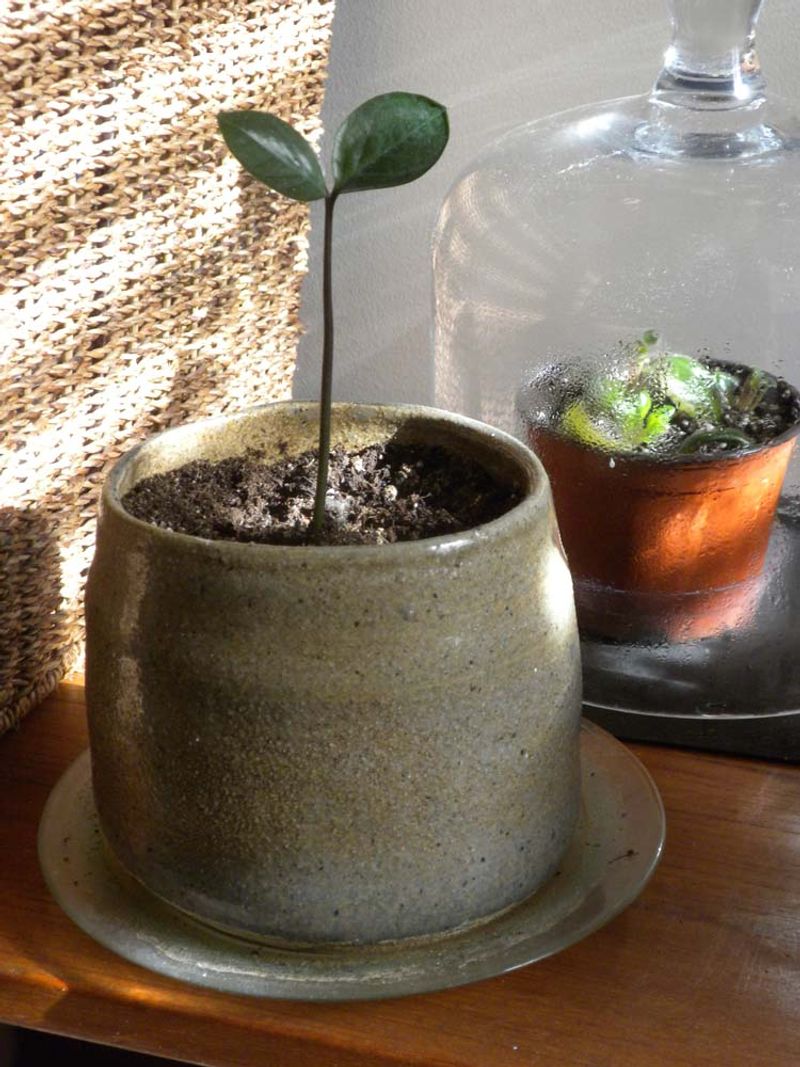
Has your plant looked exactly the same for months, with no new leaves or stems appearing? Stunted growth or complete dormancy outside of a plant’s natural rest period usually points to inadequate lighting.
Plants need sunlight to fuel photosynthesis, which provides the energy necessary for producing new cells, leaves, and roots. Without enough light, growth simply stalls.
During spring and summer, most houseplants should show visible signs of growth with new leaves unfurling and stems extending. If your plant seems frozen in time despite proper watering and feeding, insufficient light is likely holding it back.
This is especially frustrating for New Hampshire plant parents who expect their green companions to flourish during the growing season but see little to no progress.
Some plants naturally slow down during winter, which is completely normal. However, if your plant showed no growth during peak growing months, or if it stopped growing suddenly after being moved to a darker location, lighting is almost certainly the problem.
Fast-growing plants like spider plants, tradescantia, and ivy should produce new growth regularly when conditions are right.
Track your plant’s growth by taking monthly photos or measuring stem length to identify patterns. If growth remains stagnant despite adequate water and nutrients, brighter light should be your next intervention.
Move plants to sunnier locations in your Manchester or Concord home, or install full-spectrum grow lights to mimic natural sunlight. Once lighting improves, you should notice new growth emerging within a few weeks, signaling that your plant has the energy it needs to thrive once again.
5. Smaller Leaves Than Normal
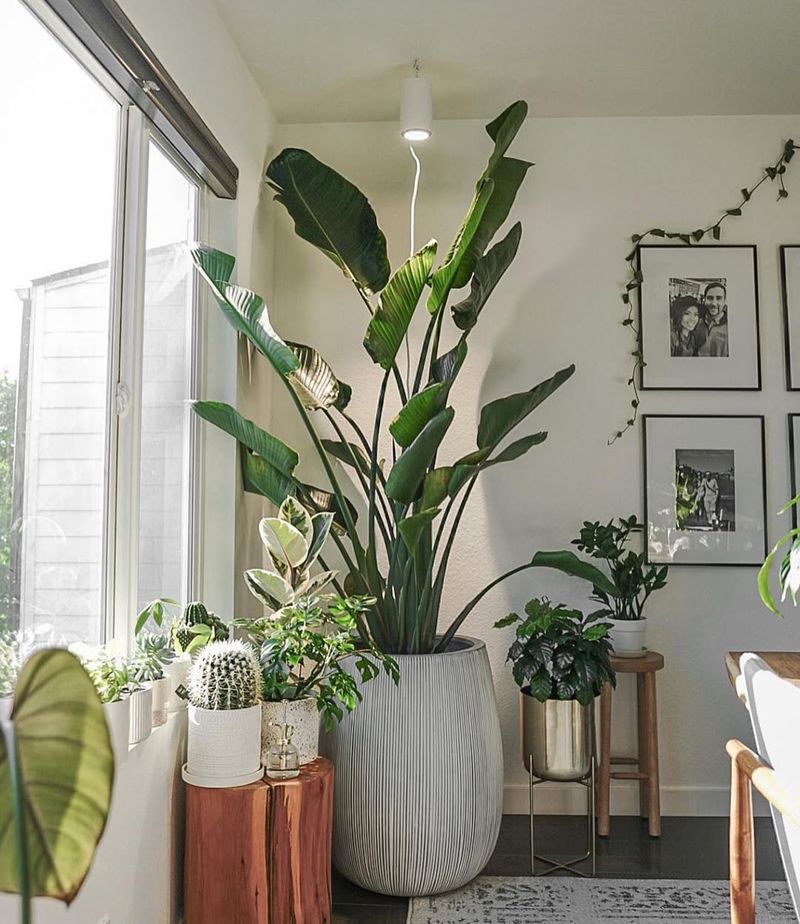
Pay attention when new leaves emerge noticeably smaller than the mature foliage already on your plant. This size difference is not a quirky growth pattern but rather a clear indication that your plant lacks the energy to produce full-sized leaves.
Sunlight powers the complex processes that allow plants to build robust, healthy foliage, and without adequate light, they can only manage miniature versions.
The contrast becomes especially obvious on plants with naturally large leaves like monsteras, fiddle leaf figs, and bird of paradise. New leaves might emerge at half the size of older ones, and they may also lack the characteristic splits or fenestrations that make these plants so attractive.
This disappointing development frustrates many New Hampshire plant owners who wonder why their once-thriving plants now produce underwhelming growth.
Smaller leaves often accompany other symptoms like leggy growth and pale coloring, creating a trifecta of light-deprivation signals. The plant is essentially operating in survival mode, producing what it can with limited resources.
Even common houseplants like pothos and philodendrons will show progressively smaller leaves as they grow further from their light source.
Addressing this issue requires moving your plant to a location with significantly more light intensity. Simply moving a few feet closer to a window can make a substantial difference in leaf size over time.
For New Hampshire homes with limited natural light options, especially during winter, high-quality grow lights positioned at the proper distance can provide the intensity needed for full-sized leaf development.
Remember that leaves already grown small will not increase in size, but future growth should improve dramatically once lighting conditions are optimized.
6. Leaning Heavily Toward Light Source
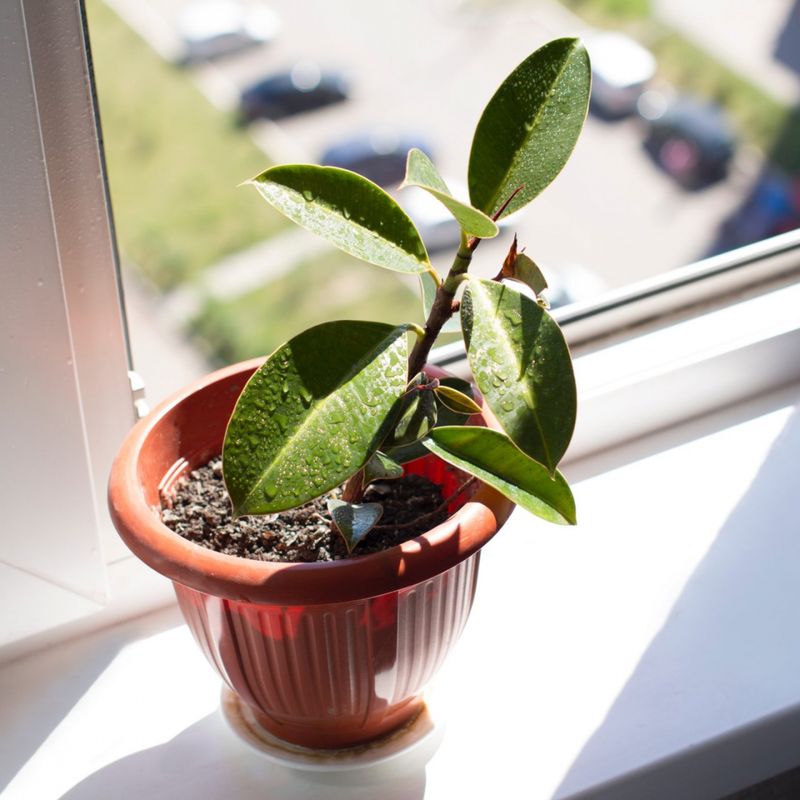
Notice how your plant seems to be performing a slow-motion dive toward the nearest window? This dramatic leaning, called phototropism, happens because plants naturally grow toward their light source.
While a slight lean is normal, an extreme tilt indicates your plant is desperately seeking more illumination than it currently receives.
Plant cells on the shadier side of stems grow longer than those on the brighter side, causing the plant to bend toward the light. In low-light conditions, this response becomes exaggerated as the plant works overtime to position its leaves for maximum light absorption.
You might find your plant practically lying sideways, with all its foliage pressed against the window glass in New Hampshire homes where winter light is especially limited.
This leaning can eventually cause structural problems if left uncorrected. Stems may become permanently bent or weakened, and the uneven growth makes your plant look lopsided and unattractive.
Plants like dracaenas, snake plants, and even succulents will exhibit this behavior when they need more light, despite some being marketed as low-light tolerant.
Rotating your plant a quarter turn every week helps promote more balanced growth, but rotation alone will not solve an underlying light deficiency problem. Your plant will simply lean in a new direction each time you turn it.
The real solution involves providing adequate light from multiple angles or increasing overall light intensity.
Consider placing your plant in a brighter location or adding supplemental lighting to reduce the dramatic leaning behavior and encourage upright, symmetrical growth that looks healthy and attractive in your New Hampshire home.
7. Loss Of Variegation In Colorful Plants
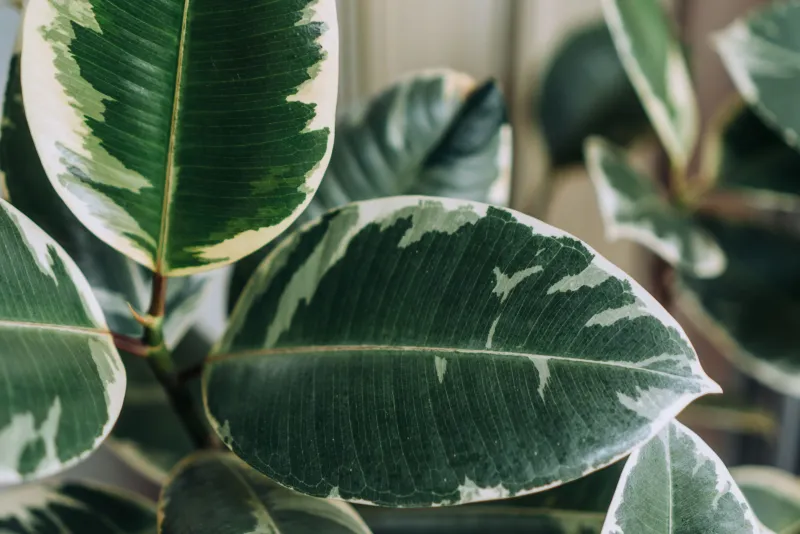
Variegated plants with beautiful white, yellow, pink, or cream patterns in their leaves are stunning additions to any indoor garden. However, when these colorful markings begin fading and leaves emerge increasingly green, your plant is telling you something important.
Variegation requires significant energy to maintain, and in low-light conditions, plants will revert to producing more chlorophyll-rich green tissue to maximize photosynthesis.
This survival strategy makes sense from the plant’s perspective. Variegated sections contain less chlorophyll, making them less efficient at capturing light energy.
When light becomes scarce, the plant prioritizes survival over aesthetics by producing more green tissue. You might notice new leaves on your pothos, prayer plant, or rubber tree emerging with less variegation or none at all.
The loss of variegation is particularly heartbreaking for plant collectors in New Hampshire who specifically chose these plants for their striking appearance.
A formerly stunning variegated monstera or colorful calathea losing its patterns is not only disappointing but also indicates the plant is struggling to meet its basic energy needs with the available light.
Fortunately, this change is usually reversible if you catch it early. Moving your variegated plants to the brightest locations in your home is essential, as they need significantly more light than their solid-green counterparts.
South-facing windows work best, but even these may need supplemental lighting during New Hampshire’s darker months.
Once proper lighting is restored, new growth should gradually return to displaying the beautiful variegation that makes these plants so special and desirable to collectors and casual plant owners alike.