7 Things You Should Know Before Removing Opossums In Oregon Yards
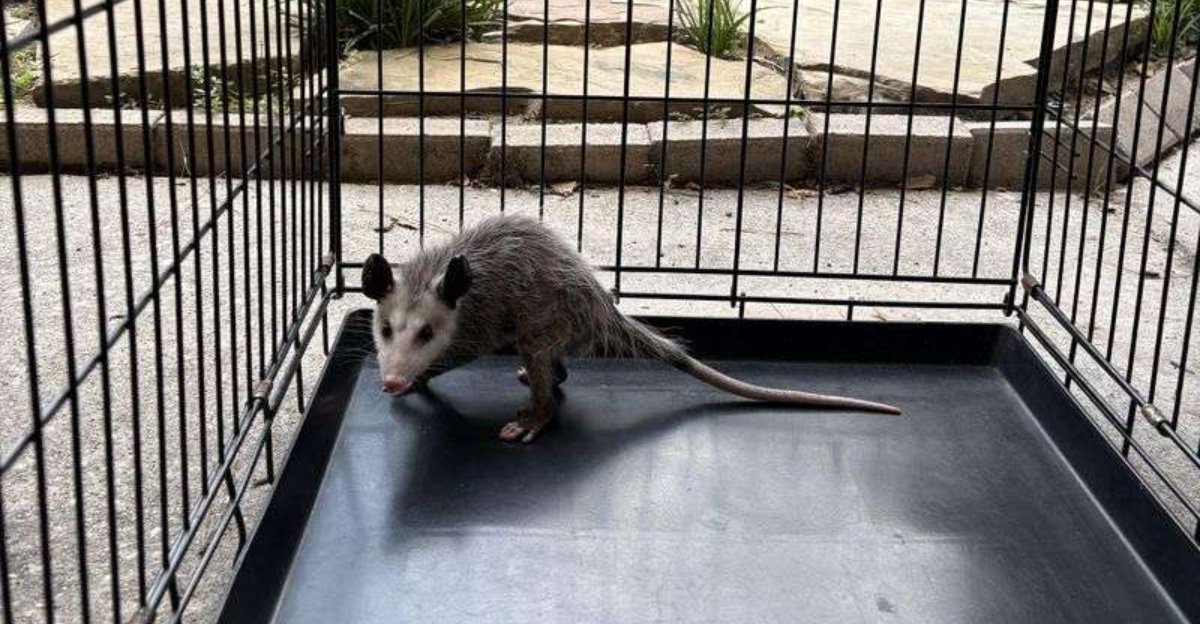
Seeing an opossum wander through your yard can catch you off guard. One night everything looks normal, and the next there’s a slow-moving visitor near the fence, trash cans, or garden beds.
It’s natural to feel unsure about what to do. Are they a problem?
Are they dangerous? Should they be removed right away?
These are common questions many Oregon homeowners quietly wonder about.
Before taking action, it helps to understand what’s really going on. They often pass through without causing much harm at all.
Still, there are times when their presence can become inconvenient, especially if they’re settling in close to your home.
If you care about your yard, your pets, and doing the right thing, getting the facts first makes a big difference. Knowing what’s legal, what’s safe, and what actually works can save you time and stress later on.
You don’t have to figure this out alone, and you definitely don’t need to rush into decisions that could cause more problems.
Here are 7 important things to know before removing opossums from Oregon yards, so you can handle the situation calmly and responsibly.
1. Opossums Are Not Native To Oregon (And ODFW Calls Them Invasive)
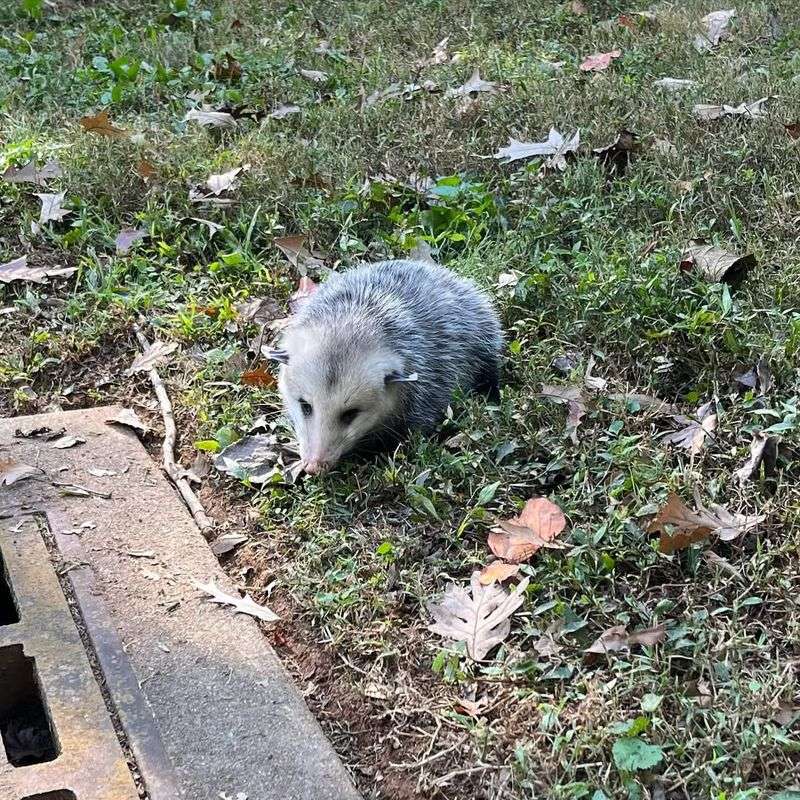
Virginia opossums didn’t originally live in Oregon. They were introduced to the Pacific Northwest decades ago and have since spread throughout the state.
The Oregon Department of Fish and Wildlife (ODFW) officially classifies them as a non-native, invasive species.
Why does this matter to you? Because it changes how wildlife authorities view them and what options you have as a homeowner.
Unlike native animals that are strictly protected, opossums don’t have the same legal safeguards. However, that doesn’t mean you should act without understanding local rules or humane practices.
Many homeowners assume all wildlife is protected equally, so they hesitate to take any action at all. Others think “invasive” means they can do whatever they want.
Both approaches miss the point. Even though opossums aren’t native, Oregon still encourages humane treatment and discourages relocation by untrained individuals.
Before you make any decisions, check ODFW’s guidance on living with wildlife and your local city or county ordinances. Some areas have specific rules about trapping or removal.
If you’re part of a homeowners association, review those guidelines too. This isn’t legal advice, just a reminder that knowing the rules upfront helps you avoid problems later and keeps you on the right side of local regulations.
2. Most Yard Visits Are Temporary And That Changes What You Should Do
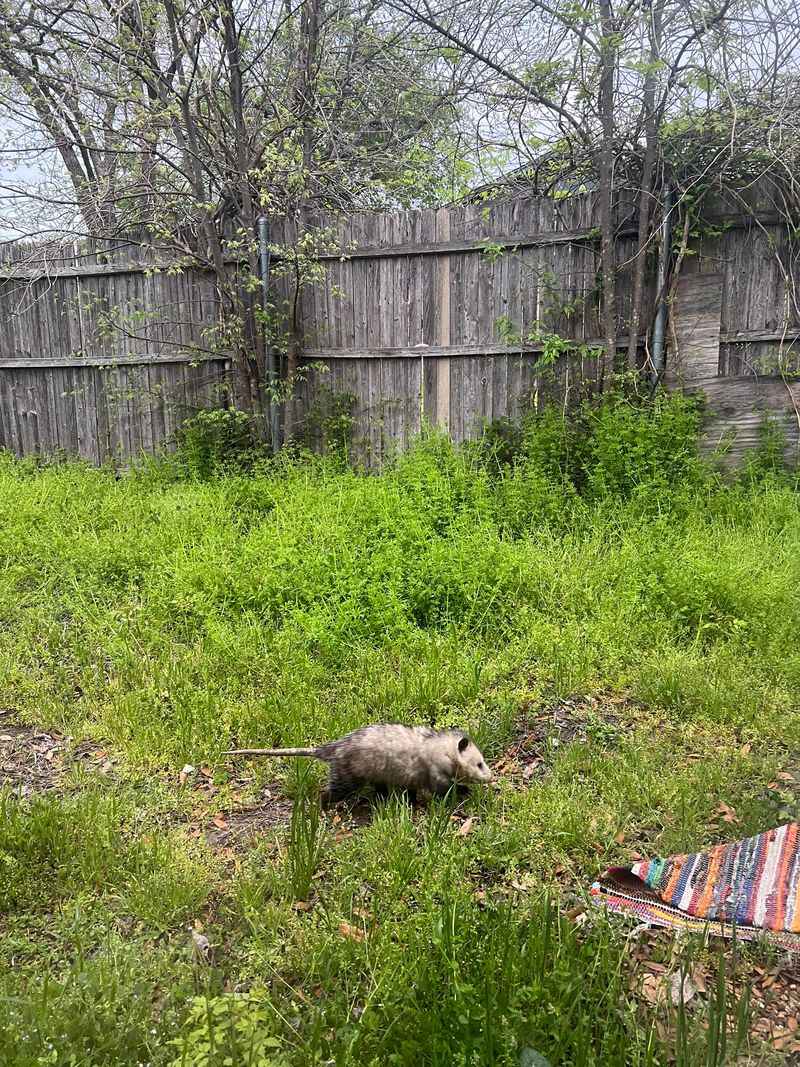
Opossums are wanderers by nature. They don’t usually settle down in one spot for long.
Most backyard sightings are just passing visits while they search for food, water, or a safe place to rest for a night or two. Then they move on.
If you see an opossum in your yard tonight, there’s a good chance it won’t be there tomorrow. They’re nomadic creatures with home ranges that can cover several acres.
Your Oregon Garden Changes Every Week. Your Plan Should Too.
Gardening in Oregon changes quickly throughout the season. Every Friday you’ll receive a simple weekly plan showing exactly what to plant, prune, fertilize, harvest, and protect so you never miss the right timing.
Unless your property offers consistent food sources or shelter, they’ll likely keep moving.
Homeowners often panic and rush to trap or remove an animal that was already planning to leave. This wastes time, money, and energy.
It can also stress the animal unnecessarily and create more problems than it solves.
Instead of reacting immediately, watch and wait for a day or two. Keep pets inside during dusk and nighttime hours when opossums are most active.
Secure your trash cans and remove any pet food left outside. Often, that’s all it takes.
If the opossum sticks around longer than a few nights, then you can start thinking about next steps. But giving it a chance to leave on its own is the simplest, most humane approach.
Patience often solves the problem without you lifting a finger.
3. Why Relocating Wildlife Is Usually The Wrong Move
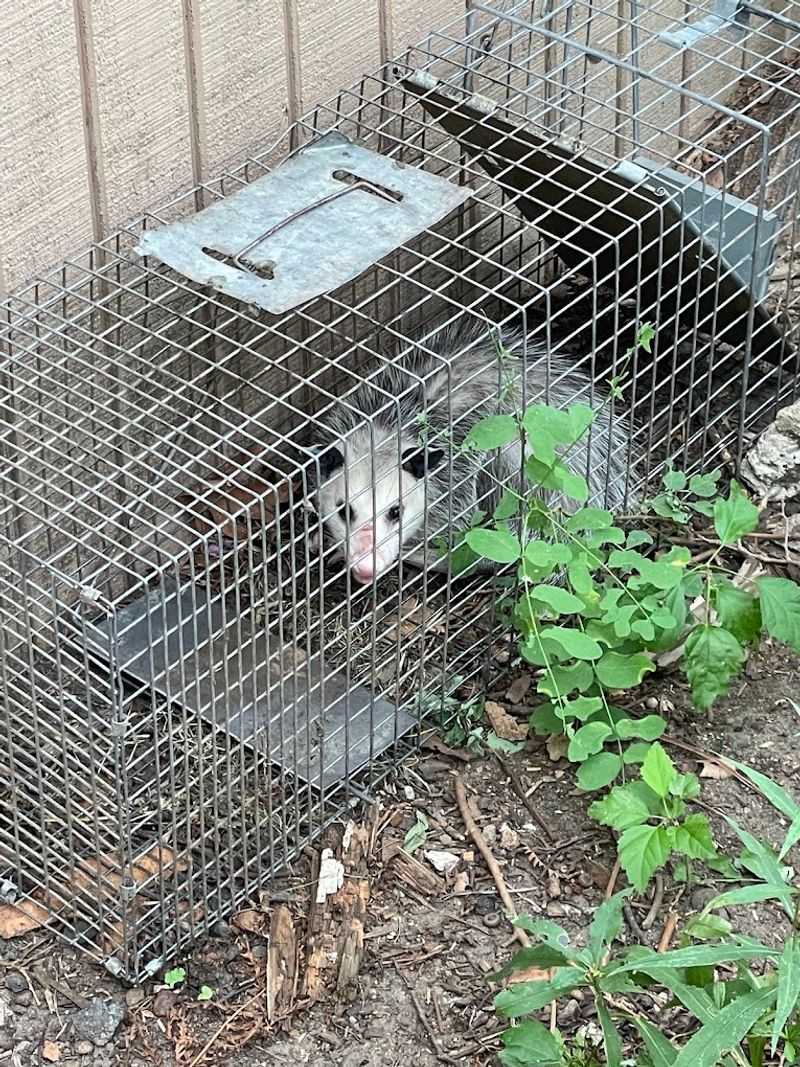
It sounds kind: trap the opossum and release it somewhere far away where it can live happily. But relocation almost never works out the way people hope.
In fact, it’s often harmful to the animal and doesn’t solve your problem.
When you move an opossum to an unfamiliar area, it has no knowledge of food sources, water, or safe shelter. It’s dropped into territory that may already be occupied by other animals.
Survival rates for relocated wildlife are low. Many don’t make it.
Oregon wildlife authorities and humane organizations strongly discourage relocation by homeowners. It’s also illegal in many areas to release trapped wildlife on public or private land without permission.
You could face fines or other consequences.
Even if relocation were legal and humane, it wouldn’t fix the real issue. If your yard attracted one opossum, it will attract another.
The food, water, and shelter that brought the first one are still there. You’ll end up trapping and moving animals over and over.
The better approach is to make your property less inviting. Remove attractants and block access to hiding spots.
This keeps new animals from moving in and encourages current visitors to move along naturally. It’s more effective, more humane, and saves you the trouble of repeated trapping.
4. What “Humane Removal” Actually Means In A Backyard Situation
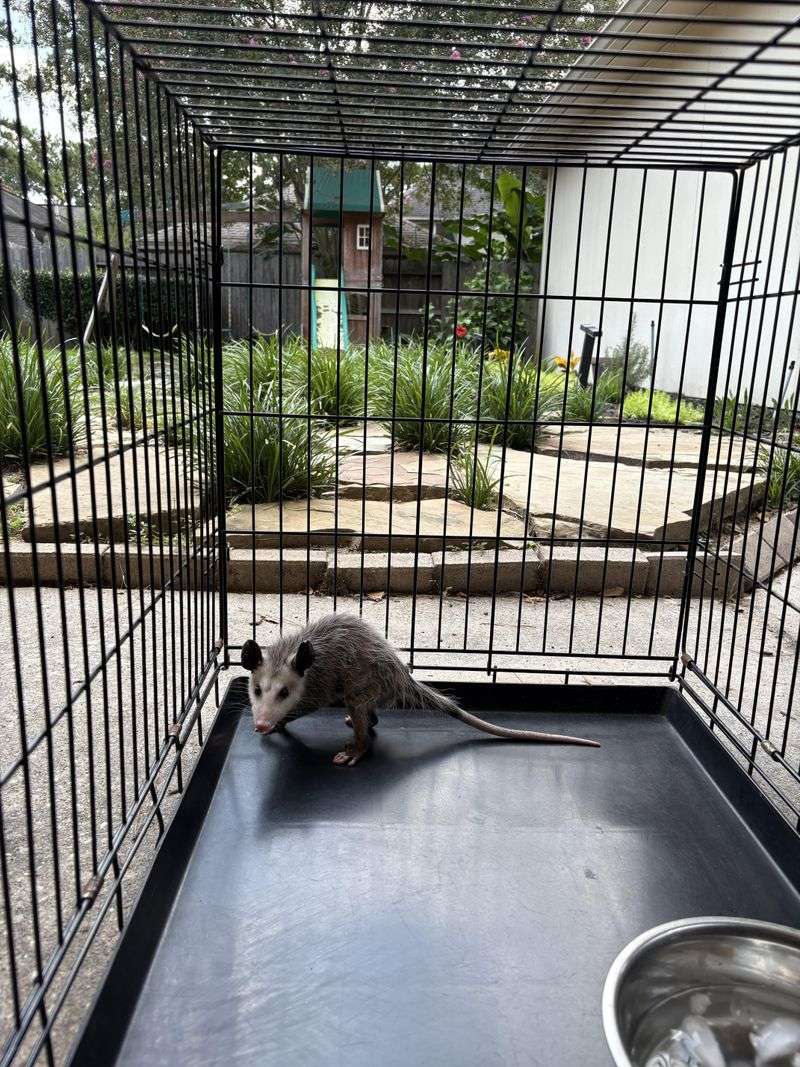
You’ll hear the term “humane removal” thrown around a lot, but what does it actually mean when you’re standing in your yard trying to figure out what to do? It’s not just about being nice.
It’s about using methods that don’t cause unnecessary suffering or stress to the animal.
Humane removal starts with exclusion and deterrence, not trapping. That means making your yard unappealing so the opossum chooses to leave on its own.
Motion-activated lights, sprinklers, or noise devices can encourage animals to move along without harming them.
If physical removal is truly necessary, it should be done by a licensed Wildlife Control Operator (WCO) who knows how to handle animals safely and legally. These professionals use proper equipment, follow state guidelines, and understand animal behavior.
They can also help identify why the animal was there in the first place.
Homeowners sometimes try DIY trapping, thinking it’s simple. But improper trapping can injure the animal, separate mothers from babies, or put you at risk of bites or scratches.
It can also violate local laws if you’re not licensed.
Humane removal respects the animal’s welfare while solving your problem. It’s not about letting wildlife take over your yard.
It’s about handling the situation responsibly and effectively, with the least harm possible.
5. The Real Fix Is Removing Food And Shelter
Opossums don’t show up randomly. They come because your yard offers something they need: food, water, or a safe place to hide.
If you want them to stop visiting, you need to take away those attractions. It’s that simple.
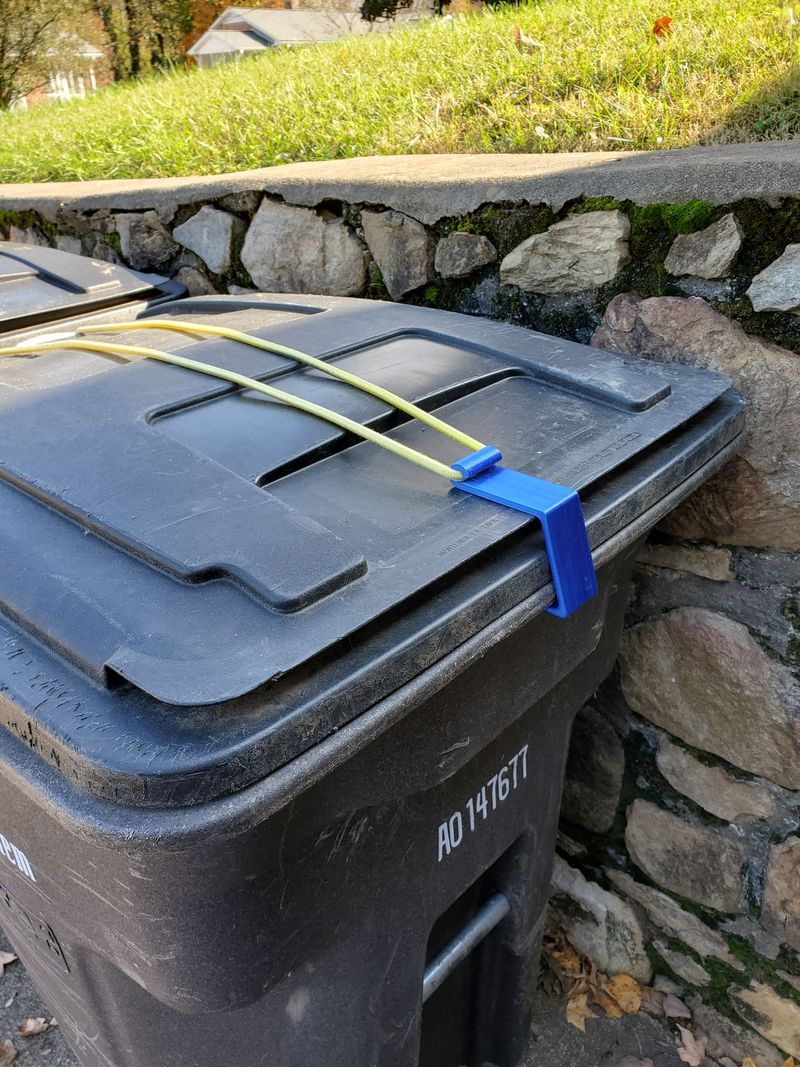
Start with food sources. Secure trash cans with tight-fitting lids or bungee cords.
Don’t leave pet food or water bowls outside overnight. Pick up fallen fruit from trees and keep compost bins sealed.
Even birdseed on the ground can be a draw.
Next, eliminate shelter options. Opossums love crawling under decks, sheds, porches, and houses.
Use hardware cloth or sturdy wire mesh to block access to these spaces. Make sure the barrier goes several inches into the ground so animals can’t dig under it.
Check for gaps around foundations, vents, and doors. Trim back overgrown bushes and woodpiles where animals might hide during the day.
Keep your yard tidy and well-maintained. The less cover you provide, the less appealing your property becomes.
These steps work better than trapping because they address the root cause. Even if you remove one opossum, another will take its place if the conditions are right.
But when you remove food and shelter, you’re sending a clear message: this yard isn’t a good place to hang out anymore.
6. Pet Safety: The One Thing You Should Do Every Time
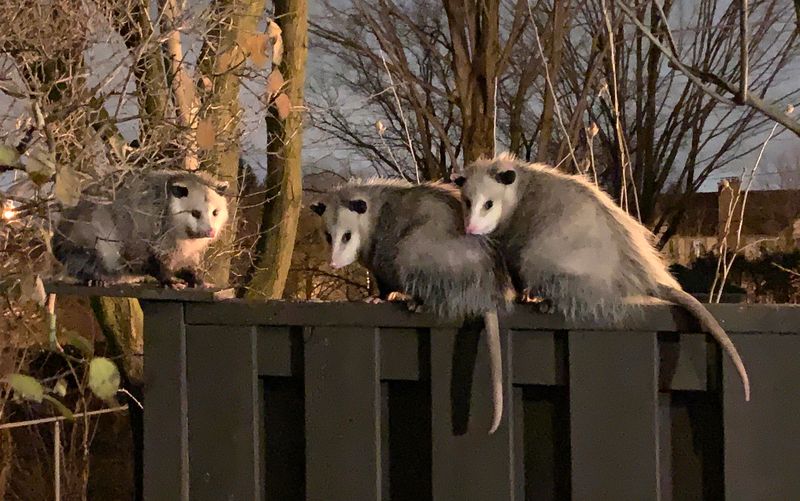
Your dog or cat might be curious about the opossum in the yard, but that curiosity can lead to trouble. Opossums are generally non-aggressive and prefer to avoid conflict.
However, if cornered or threatened, they will defend themselves. Bites and scratches can happen.
The best way to protect your pets is simple: keep them inside during dusk, nighttime, and early morning hours when opossums are most active. If you need to let your dog out after dark, go with them and keep them on a leash.
Don’t let them roam freely or investigate wildlife.
Opossums can carry parasites and diseases, though the risk of transmission to pets is relatively low. Still, it’s smart to keep your pets’ vaccinations up to date, including rabies.
Even though opossums rarely carry rabies due to their lower body temperature, other animals in your yard might.
If your pet does have an encounter, check them carefully for bites or scratches. Clean any wounds and contact your vet right away.
Monitor their behavior for signs of illness or injury over the next few days.
Most conflicts are avoidable with a little supervision. Opossums aren’t looking for a fight.
They’re just trying to survive. By managing when and how your pets go outside, you keep everyone safe and reduce stress for both your animals and the wildlife passing through.
7. When To Call A Professional Or Wildlife Authorities
Most opossum situations resolve themselves with a little patience and prevention. But sometimes, you need to call in help.
Knowing when to pick up the phone can save you frustration and keep things from getting worse.
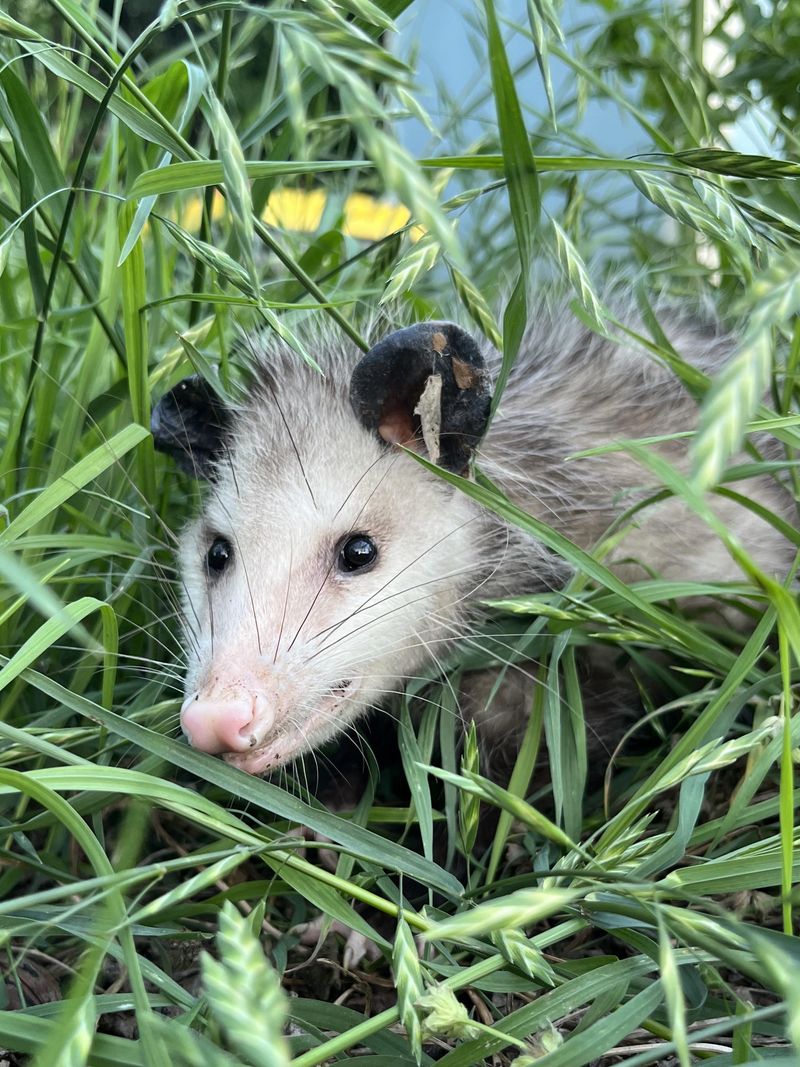
If an opossum is acting strangely, such as being active during the daytime, stumbling, or showing aggression, something might be wrong. While opossums are naturally docile, unusual behavior could indicate illness or injury.
Don’t approach the animal. Contact a licensed Wildlife Control Operator or your local animal control office.
If you’ve tried deterrence methods and the opossum keeps coming back, or if it’s denning under your house with babies, you’ll want professional help.
Wildlife Control Operators can safely remove animals, relocate them legally if appropriate, and help you seal up entry points to prevent future problems.
For general questions about laws, permits, or humane practices, reach out to ODFW or your local city or county wildlife office. They can provide accurate, location-specific guidance.
This is especially important if you’re unsure about trapping regulations or what’s allowed in your area.
Calling a professional isn’t a sign of defeat. It’s a smart move when the situation is beyond what you can handle safely or legally.
Professionals have the training, tools, and experience to solve the problem quickly and humanely, giving you peace of mind and protecting your property.