12 Early Spring Perennials Oregon Gardeners Should Plant In February
Early spring always brings that fresh-start feeling, especially when you’re ready to get back into the garden. February might still feel chilly in Oregon, but it’s actually a great time to start planting certain perennials.
If you’ve been waiting for a sign to get your hands in the soil again, this is it. A little early effort now can mean fuller beds, stronger plants, and more color later in the season.
Many Oregon gardeners wonder if it’s too soon to plant, or which flowers can really handle unpredictable weather. That’s a fair question.
Our changing temperatures and surprise cold snaps can make planning tricky. The good news is that some perennials are tough enough to settle in early and come back stronger because of it.
If you enjoy low-maintenance plants that return year after year, this is the perfect opportunity to build a garden that works with the seasons instead of fighting them. Even adding a few new plants now can make a noticeable difference when spring fully arrives.
Whether you’re filling empty spots, refreshing tired garden beds, or starting fresh this year, choosing the right perennials makes everything easier.
1. Hellebores (Lenten Rose)
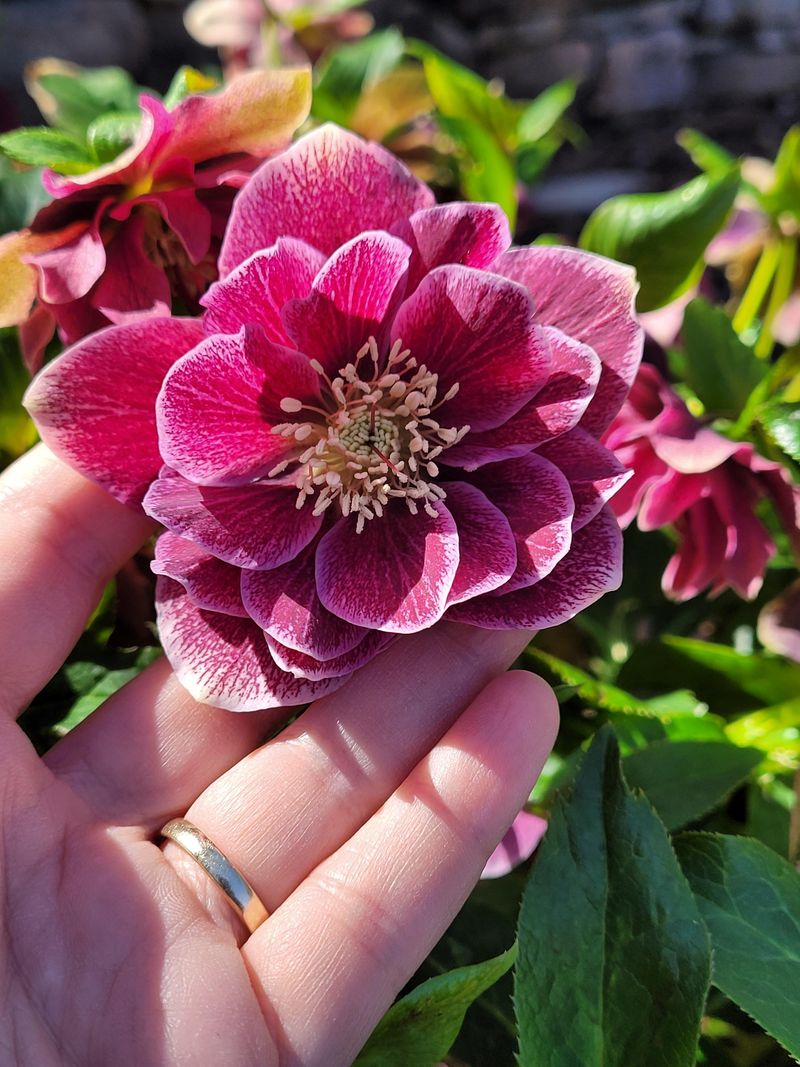
Hellebores start blooming when most other plants are still sleeping, sometimes as early as January in Oregon. Their flowers come in gorgeous shades of white, pink, purple, and even spotted varieties that look almost magical.
What makes them even better is that they’re evergreen, so your garden stays attractive all winter long.
Plant hellebores in partial shade under trees or along the north side of your house. They tolerate our wet Oregon winters without rotting and actually prefer the cooler temperatures.
Once established, they’re incredibly low-maintenance and can handle summer drought better than you might expect.
The flowers nod downward, so plant them where you can appreciate their beauty up close, maybe along a pathway or near a bench. Deer and rabbits usually leave them alone, which is a huge bonus for Oregon gardeners dealing with wildlife.
Each plant slowly expands into a nice clump that you can divide and share with friends.
February is ideal for planting because hellebores can settle in before they put energy into blooming. They’ll reward you with flowers that last for months, not weeks.
Some gardeners say hellebores are the hardest-working plant in their garden, and it’s hard to argue with that assessment.
2. Bleeding Heart (Dicentra)
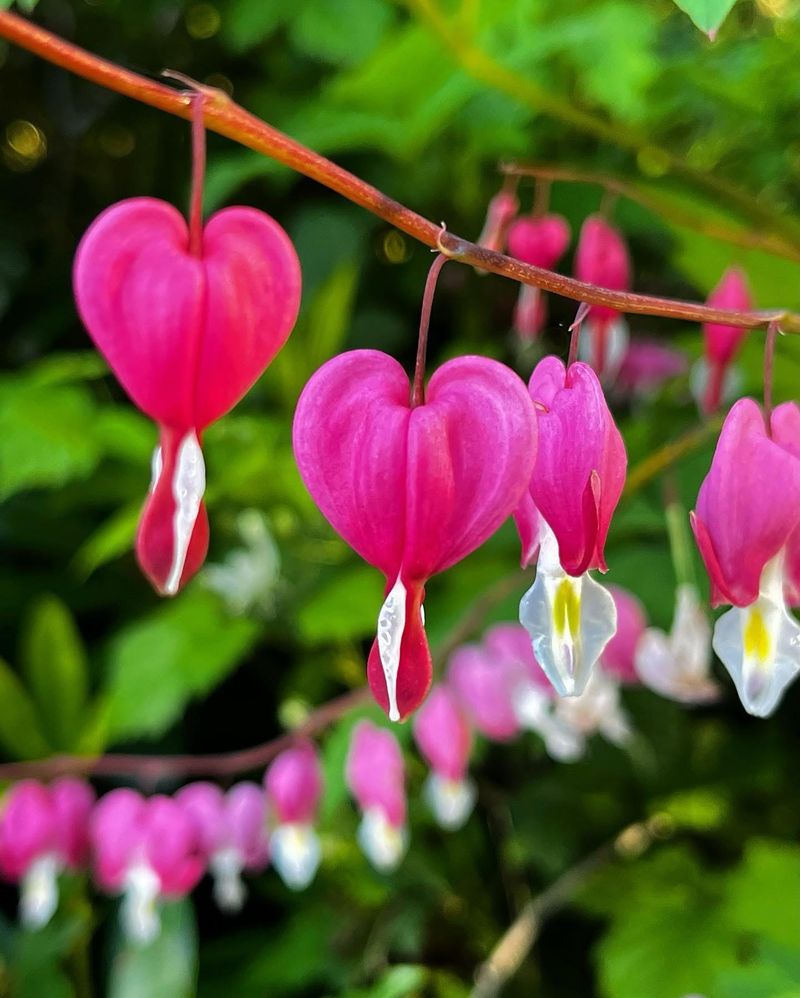
Few plants capture the romance of spring quite like bleeding heart with its dangling heart-shaped flowers. The blossoms line up along arching stems like little pink or white valentines, creating a display that makes people stop and stare.
This old-fashioned favorite has been gracing Oregon gardens for generations, and for good reason.
Bleeding hearts absolutely love our climate. They thrive in the dappled shade beneath deciduous trees and appreciate the moisture our spring rains provide.
The ferny foliage looks delicate but is surprisingly tough, creating a beautiful backdrop even before the flowers appear.
Your Oregon Garden Changes Every Week. Your Plan Should Too.
Gardening in Oregon changes quickly throughout the season. Every Friday you’ll receive a simple weekly plan showing exactly what to plant, prune, fertilize, harvest, and protect so you never miss the right timing.
One thing to know is that many varieties go dormant in summer, especially if planted in too much sun or allowed to dry out completely. Don’t panic when the leaves yellow and fade after blooming finishes.
This is completely natural, and the plant will return next spring even stronger.
Planting in February gives bleeding hearts time to develop roots before they bloom in April and May. Pair them with ferns and hostas that will fill in the space after bleeding heart goes dormant.
They’re perfect for woodland gardens or shady corners that need a splash of color.
3. Primrose (Primula)
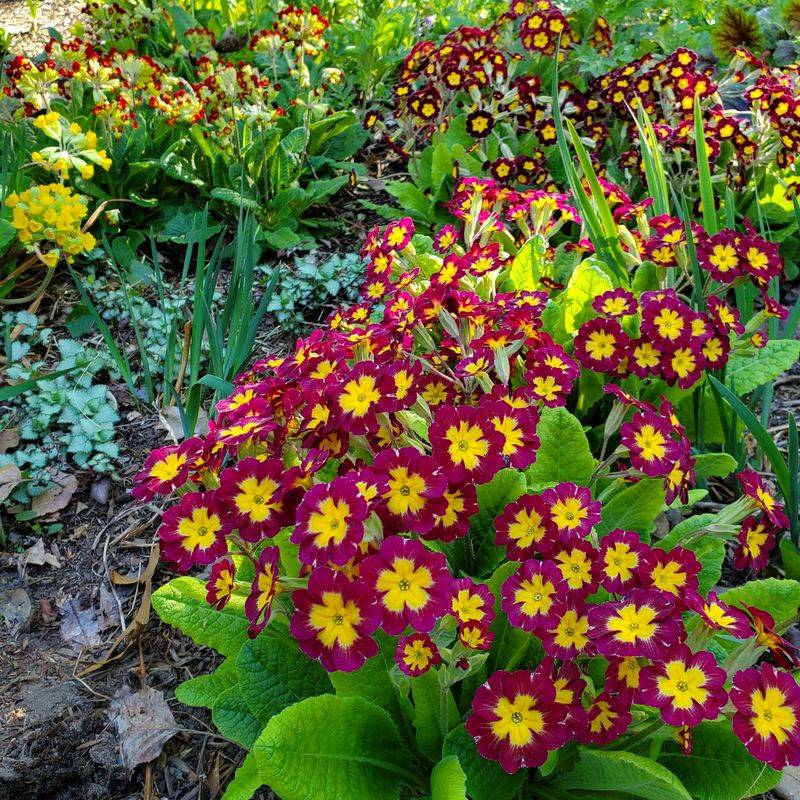
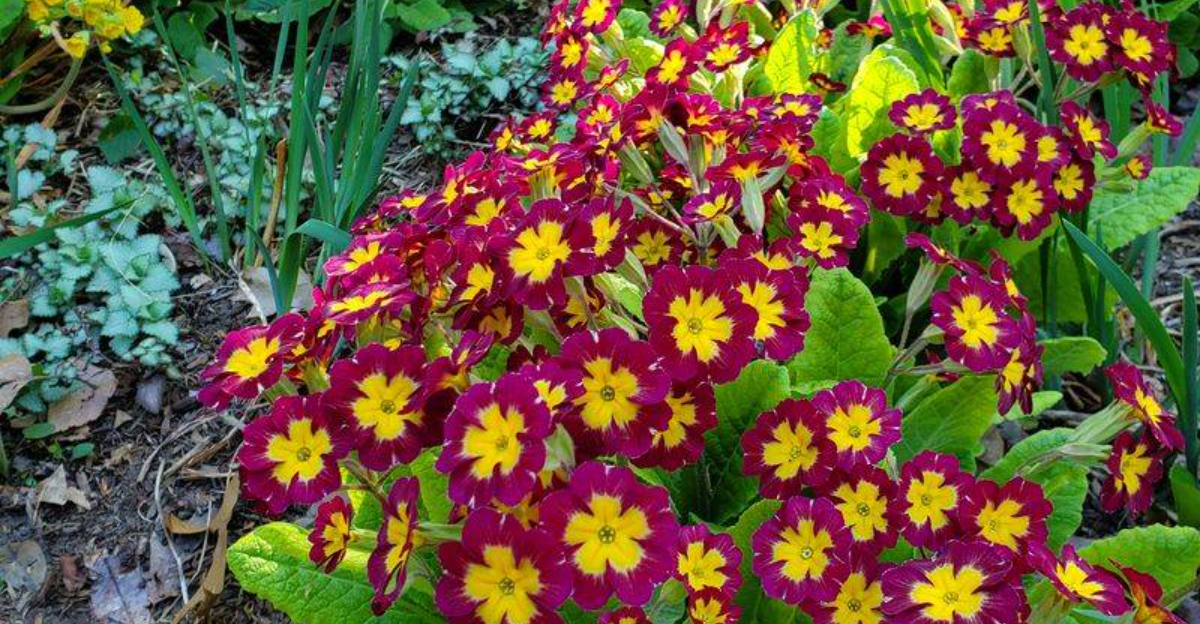
Primroses bring cheerful color to the garden just when you need it most. Available in nearly every color imaginable, from bright yellows and oranges to soft pinks and purples, they brighten up those gray February days.
Many varieties have a sweet fragrance that’s subtle but lovely when you bend down to admire them.
Oregon’s cool, moist spring weather is exactly what primroses crave. They struggle in hot, dry climates but absolutely flourish here in the Pacific Northwest.
Plant them in partial shade with soil that stays consistently moist but drains well. They’re perfect for the edges of ponds or in low spots that stay a bit damp.
Some primrose varieties naturalize beautifully, meaning they’ll spread and create larger colonies over time. Imagine a carpet of colorful blooms appearing every spring without any extra work on your part.
They also work wonderfully in containers mixed with pansies and other cool-season favorites.
February planting means you’ll often get blooms within just a few weeks. Primroses are one of the fastest rewards for your gardening efforts.
They’re also relatively inexpensive, so you can afford to plant them in generous drifts for maximum impact in your spring garden.
4. Coral Bells (Heuchera)
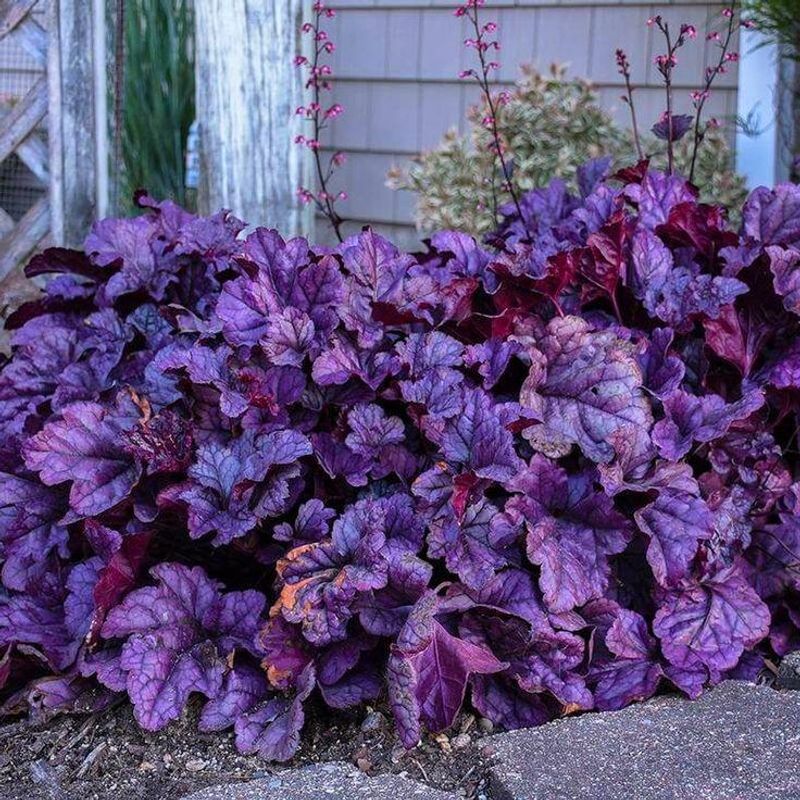
Coral bells have become superstars in Oregon gardens, and once you grow them, you’ll understand why. While they do produce delicate flower spikes in late spring, most gardeners grow them for their stunning foliage.
Leaves come in shades of purple, burgundy, lime green, orange, silver, and even near-black, with some varieties featuring beautiful patterns or veining.
What makes coral bells perfect for Oregon is their versatility. They handle shade, part shade, and even quite a bit of sun as long as they get adequate moisture.
They’re evergreen in our mild winters, providing year-round interest when many other perennials have faded away. The foliage looks especially beautiful when frost touches the leaves on cold mornings.
Hummingbirds adore the tiny bell-shaped flowers that appear on tall, wiry stems. Watching these little birds visit your garden is an extra bonus beyond the plant’s good looks.
The flowers also make excellent cut additions to small bouquets.
Plant coral bells in February so they can establish before summer arrives. They prefer soil with good drainage and will appreciate a bit of compost mixed in at planting time.
Space them about a foot apart for a groundcover effect, or use them as accent plants in mixed borders.
5. Lungwort (Pulmonaria)
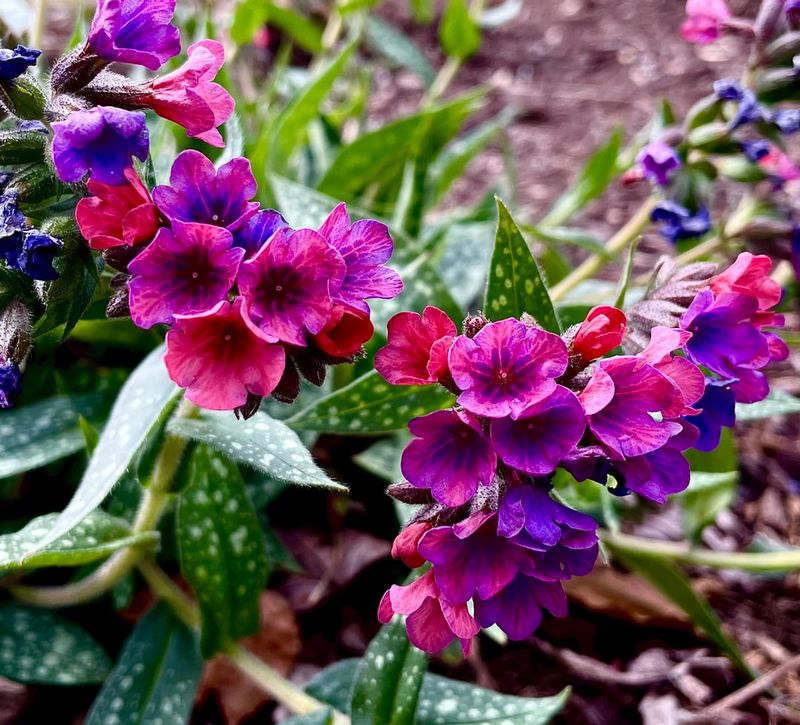
Lungwort might have an unfortunate name, but don’t let that stop you from planting this charming woodland perennial. The spotted and splashed foliage looks hand-painted, with silver markings on green leaves that brighten shady areas all season long.
In early spring, clusters of pink and blue flowers appear, often with both colors on the same plant as the blooms age and change.
Shade gardeners in Oregon will find lungwort to be an absolute treasure. It thrives in the same conditions as hostas and ferns but offers something different with its unique leaf patterns.
The plant stays relatively compact, making it suitable for smaller gardens or tight spaces under shrubs.
Once established, lungwort handles our dry summers surprisingly well for a shade plant. The thick leaves seem to hold moisture better than you’d expect.
It’s also resistant to slugs and snails, which is practically a miracle for Oregon gardeners who battle these pests constantly.
February is an excellent time to get lungwort in the ground. It will bloom within weeks of planting, giving you almost instant gratification.
The foliage emerges fresh and beautiful in spring, then stays attractive through fall. Combine it with bleeding heart and ferns for a classic woodland garden combination.
6. Bergenia (Pigsqueak)
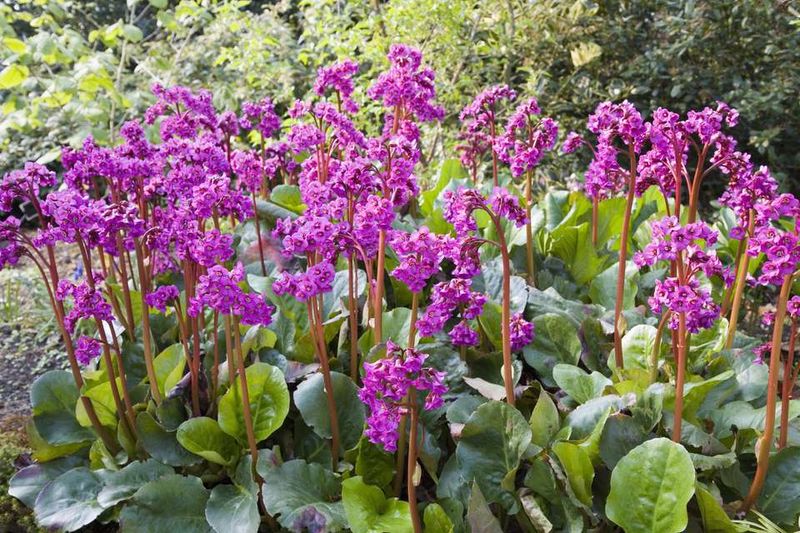
Bergenia gets its common name from the squeaking sound the leaves make when you rub them together, which kids find endlessly entertaining. But there’s much more to love about this tough, reliable perennial.
The large, glossy leaves stay evergreen through winter and often take on beautiful burgundy or bronze tones when cold weather arrives.
Clusters of pink, white, or magenta flowers appear on thick stalks in early spring, standing up proudly above the foliage. They’re some of the earliest blooms you’ll see, sometimes appearing as early as late February in mild Oregon winters.
Bees appreciate these early nectar sources when not much else is blooming yet.
What really sets bergenia apart is its toughness. It handles neglect, poor soil, drought once established, and both sun and shade conditions.
You can plant it in those problem areas where nothing else seems to thrive, and bergenia will just keep growing. It’s also excellent for erosion control on slopes.
Planting in February takes advantage of our winter rains to get bergenia established without extra watering. The plants spread slowly to form attractive groundcover over time.
Use them along pathways, as edging for beds, or in large containers where their bold foliage makes a statement.
7. Creeping Phlox (Phlox subulata)
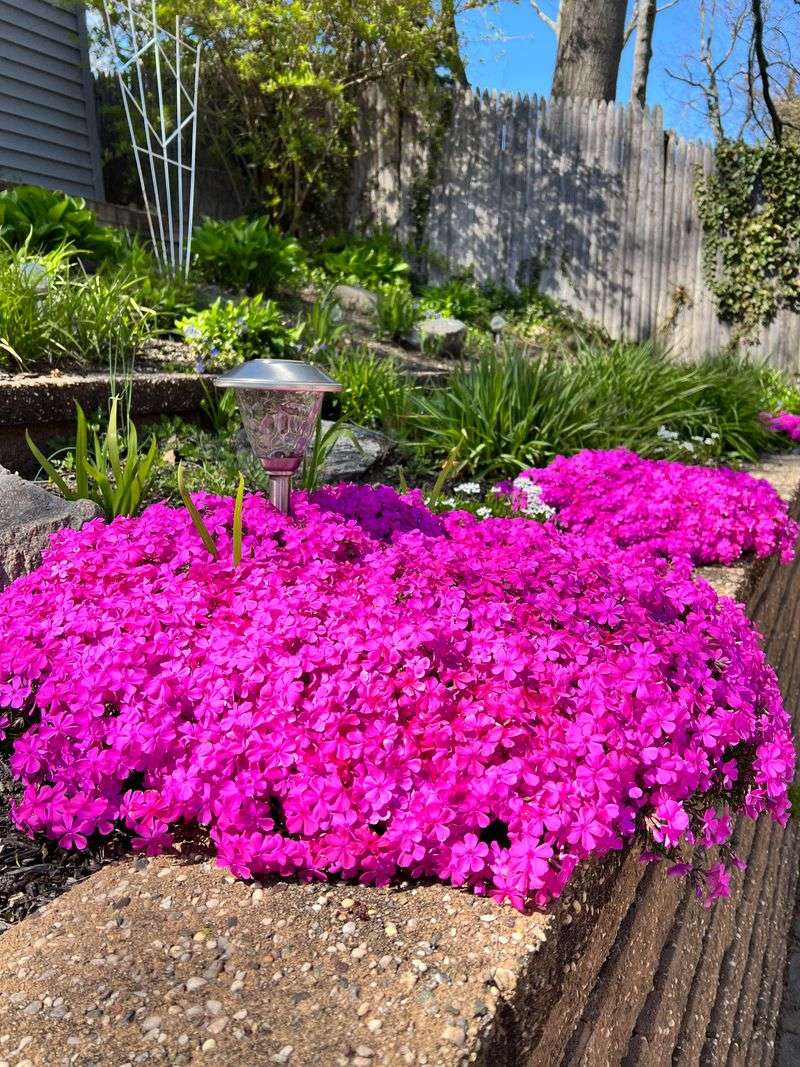
Imagine a carpet of vibrant color spreading across your garden in spring. That’s exactly what creeping phlox delivers.
This low-growing perennial forms dense mats covered in pink, purple, white, or red flowers that nearly hide the foliage beneath. The display typically peaks in April and May, creating one of spring’s most spectacular shows.
Creeping phlox works beautifully in rock gardens, cascading over walls, or as a groundcover for sunny slopes. It’s perfect for those challenging areas where grass won’t grow but you need something to hold the soil in place.
The evergreen foliage stays attractive year-round, and the plant requires very little maintenance once established.
In Oregon, creeping phlox appreciates good drainage more than anything else. Plant it in areas where water doesn’t collect during our rainy winters.
A sloped location is ideal because excess moisture naturally drains away. Once summer arrives, this plant tolerates drought remarkably well.
February planting gives creeping phlox time to develop roots before blooming season. You might even get some flowers the first spring, though the real show usually comes in year two.
After blooming finishes, give plants a light trim to keep them compact and encourage denser growth for next year’s display.
8. Japanese Forest Grass (Hakonechloa)
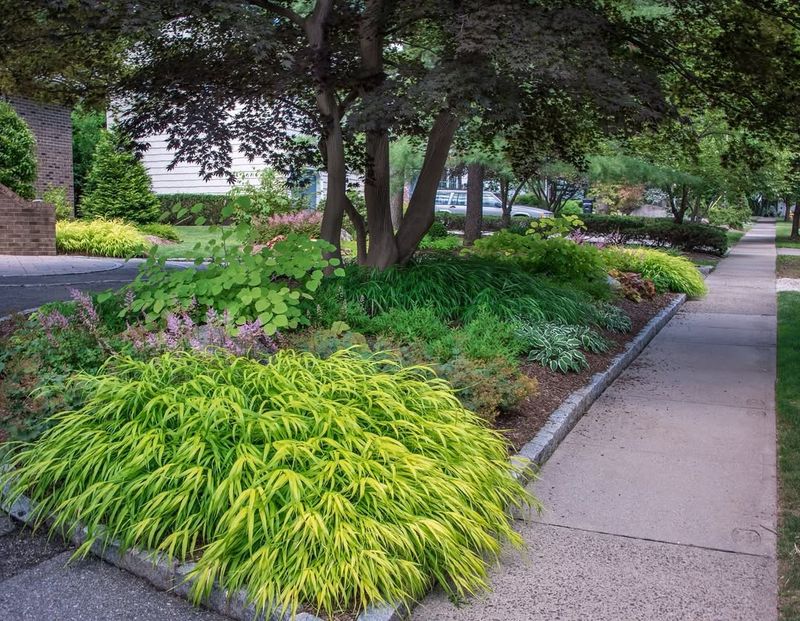
Not all perennials are about flowers. Japanese forest grass proves that foliage alone can steal the show.
This graceful ornamental grass forms cascading mounds that look like flowing water in the garden. The arching leaves come in solid green or beautiful variegated forms with gold or cream stripes that seem to glow in shady spots.
Oregon’s woodland gardens are natural homes for Japanese forest grass. It thrives in partial to full shade and appreciates the moisture our climate provides.
Unlike many ornamental grasses that prefer sun and dry conditions, this one actually struggles in too much heat or bright light. It’s perfect for those challenging shady areas where you want texture and movement.
The plant grows slowly, which some people see as a drawback but others appreciate. It won’t take over your garden or need constant division.
Instead, it gradually expands into a lovely specimen that gets better with age. The foliage turns beautiful shades of pink, orange, and burgundy in fall before going dormant for winter.
Plant Japanese forest grass in February while it’s still dormant. It will break dormancy in spring and slowly unfurl fresh new growth.
Combine it with hostas, ferns, and hellebores for a sophisticated shade garden. It also works beautifully in containers where you can appreciate its graceful form up close.
9. Candytuft (Iberis)
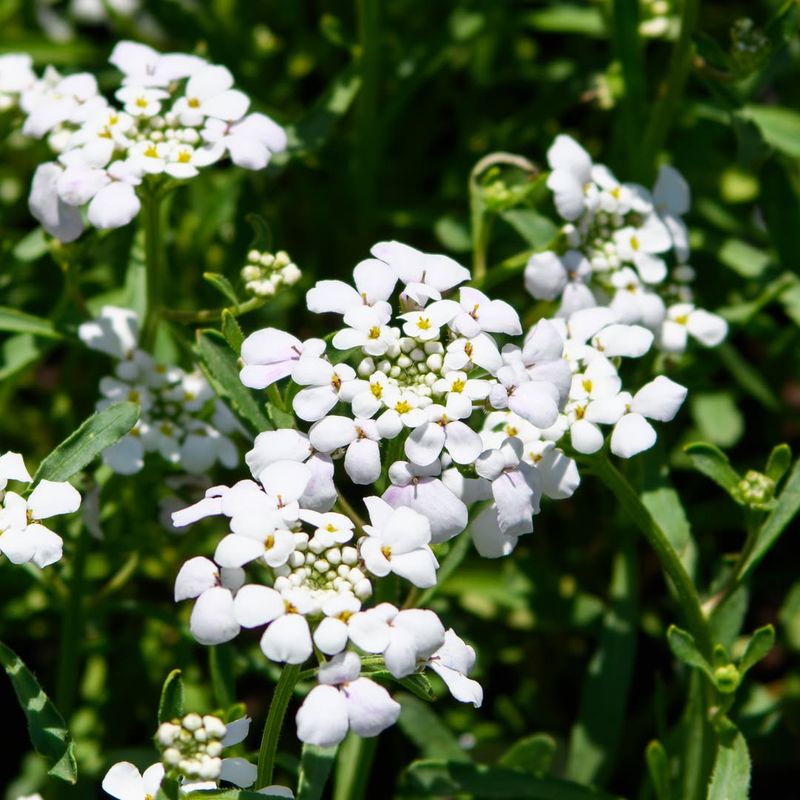
Candytuft creates clouds of white flowers in spring that look like fresh snow covering the plant. The blooms are so abundant they completely hide the evergreen foliage beneath, creating a stunning display that lasts for weeks.
After the main flowering finishes, sporadic blooms often appear throughout summer, giving you bonus color when you least expect it.
This compact perennial stays fairly small, usually under a foot tall, making it perfect for front-of-border plantings or rock gardens. The dark green foliage provides year-round interest and looks especially attractive in winter when many other plants have faded.
Candytuft also works wonderfully in containers or spilling over the edges of raised beds.
Oregon gardeners will appreciate candytuft’s adaptability. It handles sun to part shade and tolerates a range of soil conditions as long as drainage is decent.
Once established, it’s quite drought-tolerant, which is helpful during our dry summers. It’s also one of those plants that seems to thrive on neglect rather than fussy care.
February is an ideal planting time because candytuft establishes quickly in cool, moist conditions. You’ll likely see blooms by April, giving you a fast reward for your efforts.
After flowering, trim plants lightly to maintain a tidy shape and encourage bushier growth. Pair candytuft with spring bulbs for a classic combination.
10. Astilbe
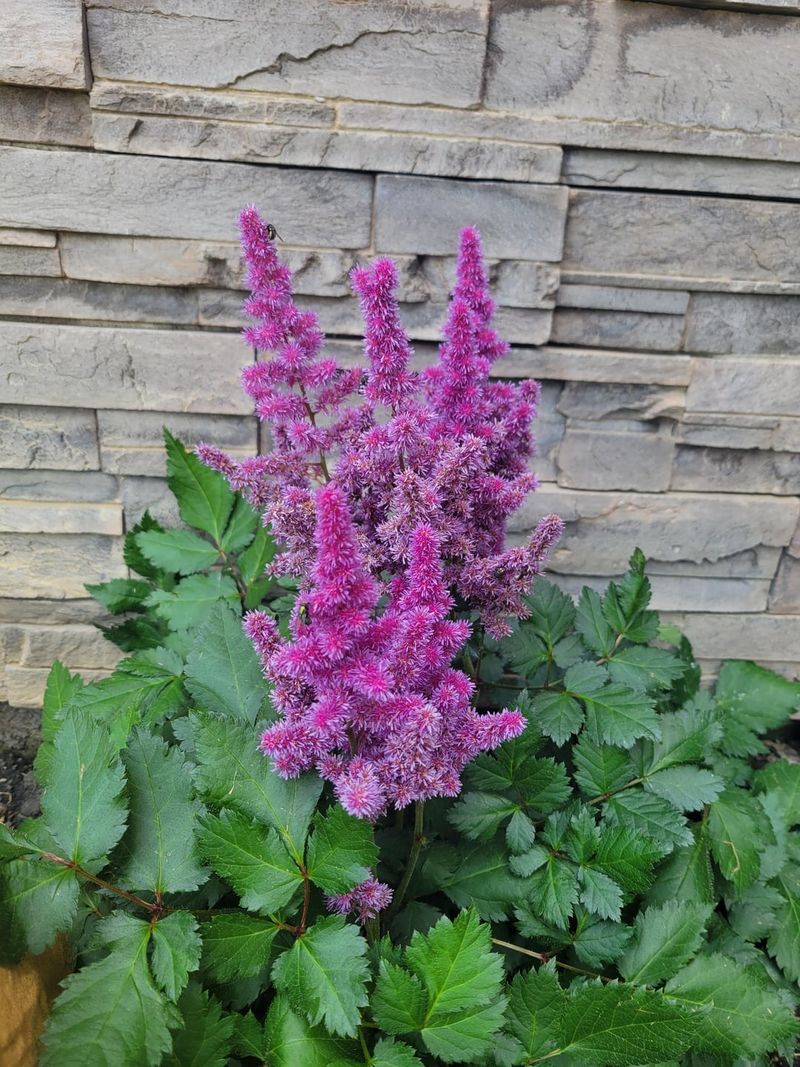
Astilbe brings fluffy plumes of color to shady gardens where few other perennials bloom so spectacularly. The feathery flowers stand tall above fernlike foliage in shades of pink, red, white, and lavender.
While peak bloom comes in late spring and early summer, the foliage remains attractive throughout the growing season, and the dried flower heads add winter interest if you leave them standing.
Moisture is the key to astilbe success, which makes Oregon an ideal location. Our spring rains keep plants happy, and if you can provide supplemental water during summer, astilbe will thrive for years.
Plant them near downspouts, along stream banks, or in any area that stays consistently moist. They’re perfect companions for hostas, ferns, and other shade lovers.
Different astilbe varieties bloom at slightly different times, so you can extend the flowering season by planting early, mid, and late varieties together.
The plants slowly expand into substantial clumps that can be divided every few years if you want to spread them around the garden or share with neighbors.
Getting astilbe in the ground during February gives roots time to establish before the plant needs to support those impressive flower plumes. Choose a location with morning sun and afternoon shade for best results.
The flowers attract butterflies and make excellent cut flowers for indoor arrangements.
11. Foamflower (Tiarella)
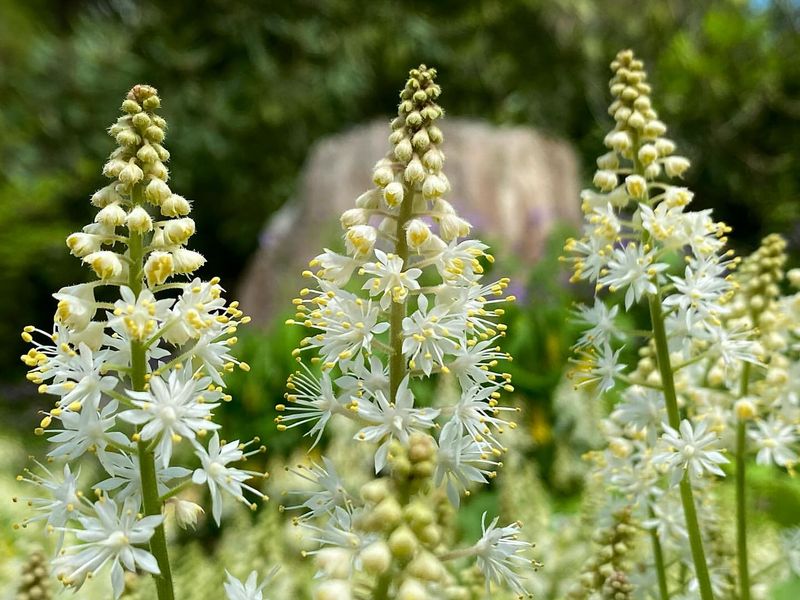
Foamflower is a native Pacific Northwest perennial that deserves a spot in every Oregon shade garden. Delicate spikes of white or pink flowers appear in spring, rising above attractive maple-like leaves that often feature burgundy markings along the veins.
The flowers do indeed resemble foam, giving the plant its charming common name.
As a native plant, foamflower is perfectly adapted to Oregon’s climate and conditions. It thrives in woodland settings with rich, moist soil and dappled shade.
The plant spreads by runners to form an attractive groundcover that suppresses weeds while looking beautiful. It’s also an important plant for native pollinators and beneficial insects.
The foliage provides interest beyond the bloom season. Many varieties have leaves that take on bronze or burgundy tones in fall and winter, adding subtle color when the garden needs it most.
Some foamflowers are evergreen, while others go dormant, depending on the variety you choose.
February planting allows foamflower to settle in during our cool, wet season, which mirrors its natural woodland habitat. It pairs beautifully with native ferns, trilliums, and other woodland plants for a naturalistic garden design.
Once established, foamflower requires minimal care and will reward you with increasing beauty each year as it spreads to fill in bare spots.
12. Brunnera (Siberian Bugloss)
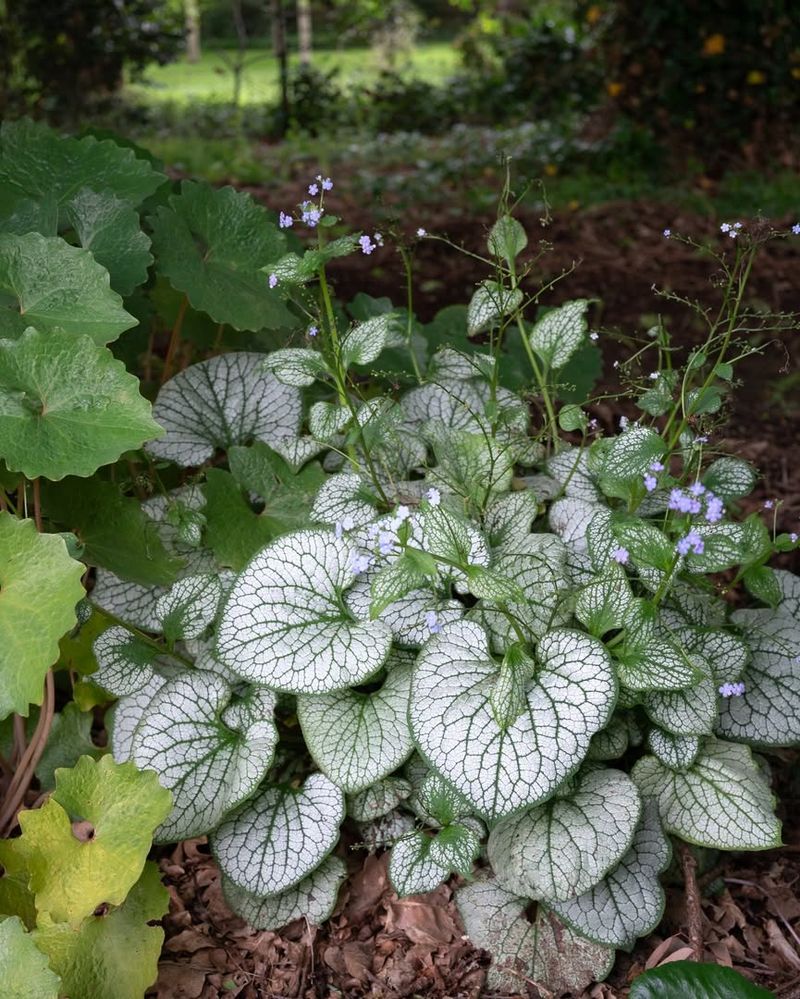
Brunnera starts spring with sprays of tiny blue flowers that look remarkably like forget-me-nots. But the real star of this perennial is its foliage, which emerges after flowering and lasts all season.
Large, heart-shaped leaves come in solid green or spectacular variegated forms with silver patterns that brighten shady areas like natural spotlights.
Shade gardeners searching for something different will love brunnera’s combination of spring flowers and outstanding foliage. The plant forms substantial clumps over time, filling space beautifully without becoming aggressive.
It handles Oregon’s wet winters without rotting and tolerates summer dryness better than many shade perennials once roots are established.
Variegated varieties with silver leaves are particularly valuable for lighting up dark corners under trees or along the north sides of buildings. The foliage remains fresh and attractive from spring through fall, giving you months of beauty from a single plant.
Slugs and snails generally leave the thick leaves alone, which is a relief for Oregon gardeners.
Planting brunnera in February means you’ll enjoy flowers within weeks, followed by the emergence of that spectacular foliage. Choose a location with consistent moisture and partial to full shade.
Combine it with hostas, ferns, and hellebores for a shade garden that looks professionally designed but requires minimal maintenance.