Nevada Homeowners Are Replacing These Popular Plants As Water Rules Tighten
Nevada homeowners are starting to rethink long-standing planting habits as tighter water rules make certain familiar landscapes harder to justify.
Plants that once felt normal in yards across the state are now drawing attention for how much water they quietly demand just to survive.
Rising costs and stricter limits are forcing many people to look closely at which plants actually earn their place in the ground.
What surprises most homeowners is how many popular choices struggle without frequent irrigation, even when they appear established.
Desert conditions reward plants built for efficiency, not constant input, and the difference becomes obvious as restrictions increase. Landscapes designed around high-use plants start feeling outdated almost overnight.
Replacing these plants is less about aesthetics and more about practicality tied to long-term sustainability.
Yards are shifting toward options that stay attractive while aligning with new water expectations.
The transition is happening gradually, one plant choice at a time, as homeowners adjust to a new normal.
Across Nevada, these changes are reshaping what a functional, responsible yard now looks like.
1. Kentucky Bluegrass
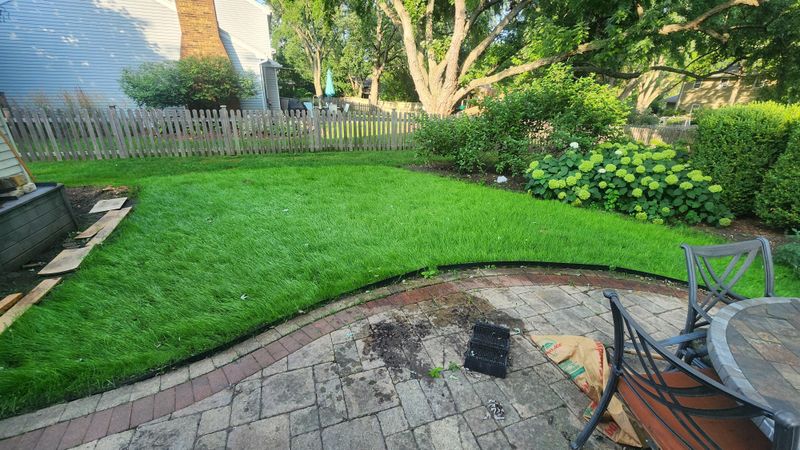
Lawns across America have long featured this classic turf grass, but in Nevada, its days are numbered. Water consumption for this thirsty variety can easily exceed what most desert climates can sustainably provide.
Homeowners often find themselves watering multiple times per week just to keep the blades from turning brown.
Local municipalities have started offering rebates for residents who remove Kentucky bluegrass entirely. The incentive programs encourage replacement with native groundcovers or desert landscaping.
Many neighborhoods that once boasted emerald carpets now showcase rock gardens and succulents instead.
Switching away from this grass saves thousands of gallons annually per household. The roots demand constant moisture to maintain that signature deep green color.
Without frequent irrigation, the turf quickly loses its lush appearance and becomes patchy.
Nevada communities are embracing alternatives like buffalo grass and blue grama. These native options require only occasional watering once established.
The transition might seem drastic, but the water savings make it worthwhile.
Maintenance costs also drop significantly when homeowners move away from traditional turf. Fertilizer needs decrease, and mowing becomes less frequent.
The environmental benefits extend beyond just water conservation.
Some residents miss the soft texture underfoot that Kentucky bluegrass provided. However, the reality of limited water resources outweighs nostalgic preferences.
Adaptation has become necessary rather than optional.
Local landscapers report a surge in requests for grass removal services. The trend reflects growing awareness about sustainable gardening practices.
Nevada yards are transforming to match the natural desert environment.
Educational workshops teach homeowners how to create beautiful landscapes without high-water plants. The shift represents a cultural change in how people view their outdoor spaces.
Water-wise gardening is becoming the new standard.
2. Tall Fescue
Another grass variety facing replacement across Nevada landscapes is this cool-season turf favorite. Originally popular for its ability to stay green longer than other grasses, it demands far too much water for desert conditions.
Irrigation systems run overtime trying to keep pace with its moisture requirements.
Your Nevada Garden Changes Every Week. Your Plan Should Too.
Gardening in Nevada changes quickly throughout the season. Every Friday you’ll receive a simple weekly plan showing exactly what to plant, prune, fertilize, harvest, and protect so you never miss the right timing.
Homeowners associations that once mandated green lawns are now revising their rules. The shift acknowledges that tall fescue simply cannot survive without excessive watering.
Many communities have dropped their grass requirements altogether.
Water bills in Nevada homes with this type of lawn can skyrocket during summer months. The grass needs deep, frequent watering to prevent stress.
Even with careful attention, bare spots often appear during heat waves.
Landscape designers now steer clients toward xeriscaping principles instead. Native plants that evolved in arid conditions replace thirsty turf.
The aesthetic may differ, but the functionality improves dramatically.
Tall fescue also struggles with the alkaline soil common throughout Nevada. Amendments and special treatments add to the maintenance burden.
The combination of water needs and soil challenges makes it impractical.
Rebate programs specifically target cool-season grasses for removal. State agencies recognize these varieties as incompatible with long-term water conservation goals.
Financial incentives help offset the cost of landscape conversions.
Neighbors who make the switch often inspire others to follow suit. Seeing successful desert gardens changes perceptions about what yards should look like.
The domino effect spreads throughout subdivisions.
Professional water audits reveal just how much tall fescue consumes compared to alternatives. The numbers shock many homeowners into action.
Concrete data drives decision-making more effectively than general advice.
Nevada’s climate simply cannot support traditional turf grasses indefinitely. Resources are finite, and priorities must shift.
Tall fescue is becoming a relic of a wetter past.
3. Hydrangea
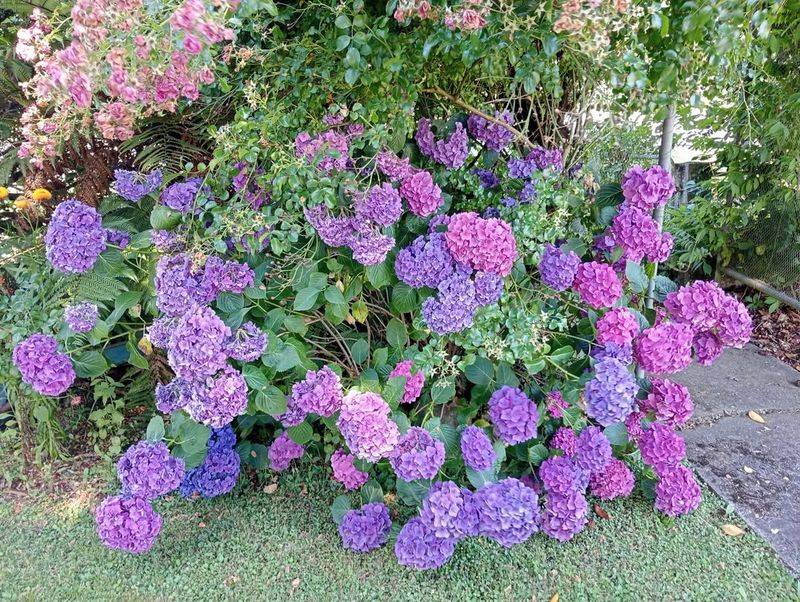
Garden centers throughout Nevada once prominently displayed these flowering shrubs with their stunning blooms. Customers loved the large, colorful flower clusters that could transform any garden into a showpiece.
Unfortunately, keeping hydrangeas alive in desert conditions requires constant attention and abundant water.
The shrubs prefer moist, well-drained soil that stays consistently damp. Nevada’s dry air and intense sun create the opposite environment.
Homeowners find themselves watering daily during peak summer, often multiple times.
Wilting leaves become a common sight when hydrangeas miss even a single watering session. The plants show stress quickly, losing their vibrant appearance.
Maintaining them feels like a full-time job.
Nurseries now recommend desert-adapted flowering shrubs instead. Options like Texas ranger and desert marigold offer colorful blooms without the water demands.
These alternatives thrive naturally in Nevada’s climate.
Many longtime gardeners feel reluctant to give up their hydrangeas. The flowers hold sentimental value and represent years of careful cultivation.
However, water restrictions leave little choice.
Removing established hydrangeas can feel like losing an old friend. The plants may have been wedding gifts or inherited from family members.
Emotional attachments make the transition difficult.
Local garden clubs now focus on teaching members about appropriate plant selection. Understanding climate zones helps prevent future disappointments.
Nevada gardeners are learning to work with nature rather than against it.
Replacement plants offer different beauty but equal appeal. Penstemon and globe mallow provide color while using a fraction of the water.
The learning curve includes discovering new favorites.
4. Japanese Maple
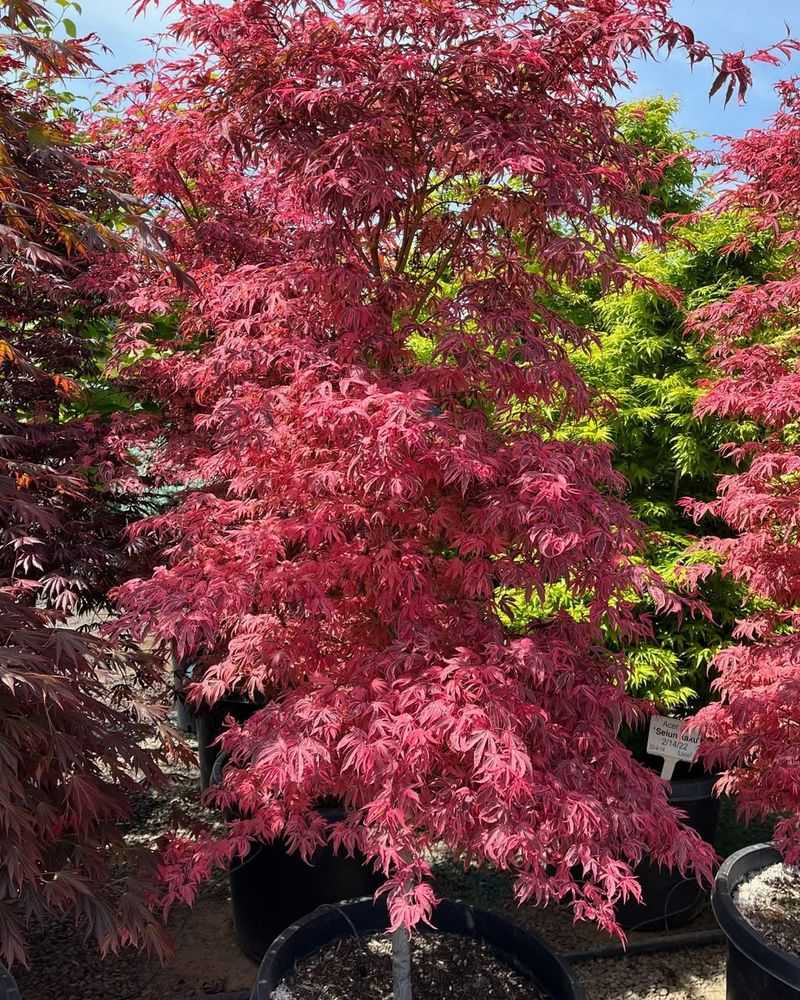
Few trees capture elegance quite like this ornamental favorite with its delicate, lacy foliage. Homeowners across Nevada once planted Japanese maples as focal points in their yards.
The graceful branching structure and vibrant leaf colors made them highly sought-after specimens.
These trees originated in cool, humid regions of Asia. Nevada’s hot, dry climate creates constant stress for them.
Leaf scorch becomes inevitable when temperatures soar and humidity drops.
Watering requirements for Japanese maples exceed what most conservation-minded homeowners can justify. The trees need consistent moisture and protection from intense afternoon sun.
Creating suitable microclimates demands significant resources.
Young specimens particularly struggle to establish roots in Nevada soil. Even mature trees show signs of decline during extended heat waves.
The investment rarely pays off in long-term success.
Landscape architects now suggest desert willow or chaste tree as alternatives. These options provide interesting form and seasonal color without excessive water needs.
They naturally adapt to the conditions that Japanese maples cannot tolerate.
Removing a beloved Japanese maple can be heartbreaking for homeowners. The tree may have marked important family milestones or provided shade for outdoor gatherings.
Sentimental value makes the decision painful.
Nevada extension offices receive frequent questions about saving struggling Japanese maples. Experts must deliver difficult news that the trees simply cannot thrive long-term.
Honest advice helps people make informed choices.
Replacement trees might not offer the same delicate beauty initially. However, they provide reliability and sustainability that Japanese maples cannot match.
Appreciating different aesthetic qualities becomes part of the adjustment.
5. Birch
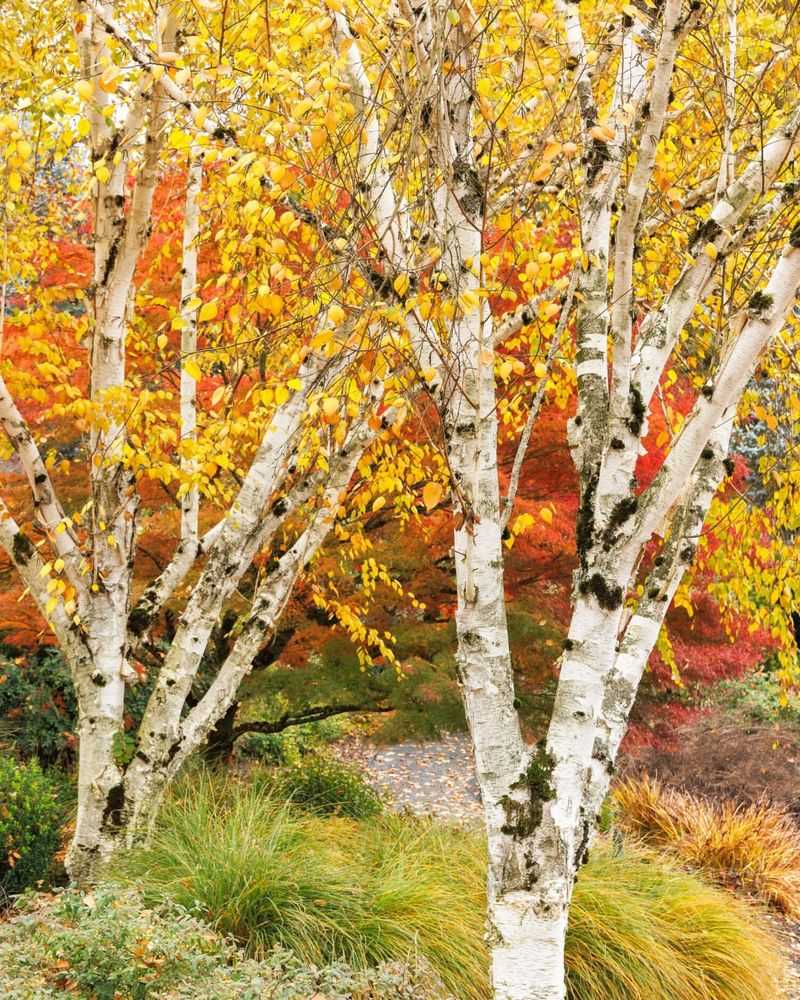
White bark gleaming against blue sky made birch trees a popular choice for Nevada homeowners seeking dramatic visual impact. The distinctive peeling bark and yellow fall foliage added seasonal interest to landscapes.
Garden magazines featured them in design spreads that inspired countless planting decisions.
These trees evolved in cool northern forests with ample rainfall. Nevada’s environment sits at the opposite end of the climate spectrum.
Birches require enormous amounts of water to survive in desert conditions.
Root systems stay shallow and spread wide, demanding frequent irrigation. During summer months, homeowners might water birches every other day.
The water meter spins constantly.
Pest problems compound the water issues for Nevada birch trees. Bronze birch borer attacks stressed trees, causing branch loss.
Weakened specimens become more vulnerable to infestations.
Local arborists discourage new birch plantings entirely. The trees simply cannot adapt to the regional climate.
Better choices exist for every function birches might serve.
Desert-adapted trees like palo verde offer striking bark color without the water demands. These natives thrive in Nevada’s natural conditions.
They provide shade and beauty while conserving precious resources.
Homeowners who planted birches decades ago now face tough decisions. Watching a mature tree decline is difficult.
However, continuing to water them heavily becomes increasingly irresponsible.
Municipal water departments send notices to residents with high consumption. Birch trees often contribute to those excessive usage patterns.
6. Willow
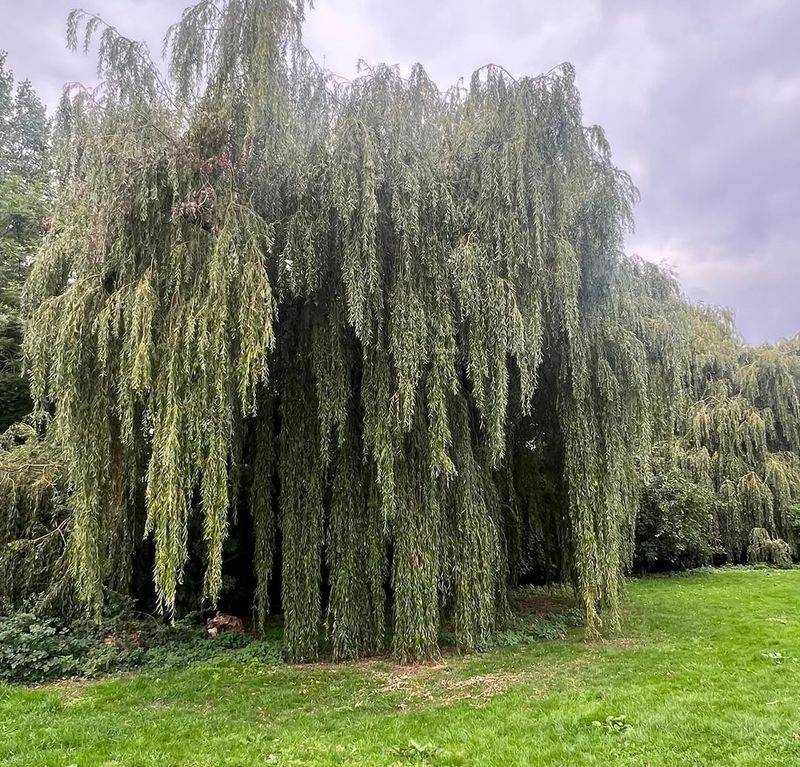
Graceful branches sweeping toward the ground made weeping willows romantic additions to Nevada properties. Homeowners imagined tranquil scenes with these trees arching over ponds or lawn areas.
The fast growth rate seemed like a bonus for those wanting quick results.
Willows naturally grow along streams and riverbanks where roots access constant moisture. Planting them in desert landscapes creates an impossible situation.
The trees demand water in quantities that Nevada simply cannot provide sustainably.
Growth speed comes at a cost measured in gallons per day. Willows transpire enormous amounts of water through their abundant foliage.
Irrigation systems struggle to keep up with their needs.
Root systems become invasive as they search desperately for moisture. Sewer lines and water pipes attract willow roots like magnets.
Property damage often results from planting these trees near infrastructure.
Nevada homeowners are learning that fast growth does not equal good value. Trees that grow quickly in inappropriate climates rarely thrive long-term.
The initial excitement fades as maintenance demands become overwhelming.
Native cottonless cottonwoods provide similar form with better adaptation. These alternatives still need more water than desert species but require less than willows.
They represent a middle ground for those wanting flowing branch structure.
Removing large willows presents challenges due to their size and aggressive roots. Professional tree services see regular requests for willow removal across Nevada.
The trend reflects changing attitudes about appropriate landscaping.
Water-conscious gardeners now research plant origins before purchasing. Understanding where species naturally occur helps predict success in local conditions.
Willows clearly belong near abundant water sources, not in desert yards.
7. Impatiens
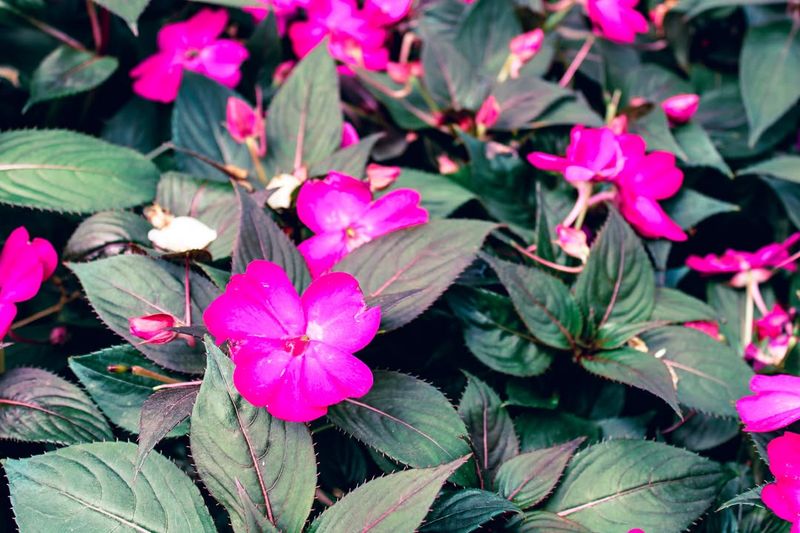
Shady spots throughout Nevada once burst with color from these popular bedding plants. Garden centers sold flats by the hundreds each spring as homeowners refreshed their flower beds.
The continuous blooms from spring through fall made impatiens seem like the perfect solution for shade gardens.
These plants earned their name from seed pods that burst open at the slightest touch. The impatient nature extends to their water requirements as well.
Missing even one watering session causes dramatic wilting.
Impatiens prefer consistently moist soil and high humidity. Nevada’s dry air causes rapid moisture loss from both soil and leaves.
Homeowners find themselves watering twice daily during hot weather.
The plants originated in tropical and subtropical regions. Desert conditions create constant stress that no amount of care can fully overcome.
They survive rather than thrive.
Nevada gardeners are discovering shade-tolerant alternatives that need less water. Desert four o’clock and trailing lantana offer color without the constant moisture demands.
These plants actually benefit from occasional dry periods.
Annual flower beds traditionally required significant water inputs. The cultural shift toward perennial, drought-tolerant gardens changes this pattern.
Nevada landscapes are becoming more sustainable one plant at a time.
Some homeowners resist giving up their colorful impatiens displays. The bright flowers bring joy and beauty to otherwise harsh environments.
However, personal preferences must align with resource realities.
Container gardens offer a compromise for those who cannot abandon favorite plants entirely. Small pots of impatiens on a shaded porch require less water than large bed plantings.
Strategic placement makes limited water use more acceptable.
8. Petunia
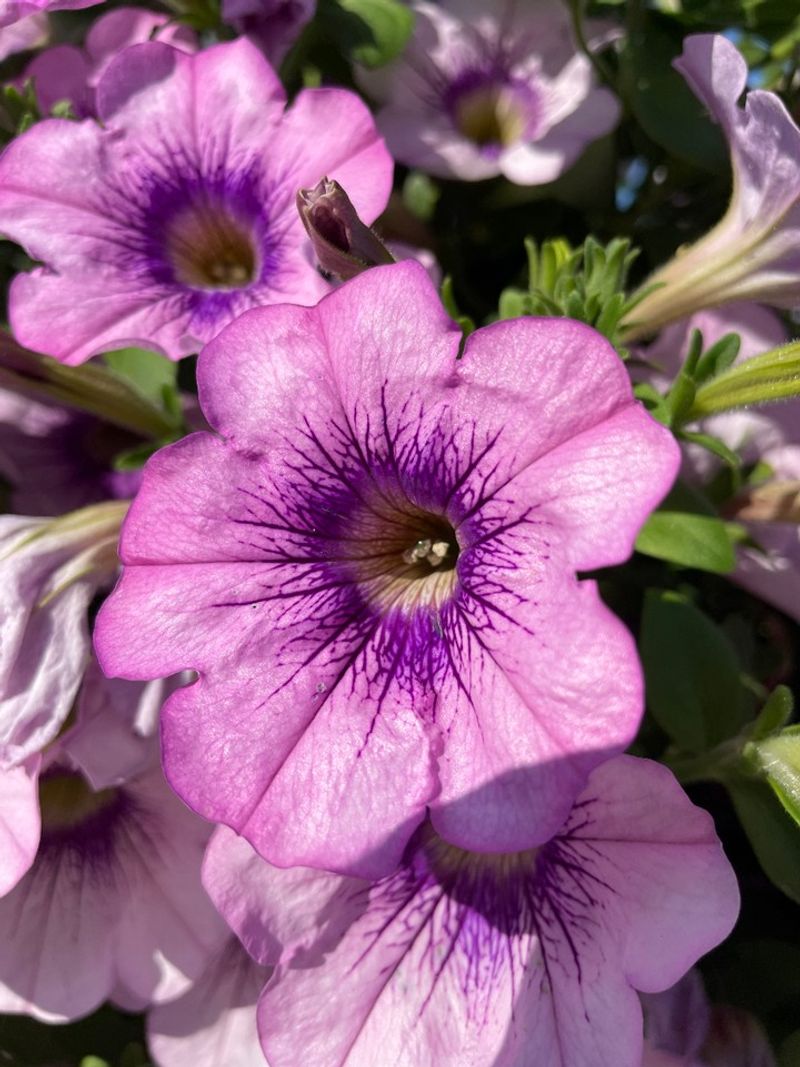
Hanging baskets and flower beds across Nevada have showcased these trumpet-shaped blooms for generations. Petunias offered an affordable way to add instant color to any outdoor space.
Their popularity stemmed from ease of availability and wide color selection.
Garden maintenance for petunias includes deadheading spent flowers and frequent watering. The plants wilt quickly when soil dries out.
Nevada’s low humidity accelerates moisture loss from both containers and ground plantings.
Summer heat causes petunias to become leggy and stop blooming without intensive care. Homeowners must pinch back growth and fertilize regularly.
The maintenance schedule rivals that of much larger garden features.
Water consumption for petunia beds adds up quickly over a growing season. Each plant might seem insignificant, but dozens together create substantial demand.
The cumulative effect impacts household water budgets.
Desert marigold and moss rose provide similar color impact with minimal water needs. These alternatives actually prefer dry conditions and full sun.
They represent better choices for Nevada’s climate reality.
Many residents grew up with petunias as garden staples. Changing habits requires overcoming deeply ingrained preferences.
Education helps people understand why alternatives make more sense.
Local master gardener programs emphasize appropriate plant selection for the region. Classes teach homeowners to identify water-wise options.
Nevada’s gardening culture is evolving toward sustainability.
Petunias will always have fans, but their role in local landscapes is shrinking. Container plantings near outdoor living spaces might still feature them.
However, large-scale bed plantings are becoming rare.
9. English Ivy
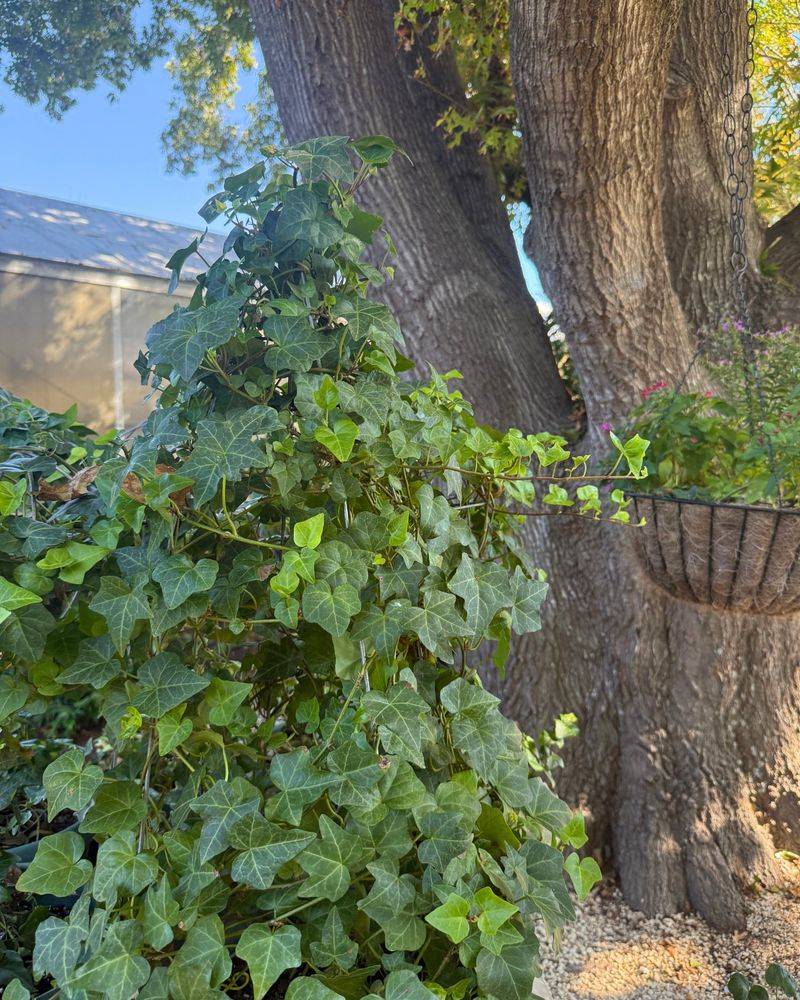
Walls and fences throughout Nevada neighborhoods once wore green coats of this climbing vine. Homeowners appreciated how quickly English ivy covered unsightly surfaces.
The evergreen foliage provided year-round interest and softened harsh architectural lines.
This aggressive grower requires consistent moisture to maintain its lush appearance. Leaves turn brown and drop when water becomes scarce.
The plant originated in European forests with moderate temperatures and regular rainfall.
Nevada’s climate presents multiple challenges beyond just water availability. Intense sun can scorch leaves even when soil moisture seems adequate.
Winter cold snaps damage foliage that evolved in milder conditions.
English ivy also presents ecological concerns as an invasive species. It escapes cultivation and smothers native plants in some areas.
Water restrictions provide an opportunity to remove problematic plantings.
Desert-adapted vines like baja fairy duster offer coverage without the water demands. These alternatives support local ecosystems rather than threatening them.
They bloom beautifully while requiring minimal intervention.
Removing established English ivy can be surprisingly difficult. Roots cling tenaciously to surfaces and spread underground.
Professional removal services see steady business from homeowners ready to make the change.
Some residents worry that desert alternatives will not provide the same lush coverage. Initial growth may seem slower, but adapted plants eventually fill in beautifully.
Patience pays off with reduced maintenance and water use.
Nevada landscapes are transitioning toward plants that belong in the desert. English ivy represents an outdated approach to gardening.
Modern choices reflect environmental responsibility and climate awareness.