How California Gardeners Fill Their Gardens With Useful Plants
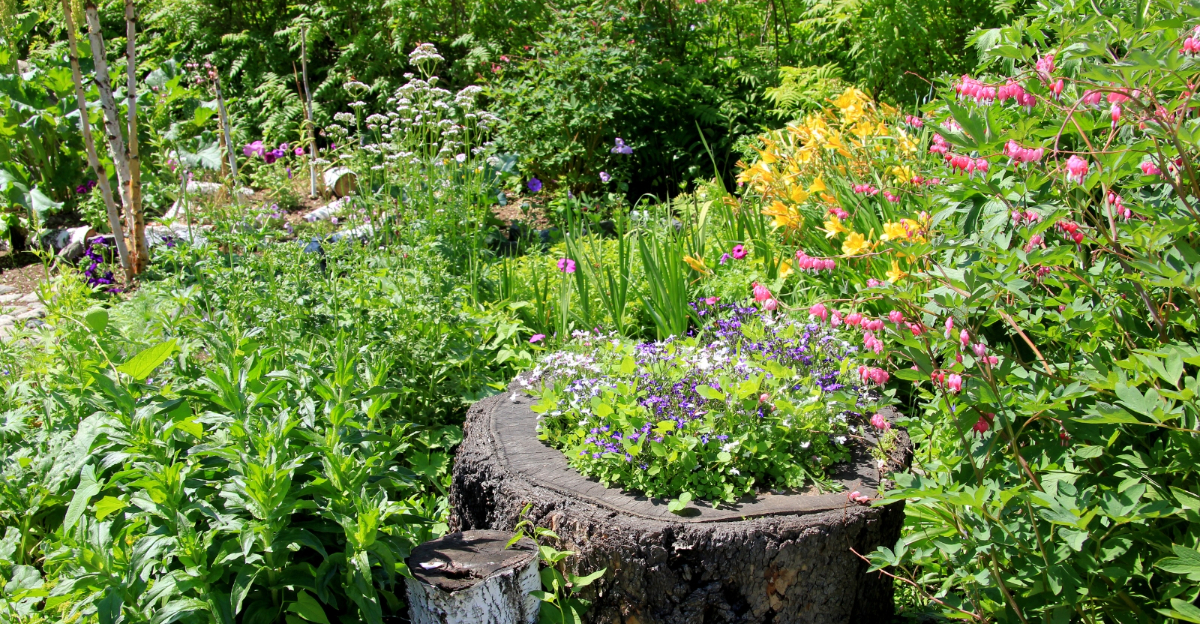
California gardens often look effortless on the surface, yet many of them are carefully built around plants chosen for more than just appearance.
Long growing seasons, varied microclimates, and water awareness push gardeners to think differently about what earns space in the ground.
Useful plants quietly take center stage because they solve everyday needs while still fitting naturally into the landscape.
Some support pollinators, others provide shade, fragrance, or food, and many do more than one job at the same time. This layered purpose is what keeps California gardens productive without feeling crowded.
Gardeners begin noticing how much easier maintenance becomes when plants contribute instead of compete.
Space gets used more efficiently when every plant has a role beyond decoration.
Over time, planting choices shift away from filler and toward plants with clear value.
These gardens feel alive and intentional because every corner serves a purpose.
The result is a landscape built around usefulness, resilience, and daily benefit rather than short-lived visual impact.
1. Choose Plants That Serve More Than One Purpose
Multi-functional plants make every square foot of your garden count. California gardeners love rosemary because it looks beautiful along walkways, smells amazing, and flavors dinner all at once.
When you pick plants that do several jobs, you get more value from the same amount of space and effort.
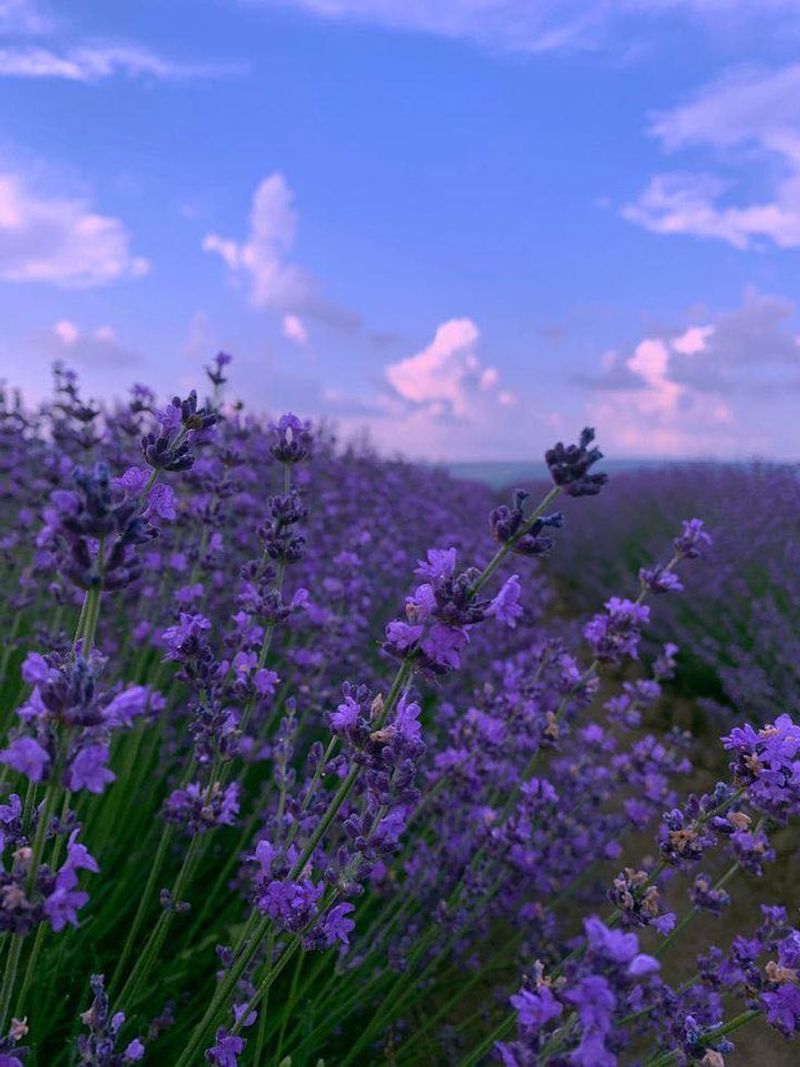
Lavender is another California favorite that checks multiple boxes. The purple flowers attract bees and butterflies while the dried buds make sachets for drawers.
You can also use fresh sprigs in lemonade or baked goods.
Fruit trees provide shade in summer, blossoms in spring, and food in fall. A single apple or peach tree transforms a sunny corner into a productive spot that changes with the seasons.
California’s mild climate lets many fruit varieties thrive without much fuss.
Herbs like oregano and thyme spread across bare ground, preventing weeds while staying ready for harvest. They need almost no water once established, which matters a lot in California’s dry summers.
These groundcovers stay green and useful all year long.
Their trailing habit makes them perfect for hanging baskets or edges of raised beds. California gardeners appreciate plants that look good and solve problems at the same time.
This kind of planting turns a garden into a living system instead of a collection of separate plants.
In California yards where space, water, and time all matter, multi-functional plants make every decision feel smarter and more rewarding.
2. Mix Edible Plants Into Decorative Garden Areas
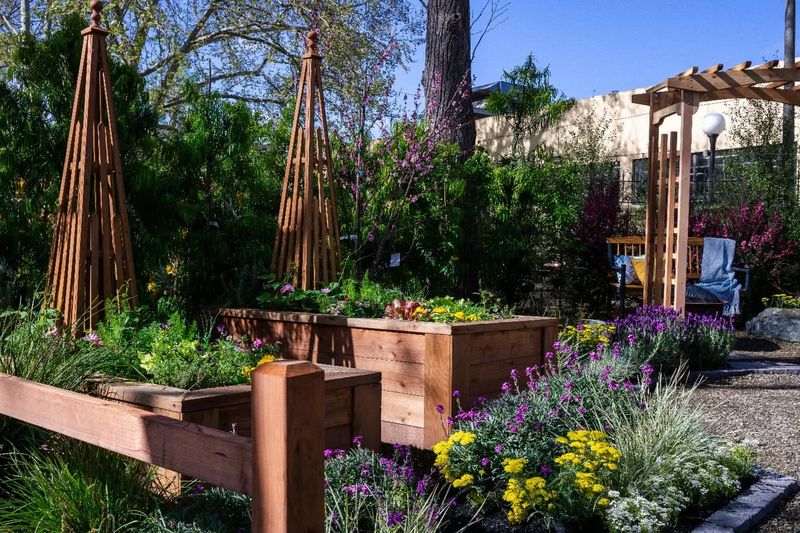
Blending vegetables and flowers creates gardens that feed both your eyes and your table. California landscapes look stunning when Swiss chard’s rainbow stems stand next to marigolds.
Nobody says food has to grow in boring rows separated from pretty plants.
Kale comes in purple, green, and frilly varieties that rival ornamental cabbages for visual interest. Tuck these nutritious plants into flower borders where they’ll thrive through California’s cool season.
Harvest outer leaves while the center keeps producing and looking gorgeous.
Strawberries make excellent edging plants with white flowers, red fruit, and neat foliage. They spread to fill spaces along pathways or at the front of beds.
Your California Garden Changes Every Week. Your Plan Should Too.
Gardening in California changes quickly throughout the season. Every Friday you’ll receive a simple weekly plan showing exactly what to plant, prune, fertilize, harvest, and protect so you never miss the right timing.
California’s climate lets strawberries produce fruit almost year-round in many regions.
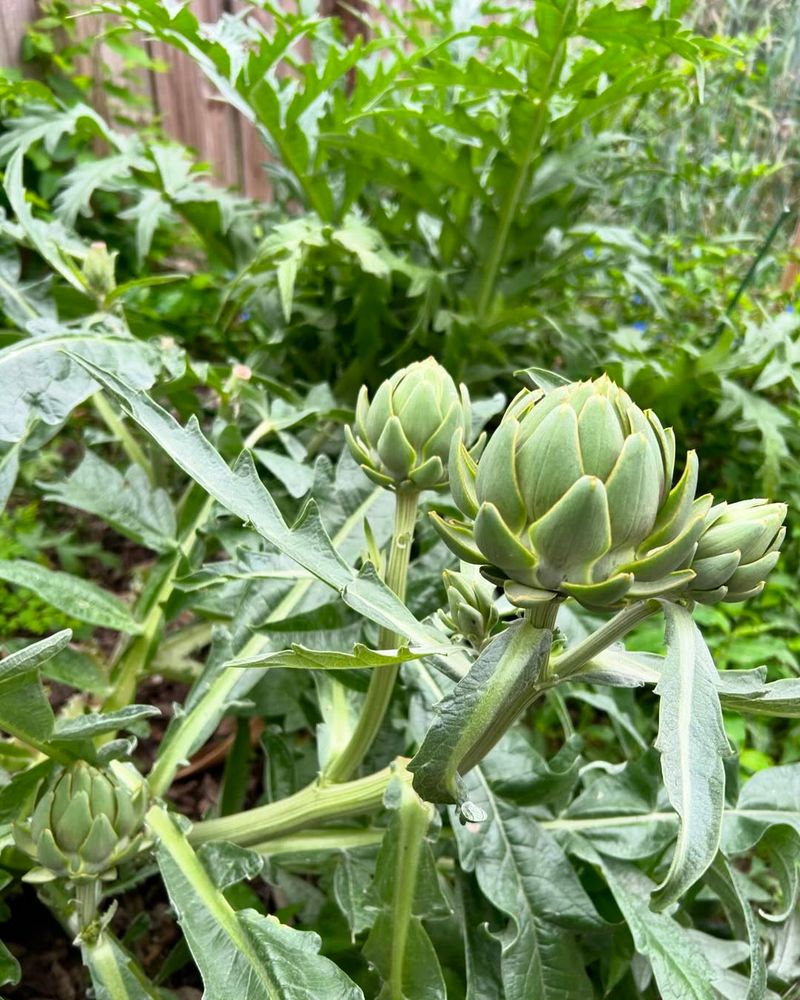
Artichoke plants grow tall with silvery leaves that create dramatic focal points. Their purple flower buds are the part you eat, but if you miss harvesting a few, they open into stunning blooms.
These Mediterranean natives feel right at home in California gardens.
Bright peppers and eggplants hang like ornaments among flowers in summer beds. Their glossy fruits in red, yellow, purple, and orange add color that changes as they ripen.
California’s long growing season means these heat-lovers produce until fall.
3. Use Perennials That Produce Year After Year
Perennial plants save money and effort because they come back without replanting. California gardeners rely on asparagus, which sends up tender spears each spring from the same roots for decades.
After the first two years of establishment, these plants become reliable producers.
Artichokes are perennials in California’s mild winters, returning bigger and stronger each year. One plant can produce a dozen or more buds in peak season.
They need space but reward patience with years of harvests.
Rhubarb grows well in California’s cooler coastal areas and mountain regions. The same crown sends up tart stalks every spring for pies and jams.
Just harvest carefully and the plant keeps producing for twenty years or more.
Fruit trees and berry bushes are long-term investments that pay off annually. California’s climate supports everything from citrus to stone fruits to berries.
Once established, these woody perennials need less water and care than annual vegetables.
Perennial herbs like sage, oregano, and thyme build bigger root systems each year. They become more drought-tolerant and productive over time.
California gardeners appreciate plants that require less work while giving more back season after season.
Over time, these plants create a stable backbone for the garden that needs fewer inputs to stay productive. For California gardeners, perennials turn patience into long-term harvests and a garden that improves with age instead of starting over every year.
4. Prioritize Plants That Match Local Water Limits
Water conservation matters everywhere in California, from coastal cities to inland valleys. Native plants like California fuchsia bloom brilliantly with minimal irrigation once their roots go deep.
These adapted species understand the local rainfall patterns and summer drought.
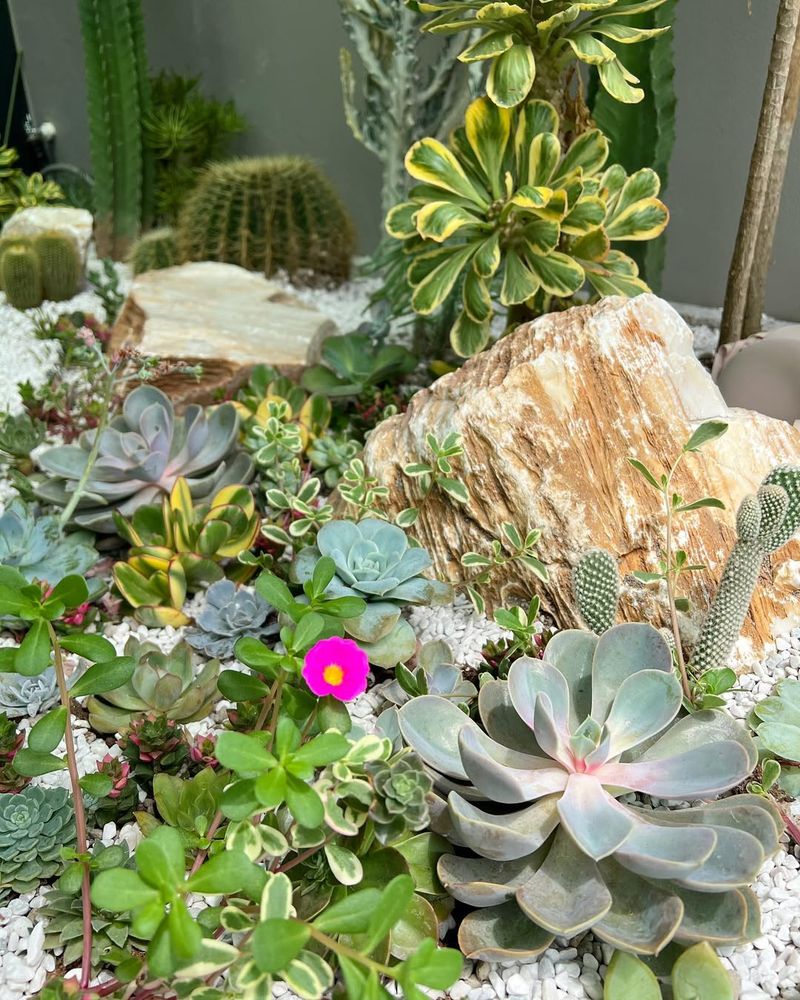
Succulents store water in thick leaves, making them perfect for California’s dry months. Varieties like echeveria and sedum come in amazing colors and shapes.
They grow slowly but steadily without demanding frequent watering.
Mediterranean herbs such as rosemary, thyme, and lavender evolved in climates similar to California’s. They actually prefer drier conditions and can suffer from too much water.
Their aromatic oils intensify when they grow a bit stressed.
Many fruit trees, once established, need less water than lawns or thirsty annuals. Fig trees are particularly drought-tolerant and produce sweet fruit in California’s heat.
Pomegranates also thrive with infrequent deep watering.
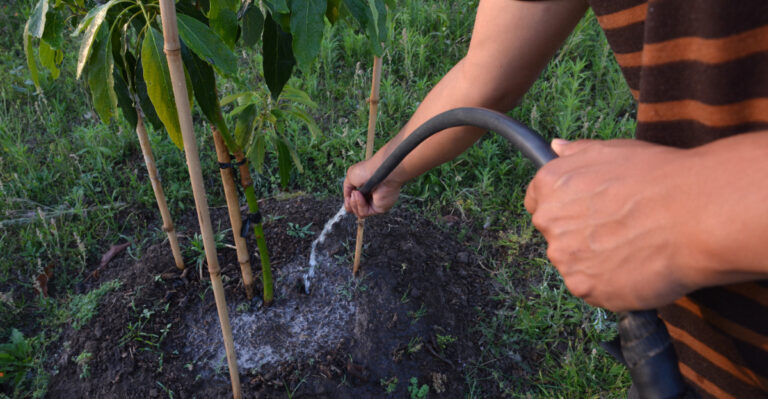
Drip irrigation helps California gardeners target water exactly where plants need it. Mulching around useful plants keeps soil moist longer between waterings.
Smart plant choices combined with efficient watering systems make California gardens productive without wasting resources.
5. Grow Plants That Support Pollinators And Wildlife
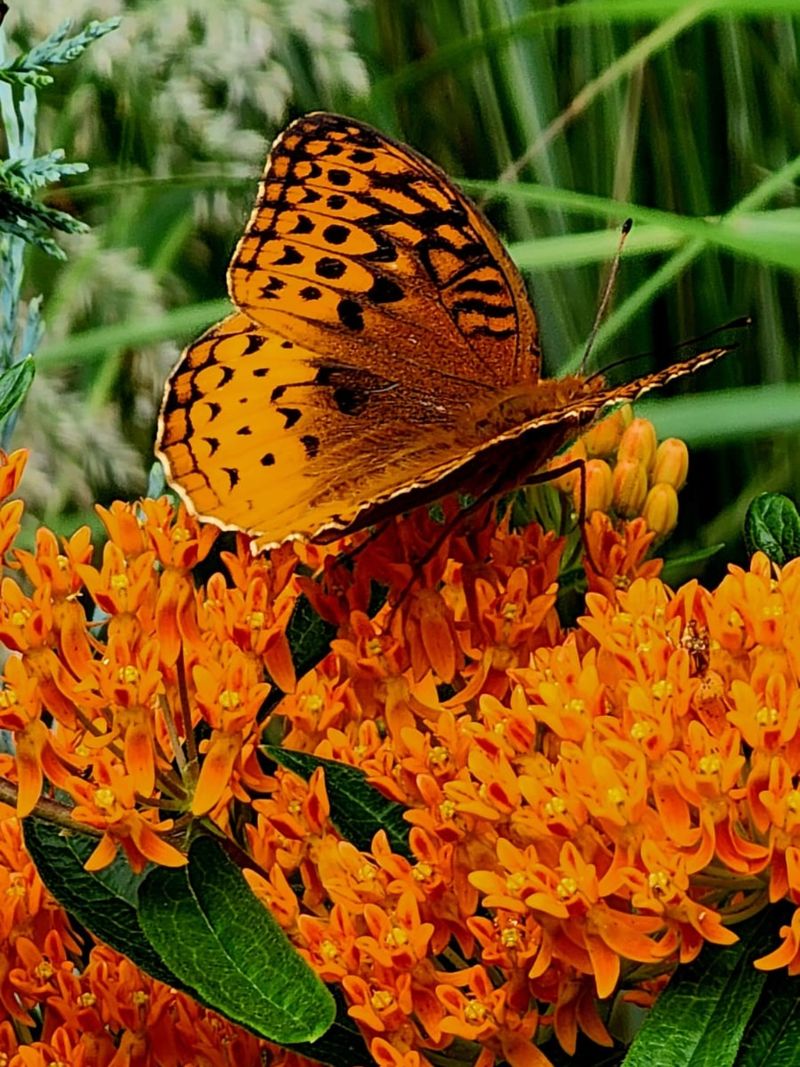
Gardens become healthier when bees, butterflies, and beneficial insects visit regularly. California native milkweed feeds monarch butterfly caterpillars while providing nectar for adults.
Growing this plant helps support the entire monarch migration that passes through the state.
Fruit and vegetable plants need pollinators to produce well. Flowering herbs like basil, cilantro, and dill attract helpful insects while waiting for harvest.
California gardeners notice bigger tomato and squash yields when bees have plenty of flowers nearby.
Berry bushes provide food for both people and birds. Blueberries, raspberries, and blackberries attract pollinators with their flowers and birds with their fruit.
California’s climate supports multiple berry harvests when you choose the right varieties.
Native California plants like sage, buckwheat, and penstemon evolved alongside local pollinators. These partnerships work smoothly because they developed together over thousands of years.
The plants get pollinated reliably while insects find familiar food sources.
Hummingbirds visit tubular flowers on plants like California fuchsia and salvia. These tiny birds also eat insects, helping control pests in California gardens.
Watching hummingbirds zip around useful plants adds entertainment to your gardening experience.
It also helps reduce pest outbreaks naturally, since beneficial insects keep harmful ones in check.
California gardens that support pollinators tend to stay more resilient and balanced without constant intervention.
6. Select Varieties That Thrive In California Microclimates
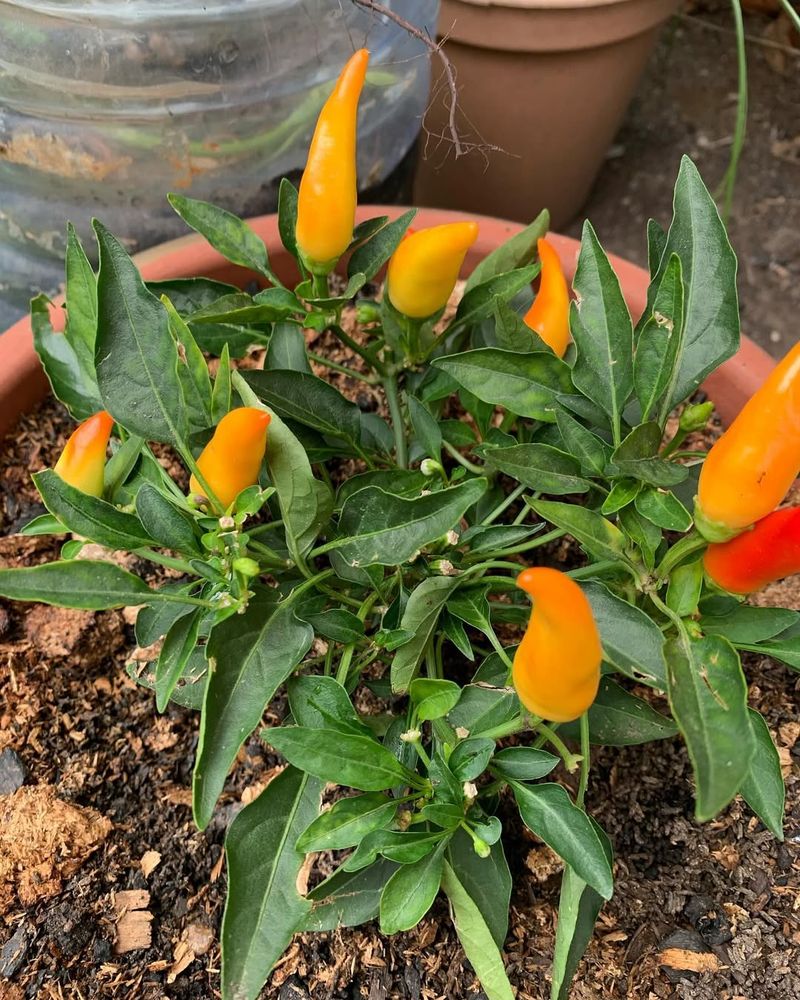
California’s diverse climate zones mean a plant that loves San Diego might struggle in Sacramento. Coastal gardeners enjoy cool-season crops like lettuce and broccoli almost year-round.
The marine layer keeps temperatures moderate, preventing plants from bolting in summer heat.
Inland valleys experience hot summers perfect for heat-loving crops. Tomatoes, peppers, and melons thrive when California’s Central Valley temperatures soar.
Gardeners in these areas focus on varieties bred for high heat tolerance.
Mountain regions have shorter growing seasons but excellent conditions for plants needing winter chill. Apple and cherry trees produce better fruit when they experience cold dormancy.
California’s mountain gardeners time plantings carefully around frost dates.
Southern California’s nearly frost-free zones allow tropical and subtropical plants. Avocados, citrus, and guavas grow as perennials in these mild areas.
Gardeners enjoy fruits that people in colder regions can only dream about.
Paying attention to your specific California microclimate helps plants succeed. A sunny south-facing wall creates extra warmth for tender crops.
Shaded areas under trees stay cooler for lettuce during summer. Understanding your particular spot makes every plant choice more effective.
7. Replace High-Maintenance Plants With Practical Alternatives
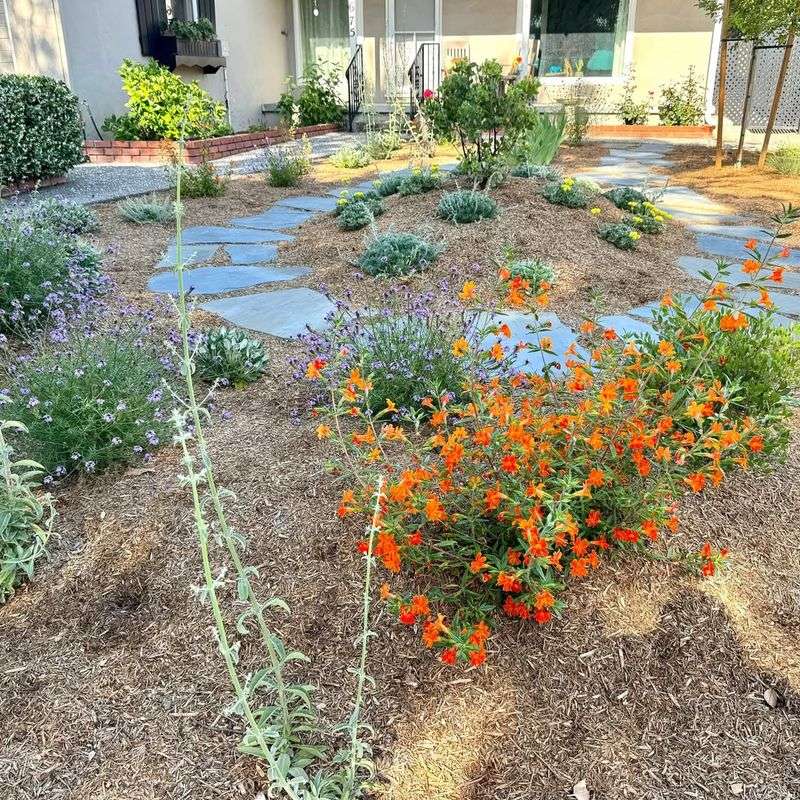
Lawns demand constant mowing, fertilizing, and watering throughout California’s dry summers. Replacing grass with clover or creeping thyme creates green coverage that needs far less attention.
These alternatives stay low, feed pollinators, and tolerate some foot traffic.
Annual flowers need replanting every year, but California native perennials come back stronger each season. Yarrow, coreopsis, and California poppies bloom reliably with minimal care.
They’ve adapted to local conditions over thousands of years.
High-water ornamental shrubs can swap out for useful plants like blueberries or currants. These fruiting shrubs look attractive while producing food.
California gardeners get beauty and harvests from the same space.
Roses require pruning, spraying, and constant deadheading in many California gardens. Consider replacing them with hardy fruit trees or flowering herbs instead.
You’ll spend less time on maintenance and more time enjoying actual harvests.
Vegetable varieties bred for California’s climate need less babying than generic types. Heat-tolerant lettuces, bolt-resistant spinach, and disease-resistant tomatoes grow more successfully.
Choosing adapted varieties means less frustration and better results in California conditions.
They also reduce long-term costs, since fewer replacements, treatments, and inputs are needed over time. Gardens built around easier plants stay consistent and manageable even during extreme heat or water restrictions.
8. Use Vertical Space To Grow More In Small Gardens
Growing upward multiplies your planting area without needing more ground space. Pole beans climb supports while producing more per square foot than bush types.
California’s long growing season allows multiple plantings of climbing vegetables.
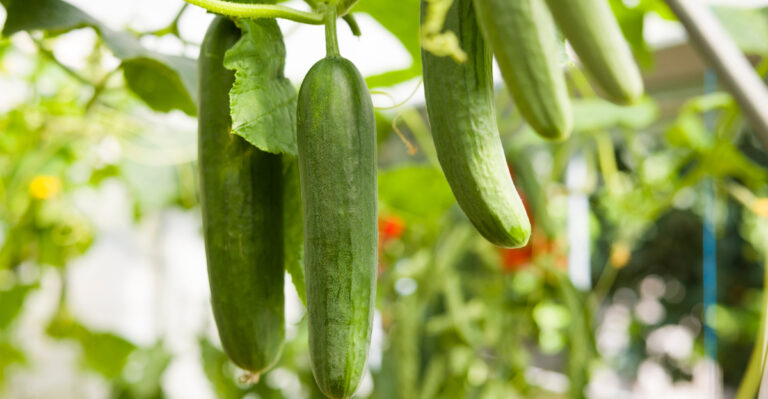
Trellised cucumbers and squash stay cleaner and healthier than sprawling varieties. Air circulation improves around vertical plants, reducing disease problems in California’s humid coastal areas.
Harvesting becomes easier when fruit hangs at eye level.
Espaliered fruit trees train flat against walls or fences, saving space while looking artistic. California gardeners grow apples, pears, and stone fruits this way in narrow side yards.
The technique also creates warmer microclimates against sunny walls.
Hanging baskets hold herbs, strawberries, or trailing tomatoes above ground level. This approach works perfectly on California patios and balconies where ground space is limited.
Watering becomes the main task since containers dry faster than soil.
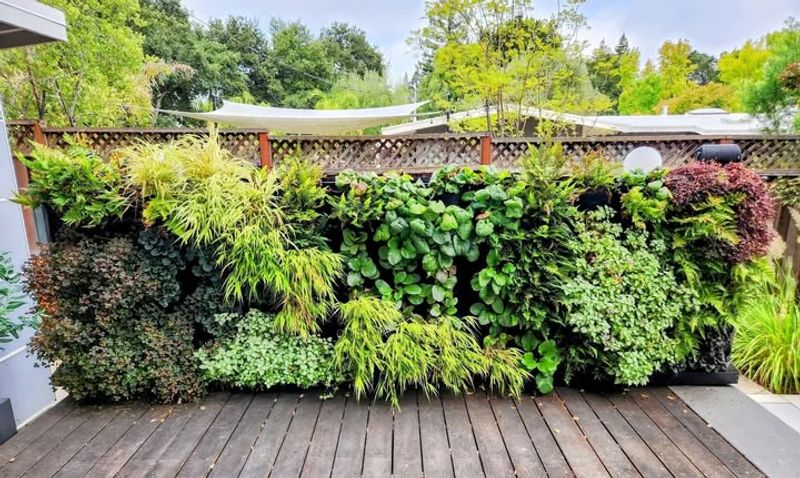
Vertical gardens on walls or fences support lettuces, herbs, and even small fruiting plants. These systems make use of sunny vertical surfaces in California’s urban spaces.
Creative gardeners turn blank walls into productive growing areas.
9. Plan Plant Placement Around Daily Use And Access
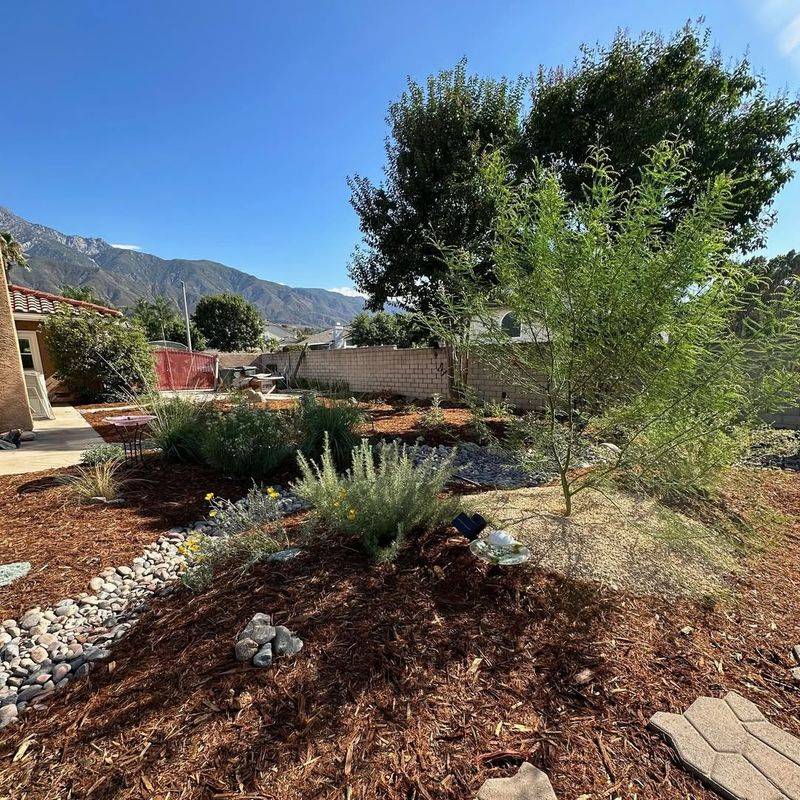
Frequently harvested herbs belong near the kitchen door where you’ll actually grab them while cooking. California gardeners snip basil, parsley, and chives multiple times weekly when they’re conveniently located.
Plants that get used regularly should be easy to reach.
Salad greens make sense in raised beds close to the house. You’ll pick fresh lettuce for dinner when the garden is just steps away.
California’s mild weather allows year-round salad harvests in many areas, making convenient placement even more valuable.
Fruit trees can go farther from the house since you harvest them less frequently. Place them where they’ll get proper sun and space to grow large.
California’s fruit season comes in concentrated periods, so daily access matters less.
Compost bins and tool storage should be central to all growing areas. Walking long distances with heavy buckets or tools gets old fast.
California gardeners position these utilities where they serve the whole garden efficiently.
Paths wide enough for wheelbarrows make maintenance easier throughout California’s growing seasons. Planning access routes before planting saves frustration later.
Good layout means you’ll actually enjoy tending your useful plants instead of finding excuses to avoid garden chores.