9 Gardening Tips That Make Cherry Tomatoes More Productive In Missouri
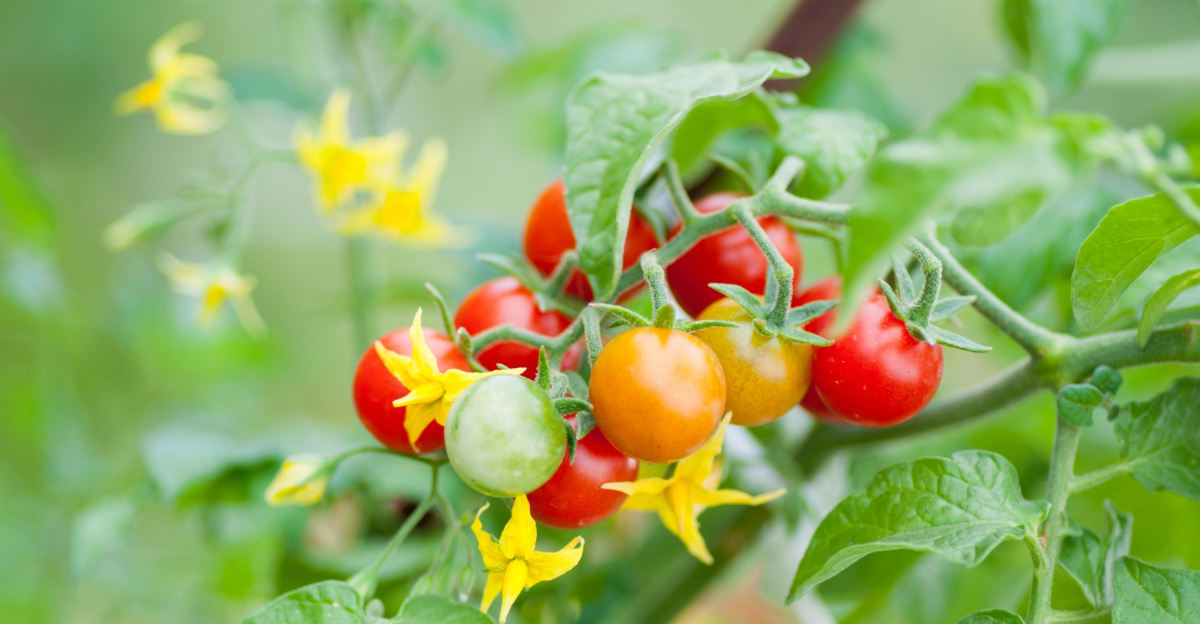
Cherry tomatoes grow easily in Missouri gardens, but turning healthy plants into heavy, reliable producers is where many gardeners quietly struggle.
Warm days, humid air, and sudden weather swings across Missouri can limit fruit production long before problems are obvious, even when plants look full and green.
Many gardeners end up with thick foliage and endless flowers, only to wonder why baskets stay half empty instead of overflowing.
The difference usually comes down to a few overlooked habits that shape growth from early summer onward, and when those details are off, productivity drops faster than expected.
Missouri’s climate rewards tomato plants that are managed with airflow, timing, and balance in mind rather than pushed with extra feeding or water.
What appears to be vigorous growth can actually signal stress that interferes with pollination and fruit development.
Small adjustments in care can shift plants from inconsistent output to steady, repeat harvests over the season.
When those changes start working together, cherry tomatoes begin ripening in waves instead of trickling in one by one. This is the moment when harvests finally match the effort put into growing them.
That shift is what separates a decent Missouri tomato season from one that feels truly abundant.
1. Choose Cherry Tomato Varieties That Handle Missouri Heat And Humidity
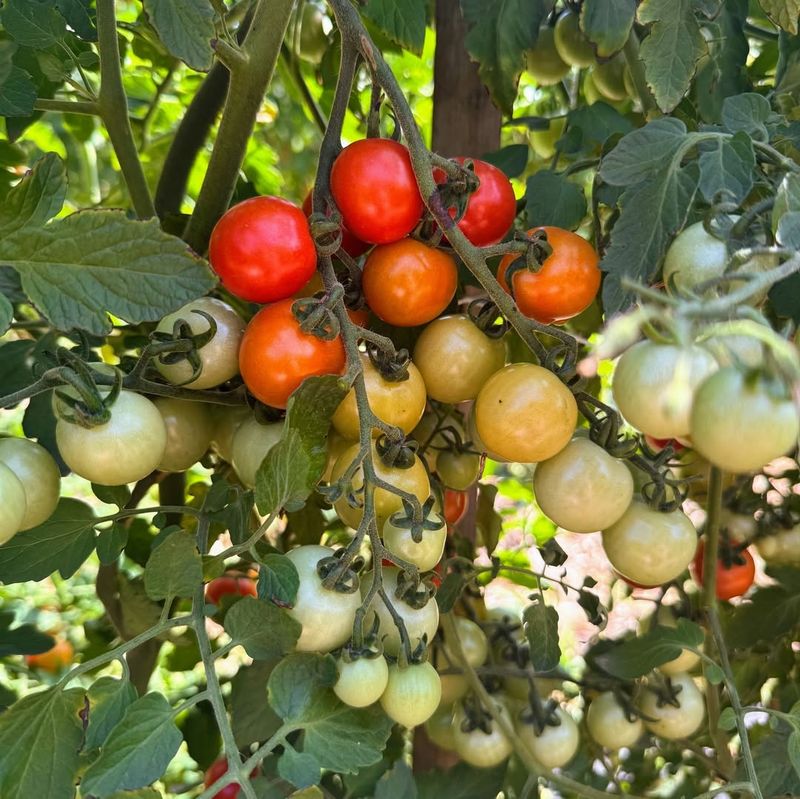
Not all tomato plants are built the same, and picking the right type can make a huge difference in how well your garden performs. Missouri summers bring a mix of scorching heat and sticky air that can stress out certain varieties and make them struggle to set fruit.
Choosing types bred to tolerate these conditions gives your plants a head start before you even put them in the ground.
Heat-tolerant varieties like Sun Gold, Sweet Million, and Juliet are popular choices for Missouri gardeners because they keep flowering and fruiting even when temperatures climb into the 90s. These plants handle the stress better and continue producing without slowing down too much.
You won’t have to worry as much about blossom drop, which happens when flowers fall off without forming tomatoes.
Disease resistance is another big factor to consider when shopping for seedlings or seeds. Missouri’s humid climate creates the perfect environment for fungal problems like early blight and septoria leaf spot.
Look for varieties labeled with resistance codes like V, F, or T on the seed packet, which means they can fight off common diseases more effectively.
Local nurseries often carry plants that do well in your area, so asking staff for recommendations can save you time and frustration. They know what grows best in Missouri soil and weather.
Starting with the right variety sets you up for success from day one.
2. Plant After Soil Warms To Avoid Early Stress
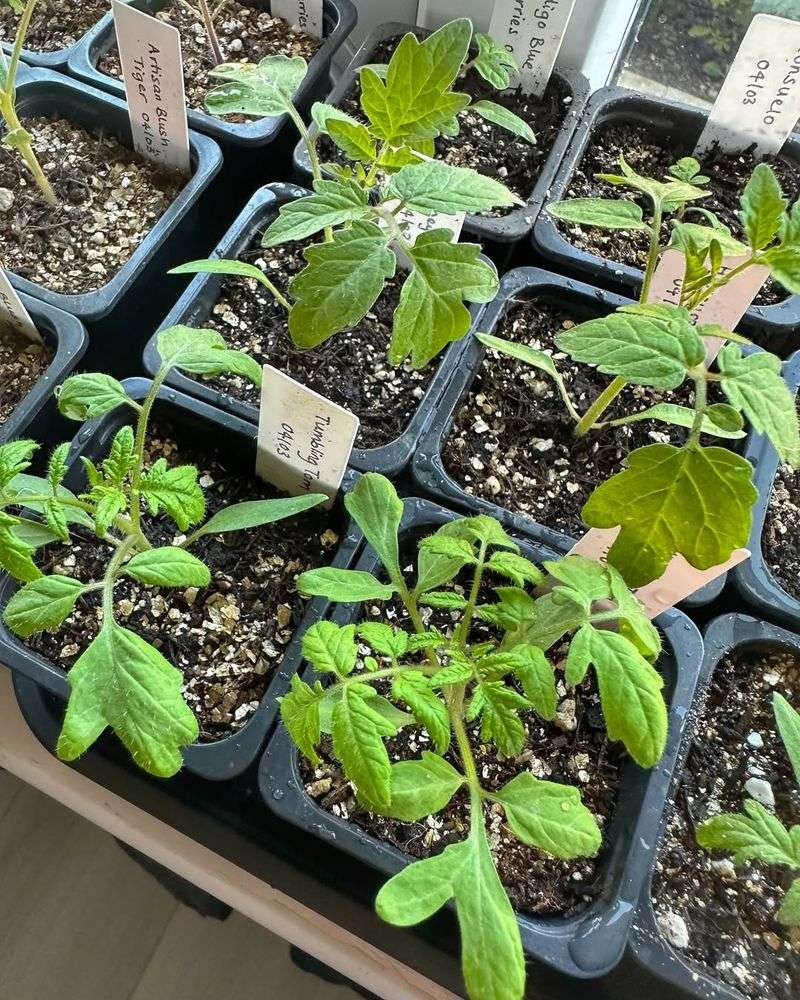
Timing your planting can be tricky in Missouri because spring weather swings from chilly to warm and back again in just a few days. Putting tomato plants in the ground too early, when the soil is still cold, can stunt their growth and make them more vulnerable to pests and diseases.
Your Missouri Garden Changes Every Week. Your Plan Should Too.
Gardening in Missouri changes quickly throughout the season. Every Friday you’ll receive a simple weekly plan showing exactly what to plant, prune, fertilize, harvest, and protect so you never miss the right timing.
Cold soil slows down root development, and stressed plants take longer to recover and start producing fruit.
Waiting until soil temperatures reach at least 60 degrees Fahrenheit gives your tomatoes the warm, welcoming environment they need to settle in quickly. You can check soil temperature with a simple thermometer from any garden center.
In most parts of Missouri, this usually happens around mid to late April, though southern areas might warm up a week or two earlier.
Transplanting on a cloudy day or in the evening helps reduce shock because plants won’t be hit with intense sun right away. This gives them time to adjust to their new home without wilting.
Water them in well after planting to help roots make contact with the surrounding soil.
If you’re eager to get started early, consider using black plastic mulch or row covers to warm the soil faster. These tools trap heat and create a microclimate that encourages quicker growth.
Just make sure to remove row covers once plants start flowering so pollinators can do their job.
3. Give Plants Full Sun Without Blocking Airflow
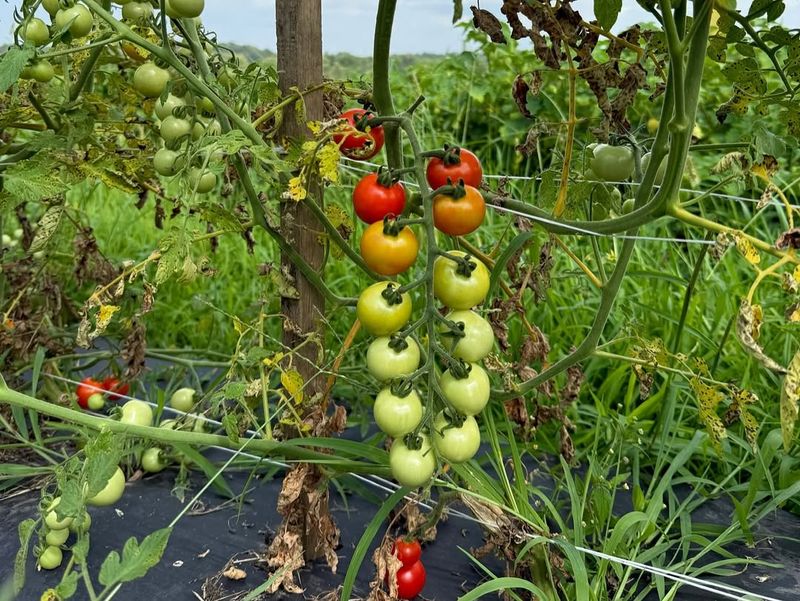
Cherry tomatoes are sun worshippers, and they need at least six to eight hours of direct sunlight each day to produce their best crop. In Missouri, finding a spot with plenty of light isn’t usually hard, but you also need to think about air movement around your plants.
Good airflow helps leaves dry faster after rain or morning dew, which reduces the chance of fungal diseases taking hold.
Planting in an open area away from fences, walls, or dense shrubs allows breezes to flow through the garden freely. This keeps humidity levels lower around the foliage and helps prevent problems like powdery mildew.
Crowding plants against structures or in corners can trap moisture and create a breeding ground for disease.
Avoid placing tomato cages or stakes too close together, as this can block air circulation even if the plants themselves are spaced properly. Leaving a little extra room between supports makes it easier for wind to reach every part of the plant.
You’ll also have an easier time reaching in to prune or harvest.
If your garden is surrounded by trees or buildings that create shade for part of the day, position your tomatoes on the south or west side where they’ll get the most intense light. Missouri’s summer sun is strong, so even a few hours of afternoon rays can make a big difference in fruit production and flavor.
4. Space Tomatoes Properly To Reduce Disease Pressure
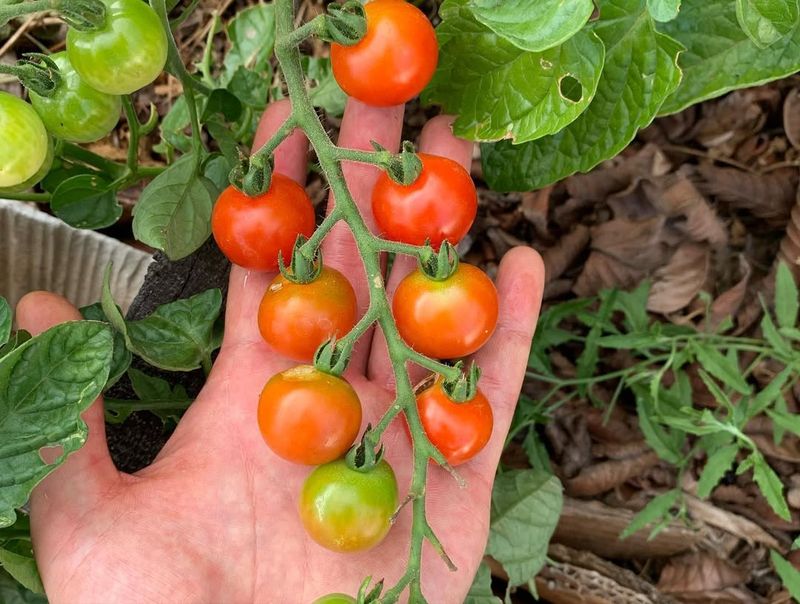
It’s tempting to pack as many plants as possible into your garden bed, especially when space is limited, but overcrowding cherry tomatoes almost always leads to trouble. When plants are too close together, their leaves touch and overlap, trapping moisture and creating the perfect conditions for fungal infections to spread.
Missouri’s humid summers make this problem even worse, so proper spacing is one of the easiest ways to keep your plants healthy.
Most cherry tomato varieties should be spaced at least 24 to 36 inches apart, depending on whether you’re using cages or stakes. Determinate types, which grow to a set height, can handle slightly closer spacing, while indeterminate varieties that keep growing all season need more room.
Check the seed packet or plant tag for specific recommendations.
Wider spacing also makes it easier to walk between plants for watering, pruning, and harvesting without damaging stems or knocking off fruit. You’ll have better access to inspect for pests like hornworms or aphids before they become a major problem.
Being able to see the whole plant clearly helps you catch issues early.
If you’re growing in containers, make sure each pot is big enough to support a mature plant without crowding. A five-gallon container is usually the minimum size for one cherry tomato plant.
Containers should also have drainage holes to prevent waterlogging, which can lead to root rot in Missouri’s rainy periods.
5. Water Deeply And Consistently Through Summer
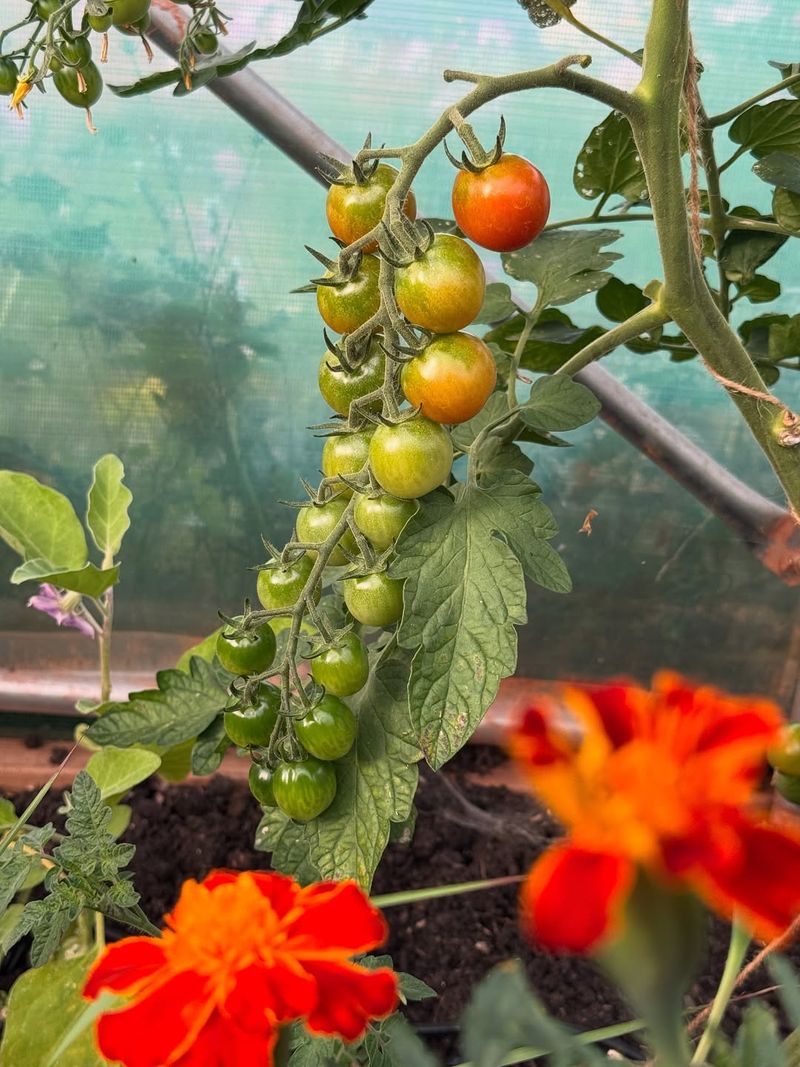
Cherry tomatoes need steady moisture to develop sweet, juicy fruit, but inconsistent watering can cause problems like cracking, blossom end rot, and poor flavor. Missouri summers can bring both droughts and sudden downpours, so keeping your watering schedule even is key to avoiding stress on your plants.
Deep watering encourages roots to grow down into the soil, making plants more resilient during dry spells.
Aim to give your tomatoes about one to two inches of water per week, either from rain or irrigation. Watering deeply once or twice a week is better than light daily sprinkling, which keeps roots near the surface.
Use a rain gauge or a simple container to measure how much water your garden is getting.
Drip irrigation or soaker hoses work great for tomatoes because they deliver water directly to the root zone without wetting the leaves. Wet foliage can encourage fungal diseases, especially in Missouri’s humid climate.
If you’re watering by hand, try to aim for the base of the plant rather than spraying from above.
Mulching around your plants helps the soil hold moisture longer, so you won’t need to water as often. It also keeps the soil temperature more stable, which roots appreciate during heat waves.
Just make sure the mulch doesn’t touch the stem directly, as this can invite pests and rot.
6. Mulch To Protect Roots From Temperature Swings
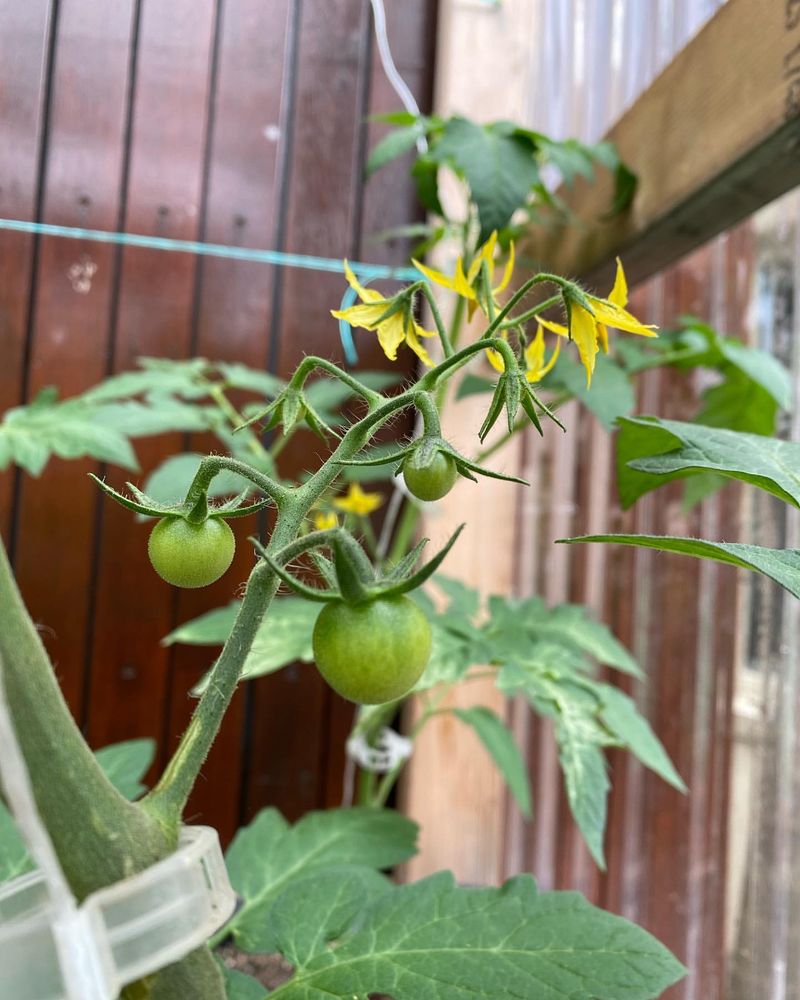
Missouri weather can be unpredictable, with cool mornings followed by blazing afternoons, and mulch acts like a blanket that keeps soil temperatures from bouncing around too much. Cherry tomato roots don’t like sudden changes in temperature, and mulch helps create a more stable environment underground.
This leads to healthier plants that can focus their energy on growing fruit instead of dealing with stress.
Organic mulches like straw, shredded leaves, or grass clippings work well because they break down over time and add nutrients back into the soil. Spread a layer about two to three inches thick around each plant, leaving a small gap around the stem to prevent rot.
As the mulch decomposes, it also improves soil structure and encourages beneficial microbes.
Mulch also helps suppress weeds, which compete with your tomatoes for water and nutrients. Fewer weeds mean less time spent pulling them and more time enjoying your garden.
It also reduces the need for herbicides, keeping your growing area more natural and chemical-free.
In addition to temperature control, mulch reduces soil splashing onto lower leaves during heavy rains, which is common in Missouri. Soil-borne diseases can spread to foliage this way, so keeping the ground covered adds another layer of protection.
Refresh your mulch layer as needed throughout the season to maintain its benefits.
7. Feed Lightly But Regularly Once Flowering Starts
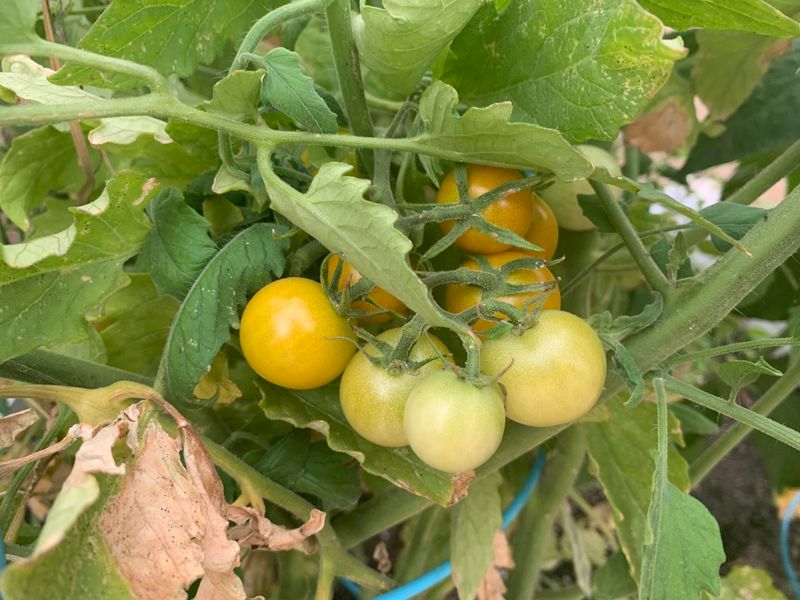
Cherry tomatoes are hungry plants once they start blooming, but overfeeding can cause more harm than good by encouraging leafy growth at the expense of fruit. Missouri soils vary widely, so testing your soil before planting helps you know what nutrients might be lacking.
Once flowers appear, a balanced fertilizer applied every two to three weeks keeps plants productive without overdoing it.
Look for fertilizers with a ratio like 5-10-10 or 10-10-10, which provide nitrogen, phosphorus, and potassium in balanced amounts. Phosphorus supports flower and fruit development, while potassium helps with overall plant health and disease resistance.
Too much nitrogen makes plants grow tall and green but can reduce fruit set.
Organic options like compost tea, fish emulsion, or worm castings work well and release nutrients slowly over time. These are gentle on plants and improve soil health as a bonus.
Liquid fertilizers can be mixed with water and applied during regular watering sessions, making feeding simple and efficient.
Avoid fertilizing during the hottest part of the day, as this can stress plants and cause leaf burn. Early morning or late evening applications are best.
If your plants start producing lots of foliage but few tomatoes, cut back on nitrogen and focus on phosphorus-rich feeds to shift energy toward fruiting.
8. Prune Strategically To Focus Energy On Fruit Production
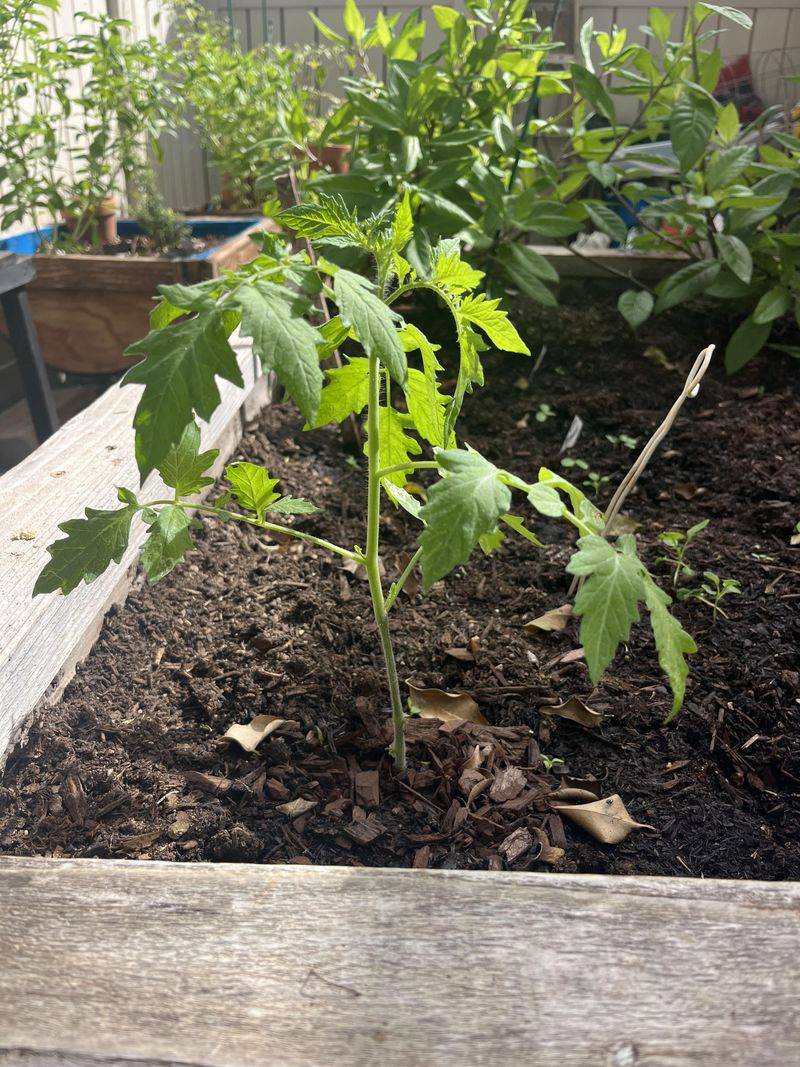
Pruning might seem intimidating, but removing a few stems and leaves can actually help your cherry tomatoes produce more fruit and ripen it faster. Indeterminate varieties, which keep growing all season, benefit the most from pruning because they can get overgrown and tangled if left unchecked.
Missouri’s long growing season gives these plants plenty of time to sprawl, so a little trimming keeps them manageable.
Start by removing suckers, which are the small shoots that grow in the joint between the main stem and a branch. These suckers take energy away from fruit production and can make the plant too bushy.
Pinch them off when they’re small, about two to four inches long, using your fingers or clean pruners.
Trimming lower leaves that touch the ground also helps prevent disease by improving airflow and reducing soil contact. Missouri’s frequent rains can splash dirt and pathogens onto foliage, so keeping the bottom of the plant clear is a smart move.
Just don’t remove too many leaves at once, as they’re still needed for photosynthesis.
As the season progresses, you can also top the plant by cutting off the growing tip a few weeks before the first expected frost. This encourages the plant to focus on ripening existing fruit instead of making new flowers.
Pruning shears should be sanitized between plants to avoid spreading disease.
9. Harvest Often To Keep Plants Producing Longer
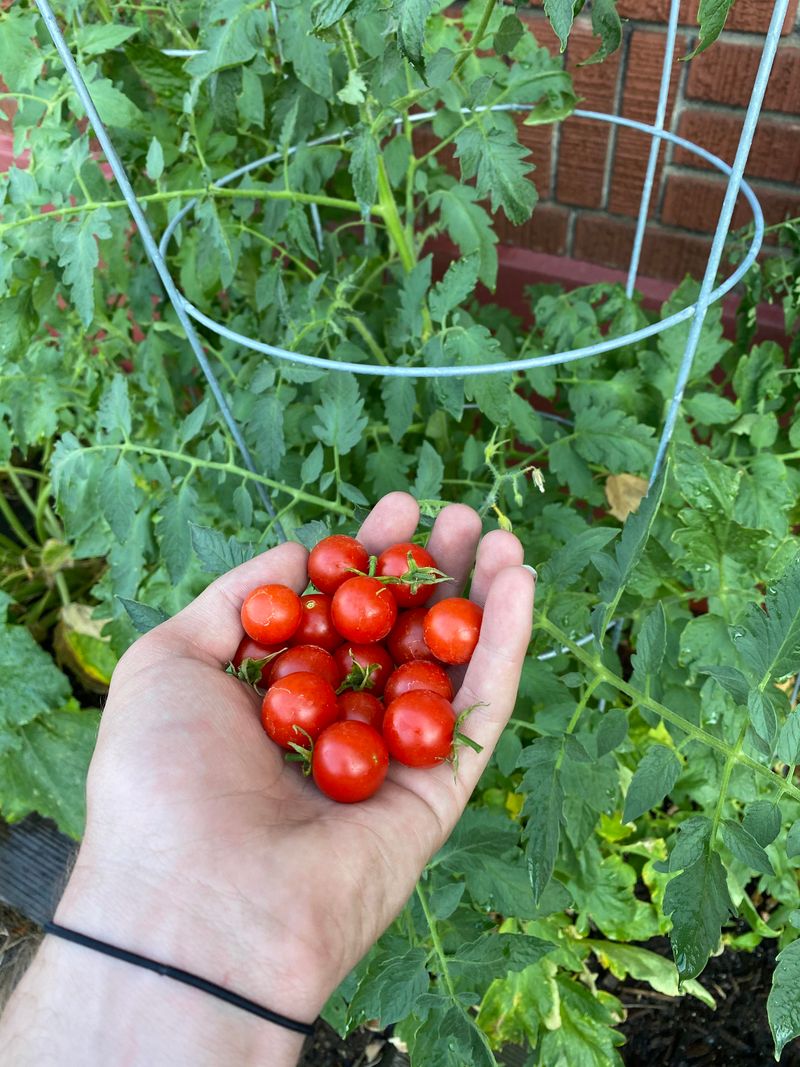
Picking ripe cherry tomatoes regularly sends a signal to the plant that it needs to keep making more fruit, which extends your harvest well into fall. Leaving overripe or rotting tomatoes on the vine can actually slow down production because the plant thinks its job is done.
Missouri gardeners who harvest every few days often see their plants stay productive much longer than those who wait to pick in bulk.
Cherry tomatoes ripen quickly once they start turning color, so check your plants at least two to three times a week during peak season. They’re ready to pick when they’re fully colored and come off the vine easily with a gentle twist.
If they resist, give them another day or two to ripen fully on the plant for the best flavor.
Harvesting in the morning after the dew has dried gives you the best-tasting fruit because sugars are most concentrated then. Avoid picking in the heat of the day, as tomatoes can be stressed and less flavorful.
Store your harvest at room temperature rather than in the fridge to preserve taste and texture.
Keep an eye out for cracked or damaged fruit and remove it right away, even if it’s not fully ripe. Damaged tomatoes attract pests and can spread disease to healthy fruit.
By staying on top of your harvest, you’ll enjoy fresh cherry tomatoes from your Missouri garden for months instead of just a few weeks.