7 Mistakes New Jersey Gardeners Make When Growing Basil
Growing basil in New Jersey sounds simple, but many gardeners end up disappointed with weak plants and small harvests. Weather swings, heavy soil, and timing mistakes can quietly ruin your results.
Your basil might be struggling for reasons you never expected. From planting too early to watering the wrong way, small errors can make a big difference.
Stop wasting time on basil that barely grows. With a few smart changes, you can turn thin stems into full, fragrant plants.
Grow basil that smells better, tastes better, and lasts longer. Fresh basil should be easy, not frustrating.
When you learn what commonly goes wrong and how to fix it, growing basil in New Jersey becomes more predictable, more productive, and far more rewarding for any home gardener.
1. Planting Too Early In The Season
Basil is a warm-weather herb that absolutely despises cold temperatures, yet many New Jersey gardeners rush to plant it as soon as the calendar flips to spring. This enthusiasm often backfires because basil seedlings are extremely sensitive to chilly nights and cold soil.
When temperatures drop below 50 degrees Fahrenheit, basil plants experience shock that stunts their growth and can damage their leaves permanently.
New Jersey’s last frost date typically falls between mid-April and early May, depending on your specific location within the state. However, even after the last frost passes, nighttime temperatures can still dip low enough to stress basil plants.
The soil temperature is equally important and should reach at least 60 degrees Fahrenheit before you transplant seedlings outdoors.
Gardeners in northern New Jersey counties like Sussex and Warren should wait until late May or even early June to plant basil outdoors. Those in southern areas near the shore might get away with planting a week or two earlier, but patience is still essential.
If you’re eager to get started, consider starting seeds indoors about six weeks before your planned outdoor planting date.
Watch the weather forecast carefully before planting, and don’t just focus on daytime highs. Those cool spring nights can set your basil back for weeks, reducing your overall harvest.
A simple rule of thumb: if you’re still wearing a jacket in the evening, your basil probably isn’t ready to go outside. Waiting for consistently warm weather will reward you with vigorous plants that grow quickly and produce abundantly throughout the summer months.
2. Overwatering Or Underwatering
Finding the right watering balance for basil can feel like walking a tightrope, and it’s one of the most common mistakes gardeners across New Jersey make. Basil plants need consistently moist soil, but they absolutely cannot tolerate sitting in waterlogged conditions.
Overwatering leads to root rot, yellowing leaves, and fungal diseases that can quickly destroy an entire plant.
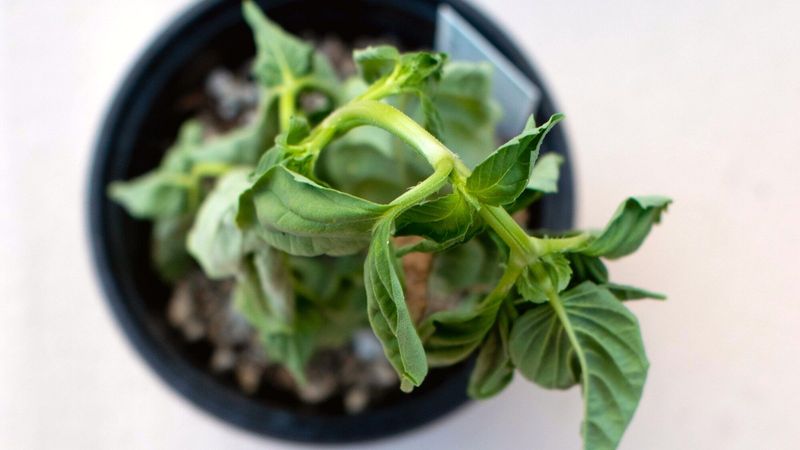
On the flip side, allowing basil to dry out completely causes the leaves to wilt, become bitter, and lose their aromatic oils. New Jersey’s summer heat, especially during July and August, can dry out soil surprisingly fast, particularly in containers or raised beds.
Your New Jersey Garden Changes Every Week. Your Plan Should Too.
Gardening in New Jersey changes quickly throughout the season. Every Friday you’ll receive a simple weekly plan showing exactly what to plant, prune, fertilize, harvest, and protect so you never miss the right timing.
Many gardeners water on a schedule rather than checking the soil, which leads to either too much or too little moisture.
The best approach is to check the soil before watering by sticking your finger about an inch below the surface. If it feels dry at that depth, it’s time to water.
If it still feels moist, wait another day. Container-grown basil typically needs daily watering during hot weather, while garden beds might only need watering every few days.
When you do water, do it thoroughly until water drains from the bottom of containers or penetrates several inches into garden soil. Shallow, frequent watering encourages shallow root systems that make plants more vulnerable to drought stress.
Morning watering is ideal because it allows foliage to dry during the day, reducing the risk of fungal diseases. In humid New Jersey summers, wet leaves combined with warm temperatures create perfect conditions for problems like downy mildew and leaf spot.
3. Not Providing Enough Sunlight
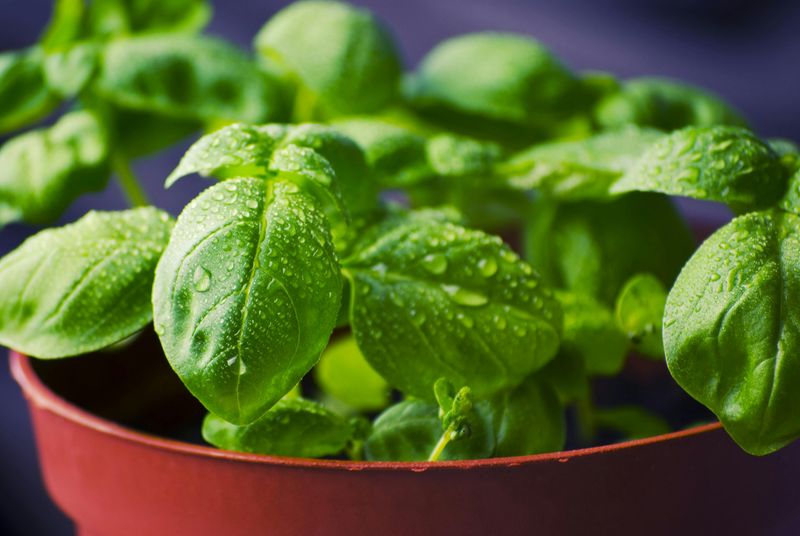
Sunlight is absolutely essential for basil to develop its signature flavor and grow into a bushy, productive plant. Many New Jersey gardeners make the mistake of planting basil in partially shaded spots, thinking that some afternoon shade will help during hot summer days.
While this seems logical, basil actually thrives in full sun and needs at least six to eight hours of direct sunlight daily to perform at its best.
Plants grown in insufficient light become leggy and weak, stretching toward whatever light they can find. The leaves remain small, pale, and lack the intense flavor that makes basil such a beloved herb.
You might notice that your shaded basil grows tall but produces few leaves, which defeats the entire purpose of growing this culinary herb.
In New Jersey, south-facing locations receive the most consistent sunlight throughout the day, making them ideal spots for basil. East-facing areas work well too, especially in southern parts of the state where afternoon sun can be intense.
West-facing spots can work, but be mindful of buildings, fences, or trees that might cast shadows during crucial morning hours.
If you’re growing basil in containers, you have the advantage of mobility. You can move pots to follow the sun or relocate them if you notice they’re not getting enough light.
Balcony and patio gardeners should observe their space throughout the day to identify the sunniest spots. Even in the hottest parts of a New Jersey summer, basil rarely suffers from too much sun as long as it receives adequate water.
Strong sunlight encourages the production of essential oils that give basil its distinctive aroma and taste.
4. Failing To Pinch Back And Prune Regularly
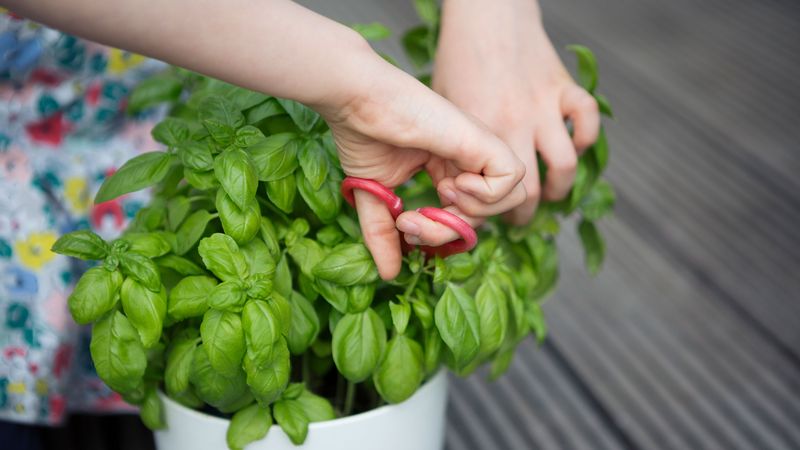
One of the biggest secrets to growing abundant basil is regular pinching and pruning, yet countless New Jersey gardeners let their plants grow unchecked until they bolt and flower.
When basil is allowed to grow straight up without pruning, it produces fewer leaves and quickly shifts its energy toward flowering and seed production. Once this happens, the leaves become smaller, tougher, and more bitter.
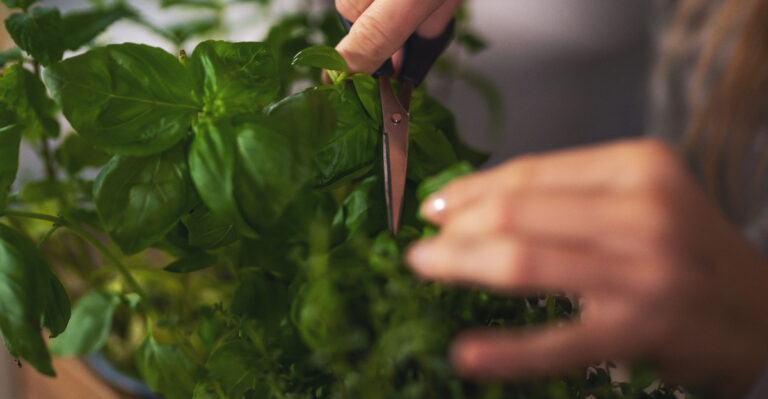
Pinching should start when your basil plant reaches about six inches tall and has at least three sets of leaves. Simply pinch or cut off the top growth just above a set of leaves.
This encourages the plant to branch out sideways, creating a bushier shape with more stems and ultimately more leaves to harvest.
Continue this practice every week or two throughout the growing season. Whenever you see flower buds forming at the top of stems, pinch them off immediately.
Those flowers might look pretty, but they signal the beginning of the end for leaf production. Regular harvesting serves the same purpose as pinching and actually encourages more growth.
Many gardeners worry that cutting their basil will harm it, but the opposite is true. Basil responds to pruning by producing more stems and leaves, giving you a bigger harvest over time.
When you harvest, always cut stems rather than picking individual leaves, and cut just above a leaf node where you can see small leaves emerging. This technique works beautifully in New Jersey’s long growing season, which typically runs from late May through September.
A well-pruned basil plant can produce for months, while an unpruned plant might only give you a few weeks of good harvests before declining.
5. Using Poor Quality Or Wrong Type Of Soil
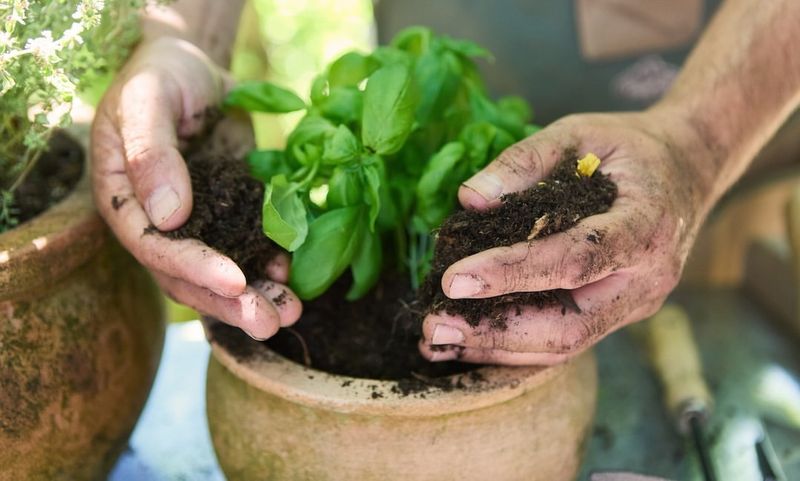
Soil quality makes an enormous difference in how well basil grows, but many New Jersey gardeners overlook this fundamental factor. Basil needs well-draining soil that’s rich in organic matter, with a slightly acidic to neutral pH between 6.0 and 7.0.
Heavy clay soils, which are common in many parts of New Jersey, hold too much water and don’t provide the drainage basil requires.
When basil sits in dense, poorly draining soil, its roots can’t access the oxygen they need, leading to root rot and stunted growth. The plants may appear yellowish and weak, never reaching their full potential no matter how much you water or fertilize them.
Sandy soils present the opposite problem, draining too quickly and failing to retain the moisture and nutrients basil needs.
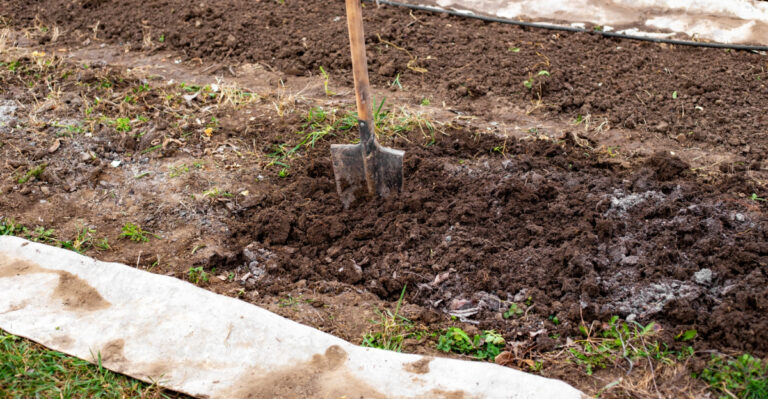
The solution is to amend your soil before planting. Mix in generous amounts of compost, well-rotted manure, or other organic matter to improve both drainage and fertility.
For clay soils, adding coarse sand or perlite along with organic matter helps create better structure. Raised beds filled with a quality soil mix work wonderfully for basil in New Jersey, giving you complete control over growing conditions.
Container gardeners should use a high-quality potting mix rather than garden soil, which becomes compacted in pots. Look for mixes that contain perlite or vermiculite for drainage, along with peat moss or coconut coir to retain moisture.
Adding some compost to potting mix provides extra nutrients that basil loves. Avoid using soil from your yard in containers, as it’s too heavy and may contain weed seeds or disease organisms.
Investing in good soil pays off with healthier, more productive basil plants throughout New Jersey’s growing season.
6. Ignoring Pests And Diseases
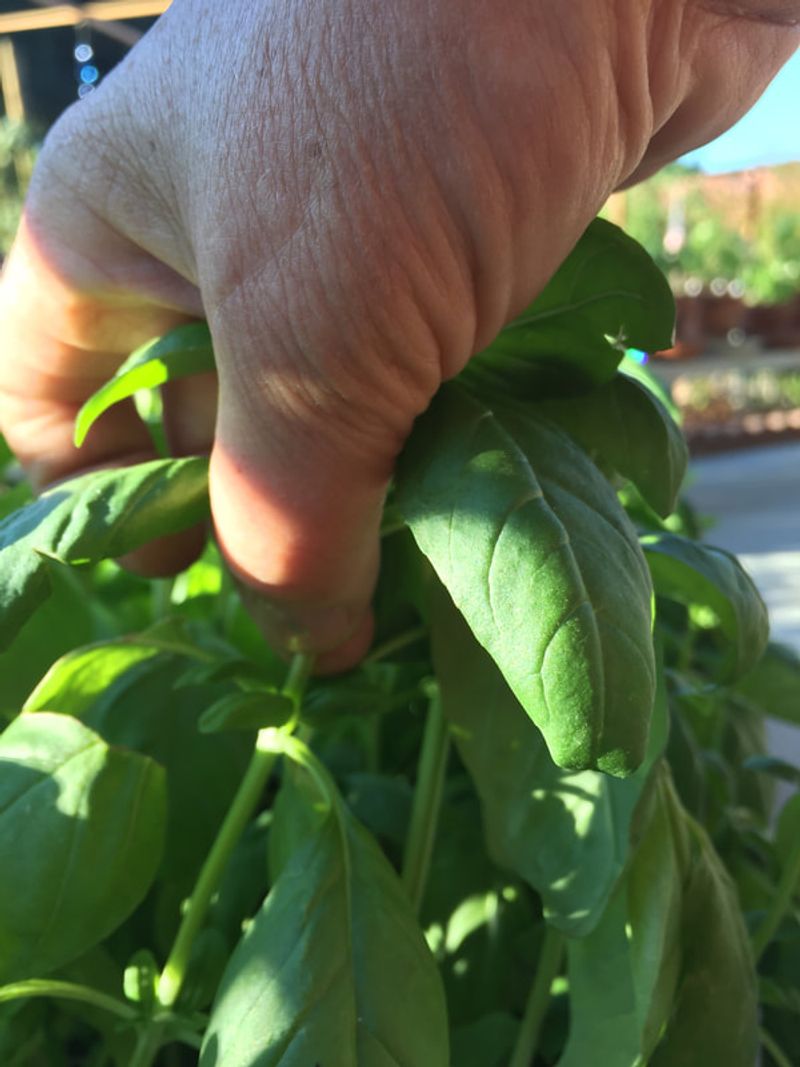
Basil can fall victim to various pests and diseases in New Jersey’s humid summer climate, and ignoring early warning signs often leads to complete crop failure. Japanese beetles, aphids, slugs, and whiteflies all find basil leaves delicious and can quickly decimate plants if left unchecked.
Fungal diseases like downy mildew and fusarium wilt thrive in the warm, humid conditions that characterize New Jersey summers.
Many gardeners don’t inspect their basil regularly and only notice problems when significant damage has already occurred.
By the time you see large holes in leaves or widespread yellowing, pests have likely been feeding for days or weeks. Early detection is crucial for managing these problems before they spiral out of control.
Make it a habit to check your basil plants every few days, looking at both the tops and undersides of leaves. Aphids cluster on new growth and leaf undersides, while Japanese beetles leave distinctive skeletonized leaves.
Slugs and snails leave slime trails and feed at night, so you might only see the damage during the day. Downy mildew appears as yellowing leaves with fuzzy gray growth underneath.
When you spot pests, start with the gentlest control methods first. Hand-picking works well for Japanese beetles and larger caterpillars.
A strong spray of water dislodges aphids and whiteflies. For persistent problems, insecticidal soap or neem oil provides effective organic control.
Proper spacing between plants improves air circulation and reduces fungal disease risk. Avoid overhead watering, especially in the evening, as wet foliage overnight invites disease problems.
Growing basil in New Jersey requires vigilance, but catching problems early makes them much easier to manage without resorting to harsh chemicals that might affect the flavor of your harvest.
7. Planting In Containers That Are Too Small
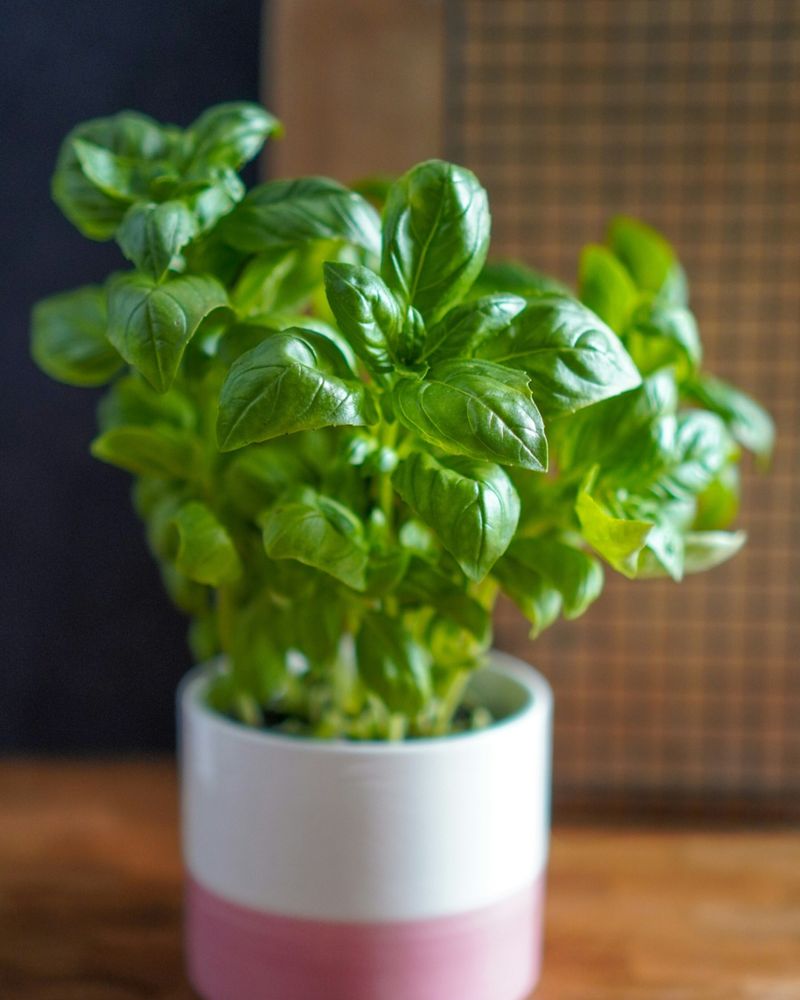
Container gardening is incredibly popular throughout New Jersey, especially in urban areas and apartments, but choosing pots that are too small severely limits basil growth.
Basil develops an extensive root system that needs room to spread, and when roots become cramped, the entire plant suffers.
Small containers dry out rapidly during hot weather, requiring multiple waterings per day, and they simply don’t hold enough soil to provide adequate nutrients.
A single basil plant needs a container that’s at least 8 to 10 inches in diameter and equally deep. Larger pots are even better, allowing you to grow multiple plants together or giving a single plant room to become truly bushy and productive.
Shallow pots might seem sufficient, but basil roots grow downward as well as outward, and restricted root growth translates directly to reduced leaf production.
Small containers also heat up quickly in direct sunlight, which can stress roots and dry out soil in just a few hours on a hot New Jersey summer day. This creates a cycle where you’re constantly watering but the plant never seems to thrive.
Larger pots moderate temperature swings better and maintain more consistent moisture levels, making your job easier and your basil healthier.
When selecting containers, ensure they have drainage holes in the bottom. Even the best soil becomes waterlogged without proper drainage, leading to root problems.
Terra cotta pots are attractive and breathable but dry out faster than plastic or glazed ceramic pots. Consider this when choosing materials, especially if you travel frequently or can’t water daily.
For balcony and patio gardeners across New Jersey, investing in appropriately sized containers is one of the simplest ways to ensure basil success and enjoy fresh herbs all summer long.