10 Indoor Plants For Asthma-Friendly Homes In New York
Living with asthma in New York means paying close attention to indoor air quality, especially during long months spent inside. The good news is that the right houseplants can help create a cleaner and more comfortable living space.
Breathe easier with plants that support healthier indoor air. Some indoor plants naturally filter pollutants and add moisture to dry air, which can make breathing feel easier.
Turn your home into a calmer, fresher environment. Choosing the right plants also helps reduce dust buildup and improves overall comfort.
Small plant choices can make a big difference for your lungs. Create a home that feels better to breathe in every day.
With smart plant selection and simple care habits, New York homes can become healthier, greener, and more supportive for people managing asthma.
1. Snake Plant
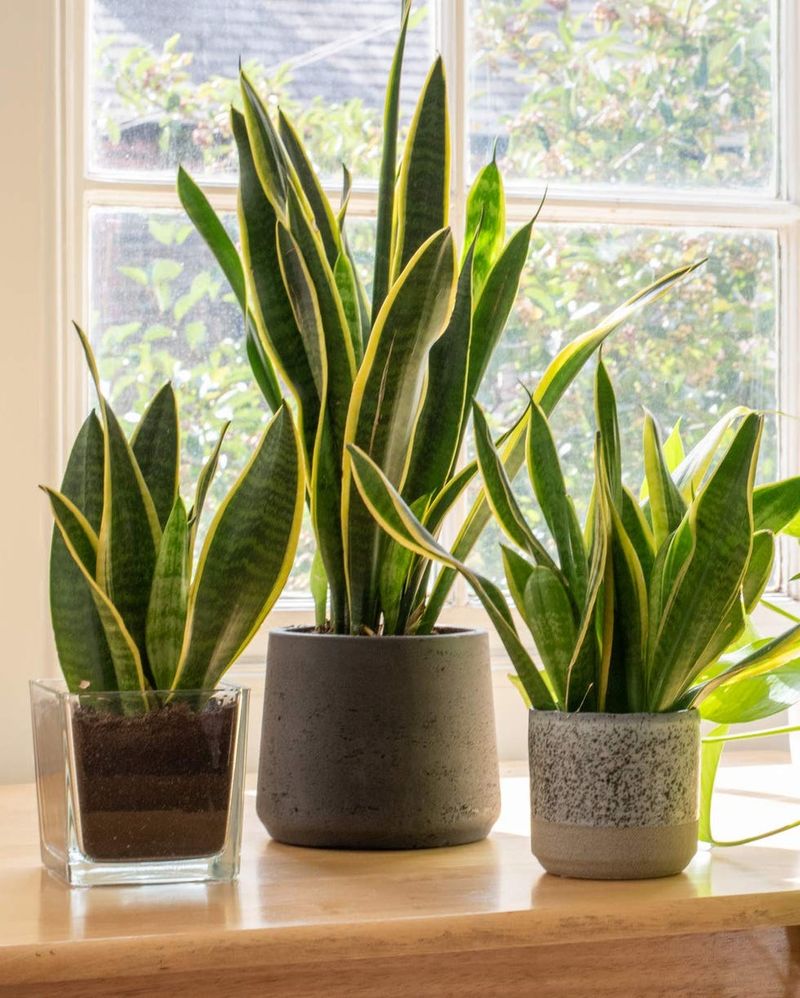
Snake plants have earned their reputation as one of the toughest houseplants you can own, making them perfect for busy New Yorkers who want cleaner air without constant care. These striking plants feature tall, upright leaves with beautiful green and yellow patterns that add a modern touch to any room.
What makes them exceptional for asthma sufferers is their ability to release oxygen at night, unlike most plants that only do this during the day.
This unique characteristic means your bedroom air stays fresher while you sleep, which can help reduce nighttime breathing difficulties.
Snake plants also excel at filtering out formaldehyde, benzene, and other nasty chemicals commonly found in household products and building materials throughout New York apartments.
They thrive in low light conditions, which is ideal for city dwellings that might not get much natural sunlight.
Watering them is incredibly simple because they actually prefer to dry out completely between waterings, making them nearly impossible to mess up. Their leaves don’t produce pollen or release irritating fragrances, so they won’t trigger asthma symptoms or allergic reactions.
You can place them in your living room, bedroom, or even your bathroom, and they’ll continue purifying your air with minimal effort. For New York residents dealing with asthma, snake plants offer a reliable, low-maintenance solution for improving indoor air quality year-round.
2. Spider Plant
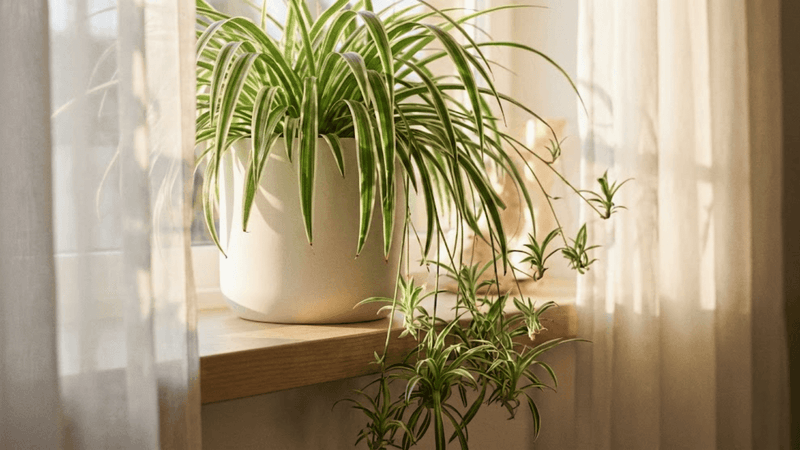
Few houseplants are as forgiving and beneficial as the spider plant, which has been a favorite among plant lovers for generations. With its arching green and white striped leaves that cascade gracefully from hanging baskets or pots, it brings a cheerful, lively energy to any New York home.
Spider plants are champions at removing carbon monoxide, formaldehyde, and xylene from indoor air, making them especially valuable in urban environments where these pollutants are more common.
Their air-cleaning abilities have been recognized by NASA research, which studied plants for use in space stations. For asthma sufferers in New York, this means breathing easier without worrying about pollen or strong scents that some flowering plants produce.
Spider plants are also incredibly easy to propagate, as they naturally grow baby plantlets that dangle from long stems.
You can snip these babies off and pot them to create new plants for other rooms or to share with friends throughout the city. They adapt well to various lighting conditions, though they prefer bright, indirect light near a window.
Your New York Garden Changes Every Week. Your Plan Should Too.
Gardening in New York changes quickly throughout the season. Every Friday you’ll receive a simple weekly plan showing exactly what to plant, prune, fertilize, harvest, and protect so you never miss the right timing.
Watering is straightforward since they like their soil to dry out slightly between waterings, preventing root problems that plague fussier plants.
Their non-toxic nature makes them safe around pets and children, adding another layer of peace of mind for families dealing with respiratory concerns in cramped city living spaces.
3. Peace Lily
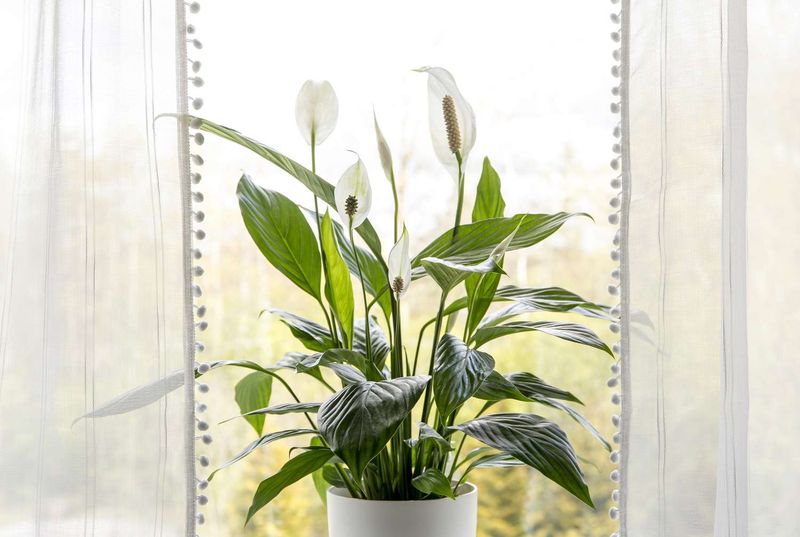
Peace lilies bring an elegant beauty to your home while working overtime to clean the air you breathe every single day. Their glossy, dark green leaves and stunning white flowers create a calming presence in any room, from a Manhattan studio to a Queens family home.
What sets peace lilies apart is their remarkable ability to remove mold spores from the air, which is particularly important for asthma sufferers in humid New York summers.
They also filter out ammonia, benzene, formaldehyde, and trichloroethylene, all common indoor air pollutants found in cleaning products and furniture.
Peace lilies are fantastic at signaling when they need water because their leaves will droop slightly, then perk right back up after a good drink. This makes them surprisingly easy to care for, even if you’re not experienced with houseplants.
They prefer low to medium light, so they’ll do well in rooms without direct sunlight, which is common in many New York apartments with limited window exposure.
One important note is that peace lilies do produce flowers, but these are not high-pollen producers and rarely trigger allergic reactions.
Their ability to increase humidity levels naturally can also help soothe irritated airways and dry nasal passages during winter months when indoor heating dries out the air throughout the city.
4. Boston Fern
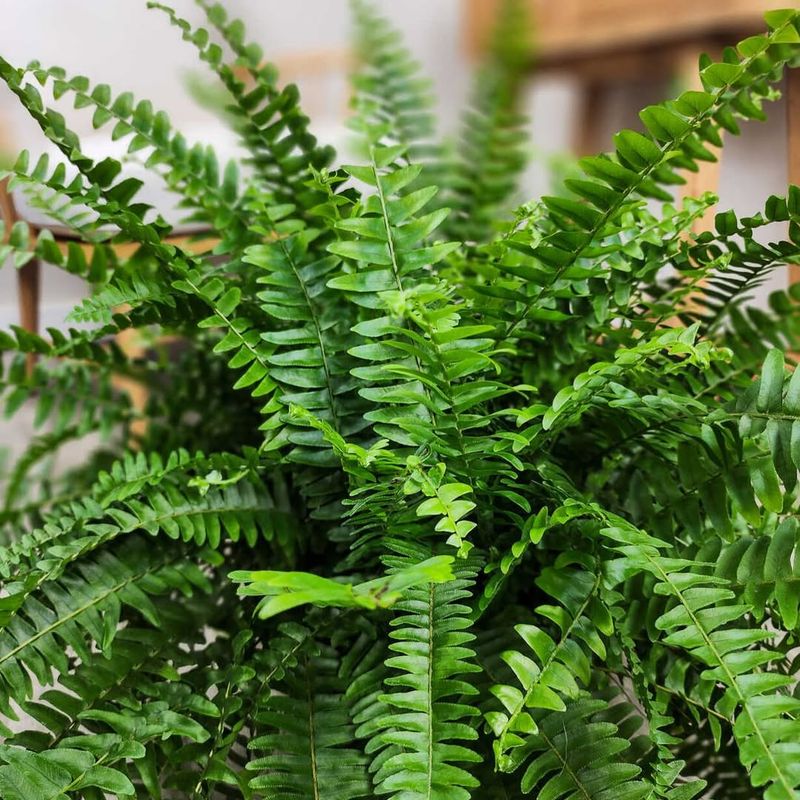
Boston ferns are like nature’s own humidifiers, adding much-needed moisture to dry indoor air while simultaneously removing toxins that can irritate sensitive lungs.
Their feathery, bright green fronds create a lush, tropical feel that can transform even the smallest New York apartment into a refreshing oasis.
These plants are particularly effective at filtering formaldehyde, a chemical commonly released from pressed wood furniture, carpets, and building materials found throughout the city.
For people with asthma, the humidity that Boston ferns naturally release can help keep airways moist and reduce irritation caused by dry air, especially during harsh New York winters.
They do require a bit more attention than some other plants on this list, as they prefer consistently moist soil and higher humidity levels.
Misting them regularly or placing them on a pebble tray with water can help maintain the moisture they crave.
Boston ferns thrive in bright, indirect light and appreciate being placed near a bathroom or kitchen where humidity levels are naturally higher. Their non-toxic nature makes them safe for homes with curious pets and children.
While they might shed a few fronds occasionally, they don’t produce pollen or release any fragrances that could trigger asthma symptoms. For New York residents willing to give them a little extra care, Boston ferns offer significant air-quality benefits and a beautiful, natural aesthetic.
5. Aloe Vera
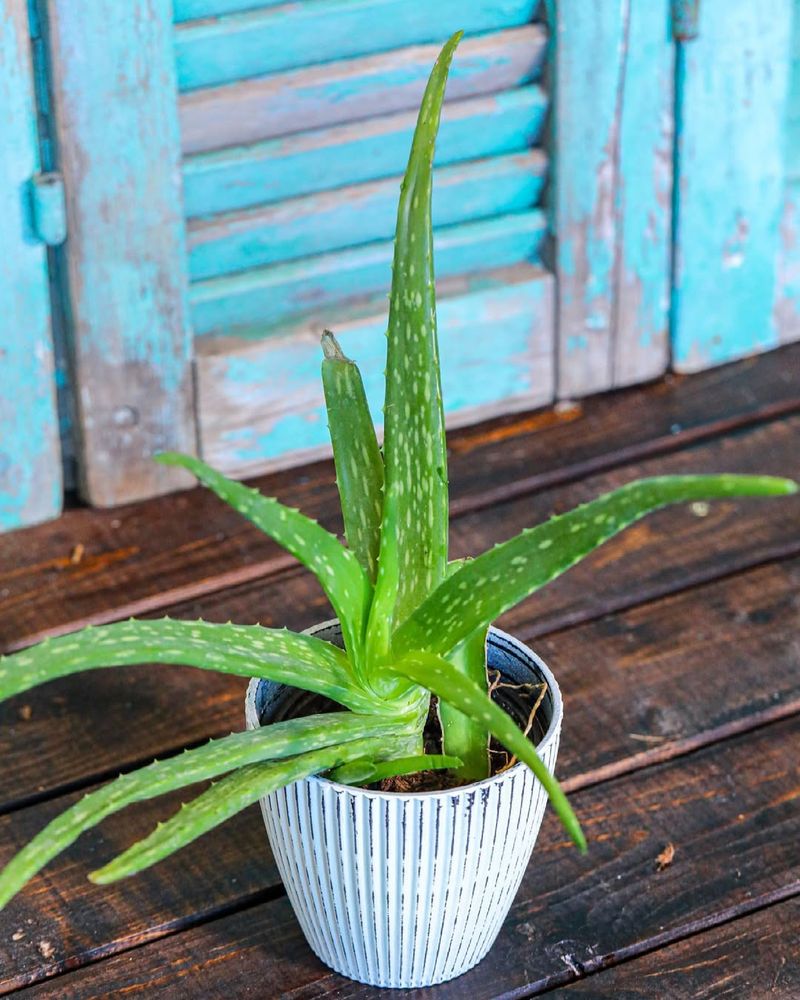
Aloe vera is more than just a pretty succulent; it’s a powerhouse plant that offers both air-purifying benefits and practical medicinal uses for New York households. Its thick, fleshy leaves store water and contain a soothing gel that can be applied to minor burns, cuts, and skin irritations.
When it comes to air quality, aloe vera works diligently to remove formaldehyde and benzene, two common pollutants found in paints, detergents, and other household products used throughout the city.
Asthma sufferers appreciate aloe vera because it doesn’t produce pollen or release any scents that might trigger breathing difficulties.
This plant is incredibly low-maintenance, requiring watering only when the soil has completely dried out, which typically means every two to three weeks.
Aloe vera loves bright, indirect sunlight, making it perfect for a sunny windowsill in your New York apartment.
During winter months, it needs even less water, making it ideal for people who travel frequently or have busy schedules. The plant’s compact size means it fits easily on desks, shelves, or countertops without taking up too much space.
Another bonus is that aloe vera is easy to propagate, as it produces small offsets or pups that can be separated and potted individually. For city dwellers managing asthma, aloe vera provides a practical, attractive, and health-supporting addition to indoor spaces.
6. Rubber Plant
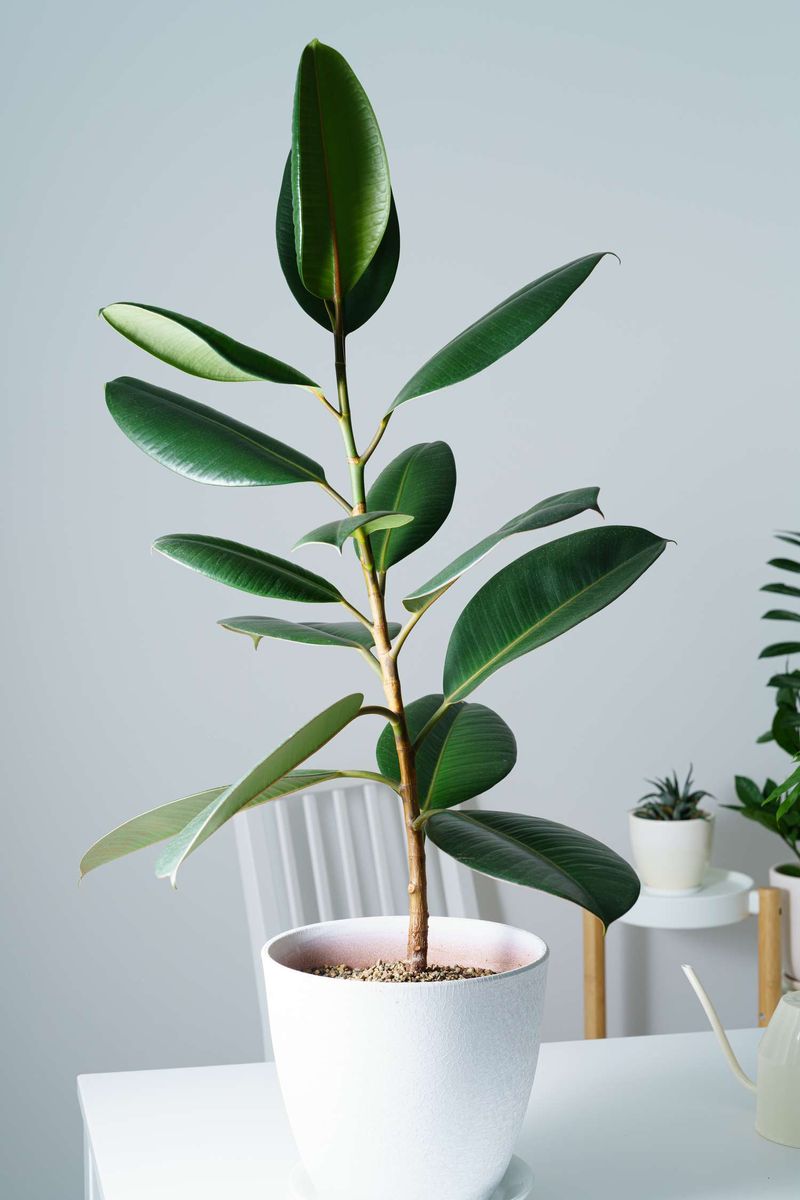
Rubber plants command attention with their large, glossy leaves that can range from deep green to burgundy, adding a bold statement to any New York home.
These plants are exceptional air purifiers, particularly skilled at removing formaldehyde from indoor environments where it’s released by furniture, flooring, and various household products.
Their impressive foliage doesn’t just look good; it actively works to improve the air quality that asthma sufferers breathe every day.
Rubber plants are surprisingly easy to care for despite their dramatic appearance, requiring only moderate light and watering when the top inch of soil feels dry.
They can tolerate lower light conditions found in many New York apartments, though they’ll grow more vigorously with brighter, indirect light.
One interesting fact about rubber plants is that they naturally grow tall, but you can prune them to maintain a bushier, more compact shape that fits your space better.
They don’t produce pollen or strong fragrances, making them safe choices for people with respiratory sensitivities. The thick, waxy leaves are also easy to clean with a damp cloth, which helps the plant photosynthesize more efficiently and keeps dust from accumulating.
For New Yorkers looking to make a design statement while improving indoor air quality, rubber plants offer both aesthetic appeal and practical health benefits in one impressive package.
7. Bamboo Palm
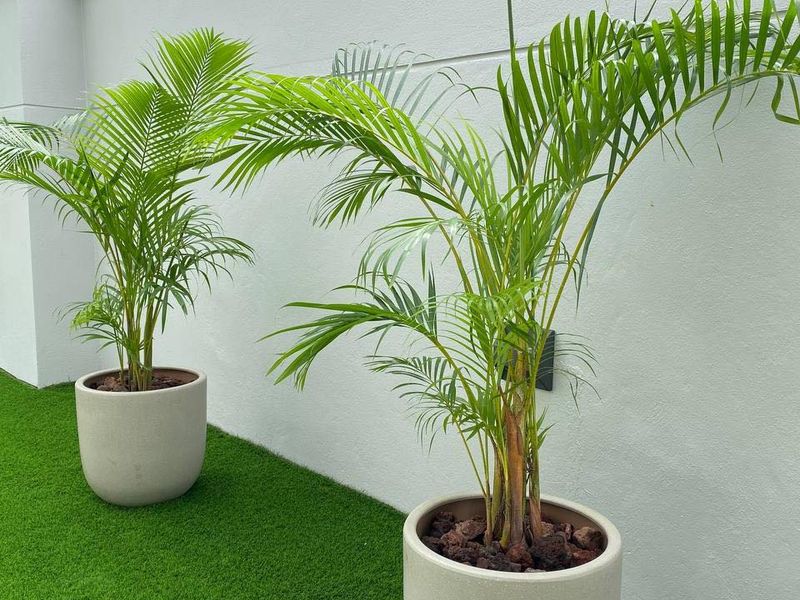
Bamboo palms transport you to a tropical paradise while silently filtering harmful chemicals from the air in your New York home. Their graceful, arching fronds and slender stems create a relaxing, resort-like atmosphere that helps reduce stress and improve overall wellbeing.
These palms are particularly effective at removing benzene, formaldehyde, and trichloroethylene, all common indoor air pollutants that can aggravate asthma symptoms.
What makes bamboo palms especially valuable for respiratory health is their ability to add moisture to dry indoor air, which helps keep airways hydrated and comfortable.
During New York’s cold winters when heating systems dry out indoor environments, this natural humidifying effect becomes even more important.
Bamboo palms prefer bright, indirect light but can adapt to lower light conditions, making them versatile for various room placements throughout your apartment or house.
They like their soil to stay slightly moist but not waterlogged, so regular but moderate watering is key to keeping them healthy. These palms can grow quite tall, reaching up to six feet indoors, so they work well as floor plants that fill empty corners or frame furniture.
They don’t produce pollen or release any irritating fragrances, making them safe for asthma-friendly homes. For New York residents seeking a larger statement plant that delivers serious air-cleaning benefits, bamboo palms are an excellent, attractive choice.
8. Dracaena
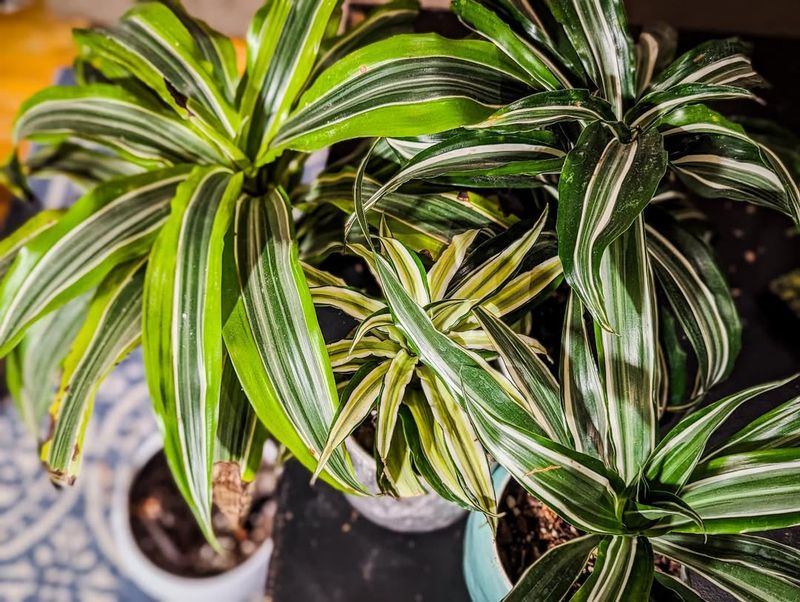
Dracaena plants come in many varieties, each offering unique patterns and colors that can complement any decorating style in your New York home.
From the striped leaves of Dracaena marginata to the broader foliage of Dracaena fragrans, these plants are workhorses when it comes to removing toxins like benzene, formaldehyde, trichloroethylene, and xylene from indoor air.
Their ability to tackle multiple pollutants at once makes them particularly valuable for asthma sufferers living in urban environments where air quality can be compromised.
Dracaenas are incredibly forgiving plants that can tolerate neglect better than many other houseplants, making them perfect for busy city dwellers.
They prefer moderate to bright indirect light but can survive in lower light conditions, though their growth may slow down. Watering is simple: let the soil dry out between waterings, and they’ll be perfectly happy.
These plants don’t produce pollen or strong scents, so they won’t trigger respiratory issues or allergic reactions. Some dracaena varieties can grow quite tall, eventually reaching several feet in height, which makes them excellent floor plants that add vertical interest to your space.
Their long, slender leaves create an elegant, architectural look that works well in modern or traditional interiors throughout New York. For people managing asthma, dracaenas offer reliable air purification with minimal maintenance requirements.
9. English Ivy
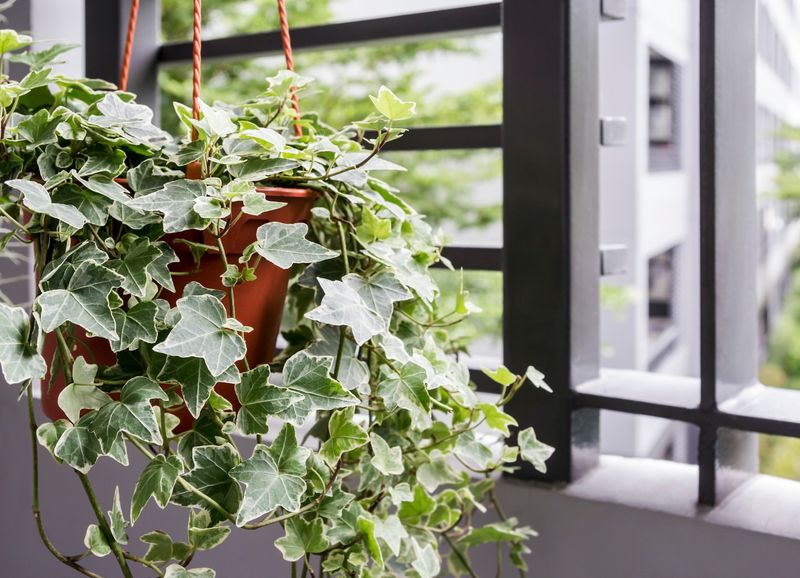
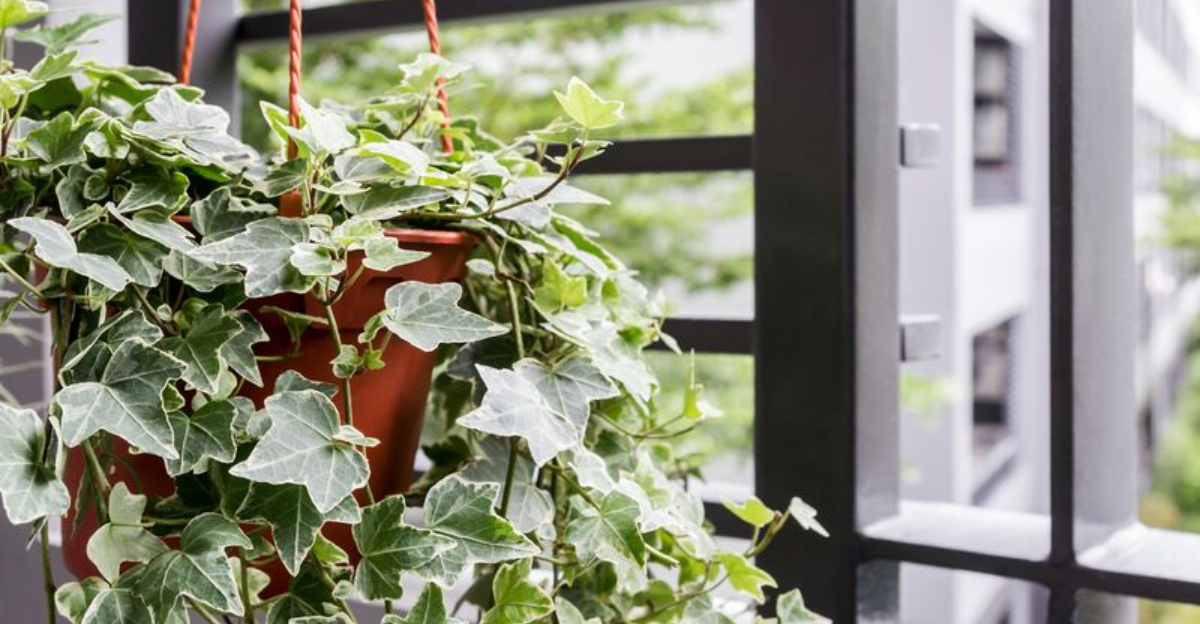
English ivy has been studied extensively for its ability to reduce airborne mold particles, making it especially beneficial for asthma sufferers in humid New York apartments where mold can become a serious problem.
This trailing plant features beautiful, star-shaped leaves that cascade gracefully from hanging baskets or climb up trellises, adding a classic, timeless look to any room.
Research has shown that English ivy can remove up to 78 percent of airborne mold in just 12 hours, which is remarkable for such a common houseplant.
Beyond mold reduction, it also filters out formaldehyde, benzene, and other volatile organic compounds that can irritate sensitive airways. English ivy prefers moderate light and consistently moist soil, though it’s important not to overwater and create soggy conditions.
It grows relatively quickly, so you can trim it back regularly to maintain the shape and size you want for your space.
One thing to note is that English ivy can be toxic if ingested, so it’s best kept away from curious pets and small children. For adult households or homes where plants can be placed out of reach, it offers significant respiratory benefits.
New York residents dealing with asthma will appreciate how effectively English ivy tackles mold issues that commonly arise in older buildings and apartments with poor ventilation throughout the city.
10. Areca Palm
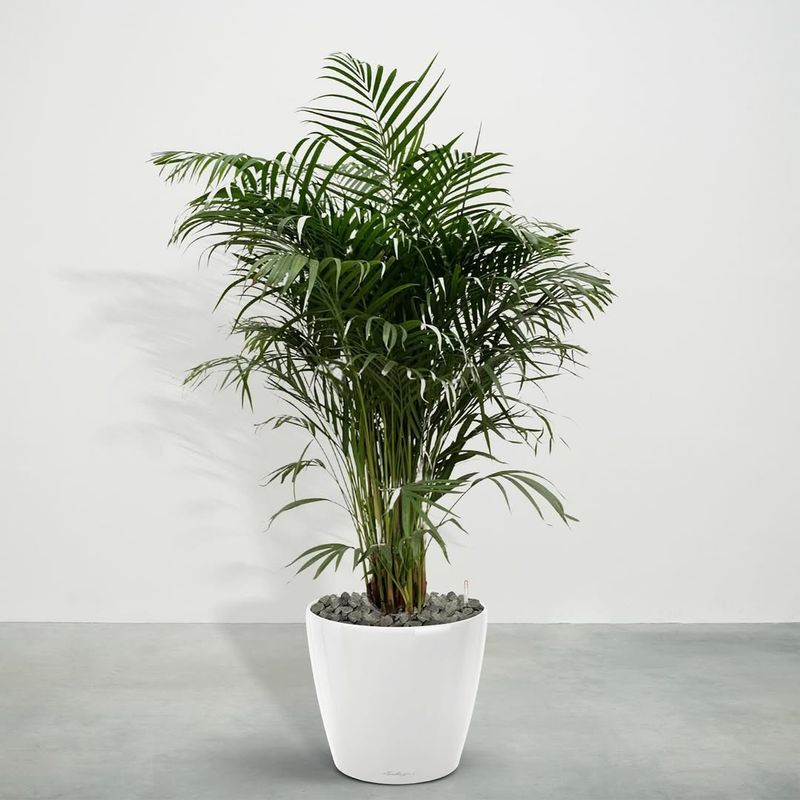
Areca palms bring a touch of tropical elegance to New York homes while serving as one of the most effective natural air purifiers you can find. Their feathery, arching fronds create a soft, welcoming atmosphere that immediately makes any room feel more inviting and peaceful.
These palms are particularly skilled at removing toxins like formaldehyde, xylene, and toluene from indoor air, all of which can aggravate asthma symptoms when present in high concentrations.
What makes areca palms stand out is their exceptional ability to release moisture into the air, acting as natural humidifiers that help keep respiratory passages comfortable and hydrated.
This is especially helpful during New York’s dry winter months when indoor heating systems strip moisture from the air and can worsen breathing difficulties.
Areca palms prefer bright, indirect light and regular watering to keep their soil consistently moist but not waterlogged.
They can grow quite large over time, eventually reaching six to seven feet tall, so they work best as statement floor plants in living rooms or bedrooms. These palms don’t produce pollen or release any fragrances that might trigger asthma attacks, making them safe and beneficial for respiratory health.
For New Yorkers seeking a larger plant that delivers both beauty and powerful air-cleaning properties, areca palms are an outstanding choice that transforms indoor environments into healthier, more breathable spaces.