What Arizona Gardeners Should Start Planting In Early February
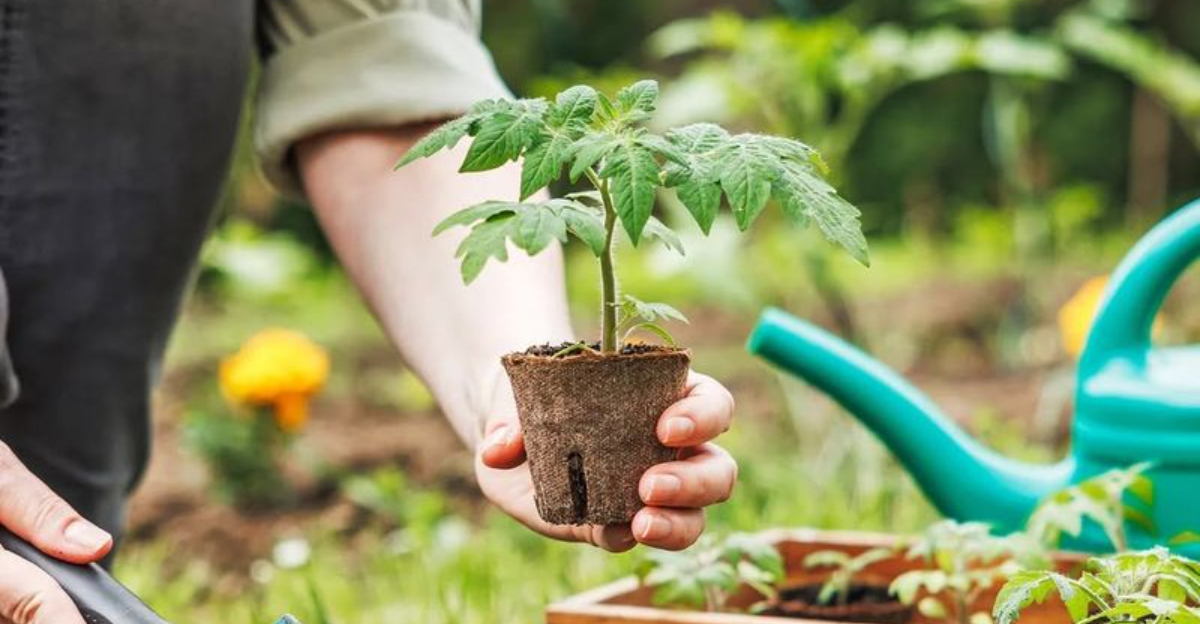
Early February is a golden window for Arizona gardeners who want a strong start to the growing season. Cooler days and warming soil create the perfect balance for planting many popular crops.
Plant now and get a head start on spring harvests. Waiting too long can mean missed opportunities and smaller yields later.
From leafy greens to root vegetables and hardy herbs, the right choices can thrive in these early conditions. Turn early planting into bigger, healthier harvests.
With smart timing and simple preparation, your garden can begin producing long before summer heat arrives. Beat the rush of spring gardening by starting early.
Fresh homegrown food can be closer than you think. Knowing what to plant in early February helps Arizona gardeners build momentum and set up a season filled with steady growth and success.
1. Bell Peppers
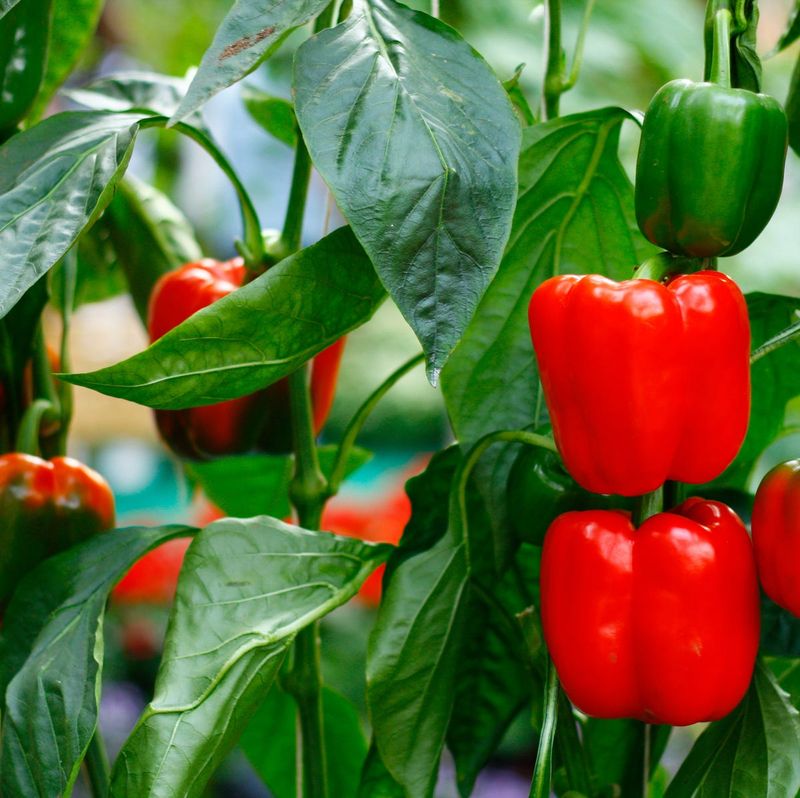
Bell peppers thrive when planted in Arizona gardens during early February, taking full advantage of the warming soil and moderate temperatures. These colorful vegetables need time to establish before the scorching summer arrives, making February the sweet spot for transplanting.
Arizona gardeners can expect excellent yields from peppers planted now, as they’ll have months to grow strong and produce abundant fruit.
Select transplants that look healthy with dark green leaves and sturdy stems. Avoid plants that appear leggy or yellowing, as these may struggle to adapt to your garden.
Bell peppers come in various colors including green, red, yellow, and orange, though all start as green and change color as they mature on the plant.
Plant peppers in well-draining soil enriched with compost, spacing them about 18 to 24 inches apart. They require full sun and consistent moisture to develop properly, but avoid overwatering which can lead to root problems.
Arizona’s dry climate means you’ll need to water regularly, especially as temperatures rise, but allow the soil surface to dry slightly between waterings.
Peppers benefit from mulching around the base to conserve moisture and regulate soil temperature. Apply a two to three inch layer of organic mulch, keeping it a few inches away from the stem to prevent rot.
Feed your pepper plants every three to four weeks with a balanced fertilizer to support continuous growth and fruit production throughout the spring season in Arizona gardens.
2. Tomatoes
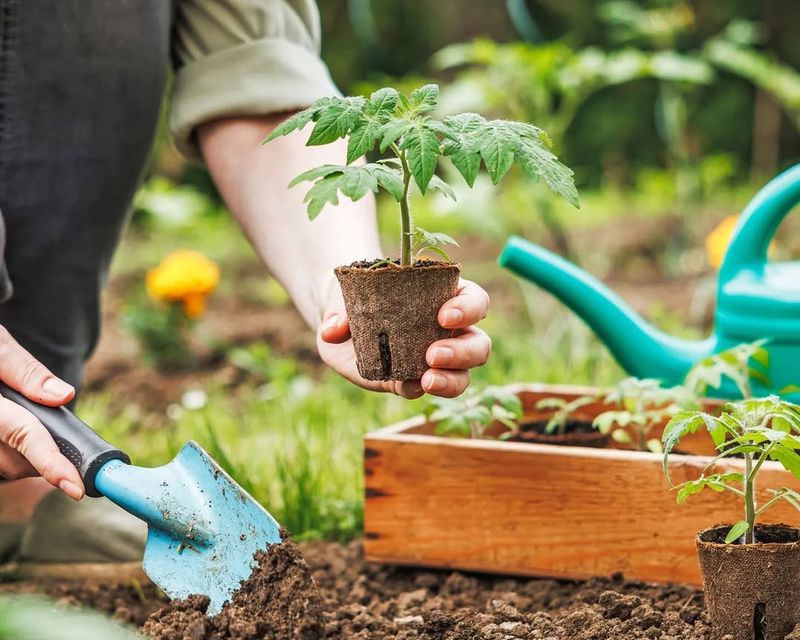
Tomatoes stand as one of the most popular vegetables for Arizona gardens, and early February presents the ideal window for getting them started. Planting tomato transplants now gives them several months to grow and produce fruit before summer’s extreme heat slows production.
Arizona’s low desert regions offer perfect conditions during this time, with warm days and cool nights that tomatoes absolutely love.
Choose varieties that mature quickly, typically within 70 to 80 days, to ensure a good harvest before temperatures climb too high. Popular choices for Arizona include Early Girl, Celebrity, and heat-tolerant varieties like Phoenix and Heatwave II.
Starting with healthy transplants rather than seeds speeds up the process and helps plants establish faster in your garden beds.
Prepare your soil by mixing in plenty of compost and organic matter to improve drainage and nutrient content. Tomatoes need full sun exposure, at least six to eight hours daily, and consistent watering to develop strong root systems.
Your Arizona Garden Changes Every Week. Your Plan Should Too.
Gardening in Arizona changes quickly throughout the season. Every Friday you’ll receive a simple weekly plan showing exactly what to plant, prune, fertilize, harvest, and protect so you never miss the right timing.
Space plants about two to three feet apart to allow good air circulation, which helps prevent disease problems common in Arizona gardens.
Support your tomato plants with sturdy cages or stakes right from the start. As plants grow taller and begin producing fruit, proper support prevents branches from breaking under the weight.
Regular feeding with balanced fertilizer every few weeks keeps plants healthy and productive throughout the growing season in Arizona’s unique desert environment.
3. Cucumbers
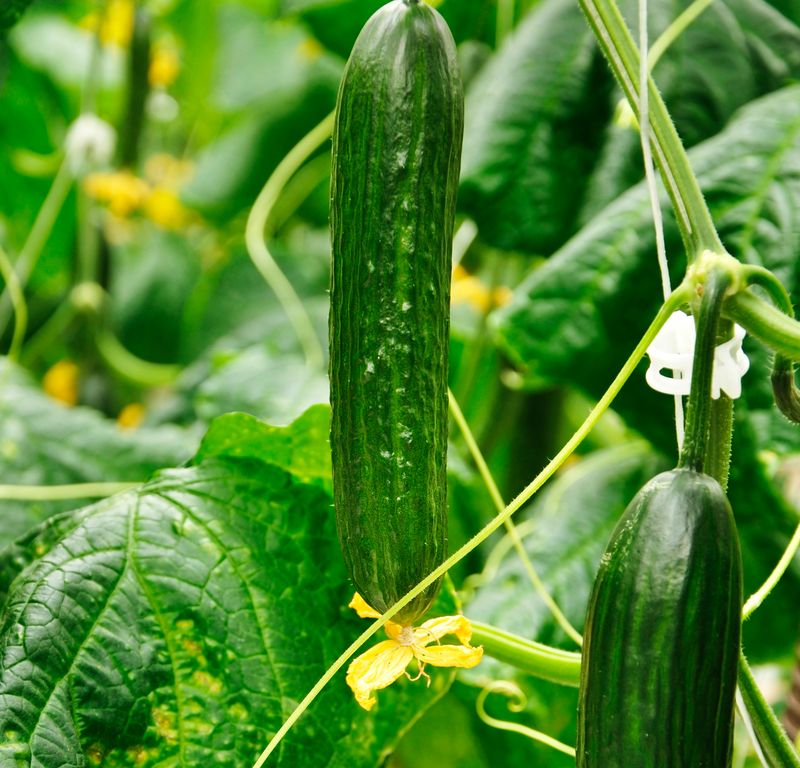
Cucumbers grow quickly and produce abundantly when planted in Arizona during early February. These warm-season vegetables appreciate the gradually warming soil and longer days, allowing them to vine out and start producing fruit within 50 to 70 days.
Arizona gardeners love cucumbers because they’re relatively easy to grow and provide fresh, crisp vegetables perfect for salads and snacking.
You can start cucumbers from seeds or transplants in early February across Arizona’s low desert areas. If using seeds, plant them directly in the garden about one inch deep and keep the soil consistently moist until germination occurs.
Transplants give you a head start and can be planted immediately, spaced about 12 inches apart if growing on a trellis or 36 inches apart if allowing them to sprawl.
Cucumbers need plenty of water to produce juicy, well-formed fruit, so plan to water deeply several times per week. Arizona’s dry air and sandy soils mean moisture evaporates quickly, making consistent irrigation essential.
Growing cucumbers vertically on a trellis or fence saves garden space and keeps fruit clean and easier to harvest.
Watch for common pests like cucumber beetles and aphids, which can damage plants quickly in Arizona gardens. Inspect plants regularly and address problems early with organic pest control methods when needed.
Harvest cucumbers when they reach the size recommended for your variety, typically six to eight inches for slicing types, to encourage continued production throughout the growing season.
4. Squash And Zucchini
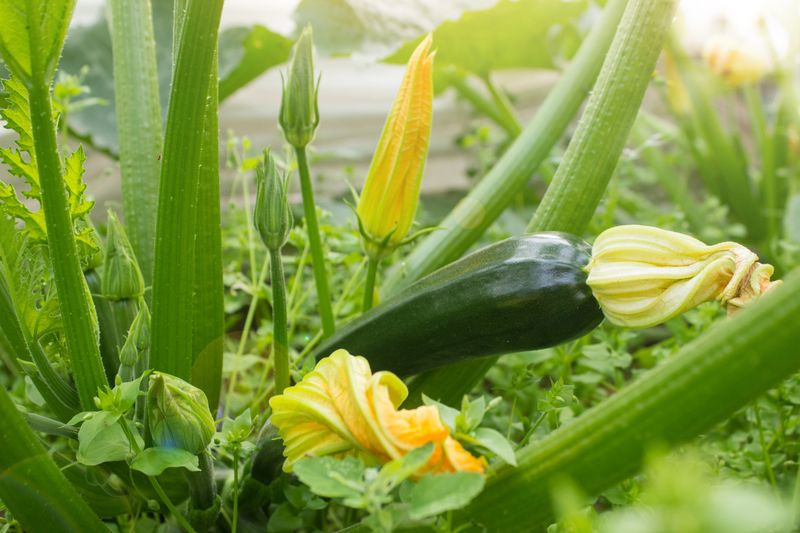
Squash and zucchini rank among the most productive vegetables Arizona gardeners can plant in early February. Both grow vigorously in the warming spring weather, producing large leaves and abundant fruit throughout the season.
These plants belong to the same family and share similar growing requirements, making them excellent companions in Arizona garden beds.
Direct seeding works wonderfully for squash and zucchini in Arizona’s February gardens. Plant seeds about one inch deep in small hills or mounds, placing three to four seeds per hill and spacing hills about three to four feet apart.
The mounded soil warms faster and drains better, which these vegetables appreciate. Thin seedlings to the two strongest plants per hill once they develop their first true leaves.
Both squash and zucchini need full sun and regular watering to support their rapid growth and heavy fruit production. Arizona gardeners should water deeply two to three times weekly, adjusting based on temperature and rainfall.
Mulching around plants helps conserve moisture and keeps soil temperatures more moderate, which benefits root development and overall plant health.
These vegetables grow large leaves that can shade out weeds naturally, but they also take up considerable garden space. Plan your layout accordingly and give plants room to spread.
Harvest zucchini when fruits reach six to eight inches long, and pick squash according to variety specifications. Regular harvesting encourages plants to keep producing new fruit throughout Arizona’s spring growing season.
5. Basil
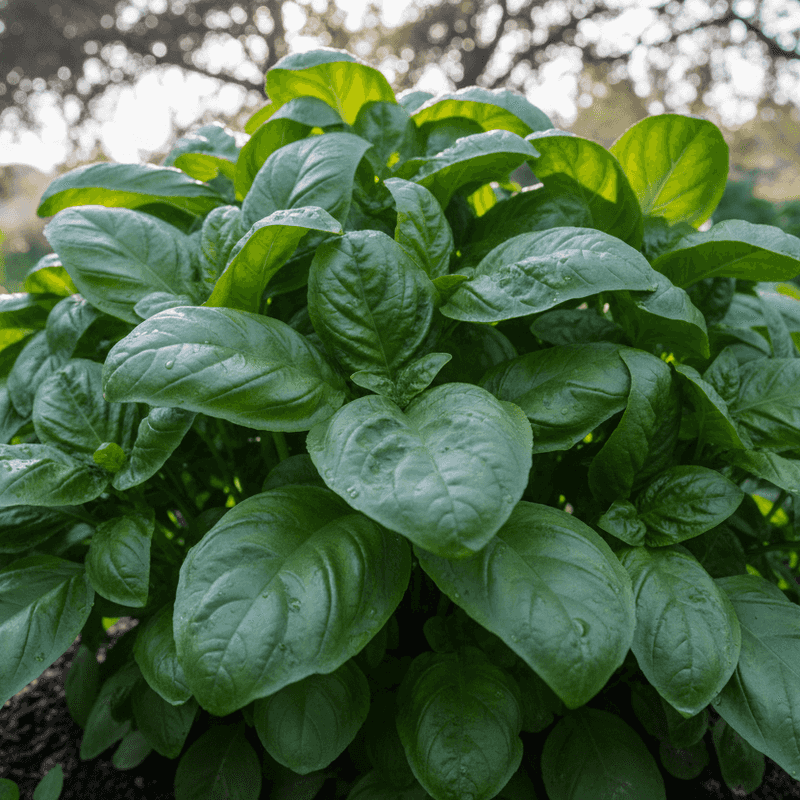
Basil brings wonderful fragrance and flavor to Arizona gardens when planted in early February. This tender herb loves warm weather and grows beautifully during Arizona’s spring season before extreme summer heat arrives.
Gardeners across the state appreciate basil’s versatility in cooking and its relatively simple growing requirements, making it perfect for both experienced and beginning gardeners.
Start basil from transplants or seeds in early February, though transplants establish faster and begin producing harvestable leaves sooner. Plant in well-draining soil amended with compost, spacing plants about 10 to 12 inches apart.
Basil needs full sun but can benefit from light afternoon shade in Arizona’s intense spring sunshine, especially as temperatures begin climbing toward summer.
Water basil regularly to keep soil consistently moist but never waterlogged. Arizona’s dry climate means you’ll need to check soil moisture frequently, especially for container-grown basil.
These herbs grow quickly when given adequate water and nutrients, so feed plants every two to three weeks with diluted liquid fertilizer to support lush leaf production.
Pinch off flower buds as soon as they appear to keep plants focused on producing flavorful leaves rather than seeds. Regular harvesting encourages bushier growth and more abundant foliage.
Cut stems just above a leaf node, and the plant will branch out from that point. Popular varieties for Arizona include Genovese, Thai basil, and lemon basil, each offering unique flavors for different culinary uses in your kitchen.
6. Lettuce And Leafy Greens
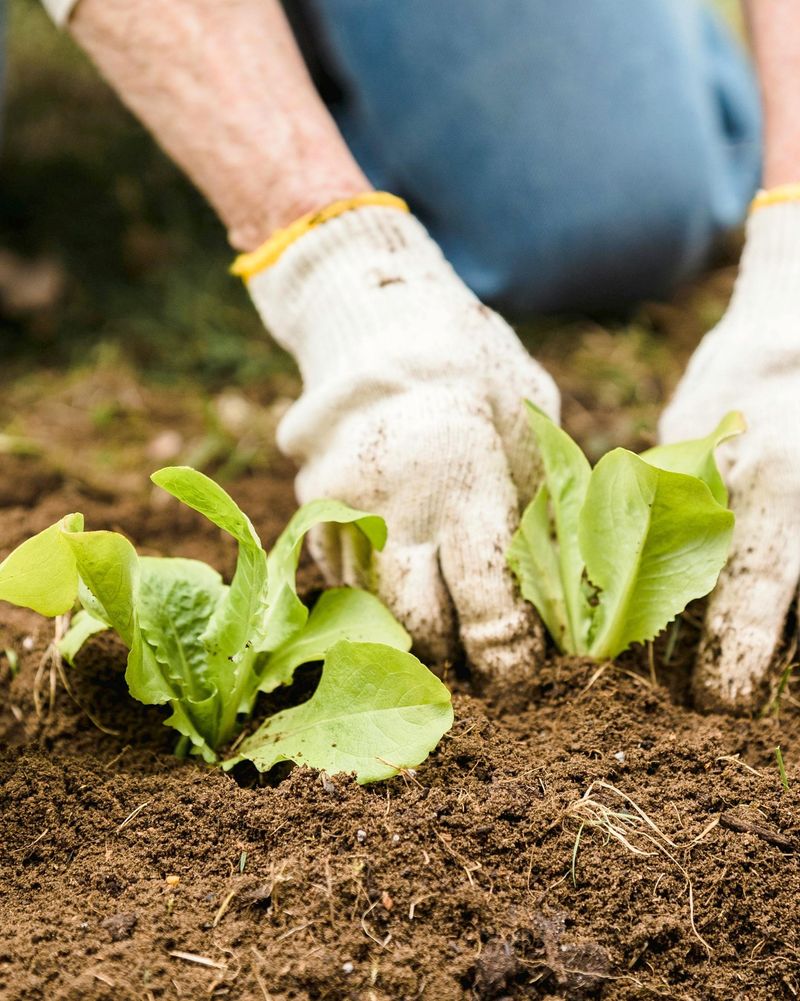
Lettuce and other leafy greens flourish in Arizona gardens during early February, taking advantage of cool nights and mild days. These fast-growing crops provide fresh salad ingredients within just a few weeks of planting.
Arizona gardeners can grow multiple varieties of lettuce, spinach, arugula, and other greens throughout the spring season by succession planting every two weeks.
Sow seeds directly in garden beds or containers, planting them about a quarter inch deep in loose, fertile soil. Lettuce seeds need light to germinate, so avoid covering them too deeply.
Keep soil consistently moist until seedlings emerge, usually within five to ten days. Thin seedlings to proper spacing once they develop a few true leaves, typically four to six inches apart for leaf lettuce and eight to ten inches for head lettuce.
Leafy greens prefer cooler temperatures and can tolerate light frost, making them ideal for Arizona’s February weather. They need regular watering to prevent leaves from becoming bitter or tough.
Mulching between rows helps conserve moisture and keeps soil temperatures cooler, which these crops appreciate. Arizona gardeners should provide some afternoon shade as spring progresses and temperatures rise.
Harvest leaf lettuce and greens by cutting outer leaves and allowing the center to continue growing, providing a continuous harvest over several weeks. Head lettuce should be harvested when heads feel firm and full.
Watch for signs of bolting, when plants send up flower stalks, which makes leaves taste bitter and signals the end of harvest time for that planting.
7. Carrots
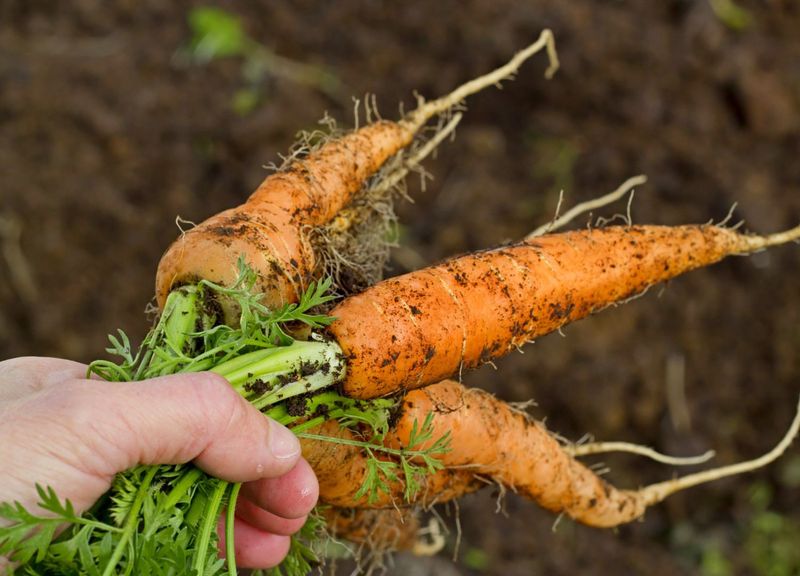
Carrots develop beautifully when planted in Arizona gardens during early February, especially in the state’s low desert regions. Cool season crops like carrots need time to mature before hot weather arrives, and February planting provides that perfect window.
Arizona’s sandy soils work wonderfully for growing straight, well-formed carrots that reach deep into the ground.
Direct seed carrots into loose, rock-free soil for best results. Carrot seeds are tiny and should be planted about a quarter inch deep in rows spaced 12 to 18 inches apart.
Mix seeds with sand before planting to help distribute them more evenly and avoid overcrowding. Keep the soil surface consistently moist until seeds germinate, which typically takes 10 to 14 days in Arizona’s February weather.
Thin carrot seedlings when they reach about two inches tall, spacing them one to two inches apart. Crowded carrots grow twisted and deformed, so proper thinning ensures straight, attractive roots.
Arizona gardeners should continue watering regularly throughout the growing season, as consistent moisture produces the sweetest, most tender carrots. Irregular watering can cause roots to crack or split.
Carrots take 60 to 80 days to mature depending on variety, with shorter varieties maturing faster than long types. Choose varieties suited to your soil depth and texture.
Harvest when roots reach the desired size by gently pulling them from the soil. Fresh carrots from Arizona gardens taste incredibly sweet and crisp, far superior to store-bought options.
8. Cilantro
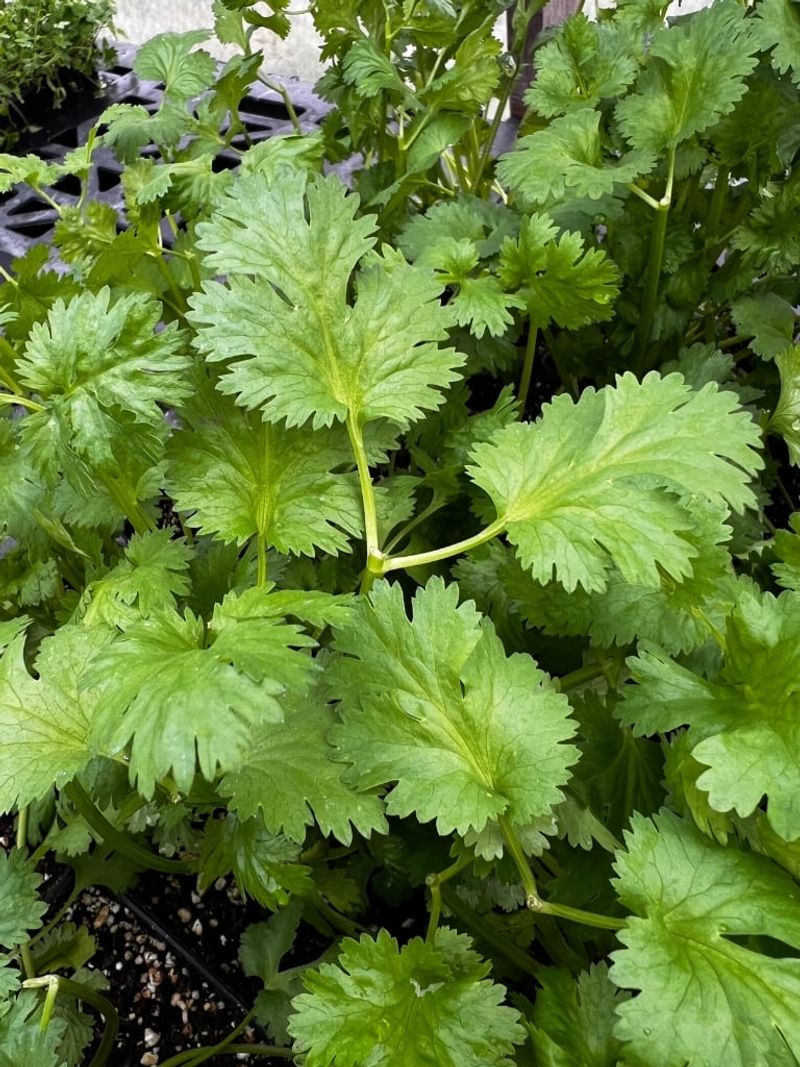
Cilantro grows exceptionally well in Arizona gardens when planted in early February, providing fresh herbs for Mexican and Asian cuisine. This fast-growing annual herb prefers cooler weather and bolts quickly when temperatures rise, making February the optimal planting time.
Arizona gardeners who love fresh salsa and guacamole should definitely include cilantro in their spring gardens.
Plant cilantro seeds directly in the garden or containers, as this herb doesn’t transplant well due to its long taproot. Sow seeds about a quarter inch deep and one to two inches apart in rows spaced about six inches apart.
Seeds germinate quickly in Arizona’s February weather, usually within seven to ten days. Keep soil evenly moist during germination and throughout the growing season.
Cilantro prefers full sun in early spring but benefits from light afternoon shade as Arizona temperatures warm. The herb grows best in well-draining soil enriched with organic matter.
Water regularly but avoid overwatering, which can lead to fungal problems. Arizona’s dry climate usually prevents most disease issues, making cilantro relatively carefree to grow.
Begin harvesting cilantro leaves when plants reach about six inches tall by cutting outer stems near the base. Regular harvesting encourages bushier growth and delays flowering.
Once plants bolt and produce flowers, leaf production stops and flavor changes. Succession plant cilantro every two to three weeks throughout February and March to ensure a continuous supply of fresh leaves for your kitchen throughout Arizona’s spring season.