These Simple Backyard Changes Will Attract Migratory Birds In Pennsylvania
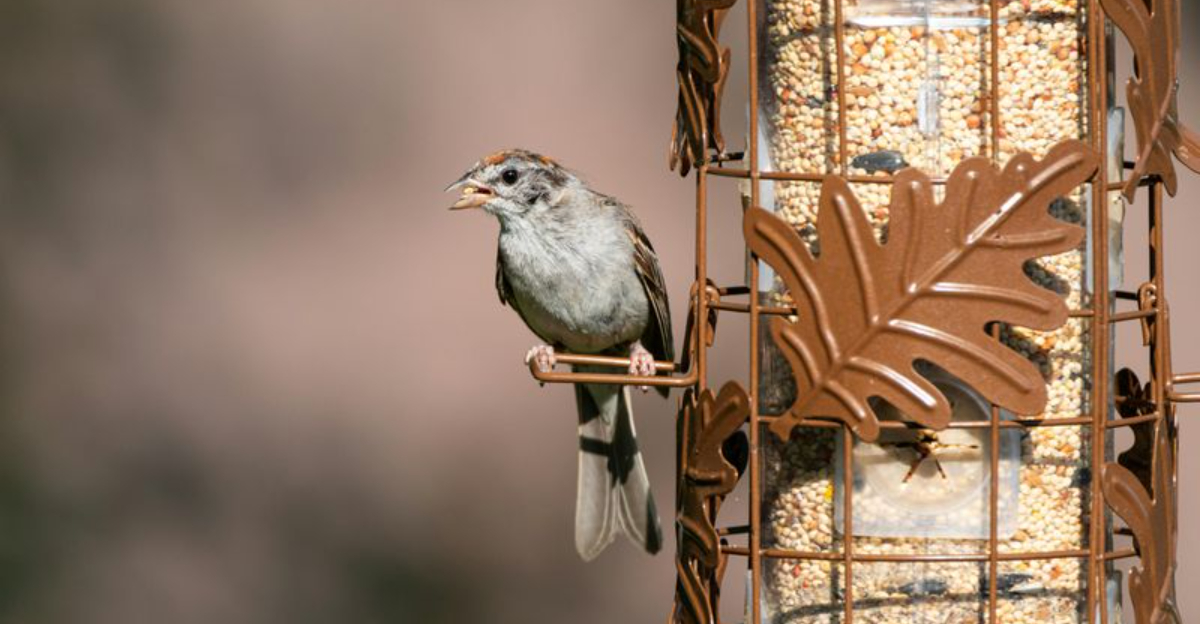
Migratory birds pass through Pennsylvania every year, and your backyard can become one of their favorite stopovers. You don’t need a huge yard or expensive upgrades to make a difference.
Turn your backyard into a bird magnet with a few simple changes. Small updates like adding the right plants, water sources, and shelter can attract colorful visitors almost overnight.
Bring more birds, more sound, and more life into your outdoor space. When birds feel safe and supported, they stay longer and return season after season.
Watch your yard come alive with fluttering wings and morning songs. Create a space where nature feels at home.
With the right setup, your backyard can become a peaceful haven that supports wildlife while giving you front-row seats to one of nature’s most beautiful shows.
1. Add Native Berry-Producing Shrubs And Trees
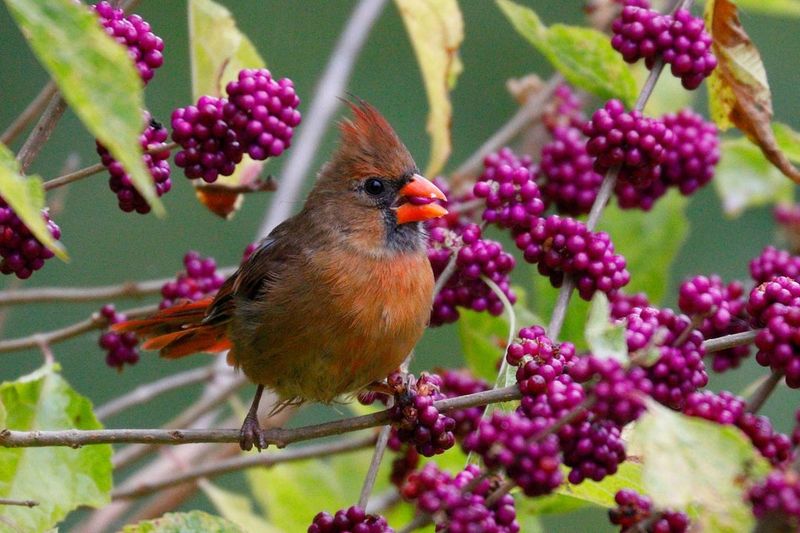
Native plants provide the exact fuel that migratory birds need when they stop in Pennsylvania. Serviceberry, elderberry, and dogwood produce berries at just the right times when hungry travelers are passing through.
These shrubs evolved alongside the birds that depend on them, creating a perfect partnership that has lasted thousands of years.
Planting a few native berry bushes transforms your yard into a natural buffet. Spring migrants arriving in April and May find early-ripening serviceberries packed with energy.
Fall travelers feast on dogwood and viburnum berries in September and October. Unlike ornamental plants from other continents, native species offer berries with the specific nutrients and fat content that migrating birds require for their long flights.
You don’t need a huge space to make a difference. Even a small grouping of three or four shrubs creates an inviting spot.
Place them near the edges of your yard or in clusters to mimic how they grow naturally in Pennsylvania forests. Birds feel safer feeding in areas with some cover nearby where they can quickly hide from predators.
Native plants also require less maintenance than exotic species because they’re adapted to Pennsylvania’s climate and soil. They need less watering once established and rarely require pesticides.
This means fewer chemicals in your yard and healthier food for visiting birds. Many Pennsylvania garden centers now stock native plants specifically, and staff can help you choose varieties that will thrive in your particular location and provide food throughout the migration seasons.
2. Install A Water Feature With Moving Water
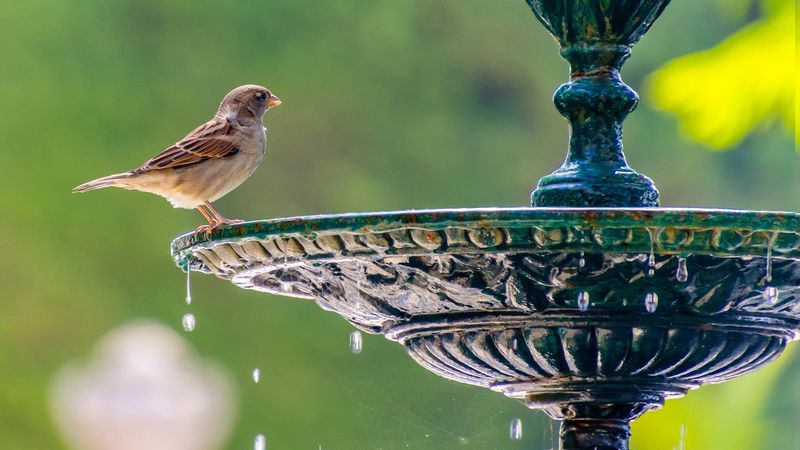
Moving water acts like a magnet for tired migrants crossing Pennsylvania. The sound of dripping or splashing water carries much farther than you might expect, catching the attention of birds flying overhead.
A simple fountain, dripper, or even a shallow basin with a small pump can draw in species you’ve never seen in your yard before.
Migratory birds need water just as desperately as they need food. After flying hundreds of miles, they’re dehydrated and searching for safe places to drink and bathe.
Clean feathers are essential for efficient flight, so migrants often spend time preening and bathing at water sources. Your backyard water feature becomes a critical rest stop on their journey south or north through Pennsylvania.
Your Pennsylvania Garden Changes Every Week. Your Plan Should Too.
Gardening in Pennsylvania changes quickly throughout the season. Every Friday you’ll receive a simple weekly plan showing exactly what to plant, prune, fertilize, harvest, and protect so you never miss the right timing.
The setup doesn’t have to be complicated or expensive. A basic birdbath with a small solar-powered fountain works wonderfully.
Position it where you can see it from a window but also where birds have a clear view of their surroundings. They won’t use water sources where predators could sneak up on them. Adding a few stones or sticks gives smaller birds places to perch while drinking.
Keep the water fresh and clean, especially during peak migration in May and September. Change it every few days to prevent mosquitoes from breeding and to keep it appealing to birds.
In early spring and late fall, when Pennsylvania nights get cold, consider adding a heating element to prevent freezing. Warblers, thrushes, vireos, and dozens of other species will visit your water feature, sometimes in impressive numbers during migration peaks.
3. Create Brush Piles And Leave Some Yard Areas Wild
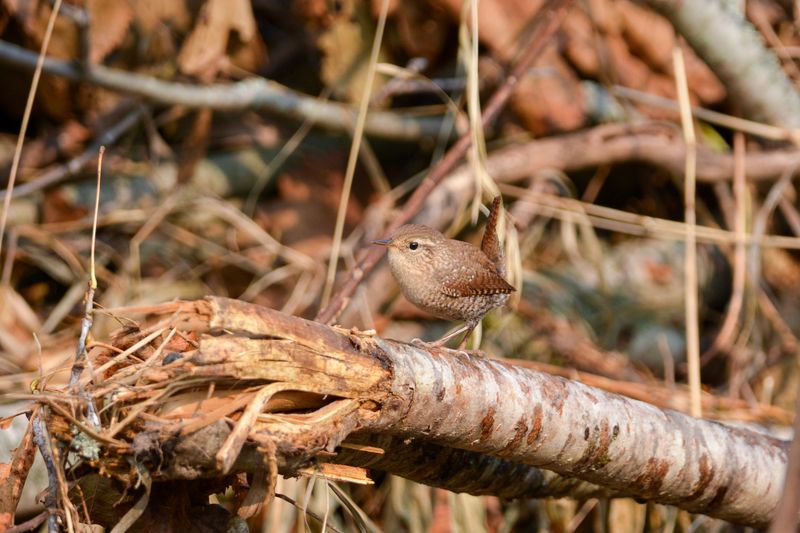
Perfect lawns might look tidy, but they offer almost nothing to migratory birds passing through Pennsylvania. Leaving a corner of your yard a bit wild creates the kind of habitat that ground-feeding migrants desperately seek.
Brush piles, fallen leaves, and unmowed patches provide shelter and attract the insects that many birds need for protein.
Building a brush pile takes almost no effort and costs nothing. Simply stack fallen branches, twigs, and pruned limbs in a corner of your property.
Make it about four feet wide and three feet tall for best results. Sparrows, thrushes, and towhees will hop through the tangle, finding insects and seeds while staying hidden from hawks.
During migration, these spots become essential refuges where exhausted birds can rest safely.
Leaving leaf litter under trees and shrubs provides even more benefits. Those decomposing leaves harbor countless insects, spiders, and other invertebrates that fuel migrating birds.
Species like Hermit Thrushes and White-throated Sparrows spend hours scratching through leaf litter, finding the protein-rich food they need. Pennsylvania’s native birds evolved to use these natural areas, and migrants instinctively search for them.
You don’t need to let your entire yard become overgrown. Designating just one area as a wildlife zone makes a huge difference while keeping the rest of your space maintained.
Add a sign explaining your wildlife habitat if neighbors wonder about the change. Many Pennsylvania communities now encourage these natural areas as part of bird-friendly initiatives, and you might inspire others on your street to follow your example.
4. Plant Native Flowers That Attract Insects
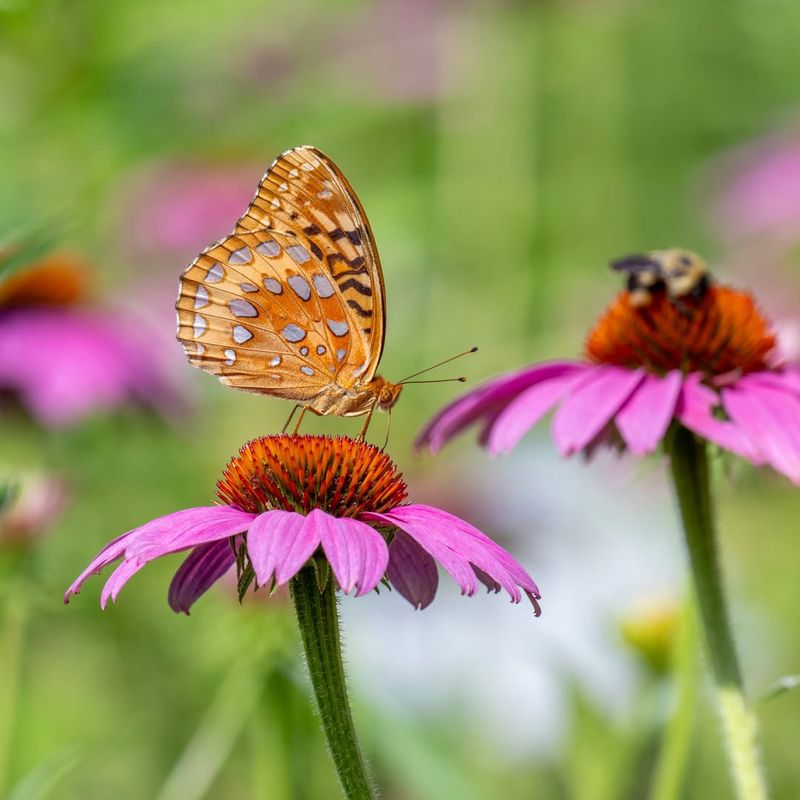
Insects might not seem glamorous, but they’re absolutely essential for most migratory birds. Warblers, tanagers, flycatchers, and countless other species rely on caterpillars, beetles, and flies for the protein and fat they need during migration.
Native flowers support the native insects that these birds have depended on for thousands of years.
A Pennsylvania yard filled with native wildflowers becomes an insect factory that naturally attracts hungry migrants. Purple coneflowers, black-eyed Susans, milkweed, and goldenrod host specific caterpillars and other insects that non-native ornamentals simply cannot support.
Research shows that native oak trees alone can host over 500 species of caterpillars, while common imported trees might support fewer than 50. The same principle applies to flowers and shrubs.
Creating a native flower garden is easier than maintaining traditional flowerbeds. These plants evolved in Pennsylvania’s climate and thrive without constant attention.
They’re drought-tolerant once established and rarely need fertilizers or pesticides. Group different species together to provide blooms from early spring through late fall, ensuring insects are available throughout both migration seasons.
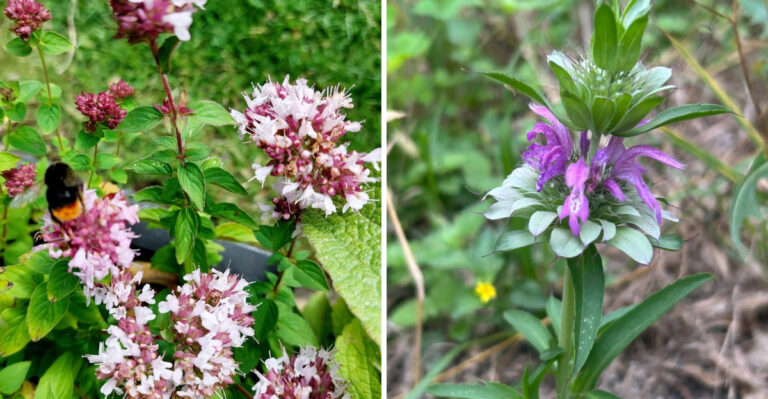
Watch your native plantings during May and September, and you’ll likely see warblers gleaning insects from the flowers and leaves. Baltimore Orioles might visit milkweed for aphids, while Ruby-throated Hummingbirds sip nectar from native bee balm and cardinal flower.
Even small patches of native flowers make your Pennsylvania yard more valuable to migrants than acres of non-native landscaping. Local native plant sales and conservation organizations can help you choose the best species for your specific area and soil conditions.
5. Reduce Or Eliminate Outdoor Lighting At Night
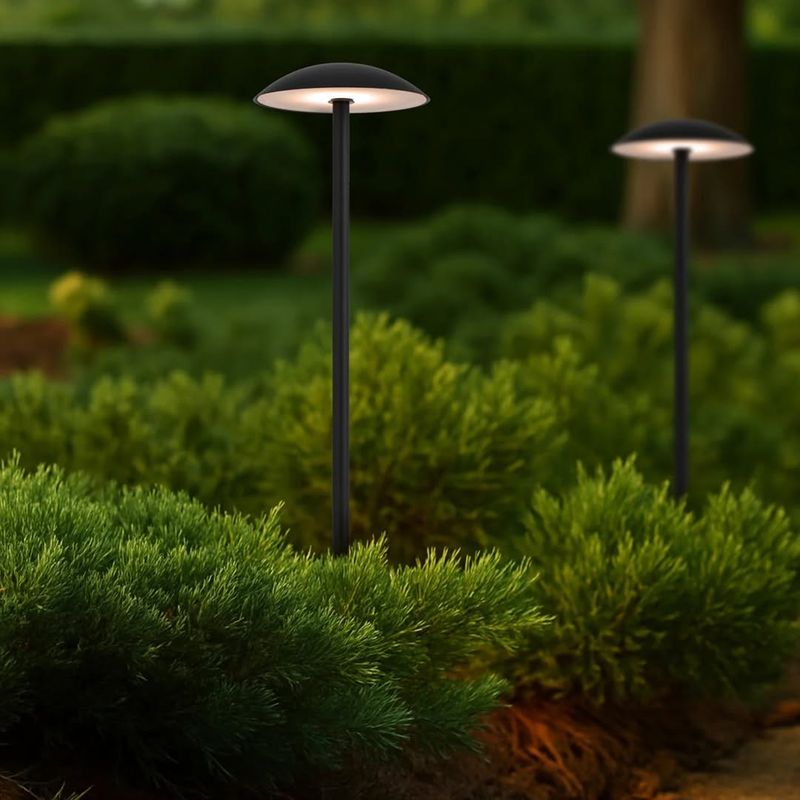
Artificial light at night creates serious problems for birds migrating through Pennsylvania. Most migration happens after dark when birds use stars for navigation.
Bright lights from homes, buildings, and streetlights confuse migrants, causing them to circle lit areas until they become exhausted or collide with structures. Reducing your outdoor lighting helps more than you might imagine.
Pennsylvania sits directly under a major migration corridor, so the lights from your property affect thousands of birds each season. Porch lights, landscape lighting, and decorative fixtures all contribute to the problem.
Birds become disoriented by these lights, especially during cloudy or foggy nights when natural celestial cues disappear. Many exhausted migrants found in cities and suburbs the morning after heavy migration nights became trapped by light pollution.
Making changes is straightforward and often saves energy too. Turn off unnecessary outdoor lights during migration seasons, particularly in April through May and August through October.
Use motion sensors so lights only activate when needed. Shield bulbs so light points downward rather than up into the sky.
Switching to amber or red bulbs for essential lighting causes less disruption to migrating birds than white or blue lights.
If you enjoy watching birds at night, consider using a small red flashlight instead of white outdoor lights. Many birdwatchers in Pennsylvania participate in programs that track nocturnal migration by listening for flight calls.
Reducing light pollution not only helps birds but also lets you see more stars and creates a more peaceful nighttime environment. Your neighbors might follow your example once they understand how outdoor lighting affects migratory birds passing overhead.
6. Make Windows Safer With Visual Markers
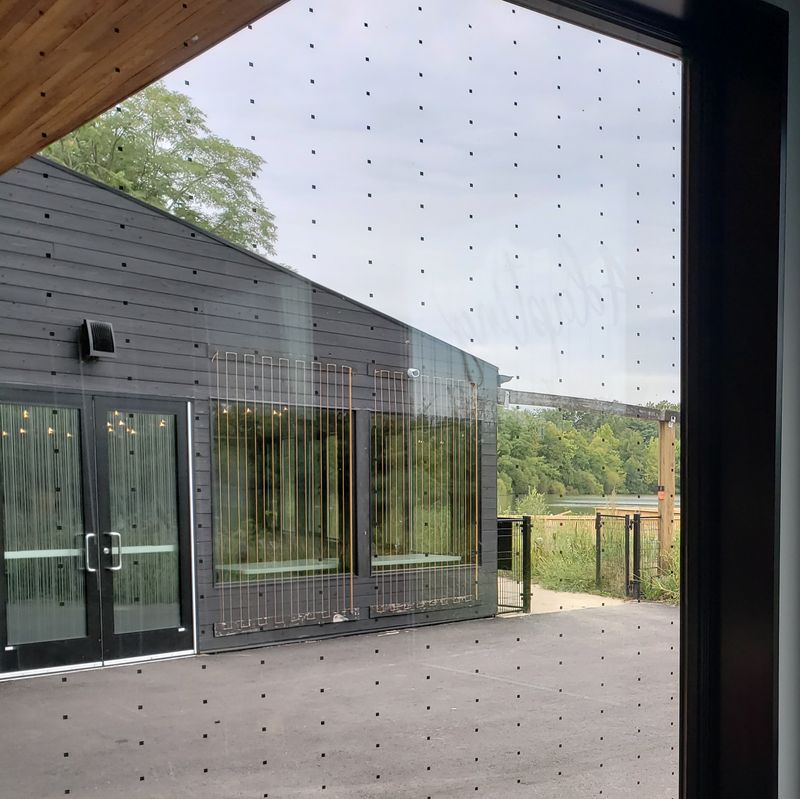
Windows present one of the biggest dangers to birds migrating through Pennsylvania. Birds cannot perceive glass as a solid barrier, so they fly directly into windows when they see reflections of sky, trees, or habitat.
Millions of birds are injured this way every year across North America. Making your windows visible to birds takes minimal effort but saves countless lives.
The problem becomes especially serious during migration when unfamiliar birds pass through your area. A tired warbler or thrush that just flew 200 miles overnight doesn’t recognize your windows as obstacles.
Reflections of your yard’s trees and shrubs look like safe places to land. Interior plants visible through windows create similar confusion, appearing as fly-through habitat. Corner windows and large picture windows cause the most collisions.
Solutions range from simple to decorative. Apply decals, tape, or paint in patterns spaced no more than two inches apart horizontally and four inches vertically. Birds won’t attempt to fly through gaps smaller than this.
Many products designed specifically for this purpose are now available, including decorative patterns that look attractive from inside while remaining visible to birds outside. Window screens and exterior shutters also provide protection when closed.
Focus first on the windows that reflect the most habitat or have bird feeders nearby. In Pennsylvania, the biggest risk periods are April through May and September through October when migration peaks.
Some people temporarily apply removable markers during these months. Others find permanent solutions that work year-round.
Check windows regularly, especially after storms or heavy migration nights. If you find a stunned bird, place it in a covered box in a quiet location and contact a local wildlife rehabilitator for guidance.
7. Provide High-Energy Foods During Peak Migration
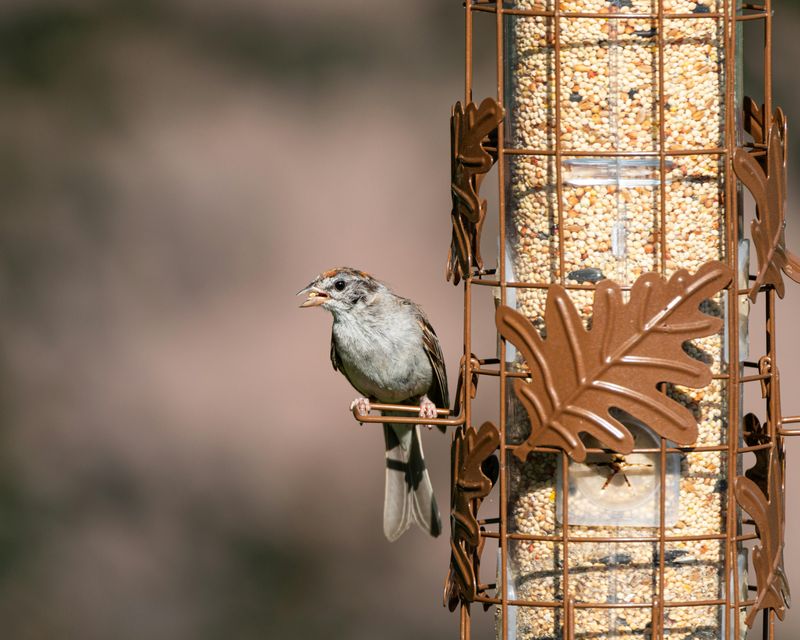
Offering the right foods at the right times gives migratory birds the energy boost they need to continue their journeys through Pennsylvania. While natural foods should always be your priority, supplemental feeding during peak migration provides critical support.
Black oil sunflower seeds, suet, and nyjer seeds offer concentrated nutrition that helps tired travelers refuel quickly.
Different migrants prefer different foods, so offering variety attracts more species. Warblers and tanagers often visit suet feeders for high-fat food that mimics the insects they normally eat.
Rose-breasted Grosbeaks crack open sunflower seeds with their powerful beaks. Goldfinches and Pine Siskins flock to nyjer feeders during both spring and fall migration. Even fruit pieces attract orioles, catbirds, and thrushes passing through Pennsylvania.
Timing matters when feeding migrants. Increase the amount and variety of food you offer from mid-April through late May and again from August through October.
These periods see the heaviest migration traffic through Pennsylvania. Clean feeders regularly to prevent disease transmission, especially during busy periods when many birds visit.
Fresh food and clean feeding stations keep birds healthy and encourage them to return to your yard during future migrations.
Position feeders where birds have clear sightlines to watch for predators but also near cover where they can quickly retreat. Cats pose serious threats to ground-feeding birds, so keep feeders away from hiding spots where cats might lurk.
Pennsylvania’s diverse migration includes everything from tiny kinglets to large thrushes, so offering multiple feeder types at different heights accommodates various species. Keep a journal of what you see, and you’ll start noticing patterns in when certain migrants arrive each year.