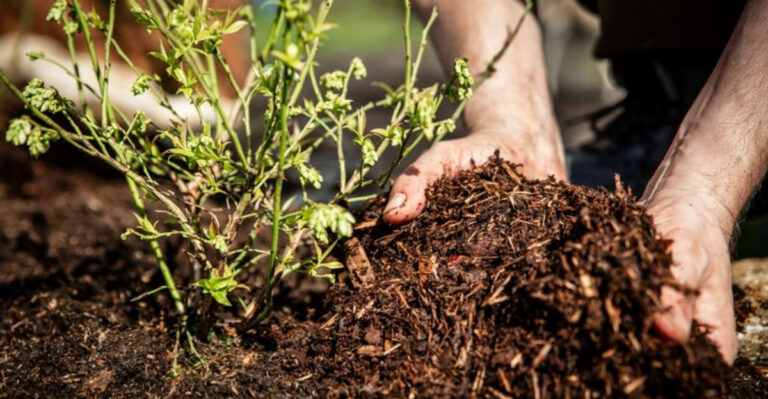
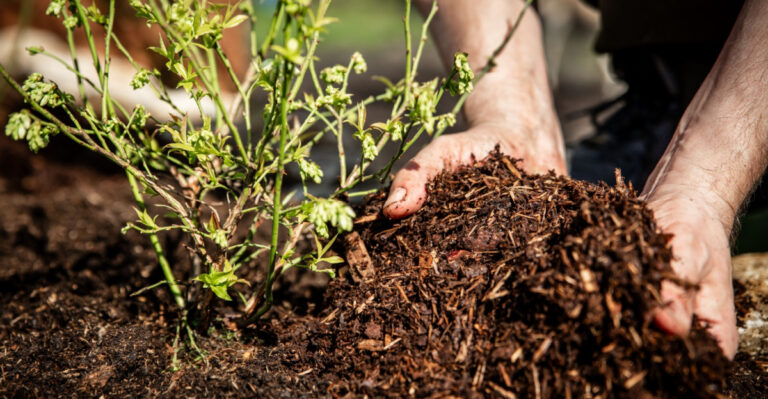
This Small Change Makes Oregon Vegetable Gardening So Much Easier
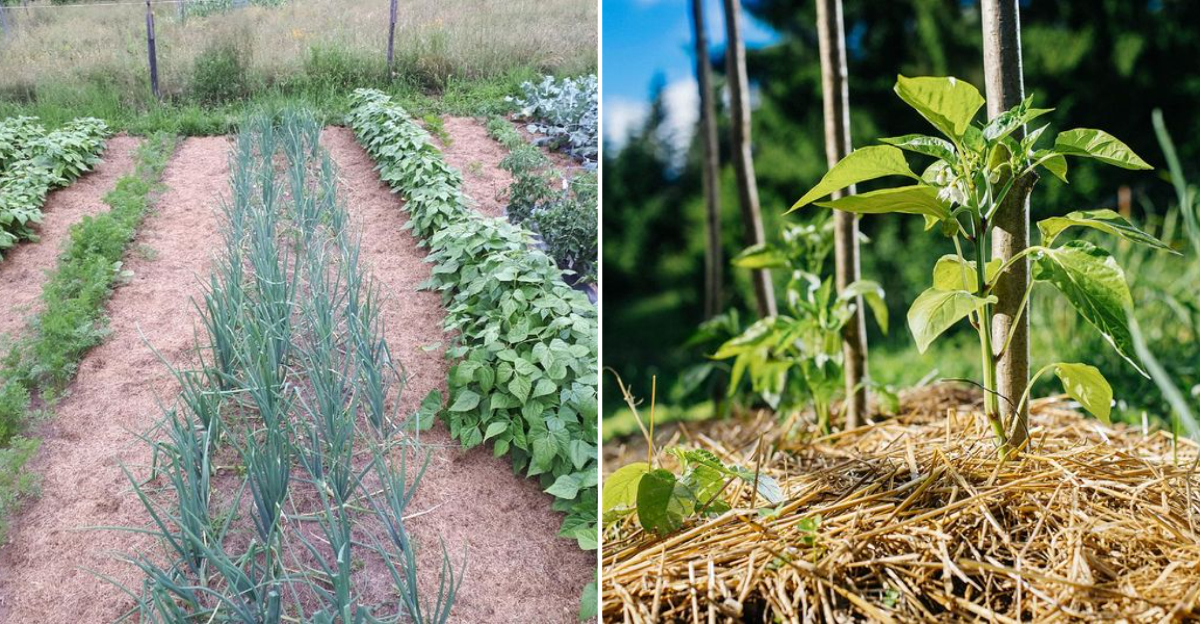
Vegetable gardening in Oregon can be rewarding, but it also comes with its fair share of challenges. We deal with changing weather, dry spells, surprise rain, and weeds that seem to pop up overnight.
That’s why more gardeners are making one small change that saves time and effort all season long: adding mulch.
At first, mulch might not seem like a big deal. It’s easy to overlook compared to seeds and plants.
But once you start using it, the difference becomes hard to ignore. Mulch helps the soil hold moisture, keeps roots cooler during warmer days, and cuts back on constant weeding.
That means less work for you and healthier plants in your garden.
It also improves soil quality over time, especially when using organic materials. As mulch breaks down, it feeds the soil and supports better plant growth.
Many Oregon gardeners notice stronger vegetables and more consistent harvests after making this simple switch.
If you’ve been looking for an easier way to manage your garden without adding more chores, this might be exactly what you need.
1. Why Oregon Soil Loses Moisture Faster Than You Think
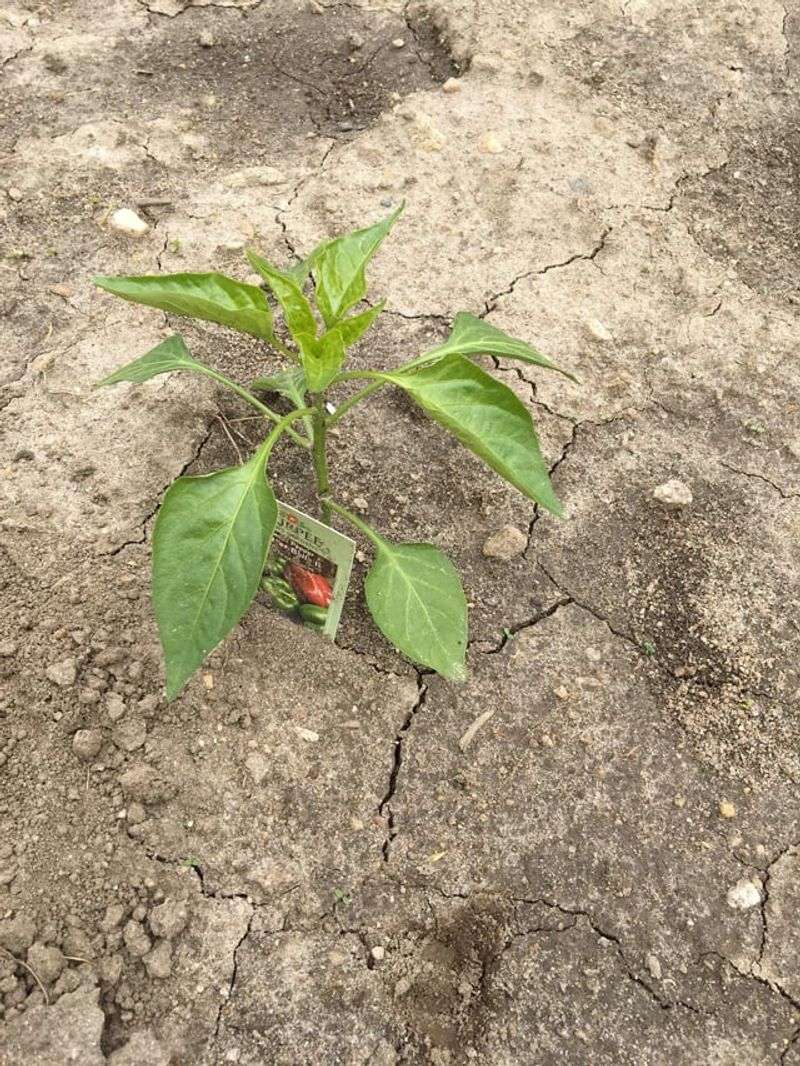
Stand next to your garden bed on a sunny June morning and the soil might look perfectly damp from last night’s watering. Come back six hours later and the top inch feels dry and crusty.
Oregon summers bring long daylight hours and surprisingly low humidity, especially east of the Cascades but even in the Willamette Valley during those stretched-out July evenings.
Exposed soil heats up fast under direct sun. Wind pulls moisture right out of the surface.
If your garden soil is clay-heavy, it cracks as it dries. If it’s sandy or amended with lots of compost, it drains quickly and needs frequent top-ups.
Mulch acts like a blanket over the soil surface, blocking direct sunlight and slowing evaporation. Even a two-inch layer of straw keeps the top layer of soil moist much longer.
You’ll notice the difference within days. Your squash plants stay hydrated between waterings.
Lettuce doesn’t wilt by mid-afternoon.
This isn’t about eliminating watering altogether, but it does mean you can water less often and with better results. Your plants get steady moisture instead of the feast-or-famine cycle that stresses roots and slows growth.
It’s a quiet improvement that adds up over the whole season.
2. How Mulch Cuts Down Watering Work
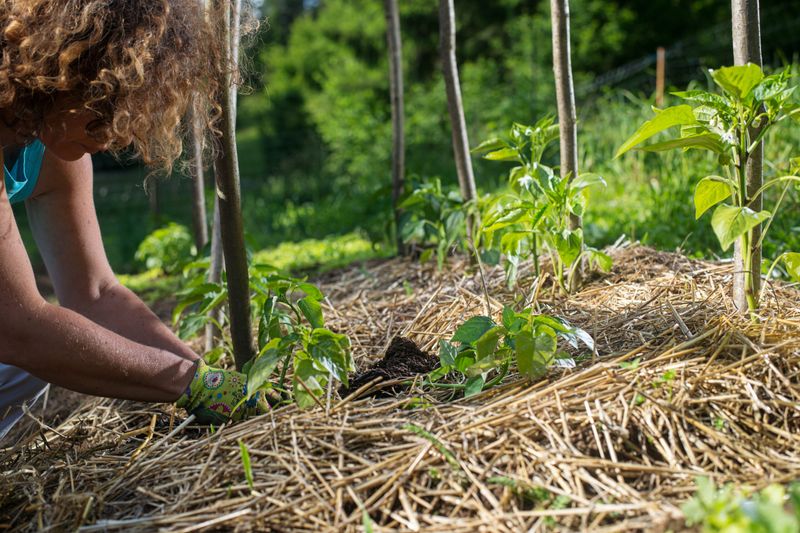
Watering takes time. Dragging hoses, moving sprinklers, standing there with a wand while mosquitoes buzz around your ankles, it’s not anyone’s favorite garden task.
During a typical Oregon summer, you might water your vegetable beds two or three times a week, sometimes more if you’re growing thirsty crops like cucumbers or beans.
Mulch changes that schedule. Because it keeps moisture in the soil longer, you can stretch watering sessions further apart.
A bed mulched with straw or shredded leaves might only need water once a week instead of every other day. That’s less hauling, less time spent, and lower water bills if you’re on city water.
Your Oregon Garden Changes Every Week. Your Plan Should Too.
Gardening in Oregon changes quickly throughout the season. Every Friday you’ll receive a simple weekly plan showing exactly what to plant, prune, fertilize, harvest, and protect so you never miss the right timing.
The layer also helps water soak in more evenly. Instead of running off hard, dry soil, water filters gently through the mulch and into the ground below.
You get better penetration with less waste. Your tomatoes develop deeper root systems because moisture stays available lower down.
You’ll still need to check soil moisture regularly, especially during heat waves. But overall, mulching means fewer trips to the garden with the hose and more time enjoying your vegetables instead of babysitting them.
It’s one of those changes that pays off every single week.
3. Fewer Weeds With Almost No Extra Effort
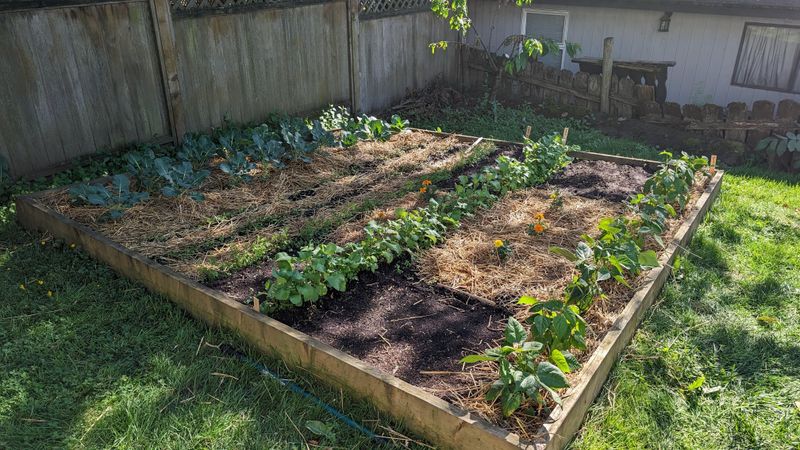
Weeds are relentless in Oregon gardens. Chickweed, dandelions, grasses, and bindweed all pop up fast, especially after spring rains or whenever you turn the soil.
Pull them once and they’re back within a week. It’s exhausting, and it steals time you’d rather spend harvesting or planting.
Mulch smothers most weed seeds before they ever get started. A thick layer blocks sunlight from reaching the soil surface, so seeds can’t germinate.
The ones that do manage to sprout come up weak and shallow-rooted, making them easy to pull with a quick tug. You’ll still see some weeds, but nowhere near the jungle you’d face in bare soil.
Straw works especially well for weed suppression in vegetable beds. Spread it three inches deep around your plants and you’ll notice the difference within two weeks.
Leaf mulch and bark fines also do the job, though bark takes longer to break down and can tie up nitrogen if not composted first.
The best part? You’re not adding chemicals or spending extra money on landscape fabric.
You’re just covering the ground with organic material that will eventually feed your soil. Less weeding, healthier plants, and a garden that actually looks tidy all summer long.
That’s a win on every level.
4. Better Soil Health Over Time
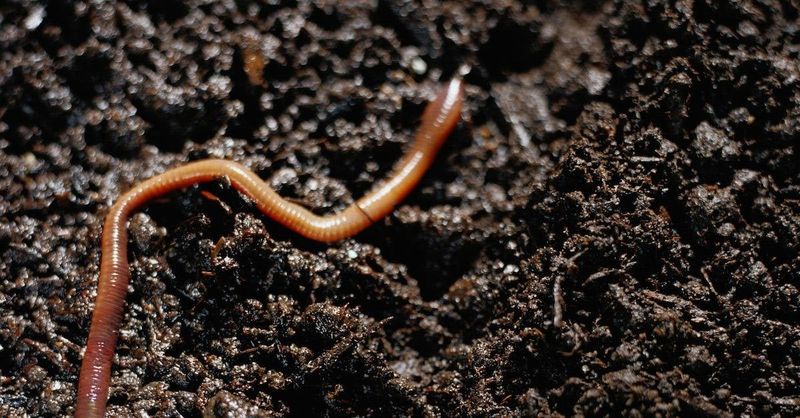
Healthy soil is the foundation of a productive vegetable garden, but building it takes time. Organic matter breaks down, earthworms move in, beneficial microbes multiply, and the whole underground ecosystem starts humming.
Mulch speeds up that process in ways you might not notice at first but will definitely appreciate over the long run.
As straw, leaves, or bark slowly decompose, they add organic material directly to the topsoil. Earthworms pull bits of mulch down into their tunnels, mixing it deeper.
Fungi and bacteria break it down into nutrients your plants can use. Over a season or two, your soil becomes darker, fluffier, and easier to work with.
Oregon’s wet winters can compact soil and wash nutrients away. Mulch protects against both.
It cushions heavy rain so water soaks in instead of pounding the surface. It keeps soil structure loose and crumbly, which means better drainage in winter and better moisture retention in summer.
You don’t need to do anything special, just keep adding mulch each season as the old layer breaks down. By the second or third year, you’ll notice your plants grow stronger and produce more.
Your soil will feel alive under your hands. It’s one of those slow, steady improvements that makes gardening more rewarding every single season.
5. Protection From Temperature Swings
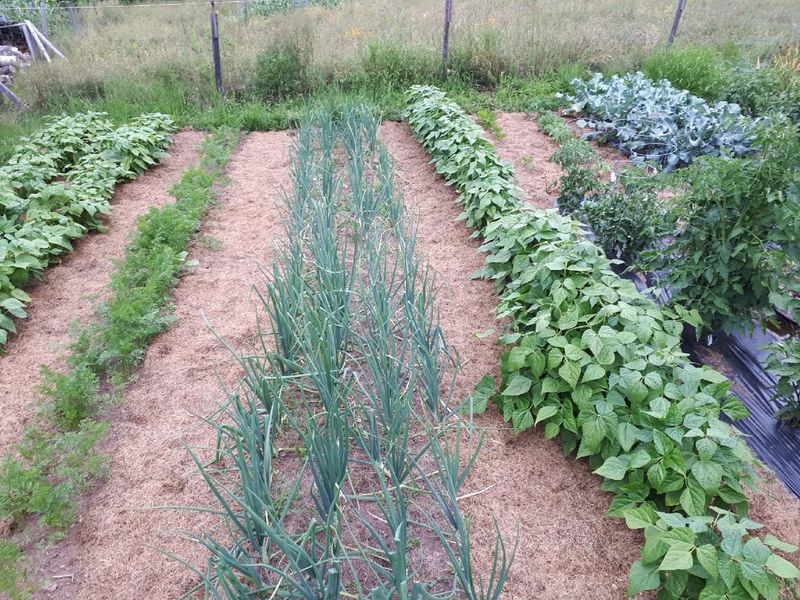
Oregon weather loves to surprise you. A cool morning can turn into a scorching afternoon, especially in late June and July.
Then September rolls in with chilly nights while days stay warm. These temperature swings stress vegetable plants, slowing growth and sometimes damaging tender crops like lettuce or newly transplanted seedlings.
Mulch insulates the soil, keeping temperatures more stable throughout the day. During hot afternoons, it prevents the soil from heating up too much, which protects shallow roots from heat stress.
At night, it holds onto warmth a bit longer, buffering against sudden cold snaps that can shock young plants.
This matters more than you might think. Tomatoes, peppers, and squash all grow best when their roots stay in a consistent temperature range.
Mulched beds maintain that steadiness, so plants put energy into producing fruit instead of recovering from daily temperature roller coasters. You’ll see healthier foliage, better yields, and fewer stressed-out plants limping through summer.
Even in fall, mulch extends the growing season a bit. It keeps soil warmer as nights get colder, giving your late-season greens and root vegetables a few extra weeks before frost shuts things down.
It’s a simple layer that acts like climate control for your garden, and it works all season long without any effort on your part.
6. Cleaner Vegetables And Less Mud Splash
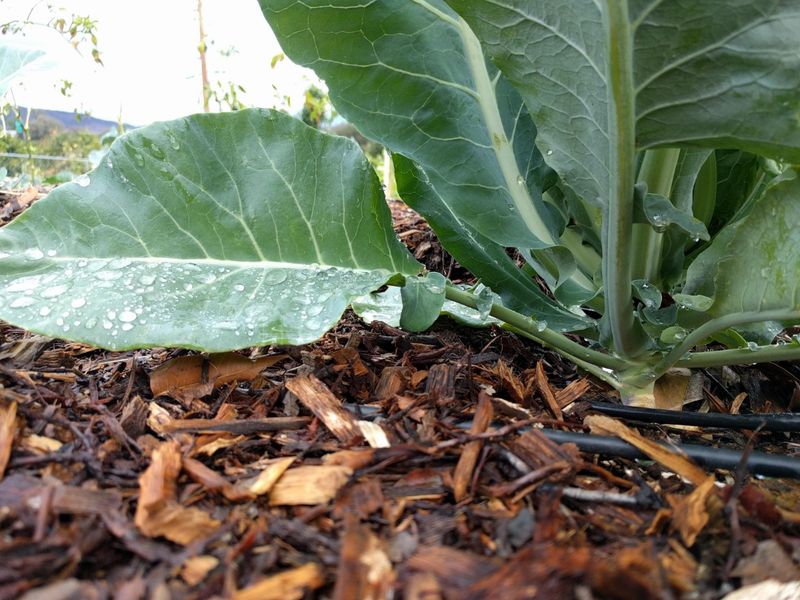
Harvest time should feel satisfying, not frustrating. But if you’ve ever picked lettuce after a rainstorm or pulled carrots from muddy soil, you know how messy vegetables can get.
Mud splashes up onto leaves, dirt clings to roots, and you spend extra time at the sink scrubbing everything clean before you can even think about cooking.
Mulch keeps your vegetables cleaner by creating a barrier between the soil and your plants. Rain hits the mulch instead of bare dirt, so there’s no splashing mud onto lettuce leaves, tomato stems, or low-hanging cucumbers.
Your greens stay crisp and clean. Your tomatoes don’t need a bath before slicing.
Harvesting becomes faster and more enjoyable.
This is especially helpful for sprawling crops like zucchini, melons, and pumpkins. Their fruits sit directly on the ground, and without mulch, they often develop rot or dirty spots where they touch wet soil.
A layer of straw lifts them just enough to stay dry and clean. You’ll get better-looking produce with less waste.
Even root vegetables benefit. When you pull carrots or beets from mulched soil, they come out cleaner because the mulch keeps the top layer of soil loose and less sticky.
It’s a small thing, but it makes a real difference when you’re bringing in armloads of vegetables every week. Clean food, less work, and better results all around.
7. Which Mulch Types Work Best In Oregon Gardens
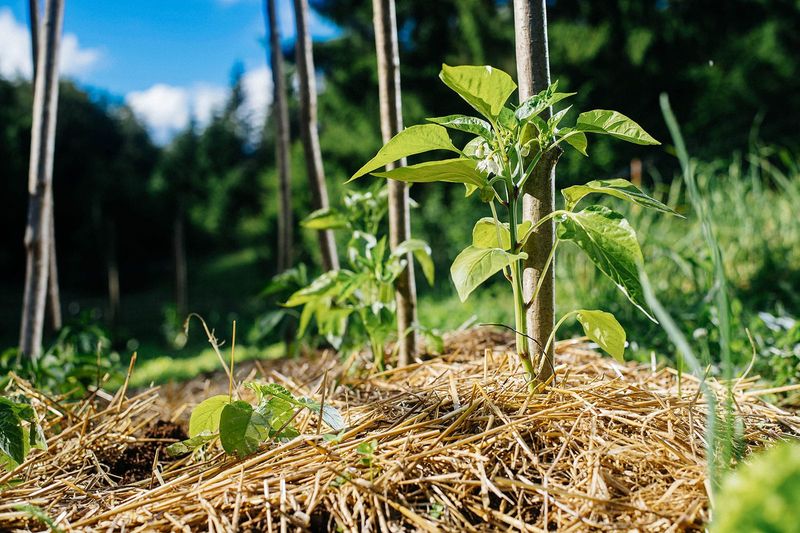
Not all mulch is created equal, and choosing the right type for your Oregon vegetable garden makes a big difference. Straw is the gold standard for most gardeners.
It’s lightweight, easy to spread, breaks down slowly, and doesn’t mat down like grass clippings. Look for weed-free straw, not hay, which is full of seeds that will sprout everywhere.
Shredded leaves work beautifully too, especially if you have a big maple or oak tree in your yard. Run them through a mower or leaf shredder first so they don’t form a soggy mat.
They decompose faster than straw, which means they add organic matter to your soil more quickly. They’re also free if you rake your own yard.
Bark fines or composted bark mulch can work in vegetable beds, but use them carefully. They take a long time to break down and can temporarily tie up nitrogen as they decompose, which might slow plant growth.
If you use bark, make sure it’s well-composted first and mix in a little extra compost or organic fertilizer to balance things out.
Avoid using fresh wood chips, grass clippings in thick layers, or anything treated with chemicals. Grass clippings heat up and smell bad.
Fresh wood chips rob nitrogen from your soil. Keep it simple: straw or shredded leaves are your best bets for vegetable gardens in Oregon.
They’re affordable, effective, and easy to work with all season long.
8. How To Apply Mulch The Right Way
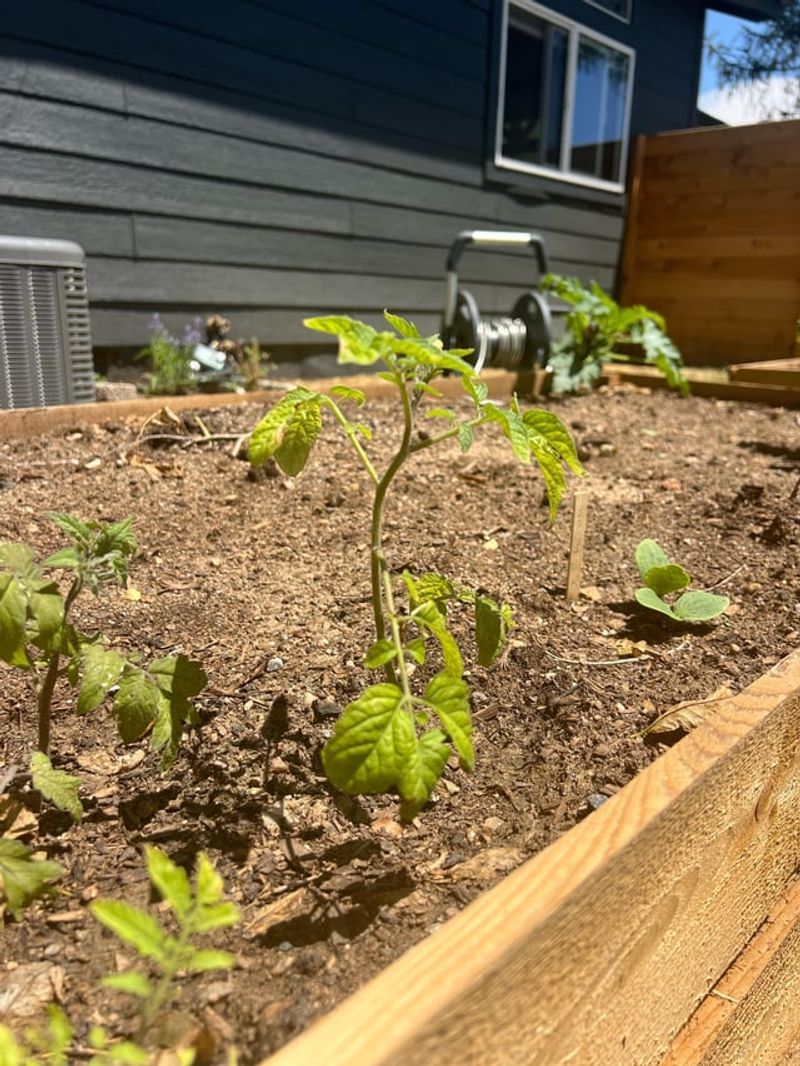
Mulching isn’t complicated, but doing it right makes all the difference. Start by weeding your beds thoroughly.
You don’t want to lock weeds in under a cozy blanket where they’ll thrive. Pull everything out, then water the bed well so the soil is moist before you mulch.
This traps moisture in from the start.
Spread your mulch in a layer two to three inches deep around your plants. Don’t pile it right up against stems or the base of your vegetables, leave a small gap of an inch or two.
Mulch touching plant stems can hold too much moisture and encourage rot or attract slugs and other pests. Think of it like tucking a blanket around your plants, not smothering them.
Refresh your mulch as it breaks down over the season. By late summer, your straw or leaves will have thinned out.
Add another inch or two to keep the benefits going strong. In fall, you can leave the mulch in place over winter or work it into the soil when you’re preparing beds for spring planting.
Mulching takes maybe an hour for a typical backyard vegetable garden. You’ll use a bale or two of straw or a few bags of leaves.
That small investment of time and money pays off every single week for the rest of the growing season. It’s one of the easiest, most effective changes you can make to simplify your Oregon vegetable garden.