Grow These 10 Plants To Protect Your Oregon Garden From Slugs
Slugs can turn a beautiful Oregon garden into a frustrating mess. These slimy pests munch through leaves, flowers, and vegetables, leaving behind trails of destruction.
Oregon’s wet climate makes it a perfect home for slugs, so gardeners need smart solutions.
One of the best ways to protect your plants is by growing certain varieties that slugs naturally avoid. Some plants have textures, scents, or flavors that these pests simply cannot stand.
By adding these slug-resistant plants to your garden, you create a natural barrier that helps keep your other plants safe.
This approach works well because it does not require harsh chemicals or constant monitoring. You simply plant these protective varieties in strategic spots around your garden.
They act as living shields while adding beauty and diversity to your landscape.
Ready to discover which plants can help you win the battle against slugs? The following ten plants offer proven protection while thriving in Oregon’s unique climate.
1. Lavender
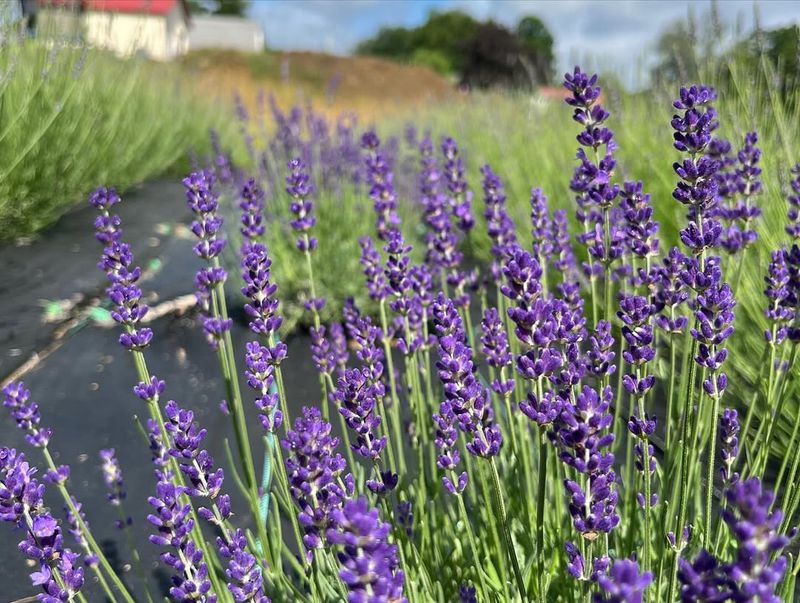
The fuzzy texture of lavender leaves makes them unpleasant for slugs to crawl across. These pests also dislike the strong aromatic oils that lavender produces naturally.
This Mediterranean herb thrives in Oregon’s climate when planted in well-drained soil with plenty of sunshine. Lavender needs about six to eight hours of direct sunlight each day to grow its best.
Once established, it requires minimal watering, making it a low-maintenance choice for busy gardeners.
You can plant lavender along garden borders to create a protective barrier around more vulnerable plants. The fragrance also attracts beneficial pollinators like bees and butterflies to your garden.
Harvest the flowers to make sachets, teas, or dried arrangements for your home.
Lavender comes in many varieties, from compact dwarf types to larger shrubs reaching three feet tall. English lavender varieties tend to be hardier in Oregon’s cooler zones.
Spanish and French lavenders offer different flower shapes and colors for added visual interest.
Prune your lavender plants in early spring to encourage bushy growth and more blooms. This simple care routine keeps plants healthy and productive for many years.
Lavender’s combination of beauty, fragrance, and slug-repelling properties makes it a garden superstar.
2. Rosemary
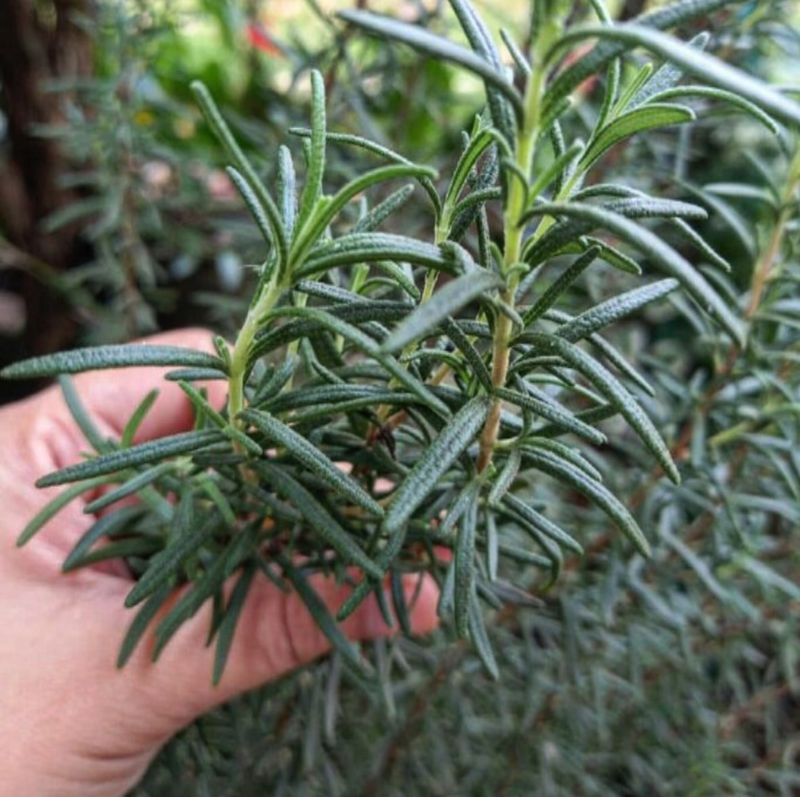
Slugs want nothing to do with it! The needle-like leaves contain powerful oils that smell wonderful to humans but repel slugs effectively.
These evergreen plants stay green year-round in most Oregon gardens, providing constant protection.
Plant rosemary in sunny spots with good drainage for best results. This herb tolerates Oregon’s wet winters better than many Mediterranean plants when soil does not stay soggy.
Raised beds or sloped areas work perfectly for rosemary plantings.
Upright rosemary varieties can grow into shrubs several feet tall, while trailing types work beautifully in containers or hanging baskets. Both forms offer the same slug-repelling benefits.
Position rosemary plants near vegetable gardens or flower beds that need extra protection from these pests.
Fresh rosemary adds amazing flavor to roasted vegetables, meats, and bread recipes. Simply snip off a few sprigs whenever you need them for cooking.
Your Oregon Garden Changes Every Week. Your Plan Should Too.
Gardening in Oregon changes quickly throughout the season. Every Friday you’ll receive a simple weekly plan showing exactly what to plant, prune, fertilize, harvest, and protect so you never miss the right timing.
The plant quickly grows new branches to replace what you harvest.
Rosemary flowers appear in late winter or early spring, offering blue, pink, or white blooms that bees absolutely love. These flowers provide early-season nectar when few other plants are blooming.
Regular light pruning after flowering keeps plants compact and bushy, preventing them from becoming leggy or bare at the base.
3. Fennel
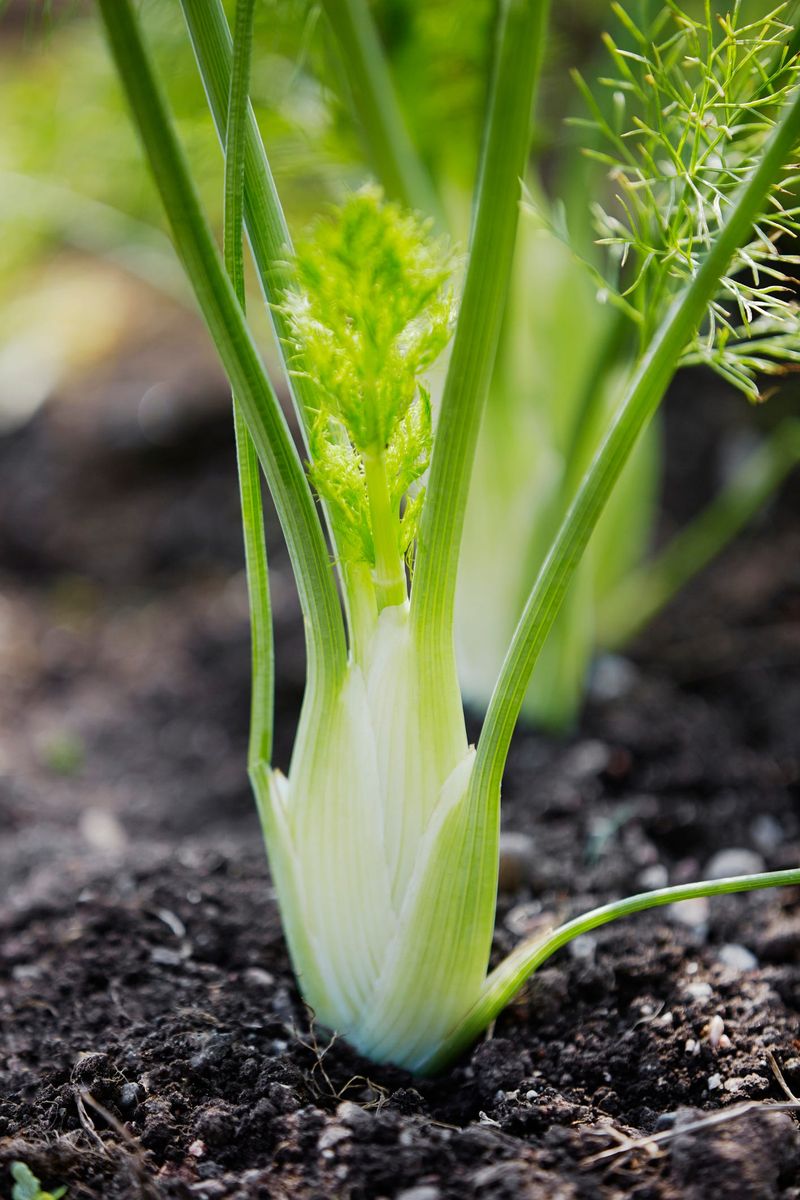
The strong anise scent and flavor keep these pests away from your garden beds. Both bronze and green fennel varieties offer excellent slug resistance while adding vertical interest to plantings.
This tall plant can reach four to six feet in height, making it a dramatic backdrop for shorter plants. Fennel grows quickly from seed and tolerates Oregon’s cool spring weather well.
Plant it in full sun where it has room to spread, as fennel does not like being crowded.
The lacy leaves attract beneficial insects like ladybugs and lacewings that eat garden pests. Yellow umbrella-shaped flowers appear in summer, followed by flavorful seeds you can harvest for cooking.
Every part of the fennel plant offers culinary uses, from the bulb to the leaves and seeds.
Fennel acts as a host plant for swallowtail butterfly caterpillars, bringing these beautiful insects to your garden. Watching the caterpillars munch the leaves and transform into butterflies adds magic to any garden space.
The caterpillars rarely damage the plant seriously since fennel grows so vigorously.
Give fennel its own dedicated spot rather than mixing it closely with other vegetables. Some plants grow poorly near fennel due to compounds it releases into the soil.
However, this same characteristic helps repel slugs and certain other pests from the surrounding area.
4. Salvia
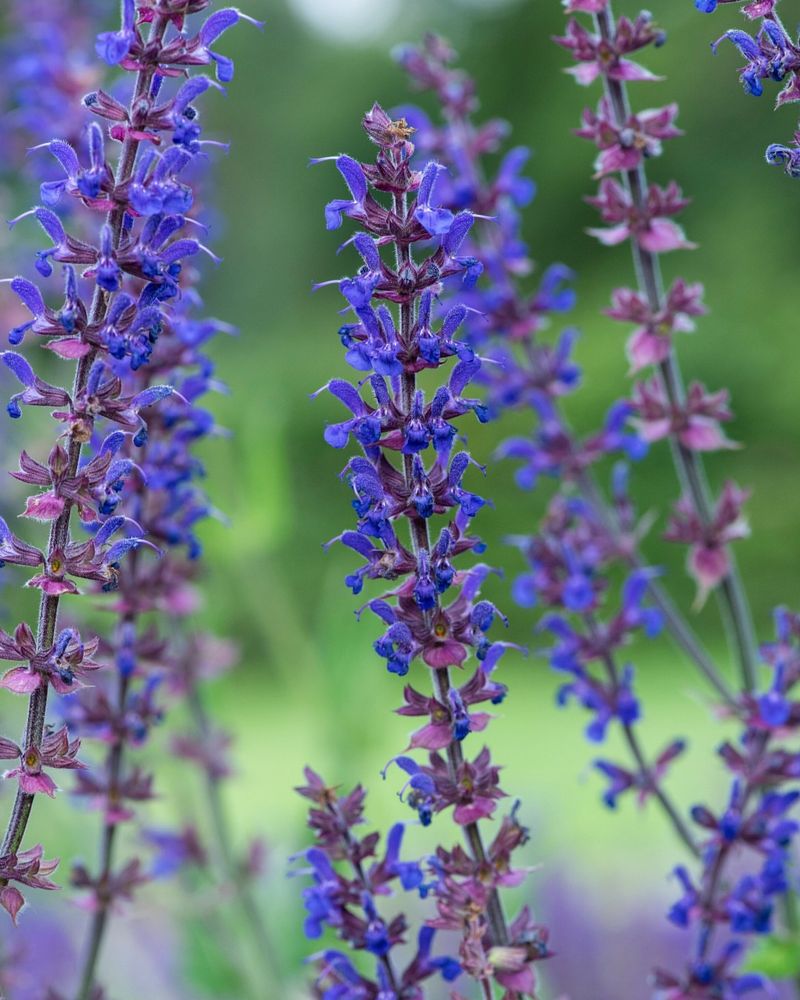
Salvia encompasses hundreds of species, and most share one important trait: slugs hate them. The aromatic foliage and sometimes fuzzy or sticky leaves make salvia plants completely unappealing to these pests.
Colorful flower spikes in blue, purple, red, pink, or white add stunning vertical accents to garden beds.
Many salvia varieties thrive in Oregon’s climate, from low-growing groundcovers to tall perennials reaching four feet. Perennial salvias return year after year, becoming larger and more impressive with age.
Annual types provide quick color for a single season but need replanting each spring.
Hummingbirds and bees flock to salvia flowers, creating a lively garden atmosphere. The tubular flowers provide nectar throughout summer and often into fall.
Plant salvias in groups for maximum visual impact and to create a stronger slug-deterrent zone.
Most salvias prefer full sun and well-drained soil, though some woodland species tolerate shade. Once established, these plants handle dry periods well, reducing your watering chores.
This drought tolerance becomes especially valuable during Oregon’s dry summer months.
Deadheading spent flower spikes encourages salvias to produce more blooms and extends the flowering season. Cut back perennial types in late fall or early spring to remove old growth.
This simple care routine keeps plants looking neat and promotes vigorous new growth that remains slug-free throughout the growing season.
5. Geraniums (Scented)
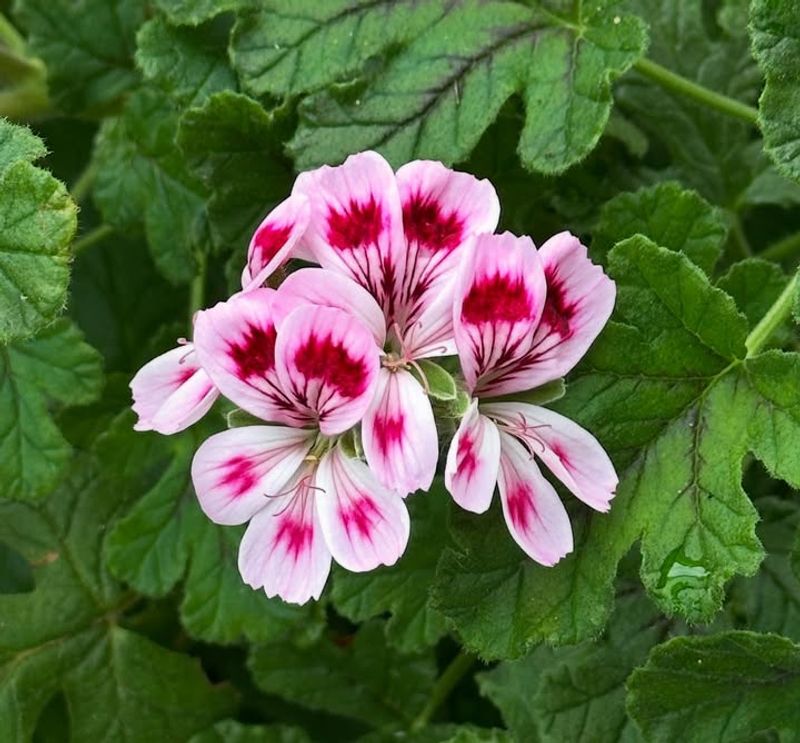
Scented geraniums offer an incredible variety of fragrances that confuse and – most importantly – repel slugs. Rose, lemon, mint, and apple scents are just a few options available.
These plants produce essential oils in their leaves that release fragrance when touched or brushed.
Unlike common bedding geraniums, scented varieties focus more on foliage than flowers. Their leaves come in different shapes and textures, many with fuzzy or rough surfaces that slugs avoid.
Small flowers appear sporadically throughout the growing season, usually in shades of pink, white, or lavender.
Scented geraniums thrive in containers, making them perfect for patios, decks, or balconies. Place pots near doorways or seating areas where people can enjoy the fragrance.
In mild Oregon winters, these plants may survive outdoors in protected locations, though most gardeners bring them inside during cold months.
These plants grow quickly and respond well to regular pinching and pruning. This maintenance keeps them bushy and compact while providing you with fragrant cuttings.
Use the leaves in cooking, crafts, or simply rub them between your fingers for an instant aromatherapy boost.
Scented geraniums root easily from cuttings, allowing you to multiply your collection or share with friends. Simply cut a healthy stem, remove lower leaves, and place it in moist potting soil.
Within a few weeks, roots develop and you have a new plant ready to protect your garden from slugs.
6. Artemisia
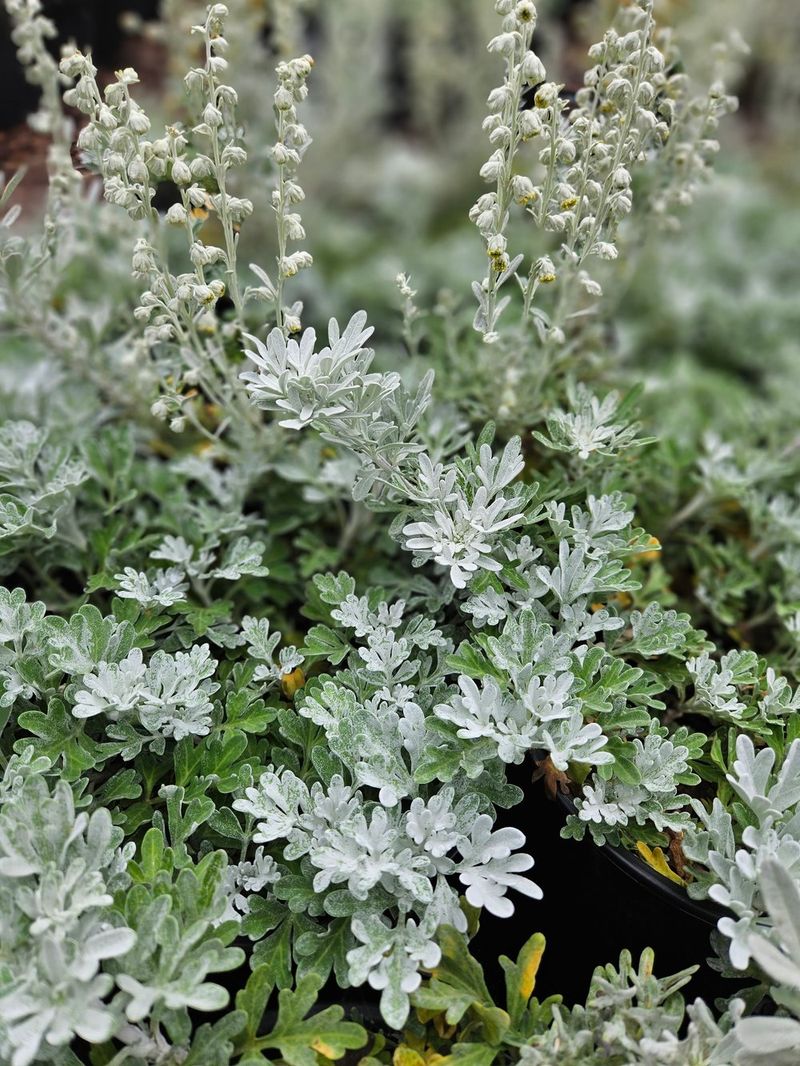
Artemisia plants feature silvery-gray foliage that creates beautiful contrast in garden designs while keeping slugs at bay. The leaves contain bitter compounds and aromatic oils that make them completely unpalatable to slugs and many other pests.
This tough plant family includes varieties ranging from low mats to tall shrubs.
Silver mound artemisia forms compact domes of finely divided foliage perfect for edging paths or borders. Taller varieties like ‘Powis Castle’ create stunning backdrops for colorful flowers.
All artemisia types prefer full sun and excellent drainage, making them ideal for rock gardens or dry areas.
These plants handle Oregon’s wet winters surprisingly well when planted in raised beds or amended soil. Good drainage prevents root rot, which is the main challenge with growing artemisia in rainy climates.
Once established, they need minimal water during summer.
The silvery foliage provides year-round interest since many artemisia varieties stay evergreen in mild winters. This makes them valuable for maintaining garden structure when other plants have gone dormant.
The soft texture and color complement both bold flowers and other foliage plants.
Artemisia rarely needs fertilizing and actually prefers lean soil conditions. Rich soil causes plants to become floppy and lose their compact form.
Prune plants in early spring to remove any winter-damaged growth and encourage fresh, attractive foliage that will remain slug-free all season long.
7. Euphorbia
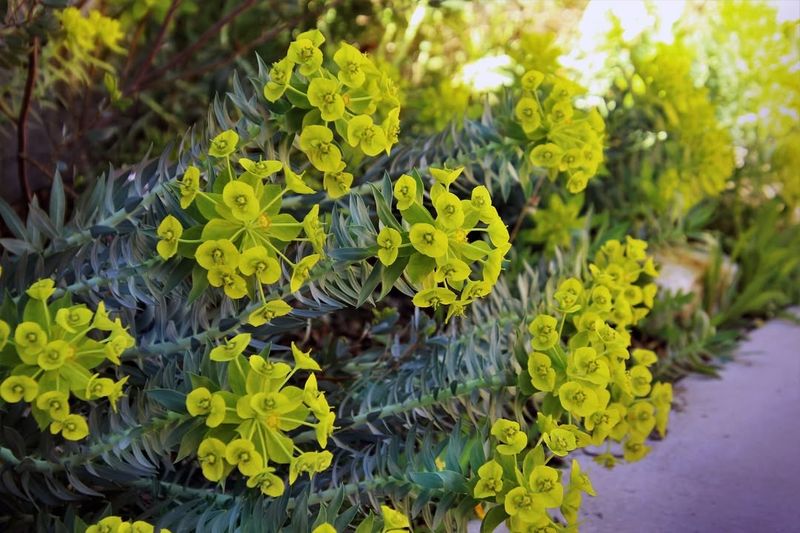
This plant produce a milky sap that slugs find completely repulsive and irritating. This built-in defense system makes euphorbias some of the most slug-proof plants you can grow.
The family includes diverse species from low groundcovers to tall architectural specimens.
Cushion spurge forms neat mounds of foliage topped with chartreuse flowers in spring. Mediterranean spurge creates upright columns of blue-green leaves with yellow-green flower clusters.
Both types thrive in Oregon gardens with minimal care once established.
Most euphorbias prefer full sun and well-drained soil but tolerate various conditions remarkably well. They handle drought, poor soil, and even some shade, though they perform best with good light.
This adaptability makes them excellent problem-solvers for difficult garden spots.
The colorful bracts that surround the tiny true flowers provide long-lasting color from spring into summer. Many euphorbias also offer attractive foliage in shades of blue-green, burgundy, or variegated patterns.
This combination of flowers and foliage creates multi-season interest.
Handle euphorbias carefully when pruning or dividing, as the milky sap can irritate skin and eyes. Wear gloves and wash hands thoroughly after working with these plants.
Despite this caution, euphorbias remain low-maintenance garden stars that require little attention beyond occasional tidying. Their slug-repelling properties and drought tolerance make them increasingly popular in Oregon gardens.
8. Lamb’s Ear
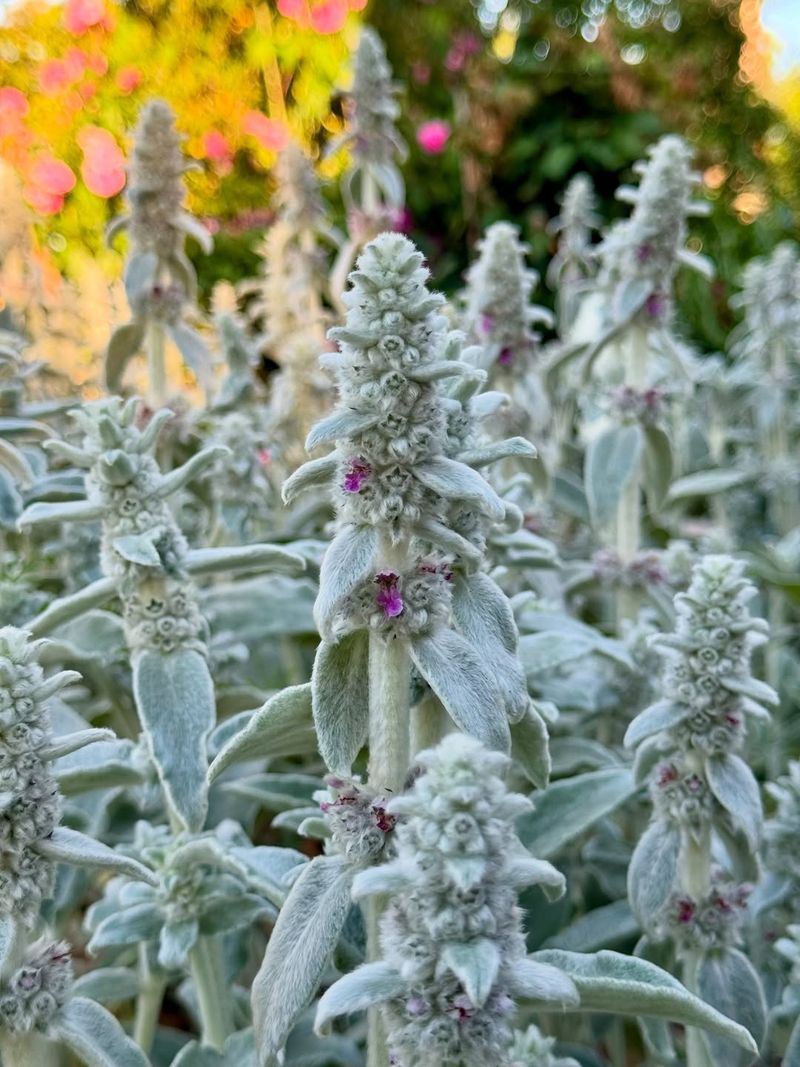
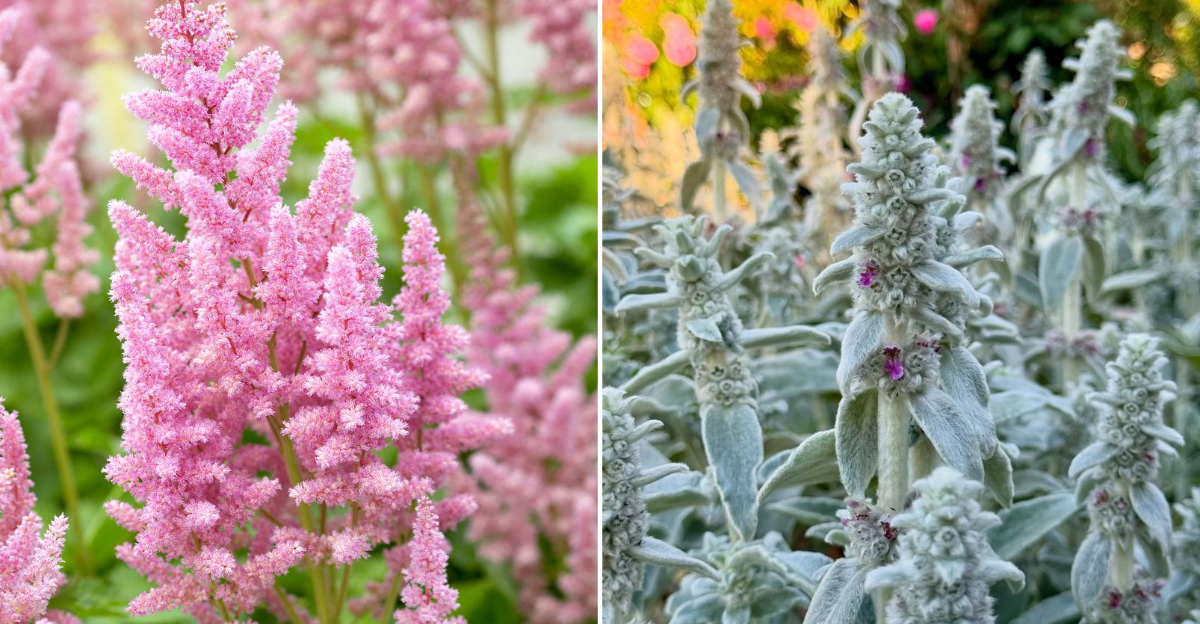
This interesting plant earns its name from the incredibly soft, fuzzy leaves that feel just like a lamb’s ear. This thick coating of tiny hairs makes the foliage completely unappealing to slugs, who cannot navigate the fuzzy surface.
The silvery-gray leaves create a beautiful groundcover that spreads to fill spaces between other plants.
Children especially love touching the velvety leaves, making lamb’s ear a wonderful sensory plant for family gardens. The foliage remains attractive from spring through fall, providing consistent color and texture.
In mild Oregon winters, the leaves often stay evergreen, maintaining garden interest year-round.
Tall flower spikes emerge in summer, covered with small purple-pink blooms that bees enjoy. Some gardeners prefer to remove these spikes to keep the focus on the beautiful foliage.
Either choice works well depending on your garden design preferences.
Plant lamb’s ear in full sun to partial shade with good drainage. The thick leaves can develop rot in constantly wet conditions, so avoid low spots where water collects.
Space plants about twelve inches apart, and they will quickly fill in to create a continuous carpet.
Lamb’s ear spreads by underground stems but remains easy to control by pulling unwanted plants. Divide clumps every few years to maintain vigor and prevent centers from becoming bare.
The soft foliage combines beautifully with roses, salvias, and other cottage garden favorites while providing excellent slug protection.
9. Astilbe
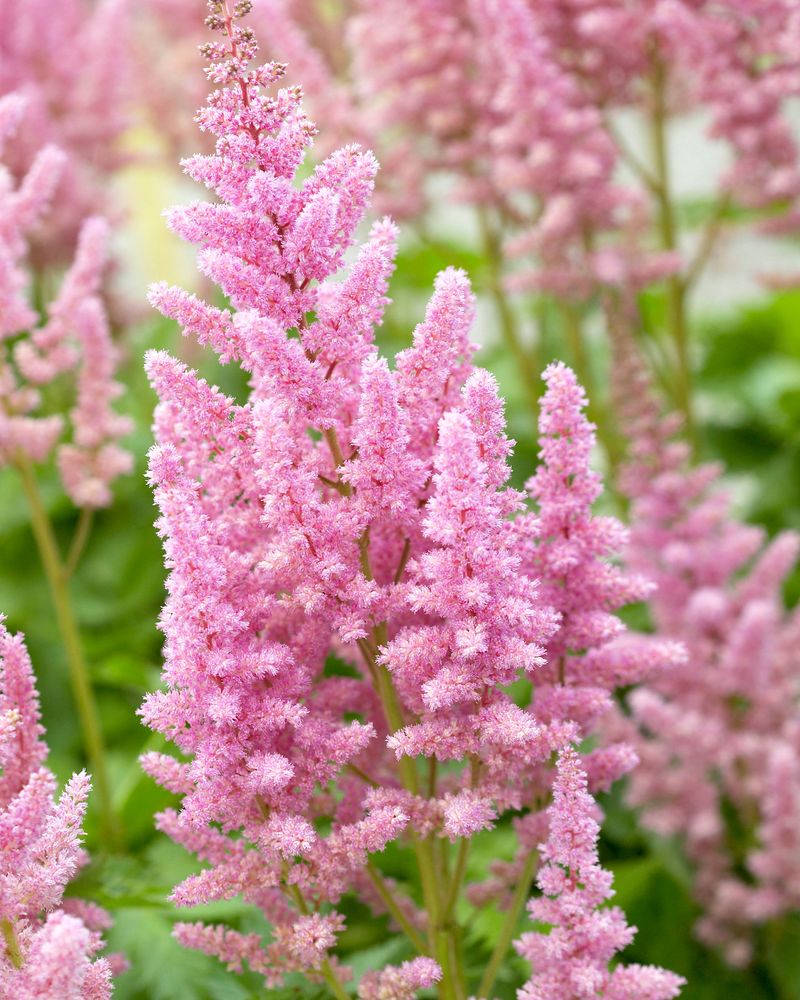
Astilbe thrives in Oregon’s shade gardens where slugs often cause the most damage. The ferny foliage has a slightly rough texture that slugs avoid, while the feathery flower plumes create a stunning display.
Colors range from white and pale pink to deep red and purple, offering options for any color scheme.
These shade-loving perennials appreciate Oregon’s moist climate and perform beautifully in woodland gardens or along shaded borders. Astilbes prefer consistent moisture and benefit from mulching to keep roots cool and damp.
They pair perfectly with hostas, ferns, and other shade plants while offering better slug resistance than many companions.
The flowers appear in early to mid-summer, rising above the foliage on strong stems. Each plume consists of hundreds of tiny flowers packed together, creating a fluffy appearance.
Blooms last several weeks and often dry attractively on the plant, providing late-season interest.
Plant astilbes in partial to full shade with rich, organic soil. Amend clay soils with compost to improve drainage while maintaining moisture retention.
Space plants eighteen to twenty-four inches apart depending on the variety’s mature size.
Astilbe foliage remains attractive throughout the growing season, turning bronze or burgundy in fall. Cut back dead foliage in late fall or early spring before new growth emerges.
Divide clumps every three to four years to maintain vigor and increase your collection of these beautiful, slug-resistant shade plants.
10. Japanese Forest Grass
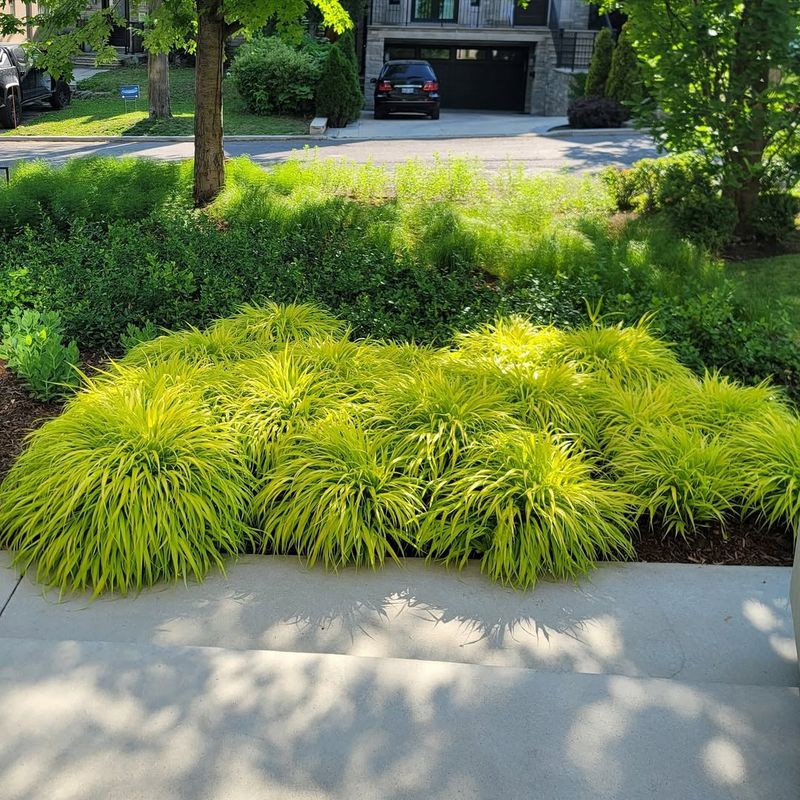
The thin, arching blades have a smooth texture that slugs simply slide off without attempting to feed. Golden and variegated varieties brighten dark corners where few other plants provide such luminous color.
This ornamental grass grows in graceful mounds that sway with the slightest breeze, adding dynamic interest to static plantings. The cascading form works beautifully along path edges, in containers, or as specimens in shade gardens.
Japanese forest grass stays compact, typically reaching twelve to eighteen inches tall and wide.
Unlike many grasses that prefer sun, this species thrives in partial to full shade. It appreciates consistent moisture and benefits from Oregon’s naturally damp conditions.
The grass tolerates more sun in cooler climates but may scorch in hot, dry locations.
Foliage color intensifies as the season progresses, with golden varieties becoming more brilliant in fall. Variegated types display green leaves with creamy yellow stripes that almost seem to glow in low light.
This color remains attractive until frost, providing months of visual interest.
Japanese forest grass requires minimal maintenance beyond removing dead foliage in early spring before new growth appears. The grass rarely needs division but can be separated every few years if you want to create more plants.
This slug-resistant ornamental grass offers a perfect solution for adding texture and color to Oregon’s shadier garden spaces.